

Free Serra da Mantiqueira Travel Guide & Mobile App
Explore Serra da Mantiqueira with free travel guides. Discover regional history, expert tips, proposed trips, and audio guides on web or mobile app.


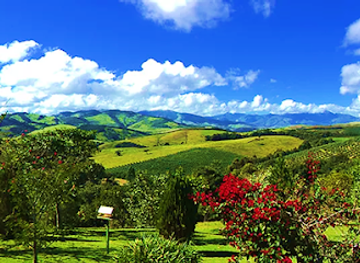
Serra da Mantiqueira combines Atlantic Forest, high peaks, waterfalls, mountain towns and Minas Gerais flavours across southeastern Brazil.
Read more about Serra da Mantiqueira
When is the best time to visit Serra da Mantiqueira?
Best: March–April, November · 22–24°C| Month | High (°C) | Rainfall (mm) |
|---|---|---|
| January | 24 | 170 |
| February | 24 | 150 |
| March (best) | 24 | 140 |
| April (best) | 22 | 120 |
| May | 19 | 100 |
| June | 17 | 80 |
| July | 17 | 80 |
| August | 18 | 90 |
| September | 20 | 110 |
| October | 22 | 130 |
| November (best) | 24 | 140 |
| December | 24 | 160 |
Getting to and around Serra da Mantiqueira
How to get there
Transportation
Destinations in Serra da Mantiqueira
Resorts, valleys and scenic spots worth a trip of their own.
-

-


Swipe for more destinations
Best attractions in Serra da Mantiqueira
The Mantiqueira’s attractions range from cultivated resort landscapes to demanding wilderness. Campos do Jordão offers museums, gardens, cultural venues and forested viewpoints, while São Bento do Sapucaí and Santo Antônio do Pinhal provide access to rural roads, craft studios and mountain panoramas. Pedra do Baú is a major climbing and hiking focus, subject to local access rules and weather conditions. On the Minas Gerais side, Monte Verde combines highland trails and visitor facilities, while Gonçalves, Itamonte, Passa Quatro and Aiuruoca are associated with waterfalls, farm stays, scenic valleys and outdoor activities. Itatiaia National Park is the region’s most important protected attraction, with lower-elevation Atlantic Forest and a higher rocky plateau containing dramatic formations around Agulhas Negras. Walking, climbing, birdwatching, horse riding and cycling are all possible, but difficulty varies greatly. The attraction landscape is defined less by a dense collection of monuments than by the relationship between protected mountain environments, working farms, food producers and settlements shaped by altitude.
-
Tourist attraction
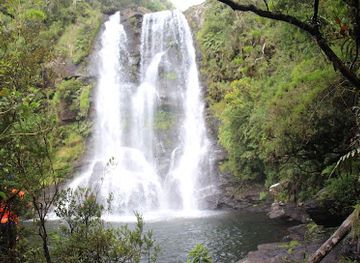
Waterfall of the Garcias - Low
Discover the serene beauty of Cachoeira dos Garcias in Aiuruoca, a perfect escape into nature's tranquility.
-
Mountain peak
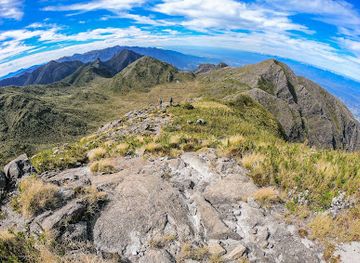
Pedra da Mina
Hike to the summit of Pedra da Mina, the 4th highest peak in Brazil, for breathtaking panoramic views of the Mantiqueira Mountains.
Best landmarks in Serra da Mantiqueira
Pedra do Baú, near São Bento do Sapucaí, is the Mantiqueira’s most recognisable granite landmark, rising above the surrounding São Paulo highlands and forming a defining feature of local views. The Agulhas Negras massif in Itatiaia National Park is another major symbol of the range, with dark, sharply sculpted rock and high-altitude terrain that attracts experienced hikers and climbers. Pedra da Mina, on the São Paulo–Minas Gerais border, is among Brazil’s highest summits and represents the more remote character of the central Mantiqueira. Campos do Jordão’s railway heritage, mountain villas and planned resort landscapes express a different history, shaped by climatic tourism and early twentieth-century development. In Minas Gerais, the historic railway setting of Passa Quatro preserves links to the region’s transport past, while old fazendas, country churches, stone bridges and farm roads remain scattered through the valleys. Together, these landmarks show the range as both a geological formation and a cultural borderland shaped by travel, agriculture, conservation and tourism.
-
State park
Parque Estadual da Serra do Papagaio
Explore the breathtaking landscapes and diverse wildlife at Parque Estadual da Serra do Papagaio, a premier destination for outdoor enthusiasts in Minas Gerais.
-
Mountain peak
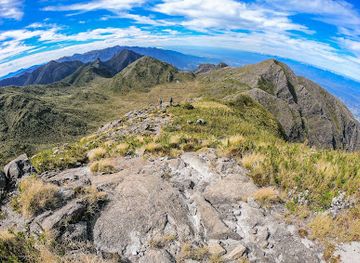
Pedra da Mina
Hike to the summit of Pedra da Mina, the 4th highest peak in Brazil, for breathtaking panoramic views from the heart of Serra da Mantiqueira.
-
Mountain range
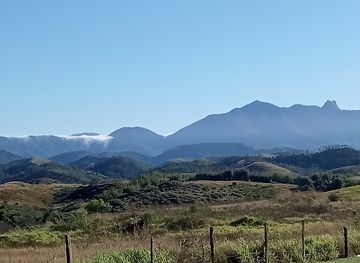
Mantiqueira Mountains
Explore the Mantiqueira Mountains: A stunning Brazilian range offering hiking, culture, and breathtaking natural beauty.
-
Nature preserve
Serra da Mantiqueira Environmental Protection Area
Discover Brazil's Serra da Mantiqueira Environmental Protection Area: a mountain escape with rich biodiversity, stunning views, and outdoor adventures.
Explore Serra da Mantiqueira on the map
Plan your trip on one map. See where the top cities, national parks and sights are, and book hotels and experiences in a few clicks.
Best hotels in Serra da Mantiqueira
Best restaurants in Serra da Mantiqueira
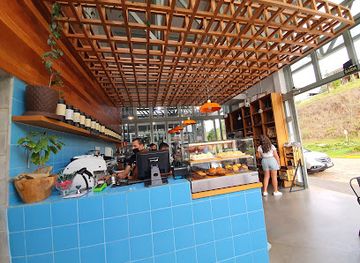
Dining in the Mantiqueira reflects the meeting of São Paulo, Minas Gerais and Rio de Janeiro influences, with local variation from one valley to the next. Minas Gerais flavours are especially visible in rural restaurants and farm stays, where meals may feature handmade cheeses, beans, pork, corn, leafy vegetables, breads, preserves and seasonal produce. Trout, mushrooms and berries are associated with cooler highland agriculture and appear frequently in mountain-town menus, while coffee, honey, cachaça and artisanal sweets are common regional purchases. Campos do Jordão has the broadest range of restaurants, including polished dining rooms, cafés and establishments serving fondue-style cold-weather menus; smaller towns tend towards family restaurants, bakeries, traditional pubs and rustic inns. Farmers’ markets and producer shops are useful for discovering cheeses, cured foods, jams and locally grown coffee. In rural areas, opening days and meal services can be limited, so accommodation-based dining or advance arrangements may be necessary.
-
Restaurant
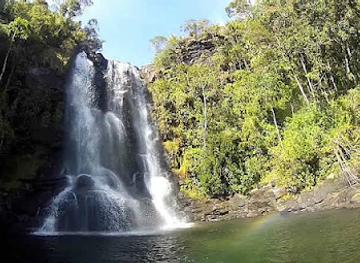
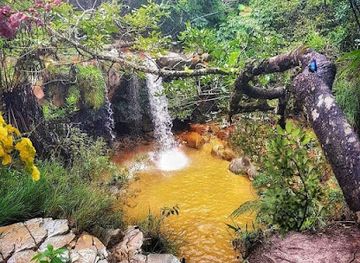
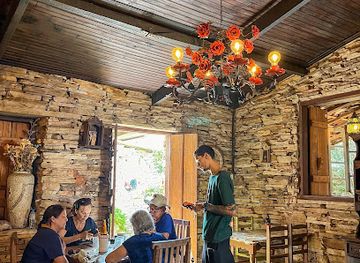
Waterfall Valley of the Butterflies
Experience nature's beauty at Waterfall Valley of the Butterflies in São Thomé das Letras - a paradise for adventure lovers and tranquility seekers.
-
Restaurant
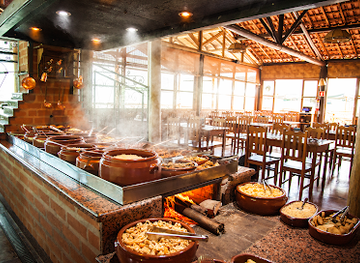
Restaurante Pedra do Baú
Experience the rich flavors of Brazil at Restaurante Pedra do Baú in São Bento do Sapucaí – where delicious buffet dining meets breathtaking views.
-
Restaurant
O Alquimista Típico
Experience the rich flavors of Brazil at O Alquimista Típico in São Thomé das Letras – your go-to spot for delicious pizza and local cuisine.
-
Restaurant
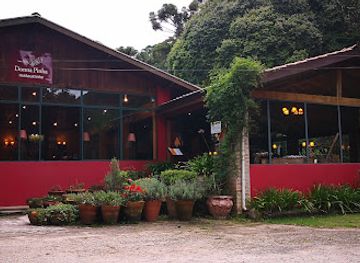
Donna Pinha
Discover authentic Brazilian flavors at Donna Pinha in Santo Antônio do Pinhal - where culinary tradition meets warm hospitality.
Best bars in Serra da Mantiqueira
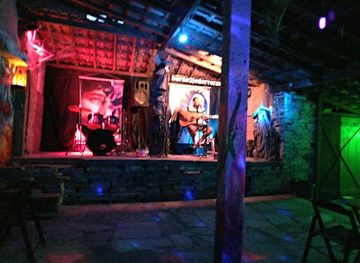
Evening life in the Mantiqueira is concentrated in a handful of resort and market towns rather than spread across the mountains. Campos do Jordão has the most developed nightlife, with restaurants, beer halls, wine-focused venues, cafés and occasional live music, especially during the busy winter season. Monte Verde also offers evening dining and small venues suited to its cool-climate resort atmosphere. In Gonçalves, São Bento do Sapucaí, Aiuruoca and other rural destinations, nightlife is generally quieter, centred on local restaurants, pousada lounges, traditional bars, craft drinks and occasional music events rather than large nightclubs. Some breweries, cachaça producers and cafés provide alternatives to late-night entertainment. Rural roads are poorly suited to driving after drinking, and visitors staying outside town should confirm transport arrangements rather than assuming a taxi will be available late at night.
-
Lounge
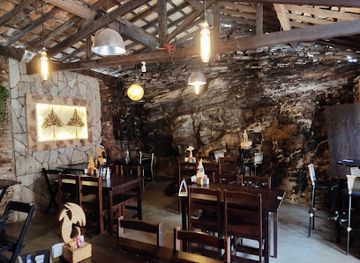
Jardim Secreto Restaurante & Lounge
Experience the vibrant atmosphere and exquisite cuisine at Jardim Secreto Restaurante & Lounge in São Thomé das Letras, Brazil.
-
Bar
CASAL GARCIA Restaurante e Bar
Discover authentic Brazilian cuisine and a vibrant atmosphere at CASAL GARCIA Restaurante e Bar in Aiuruoca, Minas Gerais.
-
Bar
Bar do 2
Discover the vibrant ambiance and local flavors of Bar do 2 in São Thomé das Letras, where every drink tells a story.
-
Cocktail bar
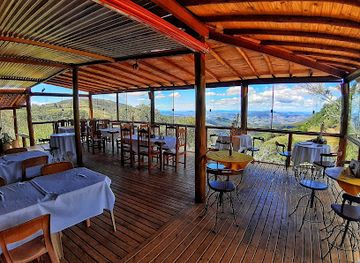
Morrison Rock Bar
Discover the vibrant atmosphere of Morrison Rock Bar, a cocktail haven in Itatiaia, offering stunning views and exceptional drinks for an unforgettable night out.
Best nightclubs in Serra da Mantiqueira
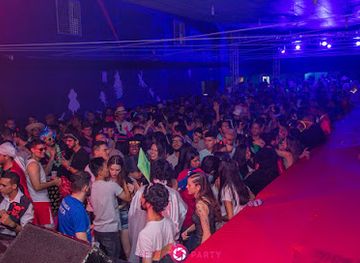
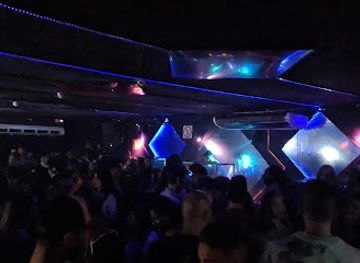
Evening life in the Mantiqueira is concentrated in a handful of resort and market towns rather than spread across the mountains. Campos do Jordão has the most developed nightlife, with restaurants, beer halls, wine-focused venues, cafés and occasional live music, especially during the busy winter season. Monte Verde also offers evening dining and small venues suited to its cool-climate resort atmosphere. In Gonçalves, São Bento do Sapucaí, Aiuruoca and other rural destinations, nightlife is generally quieter, centred on local restaurants, pousada lounges, traditional bars, craft drinks and occasional music events rather than large nightclubs. Some breweries, cachaça producers and cafés provide alternatives to late-night entertainment. Rural roads are poorly suited to driving after drinking, and visitors staying outside town should confirm transport arrangements rather than assuming a taxi will be available late at night.
-
Night club
Laroc Club
Discover the ultimate nightlife experience at Laroc Club in Valinhos, where electrifying music and stunning views create unforgettable nights.
-
Night club
Sede Social do Diretório Central Estudantil da Unifei - Bar Cultural
Discover the vibrant nightlife at Sede Social do Diretório Central Estudantil da Unifei, a cultural bar and club in Itajubá, Minas Gerais.
-
Disco club
Circuito Alternativo
Discover Lavras' vibrant nightlife at Circuito Alternativo, a premier disco club offering an unforgettable experience with music, dancing, and socializing.
-
Night club
DDuck DClub
Discover the nightlife excitement at DDuck DClub in Belo Horizonte, where unforgettable memories and electrifying dance beats await you.

Best shops in Serra da Mantiqueira
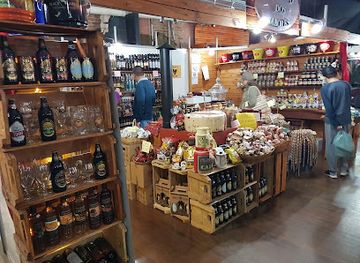
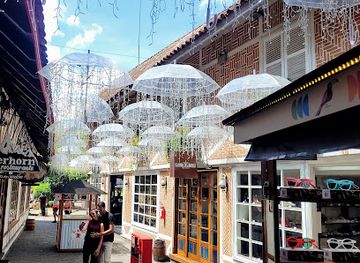
Shopping in the Mantiqueira is strongest in resort centres and market towns, where independent shops sit alongside food producers and craft workshops. Campos do Jordão has the broadest retail selection, including clothing, homeware, chocolate, books, décor and goods aimed at cool-weather visitors. Monte Verde is known for small shops selling knitwear, sweets, preserves, cheeses and regional products, while São Bento do Sapucaí and Gonçalves offer ceramics, woodwork, textiles, art, natural products and objects made by local craftspeople. Farm shops and roadside producers are particularly useful for Mantiqueira cheeses, coffee, honey, cachaça, jams, mushrooms and other provisions, though some operate seasonally or by prior arrangement. Traditional markets and small-town high streets are generally more practical than formal shopping centres, and product quality and provenance vary. Ask whether food goods are suitable for transport and observe local restrictions when taking agricultural products across state or national borders.
-
Outlet mall
Outlet Fernão Dias
Experience the ultimate shopping spree at Outlet Fernão Dias, where fashion meets fantastic discounts in a vibrant atmosphere.
-
Shopping mall
Galeria Villa Capivari
Visit Galeria Villa Capivari for an unforgettable shopping adventure in the heart of Campos do Jordão, where local crafts and gourmet chocolates await.
-
Coffee store
Unique Specialty Coffees (artisan roasting)
Explore the rich world of artisan coffee at Unique Specialty Coffees, a premier destination for coffee lovers in São Lourenço, Brazil.
-
Shopping mall
Shopping Center Capivari
Discover Shopping Center Capivari in Campos do Jordão, where shopping meets culinary delights and vibrant entertainment in a stunning setting.

Get your free copy of our complete guide to Serra da Mantiqueira, delivered straight to you.
Everything on this page, from attractions and restaurants to essentials and local phrases, in one PDF you can read offline, print or share.
Already have an account? Sign in
Your Serra da Mantiqueira guide is ready.
We'll send it to · Not you? Sign out

Getting your guide ready…
We are putting together a fresh copy of the Serra da Mantiqueira guide. This can take up to a minute.
This can take a few moments. If your browser asks, choose Allow so the download can start. You'll find the guide in your Downloads folder.
Nothing happened? Download it again
Sorry, the guide is taking longer than usual. Please try again in a minute, or get it by email instead.
Serra da Mantiqueira essentials
Currency and Payment
Safety
Emergency Situations
Do's and Don'ts
Local Tips
From Eve
Local phrases worth knowing
You don't need to get them perfect. A few words go a long way, and locals appreciate the effort.
Basics
| English | Local | Say it |
|---|---|---|
| Hello | Oi | [oy] |
| Goodbye | Tchau | [chow] |
| Yes | Sim | [seem] |
| No | Não | [now] |
| Please/You're welcome | Por favor/De nada | [por fah-vor/de nah-dah] |
| Thank you | Obrigado/Obrigada | [oh-bree-gah-do/oh-bree-gah-dah] |
| Excuse me/Sorry | Desculpe | [des-kool-peh] |
| How are you? | Como você está? | [koh-moo voh-seh es-tah] |
| Fine. And you? | Bem. E você? | [beng. ee voh-seh] |
| Do you speak English? | Você fala inglês? | [voh-seh fah-lah een-glez] |
| I don't understand | Eu não entendo | [ay-oo now en-ten-doo] |
Eating & Drinking
| English | Local | Say it |
|---|---|---|
| I'd like to see the menu, please | Eu gostaria de ver o cardápio, por favor | [ay-oo gohs-tah-ree-ah jee veh-ree o kar-dah-pee-oh, por fah-vor] |
| I don't eat meat | Eu não como carne | [ay-oo now koh-moo kar-nee] |
| Cheers! | Saúde! | [sah-oo-dee] |
| I would like to pay, please | Eu gostaria de pagar, por favor | [ay-oo gohs-tah-ree-ah jee pah-gar, por fah-vor] |
Emergencies
| English | Local | Say it |
|---|---|---|
| Help! | Ajuda! | [ah-zhoo-dah] |
| Go away! | Vá embora! | [vah em-boh-rah] |
| Call the Police! | Chame a polícia! | [sha-mee ah poh-lee-siah] |
| Call a doctor! | Chame um médico! | [sha-mee oom meh-jee-co] |
| I'm lost | Estou perdido | [es-toh pehr-jee-doo] |
| I'm ill | Estou doente | [es-toh doh-en-chee] |
Shopping
| English | Local | Say it |
|---|---|---|
| I'd like to buy... | Eu gostaria de comprar... | [ay-oo gohs-tah-ree-ah jee kohm-prahr] |
| I'm just looking | Estou apenas olhando | [es-toh ah-peh-nas oh-lyan-doo] |
| How much is it? | Quanto custa? | [kwan-toh koos-tah] |
| That's too expensive | Isso é muito caro | [ee-so eh mu-een-toh kah-ro] |
| Can you lower the price? | Você pode baixar o preço? | [voh-seh poh-jee bye-shar o preh-so] |
Time & Numbers
| English | Local | Say it |
|---|---|---|
| What time is it? | Que horas são? | [kee oh-ras sow] |
| It's one o'clock | É uma hora | [eh oo-mah oh-rah] |
| Half past (10) | Dez e meia | [dez ee meh-yah] |
| Morning | Manhã | [mahn-yah] |
| Afternoon | Tarde | [tar-jee] |
| Evening | Noite | [noy-chee] |
| Yesterday | Ontem | [on-tem] |
| Today | Hoje | [oh-zhee] |
| Tomorrow | Amanhã | [ah-mahn-yah] |
| 1 | Um | [oom] |
| 2 | Dois | [doyz] |
| 3 | Três | [trez] |
| 4 | Quatro | [kwah-tro] |
| 5 | Cinco | [seen-ko] |
| 6 | Seis | [saze] |
| 7 | Sete | [seh-chee] |
| 8 | Oito | [oy-toh] |
| 9 | Nove | [noh-vee] |
| 10 | Dez | [dez] |
Transport & Directions
| English | Local | Say it |
|---|---|---|
| Where's a/the...? | Onde fica um/a...? | [on-deh fee-kah oom/ah] |
| What's the address? | Qual é o endereço? | [kwal eh oo en-deh-reh-so] |
| Can you show me (on the map)? | Você pode me mostrar (no mapa)? | [voh-seh poh-jee mee mohs-trar (no mah-pah)] |
| When's the next (bus)? | Quando é o próximo (ônibus)? | [kwahn-doo eh oo proh-see-moo (oh-nee-boos)] |
| A ticket (to ....) | Um bilhete (para....) | [oom bee-lyeh-chee (pah-rah)] |
History of Serra da Mantiqueira
Indigenous Landscapes and Atlantic Forest
Long before colonial settlement, the Mantiqueira highlands and surrounding valleys were used and understood by Indigenous peoples, including groups associated with the wider Tupi-speaking and Gê-speaking worlds. Forests, rivers, grasslands and mountain passes formed part of established territories and travel routes. Colonial expansion disrupted these societies through violence, disease, land appropriation and forced labour. Although much of the early Indigenous history survives through archaeology, place names and historical records rather than monumental remains, it is essential to understanding the range as a lived landscape rather than an empty frontier.
Colonial Routes and the Gold Economy
During the colonial period, routes across and around the Mantiqueira connected the São Paulo region, the Paraíba do Sul valley and the gold-producing areas of Minas Gerais. Mountains were difficult barriers, but passes and river valleys became corridors for prospectors, officials, muleteers and traders. The movement of people and goods helped shape settlements on both sides of the range. Gold extraction occurred mainly beyond the highest ridges, yet the Mantiqueira’s strategic position influenced the development of roads, fazendas and supply networks that linked the interior to Atlantic ports.
Fazendas, Coffee and Nineteenth-Century Expansion
In the nineteenth century, coffee transformed the Paraíba do Sul valley and adjacent parts of São Paulo, Minas Gerais and Rio de Janeiro. Large fazendas, enslaved labour and commercial routes altered the region’s economy and landscape, while nearby uplands supplied food, timber and livestock. The end of slavery in 1888 and changing agricultural conditions weakened some coffee estates, but their roads, buildings and landholding patterns left a lasting imprint. In the southern Minas highlands, cattle, dairy production and mixed farming became especially important and remain central to the region’s rural identity.
Railways, Resorts and Mountain Towns
Railway construction in the late nineteenth and early twentieth centuries improved connections between the Paraíba valley, southern Minas Gerais and the São Paulo hinterland. Stations and branch lines supported agriculture, trade and the movement of visitors. At the same time, Brazil’s interest in cool climates and mineral waters encouraged the growth of mountain and hydromineral resorts. Campos do Jordão developed as a climatic resort, while towns such as Passa Quatro and nearby settlements gained importance through rail connections and mountain tourism. Some railway infrastructure now survives as heritage, museums or tourist services.
Immigration and Agricultural Change
From the late nineteenth century onwards, immigrant communities, particularly from Europe and Japan, contributed to farming, commerce and technical knowledge in parts of southeastern Brazil. Their influence was combined with long-established rural practices from Minas Gerais and São Paulo. Dairy farming, horticulture, fruit growing and small-scale food production adapted to the cooler uplands and local soils. The resulting cultural landscape is not uniform: traditions vary from one valley to another, but the prominence of cheese, preserves, coffee, gardens and farm-based hospitality reflects centuries of agricultural adaptation.
Conservation and Itatiaia National Park
The creation of Itatiaia National Park in 1937 marked a decisive moment in Brazilian environmental history. It was the country’s first national park and protected high-altitude grasslands, rocky summits, waterfalls and Atlantic Forest in the Mantiqueira. Scientific research, mountaineering and nature tourism subsequently helped draw attention to the range’s ecological importance. Conservation remains complex because protected areas adjoin farms, roads, private properties and settlements. Today, national and state parks, private reserves and local initiatives provide important habitat for endemic and threatened species while supporting carefully managed outdoor tourism.
The Contemporary Mountain Economy
Since the late twentieth century, the Mantiqueira has diversified beyond traditional agriculture. Weekend tourism, trekking, climbing, rural accommodation, craft production, specialty food and environmental education have become significant sources of income. Campos do Jordão is the best-known resort, but smaller destinations such as Gonçalves, São Bento do Sapucaí, Aiuruoca and Itamonte have developed distinct identities around landscape and local production. This growth brings pressure on water, roads, waste management and sensitive habitats, making responsible planning important as the range balances visitor demand with farming and conservation.
Serra da Mantiqueira in Photos
Browse through our photo collection highlighting the charm and character of the destination.
Neighbouring regions of Serra da Mantiqueira
The closest regions to Serra da Mantiqueira, if you have time for more than one.
-

-

-

-

-


Swipe for more regions
Explore more

Explore more of Brazil
Discover Brazil: a land of samba, stunning landscapes, and rich history. From the Amazon to Rio, explore diverse cultures, world-class cuisine, and vibrant festivals.
Explore Brazil