

Free Atlantic Forest Travel Guide & Mobile App
Explore Atlantic Forest with free travel guides. Discover regional history, expert tips, proposed trips, and audio guides on web or mobile app.


Explore Brazil’s Atlantic Forest through mountain parks, coastal towns, waterfalls, wildlife, historic routes and diverse regional food traditions.
Read more about Atlantic Forest
When is the best time to visit Atlantic Forest?
Best: April, September–October · 24–26°C| Month | High (°C) | Rainfall (mm) |
|---|---|---|
| January | 28 | 200 |
| February | 29 | 190 |
| March | 28 | 180 |
| April (best) | 26 | 170 |
| May | 23 | 160 |
| June | 21 | 150 |
| July | 21 | 140 |
| August | 22 | 150 |
| September (best) | 24 | 160 |
| October (best) | 26 | 170 |
| November | 27 | 180 |
| December | 28 | 190 |
Getting to and around Atlantic Forest
How to get there
Transportation
Top city travel guides in Atlantic Forest
The cities of Atlantic Forest, and the easiest places to base yourself.
-

-

-

-

-


Swipe for more cities
Destinations in Atlantic Forest
Resorts, valleys and scenic spots worth a trip of their own.
-

-

-

-

-

-


Swipe for more destinations
Best attractions in Atlantic Forest
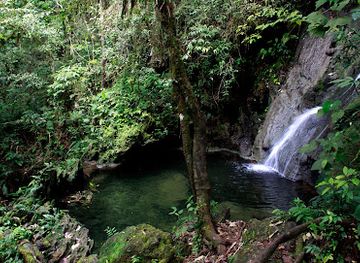
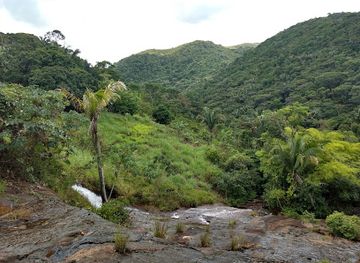
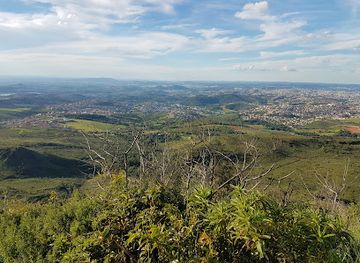
The Atlantic Forest’s attractions are defined by ecological variety rather than a single landmark circuit. Urban nature is unusually accessible in places such as Tijuca National Park, where forest trails, waterfalls and viewpoints occupy the mountains above Rio de Janeiro. Serra dos Órgãos National Park offers more demanding hiking, dramatic granite formations and high-altitude scenery, while Serra da Bocaina combines Atlantic Forest, rivers, waterfalls and historic routes between the mountains and coast. In Paraná, Iguaçu National Park presents an expansive subtropical forest setting around the Iguaçu Falls. Other protected areas provide opportunities for birdwatching, primate spotting, botanical study, canyon walks and sea-linked excursions through mangroves or coastal forest. Historic towns including Paraty and Antonina add colonial architecture and maritime history to forest itineraries, although the atmosphere and access arrangements vary considerably. Visitors should distinguish between state parks, national parks, private reserves and urban green spaces, since permits, guides, trails and visitor facilities differ. The most rewarding experiences usually combine a well-managed protected area with time in a nearby community rather than attempting to cover several distant fragments in one journey.
-
Ecological park
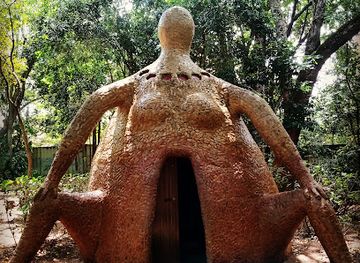
Bosque dos Namorados do Parque das Dunas
Discover tranquility in Natal's Parque das Dunas: Bosque dos Namorados offers nature trails, picnic spots, and a serene escape in the city.
-
State park
Serra do Rola-Moça State Park
Discover breathtaking landscapes, diverse ecosystems, and panoramic views at Serra do Rola-Moça State Park in Minas Gerais, Brazil.
-
Hiking area
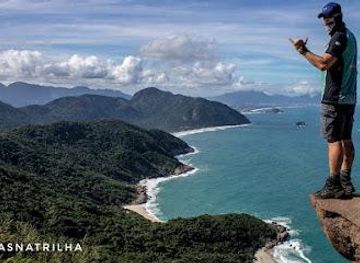
Trilha Pedra do Telégrafo
Hike to Pedra do Telégrafo for mind-bending photos & panoramic Rio de Janeiro views. A unique optical illusion in a stunning natural setting.
-
Park
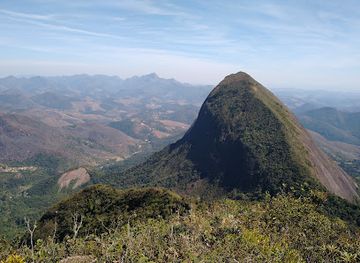
Municipal Natural Park Teresopolis Mountains
Discover breathtaking landscapes & diverse biodiversity at Teresópolis Mountains Municipal Natural Park. Hike scenic trails & reconnect with nature in Brazil.

Best landmarks in Atlantic Forest
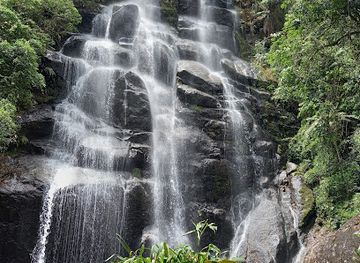
The Atlantic Forest contains landmarks that express both natural power and Brazil’s layered history. The granite formations of Serra dos Órgãos, including the distinctive Dedo de Deus profile, are among the best-known mountain symbols of southeastern Brazil. Iguaçu Falls, within the Atlantic Forest landscape of Paraná, forms a vast chain of cataracts along the Iguaçu River and is one of the country’s most recognisable natural places. In Rio de Janeiro, the forested slopes and historic structures of Tijuca National Park create a notable meeting of urban life, landscape restoration and protected nature. Paraty’s colonial streets and churches recall the old maritime and gold routes between the coast and interior, while parts of the Serra do Mar preserve the mountain barriers that shaped those journeys. Further south, araucaria-dotted uplands provide a distinctive visual identity unlike the humid coastal forest. These landmarks should be understood as separate destinations across a very large biome, not as stops within one compact sightseeing area; travel times, climate and access conditions differ considerably between them.
-
National park
Itatiaia National Park
Discover Brazil's first national park: Itatiaia, where stunning landscapes, diverse trails, and rich biodiversity await in the heart of Serra da Mantiqueira.
-
Tourist attraction
Caverna da Tapagem
Discover the geological wonders and mysterious legends of Caverna da Tapagem, one of São Paulo's most stunning natural attractions.
-
Nature preserve
Murici Ecological Station
Discover Alagoas' Murici Ecological Station: A protected haven for rare birds and vibrant Atlantic Forest biodiversity.
-
National reserve
Una Biological Reserve
Discover Bahia's Una Biological Reserve: A pristine sanctuary of Atlantic Forest biodiversity, home to endangered species and breathtaking natural beauty.
Explore Atlantic Forest on the map
Plan your trip on one map. See where the top cities, national parks and sights are, and book hotels and experiences in a few clicks.
Best hotels in Atlantic Forest
Best restaurants in Atlantic Forest
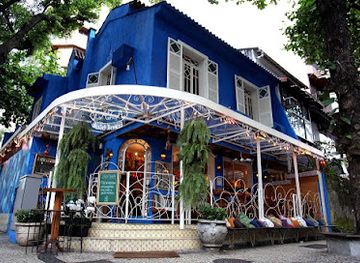
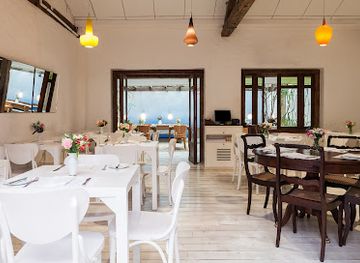
Food across the Atlantic Forest reflects Brazil’s immense regional diversity rather than one unified cuisine. Coastal towns commonly serve fish, prawns, crab, rice, beans, cassava, plantain and coconut-based preparations, while estuarine areas have traditions shaped by mangrove and river fisheries. Around Rio de Janeiro and São Paulo, restaurants range from simple neighbourhood eateries and bakeries to sophisticated dining rooms drawing on ingredients from the wider Southeast. In southern sections, Portuguese, Italian, German, Polish and other immigrant influences appear alongside Brazilian staples, with pinhão, corn, dairy products, cured meats and seasonal mountain produce more prominent in Paraná and Santa Catarina. Farmers’ markets and roadside stalls are useful places to find tropical fruit, sugar-cane juice, preserves, cassava products and regional sweets. In rural and coastal destinations, meal times and choice can be more limited than in the cities, so visitors staying near trails should plan food supplies in advance. Local restaurants and community kitchens can offer more meaningful regional cooking than generic international menus.
-
Cafeteria
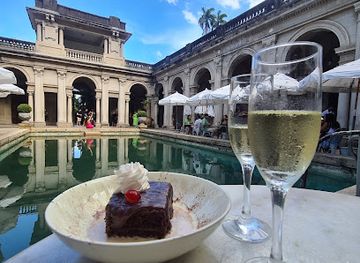
Plage Café
Experience delicious breakfasts and exquisite coffee at Plage Café in Parque Lage, Rio de Janeiro's charming culinary oasis.
-
Bistro
Zazá Bistrô Tropical
Experience the vibrant flavors of Brazil at Zazá Bistrô Tropical in Ipanema - where every meal is a celebration.
-
Argentinian
Tragga Vogue Square
Discover exquisite Argentinian barbecue at Tragga Vogue Square, where each dish is crafted to perfection amidst a vibrant atmosphere.
-
Restaurant
Maní
Discover the art of Brazilian cuisine at Maní in São Paulo, where innovation meets tradition in every exquisite dish.

Best bars in Atlantic Forest
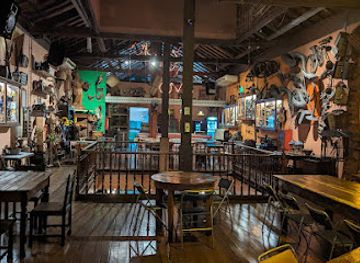
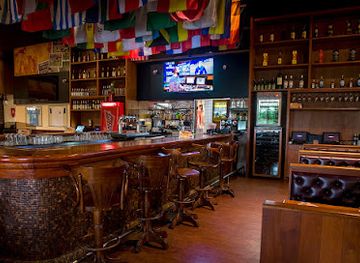
Nightlife varies sharply across this vast ecological region. Rio de Janeiro, São Paulo, Curitiba, Florianópolis and other large cities have extensive choices of bars, live music, cultural venues and late-night restaurants, while historic and coastal towns tend to concentrate evening activity around central squares, waterfronts and restaurant streets. In smaller Atlantic Forest communities, the social centre is more often a neighbourhood bar, traditional boteco, brewery, café or restaurant than a nightclub. Music may include samba, choro, forró, sertanejo, rock and locally organised performances, but programmes and opening arrangements change frequently. Towns near national parks generally become quiet after dinner, making them better suited to early trail starts and conversations than late clubbing. Visitors should use licensed transport after dark in unfamiliar urban areas, avoid displaying valuables and check local advice before walking beyond busy central districts. Craft beer and cachaça are widely encountered, but drinking is not necessary to engage with the region’s evening culture.
-
Night club
Rio Scenarium
Experience the heart of Rio's nightlife at Rio Scenarium, where live music, delicious food, and vibrant atmosphere come together.
-
Steak
Stadium Steakhouse - Barra
Experience the vibrant culinary scene of Rio at Stadium Steakhouse, where Brazilian barbecue meets American dining in Barra da Tijuca.
-
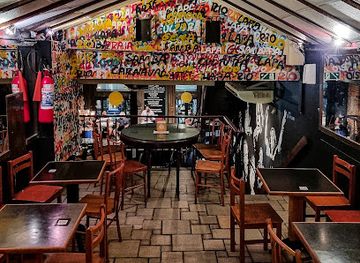
Bar
Bar Bukowski
Experience the vibrant nightlife of Rio de Janeiro at Bar Bukowski, where rock music and disco vibes create an unforgettable atmosphere.
-
Cocktail bar
Bar Carioca da Gema
Discover the essence of Rio de Janeiro at Bar Carioca da Gema, where vibrant cocktails and live music create an unforgettable experience.

Best nightclubs in Atlantic Forest
Nightlife varies sharply across this vast ecological region. Rio de Janeiro, São Paulo, Curitiba, Florianópolis and other large cities have extensive choices of bars, live music, cultural venues and late-night restaurants, while historic and coastal towns tend to concentrate evening activity around central squares, waterfronts and restaurant streets. In smaller Atlantic Forest communities, the social centre is more often a neighbourhood bar, traditional boteco, brewery, café or restaurant than a nightclub. Music may include samba, choro, forró, sertanejo, rock and locally organised performances, but programmes and opening arrangements change frequently. Towns near national parks generally become quiet after dinner, making them better suited to early trail starts and conversations than late clubbing. Visitors should use licensed transport after dark in unfamiliar urban areas, avoid displaying valuables and check local advice before walking beyond busy central districts. Craft beer and cachaça are widely encountered, but drinking is not necessary to engage with the region’s evening culture.
-
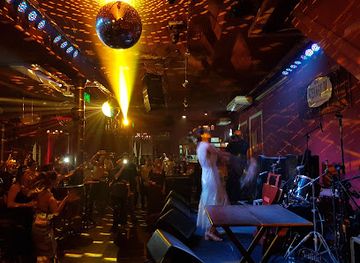
Night club
Rio Scenarium
Discover the vibrant nightlife of Rio de Janeiro at Rio Scenarium, where live music, delicious cuisine, and eclectic ambiance unite in a cultural celebration.
-
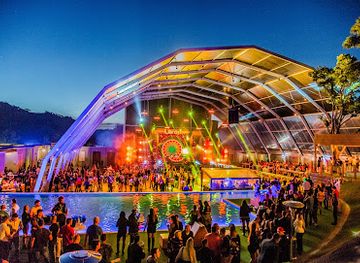
Club
Laroc Club
Discover the magic of nightlife at Laroc Club, a premier club in Valinhos offering top DJs, vibrant parties, and an unforgettable atmosphere.
-
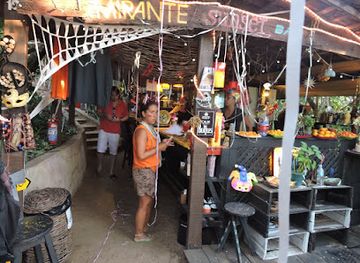
Cocktail bar
Lookout Sunset Bar
Discover breathtaking sunsets and exquisite cocktails at Lookout Sunset Bar in Praia da Pipa, a must-visit for travelers seeking beauty and relaxation.
-
Disco club
Santa Club Lagoa Nightclub
Discover the electrifying nightlife at Santa Club Lagoa, the ultimate disco club in Florianópolis, where music and fun never stop.
Best shops in Atlantic Forest
Shopping in Atlantic Forest destinations is usually local and practical rather than centred on one regional retail style. Historic towns such as Paraty and coastal settlements offer independent galleries, bookshops, craft stores and studios selling ceramics, textiles, woodwork, jewellery and locally produced art, while larger cities provide extensive shopping centres and specialist food shops. Farmers’ markets are valuable for seasonal fruit, preserves, honey, coffee, cassava products, sweets and other produce from forest-edge farms, although market days differ between municipalities. In southern areas, visitors may encounter pinhão products, regional cheeses, cured foods and crafts associated with immigrant communities and highland landscapes. Near protected areas, choose souvenirs made legally and avoid products containing wild animal parts or plants removed from the forest. Small producers and community enterprises may accept only Brazilian cash or local payment applications, so modest notes are useful. Ask about provenance when buying wood, botanical products or traditional crafts, and favour items that support recognised local makers rather than encouraging extraction from threatened habitats.
-
National park
Itatiaia National Park
Explore the breathtaking beauty of Itatiaia National Park, Brazil's first national park, with stunning landscapes and rich biodiversity.
-
Tourist attraction
Caverna da Tapagem
Discover the breathtaking beauty of Caverna da Tapagem, a stunning cave and national park in São Paulo, Brazil, perfect for nature lovers and adventure seekers.
-
City park
Parque Natural Municipal Chico Mendes
Discover the natural beauty and tranquility of Parque Natural Municipal Chico Mendes, an urban oasis in Rio de Janeiro perfect for nature lovers and outdoor enthusiasts.
-
State park
Serra do Rola-Moça State Park
Explore the stunning landscapes and diverse ecosystems of Serra do Rola-Moça State Park, a paradise for hikers and nature lovers in Brazil.
Get your free copy of our complete guide to Atlantic Forest, delivered straight to you.
Everything on this page, from attractions and restaurants to essentials and local phrases, in one PDF you can read offline, print or share.
Already have an account? Sign in
Your Atlantic Forest guide is ready.
We'll send it to · Not you? Sign out

Getting your guide ready…
We are putting together a fresh copy of the Atlantic Forest guide. This can take up to a minute.
This can take a few moments. If your browser asks, choose Allow so the download can start. You'll find the guide in your Downloads folder.
Nothing happened? Download it again
Sorry, the guide is taking longer than usual. Please try again in a minute, or get it by email instead.
Atlantic Forest essentials
Currency and Payment
Safety
Emergency Situations
Do's and Don'ts
Local Tips
From Eve
Local phrases worth knowing
You don't need to get them perfect. A few words go a long way, and locals appreciate the effort.
Basics
| English | Local | Say it |
|---|---|---|
| Hello | Olá | [oh-LAH] |
| Goodbye | Adeus | [ah-DEH-oos] |
| Yes | Sim | [sing] |
| No | Não | [now] |
| Please/You're welcome | Por favor | [poor fah-VOR] |
| Thank you | Obrigado (masculine) / Obrigada (feminine) | [oh-bree-GAH-do (masc) / oh-bree-GAH-dah (fem)] |
| Excuse me/Sorry | Desculpe | [des-KOOL-pee] |
| How are you? | Como você está? | [KOH-moo voh-SEH eh-STAH] |
| Fine. And you? | Estou bem. E você? | [es-TOH-baym. eh voh-SEH?] |
| Do you speak English? | Você fala inglês? | [voh-SEH FAH-lah een-GLEZ?] |
| I don't understand | Eu não entendo | [eh-oo now en-TEN-do] |
Eating & Drinking
| English | Local | Say it |
|---|---|---|
| I'd like to see the menu, please | Gostaria de ver o cardápio, por favor | [goh-stah-REE-ah jeh vehr oo kar-DAH-pyo, poor fah-VOR] |
| I don't eat meat | Eu não como carne | [eh-oo now KOH-mo KAR-nee] |
| Cheers! | Saúde! | [sah-OO-jee] |
| I would like to pay, please | Eu gostaria de pagar, por favor | [eh-oo goh-stah-REE-ah jeh pah-GAR, poor fah-VOR] |
Emergencies
| English | Local | Say it |
|---|---|---|
| Help! | Socorro! | [soh-KOH-roo] |
| Go away! | Vá embora! | [vah em-BOH-rah] |
| Call the Police! | Chame a polícia! | [SHAH-mee ah poh-LEE-see-ah] |
| Call a doctor! | Chame um médico! | [SHAH-mee oom MEH-jee-co] |
| I'm lost | Estou perdido | [es-TOH per-JEE-do] |
| I'm ill | Estou doente | [es-TOH do-EHN-chee] |
Shopping
| English | Local | Say it |
|---|---|---|
| I'd like to buy... | Eu gostaria de comprar... | [eh-oo goh-stah-REE-ah jeh kom-PRAR...] |
| I'm just looking | Estou apenas olhando | [es-TOH ah-PEN-as oh-LYAN-do] |
| How much is it? | Quanto custa? | [KWAN-toh KOOS-tah?] |
| That's too expensive | Isso é muito caro | [EE-so eh MOY-toh KAH-ro] |
| Can you lower the price? | Você pode abaixar o preço? | [voh-SEH POH-jee ah-bah-YAR oo PREH-so?] |
Time & Numbers
| English | Local | Say it |
|---|---|---|
| What time is it? | Que horas são? | [kee OR-as sow?] |
| It's one o'clock | É uma hora | [eh OO-mah OR-ah] |
| Half past (10) | Dez e meia | [dehz ee MAY-ah] |
| Morning | Manhã | [mahn-YAH] |
| Afternoon | Tarde | [TAR-jee] |
| Evening | Noite | [NOY-chee] |
| Yesterday | Ontem | [ON-tem] |
| Today | Hoje | [OH-zhee] |
| Tomorrow | Amanhã | [ah-mahn-YAH] |
| 1 | Um | [oom] |
| 2 | Dois | [doyz] |
| 3 | Três | [trehz] |
| 4 | Quatro | [KWAH-troh] |
| 5 | Cinco | [SEEN-koh] |
| 6 | Seis | [says] |
| 7 | Sete | [SEH-chee] |
| 8 | Oito | [OY-toh] |
| 9 | Nove | [NOH-vee] |
| 10 | Dez | [dehz] |
Transport & Directions
| English | Local | Say it |
|---|---|---|
| Where's a/the...? | Onde fica um/a...? | [ON-jee FEE-kah oom/ah...?] |
| What's the address? | Qual é o endereço? | [kwow eh oo en-deh-REH-so] |
| Can you show me (on the map)? | Você pode me mostrar (no mapa)? | [voh-SEH POH-jee mee mohs-TRAR (no MAH-pah)?] |
| When's the next (bus)? | Quando é o próximo (ônibus)? | [KWAN-doo eh oo PROH-see-mo (OH-nee-boos)?] |
| A ticket (to ....) | Um bilhete (para ...) | [oom bee-LYEH-chee (PAH-rah ...)] |
History of Atlantic Forest
Indigenous Landscapes Before European Colonisation
For thousands of years, the Atlantic Forest has been shaped by Indigenous peoples including Tupi-Guarani-speaking communities and many other nations with distinct languages, territories and ecological knowledge. Forest plants supplied food, medicine, fibres and materials, while rivers, estuaries and coastal waters supported fishing and travel. Indigenous burning and cultivation altered particular landscapes without producing the large-scale transformation associated with later colonial expansion. Their knowledge remains important to contemporary debates about forest stewardship, although Indigenous communities have faced displacement, violence and continuing pressure on their lands.
Portuguese Coastal Colonisation, Sixteenth Century Onwards
Portuguese settlement developed first along the Atlantic coast, where access by sea connected Brazil to the wider empire. Sugar production, timber extraction, cattle raising and port activity transformed selected parts of the forest, while colonial towns grew around harbours, rivers and strategic routes. The extraction of brazilwood, valued for its red dye, gave the country its name and contributed to early exploitation of coastal forests. Colonial expansion also brought enslaved Africans whose labour and cultural influence became fundamental to the region’s society, economy, religion and cuisine.
Gold, Inland Routes and Historic Settlements
From the late seventeenth century, gold discoveries in the interior redirected roads and commerce through Atlantic Forest mountain passes. Routes connected mining territories in present-day Minas Gerais with ports such as Rio de Janeiro and Paraty, carrying people, goods and official shipments across the Serra do Mar. Towns and religious buildings associated with this period survive in several parts of southeastern Brazil. The movement of miners, traders, enslaved Africans and colonial administrators accelerated deforestation while also creating enduring links between coastal settlements and the inland economy.
Coffee, Railways and Nineteenth-Century Transformation
Coffee cultivation became a powerful economic force in southeastern Brazil during the nineteenth century, especially in the Paraíba Valley and areas west of São Paulo. Forest was cleared for plantations, roads and railways, and wealth from coffee helped finance expanding towns, public buildings and infrastructure. The system depended heavily on enslaved labour until abolition in 1888, followed by the arrival of immigrant workers in many plantation districts. Soil exhaustion and erosion later exposed the environmental cost of clearing steep and fertile forest landscapes.
Industrialisation, Urban Growth and Infrastructure
During the twentieth century, Atlantic Forest areas became the country’s principal zones of industrial and metropolitan growth. Rio de Janeiro, São Paulo, Curitiba, Porto Alegre and numerous coastal cities expanded through housing, roads, ports, dams and factories. Agriculture, timber production and plantation forestry continued to remove native vegetation, while hydropower and transport corridors divided remaining habitats. The forest’s decline was not uniform: some remote mountain and coastal areas retained substantial cover, while urban fragments became important refuges for wildlife and sources of clean water.
Conservation and the Atlantic Forest Legal Framework
Scientific research and civic campaigns increasingly drew attention to the biome’s exceptional biodiversity and severe fragmentation. National parks, state parks, private reserves and ecological restoration projects expanded, including protected landscapes around Tijuca, Serra dos Órgãos, Serra da Bocaina and Iguaçu. Brazil’s Atlantic Forest Law, enacted in 2006, established additional rules for conserving and restoring remaining vegetation, although enforcement and land-use conflicts remain significant. Today, conservation is closely connected with water security, climate resilience, Indigenous rights, sustainable farming and responsible nature tourism.
Atlantic Forest in Photos
Browse through our photo collection highlighting the charm and character of the destination.
Neighbouring regions of Atlantic Forest
The closest regions to Atlantic Forest, if you have time for more than one.
-

-

-

-

-


Swipe for more regions
Explore more

Explore more of Brazil
Discover Brazil: a land of samba, stunning landscapes, and rich history. From the Amazon to Rio, explore diverse cultures, world-class cuisine, and vibrant festivals.
Explore Brazil