

Zona da Mata, Brazil Travel Guide
Discover Zona da Mata: A Brazilian gem where lush rainforests, colonial charm, and vibrant culture create an unforgettable travel experience.
Zona da Mata, nestled in the heart of Brazil, is a treasure trove of natural beauty and cultural richness. This region boasts lush rainforests, pristine rivers, and charming colonial towns that offer a unique blend of history and nature. Visitors can explore the verdant landscapes, discover hidden waterfalls, and enjoy the serene ambiance that the area is known for. The vibrant culture of Zona da Mata is also a major draw. From traditional festivals to local crafts, the region is alive with the spirit of Brazilian heritage. The towns of Juiz de Fora and Viçosa are particularly noteworthy, with their colonial architecture, lively markets, and friendly locals who are always eager to share their traditions with visitors. For those looking to immerse themselves in the local way of life, Zona da Mata offers numerous opportunities for eco-tourism and agri-tourism. Visitors can stay at charming rural inns, partake in coffee plantation tours, and enjoy farm-to-table dining experiences that showcase the region's culinary delights. With its diverse attractions and warm hospitality, Zona da Mata is a must-visit destination for any traveler seeking an authentic Brazilian experience.

Know before you go
Hi, I'm Eve. Here are a few practical things to know before exploring Zona da Mata.
- Visit in the dry season (May to September) for the best weather and easier access to outdoor activities.
- Bring comfortable walking shoes as many attractions, like waterfalls and trails, require some hiking.
- Learn some basic Portuguese phrases; locals appreciate the effort and it enhances your cultural experience.
- Try the local cuisine, especially the traditional dishes made with fresh, regional ingredients.
- Carry cash as some rural areas and small towns may not accept credit cards.
Top City Travel Guides in Zona da Mata
The cities of Zona da Mata, and the easiest places to base yourself.

Destinations in Zona da Mata
Resorts, valleys and scenic spots worth a trip of their own.

Explore Zona da Mata: Things to Do, Places to Eat, Hotels & More
Handpicked recommendations for top attractions, local dining, accommodations, and more

Top Attractions & Sightseeing in Zona da Mata
Top-rated picks
Best Attractions

Lago de Javary
Discover the serene beauty of Lago de Javary, a tranquil lake in Miguel Pereira, perfect for relaxation, nature walks, and scenic views.

Christ the Redeemer
An iconic symbol of Rio de Janeiro and Brazil, offering stunning views and a powerful message of peace and welcome to all.

Iguazu Falls
Experience the awe-inspiring power and beauty of Iguazu Falls, a natural wonder spanning Argentina and Brazil.

Teleférico do Pão de Açúcar
Ascend to Rio's iconic Sugarloaf Mountain via the historic 'bondinho' for unparalleled panoramic views and a thrilling ride through the sky.

Best landmarks in Zona da Mata
Top-rated picks
Best Landmarks

Iguazú National Park
Discover the breathtaking beauty of Iguazú National Park, home to stunning waterfalls, rich biodiversity, and unforgettable natural experiences.

Sítio Roberto Burle Marx - IPHAN
Discover the enchanting Sítio Roberto Burle Marx, a stunning cultural center and park in Rio de Janeiro, showcasing the brilliance of landscape artistry and rich biodiversity.

Serra da Capivara National Park
Discover the ancient rock art and diverse wildlife of Serra da Capivara National Park, a breathtaking UNESCO World Heritage site in Brazil.

Pedra Bonita
Explore Pedra Bonita, an iconic mountain peak offering breathtaking views of Rio de Janeiro's landscapes, perfect for hiking and paragliding enthusiasts.

Best restaurants in Zona da Mata
Top-rated picks
Best Restaurants

Restaurante Marius Degustare
Experience exquisite seafood and Brazilian flavors at Restaurante Marius Degustare with stunning views of Copacabana beach.

The House Food & Fun
Experience the vibrant flavors and lively atmosphere at The House Food & Fun in Savassi, Belo Horizonte – where every meal is a celebration.

Restaurante Casa de Mainha | Self Service | Pajuçara
Discover authentic Brazilian flavors at Restaurante Casa de Mainha in Pajuçara – a buffet dining experience that celebrates local cuisine.

Boteco Belmonte
Discover Boteco Belmonte: A vibrant bar and restaurant in Leme offering delicious Brazilian cuisine and an unforgettable dining experience.

Best bars in Zona da Mata
Top-rated picks
Best Bars

Jângal
Discover Jângal, a thriving live music bar in Belo Horizonte, where great food, refreshing drinks, and unforgettable performances come together.

Bar Manga Rosa
Discover the lively charm of Bar Manga Rosa, a bar and restaurant offering delicious food and drinks in São Dimas, Piracicaba.

Real Chopp
Discover the lively spirit of Rio de Janeiro at Real Chopp, a top cocktail bar and pub in Copacabana, perfect for enjoying authentic Brazilian nightlife.

Underground Black Pub
Discover the vibrant nightlife at Underground Black Pub, a must-visit bar in Belo Horizonte with a unique underground setting and diverse drink selection.

Best nightclubs in Zona da Mata
Top-rated picks
Best Nightclubs

Rio Scenarium
Experience the heart of Rio's nightlife at Rio Scenarium, where live music, exquisite cuisine, and vibrant decor create an unforgettable cultural experience.

Circo Voador
Experience the vibrant nightlife of Rio de Janeiro at Circo Voador, where music, art, and culture collide in an iconic event venue.

Vitrinni Lounge Beer
Experience the vibrant nightlife of Rio de Janeiro at Vitrinni Lounge Beer, where electrifying beats and delicious drinks await.

D-Edge
Experience the best of São Paulo's nightlife at D-Edge, a techno haven that guarantees unforgettable nights filled with energy and excitement.

Best shops in Zona da Mata
Top-rated picks
Best Shops

RioMar Recife
Explore RioMar Recife, a premier shopping mall in Brazil offering diverse shops, delicious dining, and vibrant entertainment for every traveler.

Minas Shopping
Discover Minas Shopping in Belo Horizonte: a vibrant shopping mall offering a blend of retail, dining, and entertainment experiences for all visitors.

Shopping RioSul
Discover the ultimate shopping experience at Shopping RioSul in Botafogo, Rio de Janeiro, with diverse shops, delightful dining, and exciting entertainment.

Araguaia Shopping
Discover Araguaia Shopping, Goiânia's premier destination for shopping, dining, and entertainment, where every visit promises a vibrant experience.

Explore Zona da Mata on the Map
A handpicked selection of must-see spots in Zona da Mata, mapped for you.
Zona da Mata Essentials
-
Zona da Mata is located in the southeastern part of Brazil, primarily within the state of Minas Gerais. The nearest major airport is Tancredo Neves International Airport (Confins) in Belo Horizonte, which is about 300 kilometers away. From the airport, you can take a bus, rent a car, or arrange a private transfer to Zona da Mata. There are also smaller regional airports in Juiz de Fora and Ubá that offer domestic flights. For those traveling by bus, several companies operate routes connecting Zona da Mata to major cities like Rio de Janeiro and São Paulo.
-
Within Zona da Mata, you can get around by various means of transportation. Local buses are available for intra-city travel and are an economical option. Taxis and ride-sharing services like Uber are also widely available. Renting a car is a convenient option if you plan to explore the region extensively. Be mindful of traffic and road conditions, especially during the rainy season. For short distances, walking is a viable option in most towns and cities.
-
The official currency in Brazil is the Brazilian Real (BRL). Credit and debit cards are widely accepted in most hotels, restaurants, and shops. However, it's advisable to carry some cash for smaller establishments, local markets, and in rural areas. ATMs are readily available in major towns and cities, but international transaction fees may apply. Make sure to inform your bank of your travel plans to avoid any issues with card usage.
-
Zona da Mata is generally a safe destination for tourists, but it's important to take standard precautions. Avoid walking alone at night in unfamiliar areas and be cautious with your belongings in crowded places. Some neighborhoods in larger cities like Juiz de Fora may have higher crime rates, so it's best to consult with locals or your accommodation for advice on areas to avoid. Always use registered taxis or ride-sharing services and keep your valuables secure.
-
In case of emergency, dial 190 for police, 192 for medical emergencies, and 193 for the fire department. Most towns have local hospitals and clinics, but for serious medical issues, you may need to go to larger hospitals in cities like Juiz de Fora. It's highly recommended to have travel insurance that covers medical emergencies. Pharmacies are widely available for minor health concerns and over-the-counter medications.
-
Fashion: Do dress casually and comfortably, but modestly. Avoid overly revealing clothing, especially in rural or conservative areas. Religion: Do respect local customs and traditions, especially when visiting churches and religious sites. Public Transport: Do be polite and offer your seat to elderly passengers. Don’t eat or drink on public transport. Greetings: Do greet people with a handshake or a friendly nod. In more informal settings, a hug or kiss on the cheek may be common. Eating & Drinking: Do try local dishes and accept food offerings graciously. Don’t refuse hospitality as it is considered impolite.
-
To experience Zona da Mata like a local, visit local markets and fairs where you can buy fresh produce and artisanal goods. Engage with locals, as they are often friendly and willing to share stories about their culture and history. Try local delicacies such as 'pão de queijo' and 'doce de leite.' Don’t miss visiting historical towns like Mariana and Ouro Preto, which offer a glimpse into Brazil's colonial past. For outdoor enthusiasts, the region offers numerous hiking trails and natural parks.
When is the best time to visit Zona da Mata?
Useful Local Phrases for Zona da Mata
You don't need to speak the language perfectly. Even learning a few simple words can make conversations warmer—and locals usually appreciate the effort.
— Eve

Here are the phrases I use most often in Zona da Mata. Try a few—you'll be surprised how far they go! 😊
❤️
-
- HelloOi
[oy] - GoodbyeTchau
[chau] - YesSim
[seem] - NoNão
[now] - Please/You're welcomePor favor
[por fah-vor] - Thank youObrigado
[oh-bree-gah-do] - Excuse me/SorryDesculpe
[des-kool-peh] - How are you?Como você está?
[koh-moo voh-seh es-tah] - Fine. And you?Estou bem. E você?
[es-toh baym. ee voh-seh] - Do you speak English?Você fala inglês?
[voh-seh fah-lah een-glez] - I don't understandNão entendo
[now en-ten-do]
- HelloOi
-
- I'd like to see the menu, pleaseGostaria de ver o cardápio, por favor
[goh-stah-ree-ah jeh vehr oh kar-dah-pyo, por fah-vor] - I don't eat meatEu não como carne
[eh-oo now koh-mo kar-nee] - Cheers!Saúde!
[sah-oo-jee] - I would like to pay, pleaseGostaria de pagar, por favor
[goh-stah-ree-ah jeh pah-gar, por fah-vor]
- I'd like to see the menu, pleaseGostaria de ver o cardápio, por favor
-
- Help!Ajuda!
[ah-zhoo-dah] - Go away!Vá embora!
[vah em-boh-rah] - Call the Police!Chame a polícia!
[sha-mee ah poh-lee-siah] - Call a doctor!Chame um médico!
[sha-mee oong meh-dee-co] - I'm lostEstou perdido
[es-toh pair-jee-do] - I'm illEstou doente
[es-toh doh-en-chee]
- Help!Ajuda!
-
- I'd like to buy...Gostaria de comprar...
[goh-stah-ree-ah jeh kom-prahr] - I'm just lookingEstou só olhando
[es-toh soh oh-yahn-do] - How much is it?Quanto custa?
[kwahn-toh koo-stah] - That's too expensiveIsso é muito caro
[ee-so eh mooy-toh kah-roh] - Can you lower the price?Você pode baixar o preço?
[voh-seh poh-jee bye-shar oh pray-so]
- I'd like to buy...Gostaria de comprar...
-
- What time is it?Que horas são?
[kee oh-ras sow] - It's one o'clockÉ uma hora
[eh oo-mah oh-rah] - Half past (10)Dez e meia
[dez ee may-ah] - MorningManhã
[mahn-yah] - AfternoonTarde
[tahr-jee] - EveningNoite
[noy-chee] - YesterdayOntem
[on-taym] - TodayHoje
[oh-zhee] - TomorrowAmanhã
[ah-mahn-yah] - 1Um
[oom] - 2Dois
[doyz] - 3Três
[trays] - 4Quatro
[kwah-tro] - 5Cinco
[seen-ko] - 6Seis
[says] - 7Sete
[seh-chee] - 8Oito
[oy-toh] - 9Nove
[noh-vee] - 10Dez
[dez]
- What time is it?Que horas são?
-
- Where's a/the...?Onde fica um/a...?
[on-deh fee-kah oong/ah] - What's the address?Qual é o endereço?
[kwahl eh oh en-deh-reh-so] - Can you show me (on the map)?Você pode me mostrar (no mapa)?
[voh-seh poh-jee mee mohs-trar (noh mah-pah)] - When's the next (bus)?Quando é o próximo (ônibus)?
[kwahn-do eh oh proh-see-mo (oh-nee-boos)] - A ticket (to ....)Um bilhete (para ....)
[oom bee-lyeh-tee (pah-rah)]
- Where's a/the...?Onde fica um/a...?
History of Zona da Mata
-
Zona da Mata, meaning 'Forest Zone,' was one of the first areas in Brazil to be colonized by the Portuguese in the 16th century. The dense Atlantic Forest provided rich resources and fertile land suitable for agriculture. Early settlers established sugarcane plantations, which became the backbone of the region's economy for centuries.
-
The establishment of sugarcane plantations in Zona da Mata was a critical turning point in its history. By the 17th century, the region had become a major hub for sugar production in the Portuguese Empire. Large estates, known as 'engenhos,' dominated the landscape, relying heavily on slave labor imported from Africa. This period saw significant economic growth but also social and racial tensions.
-
As the sugarcane industry grew, so did resistance to the harsh conditions of slavery. The Zona da Mata became a refuge for escaped slaves who formed 'quilombos,' or runaway slave communities. The most famous of these was Quilombo dos Palmares, which resisted Portuguese attacks for nearly a century and became a symbol of resistance and freedom.
-
In the 19th century, the decline of the sugarcane industry paved the way for coffee plantations. The introduction of railways facilitated the transportation of coffee beans, leading to a new economic boom. Zona da Mata's landscape began to change as industrialization took root, bringing with it new opportunities and challenges for the local population.
-
Zona da Mata is a cultural mosaic, influenced by indigenous peoples, African slaves, and European settlers. This blend is evident in the region's music, cuisine, and festivals. The 'Festa Junina,' a traditional Brazilian festival celebrating rural life and Catholic saints, is particularly vibrant in this area, featuring folk dances, music, and traditional foods.
-
Today, Zona da Mata is a blend of historical heritage and modern development. The region has diversified its economy, incorporating agriculture, mining, and tourism. Efforts to preserve the Atlantic Forest and historical sites are ongoing, ensuring that the rich history and culture of Zona da Mata continue to thrive alongside contemporary advancements.
Neighbouring Regions of Zona da Mata
The closest regions to Zona da Mata, if you have time for more than one.


Your all‑in‑one travel companion app
Explore expert travel guides, compare and book tours, experiences, hotels, and more—all from the palm of your hand. Download now for seamless trip planning wherever your wanderlust takes you.


Explore More of Brazil

Looking beyond Zona da Mata? Discover Brazil for broader travel guides, local hot-spots, and regional highlights.
Explore BrazilZona da Mata in Photos
Browse through our photo collection highlighting the charm and character of the destination.


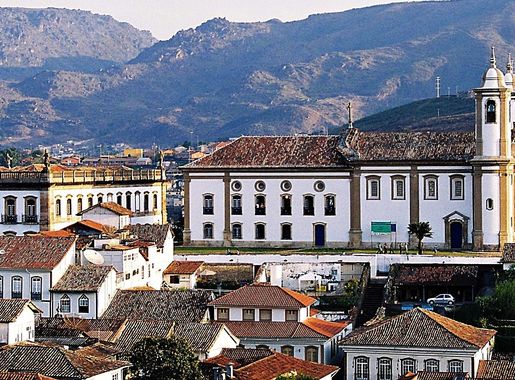


Enchanting Wonders of Zona da Mata
Zona da Mata, nestled in the heart of Brazil, is a treasure trove of natural beauty and cultural richness. This region boasts lush rainforests, pristine rivers, and charming colonial towns that offer a unique blend of history and nature. Visitors can explore the verdant landscapes, discover hidden waterfalls, and enjoy the serene ambiance that the area is known for. The vibrant culture of Zona da Mata is also a major draw. From traditional festivals to local crafts, the region is alive with the spirit of Brazilian heritage. The towns of Juiz de Fora and Viçosa are particularly noteworthy, with their colonial architecture, lively markets, and friendly locals who are always eager to share their traditions with visitors. For those looking to immerse themselves in the local way of life, Zona da Mata offers numerous opportunities for eco-tourism and agri-tourism. Visitors can stay at charming rural inns, partake in coffee plantation tours, and enjoy farm-to-table dining experiences that showcase the region's culinary delights. With its diverse attractions and warm hospitality, Zona da Mata is a must-visit destination for any traveler seeking an authentic Brazilian experience.