

Free Litoral Norte Travel Guide & Mobile App
Explore Litoral Norte with free travel guides. Discover regional history, expert tips, proposed trips, and audio guides on web or mobile app.


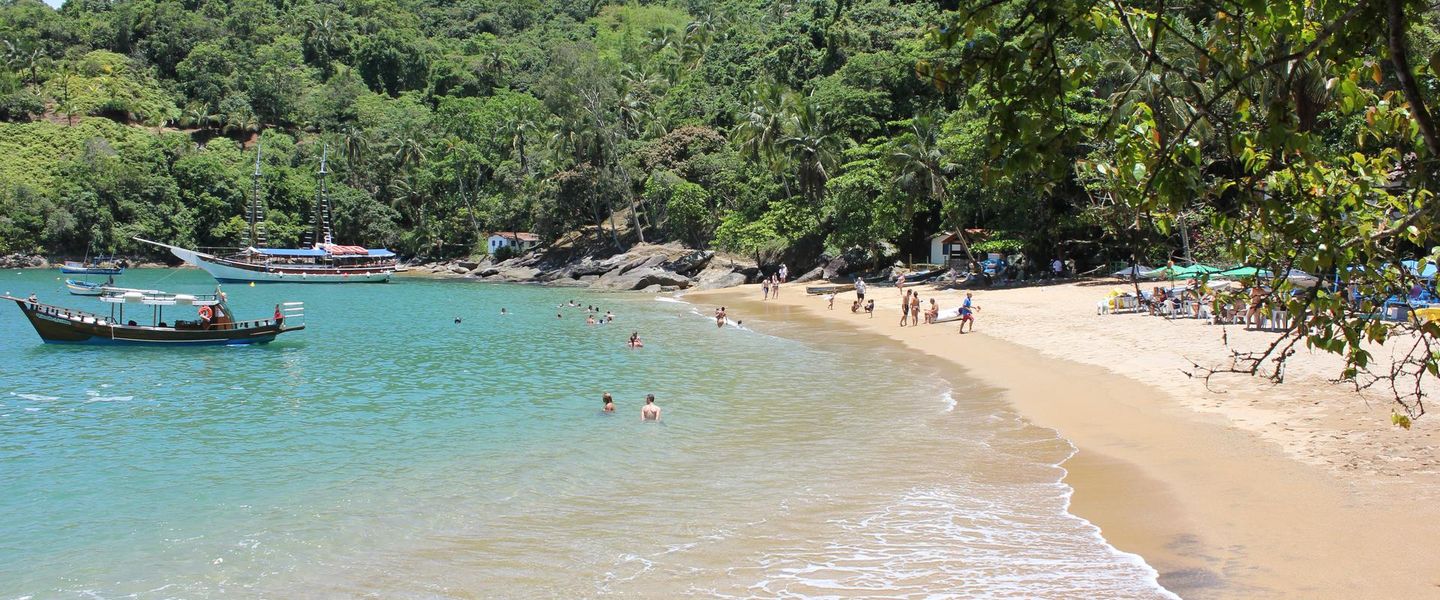


Explore Brazil's Litoral Norte for Atlantic Forest, island landscapes, caiçara food, historic coast towns and beaches along São Paulo state.
Read more about Litoral Norte
When is the best time to visit Litoral Norte?
Best: June–August · 24°C| Month | High (°C) | Rainfall (mm) |
|---|---|---|
| January | 30 | 250 |
| February | 31 | 230 |
| March | 30 | 200 |
| April | 28 | 150 |
| May | 26 | 130 |
| June (best) | 24 | 110 |
| July (best) | 24 | 110 |
| August (best) | 24 | 110 |
| September | 27 | 130 |
| October | 28 | 150 |
| November | 29 | 200 |
| December | 30 | 230 |
Getting to and around Litoral Norte
How to get there
Transportation
Best attractions in Litoral Norte
Litoral Norte's attractions are shaped by the meeting of Atlantic Forest and sea. Ubatuba offers an extensive choice of beaches, forested coves, boat outings and environmental experiences, with the Projeto TAMAR visitor centre presenting marine conservation and the region's sea-turtle research tradition. The Ubatuba Aquarium provides a more compact introduction to coastal species. Ilhabela combines waterfalls, rainforest trails, sailing and diving with beaches on both sides of the island; access to its more secluded eastern coast depends on conditions and local arrangements. São Sebastião links its historic centre with a long succession of beaches and small coastal settlements, while Caraguatatuba provides urban beach facilities, markets and access to viewpoints and surrounding forest. Across the region, activities range from swimming and stand-up paddleboarding to birdwatching, hiking and boat-based exploration. Protected landscapes and traditional fishing communities add depth beyond conventional beach tourism, although visitors should check weather, tides, trail access and conservation rules before setting out.
-
Tourist attraction
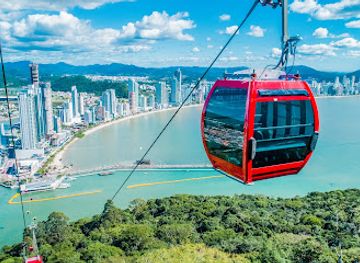
Parque Unipraias
Experience breathtaking views and thrilling adventures at Balneário Camboriú's iconic coastal park, connecting beaches via scenic cable car rides.
-
Aquarium
Ubatuba Aquarium
Discover diverse marine life at Ubatuba Aquarium, featuring Brazil's largest saltwater tank and interactive exhibits. A must-see attraction!
-
Tourist attraction
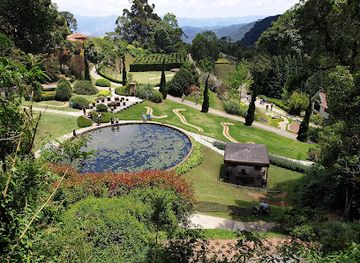
Amantikir Park
Explore global gardens and breathtaking mountain views at Amantikir Park, a serene botanical escape in Campos do Jordão.
-
Beach
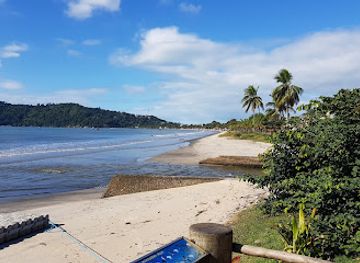
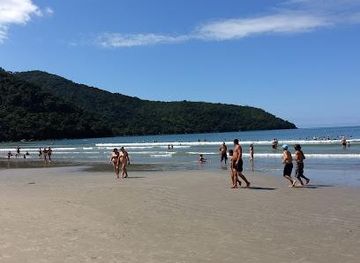
Praia Da Lagoinha
Discover Ubatuba's serene Praia da Lagoinha: calm waters, scenic trails, and historical ruins await in this coastal paradise.
Best landmarks in Litoral Norte
The historic centre of São Sebastião is one of Litoral Norte's clearest architectural landmarks, with colonial-era churches, civic buildings and traditional low-rise façades recalling the town's role as a coastal settlement and port. Ilhabela's natural identity is marked by its forested island mass, waterfalls and the rugged east coast facing open Atlantic waters; landmarks such as the old lighthouse area of Ponta da Sela and the island's mountain backdrop are best understood as part of a wider maritime landscape rather than isolated monuments. In Ubatuba, the coastline itself is the principal visual marker, alternating between headlands, sandy bays and forested slopes, while historic churches and older town buildings provide reminders of the pre-resort settlement. Caraguatatuba's Serra do Mar backdrop and coastal plain define its setting. Across the region, traditional fishing boats, estuaries and protected rainforest are cultural and geographical landmarks whose significance depends on living communities and functioning ecosystems, not simply on scenic appearance.
-
Park
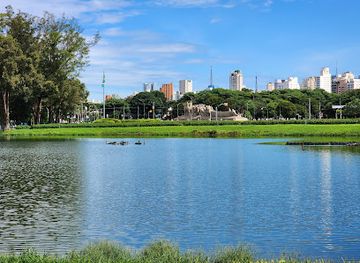
Ibirapuera Park
Discover São Paulo's iconic urban park: a blend of nature, culture, and recreation in the heart of the city.
-
Cultural landmark
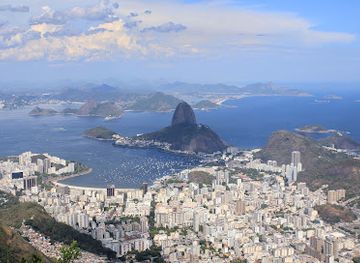
Christ the Redeemer
Explore the majestic Christ the Redeemer in Rio de Janeiro, a UNESCO World Heritage Site and a must-see cultural landmark boasting breathtaking views.
-
National park
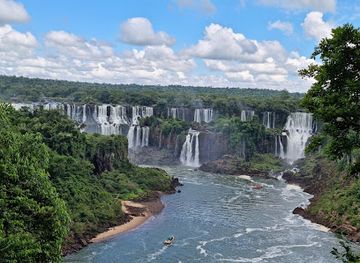
Iguazú National Park
Experience the raw power and breathtaking beauty of Iguazú Falls, a UNESCO World Heritage site in Argentina's lush national park.
-
Tourist attraction
Escadaria Selarón
Discover Rio's iconic Escadaria Selarón: A vibrant mosaic staircase connecting cultures through art and the vision of Jorge Selarón.
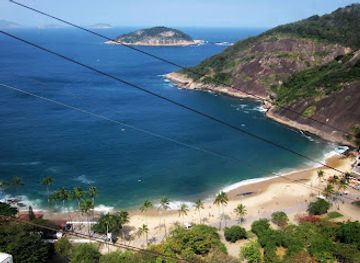
Explore Litoral Norte on the map
Plan your trip on one map. See where the top cities, national parks and sights are, and book hotels and experiences in a few clicks.
Best hotels in Litoral Norte
Best restaurants in Litoral Norte
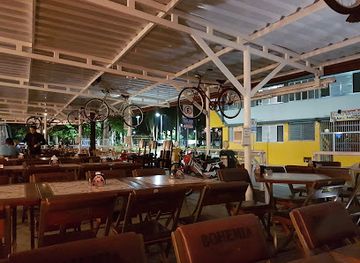
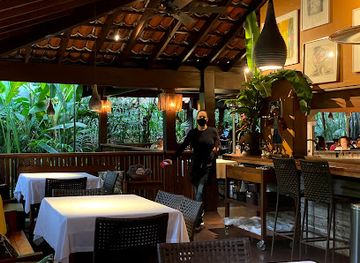
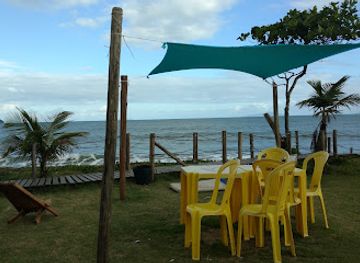
The region's most distinctive food belongs to the caiçara coastal tradition, combining fish, seafood, banana, cassava flour, coconut and locally available herbs. Azul-marinho, a preparation of fish cooked with green banana until the broth takes on a deep colour, is associated with the northern São Paulo coast and appears in traditional restaurants and community-oriented food settings. Fried fish, moquecas, shellfish, rice and farinha are common along the shore, while fresh juices and dishes using the fruit of the juçara palm reflect the Atlantic Forest's produce when sourced responsibly. Caraguatatuba, São Sebastião, Ilhabela and Ubatuba all have broad restaurant scenes ranging from beach kiosks and family-run eateries to contemporary dining rooms and hotel restaurants. Historic centres and waterfront areas are useful for evening meals, but menus vary by season and catch. Farmers' markets and small food shops can reveal regional ingredients more clearly than standardised tourist venues.
-
Meat
Garage Bar Steakhouse
Savor exquisite meats and delightful dishes at Garage Bar Steakhouse in Caraguatatuba – where every meal is an experience.
-
Seafood
Manacá Restaurante
Experience the finest seafood dining at Manacá Restaurante on Camburi Beach - where fresh flavors meet breathtaking ocean views.
-
Seafood
Balaio Caiçara
Discover Balaio Caiçara: A must-visit seafood kiosk in Caraguatatuba offering fresh local dishes with stunning ocean views.
-
Seafood
Mar & Terra Restaurante
Discover the essence of Brazilian seafood at Mar & Terra Restaurante in Caraguatatuba – where fresh flavors meet breathtaking ocean views.
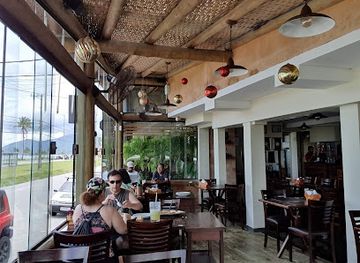
Best bars in Litoral Norte
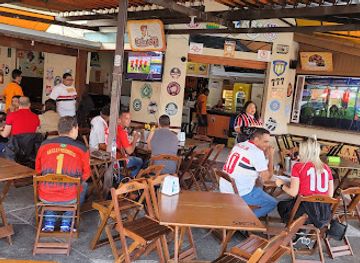
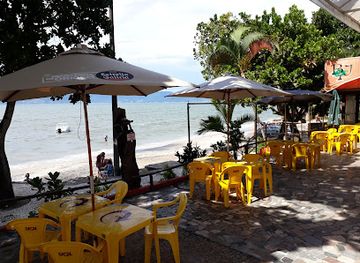
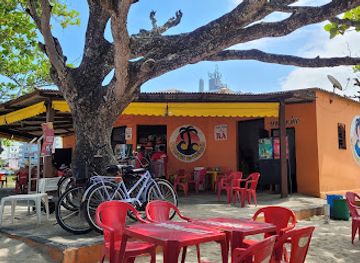
Evening life in Litoral Norte is concentrated in the larger towns, waterfront areas and established beach districts rather than in a single regional nightlife quarter. São Sebastião's historic centre and nearby coastal communities offer bars, restaurants and occasional live music, while Ilhabela has a strong holiday-season dining and drinks scene around its western settlements. Ubatuba provides the broadest mix of casual bars, music venues and late-opening restaurants, with activity fluctuating outside peak periods. Caraguatatuba's nightlife is more urban and service-oriented, with bars, cafés and restaurants serving residents as well as visitors. Traditional botecos, beach kiosks, craft-beer venues and relaxed live-music spaces are generally more representative than large nightclubs. During weekends and summer holidays, reservations and transport planning can be useful, while quieter coastal villages may close early and rely on small restaurants or local bars rather than organised nightlife.
-
Bar
Bonitos Bar
Experience the vibrant nightlife at Bonitos Bar in Caraguatatuba, a tropical cocktail haven perfect for unwinding and socializing with friends.
-
Japanese
Japa Prainha
Experience the perfect blend of Japanese cuisine and Brazilian flavors at Japa Prainha, a must-visit restaurant in Caraguatatuba.
-
Bar
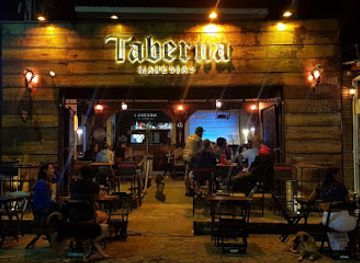
Restaurante Bar Taberna Maresias
Experience the vibrant flavors of Brazil at Restaurante Bar Taberna Maresias, where fresh seafood meets the beachside charm of Maresias.
-
Bar
Quiosque do Marcão 37
Experience the vibrant flavors and inviting atmosphere at Quiosque do Marcão 37, a top dining destination in Caraguatatuba, Brazil.
Best nightclubs in Litoral Norte
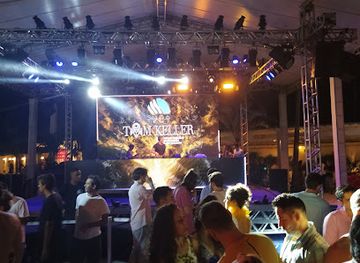
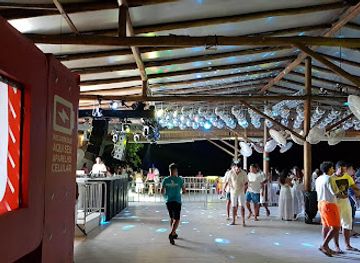
Evening life in Litoral Norte is concentrated in the larger towns, waterfront areas and established beach districts rather than in a single regional nightlife quarter. São Sebastião's historic centre and nearby coastal communities offer bars, restaurants and occasional live music, while Ilhabela has a strong holiday-season dining and drinks scene around its western settlements. Ubatuba provides the broadest mix of casual bars, music venues and late-opening restaurants, with activity fluctuating outside peak periods. Caraguatatuba's nightlife is more urban and service-oriented, with bars, cafés and restaurants serving residents as well as visitors. Traditional botecos, beach kiosks, craft-beer venues and relaxed live-music spaces are generally more representative than large nightclubs. During weekends and summer holidays, reservations and transport planning can be useful, while quieter coastal villages may close early and rely on small restaurants or local bars rather than organised nightlife.
-
Outdoor swimming pool
Sea Club Ilhabela
Experience the ultimate getaway at Sea Club Ilhabela, where relaxation meets adventure in a tropical paradise.
-
Beach club
Parador Maresias
Discover Parador Maresias, a tropical paradise blending relaxation and nightlife on the breathtaking Praia de Maresias in Brazil.
-
Bar
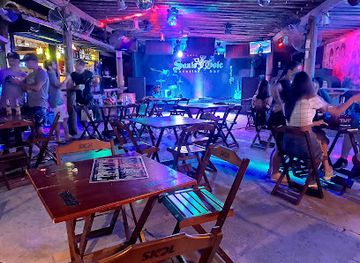
Santo Gole Maresias Bar
Experience the vibrant nightlife at Santo Gole Maresias Bar, where live music and refreshing cocktails create unforgettable memories.
-
Night club
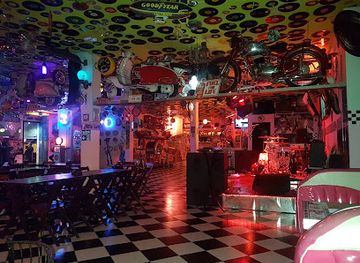
Cadillac Vintage Bar
Discover the electrifying nightlife at Cadillac Vintage Bar, a lively venue in Santos featuring live music and a retro ambiance.
Best shops in Litoral Norte
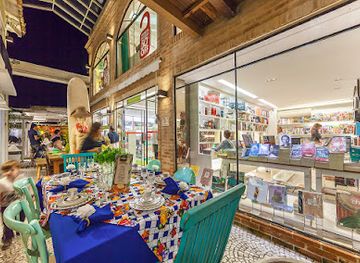
Shopping in Litoral Norte is mainly local and practical, with the greatest range in the town centres and larger coastal districts of Caraguatatuba, São Sebastião, Ubatuba and Ilhabela. Independent shops sell beachwear, outdoor equipment, books, crafts and locally themed gifts, while waterfront areas tend to feature clothing, art objects and small souvenir businesses. Food shopping is a stronger regional experience than luxury retail: look for farinha, preserved products, sweets, coffee, fruit preparations and other ingredients associated with the coast and Atlantic Forest, checking provenance where sustainable harvesting matters. Markets and direct-sale stalls vary by town and season, so accommodation hosts can help identify current locations. Art galleries and craft shops may offer ceramics, woodwork, textiles and maritime imagery, but visitors should avoid buying shells, wildlife products or objects that could have archaeological or protected natural origins. Large-scale retail is available in the principal urban centres, but the region is better suited to independent coastal shopping than designer districts.
-
Shopping mall
Litoral Plaza
Explore Litoral Plaza, the ultimate shopping and dining destination in Praia Grande, perfect for families and fashion lovers alike.
-
Shopping mall
Caraguá Praia Shopping
Experience shopping, dining, and entertainment at Caraguá Praia Shopping, a vibrant hub in the heart of Caraguatatuba, Brazil.
-
Shopping mall
Beira Praia Shopping
Discover retail bliss at Beira Praia Shopping, your go-to destination for shopping, dining, and entertainment in São Sebastião.
-
Shopping mall
Juquehy Shopping
Explore Juquehy Shopping Mall: The ultimate shopping and dining experience in São Sebastião, Brazil, surrounded by beautiful coastal scenery.
Get your free copy of our complete guide to Litoral Norte, delivered straight to you.
Everything on this page, from attractions and restaurants to essentials and local phrases, in one PDF you can read offline, print or share.
Already have an account? Sign in
Your Litoral Norte guide is ready.
We'll send it to · Not you? Sign out

Getting your guide ready…
We are putting together a fresh copy of the Litoral Norte guide. This can take up to a minute.
This can take a few moments. If your browser asks, choose Allow so the download can start. You'll find the guide in your Downloads folder.
Nothing happened? Download it again
Sorry, the guide is taking longer than usual. Please try again in a minute, or get it by email instead.
Litoral Norte essentials
Currency and Payment
Safety
Emergency Situations
Do's and Don'ts
Local Tips
From Eve
Local phrases worth knowing
You don't need to get them perfect. A few words go a long way, and locals appreciate the effort.
Basics
| English | Local | Say it |
|---|---|---|
| Hello | Olá | [oh-LAH] |
| Goodbye | Tchau | [chow] |
| Yes | Sim | [seem] |
| No | Não | [nãw] |
| Please/You're welcome | Por favor | [poor fah-VOR] |
| Thank you | Obrigado | [oh-bree-GAH-doo] |
| Excuse me/Sorry | Desculpe | [des-KOOL-pee] |
| How are you? | Como você está? | [KOH-moo voh-SEH es-TAH] |
| Fine. And you? | Bem. E você? | [BENG. ee voh-SEH] |
| Do you speak English? | Você fala inglês? | [voh-SEH FAH-lah een-GLEZ] |
| I don't understand | Eu não entendo | [ayoo nãw en-TEN-doo] |
Eating & Drinking
| English | Local | Say it |
|---|---|---|
| I'd like to see the menu, please | Eu gostaria de ver o menu, por favor | [ayoo goh-stah-REE-ah jee VEHR oo meh-NOO, poor fah-VOR] |
| I don't eat meat | Eu não como carne | [ayoo nãw KOH-moo KAR-nee] |
| Cheers! | Saúde! | [sah-OO-jee] |
| I would like to pay, please | Eu gostaria de pagar, por favor | [ayoo goh-stah-REE-ah jee pah-GAR, poor fah-VOR] |
Emergencies
| English | Local | Say it |
|---|---|---|
| Help! | Socorro! | [soh-KOH-roo] |
| Go away! | Vá embora! | [vah em-BOH-rah] |
| Call the Police! | Chame a polícia! | [SHAH-mee ah poh-LEE-see-ah] |
| Call a doctor! | Chame um médico! | [SHAH-mee oong MEH-jee-coo] |
| I'm lost | Estou perdido | [es-TOH per-DEE-doo] |
| I'm ill | Estou doente | [es-TOH doh-EN-chee] |
Shopping
| English | Local | Say it |
|---|---|---|
| I'd like to buy... | Eu gostaria de comprar... | [ayoo goh-stah-REE-ah jee com-PRAHR] |
| I'm just looking | Estou só olhando | [es-TOH sohl oh-LYAHN-doo] |
| How much is it? | Quanto custa? | [KWAN-toh KOOS-tah] |
| That's too expensive | Isso é muito caro | [EE-soh eh MOY-toh KAH-roo] |
| Can you lower the price? | Você pode baixar o preço? | [voh-SEH POH-jee bye-SHAHR oo PREH-soo] |
Time & Numbers
| English | Local | Say it |
|---|---|---|
| What time is it? | Que horas são? | [kee OH-rahz sah-ooh] |
| It's one o'clock | É uma hora | [eh OO-mah OH-rah] |
| Half past (10) | Dez e meia | [dez ee MAY-ah] |
| Morning | Manhã | [mahn-YAH] |
| Afternoon | Tarde | [TAR-jee] |
| Evening | Noite | [NOY-chee] |
| Yesterday | Ontem | [ON-tem] |
| Today | Hoje | [OH-zhee] |
| Tomorrow | Amanhã | [ah-mahn-YAH] |
| 1 | Um | [oom] |
| 2 | Dois | [doyz] |
| 3 | Três | [TRACE] |
| 4 | Quatro | [KWAH-troo] |
| 5 | Cinco | [SEEN-coo] |
| 6 | Seis | [SAYZ] |
| 7 | Sete | [SEH-chee] |
| 8 | Oito | [OY-toh] |
| 9 | Nove | [NOH-vee] |
| 10 | Dez | [DEZ] |
Transport & Directions
| English | Local | Say it |
|---|---|---|
| Where's a/the...? | Onde fica...? | [ON-jee FEE-kah] |
| What's the address? | Qual é o endereço? | [kwow eh oo en-deh-REH-soo] |
| Can you show me (on the map)? | Você pode me mostrar (no mapa)? | [voh-SEH POH-jee mee mohs-TRAR (no MAH-pah)] |
| When's the next (bus)? | Quando é o próximo (ônibus)? | [KWAN-doo eh oo PROH-see-mo (OH-nee-boos)] |
| A ticket (to ....) | Um bilhete (para....) | [oong bee-LYE-chee (PAH-rah....)] |
History of Litoral Norte
Indigenous Coastal Societies and Sambaquis
Long before Portuguese settlement, the northern São Paulo coast was occupied by Indigenous peoples who used its estuaries, forests and marine resources. Archaeological sambaquis, or shell mounds, testify to much older coastal communities, although individual sites vary in interpretation and preservation. By the early colonial period, Tupinambá and related Tupi-speaking groups were prominent in parts of the coast, while other Indigenous communities occupied the wider Serra do Mar region. Their knowledge of waterways, forest plants and seasonal resources influenced later routes and contact, even as colonial expansion brought dispossession, disease and profound social disruption.
Portuguese Contact and Coastal Settlement
Portuguese expeditions began incorporating the coast into colonial networks during the sixteenth century. São Sebastião developed as a settlement and port, while Ubatuba became an important village in the seventeenth century. The coast's sheltered waters made it useful for small-scale shipping, communication and provisioning, although the mountains limited easy movement inland. Religious institutions, land grants and agricultural properties accompanied settlement. The surviving historic centre of São Sebastião, with its churches and low-rise colonial buildings, reflects this early period without representing the full complexity of Indigenous and African histories.
Ports, Agriculture and the Colonial Economy
For centuries, the coastal settlements were connected to agricultural estates and maritime trade rather than to large urban industries. Sugar production, subsistence farming, fishing and the movement of goods through small ports shaped local economies. Enslaved Africans were part of colonial agriculture and domestic life, while Indigenous labour and coercive practices also formed part of the region's history. The Serra do Mar made overland transport difficult, increasing the significance of coastal shipping. São Sebastião's harbour and the protected bays around Ubatuba supported this network at different times.
Nineteenth-Century Trade and Changing Routes
During the nineteenth century, coastal communities remained linked to regional agricultural and commercial circuits, including the movement of foodstuffs and other products between the coast and the interior of São Paulo. Coffee transformed the wider state economy, although the steep Serra do Mar restricted the northern coast's direct participation compared with inland and port corridors elsewhere. Local shipping, fishing and cultivation remained important. Roads and improved maritime connections gradually altered the balance between isolated coastal settlements and larger urban markets.
The Caiçara Cultural Formation
The term caiçara generally refers to traditional coastal communities of southeastern Brazil, including those of Litoral Norte. Their culture developed through interaction among Indigenous, Portuguese and African traditions, with fishing, small-scale farming, canoe use, coastal knowledge and distinctive foodways at its centre. Caiçara identity is not uniform across the region, and communities have experienced land pressure, changing fisheries, conservation restrictions and tourism development. Nevertheless, boats, fishing practices, local recipes and community celebrations remain visible expressions of a living coastal heritage.
Roads, Tourism and Environmental Protection
Improved road connections in the twentieth century made the northern coast increasingly accessible from São Paulo and encouraged the growth of holiday homes, hotels and beach services. Tourism brought employment and infrastructure but also pressure on shorelines, forests and traditional communities. Conservation expanded through protected areas in the Serra do Mar and on Ilhabela, as well as other environmental measures. Litoral Norte today balances a substantial visitor economy with port activity, urban growth and the continuing need to protect Atlantic Forest, watersheds and coastal ecosystems.
Litoral Norte in Photos
Browse through our photo collection highlighting the charm and character of the destination.
Neighbouring regions of Litoral Norte
The closest regions to Litoral Norte, if you have time for more than one.
-

-

-

-

-


Swipe for more regions
Explore more

Explore more of Brazil
Discover Brazil: a land of samba, stunning landscapes, and rich history. From the Amazon to Rio, explore diverse cultures, world-class cuisine, and vibrant festivals.
Explore Brazil