

Free Great Camanoe Travel Guide & Mobile App
Explore Great Camanoe with free travel guides. Discover regional history, expert tips, proposed trips, and audio guides on web or mobile app.


Great Camanoe in the British Virgin Islands offers quiet coves, dry hills, clear water and a remote boat-based escape near Tortola and Virgin Gorda.
Read more about Great Camanoe
When is the best time to visit Great Camanoe?
Best: February–April · 28–29°C| Month | High (°C) | Rainfall (mm) |
|---|---|---|
| January | 28 | 80 |
| February (best) | 28 | 60 |
| March (best) | 29 | 50 |
| April (best) | 29 | 60 |
| May | 30 | 80 |
| June | 31 | 90 |
| July | 31 | 100 |
| August | 31 | 110 |
| September | 31 | 120 |
| October | 30 | 110 |
| November | 29 | 100 |
| December | 28 | 90 |
Getting to and around Great Camanoe
How to get there
Transportation
Best attractions in Great Camanoe
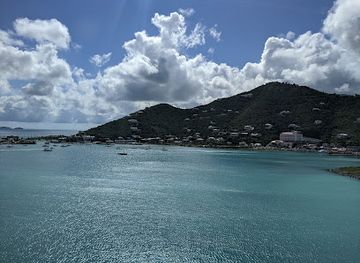
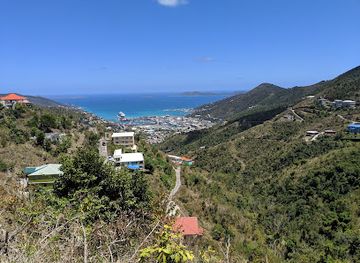
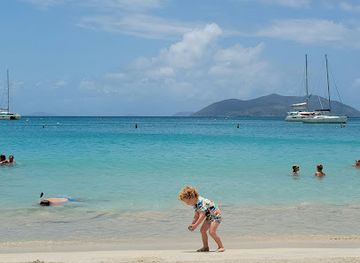
Great Camanoe’s attractions are almost entirely natural and maritime. Its sheltered bays, rocky points and dry tropical hills provide a quiet setting for swimming, snorkelling, paddleboarding and short exploratory walks when sea and weather conditions allow. Lee Bay is one of the island’s recognisable coastal areas, while the surrounding channels offer broad views towards Tortola, Beef Island, Scrub Island and Virgin Gorda. The appeal is not a collection of visitor facilities but the changing relationship between clear water, exposed rock, scrub-covered slopes and passing sailing craft. Birdwatching and coastal photography can be rewarding, especially in the quieter hours, although visitors should bring their own equipment and avoid disturbing nesting or roosting wildlife. Great Camanoe is also suited to a boat-based day stop for travellers who value solitude and undeveloped shoreline. There are no comparable museums, galleries, family attractions or formal historic sites, and land exploration may be constrained by private property, rough ground and a lack of maintained paths. The surrounding waters are therefore as important as the island itself, with a captain or guide helping visitors choose safe anchorages, snorkelling areas and landing places. Its attraction landscape is best understood as a low-impact encounter with the eastern BVI rather than as an organised excursion hub.
-
Restaurant
The Smoking Rooster
St. Thomas BBQ joint serving up slow-smoked meats, house-made sauces, and a huge selection of Caribbean rums. Open daily!
-
Museum
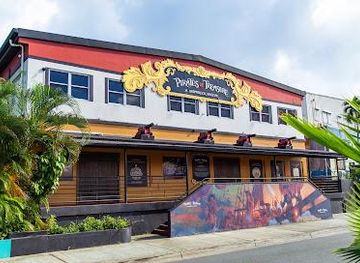
Pirates Treasure Museum
Explore a world of pirate legends and authentic shipwreck treasures at St. Thomas' interactive Pirates Treasure Museum. A must-see Caribbean adventure!
-
Tourist attraction
Cruise Ship Excursions
Your gateway to unforgettable St. Thomas adventures, offering diverse excursions from the heart of Havensight Mall.
-
Beach
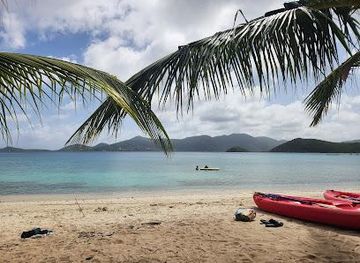
Hansen Bay Beach
Discover a tranquil escape at Hansen Bay Beach, St. John: soft sands, calm waters, and excellent snorkeling await on the island's serene East End.
Best landmarks in Great Camanoe
Great Camanoe’s landmarks are primarily geographical rather than architectural. Lee Bay provides one of the island’s most recognisable coastal reference points, with a sheltered shoreline contrasted by rocky approaches and dry, scrub-covered slopes. The island’s headlands and elevated ridges form useful visual markers for boats moving through the channels east of Tortola, while the changing views towards Beef Island, Scrub Island and Virgin Gorda show how closely the outer BVI islands are linked by sea. Rocky coves, exposed shoreline and the irregular outline of the hills are more characteristic than churches, forts or colonial buildings. There is no large historic settlement or monumental structure on Great Camanoe, and its significance lies partly in the survival of a largely undeveloped island landscape amid a heavily visited sailing region. Visitors should regard beaches, paths and viewpoints as access-sensitive: some areas may be privately occupied, and not every attractive shore can be reached safely by tender. A captain familiar with local waters can identify suitable landing points without treating the island as an open-access park.
-
Park and Garden
Cyril B. Romney Tortola Pier Park
Experience vibrant culture, scenic beauty, and diverse offerings at Tortola Pier Park, a must-visit destination in the British Virgin Islands.
-
Hotel
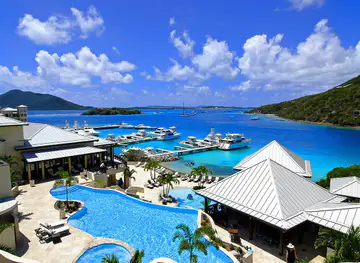
Scrub Island Resort, Spa & Marina
Escape to Scrub Island: A luxurious private island resort in the British Virgin Islands with pristine beaches, a world-class marina, and ultimate relaxation.
-
National park
J.R. O'Neal Botanical Gardens
Discover a serene escape in Road Town's botanical garden, showcasing diverse flora, tranquil ponds, and conservation efforts in the British Virgin Islands.
-
National park
Sage Mountain National Park
Hike through lush rainforest, discover panoramic views, and experience the natural beauty of Tortola's highest peak at Sage Mountain National Park.


Explore Great Camanoe on the map
Plan your trip on one map. See where the top cities, national parks and sights are, and book hotels and experiences in a few clicks.
Best hotels in Great Camanoe
Best restaurants in Great Camanoe
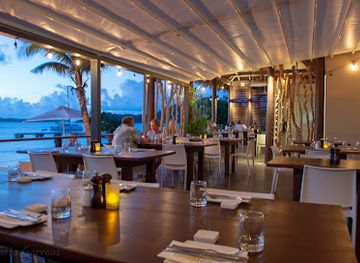
Great Camanoe has no established restaurant scene, cafés, food shops or dependable shore-based provisioning. Visitors must bring meals and drinking water from Tortola, Beef Island, Virgin Gorda or another serviced port, normally using a cooler and secure containers suitable for a boat journey. Dining during a visit is consequently informal: a packed lunch aboard a yacht, a simple picnic on an appropriate beach, or food prepared on a vessel where permitted. Rubbish should be sealed and taken away, and open fires should not be assumed to be allowed. The island’s culinary importance lies in its setting rather than in a local dish or dining tradition. For a broader taste of the British Virgin Islands, arrange meals in the established waterfront and village communities elsewhere in the territory, where Caribbean cooking, fresh seafood, grilled fish, roti, stews, tropical fruit and rum-based drinks are more readily available. Confirm provisions before leaving port, particularly on Sundays, public holidays or during quieter periods when services on neighbouring islands may be limited.
-
Restaurant
Tap and Still Havensight
Customizable burgers and cold beers in a laid-back Caribbean sports bar with genuine island hospitality.
-
Restaurant
The Delly Deck
Casual all-day diner in St. Thomas cruise mall serving hearty breakfasts, juicy burgers, and local johnny cakes to fuel your island adventure.
-
Asian fusion
CocoMaya Restaurant
Discover the vibrant flavors of Asia fused with Caribbean charm at CocoMaya Restaurant in Virgin Gorda.
-
Pizza
Pie Whole Pizza
Savor wood-fired pizzas on a pet-friendly patio in Frenchtown's lively heart, where locals and visitors bond over casual bites and island hospitality in St. Thomas.
Best bars in Great Camanoe
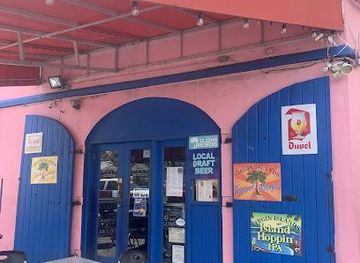
Great Camanoe has no regular nightlife, bars, clubs or entertainment venues. Evening activity is generally limited to visitors returning to their vessel before dark, enjoying a quiet meal aboard, or watching the sky and surrounding anchorages from a safe boat. There is no illuminated seafront, organised music programme or late-night transport ashore, and attempting to navigate unfamiliar coastal terrain after dark is unwise. The wider British Virgin Islands offer a more developed evening scene in Tortola, Jost Van Dyke, Virgin Gorda and selected marina areas, with beach bars, pubs, restaurants and occasional live music, but those experiences are outside Great Camanoe itself. Boat crews should keep sound levels considerate near homes, vessels and wildlife, secure all rubbish and follow anchoring and marine-safety guidance. Great Camanoe is best chosen for tranquillity and clear night skies rather than for drinking or clubbing.
-
Bar
Soggy Dollar Bar
Experience the essence of Caribbean culture at Soggy Dollar Bar, where stunning views and delicious cocktails await on Jost Van Dyke.
-
Bar
Foxy's, Jost Van Dyke, British Virgin Islands
Experience the vibrant spirit of Caribbean life at Foxy's in Jost Van Dyke, a lively bar known for its cocktails, atmosphere, and stunning beach views.
-
 Restaurant
Cooper Island Beach Club
Experience the best of the British Virgin Islands at Cooper Island Beach Club, where relaxation meets adventure in a stunning beachfront setting.
-
Bar
Willy T
Discover Willy T, the famous floating bar in the British Virgin Islands, known for its vibrant atmosphere, delicious cuisine, and stunning ocean views.


Best nightclubs in Great Camanoe
Great Camanoe has no regular nightlife, bars, clubs or entertainment venues. Evening activity is generally limited to visitors returning to their vessel before dark, enjoying a quiet meal aboard, or watching the sky and surrounding anchorages from a safe boat. There is no illuminated seafront, organised music programme or late-night transport ashore, and attempting to navigate unfamiliar coastal terrain after dark is unwise. The wider British Virgin Islands offer a more developed evening scene in Tortola, Jost Van Dyke, Virgin Gorda and selected marina areas, with beach bars, pubs, restaurants and occasional live music, but those experiences are outside Great Camanoe itself. Boat crews should keep sound levels considerate near homes, vessels and wildlife, secure all rubbish and follow anchoring and marine-safety guidance. Great Camanoe is best chosen for tranquillity and clear night skies rather than for drinking or clubbing.
-
Bar
Foxy's, Jost Van Dyke, British Virgin Islands
Experience the lively atmosphere of Foxy's in Jost Van Dyke, where delicious drinks and stunning views create an unforgettable Caribbean escape.
-
Hotel
Cooper Island Beach Club
Experience the tranquil beauty and culinary delights at Cooper Island Beach Club in the British Virgin Islands.
-
Bar
Paradise Club Lounge, Bar, & Restaurant
Experience the best of Cane Garden Bay at Paradise Club Lounge, where delicious food meets stunning views and vibrant nightlife.
-
Bar
Aromas Cigar & Martini Bar, BVI
Discover Aromas Cigar & Martini Bar in Road Town, BVI – your go-to destination for premium cigars and crafted martinis in a luxurious setting.


Best shops in Great Camanoe
Great Camanoe has no shops, market, gallery, craft outlet or place to buy provisions. Shopping must be completed before arrival, usually in Tortola, at Beef Island or on another serviced island, with food, water, sun protection, snorkelling equipment and rubbish bags packed for the entire excursion. The island itself offers no reliable souvenirs, and collecting shells, coral, stones or plants is inappropriate. Visitors looking for regional products can browse shops and markets elsewhere in the British Virgin Islands for crafts, beachwear, artwork, jewellery, books, locally produced food and rum, although selection varies by island and business. Marina provisioning is convenient for boat-based itineraries, while larger settlements provide a wider range of practical supplies. Confirm opening arrangements and stock locally rather than assuming that a small island shop will be available when you return from Great Camanoe.
-
Shopping mall
Havensight Mall
Explore the vibrant shopping and dining at Havensight Mall, the ultimate destination for tourists in St. Thomas.
-
Supermarket
Bobby's Supermarket
Discover local flavors and essentials at Bobby's Supermarket, your go-to shopping destination in the British Virgin Islands.
-
Grill
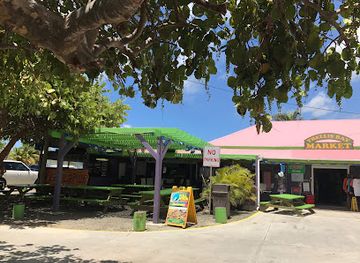
Trellis Bay Market Bar & Grill
Experience the best of local cuisine at Trellis Bay Market Bar & Grill, where fresh seafood meets a vibrant atmosphere in the heart of the British Virgin Islands.
-
Supermarket
OneMart Superstore
OneMart Superstore in Road Town: Your go-to destination for local flavors, international products, and a vibrant shopping experience.


Get your free copy of our complete guide to Great Camanoe, delivered straight to you.
Everything on this page, from attractions and restaurants to essentials and local phrases, in one PDF you can read offline, print or share.
Already have an account? Sign in
Your Great Camanoe guide is ready.
We'll send it to · Not you? Sign out

Getting your guide ready…
We are putting together a fresh copy of the Great Camanoe guide. This can take up to a minute.
This can take a few moments. If your browser asks, choose Allow so the download can start. You'll find the guide in your Downloads folder.
Nothing happened? Download it again
Sorry, the guide is taking longer than usual. Please try again in a minute, or get it by email instead.
Great Camanoe essentials
Currency and Payment
Safety
Emergency Situations
Do's and Don'ts
Local Tips
From Eve
Local phrases worth knowing
You don't need to get them perfect. A few words go a long way, and locals appreciate the effort.
Basics
| English | Local | Say it |
|---|---|---|
| Hello | Wha' happen? | [Wah hap-pen?] |
| Goodbye | Lata! | [Lah-tah!] |
| Yes | Yea | [Yea] |
| No | Nah | [Nah] |
| Please/You're welcome | Pleas' yuh | [Pleas' yuh] |
| Thank you | Tank yuh | [Tank yuh] |
| Excuse me/Sorry | Suh, 'scuse | [Suh, 'skewz] |
| How are you? | How yuh doin'? | [How yuh doin'?] |
| Fine. And you? | I good. An' yuh? | [I good. An' yuh?] |
| Do you speak English? | Yuh speak English? | [Yuh speak English?] |
| I don't understand | I no understand | [I no un-der-stand] |
Eating & Drinking
| English | Local | Say it |
|---|---|---|
| I'd like to see the menu, please | Can I see di menu, please? | [Can I see di men-u, please?] |
| I don't eat meat | I no eat meat | [I no eat meat] |
| Cheers! | Cheers! | [Cheers!] |
| I would like to pay, please | I wan' pay, please | [I wan' pay, please] |
Emergencies
| English | Local | Say it |
|---|---|---|
| Help! | Help! | [Help!] |
| Go away! | Guh way! | [Guh way!] |
| Call the Police! | Call di Police! | [Call di Po-leese!] |
| Call a doctor! | Call a doctor! | [Call a doc-tor!] |
| I'm lost | I lost | [I lost] |
| I'm ill | I sick | [I sick] |
Shopping
| English | Local | Say it |
|---|---|---|
| I'd like to buy... | I wan' buy... | [I wan' buy...] |
| I'm just looking | I jus' lookin' | [I jus' look-in'] |
| How much is it? | How much dat? | [How much dat?] |
| That's too expensive | Dat too high | [Dat too high] |
| Can you lower the price? | Can yuh drop di price? | [Can yuh drop di price?] |
Time & Numbers
| English | Local | Say it |
|---|---|---|
| What time is it? | Wha' time it be? | [Wha' time it be?] |
| It's one o'clock | It one o'clock | [It one o'clock] |
| Half past (10) | Half past ten | [Half past ten] |
| Morning | Mornin' | [Mornin'] |
| Afternoon | Afternoon | [Afternoon] |
| Evening | Evenin' | [Evenin'] |
| Yesterday | Yest'day | [Yes-ter-day] |
| Today | Today | [To-day] |
| Tomorrow | Tomorra | [To-mor-ra] |
| 1 | One | [One] |
| 2 | Two | [Two] |
| 3 | Three | [Three] |
| 4 | Four | [Four] |
| 5 | Five | [Five] |
| 6 | Six | [Six] |
| 7 | Seven | [Seven] |
| 8 | Eight | [Eight] |
| 9 | Nine | [Nine] |
| 10 | Ten | [Ten] |
Transport & Directions
| English | Local | Say it |
|---|---|---|
| Where's a/the...? | Wha' place deh? | [Wha' place deh?] |
| What's the address? | Wha' di address? | [Wha' di ad-dress?] |
| Can you show me (on the map)? | Can yuh show me (pon di map)? | [Can yuh show me (pon di map)?] |
| When's the next (bus)? | When di next (bus)? | [When di next (bus)?] |
| A ticket (to ....) | A ticket (to ....) | [A tick-et (to ....)] |
History of Great Camanoe
Pre-Columbian Caribbean Seaways
Before European colonisation, the islands of the British Virgin Islands formed part of the interconnected maritime world of the eastern Caribbean. Taíno and earlier Indigenous peoples travelled between islands, using canoes, coastal resources and established knowledge of reefs, channels and seasonal conditions. Direct evidence for a major permanent settlement on Great Camanoe should not be assumed, but the island’s position near passages between Tortola, Virgin Gorda and the smaller cays placed it within a wider network of movement and exchange.
European Claims and Early Colonial Rivalry
During the sixteenth and seventeenth centuries, the Virgin Islands were drawn into competing Spanish, Dutch and English imperial claims. The smaller islands, including Great Camanoe, were valued less for large settlements than for their strategic waters, anchorages and proximity to established islands. Control was often nominal beyond the main plantation centres, and the dry, rugged terrain limited intensive development. This history helps explain why many outer islands retain a relatively open landscape compared with the more settled parts of Tortola and Virgin Gorda.
English Settlement in the Virgin Islands
English settlement became dominant in the British Virgin Islands from the late seventeenth century, with plantations and maritime communities developing mainly on Tortola, Virgin Gorda and Anegada. Great Camanoe remained a peripheral island rather than a major administrative or commercial centre. Its surrounding channels nevertheless formed part of the working seascape used by sailors, fishermen and inter-island traders. The absence of a substantial historic town or surviving colonial complex on Great Camanoe is itself a defining aspect of its historical landscape.
Plantation Agriculture and Maritime Economies
The wider British Virgin Islands experienced periods of plantation agriculture based on crops including cotton and sugar, as well as livestock keeping, fishing and small-scale coastal trade. Great Camanoe’s dry climate, limited flat land and lack of a major harbour made it less suitable for the large plantation systems established elsewhere. Its history is therefore better understood through the regional economy of nearby islands and the channels around it, rather than through a distinct plantation society located on Great Camanoe itself.
Emancipation and Economic Change
The abolition of slavery in the British Empire in 1834, followed by social and economic adjustment across the British Virgin Islands, changed the pattern of land use and labour throughout the territory. Many former plantation areas shifted towards smallholding, livestock, fishing and maritime work. Outlying islands such as Great Camanoe remained lightly populated and economically marginal. During the nineteenth and early twentieth centuries, the sea continued to connect scattered communities more effectively than roads, reinforcing the importance of boats and local knowledge.
Modern Sailing and Conservation Context
In the twentieth and twenty-first centuries, the British Virgin Islands became internationally associated with sailing, boating and marine tourism. Great Camanoe has remained comparatively undeveloped within that network, valued for its coastal scenery and proximity to popular cruising waters rather than for a substantial resort district. Modern visitors encounter an island shaped by the territory’s broader maritime economy, private landholding, environmental concerns and efforts to protect reefs, shorelines and fragile dry-island vegetation.
Great Camanoe in Photos
Browse through our photo collection highlighting the charm and character of the destination.
Neighbouring regions of Great Camanoe
The closest regions to Great Camanoe, if you have time for more than one.
-

-
-

-

-


Swipe for more regions
Explore more
Explore more of British Virgin Islands
Discover the British Virgin Islands: Pristine beaches, vibrant marine life, and a rich cultural heritage await in this Caribbean paradise.
Explore British Virgin Islands