

Free Guana Island Travel Guide & Mobile App
Explore Guana Island with free travel guides. Discover regional history, expert tips, proposed trips, and audio guides on web or mobile app.


Guana Island in the British Virgin Islands offers private beaches, quiet trails, reef waters and secluded Caribbean landscapes near Tortola.
Read more about Guana Island
When is the best time to visit Guana Island?
Best: January–March · 28–29°C| Month | High (°C) | Rainfall (mm) |
|---|---|---|
| January (best) | 28 | 50 |
| February (best) | 28 | 40 |
| March (best) | 29 | 40 |
| April | 30 | 50 |
| May | 31 | 60 |
| June | 32 | 70 |
| July | 32 | 80 |
| August | 32 | 90 |
| September | 32 | 100 |
| October | 31 | 90 |
| November | 30 | 70 |
| December | 29 | 60 |
Getting to and around Guana Island
How to get there
Transportation
Destinations in Guana Island
Resorts, valleys and scenic spots worth a trip of their own.

Swipe for more destinations
Best attractions in Guana Island
Guana Island’s attractions are primarily natural and experiential rather than a collection of public museums or commercial sights. Walking trails cross dry hills, scrub and woodland, reaching viewpoints over the surrounding channels and linking the island’s beaches and rocky coves. White Bay and other coastal areas provide opportunities for swimming, sunbathing and, when conditions are suitable, snorkelling from shore or by boat. The surrounding reefs and clear passages are best explored through a pre-arranged marine activity rather than an informal landing. Historic plantation and Quaker-era remains add cultural context to the landscape, while the island’s vegetation and birdlife reward quiet observation along the trails. Visitors should not expect a public visitor centre, amusement facilities or a conventional sightseeing circuit; access, guiding and use of amenities depend on private arrangements. Guana’s appeal is the combination of open views, protected-looking natural spaces, secluded beaches and the ability to experience a relatively uncrowded island environment within the BVI archipelago.
-
Tourist attraction
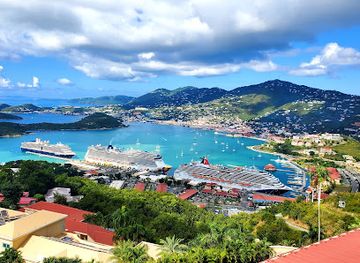
Skyride to Paradise Point
Experience St. Thomas from above! Ride the Skyride to Paradise Point for unforgettable views, dining, and shopping at 700 feet.
-
National park
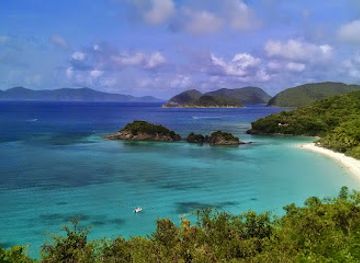
Virgin Islands National Park
Discover pristine beaches, lush trails, and historical ruins in this Caribbean national park. Explore St. John's natural and cultural treasures.
-
Museum
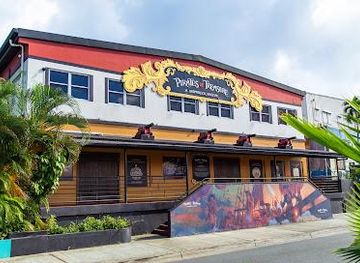
Pirates Treasure Museum
Unearth history at St. Thomas' Pirates Treasure Museum. Discover pirate artifacts, coins, and tales of the Caribbean's swashbuckling past.
-
Tourist attraction
Cruise Ship Excursions
Your Caribbean adventure begins here with diverse excursions, from snorkeling and sailing to island tours, right at St. Thomas' Havensight Mall.

Best landmarks in Guana Island
Guana Island’s most recognisable landmarks are geographical and historical rather than monumental. Its elevated ridges provide wide views across the fragmented waters of the British Virgin Islands, making the island’s own topography a defining feature of the visit. White Bay and the island’s rocky coves form memorable coastal landmarks, particularly when approached by boat, while the surrounding reefs underline Guana’s position within a heavily maritime landscape. Inland, surviving traces associated with former plantation activity and the eighteenth-century Quaker presence give the hillsides a historical dimension that is easy to miss amid the vegetation. These remains are important not for grand architectural scale but for what they reveal about settlement, agriculture, religious communities and the island’s later abandonment as a major farming site. Because Guana Island is privately managed, access to historic areas and viewpoints should be confirmed rather than assumed, and visitors should not climb, remove objects from or alter fragile remains.
-
National park
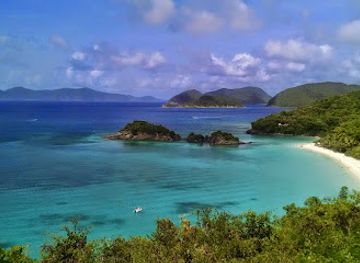
Virgin Islands National Park
Discover tropical forests, pristine beaches, and vibrant coral reefs in this protected Caribbean paradise on St. John, USVI.
-
Island
St Thomas
Discover St. Thomas: stunning beaches, duty-free shopping, and a vibrant Caribbean culture await in this US Virgin Islands paradise.
-
Park and Garden
Cyril B. Romney Tortola Pier Park
Experience the vibrant culture and scenic beauty of Tortola Pier Park, a premier destination for shopping, dining, and entertainment in the British Virgin Islands.
-
Cruise terminal
Tortola Cruise Ship Pier
Experience the best of Tortola right from the pier: shopping, dining, culture, and easy access to island adventures.
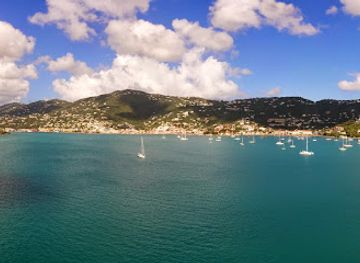
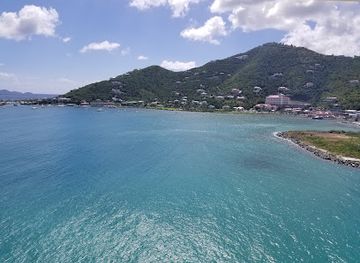
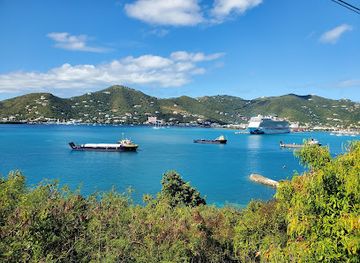
Explore Guana Island on the map
Plan your trip on one map. See where the top cities, national parks and sights are, and book hotels and experiences in a few clicks.
Best hotels in Guana Island
Best restaurants in Guana Island
Dining on Guana Island is tied to its private hospitality arrangements rather than to a public restaurant scene. Meals generally draw on the broader Caribbean setting, with seafood, fresh fruit, vegetables, salads, grilled dishes and familiar international preparations likely to feature according to the season and the operation’s current menus. The island does not have a village food market, independent café strip or cluster of casual eateries, so visitors should clarify meal inclusions, dietary requirements and dining times before travelling. Fresh provisions arrive by boat and menus can reflect the logistical realities of a small private island. For a wider choice of local dishes, bakeries, rum drinks and casual Caribbean cooking, visitors would need to arrange time on Tortola or another accessible BVI island rather than expect to find those options on Guana Island itself. Service charges and gratuities should be checked as part of the booking arrangements.
-
Restaurant
The Smoking Rooster
Savor tender, fall-off-the-bone BBQ ribs and cold brews on a shaded St. Thomas patio, where lively vibes and generous portions make every cruise stop memorable.
-
Restaurant
Tap and Still Havensight
Island burgers and cold beers in a laid-back Caribbean sports bar with genuine hospitality.
-
Restaurant
The Delly Deck
Hearty diner classics meet island flavors at St. Thomas' go-to spot for fluffy omelettes, massive burgers, and johnny cakes since 1976—perfect for cruise crowds and locals alike.
-
Asian fusion
CocoMaya Restaurant
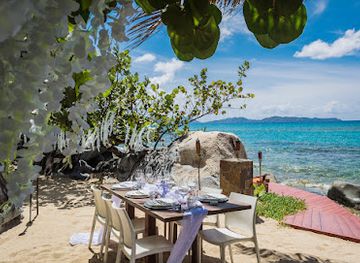
Experience exquisite Asian fusion cuisine in a stunning beachfront setting at CocoMaya Restaurant in Virgin Gorda.

Best bars in Guana Island
Guana Island does not have a public nightclub district or an independent late-night entertainment scene. Evening life is generally centred on the private accommodation operation, with drinks, dinner and conversation in a quiet setting rather than loud venues or a programme of nightlife. The island’s dark, secluded environment can make sunset watching and stargazing more significant than organised entertainment, although weather, lighting and access policies vary. Visitors seeking live music, waterfront bars or a broader choice of rum-based drinks will find more options on Tortola, particularly around established marina and harbour areas, but these are outside Guana Island and require a separately arranged boat transfer. Alcohol should not be treated as the focus of the visit, and guests should follow the property’s guidance about beach access, swimming and movement around the island after dark.
-
Bar
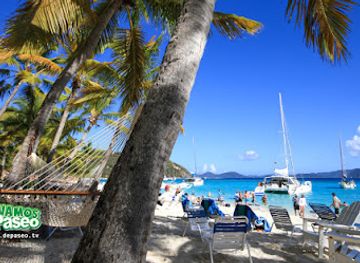
Soggy Dollar Bar
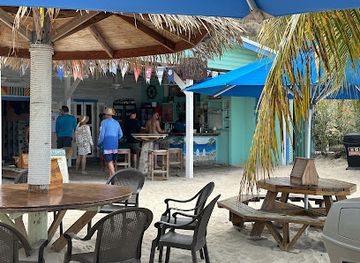
Experience the vibrant atmosphere and breathtaking views at Soggy Dollar Bar on Jost Van Dyke, the ultimate Caribbean getaway.
-
Bar
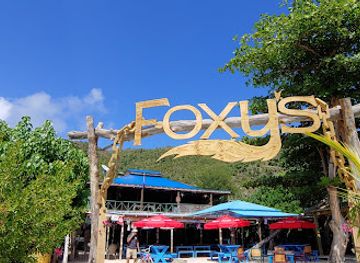
Foxy's, Jost Van Dyke, British Virgin Islands
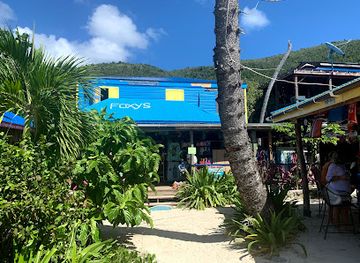
Discover the vibrant spirit of Foxy's in Jost Van Dyke, where beachside relaxation meets lively Caribbean festivities.
-
 Hotel
HotelCooper Island Beach Club
Experience the serene beauty of Cooper Island Beach Club, a tropical paradise where luxury meets adventure in the British Virgin Islands.
-
Bar
Willy T
Experience the vibrant spirit of the Caribbean at Willy T, the iconic floating bar in the British Virgin Islands, known for fun, drinks, and stunning views.

Best nightclubs in Guana Island
Guana Island does not have a public nightclub district or an independent late-night entertainment scene. Evening life is generally centred on the private accommodation operation, with drinks, dinner and conversation in a quiet setting rather than loud venues or a programme of nightlife. The island’s dark, secluded environment can make sunset watching and stargazing more significant than organised entertainment, although weather, lighting and access policies vary. Visitors seeking live music, waterfront bars or a broader choice of rum-based drinks will find more options on Tortola, particularly around established marina and harbour areas, but these are outside Guana Island and require a separately arranged boat transfer. Alcohol should not be treated as the focus of the visit, and guests should follow the property’s guidance about beach access, swimming and movement around the island after dark.
-
Bar
Soggy Dollar Bar
Experience the ultimate Caribbean vibe at Soggy Dollar Bar on Jost Van Dyke, where great cocktails and stunning views await.
-
Bar
Foxy's, Jost Van Dyke, British Virgin Islands
Experience the vibrant culture and breathtaking views at Foxy's, the iconic bar on Jost Van Dyke in the British Virgin Islands.
-
Hotel
Cooper Island Beach Club
Discover the serene beauty of Cooper Island Beach Club, a tropical paradise in the British Virgin Islands with stunning views and delicious dining.
-
Bar
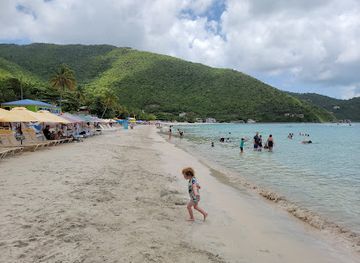
Paradise Club Lounge, Bar, & Restaurant
Experience the vibrant culture and breathtaking views at Paradise Club Lounge, the ultimate beach bar in Cane Garden Bay, British Virgin Islands.
Best shops in Guana Island
Guana Island is not a shopping destination and has no public high street, craft quarter or regular market. Visitors should purchase personal supplies, specialist equipment and gifts before arriving, or arrange them through their accommodation where that service is available. Shopping elsewhere in the British Virgin Islands may include local art, handmade jewellery, beachwear, rum, hot sauces, spices and food products, with the broadest choice generally found on larger islands such as Tortola rather than on secluded private islands. Any merchandise available on Guana Island is likely to be connected with its hospitality operation and may change over time. Allow for limited storage and transport space when buying goods for a boat transfer, and do not collect shells, coral, plants or historic fragments as souvenirs. The most appropriate mementoes are commercially purchased local products or artwork obtained through established BVI businesses.
-
Shopping mall
Havensight Mall
Explore Havensight Mall in St. Thomas for an unforgettable shopping experience with scenic views and diverse dining options.
-
Supermarket
Bobby's Supermarket
Explore Bobby's Supermarket in Road Town for a taste of local produce, international groceries, and a vibrant shopping experience in the British Virgin Islands.
-
Gourmet Grocery Shop
French Deli & Gourmet Shop
Discover the exquisite tastes of French cuisine at the French Deli & Gourmet Shop, a culinary treasure in Road Town, British Virgin Islands.
-
Supermarket
OneMart Superstore
Discover OneMart Superstore: A vibrant supermarket in Road Town offering a wide selection of local and international products for all your shopping needs.


Get your free copy of our complete guide to Guana Island, delivered straight to you.
Everything on this page, from attractions and restaurants to essentials and local phrases, in one PDF you can read offline, print or share.
Already have an account? Sign in
Your Guana Island guide is ready.
We'll send it to · Not you? Sign out

Getting your guide ready…
We are putting together a fresh copy of the Guana Island guide. This can take up to a minute.
This can take a few moments. If your browser asks, choose Allow so the download can start. You'll find the guide in your Downloads folder.
Nothing happened? Download it again
Sorry, the guide is taking longer than usual. Please try again in a minute, or get it by email instead.
Guana Island essentials
Currency and Payment
Safety
Emergency Situations
Do's and Don'ts
Local Tips
From Eve
Local phrases worth knowing
You don't need to get them perfect. A few words go a long way, and locals appreciate the effort.
Basics
| English | Local | Say it |
|---|---|---|
| Hello | Hello | [Heh-lo] |
| Goodbye | Goodbye | [Good-bye] |
| Yes | Yes | [Yes] |
| No | No | [No] |
| Please/You're welcome | Please/You’re welcome | [Pleez/Yo-welcome] |
| Thank you | Thank you | [Thank you] |
| Excuse me/Sorry | Excuse me/Sorry | [Exkyoos mee/Soree] |
| How are you? | How are you? | [How are yuh?] |
| Fine. And you? | Fine. And you? | [Fyne. An yuh?] |
| Do you speak English? | Do you speak English? | [Do yuh speek English?] |
| I don't understand | I don't understand | [I don’t undahstand] |
Eating & Drinking
| English | Local | Say it |
|---|---|---|
| I'd like to see the menu, please | I'd like to see the menu, please | [Ah’d like tuh see de menu, pleez] |
| I don't eat meat | I don't eat meat | [I don’t eet meat] |
| Cheers! | Cheers! | [Cheerz!] |
| I would like to pay, please | I would like to pay, please | [Ah wud like tuh pay, pleez] |
Emergencies
| English | Local | Say it |
|---|---|---|
| Help! | Help! | [Help!] |
| Go away! | Go away! | [Go away!] |
| Call the Police! | Call the Police! | [Call de Police!] |
| Call a doctor! | Call a doctor! | [Call ah doctah!] |
| I'm lost | I'm lost | [I’m lost] |
| I'm ill | I'm ill | [I’m ill] |
Shopping
| English | Local | Say it |
|---|---|---|
| I'd like to buy... | I'd like to buy... | [Ah’d like tuh buy...] |
| I'm just looking | I'm just looking | [I’m just lukin] |
| How much is it? | How much is it? | [How much is it?] |
| That's too expensive | That's too expensive | [Dat’s too expensiv] |
| Can you lower the price? | Can you lower the price? | [Kan yuh lowah de price?] |
Time & Numbers
| English | Local | Say it |
|---|---|---|
| What time is it? | What time is it? | [Wha time is it?] |
| It's one o'clock | It's one o'clock | [It’s one o’clock] |
| Half past (10) | Half past (10) | [Half past ten] |
| Morning | Morning | [Mornin] |
| Afternoon | Afternoon | [Afternoon] |
| Evening | Evening | [Eve-ning] |
| Yesterday | Yesterday | [Yestaday] |
| Today | Today | [Today] |
| Tomorrow | Tomorrow | [Tomorrah] |
| 1 | 1 | [One] |
| 2 | 2 | [Two] |
| 3 | 3 | [Three] |
| 4 | 4 | [Four] |
| 5 | 5 | [Five] |
| 6 | 6 | [Six] |
| 7 | 7 | [Seven] |
| 8 | 8 | [Eight] |
| 9 | 9 | [Nine] |
| 10 | 10 | [Ten] |
Transport & Directions
| English | Local | Say it |
|---|---|---|
| Where's a/the...? | Where's a/the...? | [Wheh’s a/the...?] |
| What's the address? | What's the address? | [Wha’s de address?] |
| Can you show me (on the map)? | Can you show me (on the map)? | [Kan yuh show me (on de map)?] |
| When's the next (bus)? | When's the next (bus)? | [When’s de next (bus)?] |
| A ticket (to ....) | A ticket (to ....) | [A tiket (to....)] |
History of Guana Island
Pre-European Island Use
The wider British Virgin Islands were used by Indigenous Caribbean peoples long before European colonisation, with movement between islands supported by the region’s sheltered passages and short sea crossings. Guana Island’s exact archaeological record is less prominent in visitor accounts than that of some larger islands, so claims about permanent settlement should be treated cautiously. Its coves, reefs and elevated terrain nevertheless formed part of the wider maritime environment that connected communities throughout the Virgin Islands.
European Colonisation and Plantation Agriculture
European powers claimed and contested the Virgin Islands from the seventeenth century onwards, while permanent English settlement expanded during the eighteenth century. On Guana Island, as elsewhere in the territory, plantation agriculture shaped the landscape and depended on enslaved labour. Cotton and other crops were cultivated where the dry hills and coastal soils permitted, leaving traces of former estate activity and changing the vegetation patterns visible today.
Quaker Settlement and Historic Ruins
The British Virgin Islands received Quaker settlers in the eighteenth century, part of a wider movement of dissenting communities in the English Caribbean. Guana Island is associated with this period through surviving historic remains and the broader agricultural landscape created by settlement. The Quaker presence was relatively short-lived, but it forms an important part of the territory’s history, illustrating the religious, economic and social networks that connected these small islands to the wider British Atlantic.
The Decline of Plantation Economies
Plantation agriculture in the British Virgin Islands declined through the nineteenth century as labour systems changed, markets shifted and the islands’ dry climate limited large-scale profitability. Guana Island consequently moved away from intensive agricultural use, allowing scrub, woodland and native vegetation to reclaim parts of the former cultivated landscape. This transition helps explain why historic traces sit alongside an apparently natural island environment today.
Conservation and Private Island Development
During the twentieth century, Guana Island developed a new identity as a privately managed retreat while also receiving attention for its landscapes, wildlife and botanical diversity. Conservation-minded management helped protect portions of the island from dense development and maintained walking routes, natural areas and coastal habitats. The result is a distinctive modern landscape in which a small hospitality operation coexists with historic remains and comparatively extensive undeveloped terrain.
Guana Island in the Modern British Virgin Islands
Today Guana Island forms part of the British Virgin Islands, a British Overseas Territory whose economy is strongly connected to sailing, tourism and international services. Its private status sets it apart from the more publicly accessible islands, where ferries, villages and marinas support independent travel. Guana’s modern significance lies in its carefully limited visitor access, conservation value and role as a secluded island retreat within the territory’s wider maritime landscape.
Guana Island in Photos
Browse through our photo collection highlighting the charm and character of the destination.
Neighbouring regions of Guana Island
The closest regions to Guana Island, if you have time for more than one.
-

-

-

-
-


Swipe for more regions
Explore more
Explore more of British Virgin Islands
Discover the British Virgin Islands: Pristine beaches, vibrant marine life, and a rich cultural heritage await in this Caribbean paradise.
Explore British Virgin Islands