

Cooper Island, British Virgin Islands Travel Guide
Discover the serene beauty of Cooper Island in the British Virgin Islands, where pristine beaches, vibrant marine life, and eco-friendly luxury await.
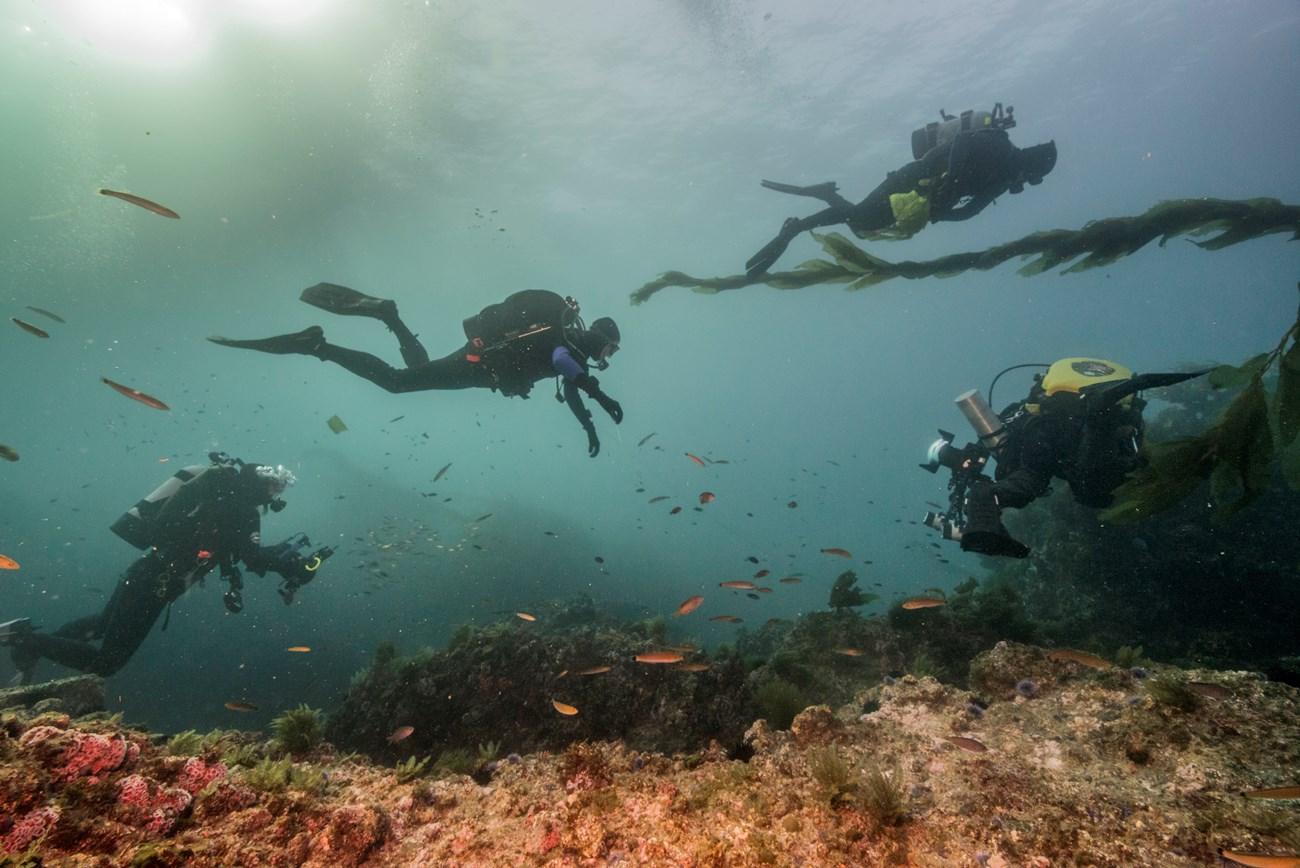
Cooper Island, one of the gems of the British Virgin Islands, offers a peaceful and picturesque retreat for those seeking tranquility and natural beauty. Nestled in the heart of the Caribbean, this small island is renowned for its pristine beaches, clear turquoise waters, and vibrant marine life. Whether you're looking to relax on the soft sands, snorkel among colorful coral reefs, or enjoy a sunset cocktail, Cooper Island promises an unforgettable experience. One of the highlights of Cooper Island is its eco-friendly resort, where sustainability meets luxury. The resort's solar-powered facilities, locally sourced cuisine, and commitment to preserving the island's natural environment make it a haven for eco-conscious travelers. Here, you can immerse yourself in nature while still enjoying modern comforts. Adventure seekers will find plenty to do on Cooper Island. The calm, crystal-clear waters are perfect for kayaking, paddleboarding, and sailing. For those interested in underwater exploration, the surrounding reefs offer some of the best snorkeling and diving opportunities in the Caribbean. Don't miss the chance to spot sea turtles, rays, and an array of tropical fish. In addition to its natural attractions, Cooper Island has a rich history waiting to be discovered. Take a stroll through the island's trails and learn about its past, from pirate lore to its role in the maritime trade. The island's charm and hospitality will make you feel like you've stepped into a different world, far from the hustle and bustle of modern life.

Know before you go
Hi, I'm Eve. Here are a few practical things to know before exploring Cooper Island.
- Book accommodations well in advance, as the island's limited lodging can fill up quickly.
- Bring reef-safe sunscreen to protect the delicate coral reefs while snorkeling and diving.
- Carry cash, as some smaller establishments may not accept credit cards.
- Visit during the off-peak season (May to November) for a more peaceful experience and better rates.
- Pack light, breathable clothing and a hat to stay comfortable in the tropical climate.
Explore Cooper Island: Things to Do, Places to Eat, Hotels & More
Handpicked recommendations for top attractions, local dining, accommodations, and more

Top Attractions & Sightseeing in Cooper Island
Top-rated picks
Best Attractions

White Bay
Discover White Bay, Jost Van Dyke: a Caribbean paradise with pristine sands, turquoise waters, lively beach bars, and unforgettable island vibes.

Cistern Point
Discover the underwater wonders of Cistern Point: a vibrant snorkeling and diving spot off Cooper Island in the British Virgin Islands.

Cooper Island
Discover Cooper Island: A serene British Virgin Islands escape with pristine beaches, eco-friendly charm, and fantastic snorkeling.

Hurricane Hole
Discover Hurricane Hole in St. John: a serene bay with vibrant marine life, perfect for kayaking, snorkeling, and exploring protected mangrove ecosystems.

Best landmarks in Cooper Island
Top-rated picks
Best Landmarks

Tortola
Explore Tortola, the British Virgin Islands' largest island, known for its stunning beaches, lush landscapes, and rich cultural heritage.

Cooper Island
Experience the tranquil paradise of Cooper Island in the British Virgin Islands, where stunning beaches meet vibrant marine life and island charm.

Cane Garden Bay Beach
Discover Cane Garden Bay, Tortola: a stunning beach with calm waters, vibrant bars, and breathtaking sunsets. Your perfect Caribbean escape awaits!

Cooper Island Beach Club
Escape to Cooper Island Beach Club: An eco-friendly Caribbean paradise offering relaxation, stunning views, and a commitment to sustainability.

Best restaurants in Cooper Island
Top-rated picks
Best Restaurants

Nanny Cay Resort & Marina
Experience unparalleled luxury at Nanny Cay Resort & Marina in Tortola – your gateway to adventure in the British Virgin Islands.

CocoMaya Restaurant
Experience exquisite Asian fusion cuisine at CocoMaya Restaurant in Virgin Gorda – where every meal is a celebration amidst stunning Caribbean views.
Cooper Island Beach Club
Experience unparalleled relaxation at Cooper Island Beach Club - your gateway to paradise in the British Virgin Islands.
Leverick Bay Resort & Marina
Experience unparalleled beauty and tranquility at Leverick Bay Resort & Marina in Virgin Gorda's breathtaking North Sound.

Best bars in Cooper Island
Top-rated picks
Best Bars
Cooper Island Beach Club
Experience the serene beauty and culinary delights of Cooper Island Beach Club in the breathtaking British Virgin Islands, a true paradise for travelers.

Rum Bar
Experience the essence of the Caribbean at Rum Bar on Cooper Island, where delightful rum cocktails meet breathtaking ocean views.

Best nightclubs in Cooper Island
Top-rated picks
Best Nightclubs

Bitter End Yacht Club
Experience the best of the British Virgin Islands at Bitter End Yacht Club, where adventure meets tranquility in a tropical paradise.

Willy T
Experience the vibrant atmosphere and breathtaking views at Willy T, the iconic floating bar in the British Virgin Islands.
Cooper Island Beach Club
Discover tranquility and culinary delights at Cooper Island Beach Club, a perfect blend of relaxation and adventure in the British Virgin Islands.

Paradise Club Lounge, Bar, & Restaurant
Experience the best of Caribbean cuisine and vibrant nightlife at Paradise Club Lounge, Bar, & Restaurant in Cane Garden Bay.

Best shops in Cooper Island
Top-rated picks
Best Shops

Havensight Mall
Explore Havensight Mall in St. Thomas for a unique shopping experience featuring local crafts, international brands, and breathtaking harbor views.
Cooper Island Beach Club
Discover the tranquil paradise of Cooper Island Beach Club, where luxury meets the natural beauty of the British Virgin Islands.

Bobby's Supermarket
Discover fresh local produce and unique Caribbean snacks at Bobby's Supermarket in Road Town, British Virgin Islands.

OneMart Superstore
Discover the vibrant shopping experience at OneMart Superstore in Road Town, offering a wide range of products from groceries to unique souvenirs.

Explore Cooper Island on the Map
A handpicked selection of must-see spots in Cooper Island, mapped for you.
Cooper Island Essentials
-
Cooper Island is accessible primarily by boat. The nearest airport is Terrance B. Lettsome International Airport (EIS) on Beef Island, connected to Tortola by the Queen Elizabeth Bridge. From Tortola, you can take a private charter boat or ferry to Cooper Island. The journey typically takes about 30 minutes. Alternatively, you can arrange for a water taxi service directly from the airport. It is advisable to book your boat transfer in advance, especially during peak tourist seasons.
-
Once on Cooper Island, transportation options are limited as the island is small and best explored on foot. There are no cars or public transport services available. Most amenities and attractions can be accessed by walking. For trips to nearby islands, you can arrange for boat rentals or water taxis. Bicycles and kayaks are also available for rent from the Cooper Island Beach Club for those looking to explore the island and its surrounding waters at a leisurely pace.
-
The official currency of the British Virgin Islands is the US Dollar (USD). Major credit cards are accepted at the Cooper Island Beach Club and other tourist establishments, but it is advisable to carry some cash for smaller purchases and tips. There are no ATMs on Cooper Island, so ensure you withdraw sufficient funds before arriving. Traveler's checks are not commonly used or accepted.
-
Cooper Island is generally very safe for tourists. There are no specific high-crime areas, and the local community is friendly and welcoming. However, it is always wise to take standard precautions such as securing your belongings, locking your accommodations, and avoiding isolated areas at night. The island has minimal emergency services, so being cautious and prepared is advisable.
-
In case of an emergency, the nearest medical facilities are on Tortola. For urgent medical assistance, you can contact the Cooper Island Beach Club staff, who can arrange for transportation to Tortola. For minor health issues, a basic first aid kit is available on the island. The emergency contact number for police, fire, and medical services in the British Virgin Islands is 911. It is recommended to have travel insurance that covers medical emergencies and evacuation.
-
Fashion: Do dress comfortably and casually, but modestly. Swimwear should be reserved for the beach or pool areas. Religion: Do respect local customs and practices, although there are no specific religious dress codes on Cooper Island. Public Transport: There is no public transport on the island, so this is not applicable. Greetings: Do greet locals with a friendly 'hello' or 'good day.' A handshake is a common greeting. Eating & Drinking: Do try the local cuisine and seafood. Don't be overly critical of local dishes, as it can be considered impolite.
-
To experience Cooper Island like a local, take the time to interact with the staff and residents. They can offer insights into the island's history and culture. Enjoy a sunset drink at the Cooper Island Beach Club and engage in conversations with other travelers and locals. Participate in water activities such as snorkeling, diving, and paddleboarding to fully appreciate the island's natural beauty. Lastly, respect the environment by practicing eco-friendly habits, as the island is committed to sustainability and conservation.
When is the best time to visit Cooper Island?
Useful Local Phrases for Cooper Island
You don't need to speak the language perfectly. Even learning a few simple words can make conversations warmer—and locals usually appreciate the effort.
— Eve

Here are the phrases I use most often in Cooper Island. Try a few—you'll be surprised how far they go! 😊
❤️
-
- HelloHello
[Heh-loh] - GoodbyeGoodbye
[Guhd-bai] - YesYes
[Yes] - NoNo
[No] - Please/You're welcomePlease/You’re welcome
[Pleez/Yuhr wel-kum] - Thank youThank you
[Thangk yu] - Excuse me/SorryExcuse me/Sorry
[Ex-kyoos mee/Sor-ree] - How are you?How yuh doin'?
[How yuh doin'?] - Fine. And you?Fine. An yuh?
[Fine. An yuh?] - Do you speak English?Yuh speak English?
[Yuh speek In-glish?] - I don't understandAh nuh undastand
[Ah nuh un-dah-stand]
- HelloHello
-
- I'd like to see the menu, pleaseMe wan see di menu, please
[Me wan see di men-yu, pleez] - I don't eat meatMe nuh eat meat
[Me nuh eet meet] - Cheers!Cheers!
[Cheers!] - I would like to pay, pleaseMe wan pay, please
[Me wan pay, pleez]
- I'd like to see the menu, pleaseMe wan see di menu, please
-
- Help!Help!
[Help!] - Go away!Go way!
[Go wei!] - Call the Police!Call di Police!
[Call di Po-lees!] - Call a doctor!Call a doctor!
[Call a dok-ta!] - I'm lostMe lost
[Me lost] - I'm illMe sick
[Me sik]
- Help!Help!
-
- I'd like to buy...Me wan buy...
[Me wan bai...] - I'm just lookingMe jus lookin'
[Me jus luk-in'] - How much is it?How much dat?
[How much dat?] - That's too expensiveDat too expensive
[Dat too ex-pen-siv] - Can you lower the price?Can yuh lower di price?
[Can yuh loh-wah di prais?]
- I'd like to buy...Me wan buy...
-
- What time is it?Wha time it?
[Wha taim it?] - It's one o'clockIt one o'clock
[It wan o'clock] - Half past (10)Half past ten
[Half past ten] - MorningMornin'
[Mornin'] - AfternoonAfternoon
[Afternoon] - EveningEvenin'
[Evenin'] - YesterdayYestaday
[Yes-ta-day] - TodayToday
[To-day] - TomorrowTomorrow
[To-mor-row] - 1One
[Wan] - 2Two
[Too] - 3Three
[Three] - 4Four
[Fohr] - 5Five
[Fai] - 6Six
[Siks] - 7Seven
[Sev-en] - 8Eight
[Eit] - 9Nine
[Nain] - 10Ten
[Ten]
- What time is it?Wha time it?
-
- Where's a/the...?Wha di...?
[Wha di...?] - What's the address?Wha di address?
[Wha di ad-dres?] - Can you show me (on the map)?Can yuh show me (pon di map)?
[Can yuh sho me (pon di map)?] - When's the next (bus)?When di next (bus)?
[When di nekst (bus)?] - A ticket (to ....)A ticket (to ....)
[A ti-ket (to ....)]
- Where's a/the...?Wha di...?
History of Cooper Island
-
Before European colonization, Cooper Island was inhabited by the Arawak and later the Carib people. These indigenous groups left evidence of their presence in the form of pottery shards and tools, which can occasionally be found on the island.
-
The British Virgin Islands, including Cooper Island, were first discovered by Europeans when Christopher Columbus sailed through the area in 1493. However, it wasn't until the late 17th century that the British began to settle the islands. Cooper Island was named after a family of coopers, who were barrel makers essential to the sugar trade.
-
During the 17th and 18th centuries, the waters around Cooper Island were frequented by pirates and privateers. The island's secluded bays and coves provided perfect hiding spots for these seafaring outlaws. Many legends persist about buried treasure and pirate hideouts on the island.
-
In the 18th century, Cooper Island, like many of its neighbors, became involved in the sugar cane industry. Ruins of old sugar plantations and mills can still be found on the island, remnants of a time when sugar was a major economic driver for the British Virgin Islands.
-
One of the most famous events in the maritime history of Cooper Island is the wreck of the RMS Rhone. In 1867, a hurricane drove the British Royal Mail Ship onto the rocks near Salt Island, just south of Cooper Island. Many of the survivors and victims washed ashore on Cooper Island. Today, the wreck is a popular dive site.
-
In the latter half of the 20th century, Cooper Island began to attract tourism. The establishment of the Cooper Island Beach Club in the 1980s marked a significant shift from its traditional industries to a focus on hospitality and eco-tourism. Today, the island is a favored spot for yachters, divers, and eco-conscious travelers.
-
Despite its small size, Cooper Island has a rich cultural heritage influenced by its various inhabitants over the centuries. Local traditions, influenced by African, European, and indigenous cultures, are evident in the island’s music, cuisine, and festivals. Visitors can experience this vibrant culture through local events and interacting with the island's residents.
Neighbouring Regions of Cooper Island
The closest regions to Cooper Island, if you have time for more than one.


Your all‑in‑one travel companion app
Explore expert travel guides, compare and book tours, experiences, hotels, and more—all from the palm of your hand. Download now for seamless trip planning wherever your wanderlust takes you.


Explore More of British Virgin Islands
Looking beyond Cooper Island? Discover British Virgin Islands for broader travel guides, local hot-spots, and regional highlights.
Explore British Virgin IslandsCooper Island in Photos
Browse through our photo collection highlighting the charm and character of the destination.





Cooper Island: A Serene Caribbean Escape
Cooper Island, one of the gems of the British Virgin Islands, offers a peaceful and picturesque retreat for those seeking tranquility and natural beauty. Nestled in the heart of the Caribbean, this small island is renowned for its pristine beaches, clear turquoise waters, and vibrant marine life. Whether you're looking to relax on the soft sands, snorkel among colorful coral reefs, or enjoy a sunset cocktail, Cooper Island promises an unforgettable experience. One of the highlights of Cooper Island is its eco-friendly resort, where sustainability meets luxury. The resort's solar-powered facilities, locally sourced cuisine, and commitment to preserving the island's natural environment make it a haven for eco-conscious travelers. Here, you can immerse yourself in nature while still enjoying modern comforts. Adventure seekers will find plenty to do on Cooper Island. The calm, crystal-clear waters are perfect for kayaking, paddleboarding, and sailing. For those interested in underwater exploration, the surrounding reefs offer some of the best snorkeling and diving opportunities in the Caribbean. Don't miss the chance to spot sea turtles, rays, and an array of tropical fish. In addition to its natural attractions, Cooper Island has a rich history waiting to be discovered. Take a stroll through the island's trails and learn about its past, from pirate lore to its role in the maritime trade. The island's charm and hospitality will make you feel like you've stepped into a different world, far from the hustle and bustle of modern life.