

Free Peter Island Travel Guide & Mobile App
Explore Peter Island with free travel guides. Discover regional history, expert tips, proposed trips, and audio guides on web or mobile app.


Peter Island in the British Virgin Islands offers quiet beaches, sailing waters, snorkelling and historic coastal landscapes close to Tortola.
Read more about Peter Island
When is the best time to visit Peter Island?
Best: January–March · 28–29°C| Month | High (°C) | Rainfall (mm) |
|---|---|---|
| January (best) | 28 | 74 |
| February (best) | 29 | 54 |
| March (best) | 29 | 54 |
| April | 29 | 64 |
| May | 30 | 108 |
| June | 31 | 97 |
| July | 31 | 97 |
| August | 31 | 141 |
| September | 31 | 155 |
| October | 30 | 155 |
| November | 30 | 134 |
| December | 29 | 89 |
Getting to and around Peter Island
How to get there
Transportation
Best attractions in Peter Island
Peter Island’s attractions are primarily coastal and marine. Deadman’s Bay is known for its sandy shoreline and sheltered setting, while White Bay, Great Harbour and Little Harbour provide contrasting views, anchorages and opportunities for swimming or shore exploration when access is permitted. Snorkelling and sailing are central to the visitor experience, with reefs, rocky points and clear channels best explored through a properly equipped boat excursion and in suitable sea conditions. Inland, the island’s dry hills and rough tracks offer walks with broad views towards Tortola, Norman Island and the Sir Francis Drake Channel, although routes can be exposed and access may depend on private management. The island also contains traces of its agricultural past and landscapes altered by former plantation use, but it is not a museum-style heritage destination with a dense collection of preserved buildings. Resort facilities, where operating and available to the relevant guests, may include beaches, water sports, dining and relaxation areas. Peter Island is best appreciated as a quiet base or a carefully arranged stop within a wider BVI sailing itinerary rather than as a place with numerous independent attractions or public entertainment venues.
-
Museum
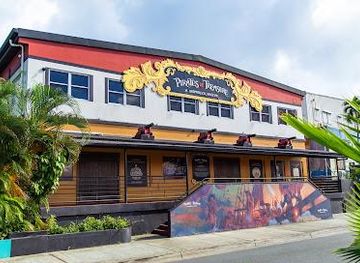
Pirates Treasure Museum
Unearth pirate legends and shipwreck treasures at St. Thomas's captivating Pirates Treasure Museum. A must-see for history buffs and families!
-
Tourist attraction
Cruise Ship Excursions
Explore St. Thomas from Havensight Mall: Your gateway to unforgettable Caribbean adventures, from snorkeling to historical tours!
-
Beach
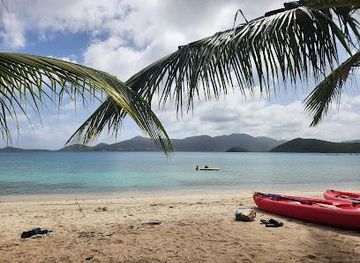
Hansen Bay Beach
Discover a serene escape at Hansen Bay Beach in St. John: Calm waters, snorkeling, and natural beauty await on the island's tranquil East End.
-
Beach
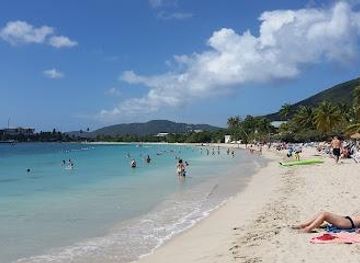
Lindbergh Bay Beach
Enjoy soft sands and calm waters at this easily accessible St. Thomas beach, perfect for families and plane-spotters near the airport.

Best landmarks in Peter Island
Peter Island’s most recognisable landmarks are natural and maritime. The long curve of Deadman’s Bay, backed by steep dry slopes and facing the channel towards Tortola, is the island’s best-known coastal view. White Bay marks the more exposed southern side, where the open sea gives the landscape a different character from the protected harbours. Great Harbour and Little Harbour are important geographical landmarks for sailors because their enclosed waters provide identifiable anchorages amid the busy passages of the British Virgin Islands. Sprat Bay is associated with the island’s developed waterfront and private marine facilities, while the island’s ridgeline provides changing panoramas across Sir Francis Drake Channel and the neighbouring islands. Inland traces of former agricultural use are less monumental than a castle or colonial town, but they help reveal how people adapted to Peter Island’s dry terrain and limited resources. The surrounding reefs, headlands and channels are also landmarks in practical sailing terms, demanding careful navigation and respect for local marine conditions.
-
Island
St Thomas
Discover St. Thomas: History, beaches, and duty-free shopping in the US Virgin Islands. A vibrant Caribbean escape awaits!
-
Park and Garden
Cyril B. Romney Tortola Pier Park
Experience the vibrant culture and scenic beauty of Tortola Pier Park, a must-visit destination in the British Virgin Islands. Shop, dine, and explore!
-
Cruise terminal
Tortola Cruise Ship Pier
Experience the best of Tortola from the Cruise Ship Pier: shopping, culture, beaches, and island hopping await!
-
Resort hotel
Nanny Cay Resort & Marina
Experience the best of the British Virgin Islands at Nanny Cay Resort & Marina: a premier destination for yachting, relaxation, and Caribbean charm.


Explore Peter Island on the map
Plan your trip on one map. See where the top cities, national parks and sights are, and book hotels and experiences in a few clicks.
Best hotels in Peter Island
Best restaurants in Peter Island
Dining on Peter Island is closely tied to accommodation, private facilities and marine tourism rather than to a public restaurant district. Where resort operations are available, meals generally focus on Caribbean and international cooking, fresh fish, seafood, grilled dishes, salads and produce suited to a warm island climate; menus and access should be confirmed before arrival. Visitors travelling by yacht may eat aboard or arrange provisions in Tortola, where supermarkets, bakeries, markets and a wider selection of restaurants make practical preparation easier. Local BVI food traditions can include salt fish, peas and rice, roti, fritters, grilled seafood and hearty one-pot dishes, although individual menus vary and not every item is exclusive to Peter Island. Bring sufficient water and snacks for independent beach or walking excursions, since there is no normal village high street with a choice of cafés. Dining is often part of the island’s planned hospitality experience, so advance confirmation is particularly important for day visitors, charter guests and travellers arriving outside peak periods.
-
Restaurant
The Smoking Rooster
Savor smoky ribs and brisket on shaded patios near St. Thomas cruise docks—casual BBQ bliss with island flair and lively vibes for hungry travelers.
-
Restaurant
Tap and Still Havensight
Savor juicy custom burgers, fresh fries, and craft brews at this breezy Havensight Mall sports bar—St. Thomas' go-to for casual eats, lively vibes, and unbeatable value amid cruise crowds.
-
Restaurant
The Delly Deck
Casual Havensight diner fueling St. Thomas adventures with all-day breakfast, juicy burgers, local johnny cakes, and breezy island vibes near cruise ships.
-
Restaurant
Pirates Bight
Discover culinary delights and breathtaking views at Pirates Bight on Norman Island, British Virgin Islands - an unforgettable dining destination.

Best bars in Peter Island
Peter Island does not have a conventional nightlife district or a significant nightclub scene. Evening life is generally centred on accommodation facilities, yacht gatherings and quiet drinks overlooking the bays, subject to the current operation of private venues. A resort bar, where available to registered guests, may offer cocktails, beer, wine and non-alcoholic drinks, while charter boats often provide their own evening arrangements. The atmosphere is more suited to sunset views, conversation and dining than to late-night entertainment. Visitors seeking live music, a broader choice of bars or a more social evening usually travel to Tortola or another larger BVI island, where nightlife options are more varied. Boat transfers after dark require advance planning, and visitors should not assume that a venue, water taxi or restaurant will remain open late. Respect for other guests, anchored vessels and nearby private spaces is important in Peter Island’s enclosed bays.
-
Bar
Soggy Dollar Bar
Experience the laid-back vibe of Soggy Dollar Bar in Jost Van Dyke, a tropical haven for delicious food and iconic cocktails.
-
Grill
The Windmill Bar
Discover the vibrant flavors and relaxing ambiance of The Windmill Bar in Cruz Bay, a perfect stop for grill lovers and tropical drink enthusiasts alike.
-
Restaurant
Pirates Bight
Experience the flavors of the Caribbean at Pirates Bight on Norman Island, where every meal is a celebration of local cuisine and stunning views.
-
Bar
Foxy's, Jost Van Dyke, British Virgin Islands
Experience the vibrant spirit of the Caribbean at Foxy's in Jost Van Dyke, where great drinks and lively entertainment await!


Best nightclubs in Peter Island
Peter Island does not have a conventional nightlife district or a significant nightclub scene. Evening life is generally centred on accommodation facilities, yacht gatherings and quiet drinks overlooking the bays, subject to the current operation of private venues. A resort bar, where available to registered guests, may offer cocktails, beer, wine and non-alcoholic drinks, while charter boats often provide their own evening arrangements. The atmosphere is more suited to sunset views, conversation and dining than to late-night entertainment. Visitors seeking live music, a broader choice of bars or a more social evening usually travel to Tortola or another larger BVI island, where nightlife options are more varied. Boat transfers after dark require advance planning, and visitors should not assume that a venue, water taxi or restaurant will remain open late. Respect for other guests, anchored vessels and nearby private spaces is important in Peter Island’s enclosed bays.
-
Bar
Foxy's, Jost Van Dyke, British Virgin Islands
Discover the vibrant spirit of Foxy's on Jost Van Dyke, where beach vibes meet lively entertainment and delicious Caribbean flavors.
-
 Hotel
Cooper Island Beach Club
Experience the serene beauty and vibrant marine life of Cooper Island Beach Club in the British Virgin Islands, a perfect getaway for relaxation and adventure.
-
Bar
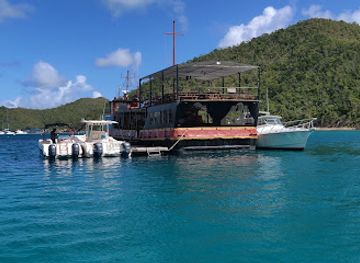
Willy T
Experience the vibrant atmosphere and stunning views at Willy T, the iconic floating bar in the British Virgin Islands, perfect for relaxation and fun.
-
Bar
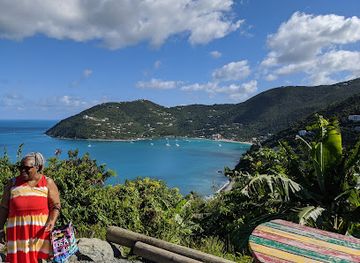
Stoutt's Lookout Bar
Experience breathtaking views and refreshing drinks at Stoutt's Lookout Bar, a hidden gem in the British Virgin Islands.

Best shops in Peter Island
Shopping on Peter Island is very limited and is generally connected with accommodation, marine services or small-scale visitor provisions rather than an independent retail area. Travellers should buy groceries, medicines, specialist equipment and most gifts on Tortola before transferring to the island. Souvenirs associated with a Peter Island stay may include resort merchandise, beachwear or locally themed items where current facilities provide them, but availability is not guaranteed. For more distinctive British Virgin Islands products, look in Tortola’s shops and markets for locally made crafts, artwork, jewellery, clothing, hot sauces, rum-based products and packaged foods, while checking customs and airline rules before buying liquids or agricultural goods. Yacht visitors often treat provisioning as the main form of shopping, arranging food, drinking water and practical supplies before departure. Do not remove shells, coral, historic fragments or other natural and archaeological material from Peter Island, and favour legitimate local craft and food purchases over souvenirs taken from the landscape.
-
Shopping mall
Havensight Mall
Experience the vibrant shopping scene at Havensight Mall in St. Thomas, with unique boutiques, local crafts, and waterfront dining options.
-
Shopping Centre
Soper's Hole Wharf & Marina
Discover the charm of Soper's Hole Wharf & Marina, where shopping, dining, and stunning marina views await in the British Virgin Islands.
-
Supermarket
Bobby's Supermarket
Discover local flavors and everyday essentials at Bobby's Supermarket, your go-to shopping destination in the British Virgin Islands.
-
Supermarket
OneMart Superstore
Discover the vibrant flavors of the British Virgin Islands at OneMart Superstore, your one-stop shop for local and international products.


Get your free copy of our complete guide to Peter Island, delivered straight to you.
Everything on this page, from attractions and restaurants to essentials and local phrases, in one PDF you can read offline, print or share.
Already have an account? Sign in
Your Peter Island guide is ready.
We'll send it to · Not you? Sign out

Getting your guide ready…
We are putting together a fresh copy of the Peter Island guide. This can take up to a minute.
This can take a few moments. If your browser asks, choose Allow so the download can start. You'll find the guide in your Downloads folder.
Nothing happened? Download it again
Sorry, the guide is taking longer than usual. Please try again in a minute, or get it by email instead.
Peter Island essentials
Currency and Payment
Safety
Emergency Situations
Do's and Don'ts
Local Tips
From Eve
Local phrases worth knowing
You don't need to get them perfect. A few words go a long way, and locals appreciate the effort.
Basics
| English | Local | Say it |
|---|---|---|
| Hello | Ahoy | [uh-hoy] |
| Goodbye | Later | [lay-ter] |
| Yes | Yea | [yay] |
| No | Nah | [nah] |
| Please/You're welcome | No problem | [no prob-lem] |
| Thank you | Thanks | [thanks] |
| Excuse me/Sorry | Sorry | [saw-ree] |
| How are you? | How yuh doin'? | [how yuh doin'] |
| Fine. And you? | Good. An yuh? | [good. an yuh?] |
| Do you speak English? | Yuh speak English? | [yuh speak ing-glish?] |
| I don't understand | I no understand | [i no un-der-stand] |
Eating & Drinking
| English | Local | Say it |
|---|---|---|
| I'd like to see the menu, please | Can I see di menu, please? | [kan i see di men-yu, pleez?] |
| I don't eat meat | I no eat meat | [i no eat meet] |
| Cheers! | Cheers! | [cheers] |
| I would like to pay, please | I wan pay, please | [i wan pay, pleez] |
Emergencies
| English | Local | Say it |
|---|---|---|
| Help! | Help! | [help] |
| Go away! | Go way! | [go way] |
| Call the Police! | Call di police! | [call di po-lees] |
| Call a doctor! | Call a doctor! | [call a doc-tor] |
| I'm lost | I lost | [i lost] |
| I'm ill | I sick | [i sik] |
Shopping
| English | Local | Say it |
|---|---|---|
| I'd like to buy... | I wan buy... | [i wan buy...] |
| I'm just looking | I jus' lookin' | [i jus' look-in'] |
| How much is it? | How much dat? | [how much dat?] |
| That's too expensive | Dat too expensive | [dat too ex-pen-sive] |
| Can you lower the price? | Yuh can lower di price? | [yuh kan low-er di price?] |
Time & Numbers
| English | Local | Say it |
|---|---|---|
| What time is it? | Wha time it be? | [wha time it bee?] |
| It's one o'clock | It one o'clock | [it one o'clock] |
| Half past (10) | Half past ten | [half past ten] |
| Morning | Mornin' | [morn-in'] |
| Afternoon | Afternoon | [af-ter-noon] |
| Evening | Evenin' | [even-in'] |
| Yesterday | Yesterday | [yes-ter-day] |
| Today | Today | [to-day] |
| Tomorrow | Tomorrow | [to-mor-row] |
| 1 | One | [one] |
| 2 | Two | [two] |
| 3 | Three | [three] |
| 4 | Four | [four] |
| 5 | Five | [five] |
| 6 | Six | [six] |
| 7 | Seven | [seven] |
| 8 | Eight | [eight] |
| 9 | Nine | [nine] |
| 10 | Ten | [ten] |
Transport & Directions
| English | Local | Say it |
|---|---|---|
| Where's a/the...? | Wha di...? | [wha di...?] |
| What's the address? | Wha di address? | [wha di ad-dress?] |
| Can you show me (on the map)? | Yuh can show me (pon di map)? | [yuh kan show me (pon di map)?] |
| When's the next (bus)? | Wha time di next (bus)? | [wha time di next (bus)?] |
| A ticket (to ....) | A ticket (to ....) | [a tick-et (to ....)] |
History of Peter Island
Indigenous Caribbean Settlement Before European Colonisation
Peter Island forms part of an archipelago inhabited and visited by Indigenous Caribbean peoples long before the arrival of European powers. The surrounding channels, beaches and sheltered anchorages were valuable within a wider maritime landscape linking the islands of the eastern Caribbean. Archaeological evidence across the British Virgin Islands is uneven and individual island histories are not always fully documented, but Peter Island should be understood within this pre-colonial network rather than as an unoccupied landscape. The island’s coves and navigable waters continued to shape its later economic and strategic importance.
European Claims and Early Colonial Navigation
During the early modern period, the Virgin Islands became part of competing Spanish, Dutch and English imperial spheres. The British established lasting control over the islands that became the British Virgin Islands, while the surrounding channels were used by merchant vessels, naval craft and smaller inter-island boats. Peter Island’s position near Sir Francis Drake Channel made it part of this busy maritime geography. Stories connecting the Virgin Islands with pirates and privateers form part of regional folklore, but they should not be treated as proof that every cove or island was a documented pirate base.
Plantation Agriculture and Enslaved Labour
Like other settled islands in the British Virgin Islands, Peter Island was affected by colonial plantation agriculture and the use of enslaved African labour. The dry climate and limited freshwater made farming challenging, but land was used for crops and livestock, with agricultural activity adapted to the island’s terrain. The remains and altered ground associated with former estates are material reminders of a system that connected small islands to wider Atlantic trade networks. This history is important not only for understanding Peter Island’s past but also for recognising the human cost behind colonial economic development.
Emancipation and the Nineteenth-Century Rural Economy
The abolition of slavery in the British Caribbean in the 1830s transformed landholding and labour throughout the British Virgin Islands. Formerly enslaved communities developed independent livelihoods based on small-scale cultivation, fishing, seafaring and inter-island trade, while many plantations declined or changed purpose. Peter Island remained a rural and maritime landscape rather than developing into a major urban settlement. Its later character was shaped by the limited availability of water and by the continuing importance of boats for movement, trade and communication with Tortola and neighbouring islands.
Traditional Seafaring and the Modern BVI Sailing Economy
The channels around Peter Island have long supported local boat travel, fishing and communication between settlements. In the twentieth century, the British Virgin Islands increasingly became known for charter sailing and marine tourism, and Peter Island’s sheltered bays acquired a new role within that economy. The island’s natural harbours and proximity to Tortola made it suitable for resort development and yacht itineraries, while its steep interior limited extensive urban growth. Modern visitors therefore encounter a landscape shaped by both older maritime practices and international tourism.
Resort Development and Hurricane Recovery
Peter Island’s contemporary identity has been closely associated with private resort development, villas and marine recreation rather than with a permanent town. Major hurricanes, particularly Irma in 2017, caused severe damage across the British Virgin Islands and disrupted tourism infrastructure throughout the territory. Recovery has taken place unevenly and operating arrangements on private islands can change over time. For visitors, this history explains why facilities, access routes and accommodation availability should be checked directly before travel, rather than assumed from older guidebooks or archived promotional material.
Peter Island in Photos
Browse through our photo collection highlighting the charm and character of the destination.
Neighbouring regions of Peter Island
The closest regions to Peter Island, if you have time for more than one.
-

-

-

-

-


Swipe for more regions
Explore more
Explore more of British Virgin Islands
Discover the British Virgin Islands: Pristine beaches, vibrant marine life, and a rich cultural heritage await in this Caribbean paradise.
Explore British Virgin Islands