

Free Temburong District Travel Guide & Mobile App
Explore Temburong District with free travel guides. Discover regional history, expert tips, proposed trips, and audio guides on web or mobile app.


Explore Temburong District in Brunei for rainforest trails, river journeys, canopy views, village culture and the protected wilderness of Ulu Temburong.
Read more about Temburong District
When is the best time to visit Temburong District?
Best: January–March · 30–31°C| Month | High (°C) | Rainfall (mm) |
|---|---|---|
| January (best) | 30 | 200 |
| February (best) | 30 | 190 |
| March (best) | 31 | 230 |
| April | 31 | 240 |
| May | 31 | 250 |
| June | 31 | 260 |
| July | 31 | 270 |
| August | 30 | 280 |
| September | 30 | 270 |
| October | 30 | 260 |
| November | 30 | 250 |
| December | 30 | 240 |
Getting to and around Temburong District
How to get there
Transportation
Top city travel guides in Temburong District
The cities of Temburong District, and the easiest places to base yourself.

Swipe for more cities
Destinations in Temburong District
Resorts, valleys and scenic spots worth a trip of their own.
-

-

-

-
 Pulau Selirong Forest Reserve
, Brunei, offers mangrove waterways, proboscis monkeys, birdlife and quiet boat excursions through protected coastal forest.
Pulau Selirong Forest Reserve
Pulau Selirong Forest Reserve, Brunei, offers mangrove waterways, proboscis monkeys, birdlife and quiet boat excursions through protected coastal forest.


Swipe for more destinations
Best attractions in Temburong District
Temburong’s attractions are concentrated in rainforest, rivers and community landscapes rather than dense urban sightseeing. Ulu Temburong National Park is the district’s principal draw, offering guided trails through old rainforest, river journeys, forest interpretation and access to a canopy walkway reached by a demanding climb. The journey itself is part of the attraction: longboats follow the Temburong and smaller waterways through increasingly undeveloped surroundings before reaching the park. Around Batang Duri and other forest access points, visitors can arrange nature walks, swimming in suitable natural pools and wildlife observation, although sightings are never guaranteed. Bangar provides a modest contrast, with local shops, public buildings and riverside surroundings that help explain daily life beyond Brunei’s capital. Community-based visits and longhouse experiences may be available through local operators, but arrangements should be made in advance and conducted respectfully. The district is best suited to travellers who value guided outdoor activity, river scenery and environmental learning over a long list of formal attractions.
-
Mosque
Omar Ali Saifuddien Mosque
Discover the beauty of Omar Ali Saifuddien Mosque, a stunning architectural masterpiece in Brunei that reflects Islamic culture and history.
-
Night market
Gadong Night Market
Experience Brunei's vibrant street food scene at Gadong Night Market. A culinary adventure awaits with local delicacies and cultural delights.
-
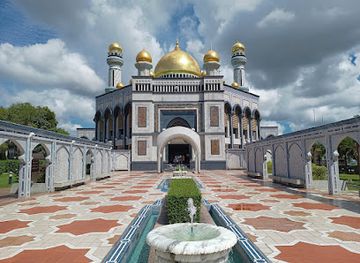
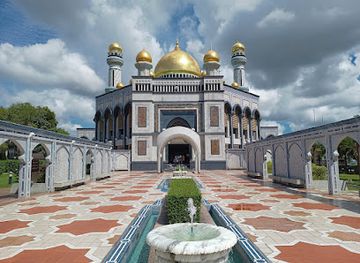
Mosque
Jame' Asr Hassanil Bolkiah Mosque
Discover Brunei's largest mosque, a masterpiece of Islamic architecture with stunning golden domes and serene gardens, a must-see cultural landmark.
-
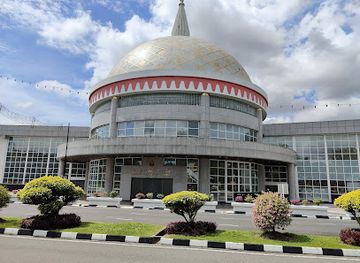
Museum
Royal Regalia Museum
Explore Brunei's royal history and cultural treasures at the Royal Regalia Museum, a captivating attraction in Bandar Seri Begawan.
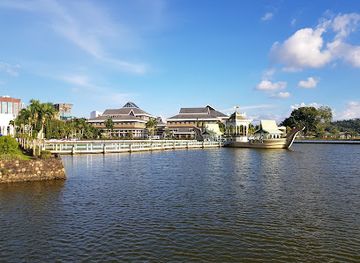
Best landmarks in Temburong District
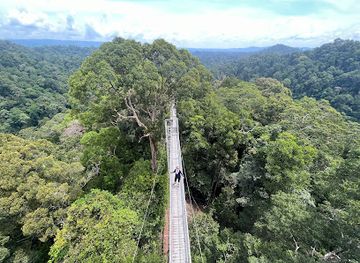
The most recognisable landmark in Temburong is the forest canopy walkway associated with Ulu Temburong National Park, an elevated structure that provides a rare view across the rainforest canopy after a strenuous ascent. Its importance is ecological as much as visual: it allows visitors to appreciate the scale and layered structure of the protected forest without treating the landscape as a conventional viewpoint. The Temburong River is another defining natural landmark, functioning as both a geographical spine and a historic route through the district. Around Bangar, the district’s government buildings, mosque and riverside setting provide a human-scale focal point, although the town is not a monumental architectural centre. The Sultan Haji Omar Ali Saifuddien Bridge is a major modern gateway to Temburong, linking the exclave with western Brunei across Brunei Bay; it is best understood as infrastructure serving the district rather than as an old local heritage monument. Together, these places express Temburong’s character as a forest district connected by rivers and contemporary transport.
-
Hotel
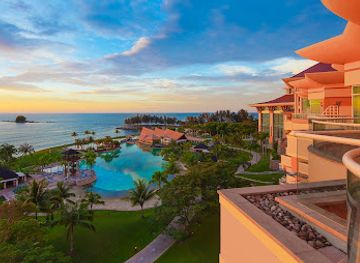
The Empire Brunei
Experience unparalleled luxury and diverse culinary delights at The Empire Brunei, the ultimate destination for relaxation and recreation.
-
Mosque
Omar Ali Saifuddien Mosque
Discover Brunei's iconic mosque, a stunning fusion of Islamic architecture and serene beauty in the heart of Bandar Seri Begawan.
-
Night market
Gadong Night Market
Experience Brunei's vibrant culture and delicious cuisine at Gadong Night Market, a nightly feast for the senses.
-
Mosque
Jame' Asr Hassanil Bolkiah Mosque
Discover Brunei's largest mosque, a dazzling display of Islamic architecture and a symbol of the nation's rich heritage.
Explore Temburong District on the map
Plan your trip on one map. See where the top cities, national parks and sights are, and book hotels and experiences in a few clicks.
Best hotels in Temburong District
Best restaurants in Temburong District
Dining in Temburong is practical and locally grounded, with the widest choice found in Bangar and at accommodation providers serving visitors to the forest. Expect Malay and wider Bornean influences, rice-based meals, noodles, grilled chicken or fish, vegetables, fruit and simple drinks rather than a large restaurant scene. Ambuyat, a sticky sago dish eaten with a dip, belongs to Brunei’s national food culture and may appear alongside other home-style dishes, while river fish and locally available produce can feature in meals in riverside communities. Forest resorts and tour operators commonly organise meals as part of an excursion, which is useful because options are limited once guests travel by boat into protected areas. Markets and small eateries offer a more everyday experience than formal dining, but opening arrangements can be informal. Visitors with dietary restrictions should state them when booking, especially for multi-day packages where meals are prepared in advance.
-
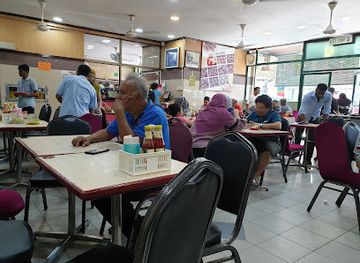
Restaurant
Chop Jing Chew
Discover the delightful flavors of Chop Jing Chew in Bandar Seri Begawan – your go-to spot for breakfast and bakery treats.
-
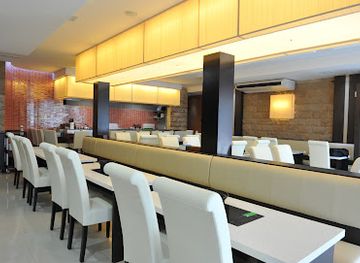
Authentic Japanese
Excapade Japanese Restaurant Bunut
Experience authentic Japanese cuisine at Excapade Japanese Restaurant in Bandar Seri Begawan - where tradition meets taste.
-
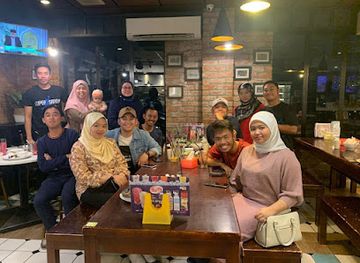
Restaurant
My Town Eating House
Discover authentic Bruneian cuisine at My Town Eating House in Bandar Seri Begawan—an unforgettable dining experience awaits!
-
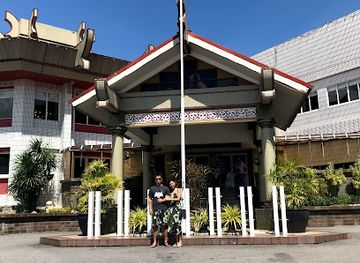
Restaurant
Tarindak D'Seni
Experience the flavors of Brunei at Tarindak D'Seni – where tradition meets taste in an inviting atmosphere.
Best bars in Temburong District
Temburong has no major nightclub district, and evening life is shaped by the district’s small settlements, forest lodges and early starts for outdoor activities. Bangar has modest cafés and local eateries where residents meet, while guesthouses and eco-resorts may provide quiet communal spaces rather than a late-night entertainment programme. Alcohol is not a defining part of public life in Brunei, a Muslim-majority country, and visitors should respect national restrictions and local sensitivities. After dark in the forest, the focus is more likely to be on guided nature interpretation, listening to nocturnal sounds or resting after a river excursion than on bars. Anyone seeking a wider choice of licensed nightlife will find it outside Temburong, particularly in and around Bandar Seri Begawan, but the journey back should be planned rather than assumed to be convenient late at night.
-
Tourist attraction
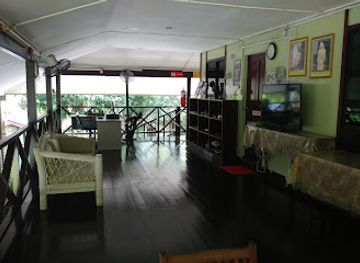
Freme Rainforest Lodge
Experience the tranquility of nature at Freme Rainforest Lodge, your perfect retreat in Batang Duri.
-
Lounge
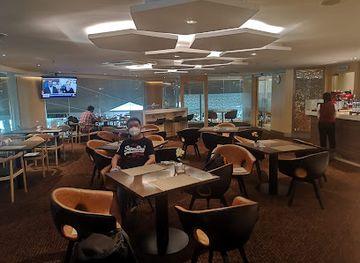
Royal Brunei Business Class Lounge
Relax in luxury at the Royal Brunei Business Class Lounge, where comfort meets elegance before your journey.
-
Resort hotel
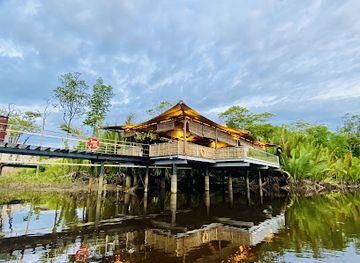
The Abode Resort & Spa, Temburong
Discover a tranquil escape at The Abode Resort & Spa, Temburong, where nature meets luxury in Brunei's scenic jungle.
-
 Hotel
HotelStoneVille Hotel
Discover comfort and hospitality at StoneVille Hotel in Bangar, your ideal base for exploring Brunei's natural beauty and cultural treasures.
Best nightclubs in Temburong District
Temburong has no major nightclub district, and evening life is shaped by the district’s small settlements, forest lodges and early starts for outdoor activities. Bangar has modest cafés and local eateries where residents meet, while guesthouses and eco-resorts may provide quiet communal spaces rather than a late-night entertainment programme. Alcohol is not a defining part of public life in Brunei, a Muslim-majority country, and visitors should respect national restrictions and local sensitivities. After dark in the forest, the focus is more likely to be on guided nature interpretation, listening to nocturnal sounds or resting after a river excursion than on bars. Anyone seeking a wider choice of licensed nightlife will find it outside Temburong, particularly in and around Bandar Seri Begawan, but the journey back should be planned rather than assumed to be convenient late at night.
-
Hotel
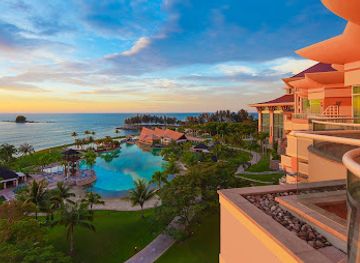
The Empire Brunei
Discover luxury and tranquility at The Empire Brunei, a premier hotel offering exquisite dining, stunning views, and exceptional amenities in Brunei.
-
Night market
Gadong Night Market
Explore the vibrant Gadong Night Market, a culinary hub in Bandar Seri Begawan offering delicious local dishes and unique artisan crafts.
-
National park
Ulu Temburong National Park
Discover the untouched wilderness and vibrant wildlife of Ulu Temburong National Park, a true natural wonder in Brunei.
-
Tourist attraction
Freme Rainforest Lodge
Experience the serenity and natural beauty of Freme Rainforest Lodge, the perfect escape into Brunei's lush rainforest.

Best shops in Temburong District
Shopping in Temburong is limited but useful, with Bangar providing small shops and everyday services rather than a large retail centre. Visitors may find locally made snacks, drinks, simple household goods and practical supplies for river or forest trips. Community visits and craft outlets, where available through established operators, can offer woven items, handmade products or other regional souvenirs, but stock and opening arrangements vary. Brunei food products, including packaged snacks and locally influenced condiments, are easier to carry than fragile or restricted natural materials. Farmers’ and informal produce sales may appear in village areas, particularly when seasonal fruit and vegetables are available, though they are not necessarily organised as permanent tourist markets. Buy directly and respectfully where possible, ask about appropriate prices and do not purchase wildlife, protected plants or items made from questionable forest materials. For extensive fashion, books, electronics or luxury retail, visitors should shop in Bandar Seri Begawan rather than expect Temburong to function as a major commercial destination.
-
Shopping mall
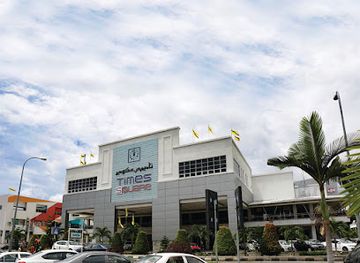
Times Square Shopping Centre
Explore the bustling Times Square Shopping Centre in Bandar Seri Begawan for an unforgettable shopping and dining experience in the heart of Brunei.
-
Shopping mall
Rimba Point
Discover Rimba Point, Brunei's vibrant shopping mall, offering diverse stores, delightful dining, and exciting entertainment for every visitor.
-
Shopping mall
The Airport Mall
Discover a vibrant shopping experience at The Airport Mall in Bandar Seri Begawan, where local culture meets global brands.
-
Shopping mall
Aman Hills Shopping Centre
Discover the vibrant shopping scene at Aman Hills Shopping Centre, where local culture meets modern retail in Bandar Seri Begawan.
Get your free copy of our complete guide to Temburong District, delivered straight to you.
Everything on this page, from attractions and restaurants to essentials and local phrases, in one PDF you can read offline, print or share.
Already have an account? Sign in
Your Temburong District guide is ready.
We'll send it to · Not you? Sign out

Getting your guide ready…
We are putting together a fresh copy of the Temburong District guide. This can take up to a minute.
This can take a few moments. If your browser asks, choose Allow so the download can start. You'll find the guide in your Downloads folder.
Nothing happened? Download it again
Sorry, the guide is taking longer than usual. Please try again in a minute, or get it by email instead.
Temburong District essentials
Currency and Payment
Safety
Emergency Situations
Do's and Don'ts
Local Tips
From Eve
Local phrases worth knowing
You don't need to get them perfect. A few words go a long way, and locals appreciate the effort.
Basics
| English | Local | Say it |
|---|---|---|
| Hello | Assalamualaikum | [ah-sah-lah-moo-ah-lay-koom] |
| Goodbye | Selamat tinggal | [sah-lah-mat ting-gahl] |
| Yes | Ya | [yah] |
| No | Tidak | [tee-dahk] |
| Please/You're welcome | Silakan | [see-lah-kahn] |
| Thank you | Terima kasih | [teh-ree-mah kah-see] |
| Excuse me/Sorry | Maaf | [mah-ahf] |
| How are you? | Apa khabar? | [ah-pah kah-bar] |
| Fine. And you? | Baik. Dan kamu? | [bye-k. dahn kah-moo] |
| Do you speak English? | Adakah kamu bercakap bahasa Inggeris? | [ah-dah-kah kah-moo ber-chah-kahp bah-hah-sah ing-ge-ris] |
| I don't understand | Saya tidak faham | [sah-yah tee-dahk fah-hahm] |
Eating & Drinking
| English | Local | Say it |
|---|---|---|
| I'd like to see the menu, please | Saya ingin melihat menu, silakan | [sah-yah ee-ngin meh-lih-hat meh-noo, see-lah-kahn] |
| I don't eat meat | Saya tidak makan daging | [sah-yah tee-dahk mah-kahn dah-ging] |
| Cheers! | Bersulang! | [ber-soo-lahng] |
| I would like to pay, please | Saya ingin bayar, silakan | [sah-yah ee-ngin bah-yahr, see-lah-kahn] |
Emergencies
| English | Local | Say it |
|---|---|---|
| Help! | Tolong! | [toh-long] |
| Go away! | Pergi jauh! | [per-ghee jah-oo] |
| Call the Police! | Panggil polis! | [pan-gil poh-lis] |
| Call a doctor! | Panggil doktor! | [pan-gil dok-tor] |
| I'm lost | Saya sesat | [sah-yah seh-saht] |
| I'm ill | Saya sakit | [sah-yah sah-kit] |
Shopping
| English | Local | Say it |
|---|---|---|
| I'd like to buy... | Saya ingin membeli... | [sah-yah ee-ngin mem-buh-lee...] |
| I'm just looking | Saya hanya melihat | [sah-yah han-yah meh-lih-hat] |
| How much is it? | Berapa harganya? | [beh-rah-pah har-gah-nya] |
| That's too expensive | Itu terlalu mahal | [ee-too ter-lah-loo mah-hahl] |
| Can you lower the price? | Bolehkah kamu turunkan harga? | [boh-leh-kah kah-moo too-run-kahn har-gah] |
Time & Numbers
| English | Local | Say it |
|---|---|---|
| What time is it? | Pukul berapa? | [poo-kool beh-rah-pah] |
| It's one o'clock | Pukul satu | [poo-kool sah-too] |
| Half past (10) | Setengah (10) | [seh-teng-ah (sep-uluh)] |
| Morning | Pagi | [pah-gee] |
| Afternoon | Petang | [peh-tahng] |
| Evening | Malam | [mah-lahm] |
| Yesterday | Semalam | [seh-mah-lahm] |
| Today | Hari ini | [hah-ree ee-nee] |
| Tomorrow | Esok | [eh-sok] |
| 1 | Satu | [sah-too] |
| 2 | Dua | [doo-ah] |
| 3 | Tiga | [tee-gah] |
| 4 | Empat | [em-paht] |
| 5 | Lima | [lee-mah] |
| 6 | Enam | [eh-nahm] |
| 7 | Tujuh | [too-joo] |
| 8 | Lapan | [lah-pahn] |
| 9 | Sembilan | [sem-bee-lahn] |
| 10 | Sepuluh | [seh-poo-luh] |
Transport & Directions
| English | Local | Say it |
|---|---|---|
| Where's a/the...? | Di mana ...? | [dee mah-nah ...?] |
| What's the address? | Apa alamatnya? | [ah-pah ah-lah-mat-nya] |
| Can you show me (on the map)? | Bolehkah kamu tunjukkan (peta)? | [boh-leh-kah kah-moo toon-jook-kahn (peh-tah)?] |
| When's the next (bus)? | Bila bas seterusnya? | [bee-lah bahs seh-teh-roos-nya?] |
| A ticket (to ....) | Sebuah tiket (ke ....) | [seh-boo-ah tik-et (keh ....)] |
History of Temburong District
River Communities and Indigenous Heritage
Long before the district became a modern administrative unit, the Temburong valleys were occupied and traversed by communities whose lives were organised around rivers, forests and shifting patterns of cultivation. Bruneian Malay and Iban communities developed distinct settlement traditions, with river transport connecting villages to one another and to the wider Brunei region. Longhouses and other communal forms of living are part of the wider Borneo cultural landscape, although surviving examples and present-day practices should be understood through local community guidance rather than treated as museum displays.
Temburong within the Brunei Sultanate
Temburong formed part of the historical sphere of the Brunei Sultanate, whose influence once extended across substantial parts of northern Borneo. Rivers served as routes for administration, trade and social connections, linking interior communities with the coast and the sultanate’s political centre. The district’s distance from western Brunei helped preserve a more rural character, while its waterways ensured that it was never entirely isolated from regional commerce or the authority of the sultanate.
The Brooke and British Era
During the nineteenth and early twentieth centuries, Brunei’s political geography was reshaped by the expansion of the Brooke regime in neighbouring Sarawak and by British influence over the remaining sultanate. The British formalised their role in Brunei through the 1906 system of residency, under which a British Resident advised the Sultan. Although Temburong remained part of Brunei, its position as an eastern exclave became more pronounced as surrounding territories were administered separately, leaving the district geographically distinct from the country’s western core.
War and the Japanese Occupation
The Second World War affected Brunei and northern Borneo through the Japanese occupation, which lasted from 1941 until the return of Allied forces in 1945. Temburong’s forests and rivers were especially significant as difficult terrain and potential routes through the interior, while communities across the region experienced wartime disruption, shortages and changing military authority. The period remains part of the broader wartime history of Brunei, even though the district contains fewer large military monuments than some coastal areas of Borneo.
Brunei’s Route to Independence
After the war, Brunei gradually moved towards full internal self-government and independence, while retaining the Sultanate as the country’s central institution. Brunei became fully independent on 1 January 1984. For Temburong, national development brought improved public services, roads and transport links while the district retained its separate geographical position. The balance between modern infrastructure and forest conservation has since become a central issue in shaping the district’s visitor economy.
Protected Rainforest and Sustainable Tourism
The creation and management of protected forest areas, including Ulu Temburong National Park, reflected growing recognition of the ecological importance of Brunei’s interior rainforest. Tourism developed around guided river journeys, forest interpretation and low-impact accommodation rather than large-scale urban development. The Sultan Haji Omar Ali Saifuddien Bridge, opened in 2020, significantly improved the road connection between western Brunei and Temburong, reducing dependence on boat crossings for ordinary travel while leaving the river journey central to access to the national park.
Temburong District in Photos
Browse through our photo collection highlighting the charm and character of the destination.
Neighbouring regions of Temburong District
The closest regions to Temburong District, if you have time for more than one.
-

-

-

-

-


Swipe for more regions
Explore more

Explore more of Brunei
Explore Brunei, a hidden gem in Southeast Asia, where modern opulence meets untouched natural beauty and rich cultural heritage.
Explore Brunei