

Free Burgas Travel Guide & Mobile App
Plan your Burgas trip with Evendo. Get free guides to top attractions, restaurants, hotels, and bars. Web access or download the mobile app.


Burgas, Bulgaria blends Black Sea beaches, Sea Garden walks, island landscapes, lively culture, seafood and easy access to the southern coast.
Black Sea Setting
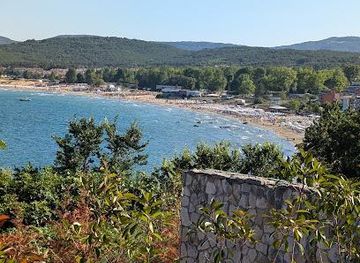
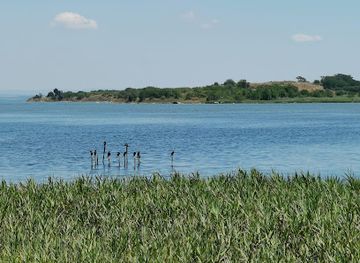
Burgas stretches along Bulgaria’s southern Black Sea coast, with a broad waterfront, long beaches and the Sea Garden forming the city’s defining public landscape. Its centre is compact and easy to explore on foot, arranged around pedestrianised Alexandrovska Street, leafy squares and the cultural venues of Bogoridi Street. Beyond the urban shoreline, wetlands, lagoons and salt pans create an unusually varied coastal environment, including Lake Atanasovsko to the north and the protected Poda area to the south.Read more about Burgas
Culture and Everyday Life
Coast, Wetlands and Islands
When is the best time to visit Burgas?
Best: May, September–October · 22–28°C| Month | High (°C) | Rainfall (mm) |
|---|---|---|
| January | 10 | 40 |
| February | 11 | 38 |
| March | 16 | 39 |
| April | 21 | 48 |
| May (best) | 26 | 57 |
| June | 30 | 63 |
| July | 32 | 58 |
| August | 32 | 51 |
| September (best) | 28 | 45 |
| October (best) | 22 | 48 |
| November | 17 | 47 |
| December | 12 | 43 |
Getting to and around Burgas
How to get there
Transportation
Best attractions in Burgas
Burgas’s principal attractions are linked by the centre and the Sea Garden, a spacious coastal park leading towards the beach, pier and open-air theatre. The Archaeological Museum presents finds from the Bay of Burgas and the southern Black Sea, while the Ethnographic Museum explores regional dress, customs and domestic traditions in a historic central building. The Burgas Art Gallery adds Bulgarian and European works to the cultural circuit. Along the waterfront, the beach and pier provide broad sea views, and the Sea Casino area hosts cultural events. For a different landscape, Lake Atanasovsko and the Poda protected area introduce visitors to lagoons, salt pans and important bird habitats on the city’s edges. Seasonal boat trips to St Anastasia Island combine coastal scenery with a small monastery complex, museum and island settlement, although the island lies offshore rather than within the urban centre.
-
Park
The Sea Garden
Explore the lush landscapes and scenic views of The Sea Garden in Burgas, a perfect blend of nature and culture along the Black Sea coast.
6 min drive · 2.0 km from city centre
-
Castle
Castle of Ravadinovo
Discover the magic of the Castle of Ravadinovo, a stunning blend of history, architecture, and nature in Bulgaria's enchanting landscapes.
41 min drive · 21 km from city centre
-
Tourist attraction
Boris's Garden (Borisova Gradina)
Discover the beauty of Boris's Garden in Burgas, a serene park perfect for relaxation, picnics, and family fun amidst nature's splendor.
12 min walk · 1.0 km from city centre
-
Beach
Kavatsite
Discover the serene beauty of Kavatsite Beach in Sozopol, Bulgaria – a perfect blend of relaxation and adventure amidst stunning coastal scenery.
43 min drive · 23 km from city centre


Best landmarks in Burgas
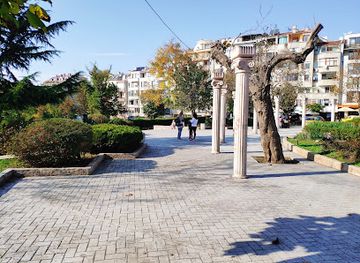
Burgas’s most recognisable landmarks express its maritime setting and modern civic development. The Sea Garden is the city’s defining landscaped monument, extending along the coast and framing the relationship between the urban centre, beach and open water. At its southern end, the Burgas Pier projects into the Black Sea and is a familiar meeting point and viewpoint. The Pantheon, a memorial in the Sea Garden, reflects the political memory of the twentieth century. In the centre, the Church of the Holy Mother of God and the Armenian Apostolic Church of the Holy Cross represent long-established religious communities, while the former regional customs house and other late nineteenth- and early twentieth-century buildings recall the city’s commercial growth. The railway station and port area complete the picture of Burgas as a city shaped by transport, trade and its waterfront.
-
Park
The Sea Garden
Discover the lush beauty and cultural treasures of The Sea Garden in Burgas, a perfect retreat by the Black Sea, ideal for relaxation and exploration.
6 min drive · 2.0 km from city centre
-
Thermal baths
Акве калиде – Термополис
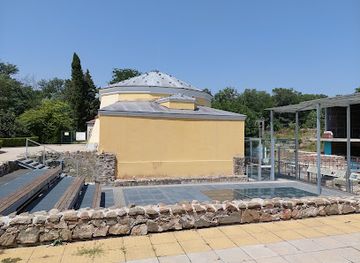
Experience the healing waters and rich history of Aqua Calidae Thermal Baths in Burgas, Bulgaria - a true oasis of relaxation and cultural heritage.
33 min drive · 13 km from city centre
-
Nature preserve
Nature Conservation Center Poda
Explore the vibrant ecosystems and rich biodiversity at Nature Conservation Center Poda, a serene escape for nature lovers near Burgas, Bulgaria.
20 min drive · 6.8 km from city centre
-
Orthodox church
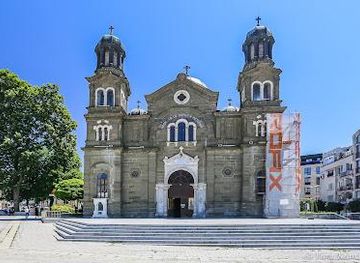
Church Saints Cyril and Methodius
Explore the serene beauty of the Church of Saints Cyril and Methodius, a must-visit Orthodox church in the heart of Burgas, rich in history and artistry.
17 min walk · 1.3 km from city centre
Explore Burgas on the map
Plan your Burgas trip on one map. See where the top attractions, landmarks, restaurants, bars and hotels are, find what's near where you're staying, and book hotels and experiences in a few clicks.
Best hotels in Burgas
Best restaurants in Burgas
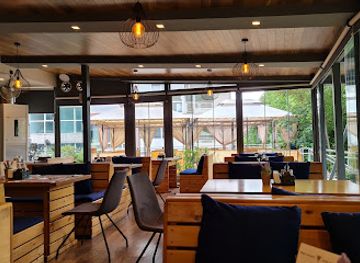
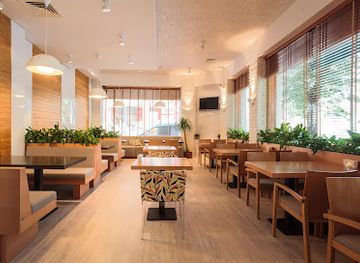
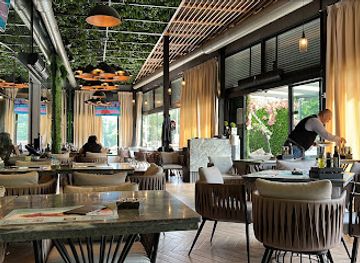
Burgas’s dining scene reflects its position between the Black Sea, Thrace and the Strandzha region. Fish and seafood feature prominently, with mussels, mussel dishes and locally prepared Black Sea fish appearing alongside Bulgarian staples such as shopska salad, grilled meats, banitsa, tarator and slow-cooked vegetable dishes. Central streets around Bogoridi and Alexandrovska contain cafés, bakeries, casual restaurants and more contemporary kitchens, while the seafront brings seasonal places focused on beach dining. Regional wines and rakia may accompany meals, and seasonal produce from the surrounding countryside shapes many menus. Food shopping is less concentrated in one grand market than in a mixture of small shops, bakeries and everyday stalls, so the city’s culinary character is found as much in ordinary local eating as in formal dining.
-
European
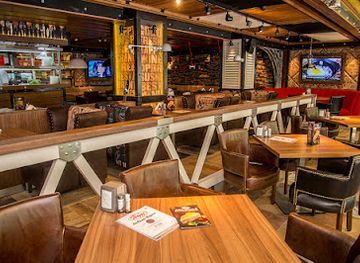
Happy Bar & Grill
Experience culinary excellence at Happy Bar & Grill in Burgas - where European flavors meet sushi delights amidst a warm ambiance.
18 min walk · 1.5 km from city centre
-
Restaurant
Grog
Discover the flavors of Bulgaria at Grog in Burgas - where every meal is a celebration of local culinary traditions.
17 min walk · 1.3 km from city centre
-
Pizza
Romance Pub & Pizza
Savor delicious pizzas in the heart of Burgas at Romance Pub & Pizza – where every bite is a slice of heaven.
16 min walk · 1.2 km from city centre
-
Restaurant
La Flor Bar & Grill Burgas
Experience exquisite dining at La Flor Bar & Grill in Burgas - where local flavors meet exceptional service.
18 min walk · 1.5 km from city centre
Best bars in Burgas
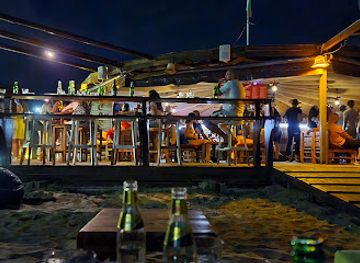
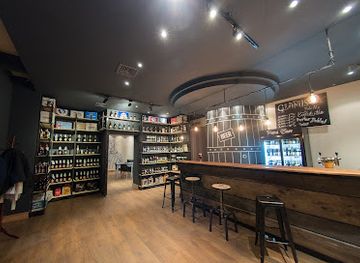
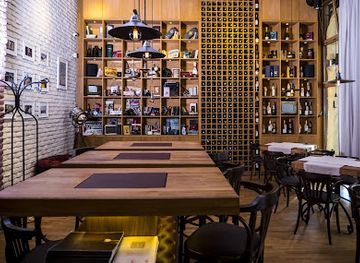
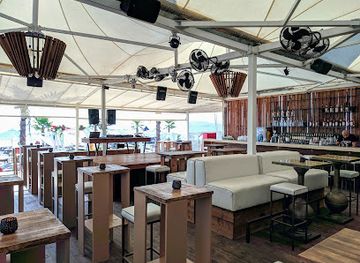
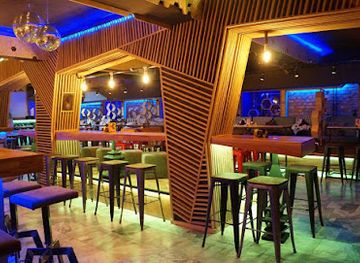
Burgas has a seasonal evening scene shaped by the Sea Garden, the beach and the central streets around Bogoridi and Alexandrovska. Summer brings open-air concerts, cultural events and late promenades towards the pier, while cafés and bars provide relaxed places for coffee, beer, wine or cocktails. The city is not Bulgaria’s principal clubbing centre, but it offers a modest selection of bars and music-led venues, with activity increasing during the warmer months and festival periods. The Sea Casino and the open-air theatre contribute cultural entertainment beyond nightlife in the narrow sense, including concerts and performances. Visitors should expect a coastal city atmosphere that becomes quieter outside summer, with evening activity concentrated in the centre and along the seafront rather than spread across a large club district.
-
Cocktail bar
Caribe
Discover the vibrant atmosphere of Caribe, a cocktail bar in Burgas perfect for refreshing drinks and unforgettable experiences under the sun.
5 min drive · 1.8 km from city centre
-
Bar
Papa Beer craft beer bar
Experience the best of craft beer culture in Burgas at Papa Beer, where local flavors meet international selections.
5 min drive · 1.6 km from city centre
-
Restaurant
Ti Bar & Kitchen - ресторант и бар в Бургас
Experience the culinary magic of Ti Bar & Kitchen in Burgas, where modern European cuisine meets an exquisite wine selection.
17 min walk · 1.3 km from city centre
-
Bar
Saxa Beach
Discover the vibrant Saxa Beach in Burgas, where golden sands meet lively bars and refreshing waters, perfect for relaxation and fun.
6 min drive · 1.9 km from city centre
Best nightclubs in Burgas
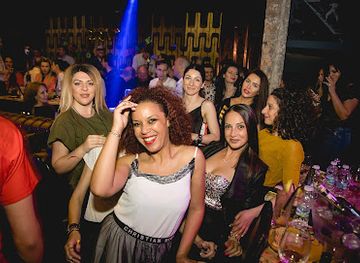
Burgas has a seasonal evening scene shaped by the Sea Garden, the beach and the central streets around Bogoridi and Alexandrovska. Summer brings open-air concerts, cultural events and late promenades towards the pier, while cafés and bars provide relaxed places for coffee, beer, wine or cocktails. The city is not Bulgaria’s principal clubbing centre, but it offers a modest selection of bars and music-led venues, with activity increasing during the warmer months and festival periods. The Sea Casino and the open-air theatre contribute cultural entertainment beyond nightlife in the narrow sense, including concerts and performances. Visitors should expect a coastal city atmosphere that becomes quieter outside summer, with evening activity concentrated in the centre and along the seafront rather than spread across a large club district.
-
Event venue
HashtagSTUDIO - The Culture Club.
Discover the electrifying nightlife at HashtagSTUDIO - The Culture Club in Burgas, where live music and vibrant energy come together.
18 min walk · 1.5 km from city centre
-
Bar
Fabric Club Burgas
Discover the pulsating nightlife of Burgas at Fabric Club, where music, dance, and vibrant energy converge for an unforgettable experience.
7 min walk · 0.6 km from city centre
-
Karaoke bar
Караоке Бар Бургас
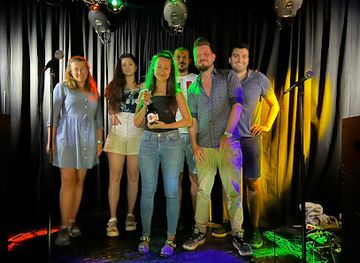
Experience the vibrant nightlife at Karaoke Bar Burgas, where singing, dancing, and socializing create unforgettable memories.
17 min walk · 1.3 km from city centre
-
Bar
Barcode
Discover the vibrant nightlife at Barcode in Burgas, where music, dancing, and great cocktails create unforgettable nights.
5 min drive · 1.6 km from city centre

Best shops in Burgas
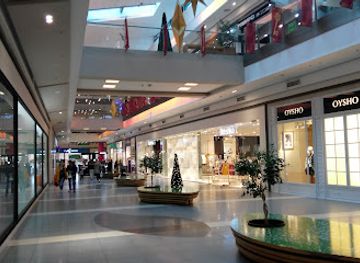
Shopping in Burgas centres on pedestrianised Alexandrovska Street and nearby Bogoridi Street, where everyday Bulgarian retailers, cafés, bookshops and specialist stores occupy the historic core. Local shopping is practical rather than built around a single monumental bazaar, with bakeries, delicatessens and small food shops offering regional products alongside ordinary groceries. Visitors may find Bulgarian rose products, honey, preserves, ceramics, embroidered textiles and Black Sea-themed crafts, though provenance varies and traditional claims should be checked. Seasonal stalls and seaside vendors become more noticeable around the beach and Sea Garden, while larger retail centres on the urban outskirts provide international brands and supermarkets. The central streets are most atmospheric for browsing independent businesses and combining shopping with the city’s museums, architecture and café life.
-
Shopping mall
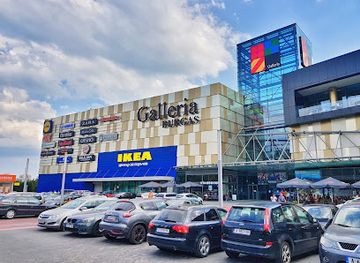
Mall Galleria Burgas
Discover the vibrant shopping experience at Mall Galleria Burgas, featuring local and international brands, dining, and entertainment options.
13 min walk · 1.1 km from city centre
-
Shopping mall
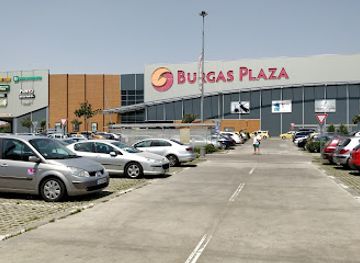
Mall Burgas Plaza
Discover shopping bliss and local flavors at Mall Burgas Plaza, a vibrant hub in Burgas, Bulgaria, perfect for all your retail and dining desires.
9 min drive · 2.9 km from city centre
-
Electronics store
iCenter - Apple Authorized Reseller
Discover cutting-edge Apple products at iCenter in Burgas - your one-stop shop for all things tech in the heart of the Galleria Mall.
14 min walk · 1.1 km from city centre
-
Shopping mall
Tria City Center
Experience the ultimate shopping destination in Burgas at Tria City Center, featuring a diverse range of shops, dining options, and entertainment for all.
14 min walk · 1.1 km from city centre
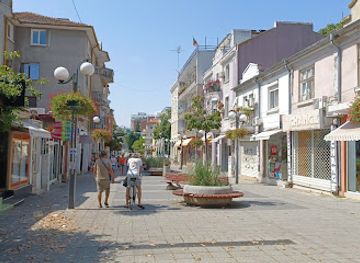
Get your free copy of our complete guide to Burgas, delivered straight to you.
Everything on this page, from attractions and restaurants to essentials and local phrases, in one PDF you can read offline, print or share.
Already have an account? Sign in
Your Burgas guide is ready.
We'll send it to · Not you? Sign out

Getting your guide ready…
We are putting together a fresh copy of the Burgas guide. This can take up to a minute.
This can take a few moments. If your browser asks, choose Allow so the download can start. You'll find the guide in your Downloads folder.
Nothing happened? Download it again
Sorry, the guide is taking longer than usual. Please try again in a minute, or get it by email instead.
Burgas essentials
Currency and Payment
Safety
Emergency Situations
Do's and Don'ts
Local Tips
From Eve
Local phrases worth knowing
You don't need to get them perfect. A few words go a long way, and locals appreciate the effort.
Basics
| English | Local | Say it |
|---|---|---|
| Hello | Здравей | [Zdravey] |
| Goodbye | Довиждане | [Dovizhdane] |
| Yes | Да | [Da] |
| No | Не | [Ne] |
| Please/You're welcome | Моля | [Molya] |
| Thank you | Благодаря | [Blagodarya] |
| Excuse me/Sorry | Извинявайте | [Izvinyavayte] |
| How are you? | Как си? | [Kak si?] |
| Fine. And you? | Добре. А ти? | [Dobre. A ti?] |
| Do you speak English? | Говориш ли английски? | [Govorish li angliyski?] |
| I don't understand | Не разбирам | [Ne razbiram] |
Eating & Drinking
| English | Local | Say it |
|---|---|---|
| I'd like to see the menu, please | Бих искал да видя менюто, моля | [Bih iskal da vida menyuto, molya] |
| I don't eat meat | Не ям месо | [Ne yam meso] |
| Cheers! | На здраве! | [Na zdrave!] |
| I would like to pay, please | Бих искал да платя, моля | [Bih iskal da platya, molya] |
Emergencies
| English | Local | Say it |
|---|---|---|
| Help! | Помощ! | [Pomosht!] |
| Go away! | Отиди си! | [Otdi si!] |
| Call the Police! | Обадете полицията! | [Obedete politsiyata!] |
| Call a doctor! | Обадете доктор! | [Obedete doktor!] |
| I'm lost | Загубен съм | [Zaguben sam] |
| I'm ill | Болен съм | [Bolen sam] |
Shopping
| English | Local | Say it |
|---|---|---|
| I'd like to buy... | Бих искал да купя... | [Bih iskal da kupya...] |
| I'm just looking | Само се разглеждам | [Samo se razglezhdam] |
| How much is it? | Колко струва? | [Kolko struva?] |
| That's too expensive | Това е твърде скъпо | [Tova e tvurde skapо] |
| Can you lower the price? | Можете ли да намалите цената? | [Mozhete li da namalite tsenata?] |
Time & Numbers
| English | Local | Say it |
|---|---|---|
| What time is it? | Колко е часът? | [Kolko e chasat?] |
| It's one o'clock | Един час е | [Edin chas e] |
| Half past (10) | Половина на (10) | [Polovina na (10)] |
| Morning | Сутрин | [Sutrin] |
| Afternoon | Следобед | [Sledobed] |
| Evening | Вечер | [Vecher] |
| Yesterday | Вчера | [Vchera] |
| Today | Днес | [Dnes] |
| Tomorrow | Утре | [Utre] |
| 1 | едно | [edno] |
| 2 | две | [dve] |
| 3 | три | [tri] |
| 4 | четири | [chetiri] |
| 5 | пет | [pet] |
| 6 | шест | [shest] |
| 7 | седем | [sedem] |
| 8 | осем | [osem] |
| 9 | девет | [devet] |
| 10 | десет | [deset] |
Transport & Directions
| English | Local | Say it |
|---|---|---|
| Where's a/the...? | Къде е... | [Kade e...] |
| What's the address? | Какъв е адресът? | [Kakav e adresat?] |
| Can you show me (on the map)? | Можете ли да ми покажете (на картата)? | [Mozhete li da mi pokazhete (na kartata)?] |
| When's the next (bus)? | Кога е следващият (автобус)? | [Koga e sledvashtiyat (avtobus)?] |
| A ticket (to ....) | Билет (до ....) | [Bilet (do ....)] |
History of Burgas
Ancient Coastal Communities
The Burgas area has been occupied since antiquity, benefiting from sheltered coastal waters, freshwater resources and access to the maritime routes of the western Black Sea. Thracian communities lived across the region before Greek and Roman influence reshaped coastal trade. The better-known Greek colony of Apollonia Pontica was established at present-day Sozopol, south of Burgas, while Roman power developed settlements and roads across the surrounding province. Archaeological collections in Burgas preserve pottery, coins, jewellery and other evidence of these interconnected communities, showing that the modern city stands within a much older coastal zone rather than on an isolated urban site.
Roman Deultum and Regional Trade
Under Roman rule, the area south-west of Burgas became home to Deultum, a settlement founded in the first century AD for veterans of the Roman army near present-day Debelt. Its location connected the coast with inland routes and agricultural territory, and archaeological remains reveal the civic, commercial and religious life of the settlement. Burgas itself was not the principal Roman city of the region, but its surrounding waterways and coastal position formed part of the same economic landscape. The ruins at Deultum, together with objects displayed in local museums, provide an important window onto Roman administration and trade around the Bay of Burgas.
Medieval and Ottoman Coast
During the medieval period, the Bay of Burgas lay within a contested zone shaped by Byzantine and Bulgarian power, coastal commerce and military movement. The settlement associated with modern Burgas developed gradually rather than as a grand medieval capital. Ottoman rule brought the area into the empire’s administrative and trading networks from the late fourteenth century, while nearby ports and inland routes continued to connect the coast with Thrace. The city’s later identity was influenced by the movement of Bulgarian, Greek, Armenian, Jewish and other communities around the Black Sea, although much of the visible central architecture belongs to the period of nineteenth- and twentieth-century expansion.
Port, Railway and Urban Growth
Burgas changed decisively in the nineteenth century as modern commercial infrastructure began to replace the scale of an earlier coastal settlement. The railway connection to the interior and the development of the port at the beginning of the twentieth century strengthened the city’s role in exporting agricultural produce and importing goods. These links encouraged population growth, new streets, civic buildings and industrial activity. Burgas became an important Bulgarian maritime centre after the establishment of the modern Bulgarian state in 1878, and its urban form increasingly faced both the harbour and the public seafront.
A Modern Cultural and Maritime City
The twentieth century brought continued industrialisation, population growth and the expansion of residential districts beyond the historic core. Burgas’s port and surrounding industries remained central to its economy, while the Sea Garden and waterfront developed as important public spaces. In the later twentieth and early twenty-first centuries, investment in pedestrian streets, museums, cultural programming and the seafront reinforced the city’s appeal as a coastal urban centre. At the same time, the lakes and wetlands around Burgas gained greater recognition for their ecological importance, adding nature conservation to the city’s maritime, industrial and cultural identity.
Burgas in Photos
Browse through our photo collection highlighting the charm and character of the destination.
Cities near Burgas
The closest cities to Burgas, if you have time for more than one stop.
-

-
-
-

-


Swipe for more cities
Explore more

Explore more of Bulgaria
Explore Bulgaria: From Sofia's bustling streets to the serene mountains and stunning Black Sea beaches, discover the rich history, culture, and natural beauty of Bulgaria.
Explore Bulgaria