

Free Gabrovo Travel Guide & Mobile App
Plan your Gabrovo trip with Evendo. Get free guides to top attractions, restaurants, hotels, and bars. Web access or download the mobile app.


Gabrovo, Bulgaria combines humour, textile heritage and Balkan landscapes with the House of Humour, Etar museum and lively cultural traditions.
A City Shaped by the Yantra
Gabrovo stretches along the Yantra River in north-central Bulgaria, where the wooded slopes of the Balkan Mountains begin to rise south of the Danubian plain. Its history is closely tied to craft, trade and manufacturing, while its modern identity rests equally on education, museums and a celebrated tradition of self-deprecating humour. The compact centre combines late nineteenth- and early twentieth-century commercial buildings with quieter residential streets, riverside walks and views towards the surrounding hills.Read more about Gabrovo
Heritage and Invention
Culture in a Mountain Setting
When is the best time to visit Gabrovo?
Best: June–August · 24–26°C| Month | High (°C) | Rainfall (mm) |
|---|---|---|
| January | 3 | 35 |
| February | 5 | 35 |
| March | 9 | 35 |
| April | 16 | 35 |
| May | 21 | 35 |
| June (best) | 24 | 35 |
| July (best) | 26 | 35 |
| August (best) | 26 | 35 |
| September | 23 | 35 |
| October | 15 | 35 |
| November | 10 | 35 |
| December | 5 | 35 |
Getting to and around Gabrovo
How to get there
Transportation
Best attractions in Gabrovo
Gabrovo's attractions reveal a city that treats industry, education and humour as parts of its heritage. The House of Humour and Satire is the most distinctive cultural stop, presenting cartoons, graphic art and international traditions of laughter in an inventive museum setting. The National Museum of Education traces the development of Bulgarian schooling, while nearby Aprilov High School connects that story with a historic institution founded during the National Revival. South of the centre, the Ethnographic Open-Air Museum Etar spreads along a wooded valley with traditional houses, craft workshops, water wheels and demonstrations of pre-industrial skills. The museum is especially rewarding for understanding how communities in the central Balkans worked and traded. Riverside streets and local cultural galleries provide a gentler urban counterpoint, while the mountain locality of Uzana offers access to forest scenery and outdoor recreation in the wider Gabrovo area.
-
Ethnographic museum
Ethno village Etar
Discover Bulgaria's vibrant cultural heritage at Ethno Village Etar, a charming museum showcasing traditional crafts and architecture in a picturesque setting.
27 min drive · 9.1 km from city centre
-
Monastery
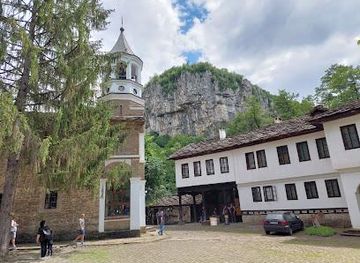
Dryanovo monastery "St. Archangel Michael"
Explore the historic Dryanovo Monastery, a tranquil haven of spirituality and stunning natural beauty in the heart of Bulgaria.
32 min drive · 12 km from city centre
-
Russian Orthodox church
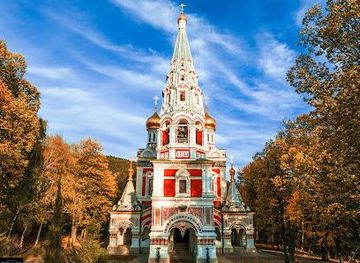
Shipka Memorial Church
Discover the Shipka Memorial Church, a stunning Russian Orthodox church in Shipka, Bulgaria, celebrating freedom and rich cultural heritage.
39 min drive · 19 km from city centre
-
Tourist attraction
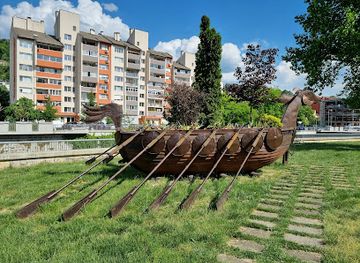
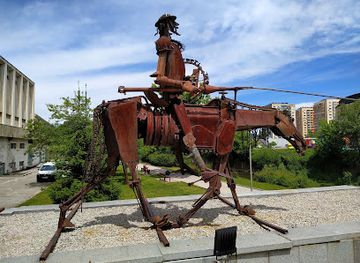
Музей на хумора и сатирата, Габрово
Discover endless laughter and creativity at the Museum of Humor and Satire in Gabrovo, where art and comedy intertwine in a delightful experience.
5 min walk · 0.4 km from city centre

Best landmarks in Gabrovo
Gabrovo's landmarks chart its rise from a craft settlement to an educational and industrial centre. Aprilov High School is associated with the secular school founded in 1835 through the philanthropy of Vasil Aprilov and other Bulgarian merchants, making it one of the city's clearest symbols of the National Revival. The National Museum of Education preserves the wider story in an institution housed in a former school building. The House of Humour and Satire, opened in 1972, is a modern cultural landmark whose collections give public form to Gabrovo's reputation for wit. Beyond the urban core, Etar's timber houses, workshops, bridges and water machinery present the architectural language of traditional Balkan craft settlements. Sokolski Monastery, in the nearby mountain landscape, is known for its church, stone architecture and courtyard fountain, linking Gabrovo's cultural geography with Bulgarian Orthodox heritage.
-
Ethnographic museum
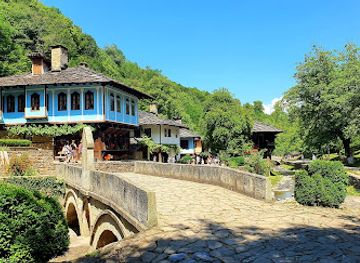
Ethno village Etar
Step back in time at Ethno Village Etar, Gabrovo: Experience Bulgaria's rich cultural heritage through traditional crafts, architecture, and water-powered ingenuity.
27 min drive · 9.1 km from city centre
-
Space of remembrance
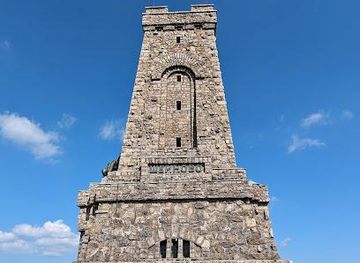
Monument of Freedom, Saint Nicholas peak
Explore the Monument of Freedom at Saint Nicholas Peak, a historical landmark in Bulgaria offering stunning views and deep cultural significance.
35 min drive · 15 km from city centre
-
Memorial
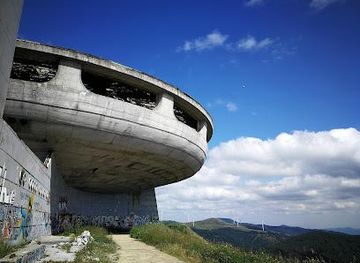
Buzludzha Monument
Explore the haunting Buzludzha Monument, a captivating symbol of Bulgaria's communist past with stunning mountain views and rich historical significance.
37 min drive · 17 km from city centre
-
Museum
Музей на хумора и сатирата, Габрово
Explore laughter and creativity at Gabrovo's Museum of Humor and Satire, where art meets wit in a delightful cultural experience.
5 min walk · 0.4 km from city centre
Explore Gabrovo on the map
Plan your Gabrovo trip on one map. See where the top attractions, landmarks, restaurants, bars and hotels are, find what's near where you're staying, and book hotels and experiences in a few clicks.
Best hotels in Gabrovo
Best restaurants in Gabrovo
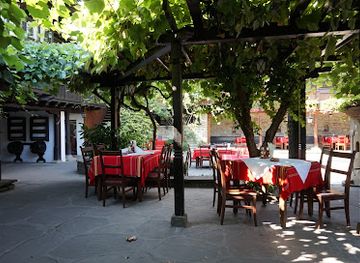
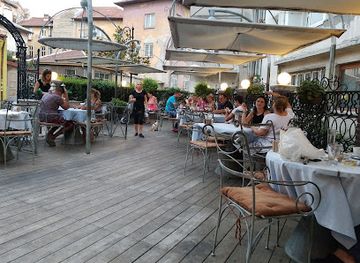
Gabrovo's food scene reflects central Bulgarian home cooking rather than a narrowly defined city cuisine. Menus commonly draw on regional traditions of bean and vegetable dishes, grilled meats, soups, filled pastries and dairy products, with seasonal produce from the surrounding foothills. Visitors can find familiar Bulgarian specialities such as banitsa, shopska salad and kavarma alongside daily dishes in modest restaurants and cafés. The centre provides the broadest choice of casual dining, bakeries and coffee stops, while visits to Etar often pair craft heritage with traditional food presentations and rural-style cooking. Local menus may also feature mountain herbs, preserved vegetables and homemade fruit products. Restaurant customs are relaxed, and menus may be written in Bulgarian, so asking staff to explain unfamiliar dishes is often useful. The strongest culinary impression comes from the relationship between straightforward recipes, local produce and the region's artisan culture.
-
Pizza
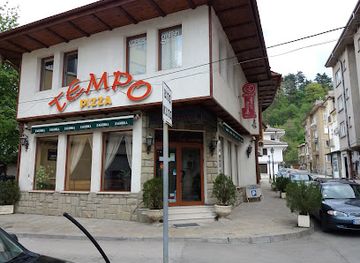
PIZZA TEMPO - Gabrovo
Experience the best pizza in Gabrovo at Pizza Tempo – where every slice tells a story of flavor and tradition.
15 min walk · 1.2 km from city centre
-
Restaurant
Strannopriemnitsa
Discover Strannopriemnitsa in Gabrovo: A culinary haven where tradition meets modernity through delicious Bulgarian cuisine.
14 min walk · 1.1 km from city centre
-
Restaurant
Rest
Discover authentic Bulgarian flavors at Rest in Gabrovo – where culinary tradition meets modern dining.
13 min walk · 1.1 km from city centre
-
Restaurant
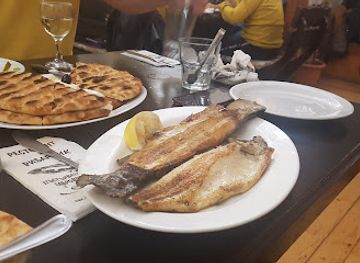
Pastarvata Fish Farm & Restaurant
Experience authentic Bulgarian seafood at Pastarvata Fish Farm & Restaurant, where fresh catches meet stunning natural beauty.
26 min drive · 8.5 km from city centre
Best bars in Gabrovo
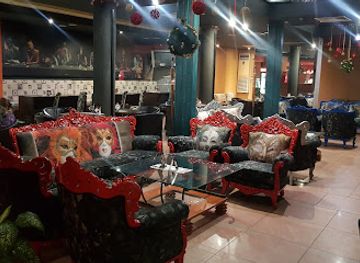
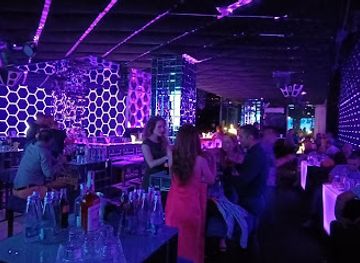
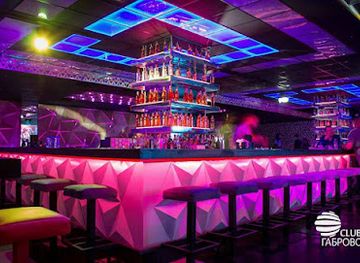
Gabrovo has a modest, locally oriented evening scene rather than the concentrated nightlife of Sofia or Plovdiv. Central cafés and bars provide places for coffee, beer, wine and conversation, with activity generally increasing around the main pedestrian and commercial streets. Restaurants and cultural venues may host occasional music, exhibitions, theatre or community events, while the House of Humour and Satire and other institutions contribute to the city's distinctive evening cultural character when programmes are scheduled. Nightclubs are limited compared with Bulgaria's larger cities, and late-night entertainment can be seasonal or event-led. Visitors staying in the centre can usually move between cafés and cultural venues on foot, whereas evenings in Etar, Uzana and the surrounding villages are quieter and more closely connected with rural accommodation and mountain scenery.
-
Restaurant
ZOH clay pots
Savor the essence of Bulgaria with authentic dishes and a cozy atmosphere at ZOH Clay Pots in Gabrovo.
15 min walk · 1.2 km from city centre
-
Coffee shop
Kafe-club Alfrida
Discover the vibrant atmosphere of Kafe-club Alfrida, where delicious coffee meets exciting nightlife in the heart of Gabrovo.
13 min walk · 1.0 km from city centre
-
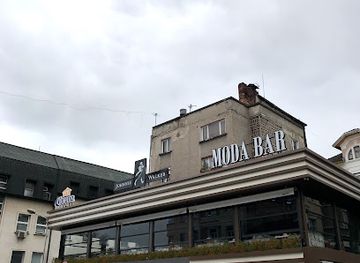
Bar
MODA BAR
Discover the vibrant atmosphere of MODA BAR in Gabrovo, where delightful drinks and local culture blend seamlessly.
11 min walk · 0.9 km from city centre
-
Bar
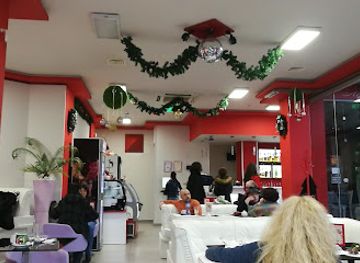
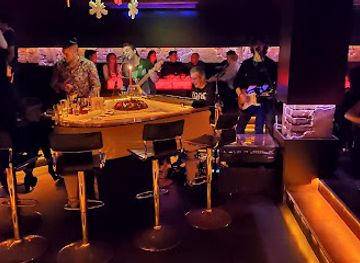
Пиано бар SENSE
Discover the enchanting vibe of Пиано бар SENSE in Gabrovo, where live music and exquisite cocktails create unforgettable nights.
5 min drive · 1.6 km from city centre
Best nightclubs in Gabrovo
Gabrovo has a modest, locally oriented evening scene rather than the concentrated nightlife of Sofia or Plovdiv. Central cafés and bars provide places for coffee, beer, wine and conversation, with activity generally increasing around the main pedestrian and commercial streets. Restaurants and cultural venues may host occasional music, exhibitions, theatre or community events, while the House of Humour and Satire and other institutions contribute to the city's distinctive evening cultural character when programmes are scheduled. Nightclubs are limited compared with Bulgaria's larger cities, and late-night entertainment can be seasonal or event-led. Visitors staying in the centre can usually move between cafés and cultural venues on foot, whereas evenings in Etar, Uzana and the surrounding villages are quieter and more closely connected with rural accommodation and mountain scenery.
-
Bar
MODA BAR
Experience the vibrant atmosphere at MODA BAR in Gabrovo, where great drinks meet lively ambiance in the heart of the city.
11 min walk · 0.9 km from city centre
-
Disco club
Allegro Club De Luxe
Discover the vibrant nightlife at Allegro Club De Luxe in Gabrovo – an energetic disco club offering unforgettable music and dance experiences.
16 min walk · 1.3 km from city centre
-
Bar
Tao Club
Discover the essence of Gabrovo's nightlife at Tao Club, where great drinks and lively music create an unforgettable experience.
10 min walk · 0.8 km from city centre
-
Disco club
Planeta Payner Club
Discover the electrifying nightlife of Gabrovo at Planeta Payner Club, where music and dance come alive in a vibrant atmosphere.
8 min walk · 0.7 km from city centre

Best shops in Gabrovo
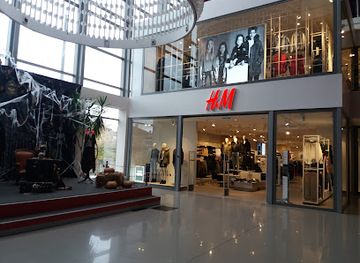
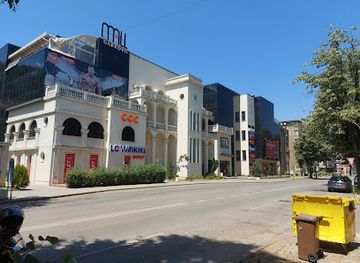
Shopping in Gabrovo is concentrated around the central commercial streets, where practical local shops, bakeries, cafés and small retailers sit alongside modern supermarkets and everyday services. The most distinctive purchases are connected with the region's craft traditions: handmade textiles, woodwork, ceramics, woven goods and small decorative objects can be found at Etar and in craft-oriented outlets, though availability varies by season and workshop. Visitors may also look for Bulgarian rose products, honey, preserves, herbal goods and regional food items, checking labels when buying packaged produce. The open-air museum is more suited to considered craft purchases than generic souvenir shopping, since its workshops demonstrate the processes behind traditional objects. Gabrovo's retail character is understated and useful rather than luxury-led, with the strongest sense of place found in locally made goods and food from the Balkan foothills.
-
Shopping mall
Terra Mall Gabrovo
Experience the best of shopping and dining at Terra Mall Gabrovo, a vibrant destination for tourists and locals alike.
9 min walk · 0.7 km from city centre
-
Shopping mall
Mall Gabrovo
Discover the vibrant Mall Gabrovo, your ultimate shopping and dining destination in Gabrovo, Bulgaria.
5 min drive · 1.7 km from city centre
-
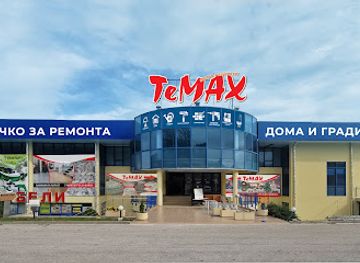
Do-it-yourself shop
TeMax Габрово
Explore TeMax Габрово for all your DIY needs in Bulgaria, from tools to materials, and immerse in local craftsmanship and creativity.
7 min drive · 2.2 km from city centre
-
Book store
Хеликон
Discover the literary treasures of Хеликон, a charming bookstore in Gabrovo, offering a wide range of books and a cozy atmosphere for all book lovers.
14 min walk · 1.1 km from city centre
Get your free copy of our complete guide to Gabrovo, delivered straight to you.
Everything on this page, from attractions and restaurants to essentials and local phrases, in one PDF you can read offline, print or share.
Already have an account? Sign in
Your Gabrovo guide is ready.
We'll send it to · Not you? Sign out

Getting your guide ready…
We are putting together a fresh copy of the Gabrovo guide. This can take up to a minute.
This can take a few moments. If your browser asks, choose Allow so the download can start. You'll find the guide in your Downloads folder.
Nothing happened? Download it again
Sorry, the guide is taking longer than usual. Please try again in a minute, or get it by email instead.
Gabrovo essentials
Currency and Payment
Safety
Emergency Situations
Do's and Don'ts
Local Tips
From Eve
Local phrases worth knowing
You don't need to get them perfect. A few words go a long way, and locals appreciate the effort.
Basics
| English | Local | Say it |
|---|---|---|
| Hello | Здравей | [Zdravey] |
| Goodbye | Довиждане | [Dovizhdane] |
| Yes | Да | [Da] |
| No | Не | [Ne] |
| Please/You're welcome | Моля | [Molya] |
| Thank you | Благодаря | [Blagodarya] |
| Excuse me/Sorry | Извинявай | [Izvinyavay] |
| How are you? | Как си? | [Kak si?] |
| Fine. And you? | Добре. А ти? | [Dobre. A ti?] |
| Do you speak English? | Говорите ли английски? | [Govorite li angliyski?] |
| I don't understand | Не разбирам | [Ne razbiram] |
Eating & Drinking
| English | Local | Say it |
|---|---|---|
| I'd like to see the menu, please | Бих искал да видя менюто, моля | [Bih iskal da vida menuto, molya] |
| I don't eat meat | Не ям месо | [Ne yam meso] |
| Cheers! | На здраве! | [Na zdrave!] |
| I would like to pay, please | Бих искал да платя, моля | [Bih iskal da platya, molya] |
Emergencies
| English | Local | Say it |
|---|---|---|
| Help! | Помощ! | [Pomosht!] |
| Go away! | Изчезвай! | [Izchezvay!] |
| Call the Police! | Обадете полицията! | [Obadete politsiyata!] |
| Call a doctor! | Обадете лекар! | [Obadete lekar!] |
| I'm lost | Загубил съм се | [Zagubil sаm se] |
| I'm ill | Болен съм | [Bolen sаm] |
Shopping
| English | Local | Say it |
|---|---|---|
| I'd like to buy... | Бих искал да купя... | [Bih iskal da kupya...] |
| I'm just looking | Само гледам | [Samo gledam] |
| How much is it? | Колко струва? | [Kolko struva?] |
| That's too expensive | Това е твърде скъпо | [Tova e tvurde skapо] |
| Can you lower the price? | Можете ли да понижите цената? | [Mozhete li da ponizhite tsenata?] |
Time & Numbers
| English | Local | Say it |
|---|---|---|
| What time is it? | Колко е часът? | [Kolko e chasat?] |
| It's one o'clock | Един час | [Edin chas] |
| Half past (10) | Половина след (10) | [Polovina sled (10)] |
| Morning | Сутрин | [Sutrin] |
| Afternoon | Следобед | [Sledobed] |
| Evening | Вечер | [Vecher] |
| Yesterday | Вчера | [Vchera] |
| Today | Днес | [Dnes] |
| Tomorrow | Утре | [Utre] |
| 1 | едно | [edno] |
| 2 | две | [dve] |
| 3 | три | [tri] |
| 4 | четири | [chetiri] |
| 5 | пет | [pet] |
| 6 | шест | [shest] |
| 7 | седем | [sedem] |
| 8 | осем | [osem] |
| 9 | девет | [devet] |
| 10 | десет | [deset] |
Transport & Directions
| English | Local | Say it |
|---|---|---|
| Where's a/the...? | Къде е... | [Kade e...] |
| What's the address? | Какъв е адресът? | [Kakav e adresat?] |
| Can you show me (on the map)? | Можете ли да ми покажете (на картата)? | [Mozhete li da mi pokazhete (na kartata)?] |
| When's the next (bus)? | Кога е следващият (автобус)? | [Koga e sledvashtiyat (avtobus)?] |
| A ticket (to ....) | Билет (до ...) | [Bilet (do ...)] |
History of Gabrovo
Early Settlement by the Yantra
Gabrovo developed beside the Yantra River at an important route through the central Balkan foothills. The settlement's early growth was associated with water, woodland resources and movement between the Danubian plain and the mountain passes. Local tradition connects the city's name with a hornbeam tree, although the precise origins of the name are not entirely settled. Medieval Gabrovo lay within the orbit of the Bulgarian capital at Tarnovo, and its inhabitants worked in agriculture, crafts and trade. The surrounding landscape encouraged small-scale production, while the river provided power for mills and workshops. These practical foundations later made it possible for Gabrovo to become one of Bulgaria's most productive commercial and industrial towns.
Ottoman Rule and Craft Growth
After the Ottoman conquest of the Bulgarian lands in the late fourteenth century, Gabrovo continued as a settlement whose economy depended on crafts, farming and regional trade. Artisans produced textiles, leather goods, metalwork and other necessities for communities across the mountain region. Workshops often used the Yantra and its tributaries to drive mills and machinery, establishing a relationship between settlement and water that can still be interpreted at Etar. Gabrovo's location near routes crossing the Balkan range encouraged contact with nearby towns and villages. By the eighteenth and early nineteenth centuries, a prosperous artisan and merchant class had emerged, creating the conditions for philanthropy and educational investment.
Education and the Bulgarian Revival
The Bulgarian National Revival transformed Gabrovo during the nineteenth century. In 1835, with financial support from the merchant Vasil Aprilov and other benefactors, the first secular mutual school in the Bulgarian lands was established in the town. The institution became known as Aprilov High School and helped promote modern Bulgarian-language education. Gabrovo's merchants also supported churches, reading rooms and civic initiatives, linking economic success with the development of a national cultural identity. The city's educational importance is documented by the National Museum of Education, while the surviving school complex provides a direct connection to the period when schooling became an instrument of social and national renewal.
Industry and the Liberated State
The nineteenth century's craft economy gradually became more mechanised, especially in textile production. Workshops expanded into factories, and Gabrovo acquired a reputation as an industrial centre often described as the 'Bulgarian Manchester', a comparison referring to manufacturing rather than to identical urban scale. Following the Russo-Turkish War and the establishment of the autonomous Principality of Bulgaria in 1878, the town became part of the new Bulgarian state. Rail connections and improving roads strengthened commercial links, while industrial employment accelerated urban growth. Municipal buildings, schools, factories and merchant houses from this period reflect Gabrovo's transition from an artisan settlement to a modern industrial town.
Twentieth-Century Transformation
During the twentieth century, Gabrovo's textile and engineering industries remained central to employment and civic life. After 1944, industry was reorganised under the socialist system, and the town expanded with new housing, public institutions and production facilities. The period also brought a more formal recognition of Gabrovo's humorous folklore. The House of Humour and Satire opened in 1972, developing into an international cultural centre dedicated to cartoons, satire and laughter. Its collections gave institutional form to a local reputation for thrift and wit while connecting Gabrovo with artists and humorous traditions from around the world.
Contemporary Gabrovo
Since the end of state socialism in 1989, Gabrovo has adapted to industrial restructuring while retaining its educational and cultural institutions. The city remains a regional centre in the central Balkan area, and its museums interpret both local memory and wider Bulgarian traditions. Etar, administered as an open-air ethnographic museum in the Gabrovo area, preserves craft demonstrations and vernacular architecture that illuminate the pre-industrial economy. Contemporary Gabrovo also looks towards its mountain surroundings, including Uzana, for recreation and sustainable tourism. Its present identity therefore combines a manufacturing past, a strong culture of education, international humour and access to the landscapes of the Balkan range.
Gabrovo in Photos
Browse through our photo collection highlighting the charm and character of the destination.
Cities near Gabrovo
The closest cities to Gabrovo, if you have time for more than one stop.
-
-

-

-

-


Swipe for more cities
Explore more

Explore more of Bulgaria
Explore Bulgaria: From Sofia's bustling streets to the serene mountains and stunning Black Sea beaches, discover the rich history, culture, and natural beauty of Bulgaria.
Explore Bulgaria