

Free Haskovo Travel Guide & Mobile App
Plan your Haskovo trip with Evendo. Get free guides to top attractions, restaurants, hotels, and bars. Web access or download the mobile app.


Explore Haskovo: Bulgaria's hidden gem, rich in history, culture, and natural beauty. A perfect blend of ancient landmarks, serene parks, and modern amenities.
Read more about Haskovo
When is the best time to visit Haskovo?
Best: April–May, October · 22–27°C| Month | High (°C) | Rainfall (mm) |
|---|---|---|
| January | 8 | 31 |
| February | 10 | 28 |
| March | 15 | 26 |
| April (best) | 22 | 21 |
| May (best) | 27 | 17 |
| June | 33 | 14 |
| July | 36 | 12 |
| August | 36 | 13 |
| September | 30 | 18 |
| October (best) | 23 | 25 |
| November | 15 | 30 |
| December | 10 | 32 |
Getting to and around Haskovo
How to get there
Transportation
Best attractions in Haskovo
Haskovo, a charming city in Bulgaria, offers a mix of historical sites, cultural experiences, and natural beauty that will captivate visitors. Explore the impressive Haskovo Monument Complex, featuring the tallest statue of the Virgin Mary in the world, and marvel at the ancient Thracian tomb in Alexandrovo. Stroll through the picturesque Old Town with its cobblestone streets and traditional Bulgarian houses, or visit the Ethnographic Museum to learn about the local customs and traditions. Don't miss the chance to hike to the top of the Hissar Hill for panoramic views of the city and surrounding countryside. With its rich history and welcoming atmosphere, Haskovo is a must-visit destination for any traveler.
-
Zoo
Haskovo Zoo
Explore Haskovo Zoo, a family-friendly attraction showcasing diverse wildlife and engaging exhibits in the heart of Haskovo.
8 min drive · 2.8 km from city centre
-
City park
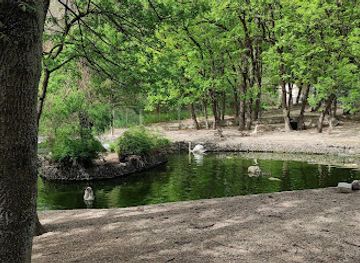
Kenana Park
Escape to Haskovo's largest park: Kenana, offering nature, recreation, and family fun in a sprawling green space with a zoo and lake.
15 min walk · 1.2 km from city centre
-
Zoo
Kenana Park zoo
Explore Kenana Park Zoo, where wildlife conservation meets family fun in a stunning natural setting.
8 min drive · 2.7 km from city centre
-
Tourist attraction
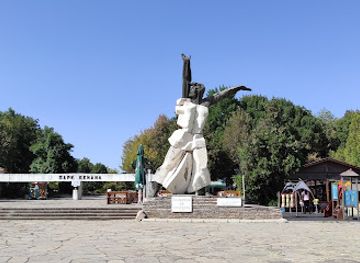
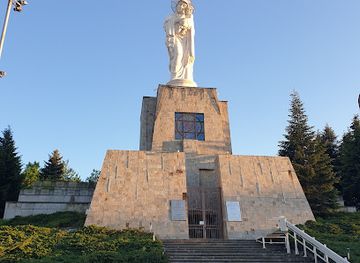
Monument of the Holy Mother of God
Discover the world's tallest Virgin Mary statue in Haskovo, offering stunning views and a glimpse into Bulgarian religious tradition.
8 min walk · 0.7 km from city centre


Best landmarks in Haskovo
Haskovo, a charming city in Bulgaria, offers visitors a unique blend of historical and cultural landmarks. From the iconic Haskovo Monumental Fountain, the tallest of its kind in the Balkans, to the ancient Thracian Tomb of Alexandrovo, dating back to the 4th century BC, visitors are transported back in time. The Haskovo Clock Tower, with its stunning panoramic views of the city, and the historic Old Town area with its cobblestone streets and traditional architecture, provide a glimpse into the city's rich past. Additionally, the Museum of History and the Museum of Agriculture offer a deeper understanding of Haskovo's heritage. Whether exploring ancient ruins or admiring modern art installations, Haskovo's landmarks are sure to captivate and inspire visitors.
-
City park
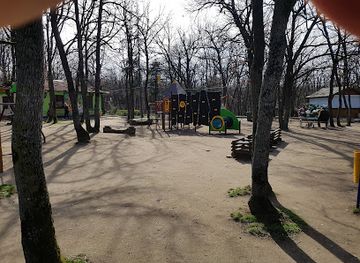
Kenana Park
Escape to Haskovo's largest park for recreation, nature, and family fun in a serene urban oasis.
15 min walk · 1.2 km from city centre
-
Zoo
Kenana Park zoo
Discover diverse wildlife in a conservation-focused sanctuary, perfect for family outings and nature walks near Haskovo.
8 min drive · 2.7 km from city centre
-
Historical landmark
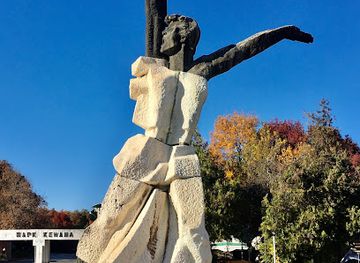
Monument of the Holy Mother of God
Marvel at the world's tallest Virgin Mary statue in Haskovo, offering stunning panoramic views and a glimpse into Bulgarian religious art.
8 min walk · 0.7 km from city centre
-
Tourist attraction
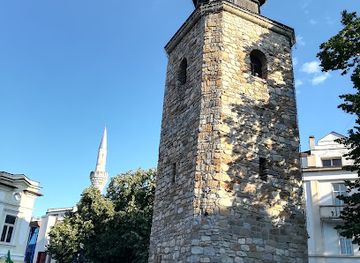
The old clock tower of Haskovo
Discover the Old Clock Tower of Haskovo, a stunning historical landmark with breathtaking views and rich cultural significance.
3 min walk · 0.2 km from city centre
Explore Haskovo on the map
Plan your Haskovo trip on one map. See where the top attractions, landmarks, restaurants, bars and hotels are, find what's near where you're staying, and book hotels and experiences in a few clicks.
Best hotels in Haskovo
Best restaurants in Haskovo
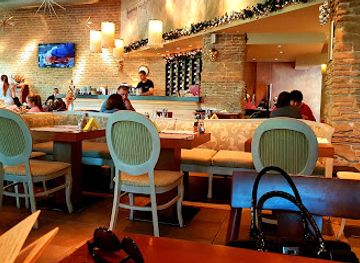
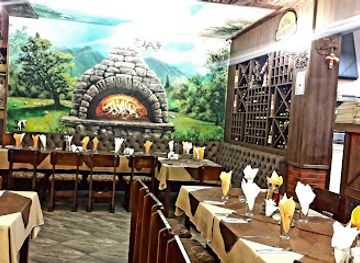
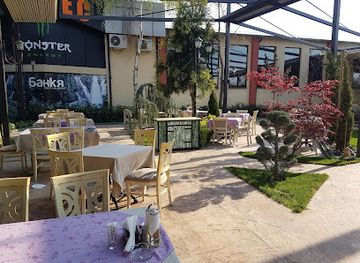
The dining scene in Haskovo offers a delightful mix of traditional Bulgarian cuisine and international flavors, catering to every palate. From cozy family-owned taverns serving hearty stews and grilled meats to chic cafes offering gourmet pastries and specialty coffees, visitors can indulge in a culinary journey through the city. Don't miss the chance to taste local favorites like banitsa (cheese-filled pastry) and shopska salad, or explore the vibrant food markets for fresh produce and authentic street food. With a warm and welcoming atmosphere, Haskovo's restaurants provide a truly memorable dining experience for all travelers.
-
Pizza
Uno Piu Pizza & Restaurant
Experience the best pizza in Haskovo at Uno Piu Pizza & Restaurant - where authentic Italian flavors meet warm hospitality.
6 min walk · 0.5 km from city centre
-
Restaurant
PLAZA Bar & Dinner
Discover the essence of Bulgarian cuisine at PLAZA Bar & Dinner – where every dish tells a story.
3 min walk · 0.2 km from city centre
-
Restaurant
Peshtite
Discover the rich flavors of Bulgaria at Peshtite - where tradition meets culinary excellence in Haskovo.
9 min walk · 0.8 km from city centre
-
Restaurant
Kamenets Restaurant
Discover authentic Bulgarian cuisine at Kamenets Restaurant in Haskovo - where tradition meets flavor in every dish.
6 min drive · 2.1 km from city centre
Best bars in Haskovo
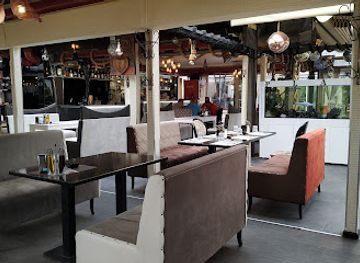
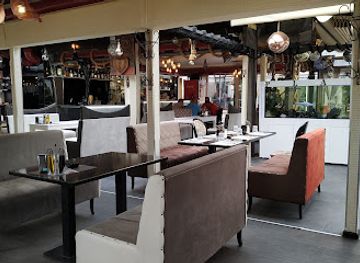
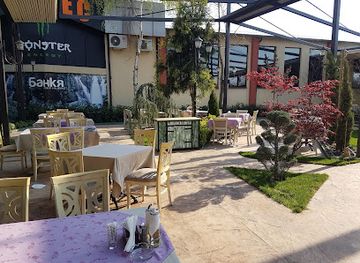
Haskovo's nightlife scene offers a vibrant mix of bars and nightclubs that cater to all tastes and preferences. From trendy rooftop bars with stunning views of the city to cozy underground clubs with live music and DJs spinning the latest hits, there is something for everyone to enjoy. Whether you're looking for a relaxed evening sipping cocktails or a lively night of dancing until dawn, Haskovo's nightlife scene has it all. Don't miss out on the opportunity to experience the city's unique and diverse nightlife during your visit.
-
Restaurant
PLAZA Bar & Dinner
Discover the exquisite flavors of Bulgaria and beyond at PLAZA Bar & Dinner, the culinary heart of Haskovo.
3 min walk · 0.2 km from city centre
-
Restaurant
Kamenets Restaurant
Discover the flavors of Bulgaria at Kamenets Restaurant in Haskovo, where exquisite dishes and a warm atmosphere await your visit.
6 min drive · 2.1 km from city centre
-
Restaurant
Версай Bar & Dinner
Discover the flavors of Bulgaria at Версай Bar & Dinner, where culinary excellence meets a cozy atmosphere in Haskovo.
3 min walk · 0.3 km from city centre
-
Cafe
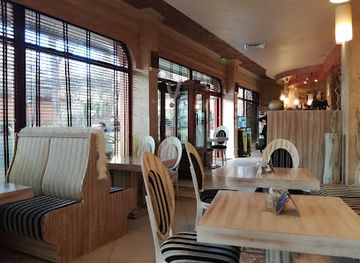
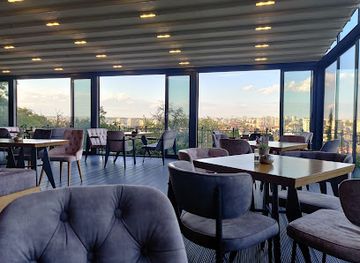
Cafe View
Discover Café View in Haskovo, where stunning landscapes meet delightful tastes in a cozy café ambiance.
8 min walk · 0.6 km from city centre
Best nightclubs in Haskovo
Haskovo's nightlife scene offers a vibrant mix of bars and nightclubs that cater to all tastes and preferences. From trendy rooftop bars with stunning views of the city to cozy underground clubs with live music and DJs spinning the latest hits, there is something for everyone to enjoy. Whether you're looking for a relaxed evening sipping cocktails or a lively night of dancing until dawn, Haskovo's nightlife scene has it all. Don't miss out on the opportunity to experience the city's unique and diverse nightlife during your visit.
-
Night club
Club Sense
Discover the electrifying nightlife at Club Sense in Haskovo, where music, dance, and vibrant energy come together for an unforgettable experience.
1 min walk · 0.1 km from city centre
-
Night club
Night Club JOY
Unleash your energy at Night Club JOY, Haskovo's premier nightlife destination for unforgettable dancing and vibrant music.
6 min walk · 0.5 km from city centre
-
Gay night club
Пиянското
Discover the vibrant nightlife at Пиянското, Haskovo's premier gay night club, where everyone is welcome to dance and celebrate.
4 min walk · 0.3 km from city centre
-
Rock music club
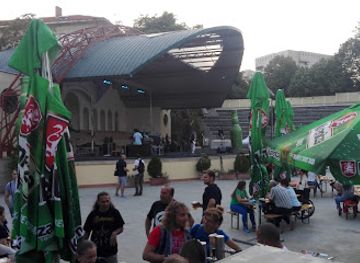
Rock Fest Haskovo 2017
Experience the heartbeat of rock music at Rock Fest Haskovo 2017, where unforgettable performances awaken your passion for live music.
4 min walk · 0.3 km from city centre


Best shops in Haskovo
Haskovo offers a unique shopping experience for visitors, with a mix of traditional markets and modern shopping centers. Explore the bustling Haskovo Market for authentic local goods and souvenirs, or visit the stylish Mall Galeria for a variety of shops and restaurants. Don't miss the charming boutiques and antique stores scattered throughout the city, where you can find one-of-a-kind treasures to take home. Whether you're looking for handcrafted items, designer labels, or simply want to soak in the local shopping culture, Haskovo has something for every type of shopper.
-
Baby store
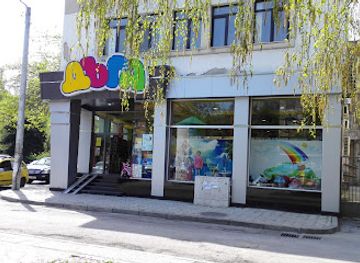
Kids shop Rainbow
Discover a vibrant shopping experience for kids at Kids Shop Rainbow in Haskovo, where quality meets creativity in children's products.
4 min walk · 0.4 km from city centre
-
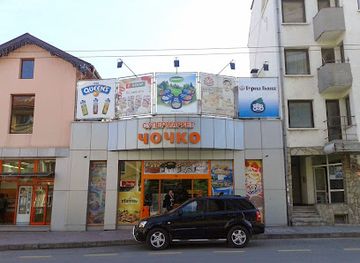
Candy store
cakes Chochko
Discover the enchanting world of sweets at Cakes Chochko, a candy store in Haskovo offering handmade treats and delicious pastries.
5 min walk · 0.4 km from city centre
-
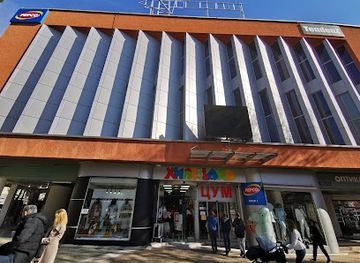
Shopping mall
ЦУМ
Explore ЦУМ, Haskovo's premier shopping mall featuring diverse retail options, delightful dining, and vibrant entertainment for all ages.
3 min walk · 0.2 km from city centre
-
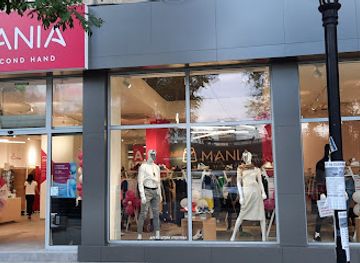
Clothing store
MANIA FUSION Хасково
Explore Haskovo's premier clothing store, MANIA FUSION, where fashion meets local charm in a vibrant shopping experience.
2 min walk · 0.2 km from city centre
Get your free copy of our complete guide to Haskovo, delivered straight to you.
Everything on this page, from attractions and restaurants to essentials and local phrases, in one PDF you can read offline, print or share.
Already have an account? Sign in
Your Haskovo guide is ready.
We'll send it to · Not you? Sign out

Getting your guide ready…
We are putting together a fresh copy of the Haskovo guide. This can take up to a minute.
This can take a few moments. If your browser asks, choose Allow so the download can start. You'll find the guide in your Downloads folder.
Nothing happened? Download it again
Sorry, the guide is taking longer than usual. Please try again in a minute, or get it by email instead.
Haskovo essentials
Currency and Payment
Safety
Emergency Situations
Do's and Don'ts
Local Tips
From Eve
Local phrases worth knowing
You don't need to get them perfect. A few words go a long way, and locals appreciate the effort.
Basics
| English | Local | Say it |
|---|---|---|
| Hello | Здравей | [Zdravey] |
| Goodbye | Довиждане | [Dovizhdane] |
| Yes | Да | [Da] |
| No | Не | [Ne] |
| Please/You're welcome | Моля | [Molya] |
| Thank you | Благодаря | [Blagodarya] |
| Excuse me/Sorry | Извинявайте | [Izvinyavayte] |
| How are you? | Как си? | [Kak si?] |
| Fine. And you? | Добре. А ти? | [Dobre. A ti?] |
| Do you speak English? | Говориш ли английски? | [Govorish li angliyski?] |
| I don't understand | Не разбирам | [Ne razbiram] |
Eating & Drinking
| English | Local | Say it |
|---|---|---|
| I'd like to see the menu, please | Бих искал/а да видя менюто, моля | [Bih iskal/a da vida menuto, molya] |
| I don't eat meat | Аз не ям месо | [Az ne yam meso] |
| Cheers! | На здраве! | [Na zdrave!] |
| I would like to pay, please | Бих искал/а да платя, моля | [Bih iskal/a da platya, molya] |
Emergencies
| English | Local | Say it |
|---|---|---|
| Help! | Помощ! | [Pomosht!] |
| Go away! | Махай се! | [Mahay se!] |
| Call the Police! | Обадете се на полицията! | [Obadete se na politsiyata!] |
| Call a doctor! | Обадете се на лекар! | [Obadete se na lekar!] |
| I'm lost | Загубен съм/съм загубен | [Zaguben sam/sam zaguben] |
| I'm ill | Болен съм | [Bolen sam] |
Shopping
| English | Local | Say it |
|---|---|---|
| I'd like to buy... | Бих искал/а да купя... | [Bih iskal/a da kupya...] |
| I'm just looking | Само разглеждам | [Samo razglezhdam] |
| How much is it? | Колко струва? | [Kolko struva?] |
| That's too expensive | Това е твърде скъпо | [Tova e tvyrde skapo] |
| Can you lower the price? | Можете ли да намалите цената? | [Mozhete li da namalite tsenata?] |
Time & Numbers
| English | Local | Say it |
|---|---|---|
| What time is it? | Колко е часът? | [Kolko e chasat?] |
| It's one o'clock | Един час е | [Edin chas e] |
| Half past (10) | Половин след (10) | [Polovin sled (10)] |
| Morning | Сутрин | [Sutrin] |
| Afternoon | Следобед | [Sledobed] |
| Evening | Вечер | [Vecher] |
| Yesterday | Вчера | [Vchera] |
| Today | Днес | [Dnes] |
| Tomorrow | Утре | [Utre] |
| 1 | Едно | [Edno] |
| 2 | Две | [Dve] |
| 3 | Три | [Tri] |
| 4 | Четири | [Chetiri] |
| 5 | Пет | [Pet] |
| 6 | Шест | [Shest] |
| 7 | Седем | [Sedem] |
| 8 | Осем | [Osem] |
| 9 | Девет | [Devet] |
| 10 | Десет | [Deset] |
Transport & Directions
| English | Local | Say it |
|---|---|---|
| Where's a/the...? | Къде е... | [Kade e...] |
| What's the address? | Какъв е адресът? | [Kakav e adresat?] |
| Can you show me (on the map)? | Можете ли да ми покажете (на картата)? | [Mozhete li da mi pokazhete (na kartata)?] |
| When's the next (bus)? | Кога е следващият (автобус)? | [Koga e sledvashtiyat (avtobus)?] |
| A ticket (to ....) | Билет (до ...) | [Bilet (do ...)] |
History of Haskovo
Ancient Origins and Thracian Settlement
Haskovo's history can be traced back to the Neolithic period. The area was initially settled by the Thracians, an ancient civilization known for their rich culture and advanced metallurgy. Archaeological finds, such as the ruins near the village of Aleksandrovo, showcase the Thracian presence and their burial practices, including the famous Thracian tomb with its intricate frescoes.
Roman Influence and Expansion
During the Roman era, Haskovo became a significant part of the Roman province of Thrace. The Romans established roads, fortifications, and settlements, enhancing the region's strategic importance. Artefacts from this period, including coins and pottery, have been unearthed, revealing the extent of Roman influence in the area.
Medieval Period and Bulgarian Empire
In the medieval period, Haskovo was integrated into the First Bulgarian Empire under the rule of Khan Krum. The city flourished as a trade and cultural hub. The construction of fortresses and monasteries during this time highlights the city's strategic and religious significance. Notable sites include the ruins of the medieval fortress near the village of Klokotnitsa.
Ottoman Rule and Cultural Transformation
Haskovo fell under Ottoman rule in the late 14th century, which lasted for nearly five centuries. During this period, the city underwent significant cultural and architectural transformation. Ottoman architecture, such as mosques and baths, became prominent. The Eski Mosque, one of the oldest in the region, was constructed during this era and remains a testament to the city's Ottoman heritage.
19th Century and Bulgarian Revival
The 19th century marked a period of national revival for Haskovo. The city became a center for Bulgarian cultural and educational activities. Schools and churches were built, and local resistance against Ottoman rule grew stronger. The liberation of Bulgaria in 1878 was a pivotal moment, leading to Haskovo's integration into the newly established Bulgarian state.
20th Century Developments
In the 20th century, Haskovo experienced rapid industrialization and modernization. The city expanded with new infrastructure, including factories, schools, and hospitals. The Monument of the Virgin Mary, erected in 2003 and recognized by the Guinness World Records, symbolizes Haskovo's cultural and spiritual heritage. This era also saw the city's population grow and its economy diversify.
Cultural Heritage and Modern Day
Today, Haskovo is known for its rich cultural heritage and vibrant community. Annual festivals, museums, and historical sites attract visitors from around the world. The Regional Historical Museum of Haskovo offers extensive exhibitions on the city's past, from ancient Thracian artifacts to modern history. Haskovo continues to celebrate its diverse cultural legacy while embracing contemporary developments.
Haskovo in Photos
Browse through our photo collection highlighting the charm and character of the destination.
Cities near Haskovo
The closest cities to Haskovo, if you have time for more than one stop.
-
-

-

-

-


Swipe for more cities
Explore more

Explore more of Bulgaria
Explore Bulgaria: From Sofia's bustling streets to the serene mountains and stunning Black Sea beaches, discover the rich history, culture, and natural beauty of Bulgaria.
Explore Bulgaria