

Free Varna Travel Guide & Mobile App
Plan your Varna trip with Evendo. Get free guides to top attractions, restaurants, hotels, and bars. Web access or download the mobile app.


Varna, Bulgaria blends Black Sea beaches, Roman heritage, lively arts, seafood and the Sea Garden for rewarding city sightseeing and coastal culture.
Sea, History and Urban Character
Varna stretches along Bulgaria’s Black Sea coast, combining a broad maritime horizon with layers of history that reach from ancient Greek settlement to modern cultural life. Known in antiquity as Odessos, the city grew around a sheltered bay and remains one of the country’s principal ports. Its centre is shaped by grand public buildings, tree-lined streets and the expansive Sea Garden, while the waterfront opens towards beaches, promenades and the changing moods of the Black Sea.Read more about Varna
Heritage in the City Centre
The Sea Garden and Contemporary Varna
When is the best time to visit Varna?
Best: April–May, September · 21–27°C| Month | High (°C) | Rainfall (mm) |
|---|---|---|
| January | 11 | 35 |
| February | 11 | 30 |
| March | 15 | 30 |
| April (best) | 21 | 25 |
| May (best) | 25 | 20 |
| June | 31 | 15 |
| July | 32 | 15 |
| August | 31 | 15 |
| September (best) | 27 | 20 |
| October | 21 | 25 |
| November | 15 | 30 |
| December | 11 | 35 |
Getting to and around Varna
How to get there
Transportation
Best attractions in Varna
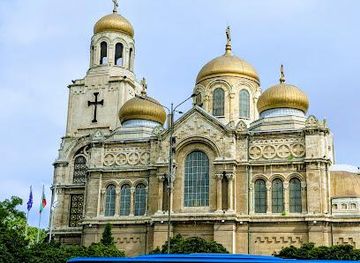
Varna’s principal sights spread naturally between the historic centre and the Black Sea. The Archaeological Museum holds the Varna Chalcolithic Necropolis gold, an extraordinary collection from one of Europe’s earliest known high-status burials, while the Roman Thermae offer a walk through monumental ancient bath architecture. The Sea Garden provides the city’s finest long promenade, with shaded paths leading past the Naval Museum, the Aquarium and the Museum of Natural History towards the coast. Families often combine the park with the nearby beaches, while the Cathedral of the Assumption of the Virgin supplies a dramatic urban focal point. The Museum of Medicine and the Ethnographic Museum add more specialised perspectives on local life, and the small but atmospheric central streets reveal Varna’s mixture of nineteenth- and twentieth-century façades. The Battle of Varna Park-Museum, outside the central sightseeing circuit, explores the fifteenth-century battle and its international historical significance.
-
Park
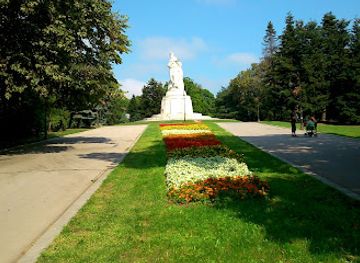
Sea Garden
Discover the enchanting Sea Garden in Varna, a coastal park blending natural beauty with cultural experiences, perfect for relaxation and family fun.
18 min walk · 1.5 km from city centre
-
Museum
Retro Museum
Explore Bulgaria's vibrant past at Varna's Retro Museum, a nostalgic journey through vintage cars, fashion, and everyday life from the 20th century.
5 min drive · 1.5 km from city centre
-
Orthodox church
Dormition of the Mother of God Cathedral
Explore the stunning Dormition of the Mother of God Cathedral in Varna, Bulgaria, a breathtaking example of Orthodox architecture and cultural significance.
7 min walk · 0.5 km from city centre
-
Aquarium
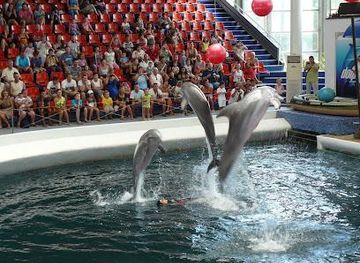
Dolphinarium Varna
Experience the magic of the Black Sea's most intelligent inhabitants at Dolphinarium Varna, a must-see attraction for all ages.
7 min drive · 2.4 km from city centre


Best landmarks in Varna
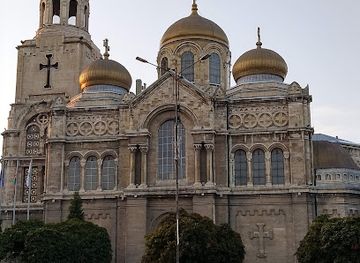
Varna Cathedral, formally the Cathedral of the Assumption of the Virgin, is the city’s most recognisable landmark, its copper-domed silhouette and richly decorated Orthodox interior reflecting the prominence of Bulgarian religious architecture after national independence. The Roman Thermae are the city’s most substantial ancient monument, with surviving walls and vaulted spaces that convey the scale of Roman public construction. In the Sea Garden, the Pantheon commemorates those who died in Bulgaria’s anti-fascist resistance and forms part of the park’s twentieth-century civic landscape. The Sea Garden itself is also a landmark of urban planning, linking the built city with the coast through formal avenues and planted terraces. The Naval Museum records Bulgaria’s maritime and military history, while the pedestrian centre’s eclectic façades preserve the appearance of Varna’s modernising port-city era.
-
Park
Sea Garden
Discover Varna's iconic Sea Garden: a blend of history, nature, and seaside charm along the Black Sea coast. Perfect for all ages!
18 min walk · 1.5 km from city centre
-
Orthodox church
Dormition of the Mother of God Cathedral
Explore the breathtaking Dormition of the Mother of God Cathedral in Varna, Bulgaria—an architectural marvel steeped in history and spirituality.
7 min walk · 0.5 km from city centre
-
Museum
Retro Museum
Explore the Retro Museum in Varna, Bulgaria, and dive into a world of nostalgia filled with vintage treasures and cultural artifacts.
5 min drive · 1.5 km from city centre
-
Zoo
Varna Zoo
Explore the enchanting Varna Zoo nestled in the lush Sea Garden, home to diverse wildlife and perfect for family adventures in Bulgaria.
6 min drive · 1.8 km from city centre
Explore Varna on the map
Plan your Varna trip on one map. See where the top attractions, landmarks, restaurants, bars and hotels are, find what's near where you're staying, and book hotels and experiences in a few clicks.
Neighbourhoods in Varna
-

-

-

-


Swipe for more neighbourhoods
Best hotels in Varna
Best restaurants in Varna
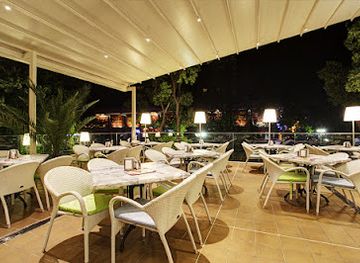
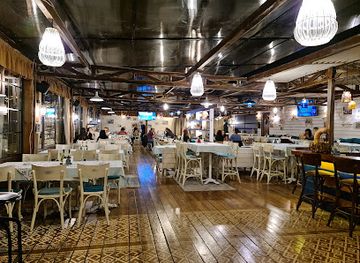
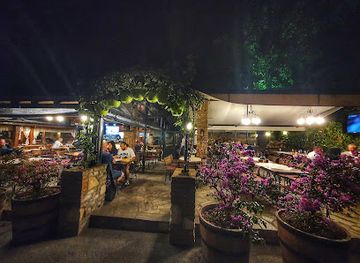
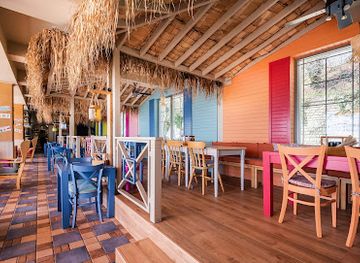
Varna’s dining identity is shaped by the Black Sea, northeastern Bulgarian agriculture and the culinary traditions of the wider Balkans. Menus commonly include grilled or fried fish, mussels, calamari and seasonal seafood, alongside Bulgarian favourites such as shopska salad, banitsa, kavarma and slow-cooked bean dishes. Tarator, a cold yoghurt and cucumber soup, is especially refreshing in warm weather, while locally produced white wines complement coastal meals. Central streets around Knyaz Boris I Boulevard and the Cathedral contain cafés, contemporary restaurants and casual dining rooms, while the waterfront and Sea Garden offer settings oriented towards the sea. Traditional mehanas provide rustic interiors and regional cooking, whereas newer restaurants interpret Bulgarian ingredients with Mediterranean and international influences. Markets and bakeries are useful for discovering fruit, cheeses, cured meats and pastries without turning every meal into a formal occasion.
-
European
Happy Bar & Grill
Discover the flavors of Europe and Japan at Happy Bar & Grill in Varna - where every meal is a celebration of taste.
8 min walk · 0.7 km from city centre
-
Bulgarian
Staria Chinar - Port Varna
Discover authentic Bulgarian flavors at Staria Chinar in Port Varna – where tradition meets breathtaking views.
5 min drive · 1.7 km from city centre
-
Bulgarian
Staria Chinar Restaurant
Savor the essence of Bulgaria at Staria Chinar Restaurant in Varna – where traditional flavors meet modern hospitality.
8 min walk · 0.6 km from city centre
-
Restaurant
El Kapan
Discover El Kapan in Varna: A delightful restaurant offering fresh Bulgarian cuisine with stunning seaside views.
14 min walk · 1.1 km from city centre
Best bars in Varna
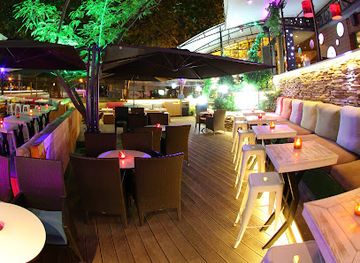
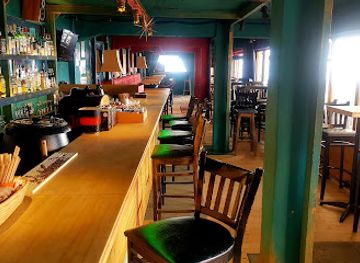
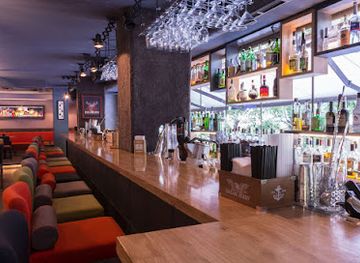
Varna’s evening life is concentrated around the central pedestrian streets, the Sea Garden and the seafront, with a noticeable expansion during the summer season. Visitors can find relaxed cafés and bars for Bulgarian wine, local beer and cocktails, while the waterfront attracts venues whose appeal comes as much from the maritime setting as from the drinks. Live music, DJ nights and seasonal beach events form part of the warmer-month scene, and the city’s opera, theatre and concert programme offers alternatives to clubbing. The area around the centre generally provides the widest choice for an evening that moves between restaurants, bars and cultural venues without requiring long journeys. Varna is not uniformly nocturnal throughout the year: outside the main season, activity becomes more locally focused and quieter, particularly away from the centre and resort strips.
-
Bar
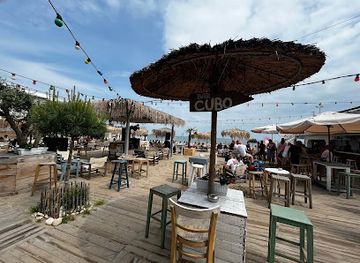
Cubo
Experience the vibrant nightlife of Varna at Cubo, where cocktails and good vibes meet in a lively atmosphere.
14 min walk · 1.2 km from city centre
-
Bar
The Garden Bar
Discover the beauty of Varna at The Garden Bar, where lush surroundings meet vibrant nightlife and delightful refreshments in a welcoming atmosphere.
10 min walk · 0.8 km from city centre
-
Bar
Beach Bar Menthol
Beach Bar Menthol in Varna offers a perfect blend of relaxation and vibrant beach life with stunning sea views and refreshing cocktails.
15 min walk · 1.2 km from city centre
-
Bar
The Martini Food & Cocktails
Discover the vibrant culinary scene at The Martini Food & Cocktails in Varna, where exquisite sushi and crafted cocktails await.
13 min walk · 1.0 km from city centre
Best nightclubs in Varna
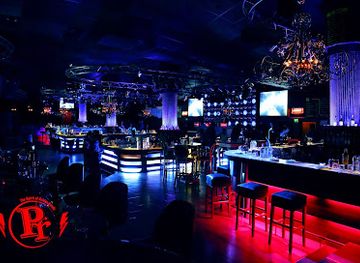
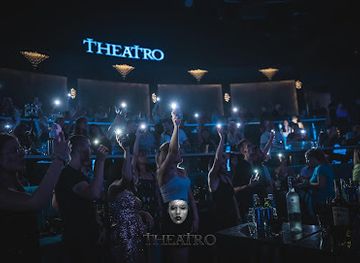
Varna’s evening life is concentrated around the central pedestrian streets, the Sea Garden and the seafront, with a noticeable expansion during the summer season. Visitors can find relaxed cafés and bars for Bulgarian wine, local beer and cocktails, while the waterfront attracts venues whose appeal comes as much from the maritime setting as from the drinks. Live music, DJ nights and seasonal beach events form part of the warmer-month scene, and the city’s opera, theatre and concert programme offers alternatives to clubbing. The area around the centre generally provides the widest choice for an evening that moves between restaurants, bars and cultural venues without requiring long journeys. Varna is not uniformly nocturnal throughout the year: outside the main season, activity becomes more locally focused and quieter, particularly away from the centre and resort strips.
-
Disco club
PR Club
Discover the electrifying nightlife of PR Club in Golden Sands, Varna - where every night is a celebration of music, dance, and good vibes.
33 min drive · 13 km from city centre
-
Night club
Retro Club
Discover the vibrant nightlife at Retro Club in Varna - a premier destination for disco, live music, and unforgettable party experiences.
11 min walk · 0.9 km from city centre
-
Disco club
Theatro club Varna
Dive into the energetic nightlife of Varna at Theatro Club, a premier disco destination with top DJs and an electrifying atmosphere.
19 min walk · 1.5 km from city centre
-
Night club
Horizont Club
Discover the vibrant nightlife of Varna at Horizont Club, where music, dance, and unforgettable experiences come together by the sea.
6 min drive · 2.0 km from city centre


Best shops in Varna
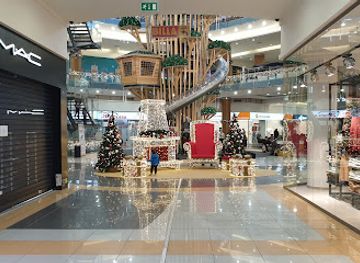
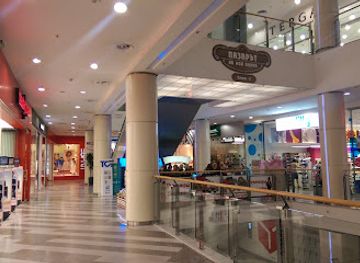
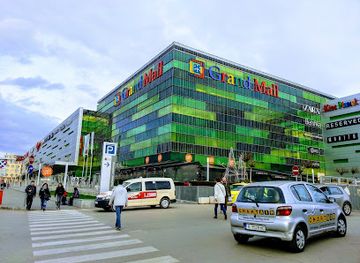
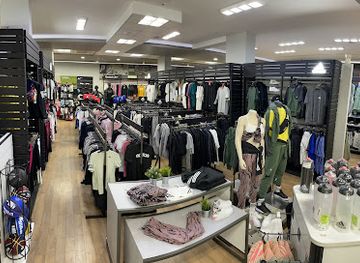
Shopping in Varna ranges from everyday Bulgarian produce to contemporary retail in large commercial centres. The Central Market offers fruit, vegetables, cheeses, preserves and other food products, while smaller shops and bakeries provide opportunities to sample regional flavours rather than only packaged souvenirs. Knyaz Boris I Boulevard and adjoining central streets combine fashion retailers, cafés, bookshops and independent businesses, and the area is pleasant to explore between the Cathedral and the Sea Garden. Grand Mall Varna, outside the historic core, provides a broad selection of mainstream shops and services. Visitors looking for locally characteristic purchases can consider Bulgarian rose products, honey, wine, ceramics, embroidered textiles and traditional foods, while specialist shops may carry Black Sea-themed crafts. As with markets elsewhere, check quality and provenance carefully when buying purported antiques or handmade goods.
-
Shopping mall
Delta Planet Mall
Discover a shopping paradise at Delta Planet Mall in Varna, offering diverse brands, dining experiences, and family-friendly entertainment.
11 min drive · 3.6 km from city centre
-
Shopping mall
Mall Varna EAD
Explore the lively Mall Varna, a shopping paradise in Bulgaria with diverse stores, delightful dining, and family-friendly entertainment options.
7 min drive · 2.3 km from city centre
-
Shopping mall
Grand Mall
Experience shopping, dining, and entertainment all in one place at Varna's Grand Mall, a premier shopping destination with something for everyone.
5 min drive · 1.6 km from city centre
-
Sporting goods store
SPORT DEPOT Varna Palah Centre
Discover top-quality sporting goods at SPORT DEPOT Varna Palah Centre - your ultimate destination for adventure in Bulgaria.
14 min walk · 1.1 km from city centre
Get your free copy of our complete guide to Varna, delivered straight to you.
Everything on this page, from attractions and restaurants to essentials and local phrases, in one PDF you can read offline, print or share.
Already have an account? Sign in
Your Varna guide is ready.
We'll send it to · Not you? Sign out

Getting your guide ready…
We are putting together a fresh copy of the Varna guide. This can take up to a minute.
This can take a few moments. If your browser asks, choose Allow so the download can start. You'll find the guide in your Downloads folder.
Nothing happened? Download it again
Sorry, the guide is taking longer than usual. Please try again in a minute, or get it by email instead.
Varna essentials
Currency and Payment
Safety
Emergency Situations
Do's and Don'ts
Local Tips
From Eve
Local phrases worth knowing
You don't need to get them perfect. A few words go a long way, and locals appreciate the effort.
Basics
| English | Local | Say it |
|---|---|---|
| Hello | Здравейте | [Zdraveyte] |
| Goodbye | Довиждане | [Dovizhdane] |
| Yes | Да | [Da] |
| No | Не | [Ne] |
| Please/You're welcome | Моля | [Molya] |
| Thank you | Благодаря | [Blagodarya] |
| Excuse me/Sorry | Извинявайте | [Izvinyavayte] |
| How are you? | Как сте? | [Kak ste?] |
| Fine. And you? | Добре. А вие? | [Dobre. A vie?] |
| Do you speak English? | Говорите ли английски? | [Govorite li angliyski?] |
| I don't understand | Не разбирам | [Ne razbiram] |
Eating & Drinking
| English | Local | Say it |
|---|---|---|
| I'd like to see the menu, please | Бих искал да видя менюто, моля | [Bih iskal da vida menyuto, molya] |
| I don't eat meat | Не ям месо | [Ne yam meso] |
| Cheers! | На здраве! | [Na zdrave!] |
| I would like to pay, please | Бих искал да платя, моля | [Bih iskal da platya, molya] |
Emergencies
| English | Local | Say it |
|---|---|---|
| Help! | Помощ! | [Pomosht!] |
| Go away! | Отидете! | [Otidete!] |
| Call the Police! | Обадете се на полицията! | [Obedete se na politsiyata!] |
| Call a doctor! | Обадете се на лекар! | [Obedete se na lekar!] |
| I'm lost | Загубих се | [Zagubih se] |
| I'm ill | Болен съм | [Bolen sam] |
Shopping
| English | Local | Say it |
|---|---|---|
| I'd like to buy... | Бих искал да купя... | [Bih iskal da kupya...] |
| I'm just looking | Просто гледам | [Prosto gledam] |
| How much is it? | Колко струва? | [Kolko struva?] |
| That's too expensive | Това е прекалено скъпо | [Tova e prekaleno skapo] |
| Can you lower the price? | Можете ли да намалите цената? | [Mojete li da namalite tsenata?] |
Time & Numbers
| English | Local | Say it |
|---|---|---|
| What time is it? | Колко е часът? | [Kolko e chasat?] |
| It's one o'clock | Един час е | [Edin chas e] |
| Half past (10) | Половин на (10) | [Polovin na (10)] |
| Morning | Сутрин | [Sutrin] |
| Afternoon | Следобед | [Sledobed] |
| Evening | Вечер | [Vecher] |
| Yesterday | Вчера | [Vchera] |
| Today | Днес | [Dnes] |
| Tomorrow | Утре | [Utre] |
| 1 | Едно | [Edno] |
| 2 | Две | [Dve] |
| 3 | Три | [Tri] |
| 4 | Четири | [Chetiri] |
| 5 | Пет | [Pet] |
| 6 | Шест | [Shest] |
| 7 | Седем | [Sedem] |
| 8 | Осем | [Osem] |
| 9 | Девет | [Devet] |
| 10 | Десет | [Deset] |
Transport & Directions
| English | Local | Say it |
|---|---|---|
| Where's a/the...? | Къде е... | [Kade e...] |
| What's the address? | Какъв е адресът? | [Kakav e adresat?] |
| Can you show me (on the map)? | Можете ли да ми покажете (на картата)? | [Mojete li da mi pokazhete (na kartata)?] |
| When's the next (bus)? | Кога е следващият (автобус)? | [Koga e sledvashtiyat (avtobus)?] |
| A ticket (to ....) | Билет (до ....) | [Bilet (do ....)] |
History of Varna
Odessos and the Ancient Black Sea
Varna developed from the ancient Greek colony of Odessos, founded by settlers from Miletus around the sixth century BC on the site of an earlier Thracian presence. Its position beside a navigable bay encouraged maritime trade and contact with communities across the western Black Sea. Odessos used its harbour to exchange agricultural goods, metals and manufactured products, and the city issued its own coinage. Greek urban traditions remained influential even as the settlement interacted with Thracian populations inland. Archaeological remains beneath modern Varna, together with artefacts in the Archaeological Museum, show a port city connected to the wider Aegean and Pontic worlds.
Roman Odessos and the Thermae
Odessos became part of the Roman sphere during the late first century BC and was incorporated into the Roman province of Moesia Inferior. The city retained a degree of local importance as a commercial and administrative centre, while Roman institutions and building techniques reshaped its public spaces. Its most imposing surviving monument is the Roman Thermae, constructed in the late second century AD. The complex included heated rooms, exercise areas and monumental halls, making it one of the largest Roman bath buildings in the Balkans. The ruins demonstrate both the wealth of ancient Odessos and the central role of bathing in Roman civic culture.
Medieval Rule and the Name Varna
After the decline of Roman authority, the settlement passed through the shifting political landscape of the eastern Balkans, including Byzantine and Bulgarian periods. The name Varna became established during the medieval era, although the city’s fortunes varied with regional conflicts and changes in trade. Under the Second Bulgarian Empire, the Black Sea coast supported commercial links with Byzantine territories and other maritime centres. From the late fourteenth century, Ottoman rule brought the city into a different imperial system, and Varna became a fortified port with strategic importance. The medieval and Ottoman layers are less visually dominant than the ancient ruins, but they remain essential to understanding the city’s long development.
The Battle of Varna, 1444
Varna entered European political history through the Battle of Varna on 10 November 1444. A crusading army led by King Władysław III of Poland and Hungary confronted Ottoman forces commanded by Sultan Murad II near the city. The crusaders were defeated, and the young Władysław was killed; his epithet, Władysław of Varna, is commemorated in the city’s park-museum complex on the battlefield site west of modern Varna. The battle strengthened Ottoman control in the region and became a lasting subject of political memory in Poland, Hungary, Bulgaria and the wider Balkans. Its significance extends beyond the battlefield, reflecting the struggle over southeastern Europe in the fifteenth century.
A Port in the Ottoman Empire
During the Ottoman period, Varna functioned as a fortified port and regional trading centre. Its harbour connected the interior of northeastern Bulgaria with maritime commerce, while its population included Muslim and Christian communities, merchants and craftspeople. The city’s strategic position brought repeated military attention, particularly during conflicts involving the Ottoman Empire and Russia. The Crimean War briefly placed Varna at the centre of allied military activity in the 1850s, when it served as a staging point for forces moving towards the Crimean peninsula. Economic and demographic changes in the nineteenth century prepared the ground for the city’s transformation after Bulgaria regained autonomy.
Modernisation and the Maritime City
Following the Russo-Turkish War of 1877–78 and the establishment of the Principality of Bulgaria, Varna expanded as a Bulgarian port and resort city. Rail connections, harbour improvements and new public buildings encouraged trade and tourism, while the Sea Garden developed as a major landscaped civic space. The city became an important centre for naval activity, education and culture, and its architecture acquired the eclectic character visible in the central streets today. In the twentieth century Varna experienced war, political change and rapid urban growth, yet retained its maritime identity. Contemporary Varna continues to build its cultural life around the port, the Sea Garden, archaeological heritage and the Black Sea coast.
Varna in Photos
Browse through our photo collection highlighting the charm and character of the destination.
Cities near Varna
The closest cities to Varna, if you have time for more than one stop.
-
-

-

-
-


Swipe for more cities
Explore more

Explore more of Bulgaria
Explore Bulgaria: From Sofia's bustling streets to the serene mountains and stunning Black Sea beaches, discover the rich history, culture, and natural beauty of Bulgaria.
Explore Bulgaria