

Free East Travel Guide & Mobile App
Explore East with free travel guides. Discover regional history, expert tips, proposed trips, and audio guides on web or mobile app.


Explore Eastern Burkina Faso: A region of stunning landscapes, rich cultural heritage, and thrilling adventures waiting to be discovered.
Read more about East
When is the best time to visit East?
Best: December–February · 28–30°C| Month | High (°C) | Rainfall (mm) |
|---|---|---|
| January (best) | 28 | 1 |
| February (best) | 30 | 2 |
| March | 33 | 5 |
| April | 36 | 10 |
| May | 37 | 20 |
| June | 37 | 25 |
| July | 36 | 30 |
| August | 35 | 25 |
| September | 35 | 20 |
| October | 33 | 10 |
| November | 30 | 5 |
| December (best) | 28 | 3 |
Getting to and around East
How to get there
Transportation
Top city travel guides in East
The cities of East, and the easiest places to base yourself.
-

-


Swipe for more cities
Destinations in East
Resorts, valleys and scenic spots worth a trip of their own.
-

-

-


Swipe for more destinations
Best attractions in East
-
Park
Parc Bangr Weogo
Discover the serene beauty of Parc Bangr Weogo, a lush urban park in Ouagadougou teeming with wildlife and cultural experiences.
-
Park
Kelly Parc
Experience the tranquility and vibrant culture of Kelly Parc in Ouagadougou, a perfect escape for families and nature lovers alike.
-
Church
Église de Dapoya
Discover the Église de Dapoya in Ouagadougou: a serene spiritual haven showcasing stunning architecture and vibrant community life.
-
Animal park
Parc Animalier de Ziniaré
Discover diverse wildlife and immersive nature experiences at Parc Animalier de Ziniaré in Burkina Faso, a perfect family-friendly destination.


Best landmarks in East
East Burkina Faso is a treasure trove of natural and cultural wonders waiting to be explored. Travelers can marvel at the stunning Arli National Park, home to a diverse array of wildlife including elephants, lions, and hippos, set against a backdrop of striking landscapes. The imposing Gobnangou Cliffs offer breathtaking views and are perfect for adventurous hikes. History enthusiasts will be thrilled by the ancient rock paintings at the town of Pama, which provide a glimpse into the region's rich prehistoric past. For a cultural immersion, the vibrant markets of Fada N'Gourma offer a sensory feast of local crafts, textiles, and traditional foods, while the annual Naba Koom festival showcases the vibrant heritage and customs of the Gurma people. Whether you're an adventurer, history buff, or cultural aficionado, East Burkina Faso promises an unforgettable journey.
-
Park
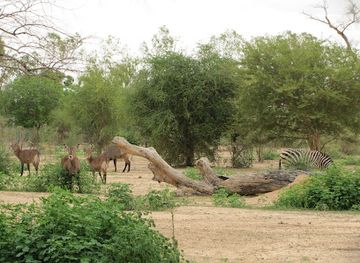
Parc Bangr Weogo
Explore the lush landscapes and serene paths of Parc Bangr Weogo, a beautiful park in Ouagadougou offering a perfect escape for relaxation and nature lovers.
-
Entertainment
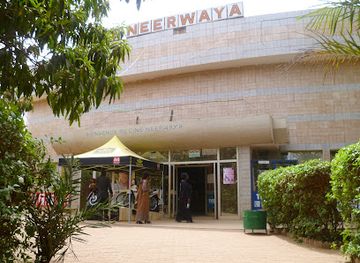
Ciné Neerwaya
Explore the heart of African cinema at Ciné Neerwaya in Ouagadougou, where captivating films bring vibrant stories to life.
-
Catholic cathedral
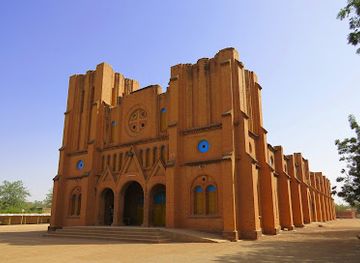
Ouagadougou Cathedral
Discover the architectural blend of African and European styles at Ouagadougou Cathedral, a significant religious and cultural landmark in Burkina Faso.
-
Monument
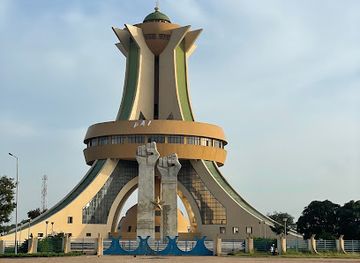
Monument of National Heroes
Discover the Monument of National Heroes in Ouagadougou, a tribute to Burkina Faso's courageous past and vibrant cultural identity.

Explore East on the map
Plan your trip on one map. See where the top cities, national parks and sights are, and book hotels and experiences in a few clicks.
Best hotels in East
Best restaurants in East
East Burkina Faso’s dining scene is a vibrant tapestry woven with the rich flavors of West African cuisine, offering a culinary adventure that delights the senses. Visitors can savor traditional dishes such as tô, a millet or sorghum-based staple served with a variety of mouthwatering sauces, or indulge in the smoky, tender goodness of grilled meats like poulet bicyclette. Street food vendors and local markets brim with freshly prepared snacks, from spicy brochettes to crispy nems, ensuring a diverse palate of tastes. The region also boasts delightful surprises with its fusion of French influences, evident in the array of freshly baked pastries and baguettes available. Whether dining in a bustling local market or a charming roadside eatery, the East’s culinary offerings provide an authentic taste of the region’s rich cultural heritage.
-
Turkish
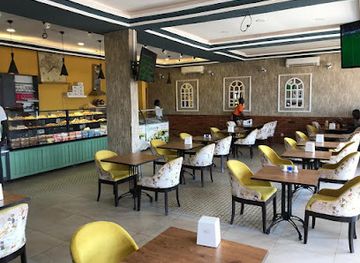
Restaurant Chez Momo
Experience authentic Turkish cuisine at Restaurant Chez Momo in Ouaga 2000 – where every bite tells a story.
-
Restaurant
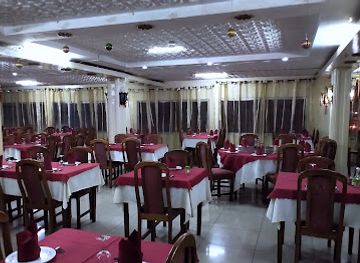
Chick Restaurant
Experience the vibrant flavors of Africa at Chick Restaurant in Ouagadougou—where culinary diversity meets warm hospitality.
-
Restaurant
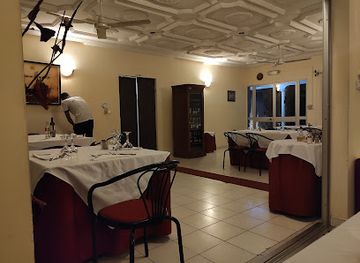
Restaurant Italien Rosa Dei Venti
Experience authentic Italian flavors at Restaurant Italien Rosa Dei Venti in Ouagadougou - A must-visit culinary destination for food enthusiasts.
-
Restaurant
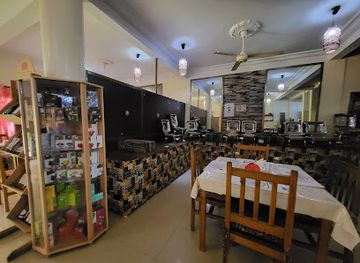
Asanka Locals Restaurant
Experience the authentic taste of Burkina Faso at Asanka Locals Restaurant in Ouagadougou - a true culinary delight for travelers.
Best bars in East
The nightlife in East Burkina Faso offers a unique blend of traditional African culture and modern entertainment, ensuring an unforgettable experience for visitors. As the sun sets, the vibrant city of Fada N'gourma comes alive with rhythmic beats from local bars and lively nightclubs, where both locals and tourists mingle over drinks and dance to the sounds of Afrobeat and traditional Burkinabé music. The bustling night markets are a sensory delight, filled with the aroma of grilled meats and the vibrant colors of handmade crafts. For those seeking a more laid-back evening, several cozy lounges provide the perfect atmosphere for relaxing under the starlit sky, with local musicians often performing live. Whether you're in the mood for dancing, dining, or simply soaking in the local culture, East Burkina Faso's nightlife scene has something to offer every traveler.
-
Bar
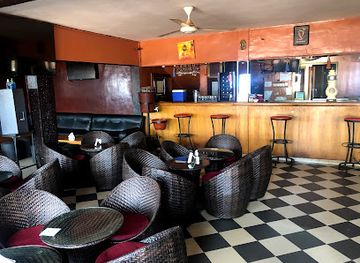
Le Titis
Experience the vibrant nightlife of Ouagadougou at Le Titis, a lively bar offering a diverse drink menu and a welcoming atmosphere.
-
Bar
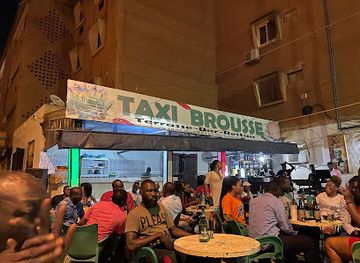
The Taxi Brousse
Discover the vibrant atmosphere of The Taxi Brousse, a bar in Ouagadougou where locals and tourists mingle over refreshing drinks and great conversation.
-
Bar
Boulgou Bar
Experience the lively atmosphere and refreshing drinks at Boulgou Bar in Ouagadougou, a must-visit destination for tourists seeking local nightlife.
-
Bar
Cosy Corner
Discover the charm of Ouagadougou at Cosy Corner, a cozy bar offering local drinks, delightful ambiance, and a taste of Burkina Faso's vibrant culture.

Best nightclubs in East
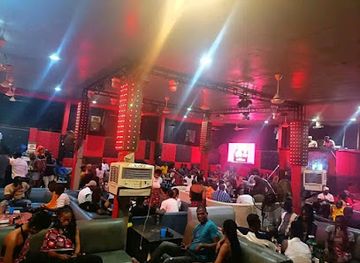
The nightlife in East Burkina Faso offers a unique blend of traditional African culture and modern entertainment, ensuring an unforgettable experience for visitors. As the sun sets, the vibrant city of Fada N'gourma comes alive with rhythmic beats from local bars and lively nightclubs, where both locals and tourists mingle over drinks and dance to the sounds of Afrobeat and traditional Burkinabé music. The bustling night markets are a sensory delight, filled with the aroma of grilled meats and the vibrant colors of handmade crafts. For those seeking a more laid-back evening, several cozy lounges provide the perfect atmosphere for relaxing under the starlit sky, with local musicians often performing live. Whether you're in the mood for dancing, dining, or simply soaking in the local culture, East Burkina Faso's nightlife scene has something to offer every traveler.
-
Wine bar
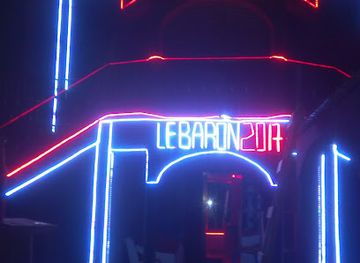
Baron Night Club
Experience the vibrant nightlife of Fada-Ngourma at Baron Night Club, the ultimate wine bar for relaxation and socializing.
-
Disco club
Level Night Club
Discover the heart of Ouagadougou's nightlife at Level Night Club, where music, dance, and culture collide for an unforgettable evening.
-
Bar
Waguess Night-Club
Dive into the vibrant nightlife of Ouagadougou at Waguess Night-Club, where music, dance, and culture collide in an unforgettable experience.
-
 Disco club
Night club le Benbao
Discover the vibrant nightlife of Ouagadougou at Night Club Le Benbao, a disco club where music and culture come together for an unforgettable experience.

Best shops in East
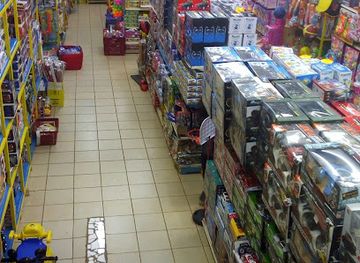
In the enchanting region of East Burkina Faso, the shopping scene offers a vibrant tapestry of local culture and craftsmanship, waiting to be explored by curious travelers. Expect bustling open-air markets filled with an array of handmade goods, from intricately woven textiles and colorful pottery to beautifully carved wooden artifacts and traditional jewelry. The air is filled with the enticing aromas of freshly ground spices and the lively banter of friendly vendors eager to share stories behind their wares. Each market visit is a sensory adventure, offering a unique opportunity to immerse oneself in the rich traditions and artisanal talents of the Burkinabe people.
-
Gift shop
Burkina Pas Chèr
Discover unique Burkinabe handicrafts and treasures at Burkina Pas Chèr, the ultimate gift shop in Koulouba, Ouagadougou.
-
Home goods store
Africatex HOME
Explore Africatex HOME in Ouagadougou for exceptional home goods that blend quality craftsmanship with local culture.
-
Supermarket
Boutique Abdoulaye
Discover the essence of Burkina Faso at Boutique Abdoulaye, where vibrant local products meet the heart of Ouagadougou.
-
Gift shop
FASO BEAUTEX PAGNES TISSÉS
Explore the rich heritage of Burkina Faso through vibrant textiles and handcrafted gifts at Faso Beautex Pagnes Tissés in Ouagadougou.

Get your free copy of our complete guide to East, delivered straight to you.
Everything on this page, from attractions and restaurants to essentials and local phrases, in one PDF you can read offline, print or share.
Already have an account? Sign in
Your East guide is ready.
We'll send it to · Not you? Sign out

Getting your guide ready…
We are putting together a fresh copy of the East guide. This can take up to a minute.
This can take a few moments. If your browser asks, choose Allow so the download can start. You'll find the guide in your Downloads folder.
Nothing happened? Download it again
Sorry, the guide is taking longer than usual. Please try again in a minute, or get it by email instead.
East essentials
Currency and Payment
Safety
Emergency Situations
Do's and Don'ts
Local Tips
From Eve
Local phrases worth knowing
You don't need to get them perfect. A few words go a long way, and locals appreciate the effort.
Basics
| English | Local | Say it |
|---|---|---|
| Hello | Bonjour | [bɔ̃ʒuʁ] |
| Goodbye | Au revoir | [o ʁəvwaʁ] |
| Yes | Oui | [wi] |
| No | Non | [nɔ̃] |
| Please/You're welcome | S'il vous plaît | [sil vu ple] |
| Thank you | Merci | [mɛʁsi] |
| Excuse me/Sorry | Excusez-moi | [ɛkskyze mwa] |
| How are you? | Comment ça va? | [kɔmɑ̃ sa va] |
| Fine. And you? | Bien. Et vous? | [bjɛ̃ e vu] |
| Do you speak English? | Parlez-vous anglais? | [paʁle vu ɑ̃ɡlɛ] |
| I don't understand | Je ne comprends pas | [ʒə nə kɔ̃pʁɑ̃ pa] |
Eating & Drinking
| English | Local | Say it |
|---|---|---|
| I'd like to see the menu, please | Je voudrais voir le menu, s'il vous plaît | [ʒə vudʁɛ vwaʁ lə mɛny, sil vu ple] |
| I don't eat meat | Je ne mange pas de viande | [ʒə nə mɑ̃ʒ pa də vjɑ̃d] |
| Cheers! | Santé! | [sɑ̃te] |
| I would like to pay, please | Je voudrais payer, s'il vous plaît | [ʒə vudʁɛ peje, sil vu ple] |
Emergencies
| English | Local | Say it |
|---|---|---|
| Help! | Au secours! | [o səkuʁ] |
| Go away! | Allez-vous-en! | [ale vu zɑ̃] |
| Call the Police! | Appelez la police! | [apəle la pɔlis] |
| Call a doctor! | Appelez un docteur! | [apəle ɛ̃ dɔktœʁ] |
| I'm lost | Je suis perdu | [ʒə sɥi pɛʁdy] |
| I'm ill | Je suis malade | [ʒə sɥi malɑd] |
Shopping
| English | Local | Say it |
|---|---|---|
| I'd like to buy... | Je voudrais acheter... | [ʒə vudʁɛ aʃte] |
| I'm just looking | Je regarde juste | [ʒə ʁəɡaʁd ʒyst] |
| How much is it? | C'est combien? | [se kɔ̃bjɛ̃] |
| That's too expensive | C'est trop cher | [se tʁo ʃɛʁ] |
| Can you lower the price? | Pouvez-vous baisser le prix? | [puve vu bɛse lə pʁi] |
Time & Numbers
| English | Local | Say it |
|---|---|---|
| What time is it? | Quelle heure est-il? | [kɛl œʁ ɛ til] |
| It's one o'clock | Il est une heure | [il ɛ yn œʁ] |
| Half past (10) | Dix heures et demie | [di zœʁ e dəmi] |
| Morning | Matin | [matɛ̃] |
| Afternoon | Après-midi | [apʁɛ midi] |
| Evening | Soir | [swaʁ] |
| Yesterday | Hier | [jɛʁ] |
| Today | Aujourd'hui | [oʒuʁdɥi] |
| Tomorrow | Demain | [dəmɛ̃] |
| 1 | Un | [œ̃] |
| 2 | Deux | [dø] |
| 3 | Trois | [tʁwa] |
| 4 | Quatre | [katr] |
| 5 | Cinq | [sɛ̃k] |
| 6 | Six | [si] |
| 7 | Sept | [sɛt] |
| 8 | Huit | [ɥit] |
| 9 | Neuf | [nœf] |
| 10 | Dix | [di] |
Transport & Directions
| English | Local | Say it |
|---|---|---|
| Where's a/the...? | Où est un/une...? | [u ɛ ɛ̃/yn] |
| What's the address? | Quelle est l'adresse? | [kɛl ɛ l‿adʁɛs] |
| Can you show me (on the map)? | Pouvez-vous me montrer (sur la carte)? | [puve vu mə mɔ̃tʁe (syʁ la kaʁt)] |
| When's the next (bus)? | Quand est le prochain (bus)? | [kɑ̃ ɛ lə pʁɔʃɛ̃ (bys)] |
| A ticket (to ....) | Un billet (pour ....) | [œ̃ bijɛ (puʁ ....)] |
History of East
Ancient Settlement and Pre-Colonial Era
The region of East in Burkina Faso has been inhabited for thousands of years, with evidence of ancient settlements and communities. The area was home to various ethnic groups, including the Gourma and Bissa people, who developed complex societies and engaged in farming, hunting, and trade. Archaeological findings suggest a rich cultural heritage, with remnants of pottery, tools, and ancient structures.
The Mossi Kingdoms
During the rise of the Mossi Kingdoms in the 15th century, the eastern region of Burkina Faso became a frontier area that experienced frequent interactions and conflicts. The Mossi, known for their warrior culture and political organization, established dominion over parts of the region, influencing local customs and trade routes. The Mossi Kingdoms played a significant role in shaping the social and political landscape of East Burkina Faso.
Colonial Rule and Resistance
French colonial forces began to exert control over the region in the late 19th and early 20th centuries. The establishment of French West Africa saw the incorporation of East Burkina Faso into the colonial framework. Despite the imposition of colonial rule, local populations resisted through various uprisings and acts of defiance. The region’s history during this period is marked by both collaboration and resistance to colonial authorities.
Independence and Modern Era
Burkina Faso gained independence from France in 1960, and the eastern region has since played a vital role in the nation’s development. Post-independence, the area has seen significant changes, including advancements in infrastructure, education, and healthcare. The cultural heritage of the region remains vibrant, with traditional festivals, music, and dance continuing to be central to community life.
Cultural Heritage and Festivals
East Burkina Faso is known for its rich cultural traditions and vibrant festivals. The FESPACO film festival, although primarily held in the capital Ouagadougou, has roots that extend into the cultural practices of the entire nation, including the eastern region. Traditional ceremonies such as the Gourmantché initiation rites and the Bissa harvest festivals are celebrated with great enthusiasm, showcasing the region’s enduring cultural diversity.
Natural Landscapes and Conservation
The eastern region of Burkina Faso is home to stunning natural landscapes, including the Arli and W National Parks. These parks are crucial for wildlife conservation and are part of the larger W-Arly-Pendjari (WAP) complex, which extends into neighboring countries. These protected areas are rich in biodiversity, offering habitats for elephants, lions, and numerous bird species, and are significant for both ecological balance and tourism.
East in Photos
Browse through our photo collection highlighting the charm and character of the destination.
Neighbouring regions of East
The closest regions to East, if you have time for more than one.
-

-

-

-

-


Swipe for more regions
Explore more

Explore more of Burkina Faso
Discover Burkina Faso: An authentic African destination with rich culture, stunning landscapes, and warm hospitality, offering a memorable and enriching travel experience.
Explore Burkina Faso