

Centre-East, Burkina Faso Travel Guide
Explore the Centre-East of Burkina Faso: A blend of rich cultural heritage, stunning natural landscapes, and historical landmarks in the heart of West Africa.
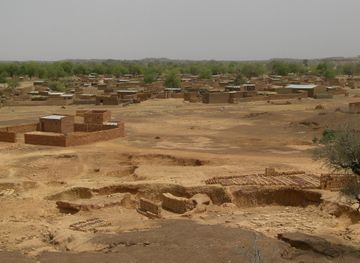
Nestled in the heart of Burkina Faso, the Centre-East region is a treasure trove of cultural heritage and natural beauty. This region is a vibrant tapestry of traditional villages, bustling markets, and historical landmarks, offering tourists an authentic glimpse into the rich cultural fabric of West Africa. Start your journey in Koupéla, a town renowned for its lively markets where you can shop for local crafts and savor delicious Burkinabé cuisine. The town is also home to the impressive Koupéla Cathedral, a stunning example of colonial architecture that stands as a testament to the region's historical significance. For nature enthusiasts, the Centre-East region does not disappoint. The lush landscapes are dotted with scenic spots perfect for hiking and bird-watching. The sacred Baobab Trees and serene rivers provide a tranquil escape from the hustle and bustle of town life. Delve deeper into the cultural heritage by visiting the traditional Mossi villages. Here, you can witness age-old customs and participate in local festivals that celebrate the region's vibrant traditions. The warm hospitality of the Burkinabé people will make your visit an unforgettable experience.

Know before you go
Hi, I'm Eve. Here are a few practical things to know before exploring Centre-East.
- Visit local markets early in the morning for the freshest produce and best selection of crafts.
- Respect local customs and traditions, especially when visiting traditional villages.
- Pack light, breathable clothing and stay hydrated, as the climate can be quite warm.
- Hire a local guide for a more enriching cultural experience and to navigate lesser-known spots.
- Keep some local currency on hand, as not all places accept credit cards.
Destinations in Centre-East
Resorts, valleys and scenic spots worth a trip of their own.

Explore Centre-East: Things to Do, Places to Eat, Hotels & More
Handpicked recommendations for top attractions, local dining, accommodations, and more

Top Attractions & Sightseeing in Centre-East

Best landmarks in Centre-East
Top-rated picks
Best Landmarks

Parc Bangr Weogo
Discover the tranquil beauty of Parc Bangr Weogo, the perfect urban retreat in Ouagadougou, where nature and culture intertwine seamlessly.

Princess' Yenenga
Experience the essence of Burkinabé cuisine at Princess' Yenenga, an upscale restaurant in Ouagadougou offering exquisite dishes and a vibrant atmosphere.

BIBI PARC
Discover BIBI PARC in Ouagadougou, the ultimate amusement park for families offering fun rides, lush green spaces, and delightful local snacks.

Faso Parc
Experience the thrill of rides and the joy of family fun at Faso Parc, Ouagadougou's premier amusement park and tourist attraction.

Best restaurants in Centre-East
Top-rated picks
Best Restaurants

La Perle
Experience exquisite dining at La Perle in Ouagadougou—where local flavors meet international cuisine in an inviting atmosphere.

Koffi GOMBO
Discover Koffi GOMBO: A premier destination for authentic Burkinabé coffee experiences in Ouagadougou.

P'tit Paris Gounghin
Discover exquisite flavors at P'tit Paris Gounghin - where local cuisine meets international delights in Ouagadougou.

Le Verdoyant
Discover Le Verdoyant: A culinary treasure in Ouagadougou renowned for its exceptional pizzas and warm ambiance.

Best bars in Centre-East
Top-rated picks
Best Bars

SIKA LOUNGE
Discover the vibrant nightlife and delectable dining options at SIKA LOUNGE, Ouagadougou's premier bar and restaurant experience.

Le Titis
Experience the vibrant nightlife of Ouagadougou at Le Titis, where local culture meets refreshing drinks in a lively atmosphere.

The Taxi Brousse
Experience the vibrant local culture and lively nightlife at The Taxi Brousse, Ouagadougou's favorite bar for affordable drinks and good company.

Boulgou Bar
Boulgou Bar in Ouagadougou offers a lively atmosphere, refreshing drinks, and a true taste of local culture, perfect for socializing and relaxation.

Best nightclubs in Centre-East
Top-rated picks
Best Nightclubs

The Mask
Dive into the energetic nightlife of Ouagadougou at The Mask, where music and culture unite for an unforgettable disco experience.

Level Night Club
Discover the heartbeat of Ouagadougou's nightlife at Level Night Club, where music, dance, and culture converge for an unforgettable experience.

Waguess Night-Club
Experience the vibrant nightlife of Ouagadougou at Waguess Night-Club, where music and culture come together for an unforgettable evening.

Night club le Benbao
Experience the vibrant nightlife at Le Benbao, Ouagadougou's premier disco club, where music and culture come together in an electrifying atmosphere.

Best shops in Centre-East
Top-rated picks
Best Shops

Liza mall
Discover the vibrant shopping experience at Liza Mall in Ouagadougou, blending local culture with global brands for an unforgettable visit.

Burkina Pas Chèr
Explore Burkina Pas Chèr: Your gateway to authentic Burkinabé gifts and crafts in Ouagadougou, combining affordability with quality.

Africatex HOME
Explore Africatex HOME in Ouagadougou for exquisite home goods that blend local craftsmanship with modern design, perfect for all tastes.

FASO BEAUTEX PAGNES TISSÉS
Explore the vibrant world of Burkinabé textiles at Faso Beautex Pagnes Tissés, where craftsmanship meets culture in every woven piece.

Explore Centre-East on the Map
A handpicked selection of must-see spots in Centre-East, mapped for you.
Centre-East Essentials
-
Centre-East in Burkina Faso is accessible via the Ouagadougou International Airport (OUA), the nearest major airport located in the capital city of Ouagadougou. From Ouagadougou, you can travel to Centre-East by bus, taxi, or private car. The journey by road typically takes around 3 to 4 hours depending on the specific destination within the Centre-East region. Local bus services and car rentals are available at the airport and in the city.
-
Once you are in Centre-East, transportation options include local buses, taxis, and motorbike taxis (called 'moto-taxis'). Buses are an affordable way to travel between towns, but schedules can be irregular. Taxis offer more flexibility and are relatively inexpensive. For short distances within towns or villages, moto-taxis are a common and efficient mode of transportation. Renting a car provides the most convenience for exploring the region at your own pace.
-
The official currency in Burkina Faso is the West African CFA franc (XOF). Credit cards are accepted in some hotels, restaurants, and larger shops, but it is advisable to carry cash, especially in smaller establishments and rural areas. ATMs are available in major towns within Centre-East, but ensure you have sufficient cash as not all areas have reliable access to banking services.
-
While Centre-East is generally safe for tourists, it is important to take standard precautions. Avoid walking alone at night in unfamiliar areas and keep an eye on your belongings in crowded places. Be aware of your surroundings and avoid displaying valuables. Some areas may have higher crime rates, particularly in larger towns, so it is best to stay informed about your specific destination. Always follow local advice regarding safety.
-
In case of emergency, dial 17 for police assistance or 18 for fire and medical emergencies. Major towns in Centre-East have police stations and medical facilities. It is highly recommended to have travel insurance that covers medical emergencies. For minor health issues, local pharmacies are available where you can purchase over-the-counter medications.
-
Fashion: Do dress modestly, particularly in rural areas and when visiting religious sites. Avoid wearing revealing clothing. Religion: Do respect local customs and traditions. Always ask for permission before taking photographs of religious ceremonies or sites. Public Transport: Do be respectful to fellow passengers and offer your seat to elderly individuals. Don't eat or drink on public transport. Greetings: Do greet people with a handshake and a smile. Learn basic greetings in French or the local language to show respect. Eating & Drinking: Do try local dishes and accept food offerings graciously. Don't refuse hospitality, as it is considered impolite.
-
To experience Centre-East like a local, visit the vibrant markets where you can buy fresh produce, local crafts, and traditional clothing. Engage with the locals, who are often friendly and eager to share stories about their culture and history. Don't miss out on local festivals and events, which offer a unique glimpse into the region's traditions. Try traditional dishes such as tô and riz gras, and be sure to visit historical sites like the Ruins of Loropéni.
When is the best time to visit Centre-East?
Useful Local Phrases for Centre-East
You don't need to speak the language perfectly. Even learning a few simple words can make conversations warmer—and locals usually appreciate the effort.
— Eve

Here are the phrases I use most often in Centre-East. Try a few—you'll be surprised how far they go! 😊
❤️
-
- HelloNaa
[Nah] - GoodbyeNaa ne
[Nah neh] - YesO
[Oh] - NoAyi
[Ah-yee] - Please/You're welcomeTaa
[Tah] - Thank youMeda w'ase
[Meh-dah wah-seh] - Excuse me/SorryMepa wo kyɛw
[Meh-pah woh cheh] - How are you?Wo ho te sɛn?
[Woh hoh teh sen?] - Fine. And you?Me ho yɛ, na wo nso?
[Meh hoh yeh, nah woh n-so?] - Do you speak English?Wopɛ sɛ woka Borɔfo?
[Woh-peh seh woh-kah Boh-roh-foh?] - I don't understandMente ase
[Men-teh ah-seh]
- HelloNaa
-
- I'd like to see the menu, pleaseMepɛ sɛ mehwɛ menu no, mesrɛ
[Meh-peh seh meh-hweh men-oo noh, meh-sreh] - I don't eat meatMente aduan a ɛyɛ nam
[Men-teh ah-duan ah eh-yeh nahm] - Cheers!Medi tɛkrɛma!
[Meh-dee teh-kreh-mah!] - I would like to pay, pleaseMepɛ sɛ meyɛ sika no, mesrɛ
[Meh-peh seh meh-yay see-kah noh, meh-sreh]
- I'd like to see the menu, pleaseMepɛ sɛ mehwɛ menu no, mesrɛ
-
- Help!Boa me!
[Boh-ah meh!] - Go away!Kɔ baabi!
[Koh bah-bee!] - Call the Police!Frɛ ɔmanpanyin no!
[Freh oh-mahn-pah-nyin noh!] - Call a doctor!Frɛ dɔkita!
[Freheh doh-kee-tah!] - I'm lostM'ani da hɔ
[Meh-nee dah hoh] - I'm illM'anya yare
[Meh-anya yah-reh]
- Help!Boa me!
-
- I'd like to buy...Mepɛ sɛ mɛtɔ...
[Meh-peh seh meh-taw...] - I'm just lookingMerehwɛ nkuto
[Meh-reh-hweh n-kuto] - How much is it?Ɛyɛ sika bɛn?
[Eh-yeh see-kah ben?] - That's too expensiveƐyɛ sika kɛse
[Eh-yeh see-kah keh-seh] - Can you lower the price?Wobɛtɔ sika no ase?
[Woh-beh-taw see-kah noh ah-seh?]
- I'd like to buy...Mepɛ sɛ mɛtɔ...
-
- What time is it?Ɛhe na bere no?
[Eh-heh nah beh-reh noh?] - It's one o'clockƐyɛ dɔnhwere baako
[Eh-yeh don-hweh-reh bah-koh] - Half past (10)Dɔnhwere mmerɛnan
[Don-hweh-reh meh-reh-nan] - MorningAnɔpa
[Ah-noh-pah] - AfternoonAwia
[Ah-wee-ah] - EveningAnɔpatutuutu
[Ah-noh-pah-too-too] - YesterdayƐda a atwam
[Eh-dah ah ah-twahm] - TodayƐnnɛ
[Eh-neh] - TomorrowƐkyɛ
[Eh-cheh] - 1Baako
[Bah-koh] - 2Mmienu
[Mm-yeh-noo] - 3Mmienu
[Mm-yeh-nah] - 4Nan
[Nahn] - 5Nana
[Nah-nah] - 6Nsia
[Nsee-ah] - 7Nson
[N-sohn] - 8Nanan
[Nah-nahn] - 9Nkyɛ
[N-cheh] - 10Duo
[Doo-oh]
- What time is it?Ɛhe na bere no?
-
- Where's a/the...?Ɛhe na ...?
[Eh-heh nah ...?] - What's the address?Dɛn na ɔkwan no?
[Deyn nah oh-kwan noh?] - Can you show me (on the map)?Wobɛda me ho adi (wɔ mapa no)?
[Woh-beh-dah meh hoh ah-dee (woh mah-pah noh)?] - When's the next (bus)?Bere bɛn na ɔman no bɛba?
[Beh-reh ben nah oh-mahn noh beh-bah?] - A ticket (to ....)Sika kɔ (....)
[See-kah koh (....)]
- Where's a/the...?Ɛhe na ...?
History of Centre-East
-
Centre-East Burkina Faso was once part of the powerful Mossi Kingdoms, which were established in the 15th century. The Mossi people are known for their hierarchical society and warrior traditions. The kingdoms of Ouagadougou, Tenkodogo, and Fada N'Gourma played significant roles in the region's history, influencing the political and cultural landscape.
-
Islam began to spread in the Centre-East region in the 18th century, brought by traders and scholars from the north. Over time, it became a dominant religion, influencing local customs, education, and architecture. Many of the region's mosques and Islamic schools date back to this period.
-
During the late 19th and early 20th centuries, the Centre-East region came under French colonial rule as part of Upper Volta, now Burkina Faso. The French established administrative and military posts, and the region saw infrastructure developments like roads and railways. However, colonial rule also brought exploitation and resistance from the local population.
-
Burkina Faso gained independence from France in 1960. The Centre-East region has since been a focal point for national development projects aiming to improve agriculture, education, and healthcare. The construction of roads and schools has transformed the region, making it more accessible and improving the quality of life for its residents.
-
The Centre-East region is rich in cultural heritage, with traditional festivals, music, and dance playing a central role in community life. The annual FESPACO film festival in Ouagadougou, though not in the Centre-East, has a significant impact on the cultural scene across the country, including this region. Crafts such as weaving and pottery are also important cultural expressions in Centre-East Burkina Faso.
-
Centre-East Burkina Faso offers numerous attractions for visitors, including the ancient rock paintings in the Gobnangou Hills, the scenic beauty of the Singou Reserve, and the vibrant markets of Tenkodogo and Fada N'Gourma. These sites provide a glimpse into the region's rich history and natural beauty, making it a must-visit for any traveler.
Neighbouring Regions of Centre-East
The closest regions to Centre-East, if you have time for more than one.


Your all‑in‑one travel companion app
Explore expert travel guides, compare and book tours, experiences, hotels, and more—all from the palm of your hand. Download now for seamless trip planning wherever your wanderlust takes you.


Explore More of Burkina Faso

Looking beyond Centre-East? Discover Burkina Faso for broader travel guides, local hot-spots, and regional highlights.
Explore Burkina FasoCentre-East in Photos
Browse through our photo collection highlighting the charm and character of the destination.

Discover the Heart of Burkina Faso: Centre-East Region
Nestled in the heart of Burkina Faso, the Centre-East region is a treasure trove of cultural heritage and natural beauty. This region is a vibrant tapestry of traditional villages, bustling markets, and historical landmarks, offering tourists an authentic glimpse into the rich cultural fabric of West Africa. Start your journey in Koupéla, a town renowned for its lively markets where you can shop for local crafts and savor delicious Burkinabé cuisine. The town is also home to the impressive Koupéla Cathedral, a stunning example of colonial architecture that stands as a testament to the region's historical significance. For nature enthusiasts, the Centre-East region does not disappoint. The lush landscapes are dotted with scenic spots perfect for hiking and bird-watching. The sacred Baobab Trees and serene rivers provide a tranquil escape from the hustle and bustle of town life. Delve deeper into the cultural heritage by visiting the traditional Mossi villages. Here, you can witness age-old customs and participate in local festivals that celebrate the region's vibrant traditions. The warm hospitality of the Burkinabé people will make your visit an unforgettable experience.