

Bujumbura Rural, Burundi Travel Guide
Discover the serene landscapes, traditional villages, and outdoor adventures of Bujumbura Rural, the picturesque countryside gem of Burundi.
Nestled away from the bustling city life, Bujumbura Rural offers a serene retreat into Burundi's picturesque countryside. This location is perfect for those seeking tranquility and a deeper connection with nature. Surrounded by lush green hills and tranquil landscapes, it provides a refreshing escape from urban chaos. Explore the local villages and witness the traditional Burundian way of life. The area is rich in cultural heritage and offers unique opportunities to interact with the friendly locals. Taste the authentic Burundian cuisine, which is a delightful blend of flavors that will tantalize your taste buds. For the adventurous at heart, Bujumbura Rural offers a variety of outdoor activities. From hiking in the verdant hills to exploring hidden waterfalls, there is something for everyone. The region is also a haven for bird watchers, with numerous species to observe in their natural habitat. Whether you are a nature lover or a cultural enthusiast, Bujumbura Rural has something special to offer.

Know before you go
Hi, I'm Eve. Here are a few practical things to know before exploring Bujumbura Rural.
- Hire a local guide to explore hidden waterfalls and learn about the region's culture.
- Visit during the dry season (June to September) for the best hiking conditions.
- Try the local dish, 'Boko Boko Haree', for an authentic taste of Burundian cuisine.
- Bring binoculars for bird watching; the area is rich in avian diversity.
- Respect local customs and traditions when visiting villages to ensure a warm welcome.
Top City Travel Guides in Bujumbura Rural
The cities of Bujumbura Rural, and the easiest places to base yourself.


Destinations in Bujumbura Rural
Resorts, valleys and scenic spots worth a trip of their own.

Explore Bujumbura Rural: Things to Do, Places to Eat, Hotels & More
Handpicked recommendations for top attractions, local dining, accommodations, and more

Top Attractions & Sightseeing in Bujumbura Rural
Top-rated picks
Best Attractions

Bujumbura Zoo
Discover Burundi's wildlife and culture at the Bujumbura Zoo, a unique blend of nature and tradition in the heart of the city.

Bujumbura City Market (Siyoni Market)
Experience the vibrant culture and commerce of Burundi at Bujumbura City Market, a sensory delight in the heart of the capital.

Chutes de la Karera Falls
Chutes de la Karera Falls: A breathtaking waterfall experience in Burundi, surrounded by lush landscapes and vibrant nature.

Saga plage beach
Discover the tranquil beauty of Saga Plage Beach in Bujumbura, a perfect blend of relaxation, adventure, and local culinary delights.

Best landmarks in Bujumbura Rural
Top-rated picks
Best Landmarks

Le Café Gourmand
Discover the flavors of Bujumbura at Le Café Gourmand, where delightful pastries and local dishes meet a warm, inviting atmosphere.

Hotel Club Du Lac Tanganyika
Experience serenity and adventure at Hotel Club Du Lac Tanganyika, a lakeside retreat offering comfort, activities, and breathtaking views in Burundi.
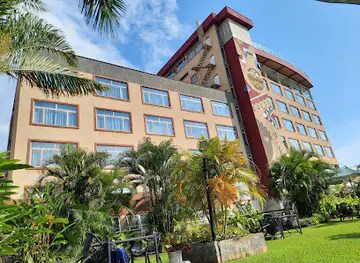
Kiriri Garden Hotel
Discover comfort and wellness in Bujumbura at Kiriri Garden Hotel, featuring a fitness center and spa amidst serene gardens.

Arena Restaurant Lounge Bar
Experience the vibrant flavors and lively atmosphere at Arena Restaurant Lounge Bar in Bujumbura, a culinary gem offering local and international delights.

Best restaurants in Bujumbura Rural
Top-rated picks
Best Restaurants

Le Café Gourmand
Discover the flavors of Burundi at Le Café Gourmand - where every bite tells a story of local tradition and culinary delight.
Hotel Club Du Lac Tanganyika
Experience luxury and tranquility at Hotel Club Du Lac Tanganyika—your perfect lakeside escape in Bujumbura.

Arena Restaurant Lounge Bar
Discover the vibrant culinary scene at Arena Restaurant Lounge Bar in Bujumbura with exquisite dishes and refreshing drinks.
Roca Golf Hotel
Experience unparalleled luxury at Roca Golf Hotel in Bujumbura – where comfort meets breathtaking views.

Best bars in Bujumbura Rural
Top-rated picks
Best Bars

Le Café Gourmand
Discover the delicious flavors of Bujumbura at Le Café Gourmand, where fresh pastries and a cozy atmosphere await every visitor.
Hotel Club Du Lac Tanganyika
Experience the breathtaking beauty and luxury of Hotel Club Du Lac Tanganyika, a perfect sanctuary by Lake Tanganyika in Bujumbura.

Arena Restaurant Lounge Bar
Discover the vibrant culinary scene at Arena Restaurant Lounge Bar in Bujumbura, where delicious food meets a lively atmosphere.

Zion Beach
Discover the vibrant tastes of Burundi at Zion Beach, where local cuisine meets stunning lakeside views in Bujumbura.

Best nightclubs in Bujumbura Rural
Top-rated picks
Best Nightclubs

Arena Restaurant Lounge Bar
Discover the vibrant flavors of Burundi at Arena Restaurant Lounge Bar, where local and international cuisine meet in a lively atmosphere.

TOXIC Night Club
Discover the electrifying nightlife at TOXIC Night Club in Bujumbura, where vibrant beats and lively crowds create unforgettable memories.

Arch of the Cicadas
Discover the Arch of the Cicadas in Bujumbura, where vibrant nightlife meets authentic Burundian culture through music, dance, and delicious cuisine.

Blue Club Night-club
Discover the vibrant nightlife of Bujumbura at Blue Club Night-club, a premier lounge offering great music and a lively atmosphere.

Best shops in Bujumbura Rural
Top-rated picks
Best Shops

Maison Zarine Burundi
Explore the top electronics store in Bujumbura, Maison Zarine, for mobile accessories, phones, and expert computer services.

Au Bon Prix
Discover the local flavors of Burundi at Au Bon Prix, a charming grocery store in Bujumbura offering a wide range of products for every traveler.

Splash
Discover Splash, the charming coffee shop in Bujumbura, offering a cozy atmosphere, a variety of delicious coffee, and a taste of local culture.

Boucherie Nouvelle
Discover Boucherie Nouvelle in Bujumbura, the ultimate destination for fresh meats and local delicacies to elevate your culinary experience.

Explore Bujumbura Rural on the Map
A handpicked selection of must-see spots in Bujumbura Rural, mapped for you.
Bujumbura Rural Essentials
-
Bujumbura Rural is accessible through Bujumbura International Airport, located in the neighboring Bujumbura Mairie province. From the airport, you can hire a taxi or arrange for a private transfer to Bujumbura Rural. The journey typically takes around 30 minutes by road. Alternatively, you can reach Bujumbura Rural by road from other parts of Burundi using intercity buses or private vehicles.
-
Within Bujumbura Rural, transportation options include taxis, motorcycle taxis (known as 'boda-bodas'), and minibuses. Taxis are widely available and can be hired for short or long distances. Boda-bodas are a quick and affordable way to get around, but always agree on the fare beforehand. Minibuses operate on fixed routes and are a cost-effective option for local travel. Car rentals are also available for those who prefer to explore at their own pace.
-
The official currency in Burundi is the Burundian Franc (BIF). While some hotels and larger establishments may accept credit cards, it is advisable to carry cash, especially in smaller towns and rural areas. ATMs are available in Bujumbura Mairie, but it is wise to withdraw enough cash before heading to Bujumbura Rural to ensure you have sufficient funds.
-
Bujumbura Rural is generally safe for tourists, but it is important to take standard precautions. Avoid walking alone at night, particularly in isolated areas. Keep your belongings secure and be cautious in crowded places. Certain areas may have higher crime rates, so it is advisable to seek local advice on which neighborhoods to avoid. Always stay informed about the current security situation and follow the guidance of local authorities.
-
In case of emergency, dial 112 for immediate assistance. Medical facilities are available in Bujumbura Mairie, so it is essential to have travel insurance that covers medical emergencies. For minor health issues, there are pharmacies where you can purchase over-the-counter medications. It is also helpful to know the location of the nearest embassy or consulate for your home country.
-
Fashion: Do dress modestly, especially when visiting villages and religious sites. Avoid wearing revealing clothing. Religion: Do respect local customs and traditions. Always seek permission before taking photographs of people or religious sites. Public Transport: Do be respectful and courteous to fellow passengers. Don't eat or drink on public transport. Greetings: Do greet people with a handshake and a smile. Learning a few basic Kirundi phrases can go a long way. Eating & Drinking: Do try local dishes and accept food offerings graciously. Don't refuse hospitality, as it is considered impolite.
-
To experience Bujumbura Rural like a local, visit the local markets where you can buy fresh produce and traditional Burundian crafts. Engage with locals, as they are often friendly and willing to share stories about their culture and traditions. Don't miss visiting the natural attractions such as Lake Tanganyika and the scenic hills surrounding the area. Participating in local festivals and ceremonies can also provide a deeper understanding of the local way of life.
When is the best time to visit Bujumbura Rural?
Useful Local Phrases for Bujumbura Rural
You don't need to speak the language perfectly. Even learning a few simple words can make conversations warmer—and locals usually appreciate the effort.
— Eve

Here are the phrases I use most often in Bujumbura Rural. Try a few—you'll be surprised how far they go! 😊
❤️
-
- HelloAhoj
[ah-hoj] - GoodbyeMurakaza neza
[moo-rah-kah-zah nay-zah] - YesYego
[yeh-go] - NoOya
[oh-yah] - Please/You're welcomeNdagusaba
[ndah-goo-sah-bah] - Thank youUrakoze
[oo-rah-koh-zeh] - Excuse me/SorryMbabarira
[m-bah-bah-ree-rah] - How are you?Amakuru yawe?
[ah-mah-koo-roo yah-weh] - Fine. And you?Ni meza. N'iki?
[nee meh-zah. n'ee-kee] - Do you speak English?Uvuze Icyongereza?
[oo-voo-zeh ee-choh-neh-rah-zah] - I don't understandSinumva
[see-noom-vah]
- HelloAhoj
-
- I'd like to see the menu, pleaseNashaka kureba urutonde rw'ibiryo
[nah-shah-kah koo-reh-bah oo-roo-ton-deh rw-ih-bee-ryo] - I don't eat meatSinjya ndya inyama
[seen-jah n-dyah ee-nyah-mah] - Cheers!Tugire neza!
[too-gee-ray nay-zah] - I would like to pay, pleaseNashaka kwishyura, ndakwinginze
[nah-shah-kah kwee-shee-oo-rah, ndah-kwee-nee-zay]
- I'd like to see the menu, pleaseNashaka kureba urutonde rw'ibiryo
-
- Help!Fasha!
[fah-shah] - Go away!Genda!
[gen-dah] - Call the Police!Hamagara Polisi!
[hah-mah-gah-rah poh-lee-see] - Call a doctor!Hamagara umuganga!
[hah-mah-gah-rah oo-moo-gahng-ah] - I'm lostNdi mu kaga
[n-dee moo kah-gah] - I'm illNdi indwara
[n-dee een-dwah-rah]
- Help!Fasha!
-
- I'd like to buy...Nashaka kugura...
[nah-shah-kah koo-goo-rah] - I'm just lookingNdimo gusa kureba
[n-dee-mo goo-sah koo-reh-bah] - How much is it?Ni angahe?
[nee ahn-gah-heh] - That's too expensiveBirahenze cyane
[bee-rah-hen-zay chee-ah-neh] - Can you lower the price?Urashobora kugabanya igiciro?
[oo-rah-shoh-boh-rah koo-gah-bah-nyah ee-gee-roh]
- I'd like to buy...Nashaka kugura...
-
- What time is it?Ni isaha ingahe?
[nee ee-sah-hah een-gah-heh] - It's one o'clockNi isaha imwe
[nee ee-sah-hah eem-wah] - Half past (10)Isaha icumi n'igice
[ee-sah-hah ee-choo-mee n'ee-gee-cheh] - MorningMugitondo
[mee-gee-ton-doh] - AfternoonNyuma ya saa sita
[nyoo-mah yah sah-sit-ah] - EveningNijoro
[nee-jo-roh] - YesterdayEjo hashize
[eh-jo hah-shee-zay] - TodayUyu munsi
[oo-yoo moon-see] - TomorrowEjo
[eh-jo] - 11
[1] - 22
[2] - 33
[3] - 44
[4] - 55
[5] - 66
[6] - 77
[7] - 88
[8] - 99
[9] - 1010
[10]
- What time is it?Ni isaha ingahe?
-
- Where's a/the...?Aho hari...?
[ah-ho hah-ree] - What's the address?Ni ikihe aderesi?
[nee ee-kee-heh ah-deh-reh-see] - Can you show me (on the map)?Urashobora kumfasha (kuri karita)?
[oo-rah-shoh-boh-rah koom-fah-shah (koo-ree kah-ree-tah)] - When's the next (bus)?Igihe gitaha (bus)?
[ee-gee-heh gee-tah-hah] - A ticket (to ....)Itike (ku ...)
[ee-tee-keh (koo ...)]
- Where's a/the...?Aho hari...?
History of Bujumbura Rural
-
Before the arrival of European colonizers, the area now known as Bujumbura Rural was inhabited by the Twa, Hutu, and Tutsi peoples. The region was part of the larger Kingdom of Burundi, which was established as early as the 16th century. The local communities lived in a hierarchical society with kings known as 'mwami' ruling over the land.
-
In the late 19th century, the region came under German colonial rule as part of German East Africa. This period saw the introduction of European-style administration and infrastructure, although it also led to significant disruption in local governance and traditional ways of life.
-
Following Germany's defeat in World War I, the League of Nations mandated Burundi to Belgium. The Belgian colonial period brought about more profound changes, including the introduction of cash crops like coffee and tea. The Belgians also implemented policies that intensified ethnic divisions, laying the groundwork for future conflicts.
-
Burundi gained independence from Belgium on July 1, 1962. The newly independent state faced immediate challenges, including ethnic tensions and political instability. Bujumbura Rural, like the rest of the country, experienced episodes of violence and unrest, particularly during the 1972 genocide and subsequent coups.
-
From 1993 to 2005, Burundi was engulfed in a brutal civil war that pitted Hutu rebel groups against the Tutsi-dominated government. Bujumbura Rural was a significant battleground during this period, suffering from violence, displacement, and economic disruption. The conflict deeply affected the social fabric of the area.
-
Following the Arusha Accords in 2000 and the official end of the civil war in 2005, Bujumbura Rural began a slow process of recovery. Efforts were made to rebuild infrastructure, restore social services, and promote reconciliation among the local communities. Today, the region is gradually healing from the scars of war, though challenges remain.
-
Despite the historical upheavals, Bujumbura Rural retains a rich cultural heritage. Traditional dances, music, and crafts continue to play a crucial role in the community. The area is also known for its beautiful landscapes, including the scenic hills and Lake Tanganyika, which offer visitors a glimpse into the natural beauty of Burundi.
Neighbouring Regions of Bujumbura Rural
The closest regions to Bujumbura Rural, if you have time for more than one.




Your all‑in‑one travel companion app
Explore expert travel guides, compare and book tours, experiences, hotels, and more—all from the palm of your hand. Download now for seamless trip planning wherever your wanderlust takes you.


Explore More of Burundi
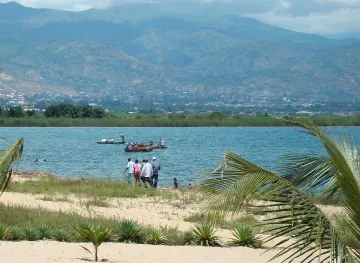
Looking beyond Bujumbura Rural? Discover Burundi for broader travel guides, local hot-spots, and regional highlights.
Explore BurundiBujumbura Rural in Photos
Browse through our photo collection highlighting the charm and character of the destination.


Bujumbura Rural: Burundi's Scenic Countryside Gem
Nestled away from the bustling city life, Bujumbura Rural offers a serene retreat into Burundi's picturesque countryside. This location is perfect for those seeking tranquility and a deeper connection with nature. Surrounded by lush green hills and tranquil landscapes, it provides a refreshing escape from urban chaos. Explore the local villages and witness the traditional Burundian way of life. The area is rich in cultural heritage and offers unique opportunities to interact with the friendly locals. Taste the authentic Burundian cuisine, which is a delightful blend of flavors that will tantalize your taste buds. For the adventurous at heart, Bujumbura Rural offers a variety of outdoor activities. From hiking in the verdant hills to exploring hidden waterfalls, there is something for everyone. The region is also a haven for bird watchers, with numerous species to observe in their natural habitat. Whether you are a nature lover or a cultural enthusiast, Bujumbura Rural has something special to offer.