

Free Buyenzi Travel Guide & Mobile App
Explore Buyenzi with free travel guides. Discover regional history, expert tips, proposed trips, and audio guides on web or mobile app.


Explore Buyenzi in Bujumbura for busy markets, Swahili-influenced urban culture, local food and the everyday commercial life of Burundi’s capital.
Read more about Buyenzi
When is the best time to visit Buyenzi?
Best: August–October · 25°C| Month | High (°C) | Rainfall (mm) |
|---|---|---|
| January | 24 | 75 |
| February | 25 | 70 |
| March | 25 | 85 |
| April | 25 | 95 |
| May | 25 | 100 |
| June | 25 | 75 |
| July | 25 | 65 |
| August (best) | 25 | 55 |
| September (best) | 25 | 50 |
| October (best) | 25 | 55 |
| November | 25 | 65 |
| December | 25 | 75 |
Getting to and around Buyenzi
How to get there
Transportation
Best attractions in Buyenzi
Buyenzi’s principal attraction is the neighbourhood itself: a close-up view of Bujumbura’s commercial life, small enterprise and densely settled urban streets. Visitors can observe local retail, food distribution, tailoring, repair work and the movement of goods through one of the capital’s established quarters. Religious buildings, including mosques associated with the district, contribute to its social and architectural identity, although visitors should treat them as places of worship rather than tourist exhibits. There is no substantial concentration of conventional museums, landscaped gardens or purpose-built visitor attractions within Buyenzi, so it is best explored as part of a wider Bujumbura itinerary. The city’s lakeside, central civic areas and cultural institutions lie outside the neighbourhood and should be described as separate stops. A local guide can provide essential context about streets, businesses and community life, while also helping with language and photography etiquette. The contrast between Buyenzi’s close-grained commercial environment and Bujumbura’s more open lakeside and administrative districts is central to understanding the capital.
-
Market
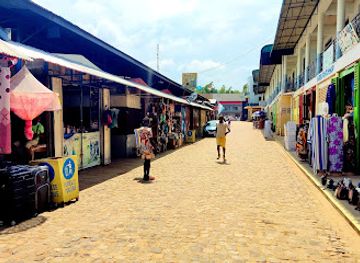
Bujumbura City Market (Siyoni Market)
Explore Bujumbura's Siyoni Market, a lively marketplace offering fresh produce, local delicacies, and unique handicrafts in the heart of Burundi.
-
Tourist attraction
Chutes de la Karera Falls
Experience the breathtaking beauty of Chutes de la Karera Falls in Burundi, where nature's stunning cascades invite tranquility and adventure.
-
Museum
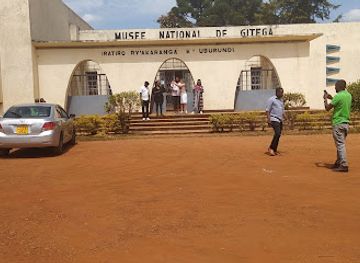
National Museum of Gitega
Discover the heart of Burundi at the National Museum of Gitega, home to rich cultural artifacts and vibrant local heritage.
-
Garden
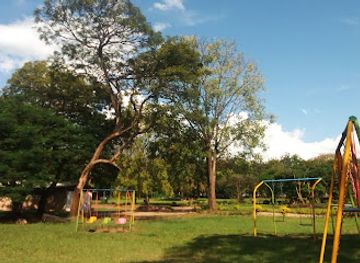
Jardin Public Bujumbura
Explore the peaceful Jardin Public Bujumbura, a lush garden oasis perfect for relaxation and enjoying the vibrant local culture in Bujumbura.

Best landmarks in Buyenzi
Buyenzi’s most significant landmarks are modest, functional and closely tied to the quarter’s urban history. Its mosques and religious buildings are important reference points within the neighbourhood, reflecting Bujumbura’s Muslim and Swahili-influenced commercial heritage, although their interiors and religious activities should not be treated as sightseeing attractions without permission. The district’s dense street grid, shopfronts, workshops and busy trading spaces form a wider cultural landscape rather than a single monumental site. This contrasts with the formal civic architecture and larger public spaces found elsewhere in Bujumbura. The neighbourhood’s proximity to the capital’s central commercial area also helps explain its long-standing role in distribution and retail. Because the built environment changes gradually and individual premises may not be formally documented for visitors, a local guide is valuable when interpreting the quarter. Travellers should not confuse nearby city landmarks or lakeside sites with Buyenzi landmarks; they belong to the wider Bujumbura itinerary rather than to the neighbourhood itself.
-
 Hotel
HotelHotel Club Du Lac Tanganyika
Discover the serene beauty and exceptional amenities at Hotel Club Du Lac Tanganyika, your ideal retreat on the shores of Lake Tanganyika.
-
Tour operator
Burundi Tour operators
Explore the breathtaking landscapes and vibrant culture of Burundi with expert guidance from Burundi Tour Operators in Bujumbura.
-
Restaurant
Zion Beach
Discover the culinary treasures of Zion Beach in Bujumbura, where local flavors meet stunning lakeside views for an unforgettable dining experience.
-
Zoo
Living Museum (Bujumbura Zoo)
Discover the wonders of wildlife at the Living Museum in Bujumbura, a captivating zoo experience showcasing Africa's diverse animal kingdom.
Explore Buyenzi on the map
Plan your trip on one map. See where the top cities, national parks and sights are, and book hotels and experiences in a few clicks.
Best hotels in Buyenzi
Best restaurants in Buyenzi
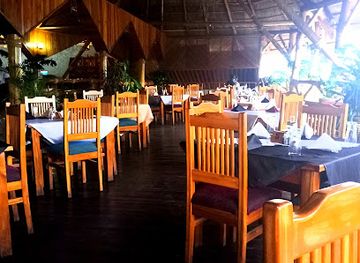
Eating in Buyenzi is primarily a local, informal experience rather than a destination fine-dining scene. Small eateries and street-side sellers may offer Burundian staples based on rice, beans, plantain, cassava, sweet potatoes and seasonal vegetables, while grilled meat and other quick dishes are common across Bujumbura. Lake Tanganyika contributes fish to the capital’s food culture, though availability and preparation vary by establishment. Tea, coffee and soft drinks are widely encountered, and visitors may also find regional East African influences in the use of spices, grilled foods and simple shared meals. Hygiene standards vary, so choose busy premises with good food turnover, eat food served hot and use treated or bottled water. More formal restaurants and international menus are concentrated elsewhere in Bujumbura, beyond Buyenzi itself. Markets and small food businesses provide a better sense of everyday local eating than a search for branded restaurants, but menus, prices and operating arrangements can change quickly.
-
Restaurant
Zion Beach
Experience delectable cuisine and breathtaking views at Zion Beach in Bujumbura - where every meal feels like a celebration.
-
Restaurant
Zanzi
Experience the rich culinary heritage of Burundi at Zanzi Restaurant in Bujumbura – where every meal tells a story.
-
Restaurant
Belvedere Restaurant
Experience exquisite cuisine and stunning views at Belvedere Restaurant in Bujumbura – a must-visit for every traveler.
-
Restaurant
Restaurant Chez Orphée
Experience the essence of Burundian cuisine at Restaurant Chez Orphée in Bujumbura - where local flavors meet warm hospitality.

Best bars in Buyenzi
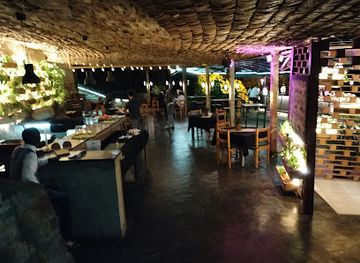
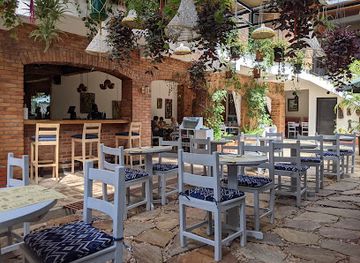
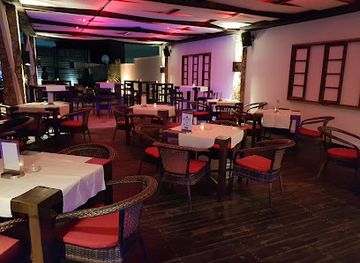
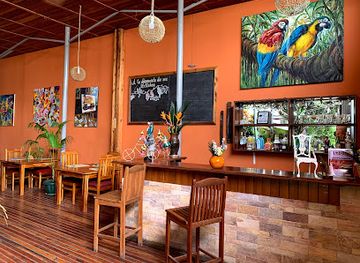
Buyenzi is not principally a nightclub district, and evening life is more closely associated with neighbourhood restaurants, small bars, conversation and everyday social activity than with a concentrated entertainment strip. Larger and more formal nightlife options are generally found in other parts of Bujumbura, particularly around established hotel, restaurant and central commercial areas outside the quarter. In Buyenzi, visitors should avoid assuming that a busy daytime street remains suitable for leisure after dark, since trading patterns, transport and security conditions change. If going out in the evening, use a trusted local recommendation, arrange return transport in advance and check whether a venue is operating that day. Alcohol is not necessary to experience the district’s culture; daytime commerce, food and community activity offer a more representative introduction to Buyenzi.
-
Restaurant
Arena Restaurant Lounge Bar
Discover the vibrant taste of Burundi at Arena Restaurant Lounge Bar, where exquisite cuisine meets a lively atmosphere in Bujumbura.
-
Restaurant
Vinothèque ZILLIKEN
Discover an exquisite wine selection and gourmet dining at Vinothèque ZILLIKEN in the heart of Bujumbura, where every sip and bite is a celebration.
-
Night club
TOXIC Night Club
Discover the electrifying atmosphere of TOXIC Night Club in Bujumbura, a must-visit destination for an unforgettable nightlife experience.
-
Bar
Beirut restaurant & lounge bar Bujumbura
Discover the vibrant nightlife of Bujumbura at the Bujumbura Restaurant & Lounge Bar, where local charm meets a lively atmosphere.
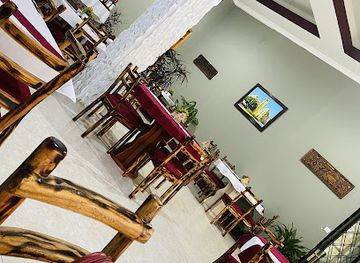
Best nightclubs in Buyenzi
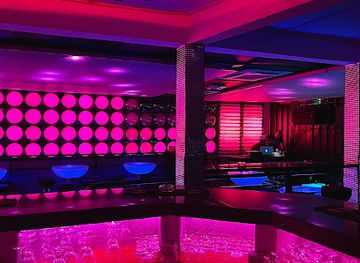
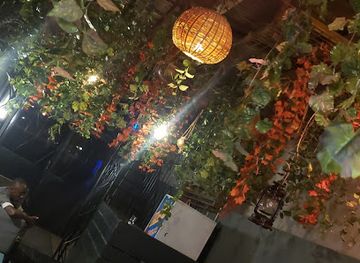
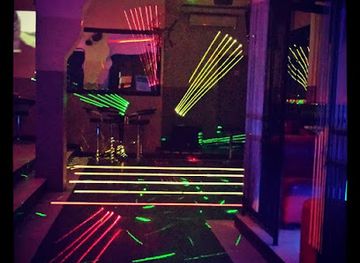
Buyenzi is not principally a nightclub district, and evening life is more closely associated with neighbourhood restaurants, small bars, conversation and everyday social activity than with a concentrated entertainment strip. Larger and more formal nightlife options are generally found in other parts of Bujumbura, particularly around established hotel, restaurant and central commercial areas outside the quarter. In Buyenzi, visitors should avoid assuming that a busy daytime street remains suitable for leisure after dark, since trading patterns, transport and security conditions change. If going out in the evening, use a trusted local recommendation, arrange return transport in advance and check whether a venue is operating that day. Alcohol is not necessary to experience the district’s culture; daytime commerce, food and community activity offer a more representative introduction to Buyenzi.
-
Night club
TOXIC Night Club
Unleash your nightlife spirit at TOXIC Night Club, Bujumbura's hottest venue for music, dance, and unforgettable experiences.
-
Lounge
Blue Club Night-club
Discover the vibrant nightlife of Bujumbura at Blue Club Night-club, where music, dance, and culture blend seamlessly for an unforgettable evening.
-
Night club
Le Crystal
Discover the pulsating nightlife at Le Crystal, Bujumbura's premier night club, where music and dance unite in an unforgettable experience.
-
Night club
MALIBU.BUJA
Discover the vibrant nightlife of Bujumbura at MALIBU.BUJA, a top night club and bar & grill offering great food, drinks, and dancing.

Best shops in Buyenzi
Shopping in Buyenzi centres on everyday commerce rather than souvenir retail. Small shops, market-style stalls, wholesalers, tailors, repair businesses and food sellers serve local residents and traders, creating a practical commercial environment with limited formal tourist infrastructure. Visitors may find Burundian coffee, tea, dried foods, textiles, clothing and household goods, but quality, provenance and prices should be checked carefully. Bargaining may be possible in some informal settings, while fixed prices are more common in established shops; polite negotiation is preferable to aggressive haggling. For crafts, art and more curated gifts, other areas of Bujumbura may offer a wider choice, although stock and opening arrangements can change. Carry Burundian francs in small denominations, keep purchases discreet and ask before photographing stalls or products. Buyenzi is most useful for understanding how the capital shops and trades on an ordinary day, rather than for a dedicated luxury or handicraft-shopping excursion.
-
Hardware store
ALRAJ
Explore ALRAJ, Bujumbura's premier hardware store for building materials, tools, and expert construction advice.
-
Electronics store
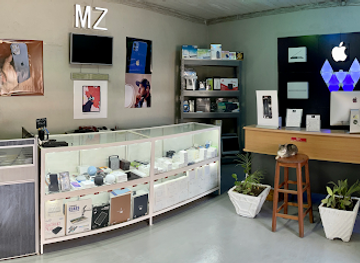
Maison Zarine Burundi
Explore the latest in technology at Maison Zarine, Bujumbura's premier electronics store offering cell phones, accessories, and expert repair services.
-
Market
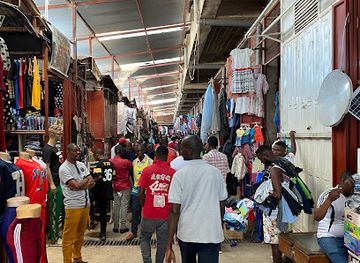
Ruvumera Market of Buyenzi
Discover the vibrant atmosphere and rich cultural heritage at Ruvumera Market in Buyenzi, Bujumbura, a must-visit for every traveler.
-
Grocery store
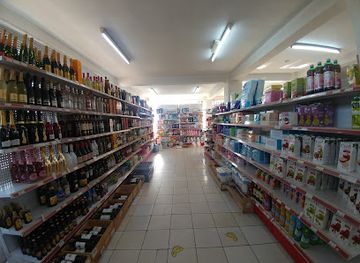
Au Bon Prix
Discover the vibrant flavors of Bujumbura at Au Bon Prix, your local grocery store for fresh produce and authentic Burundian goods.
Get your free copy of our complete guide to Buyenzi, delivered straight to you.
Everything on this page, from attractions and restaurants to essentials and local phrases, in one PDF you can read offline, print or share.
Already have an account? Sign in
Your Buyenzi guide is ready.
We'll send it to · Not you? Sign out

Getting your guide ready…
We are putting together a fresh copy of the Buyenzi guide. This can take up to a minute.
This can take a few moments. If your browser asks, choose Allow so the download can start. You'll find the guide in your Downloads folder.
Nothing happened? Download it again
Sorry, the guide is taking longer than usual. Please try again in a minute, or get it by email instead.
Buyenzi essentials
Currency and Payment
Safety
Emergency Situations
Do's and Don'ts
Local Tips
From Eve
Local phrases worth knowing
You don't need to get them perfect. A few words go a long way, and locals appreciate the effort.
Basics
| English | Local | Say it |
|---|---|---|
| Hello | Ahoj | [Ah-hoj] |
| Goodbye | N'ibuka | [N'ee-boo-kah] |
| Yes | Yego | [Yay-go] |
| No | Oya | [Oh-yah] |
| Please/You're welcome | Murakoze | [Moo-rah-koh-zeh] |
| Thank you | Urakoze | [Oo-rah-koh-zeh] |
| Excuse me/Sorry | Mbabarira | [Mbah-bah-ree-rah] |
| How are you? | Amakuru yawe? | [Ah-mah-koo-roo yah-weh] |
| Fine. And you? | Ndi neza. Nawe? | [Ndee neh-zah. Nah-weh?] |
| Do you speak English? | Uravuga Icyongereza? | [Oo-rah-voo-gah Ee-chon-geh-rah-zah] |
| I don't understand | Sinumva | [Seen-oom-vah] |
Eating & Drinking
| English | Local | Say it |
|---|---|---|
| I'd like to see the menu, please | Nshaka kubona urutonde rw'ibyo kurya, ndakwinginze | [Nshah-kah koo-boh-nah oo-roo-tone-day roo-ee-byo koo-ryah, n-dah-koo-een-gin-zeh] |
| I don't eat meat | Sinakora inyama | [See-nah-koh-rah ee-nyah-mah] |
| Cheers! | Nishimiye! | [Neesh-ee-mee-yeh] |
| I would like to pay, please | Nshaka kwishyura, ndakwinginze | [Nshah-kah kwee-shee-oo-rah, n-dah-koo-een-gin-zeh] |
Emergencies
| English | Local | Say it |
|---|---|---|
| Help! | Mfasha! | [M-fah-shah] |
| Go away! | Genda kure! | [Gen-dah koo-reh] |
| Call the Police! | Hamagara Polisi! | [Hah-mah-gah-rah Poh-lee-see] |
| Call a doctor! | Hamagara umuganga! | [Hah-mah-gah-rah oo-moo-gah-ngah] |
| I'm lost | Ntaruhuka | [N-tah-roo-hoo-kah] |
| I'm ill | Ndi indwara | [Ndee een-dwah-rah] |
Shopping
| English | Local | Say it |
|---|---|---|
| I'd like to buy... | Nshaka kugura... | [Nshah-kah koo-goo-rah...] |
| I'm just looking | Ndi gusa no kureba | [Ndee goo-sah noh koo-reh-bah] |
| How much is it? | Ni amafaranga angahe? | [Nee ah-mah-fahn-gah ahn-gah-heh] |
| That's too expensive | Bihenda cyane | [Bee-hen-dah chah-neh] |
| Can you lower the price? | Urashobora kugabanya igiciro? | [Oo-rah-shoh-boo-rah koo-gah-bah-nyah ee-gee-roh] |
Time & Numbers
| English | Local | Say it |
|---|---|---|
| What time is it? | Ni isaha angahe? | [Nee ee-sah-hah ahn-gah-heh] |
| It's one o'clock | Ni isaha imwe | [Nee ee-sah-hah eem-weh] |
| Half past (10) | Igihe kirenze (10) | [Ee-gee-heh kee-ren-zeh (10)] |
| Morning | Mu gitondo | [Moo gee-ton-doh] |
| Afternoon | Mu masaha | [Moo mah-sah-hah] |
| Evening | Mu mugoroba | [Moo moo-go-roh-bah] |
| Yesterday | Ejo hashize | [Eh-joh hah-shee-zeh] |
| Today | Uyu munsi | [Oo-yoo moon-sigh] |
| Tomorrow | Ejo hazaza | [Eh-joh hah-zah-zah] |
| 1 | 1 | [1] |
| 2 | 2 | [2] |
| 3 | 3 | [3] |
| 4 | 4 | [4] |
| 5 | 5 | [5] |
| 6 | 6 | [6] |
| 7 | 7 | [7] |
| 8 | 8 | [8] |
| 9 | 9 | [9] |
| 10 | 10 | [10] |
Transport & Directions
| English | Local | Say it |
|---|---|---|
| Where's a/the...? | Aho hantu ...? | [Ah-ho hahn-too ...?] |
| What's the address? | Ni iyi aderesi? | [Nee ee-yee ah-deh-reh-see?] |
| Can you show me (on the map)? | Urashobora kumfasha (ku ikarita)? | [Oo-rah-shoh-boo-rah koom-fah-shah (koo ee-kah-ree-tah)?] |
| When's the next (bus)? | Ni ryari (bisi) ikurikira? | [Nee ree-yah-ree (bee-see) ee-koo-ree-kee-rah?] |
| A ticket (to ....) | Itike (ku ...) | [Ee-tee-keh (koo ...)] |
History of Buyenzi
Early settlement around Lake Tanganyika
The wider Bujumbura plain has long benefited from its position beside Lake Tanganyika and near routes linking the lake with the interior highlands. Farming, fishing and exchange shaped settlement before the modern capital developed. Buyenzi’s present streetscape is urban and relatively recent, but its commercial importance reflects the older geographical role of the lakeside plain as a meeting point between communities and trading routes. The lake also connected the area to wider networks reaching present-day Tanzania, the eastern Congo region and other parts of the Great Lakes world.
Colonial-era growth of Usumbura
Modern Bujumbura expanded during the colonial period, when it was known as Usumbura and served as an administrative and transport centre on Lake Tanganyika. Belgian rule imposed new systems of administration, land use and urban planning, while African commercial and residential quarters developed alongside official districts. Buyenzi belongs to this broader history of African urban growth: its importance emerged from the expansion of everyday commerce and housing close to the colonial town rather than from the monumental administrative architecture associated with the central city.
A crossroads of lake-region commerce
During the twentieth century, Bujumbura became an important distribution centre for goods moving between the lake, the capital and inland Burundi. Neighbourhoods such as Buyenzi were closely connected to this economy through retail, food distribution, transport services and small workshops. The quarter’s commercial identity was also influenced by regional connections across the lake and by the presence of Muslim and Swahili-speaking communities in Bujumbura. These links helped give Buyenzi a character distinct from the more formal government and diplomatic areas of the capital.
Independence and the changing capital
Burundi became independent from Belgium in 1962, and Bujumbura developed as the national capital and principal centre of administration, education, trade and transport. Independence brought new institutions and a growing population, while established neighbourhoods continued to absorb commercial activity and new residents. Buyenzi’s streets and businesses should therefore be understood within the wider transformation of Bujumbura from a colonial-era administrative town into the country’s principal urban centre.
Civil conflict and urban resilience
Burundi’s political crises and civil war, particularly from the 1990s into the early twenty-first century, affected Bujumbura deeply. Population displacement, insecurity and economic disruption changed patterns of movement and commerce across the city. Buyenzi, as a densely occupied and commercially active quarter, experienced the pressures affecting urban residents while continuing to support daily trade and essential services. The district’s present-day activity reflects both the endurance of local economic networks and the long-term social consequences of conflict.
Contemporary Bujumbura and administrative change
Bujumbura remains Burundi’s largest commercial city even though Gitega is the political capital. This distinction has not removed Bujumbura’s importance as a centre of business, transport, media and urban culture. Buyenzi continues to function as part of the capital’s central commercial belt, with its identity shaped by dense settlement, small enterprise and links to surrounding neighbourhoods. Recent urban change has brought new construction and shifting trading patterns, but the quarter remains more recognisable through its everyday economic life than through a single historical monument.
Buyenzi in Photos
Browse through our photo collection highlighting the charm and character of the destination.
Neighbouring regions of Buyenzi
The closest regions to Buyenzi, if you have time for more than one.
-

-

-

-

-


Swipe for more regions
Explore more
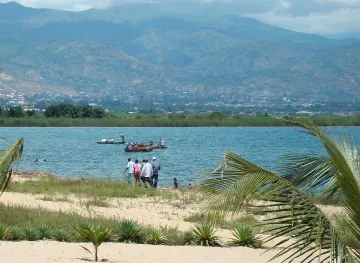
Explore more of Burundi
Discover the hidden gem of Africa: Burundi, a land of stunning landscapes, rich culture, and warm hospitality. Perfect for adventurers and culture enthusiasts alike.
Explore Burundi