

Free Bubanza Travel Guide & Mobile App
Explore Bubanza with free travel guides. Discover regional history, expert tips, proposed trips, and audio guides on web or mobile app.


Discover Bubanza, Burundi's serene province, where lush landscapes, rich cultural heritage, and adventure await amidst tranquil countryside and vibrant local markets.
Read more about Bubanza
Getting to and around Bubanza
How to get there
Transportation
Top city travel guides in Bubanza
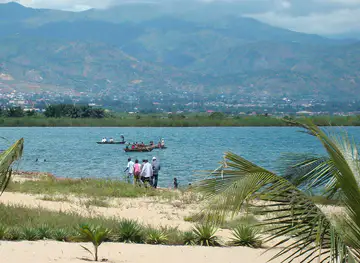
The cities of Bubanza, and the easiest places to base yourself.
-
-


Swipe for more cities
Destinations in Bubanza
Resorts, valleys and scenic spots worth a trip of their own.
-

-

-


Swipe for more destinations
Best attractions in Bubanza
Nestled in the lush landscapes of Burundi, Bubanza offers a captivating blend of natural beauty and rich cultural heritage that is sure to enchant any visitor. The Kibira National Park, a sprawling rainforest teeming with diverse wildlife, provides an unforgettable experience for nature enthusiasts and bird watchers. Visitors can marvel at the scenic beauty of the Ruvubu River, perfect for serene boat rides and picturesque views. The local markets in Bubanza burst with vibrant colors and traditional crafts, offering a glimpse into the daily lives and artistry of Burundian people. For history buffs, the region’s ancient rock paintings and colonial-era architecture tell stories of a tumultuous yet fascinating past. Whether you're hiking through verdant hills, exploring local villages, or simply soaking in the tranquil ambiance, Bubanza promises a unique and enriching adventure.
-
National park
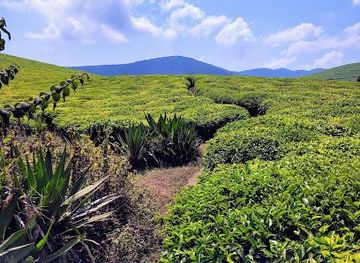
Kibira National Park
Explore the lush rainforests and diverse wildlife of Kibira National Park, a hidden gem in Burundi's natural landscape.
-
Tourist attraction
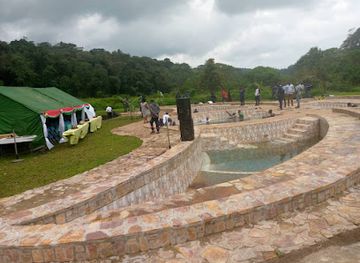
Rwegura Dam Site Area
Experience the serene beauty and natural charm of Rwegura Dam Site Area, a tranquil escape in Burundi perfect for outdoor enthusiasts.
-
Tourist attraction
Eaux thermales KU MAHORO
Rejuvenate in the natural thermal springs of Eaux Thermales KU MAHORO, a serene and therapeutic escape in the heart of Burundi.
-
Tourist attraction
Marre aux hippos
Observe hippos in their natural habitat at Marre aux Hippos, a picturesque wildlife haven in Ninga, Burundi. A must-visit for nature lovers!

Best landmarks in Bubanza
Nestled in the verdant landscapes of Burundi, Bubanza offers an enticing mix of natural beauty and rich cultural history. Visitors can explore the Kibira National Park, a lush expanse of tropical rainforest teeming with exotic wildlife, including chimpanzees and a myriad of bird species. History enthusiasts will be captivated by the remnants of colonial-era architecture and traditional Burundian homesteads that tell tales of the region's storied past. The nearby Rusizi River and its cascading waterfalls provide a serene backdrop for picnics and photography, while the vibrant local markets offer an authentic taste of Burundian culture with their bustling atmosphere and handmade crafts. Whether trekking through scenic trails or immersing oneself in the local traditions, Bubanza promises a unique and unforgettable experience.
-
Zoo
Living Museum (Bujumbura Zoo)
Discover the Living Museum in Bujumbura, where wildlife conservation meets family fun in a beautiful natural setting.
-
Tourist attraction
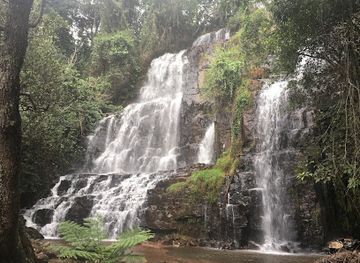
Chutes de la Karera Falls
Discover Burundi's natural beauty at Chutes de la Karera, a stunning series of waterfalls surrounded by lush landscapes and rich cultural history.
-
Tourist attraction
Gishora Drum Sanctuary
Discover the vibrant culture of Burundi at Gishora Drum Sanctuary, where rhythmic traditions and lively performances come alive in a breathtaking setting.
-
Monument
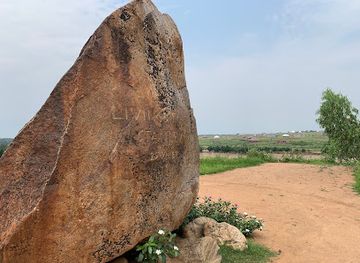
Livingston-Stanley Monument
Discover the Livingston-Stanley Monument, a symbol of exploration and heritage nestled in the picturesque Ramba, Burundi.

Explore Bubanza on the map
Plan your trip on one map. See where the top cities, national parks and sights are, and book hotels and experiences in a few clicks.
Best hotels in Bubanza
Best restaurants in Bubanza
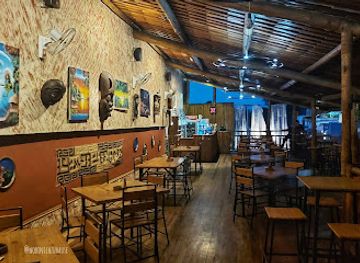
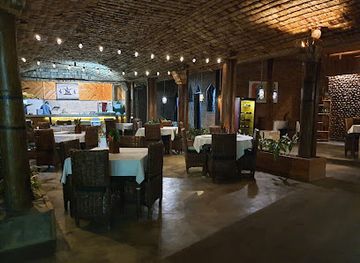
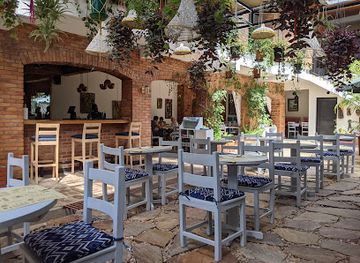
Bubanza's dining scene is a delightful fusion of traditional Burundian flavors and innovative culinary creations, offering travelers an authentic taste of the region. From bustling local markets brimming with fresh produce to charming roadside eateries serving mouth-watering dishes like brochettes (grilled meat skewers) and isombe (cassava leaves cooked in peanut sauce), the town provides a sensory feast for the adventurous palate. Visitors can savor the rich, earthy flavors of locally sourced ingredients, often accompanied by a refreshing glass of locally brewed banana beer or palm wine. For a unique experience, travelers should not miss dining at one of Bubanza's hidden gems, where they can enjoy a meal under the stars in a rustic, open-air setting, surrounded by the tranquil beauty of the Burundian landscape.
-
Italian
Waka Waka
Discover authentic Italian flavors at Waka Waka in Bujumbura – where every meal is a culinary delight!
-
Restaurant
Belvedere Restaurant
Discover exquisite Burundian cuisine and stunning views at Belvedere Restaurant in Bujumbura - a perfect blend of taste and scenery.
-
Restaurant
Restaurant Chez Orphée
Discover the authentic flavors of Burundi at Restaurant Chez Orphée – where exquisite cuisine meets warm hospitality.
-
Restaurant
Eden Garden Resort
Discover the flavors of Burundi at Eden Garden Resort - where exquisite cuisine meets serene natural beauty.

Best bars in Bubanza
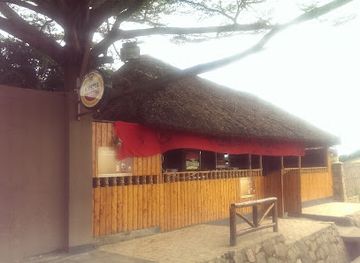
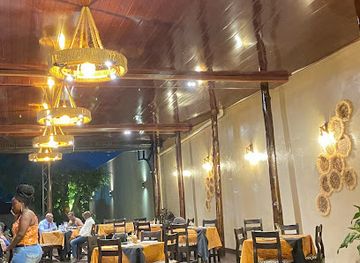
As the sun sets over Bubanza, the town transforms into a vibrant and lively hub, perfect for night owls and culture enthusiasts alike. The nightlife scene here is a colorful tapestry of local culture, with lively bars and nightclubs offering a unique blend of traditional Burundian music and modern beats. Visitors can expect to dance the night away to the rhythms of drumming and the melodious sounds of ikembe, sip on locally brewed Primus beer or exotic cocktails infused with tropical fruits, and immerse themselves in the warm and welcoming atmosphere created by the friendly locals. The streets are lined with bustling night markets where one can indulge in delicious Burundian street food, adding an extra layer of excitement to the nightly escapades. From the intimate, laid-back lounges to the pulsating dance clubs, Bubanza's nightlife promises an unforgettable experience that captures the essence of Burundian hospitality and culture.
-
 Bar
BarAu coin de la diaspora
Discover the lively ambiance of Au coin de la diaspora, a bar in Bujumbura where locals and tourists gather to enjoy drinks and vibrant conversations.
-
Bar
Peace and Love Bar
Discover the vibrant ambiance and refreshing drinks at Peace and Love Bar in Bujumbura, a must-visit destination for every traveler.
-
Bar
Kumutwenzi Bar
Experience the vibrant ambiance of Kumutwenzi Bar in Bujumbura, where refreshing drinks and lively conversations meet local culture.
-
Bar
Le Baron
Discover the vibrant nightlife of Bujumbura at Le Baron, a bar that blends local charm with international flair for an unforgettable experience.
Best nightclubs in Bubanza
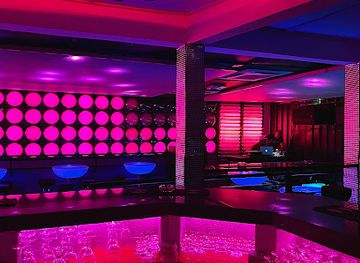
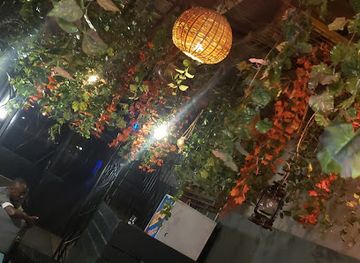
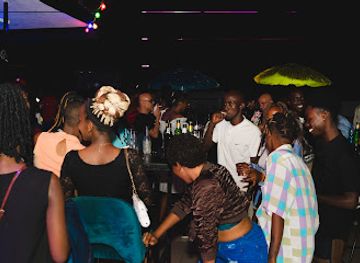
As the sun sets over Bubanza, the town transforms into a vibrant and lively hub, perfect for night owls and culture enthusiasts alike. The nightlife scene here is a colorful tapestry of local culture, with lively bars and nightclubs offering a unique blend of traditional Burundian music and modern beats. Visitors can expect to dance the night away to the rhythms of drumming and the melodious sounds of ikembe, sip on locally brewed Primus beer or exotic cocktails infused with tropical fruits, and immerse themselves in the warm and welcoming atmosphere created by the friendly locals. The streets are lined with bustling night markets where one can indulge in delicious Burundian street food, adding an extra layer of excitement to the nightly escapades. From the intimate, laid-back lounges to the pulsating dance clubs, Bubanza's nightlife promises an unforgettable experience that captures the essence of Burundian hospitality and culture.
-
Night club
TOXIC Night Club
Discover the electrifying nightlife at TOXIC Night Club in Bujumbura - where music, dancing, and unforgettable memories come alive.
-
Lounge
Blue Club Night-club
Discover the lively atmosphere of Blue Club Night-club in Bujumbura, where unforgettable nights filled with music and dance await you.
-
Night club
Le Crystal
Discover the energetic nightlife of Bujumbura at Le Crystal, where music, dance, and vibrant company come together for an unforgettable experience.
-
Night club
MALIBU.BUJA
Discover the heartbeat of Bujumbura's nightlife at MALIBU.BUJA, where great music and delicious food come together for unforgettable nights.

Best shops in Bubanza
Bubanza's shopping scene is a vibrant tapestry of local culture and tradition, offering visitors a unique glimpse into the daily lives of its residents. The bustling markets are the heart of commerce, where you can find everything from fresh produce and aromatic spices to intricately woven baskets and hand-carved wooden crafts. Street vendors line the roads, selling colorful fabrics, traditional clothing, and an array of handcrafted jewelry that reflect the rich Burundian heritage. Small shops and stalls also showcase a variety of local delicacies and artisanal goods, making it an exciting destination for those looking to bring home a piece of Bubanza's charm.
-
Electronics store
Maison Zarine Burundi
Discover the best in electronics at Maison Zarine Burundi, your go-to store for gadgets and tech accessories in Bujumbura.
-
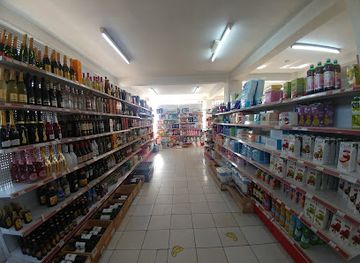
Grocery store
Au Bon Prix
Explore the vibrant flavors of Burundi at Au Bon Prix, a must-visit grocery store in the heart of Bujumbura.
-
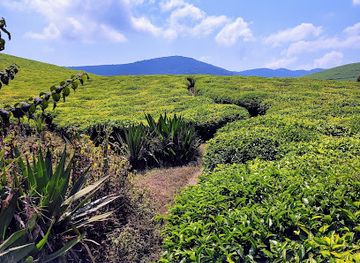
Tourist attraction
Kibira National Park
Explore Kibira National Park, Burundi's lush haven of biodiversity, where breathtaking landscapes and vibrant wildlife await every adventurer.
-
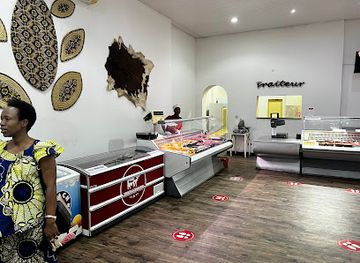
Butcher shop deli
Boucherie Nouvelle
Discover Bujumbura's culinary gem at Boucherie Nouvelle, your go-to butcher shop deli for high-quality meats and local flavors.

Get your free copy of our complete guide to Bubanza, delivered straight to you.
Everything on this page, from attractions and restaurants to essentials and local phrases, in one PDF you can read offline, print or share.
Already have an account? Sign in
Your Bubanza guide is ready.
We'll send it to · Not you? Sign out

Getting your guide ready…
We are putting together a fresh copy of the Bubanza guide. This can take up to a minute.
This can take a few moments. If your browser asks, choose Allow so the download can start. You'll find the guide in your Downloads folder.
Nothing happened? Download it again
Sorry, the guide is taking longer than usual. Please try again in a minute, or get it by email instead.
Bubanza essentials
Currency and Payment
Safety
Emergency Situations
Do's and Don'ts
Local Tips
From Eve
Local phrases worth knowing
You don't need to get them perfect. A few words go a long way, and locals appreciate the effort.
Basics
| English | Local | Say it |
|---|---|---|
| Hello | Naki | [Nah-kee] |
| Goodbye | Murabeho | [Moo-rah-beh-ho] |
| Yes | Yego | [Yay-go] |
| No | Oya | [Oh-yah] |
| Please/You're welcome | Ndagushima | [Nda-goo-shee-ma] |
| Thank you | Urakoze | [Oo-rah-koh-zeh] |
| Excuse me/Sorry | Mbabarira | [Mbah-bah-ree-rah] |
| How are you? | Umeze gute? | [Oo-meh-zeh goo-teh] |
| Fine. And you? | Meze neza. Nawe? | [Meh-zeh neh-zah. Nah-weh?] |
| Do you speak English? | Uravuga icyongereza? | [Oo-rah-vuh-gah ee-choh-neh-reh-zah] |
| I don't understand | Sinumva | [See-noom-vah] |
Eating & Drinking
| English | Local | Say it |
|---|---|---|
| I'd like to see the menu, please | Ndagira ngo ndebe menu, ndakwinginze | [Nda-gee-rah ngo n-deh-beh meh-noo, nda-kwee-gin-zeh] |
| I don't eat meat | Sinarya inyama | [See-nah-ree-ah een-yah-mah] |
| Cheers! | Nishimiye! | [Nee-shee-mee-yeh] |
| I would like to pay, please | Ndagira ngo nishure, ndakwinginze | [Nda-gee-rah ngo nee-shoo-reh, nda-kwee-gin-zeh] |
Emergencies
| English | Local | Say it |
|---|---|---|
| Help! | Fasha! | [Fah-shah] |
| Go away! | Henda! | [Hen-dah] |
| Call the Police! | Tanga polisi! | [Tah-ngah poh-lee-see] |
| Call a doctor! | Tanga umuganga! | [Tah-ngah oo-moo-gah-ngah] |
| I'm lost | Ndi mu mwijima | [Ndee moo mwee-jee-mah] |
| I'm ill | Ndi indwara | [Ndee een-dwah-rah] |
Shopping
| English | Local | Say it |
|---|---|---|
| I'd like to buy... | Ndagira kugura... | [Nda-gee-rah koo-goo-rah] |
| I'm just looking | Ndi gusa nreba | [Ndee goo-sah n-reh-bah] |
| How much is it? | Ni angahe? | [Nee ahn-gah-heh] |
| That's too expensive | Birahenze cane | [Bee-rah-hen-zeh cah-neh] |
| Can you lower the price? | Urashobora kugabanya igiciro? | [Oo-rah-sho-boh-rah koo-gah-bah-nyah ee-gee-roh] |
Time & Numbers
| English | Local | Say it |
|---|---|---|
| What time is it? | Igihe kingana iki? | [Ee-gee-heh keen-gah-nah ee-kee] |
| It's one o'clock | Ni isaha imwe | [Nee ee-sah-hah eem-weh] |
| Half past (10) | Isaha icumi na hafu | [Ee-sah-hah ee-choo-mee nah hah-foo] |
| Morning | Mu gitondo | [Moo gee-ton-doe] |
| Afternoon | Mu masaha ya nyuma | [Moo mah-sah-hah yah nyoo-mah] |
| Evening | Mu mugoroba | [Moo moo-goh-roh-bah] |
| Yesterday | Ejo hashize | [Eh-jo hah-shee-zeh] |
| Today | Uyu munsi | [Oo-yoo moon-see] |
| Tomorrow | Ejo hazaza | [Eh-jo hah-zah-zah] |
| 1 | 1 | [1] |
| 2 | 2 | [2] |
| 3 | 3 | [3] |
| 4 | 4 | [4] |
| 5 | 5 | [5] |
| 6 | 6 | [6] |
| 7 | 7 | [7] |
| 8 | 8 | [8] |
| 9 | 9 | [9] |
| 10 | 10 | [10] |
Transport & Directions
| English | Local | Say it |
|---|---|---|
| Where's a/the...? | Aho hantu...? | [Ah-hoh hahn-too] |
| What's the address? | Ni iyi adresse? | [Nee ee-yee ah-dress] |
| Can you show me (on the map)? | Urashobora kumfasha (ku ikarita)? | [Oo-rah-sho-boh-rah koom-fah-shah (koo ee-kah-ree-tah)] |
| When's the next (bus)? | Igihe bus ikurikira? | [Ee-gee-heh boos ee-koo-ree-kee-rah] |
| A ticket (to ....) | Itike (ku ...) | [Ee-tee-keh (koo ...)] |
History of Bubanza
Early Settlement and Indigenous Tribes
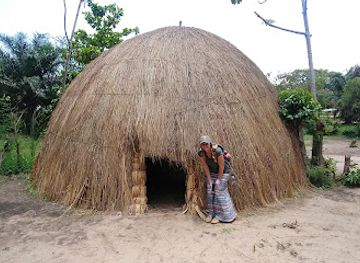
Bubanza, situated in the northwestern region of Burundi, has been inhabited by various indigenous tribes for centuries. The region's fertile soil and strategic location near the Kibira National Park made it an attractive settlement area for the Hutu and Tutsi tribes. These tribes engaged in agriculture, hunting, and trade, laying the foundation for the rich cultural tapestry that defines Bubanza today.
Colonial Period and German Rule
In the late 19th century, Bubanza, along with the rest of Burundi, came under German colonial rule. This period saw the introduction of European administrative practices and infrastructure development. Although the German presence was relatively short-lived, it left a lasting impact on the region's social and economic structures.
Belgian Mandate and Agricultural Development
Following Germany's defeat in World War I, Burundi was placed under Belgian mandate. The Belgian administration focused heavily on agricultural development in Bubanza, introducing cash crops like coffee and tea. This period also saw the construction of roads and schools, which facilitated greater integration of Bubanza into the colonial economy and educational system.
Independence and Political Turmoil
Bubanza, like the rest of Burundi, gained independence from Belgian rule in 1962. The post-independence era was marked by political instability and ethnic tensions between the Hutu and Tutsi communities. Bubanza witnessed several episodes of violence and upheaval, which have shaped its modern history and societal dynamics.
Civil War and Reconciliation
The Burundian Civil War (1993-2005) had a profound impact on Bubanza, leading to significant loss of life and displacement. The region has since been a focal point for national reconciliation efforts. Various local and international organizations have worked to rebuild infrastructure, promote peace, and foster community development. These efforts have helped Bubanza to gradually recover and move towards a more stable future.
Cultural Heritage and Traditions
Despite the challenges of its past, Bubanza boasts a rich cultural heritage. Traditional music, dance, and crafts are integral parts of daily life. The region is also known for its vibrant festivals, which celebrate the agricultural calendar and historical events. Visitors to Bubanza can experience the warmth and resilience of its people through these cultural expressions.
Bubanza in Photos
Browse through our photo collection highlighting the charm and character of the destination.
Neighbouring regions of Bubanza
The closest regions to Bubanza, if you have time for more than one.
-

-

-

-

-


Swipe for more regions
Explore more
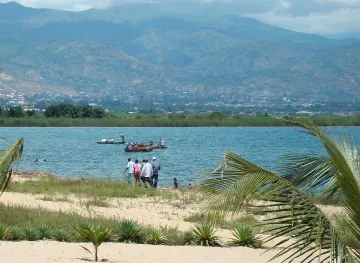
Explore more of Burundi
Discover the hidden gem of Africa: Burundi, a land of stunning landscapes, rich culture, and warm hospitality. Perfect for adventurers and culture enthusiasts alike.
Explore Burundi