

Free Imbo Plain Travel Guide & Mobile App
Explore Imbo Plain with free travel guides. Discover regional history, expert tips, proposed trips, and audio guides on web or mobile app.


Explore Imbo Plain for Bujumbura’s lakeside culture, Rusizi wetlands, Lake Tanganyika beaches, rural landscapes and Burundian food traditions.
Read more about Imbo Plain
When is the best time to visit Imbo Plain?
Best: July–September · 25–26°C| Month | High (°C) | Rainfall (mm) |
|---|---|---|
| January | 28 | 100 |
| February | 28 | 110 |
| March | 27 | 150 |
| April | 27 | 200 |
| May | 27 | 160 |
| June | 26 | 70 |
| July (best) | 25 | 20 |
| August (best) | 26 | 20 |
| September (best) | 26 | 40 |
| October | 27 | 90 |
| November | 27 | 150 |
| December | 28 | 200 |
Getting to and around Imbo Plain
How to get there
Transportation
Top city travel guides in Imbo Plain
The cities of Imbo Plain, and the easiest places to base yourself.
-
-


Swipe for more cities
Destinations in Imbo Plain
Resorts, valleys and scenic spots worth a trip of their own.

Swipe for more destinations
Best attractions in Imbo Plain
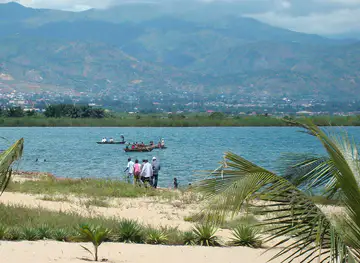
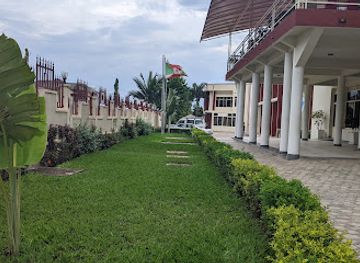
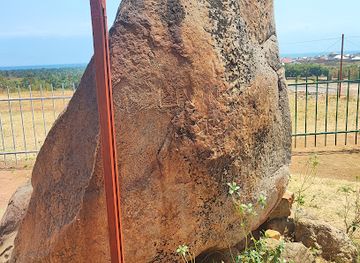
The Imbo Plain’s attractions are concentrated around Bujumbura, Lake Tanganyika and the Rusizi valley. In the city, visitors can explore markets, cultural spaces, places of worship, colonial-era streetscapes and the lakeside areas that form part of everyday leisure. Saga Beach and other waterfront locations are used for relaxation, although visitors should check local advice about swimming and water conditions. North of Bujumbura, Rusizi National Park protects wetlands and riverine habitats where guided visits may reveal hippopotamuses, crocodiles and abundant birdlife. The southern lakeshore offers a slower journey through fishing communities, cultivated lowlands and open views across Lake Tanganyika, with the Livingstone–Stanley Monument near Mugere as a notable historical stop. Rural excursions also provide insight into irrigation, farming and the relationship between settlements and the plain’s waterways. Activities are generally more focused on landscapes, wildlife observation, cultural encounters and local life than on a large concentration of purpose-built visitor facilities, so arrangements and realistic travel times matter.
-
Tourist attraction
Livingston-Stanley Monument
Explore the Livingston-Stanley Monument in Gakungwe, a significant tribute to exploration and a gateway to Burundi's rich cultural heritage.
-
 Tourist attraction
Nyarumanga
Discover the natural beauty and cultural richness of Nyarumanga in Uvira, a serene escape for adventure and tranquility seekers.
Best landmarks in Imbo Plain
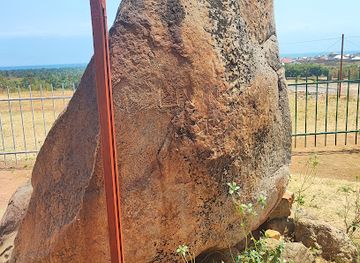
Bujumbura’s urban landmarks reflect the Imbo Plain’s role as Burundi’s principal colonial and post-independence centre. The city’s older administrative and civic buildings, broad avenues and surviving colonial-era structures illustrate its development from German station to Belgian colonial capital and then national metropolis, although the urban fabric is continually changing. On the northern edge of the plain, the Rusizi River and its wetlands are landmarks of geography as well as conservation, marking the transition between cultivated lowland, river channels and Lake Tanganyika’s basin. The Livingstone–Stanley Monument near Mugere, south of Bujumbura, commemorates the reputed 1871 meeting of David Livingstone and Henry Morton Stanley and connects the lakeshore with the era of European exploration. Lake Tanganyika itself is the region’s defining natural landmark: its immense surface, shifting light and mountainous eastern backdrop give the plain its clearest visual identity. These sites are best understood in relation to the region’s waterways, transport routes and settlements rather than as isolated monuments.
-
Zoo
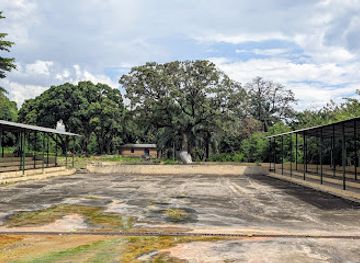
Living Museum (Bujumbura Zoo)
Explore the Living Museum in Bujumbura Zoo, a vibrant wildlife sanctuary offering a glimpse into Burundi's rich biodiversity.
-
Tour operator
Gisabo Tours
Experience the beauty and culture of Burundi with Gisabo Tours, your trusted travel partner in Bujumbura.
-
Conference center
King's Conference Center
Explore the King's Conference Center in Bujumbura, a prime venue for events, community gatherings, and exceptional culinary experiences.
-
Tourist attraction
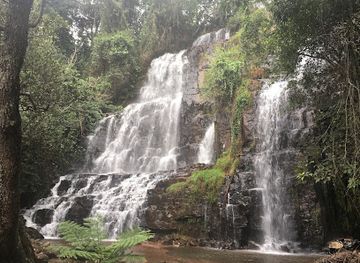
Chutes de la Karera Falls
Explore the stunning Chutes de la Karera Falls in Burundi, a breathtaking natural wonder perfect for nature lovers and adventurers alike.
Explore Imbo Plain on the map
Plan your trip on one map. See where the top cities, national parks and sights are, and book hotels and experiences in a few clicks.
Best hotels in Imbo Plain
Best restaurants in Imbo Plain
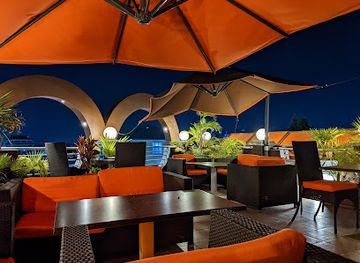
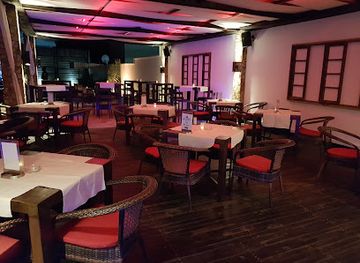
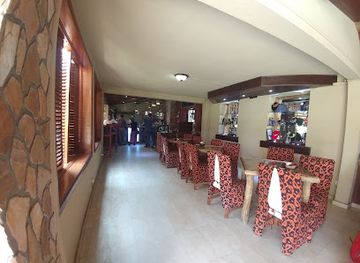
Dining on the Imbo Plain reflects Burundi’s lakeside location, farming economy and urban diversity. In Bujumbura, restaurants, cafés and hotel dining rooms provide the broadest choice, ranging from Burundian cooking to regional African and international dishes. Freshwater fish from Lake Tanganyika is an important local option, while beans, plantains, cassava, rice, sweet potatoes and seasonal vegetables form the basis of many everyday meals. Grilled meat, simple broths and rice or plantain accompaniments are widely encountered, and tea and coffee connect the city’s food culture with Burundi’s better-known agricultural exports, even though much of their cultivation takes place in other regions. Markets are useful for seeing fruit, vegetables and staple foods, while lakeside and roadside eateries may offer straightforward grilled dishes. Standards and menus vary outside the city, so carry water, choose busy and well-kept establishments, and ask about preparation when buying food during rural excursions.
-
Restaurant
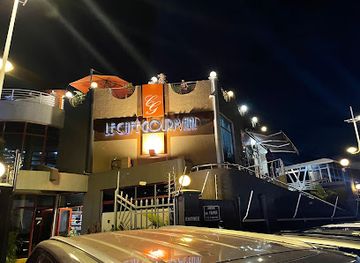
Le Café Gourmand
Discover the flavors of Burundi at Le Café Gourmand – where every dish tells a story in the heart of Bujumbura.
-
Restaurant
Arena Restaurant Lounge Bar
Discover the vibrant culinary scene at Arena Restaurant Lounge Bar in Bujumbura – where local flavors meet international cuisine.
-
Italian
Waka Waka
Experience authentic Italian cuisine at Waka Waka in Bujumbura – a must-visit for food lovers exploring Burundi's vibrant culinary scene.
-
Restaurant
Vinothèque ZILLIKEN
Experience exquisite wines and delightful cuisine at Vinothèque ZILLIKEN, Bujumbura's top wine bar and restaurant.
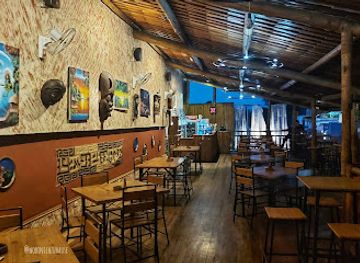

Best bars in Imbo Plain
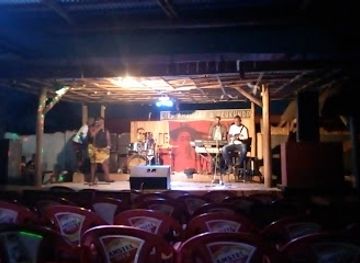
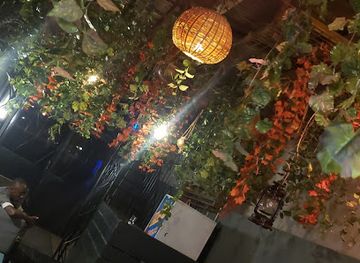
Evening life on the Imbo Plain is centred on Bujumbura, where hotel lounges, cafés, restaurants, traditional pubs and music venues provide more choice than in the surrounding rural districts. The city’s lakeside position contributes to a relaxed social scene, with some establishments oriented towards the waterfront and others concentrated in commercial and residential neighbourhoods. Live music and locally popular dancing may feature at selected venues, but programmes and opening arrangements change, so local recommendations are more dependable than fixed assumptions. Outside Bujumbura, evenings are generally quieter and revolve around restaurants, small bars and community life rather than a substantial nightclub circuit. Drink responsibly, use trusted transport after dark and respect local residents, particularly near beaches, villages and religious buildings.
-
Restaurant
Arena Restaurant Lounge Bar
Savor the best of Burundian and international cuisine at Arena Restaurant Lounge Bar in the vibrant city of Bujumbura, your ideal dining destination.
-
Grill
Harrys Grill House
Experience authentic Burundian barbecue at Harry's Grill House, where every dish is a celebration of flavor in a vibrant setting.
-
Bar
Flamboyant Gardens
Experience the enchanting Flamboyant Gardens in Bujumbura, where vibrant nature meets exquisite dining and nightlife.
-
Night club
TOXIC Night Club
Discover the pulse of Bujumbura's nightlife at TOXIC Night Club, where music, dance, and culture converge for an unforgettable experience.
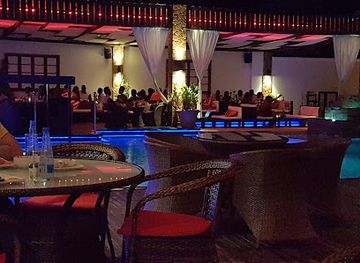
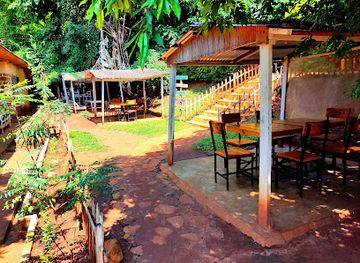
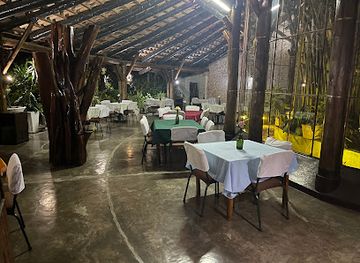

Best nightclubs in Imbo Plain
Evening life on the Imbo Plain is centred on Bujumbura, where hotel lounges, cafés, restaurants, traditional pubs and music venues provide more choice than in the surrounding rural districts. The city’s lakeside position contributes to a relaxed social scene, with some establishments oriented towards the waterfront and others concentrated in commercial and residential neighbourhoods. Live music and locally popular dancing may feature at selected venues, but programmes and opening arrangements change, so local recommendations are more dependable than fixed assumptions. Outside Bujumbura, evenings are generally quieter and revolve around restaurants, small bars and community life rather than a substantial nightclub circuit. Drink responsibly, use trusted transport after dark and respect local residents, particularly near beaches, villages and religious buildings.
-
Night club
TOXIC Night Club
Discover the vibrant nightlife of Bujumbura at TOXIC Night Club, where pulsating music and electrifying energy await every night.
-
Bar
Peace and Love Bar
Discover the lively ambiance and local flavors at Peace and Love Bar, a must-visit hotspot in Bujumbura's nightlife scene.
-
Lounge
Blue Club Night-club
Discover the energetic nightlife at Blue Club Night-club, a must-visit lounge in Bujumbura for an unforgettable experience filled with music and dance.
-
Night club
Le Crystal
Discover the vibrant nightlife at Le Crystal, Bujumbura's premier nightclub offering an electrifying atmosphere and unforgettable music.


Best shops in Imbo Plain
Bujumbura offers the Imbo Plain’s widest shopping choice, with central markets, neighbourhood shops, supermarkets, craft sellers and small galleries supplying residents and visitors. Markets are useful for fresh produce from the lowlands, including fruit, vegetables, beans and other staples, while food shops may stock Burundian coffee, tea and locally produced goods. Craft purchases can include woven articles, baskets, carved objects, textiles and decorative items, although quality and provenance vary; ask politely about prices and seek permission before photographing stalls. Outside the city, shopping is mainly practical, with roadside produce, fish and small village markets rather than dedicated souvenir centres. Travellers should carry cash in Burundian francs and check whether an item is genuinely local, especially when buying crafts or agricultural products. The best purchases are generally portable foods, small handmade objects and goods whose maker or community can be identified.
-
Cafe
Le Café Gourmand
Experience the delightful flavors of Bujumbura at Le Café Gourmand, where fresh pastries and aromatic coffee await you.
-
Cafe
Bujacafe
Experience the charm of Bujacafe in Bujumbura—your go-to spot for local coffee, delicious pastries, and a warm atmosphere.
-
Coffee shop
Amahoro Cafe
Experience the essence of Burundian coffee culture at Amahoro Cafe in Bujumbura, a perfect retreat for coffee lovers and travelers.
-
Tourist attraction
Livingston-Stanley Monument
Explore the Livingston-Stanley Monument, a historical tribute to the explorers' legacy in the heart of Burundi's stunning landscapes.
Get your free copy of our complete guide to Imbo Plain, delivered straight to you.
Everything on this page, from attractions and restaurants to essentials and local phrases, in one PDF you can read offline, print or share.
Already have an account? Sign in
Your Imbo Plain guide is ready.
We'll send it to · Not you? Sign out

Getting your guide ready…
We are putting together a fresh copy of the Imbo Plain guide. This can take up to a minute.
This can take a few moments. If your browser asks, choose Allow so the download can start. You'll find the guide in your Downloads folder.
Nothing happened? Download it again
Sorry, the guide is taking longer than usual. Please try again in a minute, or get it by email instead.
Imbo Plain essentials
Currency and Payment
Safety
Emergency Situations
Do's and Don'ts
Local Tips
From Eve
Local phrases worth knowing
You don't need to get them perfect. A few words go a long way, and locals appreciate the effort.
Basics
| English | Local | Say it |
|---|---|---|
| Hello | Njahwe | [Njah-weh] |
| Goodbye | Ntakubona | [Nta-ku-bo-na] |
| Yes | Yego | [Ye-go] |
| No | Oya | [O-ya] |
| Please/You’re welcome | Ndagukunda | [Nda-gu-kun-da] |
| Thank you | Urakoze | [U-ra-ko-ze] |
| Excuse me/Sorry | Mbabarira | [Mba-ba-ri-ra] |
| How are you? | Amakuru yawe? | [A-ma-ku-ru ya-we] |
| Fine. And you? | Neza. Na wewe? | [Ne-za. Na we-we] |
| Do you speak English? | Uravuga icyongereza? | [U-ra-vu-ga i-cyon-ge-re-za] |
| I don't understand | Sinumva | [Si-num-va] |
Eating & Drinking
| English | Local | Say it |
|---|---|---|
| I’d like to see the menu, please | Nashaka kureba menu, ndakwinginze | [Na-sha-ka ku-re-ba me-nu, nda-kwi-gin-ze] |
| I don't eat meat | Sinarya inyama | [Si-na-rya i-nya-ma] |
| Cheers! | Nishimwe! | [Ni-shim-we] |
| I would like to pay, please | Nashaka kwishyura, ndakwinginze | [Na-sha-ka kwi-shyu-ra, nda-kwi-gin-ze] |
Emergencies
| English | Local | Say it |
|---|---|---|
| Help! | Mfungure! | [Mfun-gu-re] |
| Go away! | Genda kure! | [Gen-da ku-re] |
| Call the Police! | Hamagarira polisi! | [Ha-ma-ga-ri-ra po-li-si] |
| Call a doctor! | Hamagarira umuganga! | [Ha-ma-ga-ri-ra u-mu-gan-ga] |
| I’m lost | Ndarenganye | [Nda-re-ngan-ye] |
| I’m ill | Ndi mu kaga | [Ndi mu ka-ga] |
Shopping
| English | Local | Say it |
|---|---|---|
| I’d like to buy... | Nashaka kugura... | [Na-sha-ka ku-gu-ra] |
| I’m just looking | Ndi kureba gusa | [Ndi ku-re-ba gu-sa] |
| How much is it? | Ni angahe? | [Ni an-ga-he] |
| That’s too expensive | Birahenze cane | [Bi-ra-hen-ze ca-ne] |
| Can you lower the price? | Ushobora kugabanya igiciro? | [U-sho-bo-ra ku-ga-ba-nya i-gi-ci-ro] |
Time & Numbers
| English | Local | Say it |
|---|---|---|
| What time is it? | Isaha ni iyihe? | [I-sa-ha ni i-yi-he] |
| It’s one o'clock | Isaha imwe | [I-sa-ha im-we] |
| Half past (10) | Ihagarara icumi | [I-ha-ga-ra-ra i-cu-mi] |
| Morning | Mu gitondo | [Mu gi-ton-do] |
| Afternoon | Mu masaha y’ijoro | [Mu ma-sa-ha y-i-jo-ro] |
| Evening | Mu mugoroba | [Mu mu-go-ro-ba] |
| Yesterday | Ejo hashize | [E-jo ha-shi-ze] |
| Today | Ubu | [U-bu] |
| Tomorrow | Ejo hazaza | [E-jo ha-za-za] |
| 1 | 1 | [1] |
| 2 | 2 | [2] |
| 3 | 3 | [3] |
| 4 | 4 | [4] |
| 5 | 5 | [5] |
| 6 | 6 | [6] |
| 7 | 7 | [7] |
| 8 | 8 | [8] |
| 9 | 9 | [9] |
| 10 | 10 | [10] |
Transport & Directions
| English | Local | Say it |
|---|---|---|
| Where's a/the...? | Iri hehe...? | [I-ri he-he] |
| What’s the address? | Ni iyihe aderesi? | [Ni i-yi-he a-de-re-si] |
| Can you show me (on the map)? | Ushobora kumfasha (ku karita)? | [U-sho-bo-ra ku-mfa-sha ku ka-ri-ta] |
| When's the next (bus)? | Igihe kizaza (bus)? | [I-gi-he ki-za-za] |
| A ticket (to ....) | Itike (kujya ....) | [I-ti-ke ku-jya] |
History of Imbo Plain
Precolonial Imbo and Lake Tanganyika Networks
Before European colonial rule, the Imbo lowlands formed part of the political and commercial world of the Kingdom of Burundi. The plain’s access to Lake Tanganyika, the Rusizi River and routes towards the interior encouraged movement of people, livestock and goods, while fishing and farming supported communities in an environment distinct from the densely populated highlands. Political authority was expressed through local chiefs and the wider monarchy rather than through a single urban centre. The region’s connections to lake traffic also linked it to wider Central African exchange networks.
German Rule and the Foundation of Usumbura
German colonial authorities established a station at Usumbura in 1897, creating the settlement that later became Bujumbura. Its position beside Lake Tanganyika and near the Rusizi corridor gave it strategic importance for administration, communications and trade. Colonial development altered settlement patterns on the plain, introducing new administrative institutions and transport links while incorporating the area into the German East African system. The town remained relatively small at first, but its lakeside location provided the foundations for the regional urban centre that followed.
Belgian Ruanda-Urundi and Urban Expansion
After the First World War, Belgium administered Ruanda-Urundi under a League of Nations mandate and later a United Nations trusteeship. Usumbura expanded as the territory’s principal administrative and commercial centre, with roads, public buildings, schools and port-related activity strengthening its role on the Imbo Plain. Colonial planning imposed new social and spatial divisions, and agricultural production in the lowlands became increasingly tied to external markets. The city’s architecture and street layout still retain elements of this period, although later development has substantially changed the urban landscape.
Independence and Bujumbura’s National Role
Burundi became independent from Belgium in 1962, and Usumbura was renamed Bujumbura. The city and surrounding plain became the country’s main administrative, economic and diplomatic centre, even after the national capital was transferred to Gitega in 2019. Bujumbura’s location beside Lake Tanganyika continued to support commerce, public institutions and cultural production. Independence also brought efforts to reshape colonial institutions and infrastructure for a sovereign state, while rapid urban growth placed increasing pressure on housing, roads, wetlands and agricultural land.
Conflict, Displacement and Social Change
The political crises and armed conflicts that affected Burundi from the 1970s through the 1990s and into the early twenty-first century had particularly visible consequences in and around Bujumbura. Population movements, insecurity and economic disruption altered urban life and placed pressure on the Imbo Plain’s public services and rural communities. The region also became a focus of national and international attention because of its strategic location and concentration of institutions. The period left a complex legacy of remembrance, reconstruction and continuing efforts to strengthen social and economic stability.
Wetland Conservation and Contemporary Development
Modern Imbo Plain is shaped by the competing demands of urban expansion, farming, transport, lakeside commerce and environmental protection. Rusizi National Park preserves important riverine and wetland habitats close to Bujumbura, while the Rusizi basin remains valuable for agriculture and wildlife. Conservation has to contend with seasonal flooding, habitat pressure and human activity, making the wetlands both an ecological asset and a working landscape. Contemporary development is likewise visible in Bujumbura’s growing suburbs, roads, markets and lakeside leisure areas.
Imbo Plain in Photos
Browse through our photo collection highlighting the charm and character of the destination.
Neighbouring regions of Imbo Plain
The closest regions to Imbo Plain, if you have time for more than one.
-

-

-

-

-


Swipe for more regions
Explore more
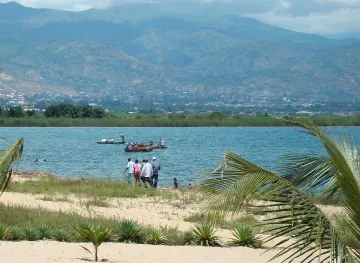
Explore more of Burundi
Discover the hidden gem of Africa: Burundi, a land of stunning landscapes, rich culture, and warm hospitality. Perfect for adventurers and culture enthusiasts alike.
Explore Burundi