

Free Mugamba Travel Guide & Mobile App
Explore Mugamba with free travel guides. Discover regional history, expert tips, proposed trips, and audio guides on web or mobile app.


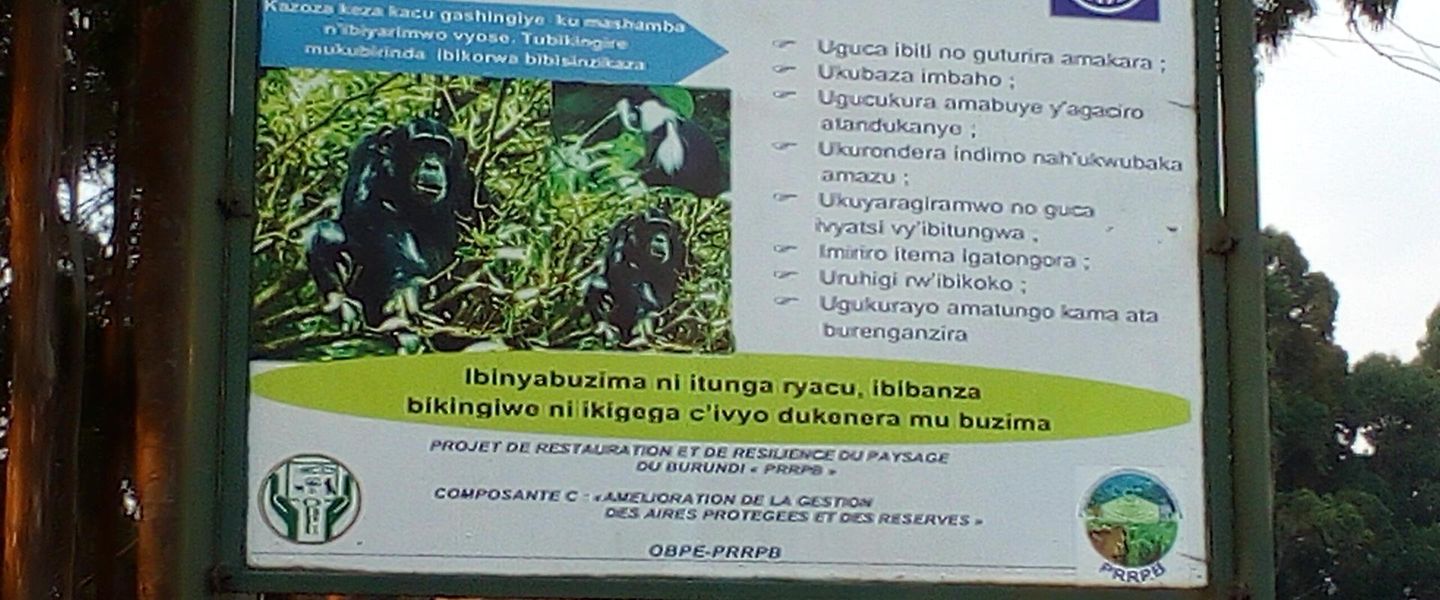


Explore Mugamba in southern Burundi for cool highlands, forest reserves, rural landscapes, local markets and thoughtful walking journeys.
Read more about Mugamba
When is the best time to visit Mugamba?
Best: June–August · 22°C| Month | High (°C) | Rainfall (mm) |
|---|---|---|
| January | 23 | 150 |
| February | 23 | 140 |
| March | 23 | 170 |
| April | 23 | 180 |
| May | 23 | 130 |
| June (best) | 22 | 80 |
| July (best) | 22 | 60 |
| August (best) | 22 | 70 |
| September | 22 | 100 |
| October | 22 | 130 |
| November | 23 | 160 |
| December | 23 | 170 |
Getting to and around Mugamba
How to get there
Transportation
Top city travel guides in Mugamba
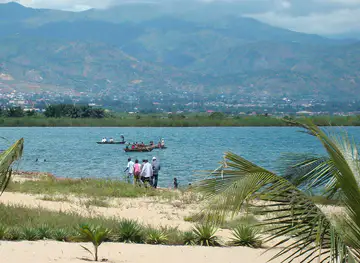
The cities of Mugamba, and the easiest places to base yourself.
-
-

-

-

-


Swipe for more cities
Destinations in Mugamba
Resorts, valleys and scenic spots worth a trip of their own.

Swipe for more destinations
Best attractions in Mugamba
Mugamba’s attractions are primarily landscape-based rather than concentrated in purpose-built visitor venues. The highland roads around Bururi reveal steep cultivated slopes, narrow valleys, eucalyptus stands, streams and distant ridges, while short walks offer close views of farming patterns and rural settlement. The Bururi Forest Nature Reserve is the region’s principal nature interest, protecting an important remnant of southern Burundi’s forest environment and offering possibilities for guided birdwatching, botany and quiet woodland walks. Access should be arranged locally, since paths, permissions and facilities can change. Bururi town provides a practical base for exploring the area and observing everyday market and administrative life. Travellers interested in conservation can learn about the pressures facing small forest reserves in a densely farmed country, particularly the balance between watershed protection, biodiversity and neighbouring livelihoods. Beyond the reserve, the most rewarding experiences are often unstructured: travelling between hill communities, stopping at viewpoints with local permission, visiting a market, or walking with a knowledgeable resident who can explain crops, place names and seasonal routines. Mugamba is better suited to patient, locally organised exploration than to a checklist of formal attractions.
-
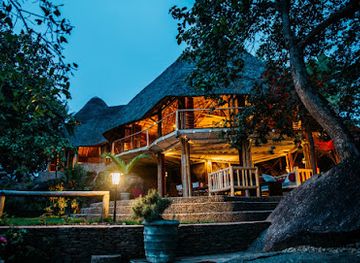
Resort hotel
Sunstone Beach
Experience the enchanting beauty and serene tranquility of Sunstone Beach, a hidden resort hotel gem on the stunning shores of Burundi.
-
Tourist attraction
MAWIMBI Beach club
Experience the perfect blend of relaxation and adventure at MAWIMBI Beach Club, Kizuka's premier tropical destination.
-
Tourist attraction
Source Du Nil
Explore the breathtaking Source Du Nil in Musenyi, a serene tourist attraction where history meets stunning natural landscapes.
-
National park
Rusizi National Park
Discover Burundi's natural beauty: Rusizi National Park offers riverfront wildlife encounters and diverse birdwatching, just a short trip from Bujumbura.

Best landmarks in Mugamba
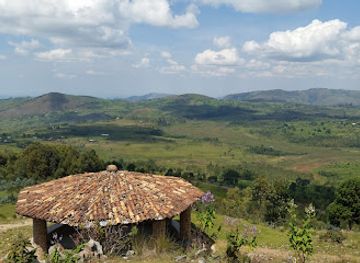
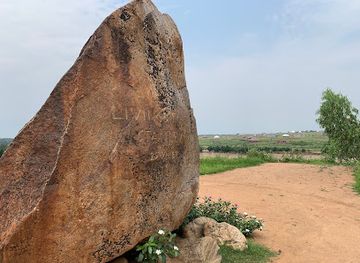
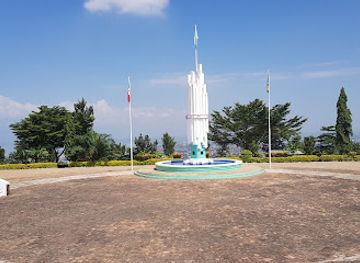
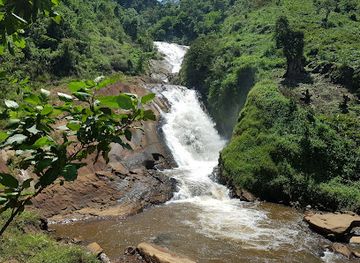
Mugamba’s most recognisable landmarks are its highland formations and surviving forest rather than monumental architecture. The ridges and deeply cut valleys around the Bururi highlands give the region a distinctive visual identity, with cultivated slopes showing how communities have adapted to limited arable land and steep terrain. Bururi Forest Nature Reserve is the area’s principal natural landmark: its remaining woodland stands in marked contrast to the surrounding farms and has importance for biodiversity, water catchments and environmental research. Bururi town’s churches, public buildings and market area reflect the practical role of an upland provincial centre, although they are best understood in the context of everyday local life rather than as a grand architectural ensemble. Rural roads, bridges and hillside paths also serve as useful points from which to observe the relationship between settlement, cultivation and forest. Because some sites may have administrative or conservation sensitivities, visitors should seek permission before entering protected areas or photographing official structures. The wider views, forest edges and patterned hillsides are often more significant to Mugamba’s identity than any single constructed monument.
-
Zoo
Living Museum (Bujumbura Zoo)
Discover the Living Museum in Bujumbura Zoo, a family-friendly haven showcasing Burundi's rich wildlife and commitment to conservation.
-
Monument
Livingston-Stanley Monument
Explore the rich history of African exploration at the Livingston-Stanley Monument, a serene tribute to legendary adventurers in Ramba.
-
Monument
Unity Monument
Discover the Unity Monument in Bujumbura, a striking symbol of peace and national unity, offering breathtaking views and cultural significance.
-
Nature preserve
Bururi Forest Nature Reserve
Explore the enchanting Bururi Forest Nature Reserve, a serene haven teeming with unique wildlife and stunning landscapes in the heart of Burundi.

Explore Mugamba on the map
Plan your trip on one map. See where the top cities, national parks and sights are, and book hotels and experiences in a few clicks.
Best hotels in Mugamba
Best restaurants in Mugamba
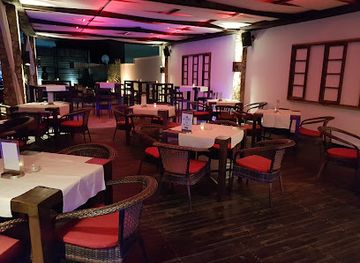
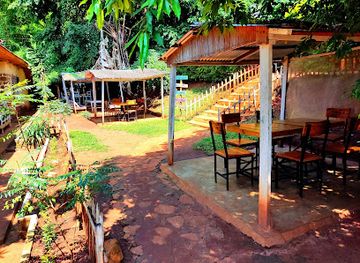
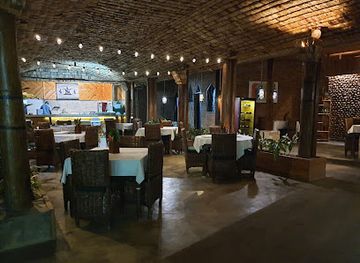
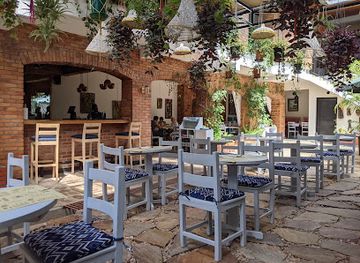
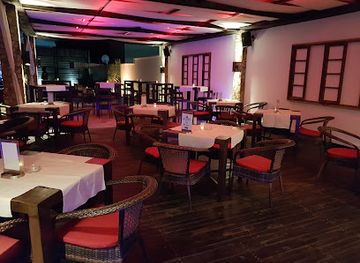
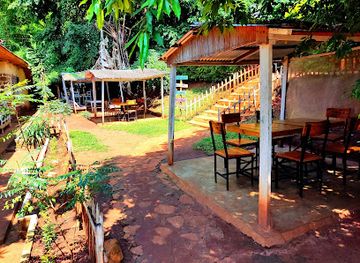
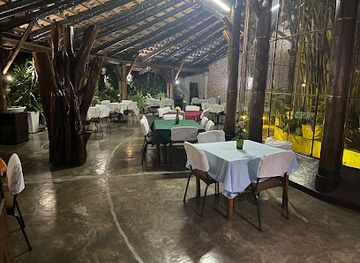
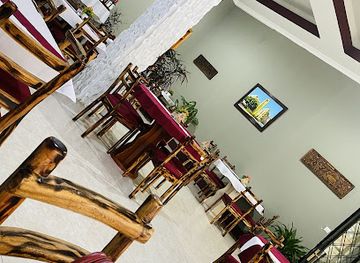
Dining in Mugamba is centred on simple local cooking served in homes, small eateries, market stalls and modest restaurants in Bururi and other service centres. Common meals draw on Burundi’s agricultural staples, including beans, maize, cassava, sweet potatoes, plantains and rice, often accompanied by leafy vegetables or a savoury sauce. Grilled meat may be available in town, while freshwater fish is more closely associated with Lake Tanganyika and should not be assumed to be a distinctive Mugamba speciality. Tea and coffee are widely familiar drinks in Burundi, although the exact selection varies by locality. Rural markets are useful for seasonal fruit and basic provisions rather than for a specialised gastronomic scene. Visitors should expect straightforward portions, limited menus and changing availability, and should carry snacks on journeys through sparsely settled areas. Sharing food is an important social courtesy, but travellers should accept or decline politely and explain dietary restrictions clearly. Bururi offers the widest choice, while countryside dining is generally informal and arranged through local hosts or small roadside establishments.
-
Restaurant
Arena Restaurant Lounge Bar
Discover a vibrant dining experience at Arena Restaurant Lounge Bar in Bujumbura, where local flavors meet international cuisine.
-
Grill
Harrys Grill House
Experience Bujumbura's vibrant culinary scene at Harry's Grill House, where barbecue meets local charm in every delicious bite.
-
Restaurant
Belvedere Restaurant
Experience the best of Bujumbura's cuisine at Belvedere Restaurant with breathtaking views and exceptional service.
-
Restaurant
Restaurant Chez Orphée
Discover exquisite Burundian cuisine at Restaurant Chez Orphée in Bujumbura - a must-visit for every food lover.
Best bars in Mugamba
Mugamba has little conventional nightclub life. Evening activity is concentrated in Bururi and other larger settlements, where small bars, cafés and restaurants provide places to meet, listen to music and follow local conversation. In villages, social life is more likely to centre on households, community gatherings and occasional events than on a dedicated nightlife district. Drinks may include locally available beer, soft drinks, tea and other refreshments, but alcohol is not necessary to participate in the region’s evening culture. Music and dancing can accompany celebrations, although these are community occasions rather than dependable scheduled attractions. Travellers should not expect late-night transport, extensive menus or reliable opening hours, and should arrange their return to accommodation before dark. A quiet evening, shared meal or conversation with hosts is often more representative of Mugamba than a club-oriented outing. Respect local customs, avoid intrusive photography and follow current advice about movement after nightfall.
-
Restaurant
Arena Restaurant Lounge Bar
Discover the vibrant atmosphere and delicious cuisine at Arena Restaurant Lounge Bar, the perfect spot for relaxation and socializing in Bujumbura.
-
Grill
Harrys Grill House
Discover the vibrant taste of Bujumbura at Harry's Grill House, where authentic barbecue meets local culture.
-
Bar
Flamboyant Gardens
Experience a vibrant blend of nature and culinary delight at Flamboyant Gardens in Bujumbura, perfect for relaxation and socializing.
-
Bar
Beirut restaurant & lounge bar Bujumbura
Discover the vibrant Bujumbura Restaurant & Lounge Bar, a hotspot for delicious food, refreshing drinks, and a lively atmosphere in Bujumbura.
Best nightclubs in Mugamba
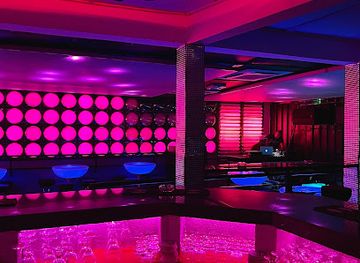
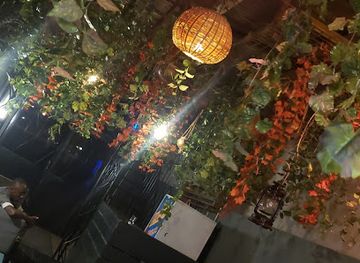
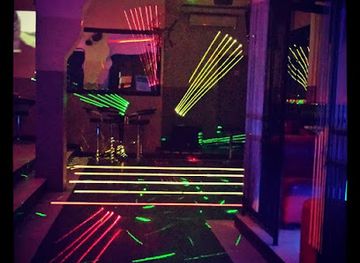
Mugamba has little conventional nightclub life. Evening activity is concentrated in Bururi and other larger settlements, where small bars, cafés and restaurants provide places to meet, listen to music and follow local conversation. In villages, social life is more likely to centre on households, community gatherings and occasional events than on a dedicated nightlife district. Drinks may include locally available beer, soft drinks, tea and other refreshments, but alcohol is not necessary to participate in the region’s evening culture. Music and dancing can accompany celebrations, although these are community occasions rather than dependable scheduled attractions. Travellers should not expect late-night transport, extensive menus or reliable opening hours, and should arrange their return to accommodation before dark. A quiet evening, shared meal or conversation with hosts is often more representative of Mugamba than a club-oriented outing. Respect local customs, avoid intrusive photography and follow current advice about movement after nightfall.
-
Night club
TOXIC Night Club
Dive into the vibrant nightlife of Bujumbura at TOXIC Night Club, where electrifying music and unforgettable experiences await.
-
Lounge
Blue Club Night-club
Discover Bujumbura's nightlife at Blue Club Night-club, where vibrant music and an energetic atmosphere await every weekend.
-
Night club
Le Crystal
Discover the ultimate nightlife experience at Le Crystal, Bujumbura's premier night club, where music and energy unite for an unforgettable evening.
-
Night club
MALIBU.BUJA
Discover the heart of Bujumbura's nightlife at MALIBU.BUJA, a vibrant night club and bar & grill that promises unforgettable experiences with great food and music.

Best shops in Mugamba
Shopping in Mugamba is primarily local and practical. Bururi’s market and small commercial streets are the most useful places to buy fresh produce, staples, household goods, clothing and travel provisions, while smaller settlements have more limited selections. Seasonal fruit, beans, cassava products and other farm goods reflect the region’s agricultural economy, though availability changes with harvest cycles and transport. Visitors may find woven items, simple handmade goods or locally produced baskets through informal sellers, but the range should not be confused with a large organised craft industry. Ask before photographing stalls and negotiate courteously where prices are not fixed. Good regional purchases include packaged Burundian coffee or tea obtained from a reputable seller, subject to availability and travel regulations, as well as small locally made textiles or baskets. Carry cash in modest denominations, since formal retail payment facilities are limited. For specialist souvenirs, galleries and larger craft selections, visitors may need to shop in Bujumbura or another major Burundian town outside Mugamba rather than expect a dedicated tourist market in the highlands.
-
Resort hotel
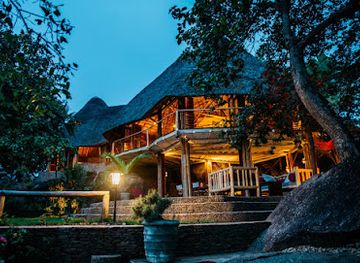
Sunstone Beach
Explore the tranquil beauty of Sunstone Beach, a premier resort hotel in Burundi, where relaxation meets adventure by the stunning shores of Lake Tanganyika.
-
Electronics store
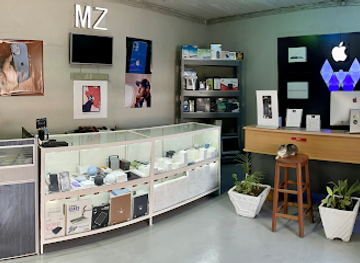
Maison Zarine Burundi
Explore cutting-edge electronics and exceptional service at Maison Zarine in Bujumbura, your premier destination for gadgets and repairs.
-
Supermarket
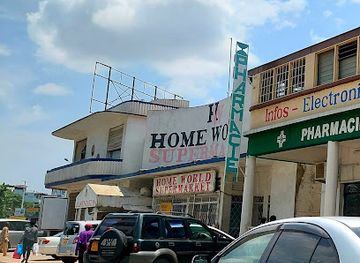
Home World Supermarket
Explore the rich flavors of Burundi at Home World Supermarket, a vibrant shopping destination offering local and international culinary delights.
-
Furniture store
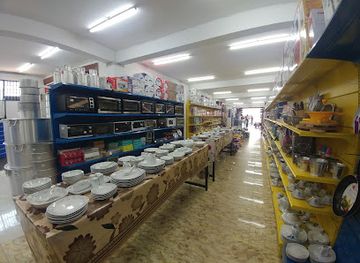
Budget
Explore a wide range of stylish furniture and appliances at Budget in Bujumbura, where quality meets affordability.
Get your free copy of our complete guide to Mugamba, delivered straight to you.
Everything on this page, from attractions and restaurants to essentials and local phrases, in one PDF you can read offline, print or share.
Already have an account? Sign in
Your Mugamba guide is ready.
We'll send it to · Not you? Sign out

Getting your guide ready…
We are putting together a fresh copy of the Mugamba guide. This can take up to a minute.
This can take a few moments. If your browser asks, choose Allow so the download can start. You'll find the guide in your Downloads folder.
Nothing happened? Download it again
Sorry, the guide is taking longer than usual. Please try again in a minute, or get it by email instead.
Mugamba essentials
Currency and Payment
Safety
Emergency Situations
Do's and Don'ts
Local Tips
From Eve
Local phrases worth knowing
You don't need to get them perfect. A few words go a long way, and locals appreciate the effort.
Basics
| English | Local | Say it |
|---|---|---|
| Hello | Naki | [Nah-kee] |
| Goodbye | Naka | [Nah-kah] |
| Yes | Yego | [Yeh-go] |
| No | Oya | [Oh-yah] |
| Please/You're welcome | Ndakwinginze | [Nda-kwee-ngee-zay] |
| Thank you | Urakoze | [Oo-rah-koh-zay] |
| Excuse me/Sorry | Mbabarira | [Mbah-bah-ree-rah] |
| How are you? | Amakuru yawe? | [Ah-mah-koo-roo yah-weh?] |
| Fine. And you? | Nimeza. Na wewe? | [Nee-meh-zah. Nah weh-weh?] |
| Do you speak English? | Uvuga icyongereza? | [Oo-voo-gah ee-chon-geh-rah-zah?] |
| I don't understand | Sinumva | [See-noom-vah] |
Eating & Drinking
| English | Local | Say it |
|---|---|---|
| I'd like to see the menu, please | Ndashaka kureba menu, ndakwinginze | [Nda-shah-kah koo-reh-bah meh-noo, nda-kwee-ngee-zay] |
| I don't eat meat | Sinjya kurya inyama | [Seen-jah koo-ree-ah ee-nyah-mah] |
| Cheers! | Ihoro! | [Ee-hoh-roh] |
| I would like to pay, please | Ndashaka kwishyura, ndakwinginze | [Nda-shah-kah kwee-shee-oo-rah, nda-kwee-ngee-zay] |
Emergencies
| English | Local | Say it |
|---|---|---|
| Help! | Mfasha! | [M-fah-shah] |
| Go away! | Genda kure! | [Gen-dah koo-reh] |
| Call the Police! | Hamagarira polisi! | [Ha-mah-gah-ree-rah poh-lee-see] |
| Call a doctor! | Hamagarira muganga! | [Ha-mah-gah-ree-rah moo-gah-ngah] |
| I'm lost | Ndi mu mazi | [Ndee moo mah-zee] |
| I'm ill | Ndi indwara | [Ndee een-dwah-rah] |
Shopping
| English | Local | Say it |
|---|---|---|
| I'd like to buy... | Ndashaka kugura... | [Nda-shah-kah koo-goo-rah] |
| I'm just looking | Ndi gusa ngerageza | [Ndee goo-sah n-gah-rah-geh-zah] |
| How much is it? | Ni angahe? | [Nee ahn-gah-heh?] |
| That's too expensive | Birahenze cane | [Bee-rah-hen-zay cah-neh] |
| Can you lower the price? | Urashobora kugabanya igiciro? | [Oo-rah-sho-boo-rah koo-gah-bah-nyah ee-gee-roh?] |
Time & Numbers
| English | Local | Say it |
|---|---|---|
| What time is it? | Isaha ni iyihe? | [Ee-sah-hah nee ee-yee-heh?] |
| It's one o'clock | Isaha imwe | [Ee-sah-hah eem-weh] |
| Half past (10) | Ihande icumi | [Ee-hahn-day ee-choo-mee] |
| Morning | Mu gitondo | [Moo gee-ton-doe] |
| Afternoon | Mu masaha ya nyuma | [Moo mah-sah-hah yah nyoo-mah] |
| Evening | Mu mugoroba | [Moo moo-goh-roh-bah] |
| Yesterday | Ejo hashize | [Eh-jo hah-shee-zay] |
| Today | Ubu | [Oo-boo] |
| Tomorrow | Ejo hazaza | [Eh-jo hah-zah-zah] |
| 1 | 1 | [1] |
| 2 | 2 | [2] |
| 3 | 3 | [3] |
| 4 | 4 | [4] |
| 5 | 5 | [5] |
| 6 | 6 | [6] |
| 7 | 7 | [7] |
| 8 | 8 | [8] |
| 9 | 9 | [9] |
| 10 | 10 | [10] |
Transport & Directions
| English | Local | Say it |
|---|---|---|
| Where's a/the...? | Aho hiriwe...? | [Ah-ho hee-ree-way?] |
| What's the address? | Iyi ni adresse nde? | [Ee-yee nee ah-dress-eh n-day?] |
| Can you show me (on the map)? | Urashobora kumwereka (ku ikarita)? | [Oo-rah-sho-boo-rah koom-weh-reh-kah (koo ee-kah-ree-tah)?] |
| When's the next (bus)? | Igihe bus ikurikira? | [Ee-gee-heh boo-s ee-koo-ree-kee-rah?] |
| A ticket (to ....) | Itike (ku ....) | [Ee-tee-kay (koo ....)] |
History of Mugamba
The Southern Highland Landscape Before Colonial Rule
Mugamba developed within the wider highland society of the Kingdom of Burundi, whose political and cultural institutions shaped settlement, land use and the movement of people across the ridges. Farming, livestock keeping and exchange linked upland communities with lower country and the shores of Lake Tanganyika. Much historical knowledge survives through oral traditions, family histories and place names, as well as through the continuing pattern of cultivated hills and scattered settlements. Mugamba was not an isolated cultural island but part of the interconnected southern highlands of the Burundian kingdom.
German and Belgian Colonial Administration
German control of Burundi began at the end of the nineteenth century, followed after the First World War by Belgian administration within Ruanda-Urundi. Colonial rule introduced new administrative boundaries, taxation systems, mission activity and commercial priorities, altering existing relationships between communities and political authorities. The southern highlands were incorporated into these systems through roads, posts, schools and churches, although much everyday life continued to depend on subsistence agriculture and local social institutions. Colonial forestry policies also influenced how highland woodland was classified and managed, leaving a legacy visible in later reserve administration.
Mission Education and Changing Rural Institutions
Christian missions and government institutions expanded schooling, medical services and religious networks across Burundi during the twentieth century. In the Mugamba area, these developments helped create new links between rural households and administrative centres, while literacy and formal education introduced new routes into public employment and commerce. Churches and schools became important landmarks in dispersed settlements, but access remained uneven. The resulting mixture of established rural practices, Christian institutions and state administration forms part of the social landscape encountered in southern Burundi today.
Independence and the Burundian State
Burundi became independent from Belgian rule in 1962. The decades that followed brought major political change and periods of violence that affected communities throughout the country, including rural areas of the southern highlands. Administrative structures, population movements and access to services were repeatedly disrupted, while agriculture remained the principal foundation of household livelihoods. The history of modern Burundi requires care and sensitivity: local memories of political crisis can be deeply personal, and visitors should not press people to recount traumatic experiences.
Conservation in the Southern Highlands
The protection of remaining forest became increasingly important as population growth and agricultural pressure reduced natural vegetation in many parts of Burundi. Bururi Forest and other protected areas in the southern highlands preserve fragments of a once more extensive forest environment and support research, watershed protection and biodiversity conservation. Conservation has also created practical tensions, since rural households depend on land, fuel and forest resources. The reserves therefore represent both ecological heritage and an ongoing negotiation between environmental protection and the needs of neighbouring communities.
Agriculture, Roads and Contemporary Rural Change
Mugamba remains predominantly agricultural, but its economy has been influenced by improved roads, local markets, mobile communications, schooling and changing patterns of trade. Smallholder cultivation continues to structure the countryside, while towns such as Bururi provide services, transport connections and administrative functions. Road conditions and access to electricity, banking and communications vary considerably. These contrasts explain why travel in Mugamba can feel both connected to national life and distinctly rural, with modern services concentrated in a limited number of centres.
Mugamba in Photos
Browse through our photo collection highlighting the charm and character of the destination.
Neighbouring regions of Mugamba
The closest regions to Mugamba, if you have time for more than one.
-

-

-

-

-


Swipe for more regions
Explore more
Explore more of Burundi
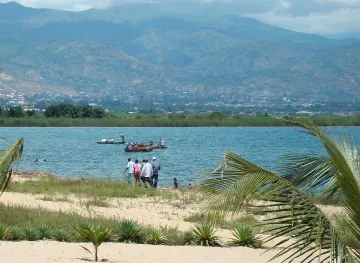
Discover the hidden gem of Africa: Burundi, a land of stunning landscapes, rich culture, and warm hospitality. Perfect for adventurers and culture enthusiasts alike.
Explore Burundi