

Northern Highlands, Burundi Travel Guide
Discover the serene beauty and rich culture of Burundi's Northern Highlands, where lush landscapes, diverse wildlife, and warm hospitality await.
The Northern Highlands of Burundi offer a stunning landscape of rolling hills, lush greenery, and serene lakes. This region is a haven for nature lovers, seasoned hikers, and those seeking tranquility away from the bustling city life. The Highlands are known for their cool, refreshing climate, which provides a welcome respite from the tropical heat found in other parts of the country. Visitors can explore the Kibira National Park, a dense forest teeming with wildlife and exotic bird species. The park is perfect for trekking and bird-watching. The Ruvubu National Park, another gem in the Highlands, is home to a variety of animals, including hippos, crocodiles, and antelopes. The park's vast savannas and woodlands make it an ideal spot for a safari adventure. Cultural tourism is also a highlight in the Northern Highlands. The region is dotted with traditional villages where visitors can learn about the local customs and way of life. Engaging with the friendly locals and participating in their daily activities offers a unique glimpse into the Burundian culture. Don't miss the opportunity to visit the tea plantations that spread across the hills, offering guided tours and tastings of some of the best tea in the region.

Know before you go
Hi, I'm Eve. Here are a few practical things to know before exploring Northern Highlands.
- Pack warm clothing, as the Highlands can be cooler than other parts of Burundi.
- Hire a local guide for trekking in Kibira National Park for a safer and more informative experience.
- Visit tea plantations during the harvest season, typically from May to October, for a more engaging experience.
- Carry cash, as credit card facilities are limited in remote areas.
- Respect local customs and dress modestly when visiting traditional villages.
Top City Travel Guides in Northern Highlands
The cities of Northern Highlands, and the easiest places to base yourself.


Destinations in Northern Highlands
Resorts, valleys and scenic spots worth a trip of their own.


Explore Northern Highlands: Things to Do, Places to Eat, Hotels & More
Handpicked recommendations for top attractions, local dining, accommodations, and more

Top Attractions & Sightseeing in Northern Highlands
Top-rated picks
Best Attractions

Nyungwe Forest National Park
Discover the rich biodiversity and breathtaking landscapes of Nyungwe Forest National Park, a top destination for nature enthusiasts and adventure seekers in Rwanda.

Ethnographic Museum
Uncover Rwanda's rich cultural tapestry at the Ethnographic Museum in Butare, a premier destination for history and art lovers.

King's Palace Museum
Explore the royal legacy of Rwanda at the King's Palace Museum in Nyanza, a cultural treasure showcasing the rich history and heritage of the Rwandan monarchy.
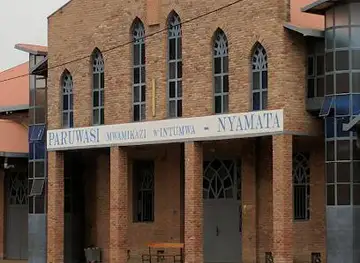
Nyamata Genocide Memorial Site
Explore the Nyamata Genocide Memorial Site in Rwanda, a poignant museum dedicated to remembrance, education, and the resilience of the human spirit.

Best landmarks in Northern Highlands
Top-rated picks
Best Landmarks

Gisabo Tours
Discover the beauty and culture of Bujumbura through personalized tours with Gisabo Tours, your gateway to unforgettable experiences in Burundi.

Chutes de la Karera Falls
Explore the breathtaking Chutes de la Karera Falls in Burundi, an idyllic escape surrounded by nature's beauty and perfect for unforgettable adventures.
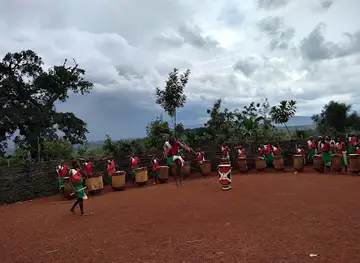
Gishora Drum Sanctuary
Experience the vibrant culture of Burundi at Gishora Drum Sanctuary, where traditional drumming comes alive in a serene and immersive setting.

National Museum of Gitega
Discover the rich heritage of Burundi at the National Museum of Gitega, where history comes alive through captivating exhibits and local culture.

Best restaurants in Northern Highlands
Top-rated picks
Best Restaurants

Le Café Gourmand
Experience the taste of Burundi at Le Café Gourmand – where delicious pastries meet aromatic coffee in a cozy setting.

Kiriri Garden Hotel
Discover tranquility at Kiriri Garden Hotel – your luxurious escape in Bujumbura with stunning gardens and exceptional amenities.

Arena Restaurant Lounge Bar
Experience the vibrant flavors of Burundi at Arena Restaurant Lounge Bar - where local cuisine meets international flair.

Roca Golf Hotel
Experience luxury at Roca Golf Hotel in Bujumbura – your gateway to stunning landscapes and vibrant culture.

Best bars in Northern Highlands
Top-rated picks
Best Bars

Arena Restaurant Lounge Bar
Savor the flavors of Bujumbura at Arena Restaurant Lounge Bar, the perfect blend of local cuisine and vibrant nightlife.

Harrys Grill House
Experience the vibrant taste of Bujumbura at Harry's Grill House, where delicious barbecue meets a lively atmosphere.

TOXIC Night Club
Discover the electrifying nightlife at TOXIC Night Club in Bujumbura, where unforgettable beats and vibrant ambiance await.

Restaurant Bar Meteo
Experience the vibrant nightlife and authentic local cuisine at Restaurant Bar Meteo in Bujumbura.

Best nightclubs in Northern Highlands
Top-rated picks
Best Nightclubs

Arena Restaurant Lounge Bar
Discover the rich flavors of Burundi at Arena Restaurant Lounge Bar, a must-visit dining spot in Bujumbura for tourists seeking culinary excellence.

TOXIC Night Club
Discover the electrifying nightlife at TOXIC Night Club, where vibrant beats and a lively atmosphere create unforgettable evenings in Bujumbura.

Blue Club Night-club
Experience the electrifying nightlife of Bujumbura at Blue Club Night-club, where music, dance, and culture come alive in a stylish setting.

Le Crystal
Experience Bujumbura's nightlife at Le Crystal, where great music, dancing, and vibrant atmosphere await you.

Best shops in Northern Highlands
Top-rated picks
Best Shops
Hotel Club Du Lac Tanganyika
Experience luxury and relaxation at Hotel Club Du Lac Tanganyika, where stunning lake views meet exceptional amenities in Bujumbura.

Chutes de la Karera Falls
Experience the breathtaking beauty of Chutes de la Karera Falls, a natural wonder in Burundi that captivates with its stunning cascades and lush surroundings.

National Museum of Gitega
Immerse yourself in the rich history and culture of Burundi at the National Museum of Gitega, a must-visit destination for every traveler.

Livingston-Stanley Monument
Explore the Livingston-Stanley Monument in Ramba, a historical tribute to Africa's iconic explorers amidst breathtaking landscapes.

Explore Northern Highlands on the Map
A handpicked selection of must-see spots in Northern Highlands, mapped for you.
Northern Highlands Essentials
-
The Northern Highlands in Burundi can be accessed via Bujumbura International Airport, the country's main gateway. From Bujumbura, you can take a domestic flight to Ngozi Airport, which is the closest airport to the Northern Highlands. Alternatively, you can travel by road from Bujumbura to the Northern Highlands, a journey that takes approximately 3 to 4 hours by car. Public buses and private taxis are also available for this route.
-
Within the Northern Highlands, transportation options include local minibuses (known as 'matatus'), private taxis, and motorcycle taxis (referred to as 'boda-bodas'). Renting a car is possible but may be challenging due to rough road conditions. Walking is a viable option for exploring smaller towns and villages. It is advisable to use reputable taxi services and avoid traveling at night due to safety concerns.
-
The official currency in Burundi is the Burundian Franc (BIF). While credit cards are accepted in some hotels and restaurants in larger towns, rural areas predominantly operate on a cash basis. It is recommended to carry sufficient cash, especially when traveling to remote areas. ATMs are available in major towns, but it is wise to withdraw cash in Bujumbura before heading to the Northern Highlands.
-
The Northern Highlands are generally safe for tourists, but standard precautions should be taken. Avoid walking alone at night and be cautious in crowded areas to prevent pickpocketing. Certain areas, such as the borders with neighboring countries, may have higher crime rates. Always stay informed about the current security situation and follow local advice. Register with your embassy upon arrival and keep emergency contacts handy.
-
In case of an emergency, dial 112 for immediate assistance. Local police stations and medical facilities are available in major towns within the Northern Highlands. It is advisable to have comprehensive travel insurance that covers medical emergencies and evacuation. For minor health issues, pharmacies are available in larger towns where you can purchase over-the-counter medications.
-
Fashion: Do dress modestly, especially in rural areas and when visiting religious sites. Avoid wearing revealing clothing. Religion: Do respect local customs and traditions. Remove your shoes before entering religious buildings. Public Transport: Do be respectful and give up your seat to elderly passengers. Don't eat or drink on public transport. Greetings: Do greet people with a handshake and a smile. A slight bow of the head is also a sign of respect. Eating & Drinking: Do try local dishes and accept food offerings graciously. Don't refuse hospitality, as it is considered impolite.
-
To experience the Northern Highlands like a local, visit the bustling markets where you can buy fresh produce and traditional Burundian crafts. Engage with locals, who are often friendly and eager to share their culture and traditions. Don't miss visiting sites like the Kibira National Park for its rich biodiversity and scenic beauty. Participating in local festivals and events can also provide a deeper understanding of the region's cultural heritage.
When is the best time to visit Northern Highlands?
Useful Local Phrases for Northern Highlands
You don't need to speak the language perfectly. Even learning a few simple words can make conversations warmer—and locals usually appreciate the effort.
— Eve

Here are the phrases I use most often in Northern Highlands. Try a few—you'll be surprised how far they go! 😊
❤️
-
- HelloNdeze
[N-deh-zeh] - GoodbyeAho
[Ah-ho] - YesYego
[Yeh-go] - NoOya
[Oh-yah] - Please/You're welcomeUrakoze
[Oo-rah-koh-zeh] - Thank youMurakoze
[Moo-rah-koh-zeh] - Excuse me/SorryNdagusabye
[N-dah-goo-sah-byay] - How are you?Umeze gute?
[Oo-meh-zeh goo-teh] - Fine. And you?Nimeze neza. Nawe?
[Nee-meh-zeh neh-zah. Nah-weh?] - Do you speak English?Uravuga Icyongereza?
[Oo-rah-voo-gah Ee-chon-geh-rah-zah] - I don't understandSinumva
[See-noom-vah]
- HelloNdeze
-
- I'd like to see the menu, pleaseNdifuza kureba urutonde rw'ibyo kurya
[N-dee-foo-zah koo-reh-bah oo-roo-ton-deh roo-ee-boh koo-ryah] - I don't eat meatSinarya inyama
[See-nah-ryah ee-nyah-mah] - Cheers!Tugire amahoro!
[Too-gee-reh ah-mah-hoh-roh] - I would like to pay, pleaseNdashaka kwishyura, nyabuneka
[N-dah-shah-kah kwee-shee-oo-rah, nyah-boo-neh-kah]
- I'd like to see the menu, pleaseNdifuza kureba urutonde rw'ibyo kurya
-
- Help!Mfasha!
[M-fah-shah] - Go away!Genda!
[Gen-dah] - Call the Police!Hamagara Polisi!
[Ha-mah-gah-rah Poh-lee-see] - Call a doctor!Hamagara muganga!
[Ha-mah-gah-rah moo-gah-ngah] - I'm lostNdi mu nzira
[N-dee moo n-zee-rah] - I'm illNdi indwara
[N-dee een-dwah-rah]
- Help!Mfasha!
-
- I'd like to buy...Ndifuza kugura...
[N-dee-foo-zah koo-goo-rah] - I'm just lookingNdi kureba gusa
[N-dee koo-reh-bah goo-sah] - How much is it?Biri angahe?
[Bee-ree ahn-gah-heh] - That's too expensiveBirahenze cyane
[Bee-rah-hen-zeh chah-neh] - Can you lower the price?Wakwihutira igiciro?
[Wah-koo-ee-hoo-tee-rah ee-gee-choh]
- I'd like to buy...Ndifuza kugura...
-
- What time is it?Ni saa ingahe?
[Nee sah ahn-gah-heh] - It's one o'clockNi isaha imwe
[Nee ee-sah-hah eem-weh] - Half past (10)Saa mbiri n'iminota 30
[Sah m-bee-ree n'ee-mee-no-tah 30] - MorningMu gitondo
[Moo gee-ton-do] - AfternoonMu masaha ya nyuma
[Moo mah-sah-hah yah nyoo-mah] - EveningMu mugoroba
[Moo moo-go-roh-bah] - YesterdayEjo hashize
[Eh-jo hah-shee-zeh] - TodayUyu munsi
[Oo-yoo moo-nsigh] - TomorrowEjo hazaza
[Eh-jo hah-zah-zah] - 11
[1] - 22
[2] - 33
[3] - 44
[4] - 55
[5] - 66
[6] - 77
[7] - 88
[8] - 99
[9] - 1010
[10]
- What time is it?Ni saa ingahe?
-
- Where's a/the...?Aho hari...?
[Ah-ho hah-ree] - What's the address?Ni iyi aderesi?
[Nee ee-yee ah-deh-reh-see] - Can you show me (on the map)?Wanshuhura (ku ikarita)?
[Wahn-shoo-hoo-rah (koo ee-kah-ree-tah)] - When's the next (bus)?Igihe kizakurikirana?
[Ee-gee-heh kee-zah-koo-ree-kee-rah-nah] - A ticket (to ....)Itike (ku ...)
[Ee-tee-keh (koo ...)]
- Where's a/the...?Aho hari...?
History of Northern Highlands
-
The Northern Highlands of Burundi, characterized by their lush landscapes and rolling hills, have been inhabited for centuries. The region was a significant part of the ancient Kingdom of Burundi, which dates back to the 16th century. The Twa, Hutu, and Tutsi communities coexisted here, each contributing to the region's rich cultural tapestry. The Tutsi monarchs, known as Mwami, ruled over the land with a complex system of governance and social structure. The hills served as natural fortifications, and the local communities were adept at utilizing the fertile land for agriculture, particularly the cultivation of bananas and beans.
-
In the late 19th century, the Northern Highlands, along with the rest of Burundi, came under German colonial control. The Germans established administrative posts in the region and introduced new agricultural techniques, including coffee cultivation, which remains a significant crop. However, the colonial period also brought forced labor and exploitation, leading to resistance from the local population. Despite these challenges, the highlands retained much of their traditional culture and social structures.
-
Following Germany's defeat in World War I, control of Burundi, including the Northern Highlands, was transferred to Belgium under a League of Nations mandate. The Belgians intensified the exploitation of the region's resources and further developed the coffee industry. They also introduced Western education and Christianity, which began to influence the local culture. The Belgian administration reinforced ethnic divisions, which had lasting impacts on the region's social dynamics.
-
Burundi gained independence from Belgium on July 1, 1962. The Northern Highlands played a crucial role in the early years of the new nation, with many political leaders hailing from this region. The highlands' communities were active in the struggle for independence and contributed significantly to shaping the country's political landscape. Post-independence, the region faced challenges such as ethnic tensions and conflicts, which were a legacy of the colonial period.
-
The Northern Highlands are a repository of Burundi's rich cultural heritage. The traditional dances, music, and crafts of the region are celebrated nationwide. The Intore warriors' dance and the vibrant drumming traditions are integral to the cultural identity of the highlands. Local artisans are renowned for their intricate basket weaving and pottery, which are popular souvenirs for visitors. The highlands also host several cultural festivals that attract tourists and provide a glimpse into the region's storied past.
-
The Northern Highlands are not only historically significant but also renowned for their natural beauty. The verdant landscapes, terraced hillsides, and pristine forests make the region a prime destination for ecotourism. The Kibira National Park, which extends into the highlands, is home to diverse flora and fauna, including several primate species. Hiking trails, bird-watching tours, and cultural excursions offer visitors a unique opportunity to experience the area's natural and cultural richness.
Neighbouring Regions of Northern Highlands
The closest regions to Northern Highlands, if you have time for more than one.


Your all‑in‑one travel companion app
Explore expert travel guides, compare and book tours, experiences, hotels, and more—all from the palm of your hand. Download now for seamless trip planning wherever your wanderlust takes you.


Explore More of Burundi
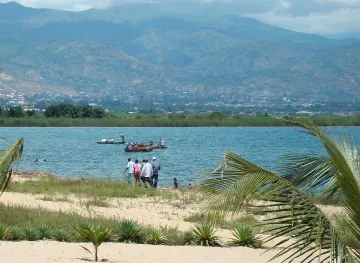
Looking beyond Northern Highlands? Discover Burundi for broader travel guides, local hot-spots, and regional highlights.
Explore BurundiNorthern Highlands in Photos
Browse through our photo collection highlighting the charm and character of the destination.


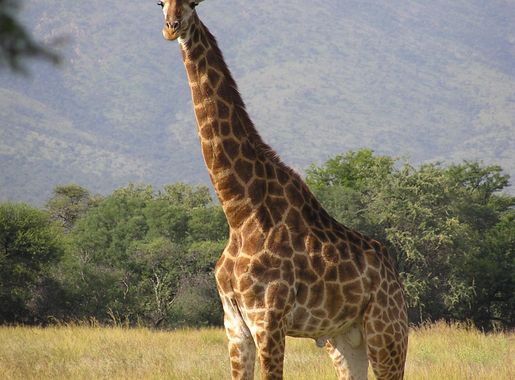


Majestic Northern Highlands of Burundi
The Northern Highlands of Burundi offer a stunning landscape of rolling hills, lush greenery, and serene lakes. This region is a haven for nature lovers, seasoned hikers, and those seeking tranquility away from the bustling city life. The Highlands are known for their cool, refreshing climate, which provides a welcome respite from the tropical heat found in other parts of the country. Visitors can explore the Kibira National Park, a dense forest teeming with wildlife and exotic bird species. The park is perfect for trekking and bird-watching. The Ruvubu National Park, another gem in the Highlands, is home to a variety of animals, including hippos, crocodiles, and antelopes. The park's vast savannas and woodlands make it an ideal spot for a safari adventure. Cultural tourism is also a highlight in the Northern Highlands. The region is dotted with traditional villages where visitors can learn about the local customs and way of life. Engaging with the friendly locals and participating in their daily activities offers a unique glimpse into the Burundian culture. Don't miss the opportunity to visit the tea plantations that spread across the hills, offering guided tours and tastings of some of the best tea in the region.