

Free Cankuzo Travel Guide & Mobile App
Explore Cankuzo with free travel guides. Discover regional history, expert tips, proposed trips, and audio guides on web or mobile app.


Explore Cankuzo in eastern Burundi for rural landscapes, Ruvubu National Park, river valleys and a quieter route towards the Tanzanian border.
Read more about Cankuzo
When is the best time to visit Cankuzo?
Best: December–February · 25°C| Month | High (°C) | Rainfall (mm) |
|---|---|---|
| January (best) | 25 | 75 |
| February (best) | 25 | 85 |
| March | 26 | 95 |
| April | 26 | 105 |
| May | 25 | 115 |
| June | 25 | 125 |
| July | 25 | 135 |
| August | 25 | 125 |
| September | 25 | 115 |
| October | 25 | 105 |
| November | 25 | 95 |
| December (best) | 25 | 85 |
Getting to and around Cankuzo
How to get there
Transportation
Destinations in Cankuzo
Resorts, valleys and scenic spots worth a trip of their own.

Swipe for more destinations
Best attractions in Cankuzo
Cankuzo’s attractions are primarily environmental and rural rather than urban or monumental. The principal draw is the Cankuzo section of Ruvubu National Park, a broad protected landscape of savannah, woodland, riverine vegetation and wet areas associated with the Ruvubu River. Visitors may encounter birdlife and signs of larger mammals, although sightings depend on season, access and local conservation conditions. The park is best approached with prior arrangements and realistic expectations about tracks, facilities and guiding. Beyond the protected area, the province offers long journeys through cultivated hills, open valleys and villages where agriculture remains central to daily life. Cankuzo town provides a base for observing ordinary market and administrative life rather than a concentrated sightseeing circuit. Roadside viewpoints, seasonal farmland and river crossings can be rewarding for travellers interested in landscape and photography, provided they ask permission and avoid disrupting local activity. The region is also useful for understanding the ecological and economic contrast between Burundi’s densely settled cultivated areas and its remaining wild habitats.
-
Catholic church
Paroisse Catholique de Muyaga
Explore the captivating Paroisse Catholique de Muyaga, a serene Catholic church and charming tourist attraction in the heart of Muyaga.
-
 Tourist attraction
Kakonko 1
Explore Kakonko 1 in Kasanda, Tanzania – a stunning tourist attraction surrounded by natural beauty and rich cultural experiences.

Best landmarks in Cankuzo
Ruvubu National Park is Cankuzo’s most significant natural landmark, defined by the river system, open savannah and wooded habitats that distinguish northeastern Burundi from the more densely cultivated highlands. The Ruvubu River itself is central to the region’s geography, linking wetlands, seasonal valleys and wildlife habitat while supporting the wider agricultural landscape. Cankuzo town’s principal civic and religious buildings are important local reference points, but they are modest rather than monumental and should be understood within the province’s rural setting. The most characteristic visual landmarks are therefore broad: red-earth roads, cultivated slopes, river crossings, wooded horizons and the transition between settled farmland and protected country. Together they express Cankuzo’s position as an eastern Burundian province where environmental conservation and rural life remain closely connected.
-
Tourist attraction
Gishora Drum Sanctuary
Discover the vibrant rhythms and rich cultural heritage of Burundi at the Gishora Drum Sanctuary, a must-visit tourist attraction for every traveler.
-
Museum
National Museum of Gitega
Discover the heart of Burundi's culture and history at the National Museum of Gitega, a must-visit destination for every traveler.
-
Monument
Livingston-Stanley Monument
Explore the Livingston-Stanley Monument, a symbol of adventure and history in the heart of Burundi, surrounded by breathtaking landscapes and cultural significance.
-
Tourist attraction
Source Du Nil
Explore Source Du Nil: the breathtaking origin of the Nile River, where nature's beauty meets the heart of Burundi's rich history.


Explore Cankuzo on the map
Plan your trip on one map. See where the top cities, national parks and sights are, and book hotels and experiences in a few clicks.
Best hotels in Cankuzo
Best restaurants in Cankuzo
Dining in Cankuzo is straightforward and locally oriented, with meals commonly built around ugali or other maize staples, beans, cassava, plantains, rice and leafy vegetables. Chicken, goat and occasional freshwater fish may appear where supply permits, while sauces and side dishes vary according to household and season. Small restaurants, market stalls and modest guesthouse kitchens are more typical than a formal restaurant scene. Tea and coffee are part of Burundi’s wider food culture, although the province is not chiefly known as a major plantation destination. Visitors should expect simple preparation, limited menus and changing availability rather than a fixed culinary itinerary. Markets are useful places to see bananas, cassava, beans, maize and seasonal produce, but food hygiene requires ordinary care with raw ingredients and untreated water. Ordering patiently and accepting local staples provides a more accurate sense of Cankuzo’s food culture than searching for international dishes.
-
Restaurant
Arena Restaurant Lounge Bar
Savor the flavors of Burundi at Arena Restaurant Lounge Bar – where culinary excellence meets vibrant nightlife in Bujumbura.
-
Italian
Waka Waka
Experience authentic Italian cuisine at Waka Waka in Bujumbura – where tradition meets taste in a vibrant setting.
-
Restaurant
Zanzi
Experience authentic Burundian flavors at Zanzi, Bujumbura's premier restaurant offering a lively atmosphere and delicious cuisine.
-
Grill
Harrys Grill House
Discover Bujumbura's culinary delight at Harry's Grill House – where every bite is grilled to perfection!


Best bars in Cankuzo
Cankuzo has a small-scale evening scene centred on local bars, modest restaurants and social gatherings rather than large nightclubs. In the provincial capital, people may meet for conversation, music and drinks, while rural evenings are quieter and shaped by household and community life. Burundi’s local beers and soft drinks can be found in some establishments, but availability varies and alcohol should not be treated as the main measure of nightlife. Live music and dancing may accompany occasional celebrations, although events and venues are not reliably scheduled for visitors. Because transport, lighting and communications are limited outside the town centre, return arrangements should be settled before going out and late-night walking avoided. The most rewarding evening experiences are often informal and locally guided rather than part of a developed entertainment district.
-
Bar
KUNGOMA Bar
Discover KUNGOMA Bar in Gitega: A lively spot for drinks, music, and a true taste of local culture.
-
Bar
Pizzeria di benito
Experience authentic flavors at Pizzeria di Benito, a charming bar in Mwaro-Mavuvu, perfect for pizza lovers and local beverage enthusiasts.
-
Bar
BAR KUMUKONI
Discover the lively spirit of Gitega at Bar Kumukoni, where vibrant nightlife and local flavors create unforgettable experiences.
-
Bar
Bar Maman balla
Experience the vibrant local culture and flavors at Bar Maman Balla in Buhiga, where every drink tells a story.

Best nightclubs in Cankuzo
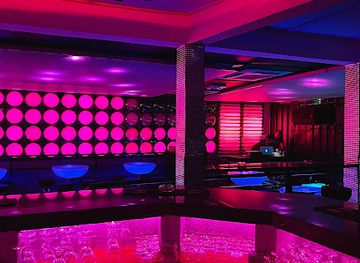
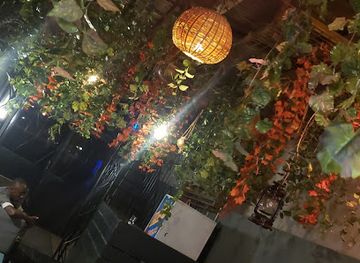
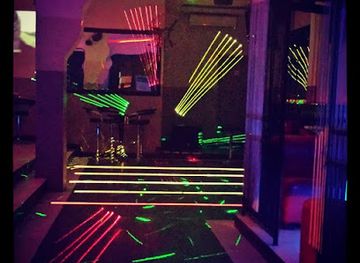
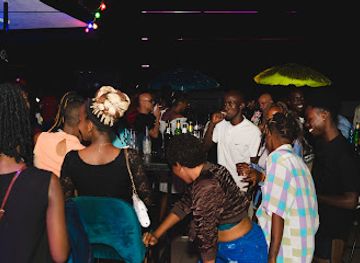
Cankuzo has a small-scale evening scene centred on local bars, modest restaurants and social gatherings rather than large nightclubs. In the provincial capital, people may meet for conversation, music and drinks, while rural evenings are quieter and shaped by household and community life. Burundi’s local beers and soft drinks can be found in some establishments, but availability varies and alcohol should not be treated as the main measure of nightlife. Live music and dancing may accompany occasional celebrations, although events and venues are not reliably scheduled for visitors. Because transport, lighting and communications are limited outside the town centre, return arrangements should be settled before going out and late-night walking avoided. The most rewarding evening experiences are often informal and locally guided rather than part of a developed entertainment district.
-
Night club
TOXIC Night Club
Dive into the energetic nightlife of Bujumbura at TOXIC Night Club, where music, dance, and vibrant culture come alive until dawn.
-
Lounge
Blue Club Night-club
Immerse yourself in the lively atmosphere of Blue Club Night-club, Bujumbura's premier lounge for an unforgettable nightlife experience.
-
Night club
Le Crystal
Experience Bujumbura's electrifying nightlife at Le Crystal, a must-visit night club for music lovers and party enthusiasts.
-
Night club
MALIBU.BUJA
Discover Bujumbura's nightlife at MALIBU.BUJA, a vibrant night club and bar & grill offering delicious food, great music, and unforgettable experiences.
Best shops in Cankuzo
Shopping in Cankuzo is concentrated in local markets, small provision shops and roadside stalls rather than purpose-built retail districts. Markets offer seasonal produce such as beans, maize, cassava, bananas and other staples, along with household goods, clothing and basic travel supplies. Visitors may find locally made baskets, woven items or simple crafts, although selection and availability change and should not be assumed to be organised for tourism. The best purchases are generally practical or edible products that can be carried responsibly, while bargaining should remain courteous and proportionate. Cankuzo is not a destination for luxury retail or extensive souvenir shopping; its commercial character reflects the needs of farming communities and a provincial trading centre. Carry cash in smaller denominations, check the condition of perishable goods and ask before photographing stalls or vendors.
-
Home goods store
Muco Shop
Discover unique home goods and local crafts at Muco Shop in Bujumbura, where every piece tells a story of Burundian culture.
-
Store
Gitega Galerie GWANZU
Explore the vibrant culture of Gitega at Gitega Galerie GWANZU, where local crafts and art come together in a unique shopping experience.
-
Shopping mall
Colline Rutegama
Discover the vibrant shopping scene at Colline Rutegama in Kibogoye, where local culture meets international brands in a delightful retail experience.
-
Bakery
boulangerie uburyohe
Experience the authentic flavors of Cankuzo at Boulangerie Uburyohe, where every bite tells a story of local tradition and culinary excellence.


Get your free copy of our complete guide to Cankuzo, delivered straight to you.
Everything on this page, from attractions and restaurants to essentials and local phrases, in one PDF you can read offline, print or share.
Already have an account? Sign in
Your Cankuzo guide is ready.
We'll send it to · Not you? Sign out

Getting your guide ready…
We are putting together a fresh copy of the Cankuzo guide. This can take up to a minute.
This can take a few moments. If your browser asks, choose Allow so the download can start. You'll find the guide in your Downloads folder.
Nothing happened? Download it again
Sorry, the guide is taking longer than usual. Please try again in a minute, or get it by email instead.
Cankuzo essentials
Currency and Payment
Safety
Emergency Situations
Do's and Don'ts
Local Tips
From Eve
Local phrases worth knowing
You don't need to get them perfect. A few words go a long way, and locals appreciate the effort.
Basics
| English | Local | Say it |
|---|---|---|
| Hello | Naki | [Nah-kee] |
| Goodbye | Urakomeye | [Oo-rah-koh-meh-ye] |
| Yes | Yego | [Yeh-go] |
| No | Oya | [Oh-yah] |
| Please/You're welcome | Nyabuna | [Nya-boo-nah] |
| Thank you | Urakoze | [Oo-rah-koh-zeh] |
| Excuse me/Sorry | Mbabarira | [Mbah-bah-ree-rah] |
| How are you? | Amakuru yawe? | [Ah-mah-koo-roo yah-weh] |
| Fine. And you? | Nimeza. Na wewe? | [Nee-meh-zah. Nah weh-weh] |
| Do you speak English? | Uravuga Icyongereza? | [Oo-rah-vu-gah Ee-chohn-geh-rah-zah] |
| I don't understand | Sinzi | [Seen-zee] |
Eating & Drinking
| English | Local | Say it |
|---|---|---|
| I'd like to see the menu, please | Nashaka kureba urutonde rw'ibiryo, nyabuna | [Nah-shah-kah koo-reh-bah oo-roo-ton-day roo-ee-bee-ryo, nyah-boo-nah] |
| I don't eat meat | Sinarya inyama | [See-nah-ryah ee-nyah-mah] |
| Cheers! | Icyo gikorwa! | [Ee-choh gee-chee-kah!] |
| I would like to pay, please | Nashaka gukoresha, nyabuna | [Nah-shah-kah goo-koh-reh-shah, nyah-boo-nah] |
Emergencies
| English | Local | Say it |
|---|---|---|
| Help! | Mfasha! | [M-fah-shah!] |
| Go away! | Genda! | [Gen-dah!] |
| Call the Police! | Hamagarira Polisi! | [Ha-mah-gah-ree-rah Poh-lee-see!] |
| Call a doctor! | Hamagarira umuganga! | [Ha-mah-gah-ree-rah oo-moo-gah-ngah!] |
| I'm lost | Nabuze | [Nah-boo-zeh] |
| I'm ill | Ndi indwara | [Ndee een-dwah-rah] |
Shopping
| English | Local | Say it |
|---|---|---|
| I'd like to buy... | Nashaka kugura... | [Nah-shah-kah koo-goo-rah...] |
| I'm just looking | Ndi gusa ntekereza | [Ndee goo-sah nen-teh-keh-rah-zah] |
| How much is it? | Birangana iki? | [Bee-rah-nga-nah ee-kee?] |
| That's too expensive | Ibyo birahenze | [Ee-bee-oh bee-rah-hen-zeh] |
| Can you lower the price? | Ushobora kugabanya igiciro? | [Oo-shoh-bah-rah koo-gah-bah-nyah ee-ghee-roh?] |
Time & Numbers
| English | Local | Say it |
|---|---|---|
| What time is it? | Ni saa ingahe? | [Nee sah ahn-gah-eh?] |
| It's one o'clock | Ni saa moya | [Nee sah moy-ah] |
| Half past (10) | Saa zine n'igice | [Sah zee-neh n'ee-gee-cheh] |
| Morning | Mu gitondo | [Moo gee-ton-doh] |
| Afternoon | Mu ma saa sita | [Moo mah sah see-tah] |
| Evening | Mu nimugoroba | [Moo nee-moo-goh-roh-bah] |
| Yesterday | Ejo hashize | [Eh-jo hah-shee-zeh] |
| Today | Uyu munsi | [Oo-yoo moon-see] |
| Tomorrow | Ejo hazaza | [Eh-jo hah-zah-zah] |
| 1 | 1 | [1] |
| 2 | 2 | [2] |
| 3 | 3 | [3] |
| 4 | 4 | [4] |
| 5 | 5 | [5] |
| 6 | 6 | [6] |
| 7 | 7 | [7] |
| 8 | 8 | [8] |
| 9 | 9 | [9] |
| 10 | 10 | [10] |
Transport & Directions
| English | Local | Say it |
|---|---|---|
| Where's a/the...? | Aho hari...? | [Ah-ho hah-ree...?] |
| What's the address? | Ni iyi adresse? | [Nee ee-yee ah-dress] |
| Can you show me (on the map)? | Ushobora kumpa ikarita? | [Oo-shoh-bah-rah koom-pah ee-kah-ree-tah?] |
| When's the next (bus)? | Igihe bus ikurikira? | [Ee-gee-heh boos ee-koo-ree-kee-rah?] |
| A ticket (to ....) | Itike (ku ...) | [Ee-tee-keh (koo ...)] |
History of Cankuzo
Early settlement and the Ruvubu landscape
The eastern part of present-day Burundi has long been shaped by farming, cattle keeping, river networks and movement between the central highlands and the lands around Lake Victoria and western Tanzania. The Ruvubu valley provided water, grazing and ecological diversity, while wooded and grassland areas supported wildlife and seasonal livelihoods. Archaeological evidence and oral traditions form different parts of the historical record, but the region’s past is best understood as one of continuing settlement and exchange rather than an isolated frontier.
The Kingdom of Burundi before colonial rule
Before European colonial administration, Cankuzo belonged to the wider political and cultural world of the Kingdom of Burundi. Royal authority was expressed through relationships between the court, regional chiefs, agricultural communities and cattle-owning families, although power was not uniform across every locality. Kirundi language, systems of obligation and agricultural practice provided enduring cultural links. Eastern districts also interacted with neighbouring territories, making the area a zone of contact as well as a peripheral part of the kingdom.
German and Belgian colonial administration
European rule altered the region’s political geography and administrative systems. German authorities incorporated Burundi into German East Africa in the late nineteenth century, before Belgium administered Ruanda-Urundi after the First World War under a League of Nations mandate and later a United Nations trusteeship. Mission stations, taxation, labour demands and new administrative boundaries affected rural communities. Colonial rule also strengthened the use of roads and official centres, helping shape the later importance of Cankuzo as a provincial headquarters.
Independence and the remaking of provincial Burundi
Burundi became independent in 1962, and the new state inherited colonial boundaries, administrative structures and substantial regional inequalities. Cankuzo remained predominantly agricultural and rural, with limited industrial development compared with Bujumbura and some western urban centres. National political conflicts repeatedly affected eastern provinces through displacement, insecurity and pressure on local communities. The province’s modern identity consequently reflects both continuity in village life and the long-term effects of national political change.
Conflict, displacement and reconstruction
The civil war that followed the crisis of 1993 affected Burundi as a whole, including Cankuzo and neighbouring eastern provinces. Rural households experienced insecurity, interrupted farming, displacement and damage to public services, while roads and markets became more difficult to use. The peace process and subsequent political settlements allowed many communities to rebuild homes, agriculture, schools and local administration. Contemporary Cankuzo still carries the effects of limited infrastructure, but its roads, markets and conservation areas form part of Burundi’s continuing effort to connect and develop the east.
Ruvubu National Park and conservation
Ruvubu National Park was established to protect a substantial tract of savannah, woodland and riverine habitat in northeastern Burundi. Its territory extends across several provinces, including Cankuzo, and follows the ecological corridor associated with the Ruvubu River. Conservation has had to coexist with surrounding rural livelihoods and the pressures created by poverty, land demand and periods of instability. The park is historically important not only as a wildlife area but also as a reminder that Burundi’s eastern landscapes possess environmental value beyond their agricultural use.
Cankuzo in Photos
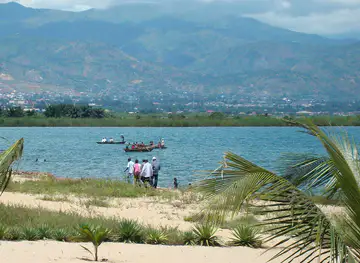
Browse through our photo collection highlighting the charm and character of the destination.
Neighbouring regions of Cankuzo
The closest regions to Cankuzo, if you have time for more than one.
-
-

-

-

-


Swipe for more regions
Explore more
Explore more of Burundi
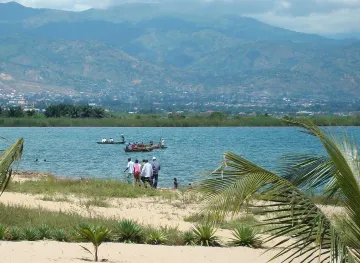
Discover the hidden gem of Africa: Burundi, a land of stunning landscapes, rich culture, and warm hospitality. Perfect for adventurers and culture enthusiasts alike.
Explore Burundi