

Free Buyogoma Travel Guide & Mobile App
Explore Buyogoma with free travel guides. Discover regional history, expert tips, proposed trips, and audio guides on web or mobile app.


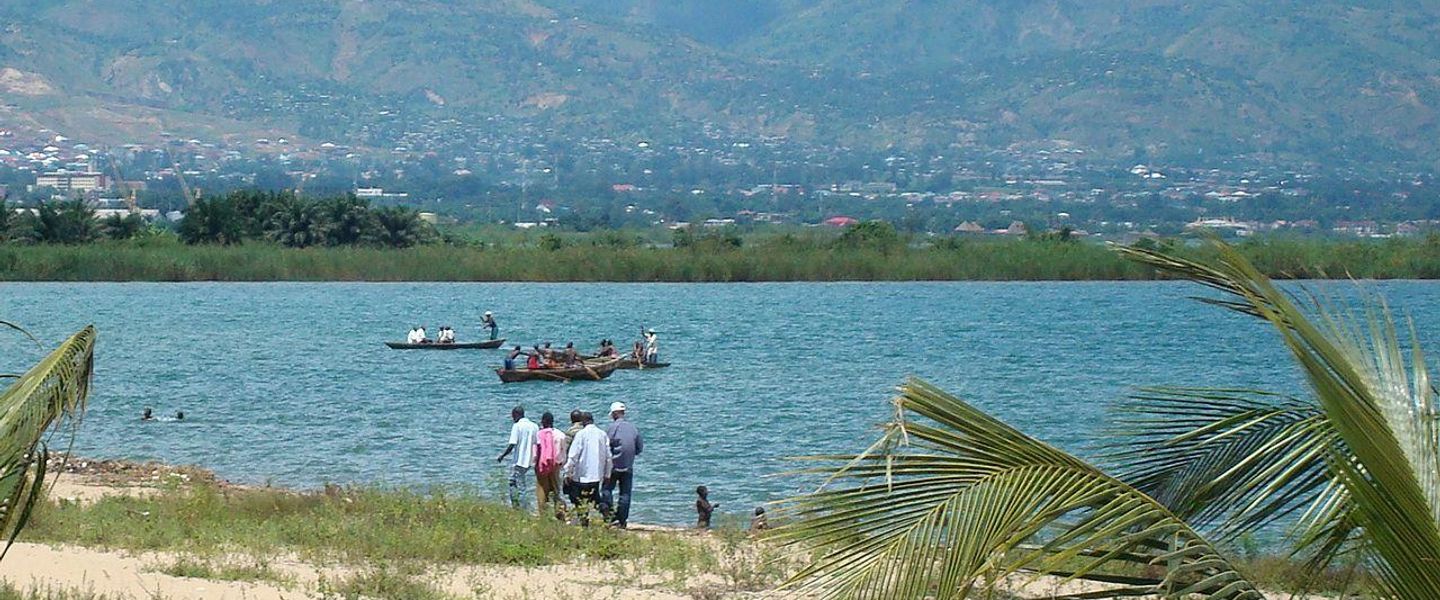


Explore Buyogoma’s rolling eastern hills, Ruvubu landscapes, rural markets and Burundian heritage from Ruyigi and Cankuzo.
Read more about Buyogoma
When is the best time to visit Buyogoma?
Best: July–September · 25°C| Month | High (°C) | Rainfall (mm) |
|---|---|---|
| January | 26 | 80 |
| February | 26 | 90 |
| March | 26 | 110 |
| April | 26 | 130 |
| May | 26 | 120 |
| June | 25 | 80 |
| July (best) | 25 | 50 |
| August (best) | 25 | 50 |
| September (best) | 25 | 60 |
| October | 26 | 100 |
| November | 26 | 110 |
| December | 26 | 100 |
Getting to and around Buyogoma
How to get there
Transportation
Top city travel guides in Buyogoma
The cities of Buyogoma, and the easiest places to base yourself.

Swipe for more cities
Destinations in Buyogoma
Resorts, valleys and scenic spots worth a trip of their own.

Swipe for more destinations
Best attractions in Buyogoma
Buyogoma’s attractions are primarily landscape-based and cultural rather than built for mass tourism. Ruvubu National Park is the region’s principal protected area, offering open savannah, woodland, river habitat and opportunities for guided observation of birds and other wildlife. Its character is closer to a lightly developed nature reserve than to a conventional safari destination, so visitors should arrange access and transport before arriving. Around Ruyigi and Cankuzo, the most rewarding experiences often come from seeing how cultivated hills, market centres, footpaths and river valleys fit together. Rural excursions can reveal changing scenery between highland slopes and lower-lying grassland, although local guidance is important and roads may become difficult in the rainy season. The towns themselves provide a practical introduction to eastern Burundi through markets, small businesses, churches and everyday public life. Visitors interested in history can explore the region’s cultural landscape through local conversations and knowledgeable guides, rather than expecting a concentration of monumental ruins. Buyogoma is best suited to travellers who value geography, conservation and community context, and who are prepared for limited visitor infrastructure and a slower pace of movement.
-
Tourist attraction
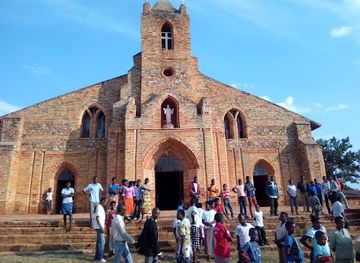
Paroisse Catholique de Muyaga
Discover Burundi's first Catholic mission in Muyaga, a serene sanctuary of faith, history, and cultural heritage.
-
 Park
ParkHN
Experience the beauty and tranquility of Gitega Park, a serene oasis in the heart of Burundi's vibrant city.
Best landmarks in Buyogoma
The Ruvubu River is Buyogoma’s defining natural landmark, giving its name to the national park and shaping a broad corridor of grassland, woodland and wetland habitat across north-eastern Burundi. Ruvubu National Park is consequently both a geographical reference point and a symbol of the country’s conservation ambitions. The towns of Ruyigi and Cankuzo provide the region’s principal civic landmarks, with administrative buildings, churches, market spaces and roads that reflect the growth of modern eastern Burundi rather than a single monumental architectural style. Around them, the rounded cultivated hills are landmarks in their own right: their red soils, patterned fields and scattered settlements express the region’s agricultural landscape. Older paths, mission compounds and local centres may carry historical significance, but many are active community places rather than preserved monuments. Visitors should seek local interpretation before assigning a precise historical meaning to a building or site, since Buyogoma’s heritage is often embedded in oral memory, political history and the continuing use of the landscape.
-
Zoo
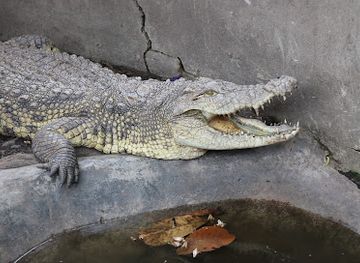
Living Museum (Bujumbura Zoo)
Explore the Living Museum in Bujumbura: A captivating zoo experience showcasing Burundi's unique wildlife and natural beauty.
-
Tourist attraction
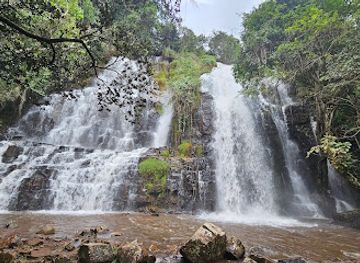
Chutes de la Karera Falls
Experience the breathtaking beauty of Chutes de la Karera Falls in Burundi, a hidden gem surrounded by lush landscapes and vibrant nature.
-
Resort hotel
Sunstone Beach
Discover the stunning beauty of Sunstone Beach in Burundi, where relaxation meets adventure amidst breathtaking views and vibrant local culture.
-
Tourist attraction
Gishora Drum Sanctuary
Discover the heart of Burundian culture at Gishora Drum Sanctuary, where the rhythms of traditional music come alive in an unforgettable experience.
Explore Buyogoma on the map
Plan your trip on one map. See where the top cities, national parks and sights are, and book hotels and experiences in a few clicks.
Best hotels in Buyogoma
Best restaurants in Buyogoma
Dining in Buyogoma is generally informal and closely connected to household cooking, market trade and small-town cafés rather than a formal restaurant circuit. Meals commonly draw on beans, cassava, maize, bananas, sweet potatoes and rice, with meat or freshwater fish available in some settings. Grilled meat, simple stews, fried snacks and hot drinks are typical options in town, while rural meals may be arranged through accommodation or a local host. Burundi’s coffee is an important national product, and tea and locally produced beer may also appear alongside soft drinks; availability varies considerably outside Ruyigi and Cankuzo. Markets are useful for seeing seasonal fruit and vegetables, but visitors should choose busy, clean vendors and use treated or bottled water. In smaller settlements, menus may be limited and service slow, so carrying snacks is sensible during road journeys. The food experience is less about regional signature dishes than about fresh staples, generous social hospitality and the practical rhythms of eastern Burundi’s agricultural economy.
-
Grill
Harrys Grill House
Discover the authentic taste of Bujumbura at Harry's Grill House - where delicious barbecue meets a vibrant dining experience.
-
Restaurant
Belvedere Restaurant
Experience authentic Burundian cuisine with stunning views at Belvedere Restaurant in Bujumbura.
-
Restaurant
Restaurant Chez Orphée
Discover the authentic taste of Burundi at Restaurant Chez Orphée in Bujumbura – where culinary tradition meets warm hospitality.
-
Indian
Tandoor
Experience authentic Indian flavors at Tandoor in Bujumbura - a culinary gem blending traditional dishes with a vibrant bar atmosphere.
Best bars in Buyogoma
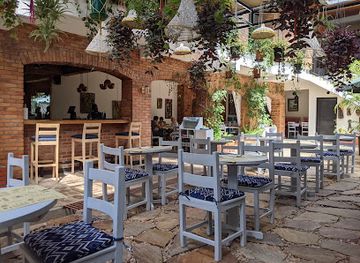
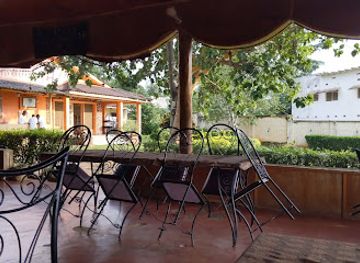
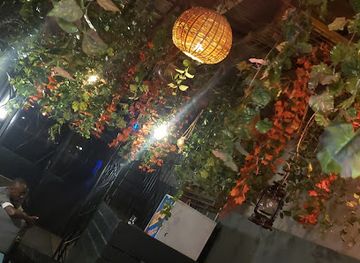
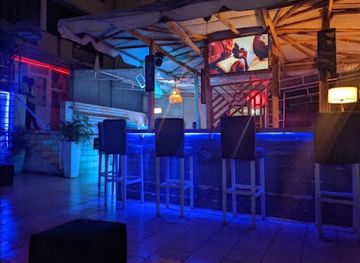
Buyogoma does not have a large, internationally oriented nightclub scene. Evening life is concentrated in the cafés, bars, restaurants and small hotels of Ruyigi and Cankuzo, where people meet for conversation, food, football and music. Traditional beer and commercially produced drinks may be available, but visitors should drink moderately and avoid walking alone after dark. In rural areas, evenings are quieter and social activity usually centres on homes, local gatherings or modest trading-centre establishments rather than organised entertainment. Live music and dancing may occur on particular occasions, but schedules are not reliably publicised and should be confirmed locally. Some accommodation venues can provide an early evening meal or a drink, while smaller settlements may have little available after nightfall. The region’s evening culture is therefore best approached as a local, community-based experience rather than a dedicated nightlife destination.
-
Restaurant
Arena Restaurant Lounge Bar
Experience the vibrant flavors and lively atmosphere at Arena Restaurant Lounge Bar in Bujumbura, a culinary gem of Burundi.
-
Bar
Bunga Bunga Bar
Experience the vibrant nightlife of Bujumbura at Bunga Bunga Bar, where unique cocktails and a lively atmosphere await.
-
Bar
KUNGOMA Bar
Experience the vibrant nightlife of Gitega at KUNGOMA Bar, where local culture meets lively entertainment.
-
Bar
Bugarama Bar
Experience the vibrant atmosphere of Bugarama Bar in Mpehe, where local flavors and lively nightlife create unforgettable memories.
Best nightclubs in Buyogoma
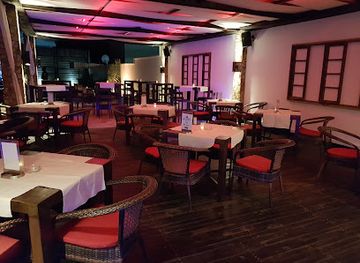
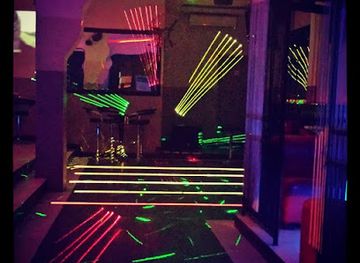
Buyogoma does not have a large, internationally oriented nightclub scene. Evening life is concentrated in the cafés, bars, restaurants and small hotels of Ruyigi and Cankuzo, where people meet for conversation, food, football and music. Traditional beer and commercially produced drinks may be available, but visitors should drink moderately and avoid walking alone after dark. In rural areas, evenings are quieter and social activity usually centres on homes, local gatherings or modest trading-centre establishments rather than organised entertainment. Live music and dancing may occur on particular occasions, but schedules are not reliably publicised and should be confirmed locally. Some accommodation venues can provide an early evening meal or a drink, while smaller settlements may have little available after nightfall. The region’s evening culture is therefore best approached as a local, community-based experience rather than a dedicated nightlife destination.
-
Night club
TOXIC Night Club
Dive into the electrifying nightlife at TOXIC Night Club, where unforgettable memories and vibrant music await in Bujumbura.
-
Lounge
Blue Club Night-club
Discover Bujumbura's nightlife at Blue Club Night-club, where vibrant music and a lively ambiance create unforgettable nights.
-
Night club
Le Crystal
Dive into the vibrant nightlife of Bujumbura at Le Crystal, where music and energy meet in a lively atmosphere for an unforgettable experience.
-
Night club
MALIBU.BUJA
Dive into the vibrant nightlife of Bujumbura at MALIBU.BUJA, the ultimate destination for unforgettable nights filled with music, great food, and fun.

Best shops in Buyogoma
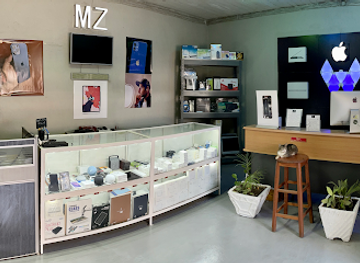
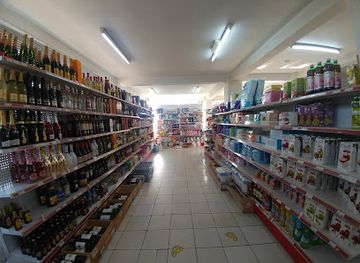
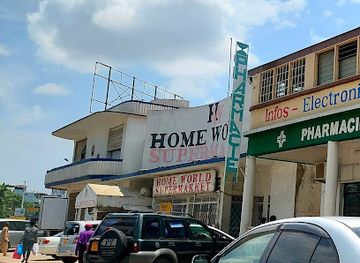
Shopping in Buyogoma is centred on everyday markets and small-town trading streets rather than specialist retail districts. Ruyigi and Cankuzo are the most practical places to buy food, toiletries, clothing, household goods and basic travel supplies, while stalls in smaller centres reflect the produce of the surrounding farming areas. Seasonal fruit, beans, cassava products, bananas and other locally grown foods are more characteristic purchases than a formal souvenir range. Visitors may find woven items, baskets, fabrics or small handmade objects, but quality and availability vary, so buying directly and respectfully from makers is preferable to expecting a fixed craft market. Burundi coffee makes a useful regional gift when sourced through a reputable seller, although not every packet sold locally will be intended for export or suitable for long storage. Carry cash in small denominations, bargain discreetly only where it is clearly customary and remember that rural markets are working facilities for local communities rather than staged tourist attractions.
-
Electronics store
Maison Zarine Burundi
Discover the latest electronics and services at Maison Zarine, the tech hub of Bujumbura, where innovation meets local culture.
-
Grocery store
Au Bon Prix
Explore Bujumbura's local flavors at Au Bon Prix, a vibrant grocery store filled with fresh produce and unique Burundian products.
-
Supermarket
Home World Supermarket
Explore Home World Supermarket in Bujumbura for an authentic shopping experience filled with local and international delights.
-
Home goods store
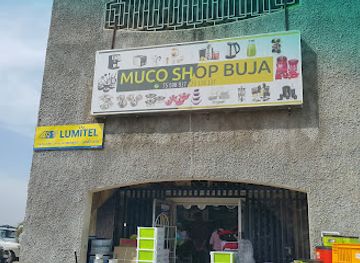
Muco Shop
Explore Muco Shop in Bujumbura for unique home goods and authentic Burundian craftsmanship that enriches your travel experience.
Get your free copy of our complete guide to Buyogoma, delivered straight to you.
Everything on this page, from attractions and restaurants to essentials and local phrases, in one PDF you can read offline, print or share.
Already have an account? Sign in
Your Buyogoma guide is ready.
We'll send it to · Not you? Sign out

Getting your guide ready…
We are putting together a fresh copy of the Buyogoma guide. This can take up to a minute.
This can take a few moments. If your browser asks, choose Allow so the download can start. You'll find the guide in your Downloads folder.
Nothing happened? Download it again
Sorry, the guide is taking longer than usual. Please try again in a minute, or get it by email instead.
Buyogoma essentials
Currency and Payment
Safety
Emergency Situations
Do's and Don'ts
Local Tips
From Eve
Local phrases worth knowing
You don't need to get them perfect. A few words go a long way, and locals appreciate the effort.
Basics
| English | Local | Say it |
|---|---|---|
| Hello | Naki | [Nah-kee] |
| Goodbye | Bwakire | [Bwah-kee-reh] |
| Yes | Yego | [Yeh-go] |
| No | Oya | [Oh-yah] |
| Please/You're welcome | Ndagukunda | [Nda-goo-koon-dah] |
| Thank you | Urakoze | [Oo-rah-koh-zeh] |
| Excuse me/Sorry | Mbabarira | [Mbah-bah-ree-rah] |
| How are you? | Amakuru? | [Ah-mah-koo-roo] |
| Fine. And you? | Ni meza. Nawe? | [Nee meh-zah. Nah-weh?] |
| Do you speak English? | Uravuga Icyongereza? | [Oo-rah-voo-gah Ee-chon-ge-reh-zah] |
| I don't understand | Sinumva | [See-noom-vah] |
Eating & Drinking
| English | Local | Say it |
|---|---|---|
| I'd like to see the menu, please | Ndashaka kubona menu, ndakwinginze | [Nda-shah-kah koh-boo-nah meh-noo, nda-kwee-ngee-zeh] |
| I don't eat meat | Sinarya inyama | [See-nah-ree-ah een-yah-mah] |
| Cheers! | Nishimiye! | [Nee-shee-mee-yeh] |
| I would like to pay, please | Ndashaka kwishyura, ndakwinginze | [Nda-shah-kah kwee-shee-oo-rah, nda-kwee-ngee-zeh] |
Emergencies
| English | Local | Say it |
|---|---|---|
| Help! | Mfasha! | [M-fah-shah] |
| Go away! | Genda! | [Gen-dah] |
| Call the Police! | Hamagara Polisi! | [Hah-mah-gah-rah Poh-lee-see] |
| Call a doctor! | Hamagara umuganga! | [Hah-mah-gah-rah oo-moo-gahng-ah] |
| I'm lost | Ndi mu nzira | [Ndee moo een-zee-rah] |
| I'm ill | Ndi indwara | [Ndee een-dwah-rah] |
Shopping
| English | Local | Say it |
|---|---|---|
| I'd like to buy... | Ndashaka kugura... | [Nda-shah-kah koo-goo-rah] |
| I'm just looking | Ndi kureba gusa | [Ndee koo-reh-bah goo-sah] |
| How much is it? | Ni angahe? | [Nee ahn-gah-heh] |
| That's too expensive | Birahenze cyane | [Bee-rah-hehn-zeh chah-neh] |
| Can you lower the price? | Urashobora kugabanya igiciro? | [Oo-rah-shoh-boh-rah koo-gah-bahn-yah ee-gee-roh] |
Time & Numbers
| English | Local | Say it |
|---|---|---|
| What time is it? | Igihe kingana iki? | [Ee-gee-heh keen-gah-nah ee-kee] |
| It's one o'clock | Ni isaha imwe | [Nee ee-sah-hah eem-weh] |
| Half past (10) | Hafi y'icumi | [Hah-fee ee-yee-choo-mee] |
| Morning | Mu gitondo | [Moo gee-ton-do] |
| Afternoon | Mu masaha ya nyuma | [Moo mah-sah-hah yah nyoo-mah] |
| Evening | Mu gitondo | [Moo gee-ton-do] |
| Yesterday | Ejo hashize | [Eh-joh hah-shee-zeh] |
| Today | Uyu munsi | [Oo-yoo moon-sigh] |
| Tomorrow | Ejo hazaza | [Eh-joh hah-zah-zah] |
| 1 | 1 | [1] |
| 2 | 2 | [2] |
| 3 | 3 | [3] |
| 4 | 4 | [4] |
| 5 | 5 | [5] |
| 6 | 6 | [6] |
| 7 | 7 | [7] |
| 8 | 8 | [8] |
| 9 | 9 | [9] |
| 10 | 10 | [10] |
Transport & Directions
| English | Local | Say it |
|---|---|---|
| Where's a/the...? | Aho hiriwe...? | [Ah-ho hee-ree-weh] |
| What's the address? | Ni iyihe aderesi? | [Nee ee-yee-heh ah-deh-reh-see] |
| Can you show me (on the map)? | Urashobora kumfasha (ku ikarita)? | [Oo-rah-shoh-boh-rah koom-fah-shah (koo ee-kah-ree-tah)] |
| When's the next (bus)? | Igihe bus ikurikira? | [Ee-gee-heh boo-s ee-koo-ree-kee-rah] |
| A ticket (to ....) | Itike (ku ...) | [Ee-tee-keh (koo ...)] |
History of Buyogoma
Early settlement and the eastern highlands
Buyogoma’s hills and river valleys have long supported farming communities, with settlement shaped by access to water, cultivable slopes and routes across eastern Burundi. Archaeological evidence in the wider Great Lakes region indicates a long history of ironworking, food production and changing patterns of settlement, although fewer monumental archaeological sites are identified in Buyogoma than in some other parts of Burundi. The region’s historical landscape is therefore read largely through place names, oral traditions, agricultural practices and the continuity of rural communities.
The Kingdom of Burundi
Before colonial rule, Buyogoma formed part of the political and cultural world of the Kingdom of Burundi. Royal authority was expressed through alliances, tribute, spiritual institutions and the influence of local chiefs rather than through a dense network of masonry buildings. Eastern districts were connected to the court and to neighbouring territories by paths used for movement, exchange and political communication. The kingdom’s legacy remains important to Burundi’s national identity, while local memories and social histories give Buyogoma its own regional perspective.
German and Belgian colonial rule
German control over Burundi began at the end of the nineteenth century, followed after the First World War by Belgian administration as part of Ruanda-Urundi. Colonial rule introduced new systems of taxation, labour, schooling, missionary activity and territorial administration. In Buyogoma, these changes affected rural authority, settlement patterns and agricultural production while linking the eastern interior more closely to administrative centres and border routes. Churches, roads and government institutions associated with the colonial period became lasting features of the region’s modern history.
Missionary education and changing rural society
During the twentieth century, Catholic and Protestant missions contributed to the spread of formal schooling, literacy and new religious institutions across Burundi. Their influence was uneven, but schools and churches around eastern towns and countryside helped create new forms of social mobility and public leadership. Mission activity also intersected with colonial administration and agricultural policy. In Buyogoma, the resulting network of roads, parishes and schools helped connect dispersed communities to Ruyigi, Cankuzo and other regional centres.
Independence and political upheaval
Burundi became independent in 1962, but the decades that followed were marked by political crisis, violence and displacement. Buyogoma, like other rural regions, experienced the effects of insecurity through interrupted farming, population movement and pressure on local services. The eastern borderlands also acquired strategic importance during periods of conflict. These events are part of living memory, and visitors should discuss them with sensitivity rather than treating the countryside only as a picturesque setting.
Ruvubu National Park and conservation
Ruvubu National Park was established to protect a substantial area of savannah, woodland and river habitat in north-eastern Burundi. Its creation reflects a twentieth-century shift towards conserving wildlife landscapes that had previously been used and managed through local rural systems. The park is significant not only for biodiversity but also for the challenges of balancing conservation, livelihoods and access. Its continuing importance gives Buyogoma a place in Burundi’s developing nature-tourism story, despite limited visitor infrastructure.
Buyogoma in Photos
Browse through our photo collection highlighting the charm and character of the destination.
Neighbouring regions of Buyogoma
The closest regions to Buyogoma, if you have time for more than one.
-

-

-

-

-


Swipe for more regions
Explore more
Explore more of Burundi
Discover the hidden gem of Africa: Burundi, a land of stunning landscapes, rich culture, and warm hospitality. Perfect for adventurers and culture enthusiasts alike.
Explore Burundi