

Ruyigi, Burundi Travel Guide
Discover Ruyigi, Burundi's hidden gem, where cultural richness, natural beauty, and genuine hospitality create an unforgettable travel experience.
Ruyigi, nestled in the eastern part of Burundi, offers a serene and authentic experience for travelers seeking to explore the heartland of Africa. This charming town is known for its warm hospitality, beautiful landscapes, and rich cultural heritage, making it a must-visit destination for anyone looking to experience the true essence of Burundi. The town is surrounded by rolling hills and lush greenery, providing a picturesque backdrop for outdoor enthusiasts. Hiking trails and scenic viewpoints abound, allowing visitors to immerse themselves in the stunning natural beauty of the region. The Ruyigi area is also home to several traditional villages where tourists can learn about local customs, crafts, and cuisine. One of the highlights of visiting Ruyigi is the opportunity to engage with the local community. The town is known for its vibrant markets, where you can purchase handmade crafts, fresh produce, and local delicacies. The friendly residents are always eager to share stories and insights about their way of life, making every interaction a memorable one. For those interested in history and culture, Ruyigi offers several significant landmarks and sites of interest. The town's churches and cultural centers provide a glimpse into the spiritual and social fabric of the community. Additionally, Ruyigi's proximity to the Tanzanian border makes it a convenient starting point for cross-border explorations.

Know before you go
Hi, I'm Eve. Here are a few practical things to know before exploring Ruyigi.
- Learn a few basic phrases in Kirundi or French to enhance your interactions with locals.
- Visit the local markets early in the morning for the best selection of fresh produce and crafts.
- Bring comfortable walking shoes; the hilly terrain is best explored on foot.
- Respect local customs and dress modestly, especially when visiting villages and cultural sites.
- Consider hiring a local guide to gain deeper insights into the area's history and culture.
Top City Travel Guides in Ruyigi
The cities of Ruyigi, and the easiest places to base yourself.

Destinations in Ruyigi
Resorts, valleys and scenic spots worth a trip of their own.


Best landmarks in Ruyigi
Top-rated picks
Best Landmarks

Gishora Drum Sanctuary
Discover the rhythmic heart of Burundi at Gishora Drum Sanctuary, a UNESCO World Heritage Site dedicated to the art of traditional drumming.

National Museum of Gitega
Explore the National Museum of Gitega, a treasure trove of Burundian history and culture, showcasing artifacts and engaging exhibits for all ages.

Livingston-Stanley Monument
Discover the spirit of adventure at the Livingston-Stanley Monument in Ramba, a captivating tribute to exploration and history in the heart of Burundi.

Source Du Nil
Explore the breathtaking Source Du Nil in Musenyi, Burundi, where nature meets history at the origin of the Nile River.

Best restaurants in Ruyigi
Top-rated picks
Best Restaurants

Le Café Gourmand
Experience Bujumbura's vibrant culinary scene at Le Café Gourmand with gourmet coffee, exquisite pastries, and local flavors.

Arena Restaurant Lounge Bar
Experience the vibrant flavors and lively atmosphere at Arena Restaurant Lounge Bar in Bujumbura - where local meets international cuisine.

Waka Waka
Experience the best of Italian cuisine at Waka Waka in Bujumbura - where every meal feels like a trip to Italy.

Harrys Grill House
Experience authentic barbecue delights at Harry's Grill House in Bujumbura - where flavor meets tradition!

Best bars in Ruyigi
Top-rated picks
Best Bars

Arena Restaurant Lounge Bar
Savor the vibrant flavors and lively ambiance at Arena Restaurant Lounge Bar in Bujumbura, a must-visit culinary gem.

Peace and Love Bar
Discover the charming Peace and Love Bar in Bujumbura, where locals and tourists mingle in a vibrant atmosphere filled with music and refreshing drinks.

Bunga Bunga Bar
Discover the vibrant nightlife at Bunga Bunga Bar in Bujumbura, where local flavors and international drinks create an unforgettable experience.

MOTEL-BAR KU NONZI
Experience the lively nightlife at MOTEL-BAR KU NONZI, a must-visit bar in Bujumbura offering local drinks, friendly vibes, and live music.

Best nightclubs in Ruyigi
Top-rated picks
Best Nightclubs

TOXIC Night Club
Dive into the vibrant nightlife at TOXIC Night Club, where music, dance, and culture collide for an unforgettable evening in Bujumbura.

Blue Club Night-club
Discover Bujumbura's nightlife at Blue Club Night-club, where vibrant music and an electric atmosphere await you.

Le Crystal
Discover the vibrant nightlife of Bujumbura at Le Crystal, the premier night club for unforgettable experiences and local culture.

KiKi Club Lounge Bar
Discover the exhilarating nightlife at KiKi Club Lounge Bar in Bujumbura, where music, culture, and vibrant energy combine for an unforgettable experience.

Best shops in Ruyigi
Top-rated picks
Best Shops

Lumitel Showroom (Gitega)
Explore cutting-edge technology at the Lumitel Showroom in Gitega, Burundi's electronics hub for tourists and tech enthusiasts.

Gitega Galerie GWANZU
Explore Gitega Galerie GWANZU for authentic Burundian crafts and souvenirs, a must-visit for every tourist in Gitega.

Colline Rutegama
Discover the vibrant Colline Rutegama Shopping Mall - a hub of local culture, shopping, and culinary delights in Kibogoye, Burundi.
Lumitel Ruyigi
Explore Lumitel Ruyigi for the latest in electronics, quality gadgets, and exceptional service in the heart of Rukaragata, Burundi.

Explore Ruyigi on the Map
A handpicked selection of must-see spots in Ruyigi, mapped for you.
Ruyigi Essentials
-
Ruyigi is located in the eastern part of Burundi. The closest major international airport is Bujumbura International Airport (BJM), situated in the capital city, Bujumbura. From Bujumbura, you can take a domestic flight to Gitega Airport or opt for a road trip, which is approximately 180 kilometers and takes around 4 to 5 hours by car. Public buses and shared taxis (matatus) also operate between Bujumbura and Ruyigi.
-
Once in Ruyigi, the town is small enough to explore on foot. For longer distances, local taxis and motorcycle taxis (boda-bodas) are readily available and affordable. Public minibuses connect Ruyigi with nearby towns and villages. Renting a car with a driver is another option for more flexible travel.
-
The official currency in Burundi is the Burundian Franc (BIF). It is recommended to carry cash, as credit cards are not widely accepted. ATMs are available in Ruyigi, but they may not always be reliable, so withdrawing sufficient cash in Bujumbura before traveling is advisable. Major hotels and some restaurants may accept US dollars.
-
Ruyigi is generally considered safe for tourists, but standard precautions should be taken. Avoid walking alone at night and stay vigilant in crowded areas to prevent petty theft. While there are no specific high-crime areas targeting tourists, it is wise to always be aware of your surroundings and secure your belongings.
-
In case of emergency, dial 112 for immediate assistance. Ruyigi has a local police station and medical facilities, including a hospital. It is highly recommended to have travel insurance that covers medical emergencies. For minor health issues, pharmacies are available where you can purchase over-the-counter medications.
-
Fashion: Do dress modestly, especially when visiting religious sites; avoid wearing revealing clothing. Religion: Do respect local customs and traditions; always remove your shoes and cover your head when entering places of worship. Public Transport: Do be respectful and give up your seat to elderly passengers; don't eat or drink on public transport. Greetings: Do greet people with a handshake; a slight bow of the head is also a sign of respect. Eating & Drinking: Do try local delicacies and accept food offerings graciously; don't refuse hospitality, as it is considered impolite.
-
To experience Ruyigi like a local, visit the vibrant local markets where you can buy fresh produce and traditional Burundian crafts. Engage with locals, who are often friendly and eager to share stories about their culture and history. Don't miss the opportunity to participate in local festivals and traditional dances, which offer a unique glimpse into the region's rich cultural heritage.
When is the best time to visit Ruyigi?
Useful Local Phrases for Ruyigi
You don't need to speak the language perfectly. Even learning a few simple words can make conversations warmer—and locals usually appreciate the effort.
— Eve

Here are the phrases I use most often in Ruyigi. Try a few—you'll be surprised how far they go! 😊
❤️
-
- HelloNaki
[Nah-kee] - GoodbyeMurabeho
[Moo-rah-beh-ho] - YesYego
[Yeh-go] - NoOya
[Oh-yah] - Please/You're welcomeNdakwinginze
[Nda-kee-ning-ze] - Thank youUrakoze
[Oo-rah-koh-ze] - Excuse me/SorryMbabarira
[Mbah-bah-ree-rah] - How are you?Amakuru yawe?
[Ah-mah-koo-roo yah-weh] - Fine. And you?Ni meza, nawe?
[Nee meh-zah, nah-weh] - Do you speak English?Uravuga Icyongereza?
[Oo-rah-vuh-gah Ee-chong-eh-reh-zah] - I don't understandSinumva
[See-noom-vah]
- HelloNaki
-
- I'd like to see the menu, pleaseNdashaka kureba menu, ndakwinginze
[Nda-shah-kah koo-reh-bah meh-noo, nda-kee-ning-ze] - I don't eat meatSinarya inyama
[See-nah-ree-ah ee-nyah-mah] - Cheers!Ndaguhaye!
[Nda-goo-hah-yeh] - I would like to pay, pleaseNdashaka kwishyura, ndakwinginze
[Nda-shah-kah kwee-shee-oo-rah, nda-kee-ning-ze]
- I'd like to see the menu, pleaseNdashaka kureba menu, ndakwinginze
-
- Help!Mfasha!
[M-fah-shah] - Go away!Genda kure!
[Gen-dah koo-reh] - Call the Police!Hamagarira Polisi!
[Hah-mah-gah-ree-rah Poh-lee-see] - Call a doctor!Hamagarira umuganga!
[Hah-mah-gah-ree-rah oo-moo-gah-ngah] - I'm lostNdarengana
[Nda-reh-ngah-nah] - I'm illNdi muruho
[Ndee moo-roo-ho]
- Help!Mfasha!
-
- I'd like to buy...Ndashaka kugura...
[Nda-shah-kah koo-goo-rah] - I'm just lookingNdiri gusa ngerageza
[Ndee-ree goo-sah ngeh-rah-geh-zah] - How much is it?Ni angahe?
[Nee ahn-gah-heh] - That's too expensiveBirahenze cane
[Bee-rah-hen-zay chah-neh] - Can you lower the price?Urashobora kugabanya igiciro?
[Oo-rah-shoh-boh-rah koo-gah-bahn-yah ee-gee-roh]
- I'd like to buy...Ndashaka kugura...
-
- What time is it?Isaha ni iyihe?
[Ee-sah-hah nee ee-yee-heh] - It's one o'clockNi isaha imwe
[Nee ee-sah-hah eem-way] - Half past (10)Isaha n'igice (10)
[Ee-sah-hah n'ee-gee-tseh (10)] - MorningMugitondo
[Mee-gee-ton-doh] - AfternoonNimugoroba
[Nee-moo-go-roh-bah] - EveningIjoro
[Ee-jo-roh] - YesterdayEjo hashize
[Eh-jo hah-shee-zeh] - TodayUyu munsi
[Oo-yoo moon-sigh] - TomorrowEjo hazaza
[Eh-jo hah-zah-zah] - 11
[1] - 22
[2] - 33
[3] - 44
[4] - 55
[5] - 66
[6] - 77
[7] - 88
[8] - 99
[9] - 1010
[10]
- What time is it?Isaha ni iyihe?
-
- Where's a/the...?Aho hari...?
[Ah-ho hah-ree...?] - What's the address?Ni iyihe aderesi?
[Nee ee-yee-heh ah-deh-reh-see?] - Can you show me (on the map)?Urashobora kumfasha (ku ikarita)?
[Oo-rah-shoh-boh-rah koom-fah-shah (koo ee-kah-ree-tah)?] - When's the next (bus)?Igihe bus ikurikira?
[Ee-gee-heh boos ee-koo-ree-kee-rah?] - A ticket (to ....)Tike (ku ....)
[Tee-keh (koo ....)]
- Where's a/the...?Aho hari...?
History of Ruyigi
-
Ruyigi, located in eastern Burundi, traces its origins to the pre-colonial period when it was established as a significant settlement for local communities. The region was known for its lush landscapes and strategic location, making it an essential spot for trade and cultural exchange.
-
During the late 19th century, Ruyigi came under German colonial rule as part of German East Africa. The Germans established administrative structures and began exploiting the region's natural resources, which led to significant changes in the local socio-economic landscape.
-
Following World War I, Ruyigi, like the rest of Burundi, was transferred to Belgian control under the League of Nations mandate. The Belgian administration intensified the development of infrastructure and introduced policies that impacted the traditional way of life in Ruyigi.
-
Ruyigi played a role in Burundi's journey to independence, achieved in 1962. The post-colonial period saw the region grappling with political instability and ethnic tensions, which affected its development. Despite these challenges, Ruyigi remained a vital part of the nation's cultural and economic fabric.
-
The Burundi Civil War, which lasted from 1993 to 2005, had a significant impact on Ruyigi. The region witnessed numerous conflicts and humanitarian crises. Efforts to rebuild and reconcile in the aftermath have been crucial in shaping the contemporary identity of Ruyigi.
-
Ruyigi is rich in cultural heritage, with traditions that have been preserved over centuries. The local communities are known for their vibrant music, dance, and crafts. Important cultural sites, such as traditional royal courts and sacred places, offer a glimpse into the historical and cultural depth of the region.
-
Agriculture is the mainstay of Ruyigi's economy, with coffee and tea being significant cash crops. The region also engages in subsistence farming, livestock rearing, and small-scale trade. Recent efforts have focused on diversifying the economy and promoting sustainable development.
-
Ruyigi has become a growing destination for tourists interested in its history, culture, and natural beauty. Key attractions include the stunning landscapes, traditional festivals, and historical sites. The local hospitality industry has been gradually expanding to accommodate the increasing number of visitors.
Neighbouring Regions of Ruyigi
The closest regions to Ruyigi, if you have time for more than one.




Your all‑in‑one travel companion app
Explore expert travel guides, compare and book tours, experiences, hotels, and more—all from the palm of your hand. Download now for seamless trip planning wherever your wanderlust takes you.


Explore More of Burundi
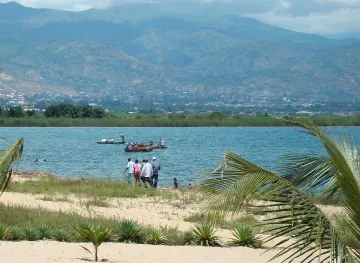
Looking beyond Ruyigi? Discover Burundi for broader travel guides, local hot-spots, and regional highlights.
Explore BurundiRuyigi in Photos
Browse through our photo collection highlighting the charm and character of the destination.


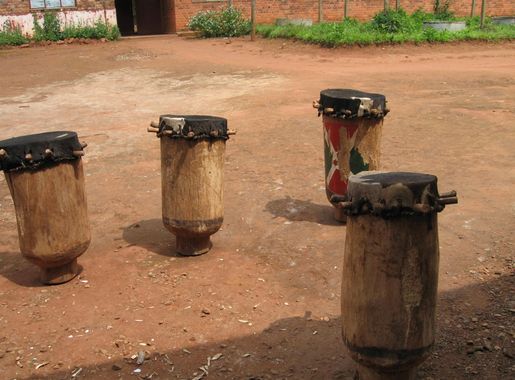
Ruyigi: The Heartbeat of Burundi's East
Ruyigi, nestled in the eastern part of Burundi, offers a serene and authentic experience for travelers seeking to explore the heartland of Africa. This charming town is known for its warm hospitality, beautiful landscapes, and rich cultural heritage, making it a must-visit destination for anyone looking to experience the true essence of Burundi. The town is surrounded by rolling hills and lush greenery, providing a picturesque backdrop for outdoor enthusiasts. Hiking trails and scenic viewpoints abound, allowing visitors to immerse themselves in the stunning natural beauty of the region. The Ruyigi area is also home to several traditional villages where tourists can learn about local customs, crafts, and cuisine. One of the highlights of visiting Ruyigi is the opportunity to engage with the local community. The town is known for its vibrant markets, where you can purchase handmade crafts, fresh produce, and local delicacies. The friendly residents are always eager to share stories and insights about their way of life, making every interaction a memorable one. For those interested in history and culture, Ruyigi offers several significant landmarks and sites of interest. The town's churches and cultural centers provide a glimpse into the spiritual and social fabric of the community. Additionally, Ruyigi's proximity to the Tanzanian border makes it a convenient starting point for cross-border explorations.