

Free Karusi Travel Guide & Mobile App
Explore Karusi with free travel guides. Discover regional history, expert tips, proposed trips, and audio guides on web or mobile app.


Explore Karusi in Burundi for rural hill landscapes, Ruvubu River scenery, agricultural communities and carefully planned journeys through the country’s east.
Read more about Karusi
When is the best time to visit Karusi?
Best: July–September · 23°C| Month | High (°C) | Rainfall (mm) |
|---|---|---|
| January | 23 | 120 |
| February | 23 | 100 |
| March | 23 | 130 |
| April | 23 | 170 |
| May | 23 | 200 |
| June | 23 | 70 |
| July (best) | 23 | 30 |
| August (best) | 23 | 40 |
| September (best) | 23 | 50 |
| October | 22 | 110 |
| November | 22 | 140 |
| December | 22 | 150 |
Getting to and around Karusi
How to get there
Transportation
Top city travel guides in Karusi
The cities of Karusi, and the easiest places to base yourself.
-

-
-


Swipe for more cities
Destinations in Karusi
Resorts, valleys and scenic spots worth a trip of their own.

Swipe for more destinations
Best attractions in Karusi
Karusi’s attractions are primarily environmental and experiential rather than a collection of major ticketed sites. The strongest focus is the Ruvubu National Park, a protected landscape associated with the Ruvubu River, open grassland, woodland and riverine habitats. Wildlife viewing may include birds, hippopotamus and other species, but access, guiding, roads and accommodation are limited and must be confirmed locally. Beyond the park, the province’s rounded hills, cultivated valleys and rural tracks offer opportunities for patient overland sightseeing, short walks and landscape photography. Karusi town and the province’s market centres provide a practical window onto agricultural commerce, with grain, vegetables and household goods moving through local trading networks. Churches, schools, roadside settlements and small administrative centres reveal the everyday structure of the region, although they are not generally developed as formal visitor attractions. Travellers interested in rural geography can combine a journey through Karusi with visits to viewpoints, farms or river approaches arranged respectfully with local residents. The region is best suited to visitors comfortable with basic infrastructure, flexible schedules and locally organised excursions rather than those seeking a dense programme of museums, amusement facilities or polished safari lodges.
-
Tourist attraction
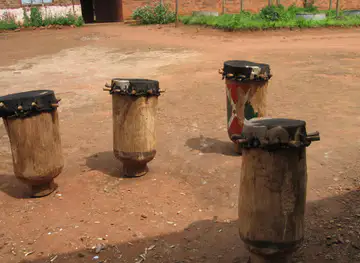
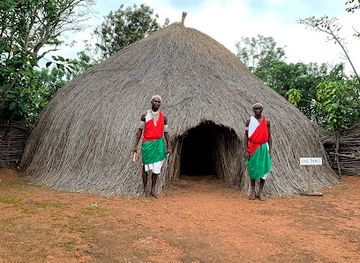
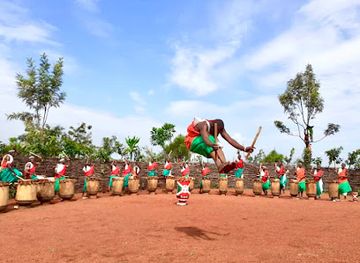
Gishora Drum Sanctuary
Discover Burundi's soul at Gishora Drum Sanctuary: witness ancient drumming rituals, learn about royal history, and experience cultural heritage.
-
Tourist attraction
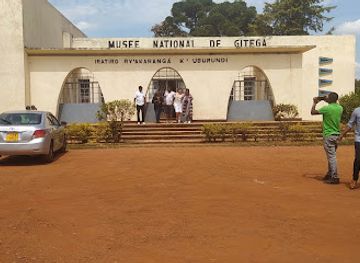
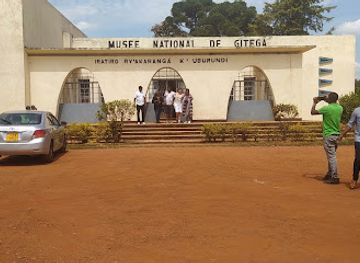
National Museum of Gitega
Discover Burundi's rich cultural heritage at the National Museum of Gitega, showcasing royal artifacts and ethnographic treasures.
-
National park
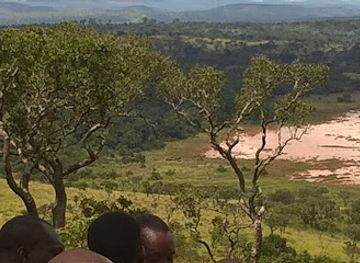
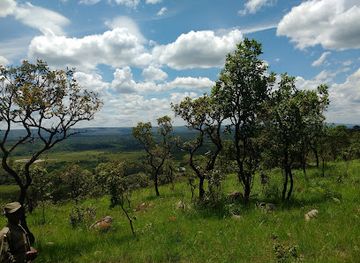
Ruvubu National Park
Explore the stunning landscapes and rich biodiversity of Ruvubu National Park, a premier destination for nature lovers and adventure seekers in Burundi.
-
Hiking area
88887777
Discover the breathtaking landscapes of 88887777 in Mutobo, a premier hiking area for nature enthusiasts and adventure seekers alike.

Best landmarks in Karusi
The Ruvubu River is Karusi’s most significant natural landmark, defining a broad ecological corridor and giving its name to the national park that follows parts of its course. Its importance is geographic as well as environmental: the river links woodland, grassland and wet habitats in a province otherwise dominated by cultivated hills. Ruvubu National Park provides the region’s principal protected landscape, although its boundaries extend beyond Karusi and its access points should be verified rather than assumed from a map. Karusi town itself is a modest civic landmark, with administrative buildings, commercial streets and transport activity that reflect the province’s role as a service centre for rural communes. The surrounding hills and valley roads are also visually characteristic landmarks of the region, showing the close relationship between settlement, farming and terrain. Unlike Burundi’s better-known royal and monumental sites elsewhere, Karusi has relatively few nationally recognised architectural monuments; its strongest sense of place comes from river geography, cultivated ridgelines and the everyday built environment of an inland provincial centre.
-
Tourist attraction
Gishora Drum Sanctuary
Discover the vibrant culture of Burundi at Gishora Drum Sanctuary, where traditional rhythms and community spirit come to life.
-
Museum
National Museum of Gitega
Explore the National Museum of Gitega, where Burundi's rich history and vibrant culture come alive through captivating exhibits and artifacts.
-
National park
Ruvubu National Park
Discover the wild beauty of Ruvubu National Park, a national park in Burundi that offers rich biodiversity, stunning landscapes, and unforgettable wildlife experiences.
-
Monument
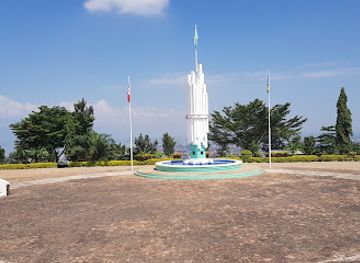
Unity Monument
Discover the Unity Monument in Bujumbura, a symbol of hope, heritage, and stunning city views, perfect for every tourist's itinerary.
Explore Karusi on the map
Plan your trip on one map. See where the top cities, national parks and sights are, and book hotels and experiences in a few clicks.
Best hotels in Karusi
Best restaurants in Karusi
Dining in Karusi is closely tied to household cooking, produce from small farms and the modest eateries found in market and administrative centres. Common meals in Burundi include beans, rice, cassava, sweet potatoes, plantains and maize, often served with greens, sauce or meat when available. Fresh produce varies with the agricultural season, while grilled meat and simple broths may be found near trading areas. The province’s inland position means that lake fish and coastal seafood are not central to its food identity. Small restaurants and tea shops are more practical than formal dining rooms, and rural travellers should not assume that menus will be extensive or that meals will be available late in the evening. Local markets are useful for buying fruit, bread and basic provisions, although visitors should choose food carefully where refrigeration and clean water are uncertain. Burundi’s coffee is nationally important, but Karusi is better understood as a place to encounter everyday regional cooking than as a specialised culinary destination.
-
Restaurant
GAHEKA - KAVUMU
Experience authentic Burundian cuisine at GAHEKA - KAVUMU in Mushikanwa, where every dish celebrates local flavors and traditions.
-
 Restaurant
Restaurant Claudette
Experience authentic Burundian cuisine at Restaurant Claudette in Karuzi, where local flavors meet warm hospitality.
-
Restaurant
Bonesha Kavumu
Experience authentic Burundian cuisine at Bonesha Kavumu in Mushikanwa - a must-visit restaurant for food lovers.
-
Restaurant
La cantina di Renna
Experience authentic Burundian cuisine at La Cantina di Renna in Kiremera—where every dish tells a story.
Best bars in Karusi
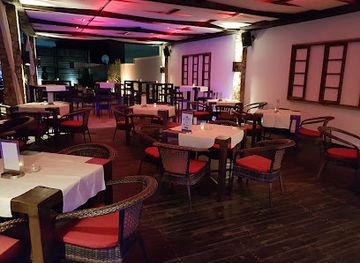
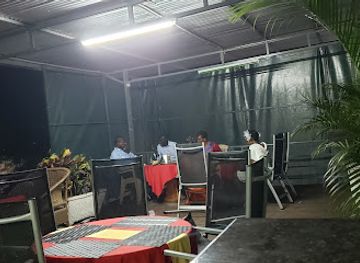
Karusi has a modest evening scene centred on local bars, cafés, small restaurants and social meeting places rather than nightclubs or a concentrated entertainment district. In the provincial capital and larger trading centres, evenings may include conversation, football broadcasts and locally available beer or soft drinks, while rural communities become quiet soon after dark. Live music and celebrations occur, but they are not a dependable scheduled attraction for visitors. Travellers should arrange their return transport before going out, avoid walking unfamiliar rural roads at night and respect the pace of local communities. Alcohol is not necessary to experience the province’s evening culture; a tea shop, market-area eatery or conversation with a host may offer a more representative setting. Opening hours and venue availability are informal and changeable, so do not plan a late-night itinerary around a particular establishment without current local confirmation.
-
Restaurant
Arena Restaurant Lounge Bar
Experience the vibrant nightlife and exquisite cuisine at Arena Restaurant Lounge Bar in Bujumbura, a culinary gem and social hotspot.
-
Bar
Fidodido Bar-Restaurant
Experience the vibrant nightlife of Bujumbura at Fidodido Bar-Restaurant, where delicious food meets refreshing drinks in a lively atmosphere.
-
Bar
MOTEL-BAR KU NONZI
Experience the vibrant atmosphere and local charm at MOTEL-BAR KU NONZI, the perfect spot for drinks and socializing in Bujumbura.
-
Bar
KUNGOMA Bar
Discover KUNGOMA Bar in Gitega, a vibrant local bar offering a unique blend of refreshing drinks and lively atmosphere that showcases Burundian culture.

Best nightclubs in Karusi
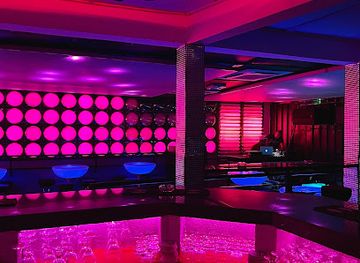
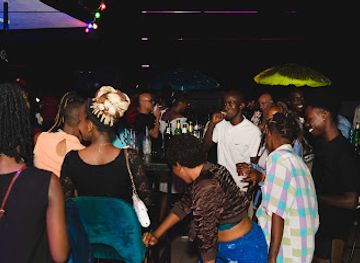
Karusi has a modest evening scene centred on local bars, cafés, small restaurants and social meeting places rather than nightclubs or a concentrated entertainment district. In the provincial capital and larger trading centres, evenings may include conversation, football broadcasts and locally available beer or soft drinks, while rural communities become quiet soon after dark. Live music and celebrations occur, but they are not a dependable scheduled attraction for visitors. Travellers should arrange their return transport before going out, avoid walking unfamiliar rural roads at night and respect the pace of local communities. Alcohol is not necessary to experience the province’s evening culture; a tea shop, market-area eatery or conversation with a host may offer a more representative setting. Opening hours and venue availability are informal and changeable, so do not plan a late-night itinerary around a particular establishment without current local confirmation.
-
Night club
TOXIC Night Club
Dance the night away at TOXIC Night Club in Bujumbura, where vibrant music, exciting drinks, and an unforgettable atmosphere await.
-
Lounge
Blue Club Night-club
Discover Bujumbura's vibrant nightlife at Blue Club Nightclub, where music, dance, and fun come together in a stylish lounge setting.
-
Night club
Le Crystal
Experience the vibrant nightlife at Le Crystal, Bujumbura's premier night club offering great music and an electric atmosphere.
-
Night club
MALIBU.BUJA
Discover the electrifying nightlife at MALIBU.BUJA, a vibrant nightclub and bar & grill in the heart of Bujumbura, offering drinks, food, and live entertainment.


Best shops in Karusi
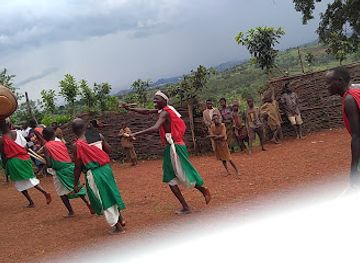
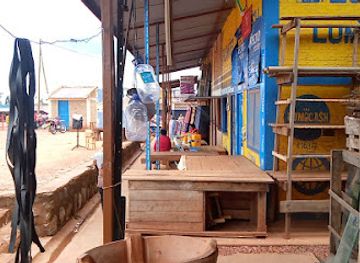
Shopping in Karusi is concentrated in markets, roadside stalls and small town shops rather than dedicated retail districts or large shopping centres. Local markets are the best places to observe the movement of agricultural produce, including beans, maize, cassava, sweet potatoes, vegetables and fruit, although selection depends on season and local harvests. Small traders also sell clothing, household goods, tools and phone credit. Visitors may find practical food supplies more easily than established craft boutiques or tourist souvenir shops, so distinctive regional gifts should be bought only when their origin and quality are clear. Burundi’s coffee is a nationally recognised product, but packaging and transport conditions vary; purchase from a reputable source if taking it home. Bargaining should be polite and proportionate, and photography in markets requires permission. Carry Burundian francs, as cards are unlikely to be accepted and mobile connectivity may be inconsistent outside the main centres.
-
Tourist attraction
Gishora Drum Sanctuary
Discover the vibrant heritage of Burundi through rhythmic drumming at Gishora Drum Sanctuary, a cultural gem for every traveler.
-
Shopping mall
Marché de MASANGANZIRA
Experience the vibrant culture and shopping delights at Marché de MASANGANZIRA, Kiremba's bustling marketplace filled with local treasures and culinary treats.
-
Store
Gitega Galerie GWANZU
Explore Gitega Galerie GWANZU: Your gateway to authentic Burundian crafts and culture in the heart of Gitega.
-
Shopping mall
Colline Rutegama
Experience the vibrant shopping scene at Colline Rutegama, a local gem in Kibogoye offering diverse shops, dining, and entertainment.
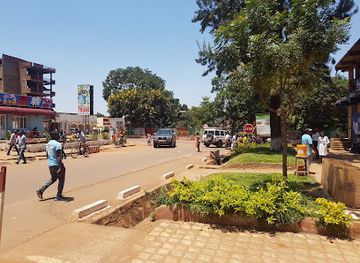
Get your free copy of our complete guide to Karusi, delivered straight to you.
Everything on this page, from attractions and restaurants to essentials and local phrases, in one PDF you can read offline, print or share.
Already have an account? Sign in
Your Karusi guide is ready.
We'll send it to · Not you? Sign out

Getting your guide ready…
We are putting together a fresh copy of the Karusi guide. This can take up to a minute.
This can take a few moments. If your browser asks, choose Allow so the download can start. You'll find the guide in your Downloads folder.
Nothing happened? Download it again
Sorry, the guide is taking longer than usual. Please try again in a minute, or get it by email instead.
Karusi essentials
Currency and Payment
Safety
Emergency Situations
Do's and Don'ts
Local Tips
From Eve
Local phrases worth knowing
You don't need to get them perfect. A few words go a long way, and locals appreciate the effort.
Basics
| English | Local | Say it |
|---|---|---|
| Hello | Naki | [Nah-kee] |
| Goodbye | Uraho neza | [Oo-rah-ho neh-zah] |
| Yes | Yego | [Yeh-go] |
| No | Oya | [Oh-yah] |
| Please/You're welcome | Nyabuna | [Nya-boo-nah] |
| Thank you | Urakoze | [Oo-rah-koh-zeh] |
| Excuse me/Sorry | Mbabarira | [Mbah-bah-ree-rah] |
| How are you? | Amakuru yawe? | [Ah-mah-koo-roo yah-weh] |
| Fine. And you? | Ni meza. Na we? | [Nee meh-zah. Nah weh?] |
| Do you speak English? | Uravuga Icyongereza? | [Oo-rah-vuh-gah Ee-chon-geh-rah-zah] |
| I don't understand | Sindumva | [Seen-doom-vah] |
Eating & Drinking
| English | Local | Say it |
|---|---|---|
| I'd like to see the menu, please | Ndashaka kureba menu, nyabuna | [N-dah-shah-kah koo-reh-bah meh-noo, nya-boo-nah] |
| I don't eat meat | Sinarya inyama | [Seen-yah-ree-ah ee-nyah-mah] |
| Cheers! | Kuryoherwa! | [Koo-ryoh-er-wah] |
| I would like to pay, please | Ndashaka kwishyura, nyabuna | [N-dah-shah-kah kwee-shee-oo-rah, nya-boo-nah] |
Emergencies
| English | Local | Say it |
|---|---|---|
| Help! | Mfasha! | [M-fah-shah] |
| Go away! | Genda kure! | [Gen-dah koo-reh] |
| Call the Police! | Hamagara Polisi! | [Hah-mah-gah-rah Poh-lee-see] |
| Call a doctor! | Hamagara umuganga! | [Hah-mah-gah-rah oo-moo-gah-ngah] |
| I'm lost | Ndi mu rugendo | [N-dee moo roo-gen-doh] |
| I'm ill | Ndi indwara | [N-dee een-dwah-rah] |
Shopping
| English | Local | Say it |
|---|---|---|
| I'd like to buy... | Ndashaka kugura... | [N-dah-shah-kah koo-goo-rah] |
| I'm just looking | Ndi gusa n'ukureba | [N-dee goo-sah n'oo-koo-reh-bah] |
| How much is it? | Igiciro kingana iki? | [Ee-gee-roo keen-gah-nah ee-kee] |
| That's too expensive | Birahenze cyane | [Bee-rah-hen-zeh chah-neh] |
| Can you lower the price? | Ushobora kugabanya igiciro? | [Oo-sho-boh-rah koo-gah-bah-nyah ee-gee-roo] |
Time & Numbers
| English | Local | Say it |
|---|---|---|
| What time is it? | Isaha niyihe? | [Ee-sah-hah nee-yee-heh] |
| It's one o'clock | Ni saa moya | [Nee sah-ah moh-yah] |
| Half past (10) | Isaha icumi n'igice | [Ee-sah-hah ee-choo-mee n'ee-gee-cheh] |
| Morning | Munsi | [Moon-see] |
| Afternoon | N'igicamunsi | [N'ee-gee-chah-moon-see] |
| Evening | Ijoro | [Ee-jo-roh] |
| Yesterday | Ejo hashize | [Eh-jo hah-shee-zeh] |
| Today | Uyu munsi | [Oo-yoo moon-see] |
| Tomorrow | Ejo hazaza | [Eh-jo hah-zah-zah] |
| 1 | 1 | [1] |
| 2 | 2 | [2] |
| 3 | 3 | [3] |
| 4 | 4 | [4] |
| 5 | 5 | [5] |
| 6 | 6 | [6] |
| 7 | 7 | [7] |
| 8 | 8 | [8] |
| 9 | 9 | [9] |
| 10 | 10 | [10] |
Transport & Directions
| English | Local | Say it |
|---|---|---|
| Where's a/the...? | Iri hehe ...? | [Ee-ree heh-heh ...?] |
| What's the address? | Ni irihe? | [Nee ee-ree-heh?] |
| Can you show me (on the map)? | Ushobora kumfasha (ku ikarita)? | [Oo-sho-boh-rah koom-fah-shah (koo ee-kah-ree-tah)?] |
| When's the next (bus)? | Ni ryari ikindi (bisi)? | [Nee ryah-ree ee-keen-dee (bee-see)?] |
| A ticket (to ....) | Itike (ku ...) | [Ee-tee-keh (koo ...)] |
History of Karusi
Early settlement and the Great Lakes cultural world
The hills and valleys of present-day Karusi have long formed part of the Great Lakes cultural region, where farming, cattle keeping and exchange connected communities across what is now Burundi, Rwanda and the eastern Democratic Republic of the Congo. Historical evidence for early settlement is more scattered here than at better-known archaeological sites elsewhere in Burundi, but the region’s agricultural landscape reflects centuries of adaptation to steep slopes, fertile valleys and seasonal rainfall. Kirundi language and shared social institutions remain important expressions of this long regional continuity.
The pre-colonial Kingdom of Burundi
Before European rule, Karusi belonged to the sphere of the Kingdom of Burundi, whose political authority was expressed through royal institutions, local chiefs and networks of tribute and allegiance. The kingdom was not administered as a modern province, but its influence reached the central and eastern hills through political relationships and movement of people, cattle and goods. Many later administrative boundaries do not correspond to the older organisation of the kingdom, yet the memory of Burundi’s monarchy remains part of the country’s historical identity.
German and Belgian colonial rule
European colonial involvement altered the political and economic landscape of the region from the late nineteenth century onwards. German authority was followed after the First World War by Belgian administration under the League of Nations mandate and later the United Nations trusteeship. Colonial officials governed through existing structures while expanding taxation, labour demands, roads and Christian mission activity. In rural Karusi, colonial rule also encouraged more formal agricultural administration and linked local production increasingly to wider markets, changes that outlasted independence.
Independence and post-colonial administration
Burundi became independent in 1962, and the territory that includes Karusi was incorporated into the new republic’s evolving provincial and communal administration. The decades after independence brought political instability and periods of violence, affecting rural security, movement and access to public services. Administrative centres such as Karusi became increasingly important for education, health provision, commerce and government, while most residents continued to depend on small-scale agriculture. The province’s present identity is therefore both rural and administrative, shaped by the needs of dispersed communities.
Civil conflict and the search for stability
The civil war that followed the 1993 assassination of President Melchior Ndadaye affected Burundi as a whole, including central and eastern rural areas. Displacement, disrupted farming and insecurity placed severe pressure on communities and infrastructure. The 2000 Arusha Peace and Reconciliation Agreement and subsequent peace processes contributed to a gradual reduction in large-scale conflict, although recovery was uneven. In Karusi, the legacy is visible less through monumental sites than through the importance of local peace, reliable roads, schools, health services and agricultural livelihoods.
The Ruvubu landscape and contemporary conservation
The creation and continued protection of Ruvubu National Park reflects a modern effort to conserve one of Burundi’s major riverine and savannah environments. The park extends across several provinces, including parts of the wider Karusi area, and protects habitats associated with the Ruvubu River. Conservation remains linked to practical questions about access, park management and neighbouring livelihoods. For travellers, the park represents Karusi’s clearest connection with Burundi’s national natural heritage, although visitor infrastructure is considerably less developed than in established safari destinations.
Karusi in Photos
Browse through our photo collection highlighting the charm and character of the destination.
Neighbouring regions of Karusi
The closest regions to Karusi, if you have time for more than one.
-

-

-

-

-


Swipe for more regions
Explore more
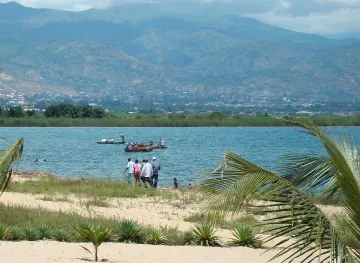
Explore more of Burundi
Discover the hidden gem of Africa: Burundi, a land of stunning landscapes, rich culture, and warm hospitality. Perfect for adventurers and culture enthusiasts alike.
Explore Burundi