

Free Munyika Travel Guide & Mobile App
Explore Munyika with free travel guides. Discover regional history, expert tips, proposed trips, and audio guides on web or mobile app.


Munyika offers a rural introduction to western Burundi, with cultivated hills, local life and access to the landscapes of Bubanza Province.
Read more about Munyika
When is the best time to visit Munyika?
Best: January–March · 24°C| Month | High (°C) | Rainfall (mm) |
|---|---|---|
| January (best) | 24 | 75 |
| February (best) | 24 | 80 |
| March (best) | 24 | 85 |
| April | 25 | 90 |
| May | 25 | 95 |
| June | 24 | 100 |
| July | 24 | 105 |
| August | 24 | 110 |
| September | 24 | 115 |
| October | 24 | 120 |
| November | 24 | 125 |
| December | 24 | 130 |
Getting to and around Munyika
How to get there
Transportation
Best attractions in Munyika
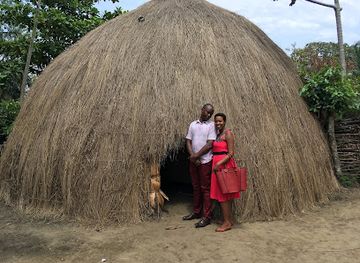
Munyika’s attractions are primarily rural and environmental rather than formal, ticketed sights. The experience centres on cultivated hills, footpaths, small trading places, views across western Burundi and the chance to observe everyday agricultural life with a properly arranged local guide. Visitors interested in nature can use the wider Bubanza area as a starting point for learning about the highland and forest environments of western Burundi, but access conditions and permissions should be checked locally rather than assumed. Bubanza town, outside Munyika, is the most practical nearby service centre for arranging transport, supplies and introductions. Churches, schools, markets and community spaces may be culturally interesting, but they are living places rather than attractions to enter uninvited. The region is better suited to slow travel, landscape observation, rural photography with consent and community-based visits than to a packed sightseeing itinerary. Travellers should not expect museums, amusement facilities or a concentration of developed visitor infrastructure in Munyika itself.
-
Zoo
Living Museum (Bujumbura Zoo)
Explore the Living Museum in Bujumbura, a vibrant zoo showcasing the diverse wildlife and natural beauty of Burundi in an educational and family-friendly environment.
-
National park
Kibira National Park
Discover the breathtaking beauty and rich biodiversity of Kibira National Park, a must-see destination for nature lovers in Burundi.
-
 Tourist attraction
Cloches de la Cathédrale des Martyres
Discover the spiritual and architectural beauty of Cloches de la Cathédrale des Martyres in Ruyigi, Burundi. A landmark of faith and history.
Best landmarks in Munyika
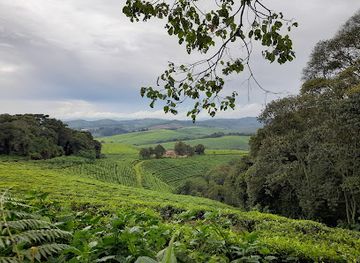
Munyika’s most meaningful landmarks are elements of the lived rural landscape rather than monumental buildings. The cultivated hills and red-earth roads express the agricultural character of western Burundi, while local churches, schools and market spaces often serve as important community reference points. None should be treated as a visitor site without permission. The broader Bubanza area is also defined by the transition between lower western plains and higher, more wooded country, a geographical contrast that gives journeys through the province their visual character. Forested uplands associated with the wider Kibira landscape may be relevant to a carefully organised excursion, but protected areas are not automatically accessible from Munyika and should not be entered without current local advice and authorisation. For visitors, the strongest sense of place comes from observing how settlement, farming, paths and hills fit together rather than from a single famous monument.
-
Hotel
Roca Golf Hotel
Discover luxury and comfort at Roca Golf Hotel in Bujumbura, the perfect retreat for travelers exploring the beauty of Burundi.
-
Conference center
King's Conference Center
Explore the King's Conference Center in Bujumbura, a perfect blend of modern facilities and rich cultural experiences, ideal for tourists and business travelers.
-
Tourist attraction
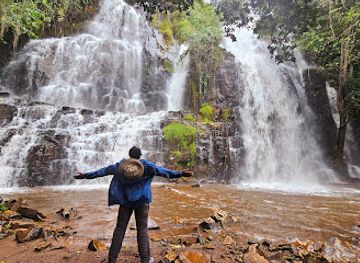
Chutes de la Karera Falls
Experience the breathtaking beauty of Chutes de la Karera Falls in Burundi, a stunning natural attraction surrounded by lush greenery and diverse wildlife.
-
Travel agency
Tanganyika Links Tours
Experience the beauty of Burundi through personalized tours with Tanganyika Links Tours, your gateway to unforgettable adventures in Bujumbura.
Explore Munyika on the map
Plan your trip on one map. See where the top cities, national parks and sights are, and book hotels and experiences in a few clicks.
Best hotels in Munyika
Best restaurants in Munyika
Dining around Munyika is likely to be informal and closely tied to household cooking, small local eateries and roadside trade rather than a developed restaurant scene. Typical Burundian staples include beans, cassava, maize, rice, plantains and sweet potatoes, sometimes accompanied by greens, sauces or locally available meat. In a rural setting, menus depend on the season and supplies, so visitors should not expect extensive choice or reliable opening hours. Bubanza and larger roadside settlements offer more opportunities to buy cooked food and provisions, while markets can provide fruit and other fresh produce. Bottled or treated drinking water should be used. Coffee is an important Burundian product nationally, though rural availability and preparation vary. Visitors who are invited to share a household meal should accept graciously where appropriate, eat respectfully and clarify dietary restrictions through a local intermediary.
-
Restaurant
Le Café Gourmand
Experience the flavors of Burundi at Le Café Gourmand - where delightful pastries meet warm hospitality in Bujumbura.
-
Restaurant
Arena Restaurant Lounge Bar
Discover the vibrant flavors of Bujumbura at Arena Restaurant Lounge Bar – where culinary excellence meets lively entertainment.
-
Italian
Waka Waka
Discover authentic Italian cuisine at Waka Waka in Bujumbura - where every meal is a delightful journey through Italy's rich culinary heritage.
-
Restaurant
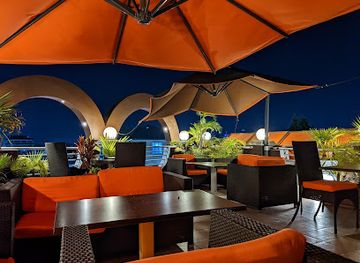
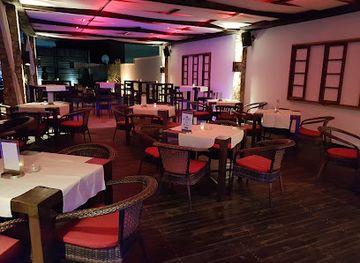
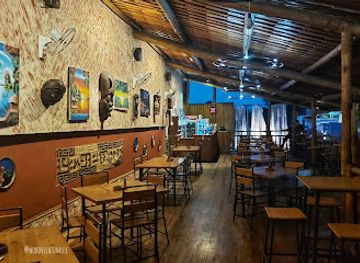
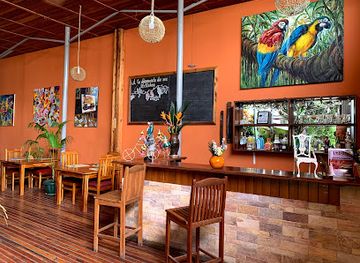
Vinothèque ZILLIKEN
Experience the best of Burundian cuisine and international wines at Vinothèque ZILLIKEN, your go-to restaurant and wine bar in Bujumbura.
Best bars in Munyika
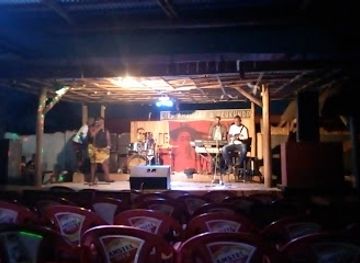
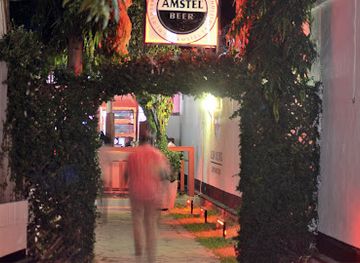
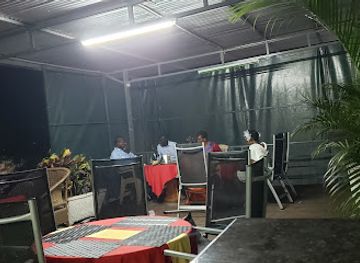
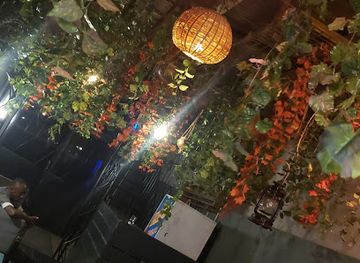
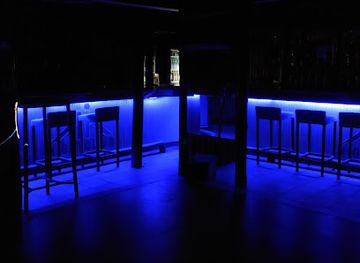
Munyika has no established nightclub district and evening life is likely to centre on small local bars, social visits and community gatherings rather than late-night entertainment. In larger settlements such as Bubanza, modest bars and restaurants may provide places to meet locally, with Burundian beer and soft drinks commonly available, but services and opening arrangements can change. Rural evenings become quiet early, and walking after dark is inadvisable because of limited lighting, transport and communications. Visitors should avoid treating alcohol as the focus of a rural stay, respect religious and household settings, and arrange their return transport before going out. Music, conversation and local social occasions may be more significant than commercial nightlife, but participation should always be guided by invitation and local etiquette.
-
Bar
Peace and Love Bar
Discover the vibrant nightlife at Peace and Love Bar in Bujumbura, where locals and tourists come together for drinks, music, and community.
-
Bar
Bunga Bunga Bar
Discover the vibrant nightlife at Bunga Bunga Bar in Bujumbura, a perfect blend of local culture and lively entertainment.
-
Bar
Fidodido Bar-Restaurant
Discover the vibrant nightlife and authentic cuisine at Fidodido Bar-Restaurant in Bujumbura, where local flavors meet lively entertainment.
-
Bar
Dogodogo Bar
Discover the vibrant atmosphere and local flavors at Dogodogo Bar in Munyika, the perfect spot for relaxation and socializing.
Best nightclubs in Munyika
Munyika has no established nightclub district and evening life is likely to centre on small local bars, social visits and community gatherings rather than late-night entertainment. In larger settlements such as Bubanza, modest bars and restaurants may provide places to meet locally, with Burundian beer and soft drinks commonly available, but services and opening arrangements can change. Rural evenings become quiet early, and walking after dark is inadvisable because of limited lighting, transport and communications. Visitors should avoid treating alcohol as the focus of a rural stay, respect religious and household settings, and arrange their return transport before going out. Music, conversation and local social occasions may be more significant than commercial nightlife, but participation should always be guided by invitation and local etiquette.
-
Night club
TOXIC Night Club
Unleash your nightlife spirit at TOXIC Night Club in Bujumbura, where the beats are hot and the memories last forever.
-
Lounge
Blue Club Night-club
Experience the vibrant nightlife at Blue Club in Bujumbura, where music, dance, and an electric atmosphere create unforgettable nights.
-
Night club
Le Crystal
Discover the electrifying nightlife at Le Crystal in Bujumbura, where music, dancing, and vibrant energy come together for an unforgettable experience.
-
Disco club
KiKi Club Lounge Bar
Discover the vibrant nightlife at KiKi Club Lounge Bar in Bujumbura, where music and fun collide for an unforgettable evening.


Best shops in Munyika
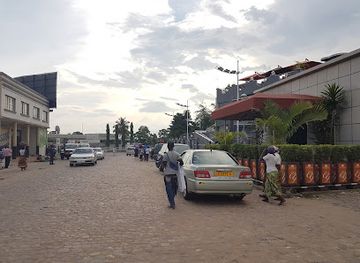
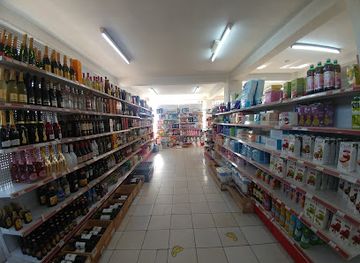
Shopping in Munyika is local and practical, with small shops, roadside stalls and periodic market activity supplying food, household necessities and basic travel provisions. Larger markets and a wider range of goods are more likely to be found in Bubanza or other substantial settlements outside the locality. Visitors may encounter beans, bananas, cassava, fruit, woven items or other locally made products, but availability varies by season and market day. Carry Burundian francs in small denominations and do not assume that electronic payment is possible. Bargaining should be courteous and moderate, particularly when buying directly from small producers. Suitable souvenirs include packaged Burundian coffee purchased through an established seller and modest locally made crafts, provided their origin and materials are clear. Avoid buying protected natural products or objects that could be archaeological or culturally sensitive.
-
Cafe
Le Café Gourmand
Discover the cozy charm of Le Café Gourmand in Bujumbura, where exquisite pastries and aromatic coffee create the perfect culinary escape.
-
Cafe
Bujacafe
Discover the cozy charm of Bujacafe in Bujumbura, where local flavors meet a vibrant atmosphere perfect for relaxation and socializing.
-
Coffee shop
Amahoro Cafe
Experience the rich flavors of Burundi at Amahoro Cafe, a cozy coffee shop in Bujumbura known for its locally sourced brews and inviting atmosphere.
-
Grocery store
Au Bon Prix
Experience Bujumbura's local flavors at Au Bon Prix, your go-to grocery store for authentic Burundian and international delights.


Get your free copy of our complete guide to Munyika, delivered straight to you.
Everything on this page, from attractions and restaurants to essentials and local phrases, in one PDF you can read offline, print or share.
Already have an account? Sign in
Your Munyika guide is ready.
We'll send it to · Not you? Sign out

Getting your guide ready…
We are putting together a fresh copy of the Munyika guide. This can take up to a minute.
This can take a few moments. If your browser asks, choose Allow so the download can start. You'll find the guide in your Downloads folder.
Nothing happened? Download it again
Sorry, the guide is taking longer than usual. Please try again in a minute, or get it by email instead.
Munyika essentials
Currency and Payment
Safety
Emergency Situations
Do's and Don'ts
Local Tips
From Eve
Local phrases worth knowing
You don't need to get them perfect. A few words go a long way, and locals appreciate the effort.
Basics
| English | Local | Say it |
|---|---|---|
| Hello | Nuh | [nuh] |
| Goodbye | Sah | [sah] |
| Yes | Ndaguhaye | [ndah-goo-hah-yeh] |
| No | Oya | [oh-yah] |
| Please/You’re welcome | Ngira | [ng-ee-rah] |
| Thank you | Urakoze | [oo-rah-koh-zay] |
| Excuse me/Sorry | Ndaguhaye | [ndah-goo-hah-yeh] |
| How are you? | Amakuru yawe? | [ah-mah-kur-oo yah-weh] |
| Fine. And you? | Neza. Nawe? | [neh-zah nah-weh] |
| Do you speak English? | Uravuga Icyongereza? | [oo-rah-vah-goo ee-chon-geh-rah-zah] |
| I don’t understand | Sinumva | [see-noom-vah] |
Eating & Drinking
| English | Local | Say it |
|---|---|---|
| I’d like to see the menu, please | Nkeneye kureba menyu, nyabuna | [n-keh-neh-yeh koo-reh-bah men-yoo nyah-boo-nah] |
| I don’t eat meat | Sinakora inyama | [see-nah-koh-rah ee-nyah-mah] |
| Cheers! | Nishimiye! | [nee-shee-mee-yeh] |
| I would like to pay, please | Nkeneye kwishyura, nyabuna | [n-keh-neh-yeh kwee-shee-oo-rah nyah-boo-nah] |
Emergencies
| English | Local | Say it |
|---|---|---|
| Help! | Mfasha! | [m-fah-shah] |
| Go away! | Genda kure! | [gen-dah koo-reh] |
| Call the Police! | Hamagara Polisi! | [hah-mah-gah-rah poh-lee-see] |
| Call a doctor! | Hamagara muganga! | [hah-mah-gah-rah moo-gah-ngah] |
| I’m lost | Ndarambirwa | [n-dah-ram-bee-rah] |
| I’m ill | Ndi indwara | [n-dee een-dwah-rah] |
Shopping
| English | Local | Say it |
|---|---|---|
| I’d like to buy... | Nkeneye kugura... | [n-keh-neh-yeh koo-goo-rah] |
| I’m just looking | Ndi kureba gusa | [n-dee koo-reh-bah goo-sah] |
| How much is it? | Ni angahe? | [nee ahn-gah-eh] |
| That’s too expensive | Birahenze cyane | [bee-rah-hen-zay chah-neh] |
| Can you lower the price? | Urashobora kugabanya igiciro? | [oo-rah-sho-boh-rah koo-gah-bah-nyah ee-gee-choo-roh] |
Time & Numbers
| English | Local | Say it |
|---|---|---|
| What time is it? | Ni isaha ingahe? | [nee ee-sah-hah in-gah-eh] |
| It’s one o’clock | Ni isaha imwe | [nee ee-sah-hah eem-weh] |
| Half past (10) | Igihe cy’icumi n’igice | [ee-gee-heh chee ee-choo-mee nee ee-gee-cheh] |
| Morning | Mugitondo | [mee-gee-ton-doh] |
| Afternoon | N'igicamunsi | [n'ee-gee-chah-moon-see] |
| Evening | Ijoro | [ee-jo-roh] |
| Yesterday | Ejo hashize | [eh-jo ha-shee-zay] |
| Today | Uyu munsi | [oo-yoo moon-sigh] |
| Tomorrow | Ejo hazaza | [eh-jo ha-zah-zah] |
| 1 | 1 | [1] |
| 2 | 2 | [2] |
| 3 | 3 | [3] |
| 4 | 4 | [4] |
| 5 | 5 | [5] |
| 6 | 6 | [6] |
| 7 | 7 | [7] |
| 8 | 8 | [8] |
| 9 | 9 | [9] |
| 10 | 10 | [10] |
Transport & Directions
| English | Local | Say it |
|---|---|---|
| Where's a/the...? | Aho hantu? | [ah-ho han-too] |
| What's the address? | Ni iyi aderesi? | [nee ee-yee ah-deh-reh-see] |
| Can you show me (on the map)? | Urashobora kumfasha (ku ikarita)? | [oo-rah-sho-boh-rah koom-fah-shah koo ee-kah-ree-tah] |
| When's the next (bus)? | Igihe umudugudu uzaza? | [ee-gee-heh oo-moo-doo-goo-doo oo-zah-zah] |
| A ticket (to ....) | Itike (ku ....) | [ee-tee-keh koo] |
History of Munyika
Early settlement and the Great Lakes world
The area around present-day Munyika belongs to the long-settled Great Lakes region of central Africa. Farming communities developed systems based on crops including sorghum, beans, bananas and cassava, while social and political relationships linked hills, valleys and market routes. Archaeological evidence across Burundi is less extensively presented to visitors than the country’s later history, but the rural landscape reflects centuries of cultivation and settlement. Kirundi became the principal language of everyday life, and patterns of life in western Burundi were shaped by both local communities and the wider societies of the Great Lakes.
The kingdom of Burundi
Before colonial rule, the area formed part of the Kingdom of Burundi, whose institutions connected the royal court with chiefs and local communities. Political authority was expressed through relationships between the monarchy, land, cattle and agricultural production rather than through modern provincial boundaries. Western Burundi was tied into these wider structures while retaining the strong importance of hills and local communities. Although little monumental architecture survives around Munyika, the period remains important for understanding the historical origins of Burundi’s political culture, social organisation and national identity.
German and Belgian colonial rule
Germany claimed Burundi as part of German East Africa in the late nineteenth century, but effective colonial administration developed more fully under Belgium after the First World War, when Burundi was administered within Ruanda-Urundi. Colonial authorities reorganised administration, taxation and labour, and Christian missions and schools became increasingly influential. Roads and administrative centres altered connections between rural settlements and the wider country. The provincial landscape around Munyika was consequently drawn into systems designed first for colonial governance and later for economic extraction, while local communities continued to depend mainly on farming.
Independence in 1962
Burundi became independent from Belgium on 1 July 1962. Independence brought the creation of a modern national administration, but colonial-era political and social tensions were not resolved. Rural provinces such as Bubanza became part of a state seeking to extend education, healthcare, roads and public administration across difficult terrain. Munyika’s connection with national life has therefore been shaped less by a single local event than by the gradual expansion, and at times disruption, of government services in western Burundi.
Conflict and displacement in western Burundi
Burundi experienced severe political violence and civil conflict from the 1970s, with the civil war that began in the 1990s causing displacement, insecurity and economic disruption across many rural areas. Bubanza and neighbouring western provinces were affected by armed activity and population movements, although conditions varied between communities and periods. The legacy can be seen in interrupted development, damaged infrastructure and the importance of reconciliation and local stability. Visitors should rely on current security advice rather than assume that historical conditions describe the present.
Agriculture and gradual rural development
In recent decades, rural western Burundi has remained dependent on smallholder agriculture while facing pressure from population density, limited land, soil erosion and variable rainfall. Government services, schools, health centres, roads, mobile communications and local markets have expanded unevenly. Munyika’s contemporary character is best understood through this continuing transition: it is neither an isolated historical landscape nor a developed tourist centre, but a rural community participating in Burundi’s wider efforts to improve livelihoods and connectivity.
Munyika in Photos
Browse through our photo collection highlighting the charm and character of the destination.
Neighbouring regions of Munyika
The closest regions to Munyika, if you have time for more than one.
-

-

-

-

-


Swipe for more regions
Explore more
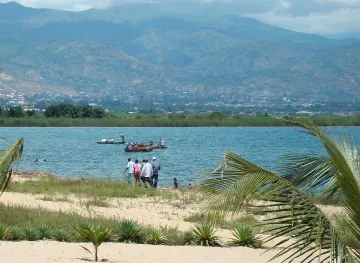
Explore more of Burundi
Discover the hidden gem of Africa: Burundi, a land of stunning landscapes, rich culture, and warm hospitality. Perfect for adventurers and culture enthusiasts alike.
Explore Burundi