

Eastern Plateau, Burundi Travel Guide
Discover the serene landscapes, rich culture, and unique wildlife of the Eastern Plateau in Burundi—a hidden gem in the heart of Africa.
Nestled in the heart of Africa, the Eastern Plateau of Burundi presents an extraordinary blend of natural beauty and cultural richness. This elevated region is a haven for nature lovers, offering breathtaking views, lush green landscapes, and a tranquil atmosphere that is perfect for relaxation. The plateau's cool climate provides a refreshing escape from the heat of the lowlands, making it an ideal destination year-round. The Eastern Plateau is home to a variety of wildlife, including rare bird species that attract birdwatchers from around the world. The area is also dotted with small, traditional villages where visitors can immerse themselves in the local culture. Meet the warm and welcoming Burundian people, learn about their customs, and enjoy local dishes that are both flavorful and unique. Adventure enthusiasts will find plenty to do here, from hiking through verdant hills to exploring hidden waterfalls. The region's unspoiled nature offers countless opportunities for photography, ensuring that every moment spent here is memorable. Whether you are seeking peace and quiet or an adrenaline rush, the Eastern Plateau of Burundi has something to offer every traveler.

Know before you go
Hi, I'm Eve. Here are a few practical things to know before exploring Eastern Plateau.
- Wear comfortable shoes for hiking and exploring the rugged terrain.
- Learn a few basic phrases in Kirundi or French to better connect with the locals.
- Bring a good camera to capture the stunning landscapes and wildlife.
- Pack layers of clothing as the temperature can vary throughout the day.
- Try to visit local markets for unique handmade crafts and souvenirs.
Top City Travel Guides in Eastern Plateau
The cities of Eastern Plateau, and the easiest places to base yourself.


Destinations in Eastern Plateau
Resorts, valleys and scenic spots worth a trip of their own.


Best landmarks in Eastern Plateau
Top-rated picks
Best Landmarks
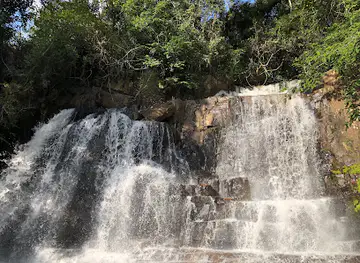
Chutes de la Karera Falls
Explore the breathtaking Chutes de la Karera Falls in Burundi, a serene natural wonder perfect for nature lovers and adventurers seeking tranquility.
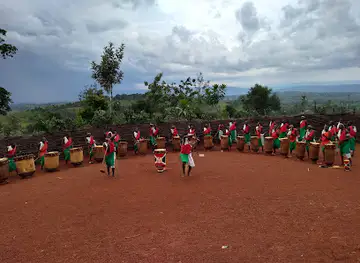
Gishora Drum Sanctuary
Discover the rich cultural heritage of Burundi at the Gishora Drum Sanctuary, a UNESCO World Heritage Site showcasing traditional music and vibrant community spirit.

Livingston-Stanley Monument
Discover the Livingstone-Stanley Monument in Ramba, a historical landmark celebrating iconic explorers amidst stunning natural beauty.
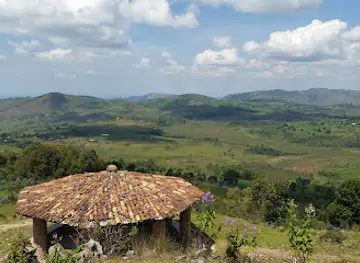
Source Du Nil
Explore the breathtaking beauty and historical significance of Source Du Nil, a must-visit tourist attraction in Musenyi, Burundi.

Best restaurants in Eastern Plateau
Top-rated picks
Best Restaurants

Le Café Gourmand
Discover the flavors of Burundi at Le Café Gourmand – where culinary excellence meets cozy ambiance in Bujumbura.

Arena Restaurant Lounge Bar
Savor exquisite local and international cuisine at Arena Restaurant Lounge Bar in Bujumbura - where vibrant atmosphere meets delightful flavors.

Waka Waka
Discover authentic Italian cuisine at Waka Waka in Bujumbura - where every dish tells a story!

Vinothèque ZILLIKEN
Discover Vinothèque ZILLIKEN in Bujumbura - where exquisite wines meet delightful cuisine in a cozy atmosphere.

Best bars in Eastern Plateau
Top-rated picks
Best Bars

Arena Restaurant Lounge Bar
Discover the vibrant dining scene at Arena Restaurant Lounge Bar in Bujumbura, offering a fusion of local and international flavors in a lively atmosphere.

Vinothèque ZILLIKEN
Discover the elegance of wine and cuisine at Vinothèque ZILLIKEN in Bujumbura, where every sip and bite tells a story of exquisite flavors.

Zanzi
Experience the rich flavors of Burundi at Zanzi, a delightful restaurant in Bujumbura offering an eclectic menu in a warm and inviting atmosphere.

Harrys Grill House
Discover the best barbecue in Bujumbura at Harry's Grill House, where flavor meets friendly service in an inviting atmosphere.

Best nightclubs in Eastern Plateau
Top-rated picks
Best Nightclubs

TOXIC Night Club
Discover the heart of Bujumbura's nightlife at TOXIC Night Club, where vibrant music and a lively atmosphere await you.

Arch of the Cicadas
Experience relaxation and local culture at the serene Arch of the Cicadas lounge in Bujumbura, Burundi.

Blue Club Night-club
Immerse yourself in the electrifying nightlife at Blue Club Night-club, where music and vibrant energy collide in Bujumbura.

Le Crystal
Discover the vibrant nightlife at Le Crystal, Bujumbura's premier night club, where music, dance, and unforgettable memories come alive.

Best shops in Eastern Plateau
Top-rated picks
Best Shops

Roca Golf Hotel
Experience luxury and comfort at Roca Golf Hotel in Bujumbura, offering stunning views, premium amenities, and exceptional service for every traveler.

Maison Zarine Burundi
Explore cutting-edge electronics and exceptional service at Maison Zarine Burundi, your ultimate tech destination in Bujumbura.

Eden Garden Resort
Experience culinary bliss at Eden Garden Resort, Bujumbura's premier dining destination amidst serene gardens and delightful cuisine.

Hôtel Belair Résidence
Discover comfort and relaxation at Hôtel Belair Résidence in Bujumbura, a perfect retreat for families and travelers seeking a taste of local culture.

Explore Eastern Plateau on the Map
A handpicked selection of must-see spots in Eastern Plateau, mapped for you.
Eastern Plateau Essentials
-
The Eastern Plateau in Burundi is accessible via Bujumbura International Airport, located in the capital city, Bujumbura. From the airport, you can take a domestic flight to Gitega, the nearest major city to the Eastern Plateau, or opt for a taxi or rental car. The journey by road from Bujumbura to Gitega typically takes around 2 to 3 hours. Alternatively, you can use public buses that run regularly between Bujumbura and Gitega.
-
Within the Eastern Plateau, transportation options include taxis, minibuses, and motorcycle taxis (known as 'boda-boda'). Taxis are generally more comfortable but slightly more expensive. Minibuses are a cost-effective way to travel between towns and villages but can be crowded. 'Boda-boda' are useful for short distances and navigating through areas with less developed infrastructure. For a more flexible experience, renting a car is a viable option, although it is advisable to have a 4x4 vehicle for navigating rural areas.
-
The official currency in Burundi is the Burundian Franc (BIF). Credit cards are not widely accepted, so it is crucial to carry cash for most transactions. ATMs are available in larger towns like Gitega, but they may not be as prevalent in smaller villages. It is wise to exchange money at authorized forex bureaus or banks in major cities before traveling to the Eastern Plateau.
-
The Eastern Plateau is generally safe for tourists, but it is important to take standard precautions. Avoid walking alone at night and be cautious in crowded areas to prevent pickpocketing. Some areas, particularly near the borders, may have higher crime rates, so it is advisable to stay informed about the current security situation. Always consult local authorities or your accommodation for advice on safe areas to visit.
-
In case of emergency, dial 112 for immediate assistance. Medical facilities are limited in rural areas, so it is essential to have travel insurance that covers medical emergencies. For minor health issues, local pharmacies are available, especially in larger towns like Gitega. In case of any security concerns, contact the local police station or your country's embassy in Bujumbura.
-
Fashion: Do dress modestly, especially when visiting religious or rural areas. Avoid wearing revealing clothing. Religion: Do respect local customs and traditions. When visiting religious sites, dress conservatively and remove your shoes if required. Public Transport: Do be respectful and offer your seat to elderly passengers. Don’t eat or drink on public transport. Greetings: Do greet people with a handshake and a smile. It is polite to inquire about one's health and family. Eating & Drinking: Do try local dishes and accept food offerings graciously. Don’t refuse hospitality, as it is considered impolite.
-
To experience the Eastern Plateau like a local, visit the weekly markets where you can purchase fresh produce and traditional crafts. Engage with locals, who are often friendly and willing to share stories about their culture and history. Don’t miss exploring the natural beauty of the area, including the scenic hills and valleys. Participate in local festivals and events to gain a deeper understanding of Burundian culture.
When is the best time to visit Eastern Plateau?
Useful Local Phrases for Eastern Plateau
You don't need to speak the language perfectly. Even learning a few simple words can make conversations warmer—and locals usually appreciate the effort.
— Eve

Here are the phrases I use most often in Eastern Plateau. Try a few—you'll be surprised how far they go! 😊
❤️
-
- HelloHi
[Hai] - GoodbyeSee you later
[Si yu leitar] - YesYeah
[Yea] - NoNope
[Nope] - Please/You're welcomeSure thing
[Shur thing] - Thank youThanks
[Thangs] - Excuse me/SorryPardon me
[Pardon mi] - How are you?How's it going?
[Haw's it goin?] - Fine. And you?Good. And you?
[Good. And yu?] - Do you speak English?Do you know English?
[Do yu no English?] - I don't understandI don't get it
[I dont get it]
- HelloHi
-
- I'd like to see the menu, pleaseCan I see the menu?
[Can I si the menu?] - I don't eat meatI’m vegetarian
[I'm vegeterian] - Cheers!Cheers!
[Cheers!] - I would like to pay, pleaseCan I get the check?
[Can I get the chek?]
- I'd like to see the menu, pleaseCan I see the menu?
-
- Help!Help!
[Help!] - Go away!Leave me alone!
[Leev mi alon!] - Call the Police!Call the cops!
[Call the cops!] - Call a doctor!Get a doctor!
[Get a doktor!] - I'm lostI can't find my way
[I kant find mai wei] - I'm illI'm not feeling well
[I'm not feeling wel]
- Help!Help!
-
- I'd like to buy...I want to buy...
[I want to bai...] - I'm just lookingJust browsing
[Jast browsing] - How much is it?What's the price?
[What's the prais?] - That's too expensiveThat's pricey
[That's pricy] - Can you lower the price?Can you make it cheaper?
[Can you make it chepar?]
- I'd like to buy...I want to buy...
-
- What time is it?What’s the time?
[What's the taim?] - It's one o'clockIt’s one
[It's wan] - Half past (10)Half past ten
[Half past ten] - MorningMorning
[Morning] - AfternoonAfternoon
[Afternoon] - EveningEvening
[Evening] - YesterdayYesterday
[Yesterday] - TodayToday
[Today] - TomorrowTomorrow
[Tomorrow] - 1One
[Wan] - 2Two
[Too] - 3Three
[Three] - 4Four
[For] - 5Five
[Faiv] - 6Six
[Siks] - 7Seven
[Seven] - 8Eight
[Eit] - 9Nine
[Nain] - 10Ten
[Ten]
- What time is it?What’s the time?
-
- Where's a/the...?Where is the...?
[Wher is the...?] - What's the address?What’s the address?
[What's the adrees?] - Can you show me (on the map)?Can you point it out?
[Can you point it aut?] - When's the next (bus)?When is the next bus?
[When is the nekst bus?] - A ticket (to ....)One ticket to ...
[Wan tiket to ...]
- Where's a/the...?Where is the...?
History of Eastern Plateau
-
The Eastern Plateau region of Burundi was once part of the ancient Kingdom of Burundi. The kingdom, believed to have been established in the 16th century, played a crucial role in shaping the cultural and political landscape of the region. The plateau's strategic location facilitated trade routes and cultural exchanges with neighboring regions, contributing to the kingdom's prosperity and influence.
-
The Eastern Plateau, like the rest of Burundi, fell under German colonial rule in the late 19th century following the Berlin Conference. During World War I, Belgium took control of the region, and it remained under Belgian administration until Burundi gained independence in 1962. The colonial period brought significant changes, including the introduction of new agricultural practices and infrastructure development, which have left a lasting impact on the plateau.
-
After gaining independence on July 1, 1962, Burundi experienced periods of political instability and ethnic conflict. The Eastern Plateau was not immune to these challenges, as it became a battleground during various episodes of civil unrest. Despite these difficulties, the resilience of the local communities has been a testament to the enduring spirit of the Burundian people.
-
The Eastern Plateau is home to a rich tapestry of cultural heritage and traditions. The region's inhabitants, primarily Hutu and Tutsi communities, have preserved their customs, language, and folklore through generations. Traditional dance, music, and craftsmanship are integral aspects of life on the plateau, offering a glimpse into the vibrant cultural identity of its people.
-
The fertile lands of the Eastern Plateau have long been a cornerstone of Burundi's agricultural economy. The region is known for its production of coffee, tea, and bananas, which are vital to both the local and national economy. Traditional farming techniques coexist with modern agricultural practices, reflecting the adaptability and innovation of the plateau's farmers.
-
The Eastern Plateau boasts stunning natural landscapes and rich biodiversity. The region's rolling hills, lush forests, and scenic vistas attract nature enthusiasts and adventurers. The diverse flora and fauna, including endemic species, make it a significant area for conservation efforts and eco-tourism.
Neighbouring Regions of Eastern Plateau
The closest regions to Eastern Plateau, if you have time for more than one.


Your all‑in‑one travel companion app
Explore expert travel guides, compare and book tours, experiences, hotels, and more—all from the palm of your hand. Download now for seamless trip planning wherever your wanderlust takes you.


Explore More of Burundi
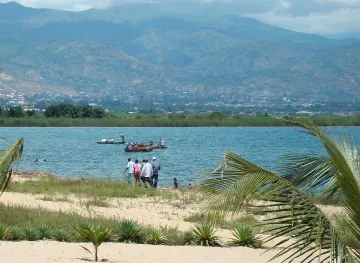
Looking beyond Eastern Plateau? Discover Burundi for broader travel guides, local hot-spots, and regional highlights.
Explore BurundiEastern Plateau in Photos
Browse through our photo collection highlighting the charm and character of the destination.


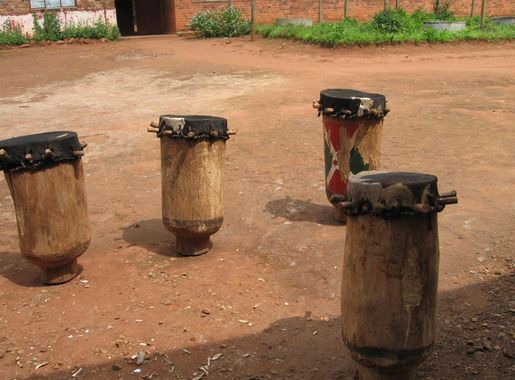
The Enchanting Eastern Plateau of Burundi
Nestled in the heart of Africa, the Eastern Plateau of Burundi presents an extraordinary blend of natural beauty and cultural richness. This elevated region is a haven for nature lovers, offering breathtaking views, lush green landscapes, and a tranquil atmosphere that is perfect for relaxation. The plateau's cool climate provides a refreshing escape from the heat of the lowlands, making it an ideal destination year-round. The Eastern Plateau is home to a variety of wildlife, including rare bird species that attract birdwatchers from around the world. The area is also dotted with small, traditional villages where visitors can immerse themselves in the local culture. Meet the warm and welcoming Burundian people, learn about their customs, and enjoy local dishes that are both flavorful and unique. Adventure enthusiasts will find plenty to do here, from hiking through verdant hills to exploring hidden waterfalls. The region's unspoiled nature offers countless opportunities for photography, ensuring that every moment spent here is memorable. Whether you are seeking peace and quiet or an adrenaline rush, the Eastern Plateau of Burundi has something to offer every traveler.