

Moso, Burundi Travel Guide
Discover Moso, Burundi's hidden gem, where lush landscapes, vibrant culture, and warm hospitality create an unforgettable travel experience.
Nestled in the heart of Burundi, Moso is a region that captivates with its lush landscapes, rich cultural heritage, and warm-hearted locals. This lesser-known destination offers an authentic glimpse into the life and traditions of East Africa, far from the beaten tourist paths. Moso is famed for its verdant hills and fertile valleys. The area is dotted with small farms and tea plantations, creating a picturesque mosaic that is a delight to explore. The natural beauty of Moso is complemented by its mild climate, making it a perfect retreat for nature lovers and those looking to unwind in serene surroundings. The local culture in Moso is vibrant and welcoming. Visitors can experience traditional drumming and dancing, explore local markets brimming with fresh produce and handmade crafts, and taste the unique flavors of Burundian cuisine. The community is known for its hospitality, and tourists often leave with lasting memories of their interactions with the friendly locals. For the adventurous, Moso offers numerous hiking trails that traverse its scenic landscapes. Whether you're trekking through lush forests or climbing gentle hills for panoramic views, the region is a hiker's paradise. Birdwatchers will also find Moso to be a treasure trove, with a variety of species to spot in their natural habitat.

Know before you go
Hi, I'm Eve. Here are a few practical things to know before exploring Moso.
- Visit the local markets early in the morning to experience their full vibrancy and to get the freshest produce.
- Carry cash, as many local vendors do not accept credit cards.
- Engage with the locals; they are very friendly and can offer great insights into the region's culture and traditions.
- Pack comfortable hiking shoes to explore the beautiful trails and natural landscapes.
Top City Travel Guides in Moso
The cities of Moso, and the easiest places to base yourself.

Explore Moso: Things to Do, Places to Eat, Hotels & More
Handpicked recommendations for top attractions, local dining, accommodations, and more

Top Attractions & Sightseeing in Moso
Top-rated picks
Best Attractions
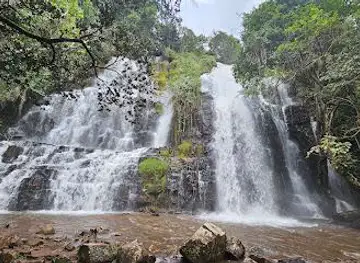
Chutes de la Karera Falls
Experience the breathtaking beauty and tranquility of Chutes de la Karera Falls, a hidden gem in Burundi perfect for nature lovers and adventurers.

Monument du Prince Louis RWAGASORE
A national landmark in Gitega honoring Prince Louis Rwagasore, a hero of Burundi's independence, offering insights into the nation's history and culture.
Estádio
Experience the vibrant local culture at Estádio in Gitega, a dynamic tourist attraction celebrating Burundian sports and community spirit.
HN
Explore the tranquil beauty of HN Park in Birohe, a perfect escape for nature lovers and those seeking peace amidst lush landscapes.

Best landmarks in Moso
Top-rated picks
Best Landmarks

Living Museum (Bujumbura Zoo)
Explore the Living Museum in Bujumbura Zoo, where wildlife and nature come together in a beautiful educational setting.

King's Conference Center
Experience the vibrant atmosphere and modern amenities of the King's Conference Center in Bujumbura, a hub for culture and connectivity.

Chutes de la Karera Falls
Experience the breathtaking beauty of Chutes de la Karera Falls, a hidden gem in Burundi, perfect for nature lovers and adventure seekers alike.

Gishora Drum Sanctuary
Explore the Gishora Drum Sanctuary, where the rhythm of Burundian culture comes alive through traditional drumming and music performances.

Best restaurants in Moso
Top-rated picks
Best Restaurants

Le Café Gourmand
Experience authentic Burundian flavors at Le Café Gourmand – where delicious pastries meet exceptional coffee in Bujumbura's heart.

Arena Restaurant Lounge Bar
Discover culinary excellence at Arena Restaurant Lounge Bar in Bujumbura – where local flavors meet international flair.

Waka Waka
Discover authentic Italian flavors at Waka Waka in Bujumbura - where every dish tells a story.

Vinothèque ZILLIKEN
Discover Vinothèque ZILLIKEN: Bujumbura's premier restaurant offering exquisite cuisine and an extensive wine selection.

Best bars in Moso
Top-rated picks
Best Bars

Arena Restaurant Lounge Bar
Experience the vibrant flavors and lively atmosphere at Arena Restaurant Lounge Bar in Bujumbura, a must-visit culinary destination for tourists.

Harrys Grill House
Experience the best barbecue in Bujumbura at Harry's Grill House, where flavor meets hospitality in a vibrant setting.

TOXIC Night Club
Discover the ultimate nightlife experience at TOXIC Night Club in Bujumbura, where exhilarating beats and vibrant crowds create unforgettable moments.

Restaurant Bar Meteo
Experience the flavors of Burundi at Restaurant Bar Meteo, a culinary oasis in Bujumbura offering stunning views and a vibrant atmosphere.

Best nightclubs in Moso
Top-rated picks
Best Nightclubs

Arena Restaurant Lounge Bar
Discover the vibrant flavors of Bujumbura at Arena Restaurant Lounge Bar, where culinary excellence meets a lively atmosphere.

World Beach Bujumbura
Experience the stunning lakeside dining at World Beach Bujumbura, where delicious grilled cuisine meets breathtaking views of Lake Tanganyika.

TOXIC Night Club
Dive into Bujumbura's nightlife at TOXIC Night Club, where electrifying beats and vibrant crowds create unforgettable memories.

Arch of the Cicadas
Experience a unique blend of relaxation and local culture at the Arch of the Cicadas in Bujumbura, the perfect lounge for unwinding.

Best shops in Moso
Top-rated picks
Best Shops

Amahoro Cafe
Experience the rich flavors and warm ambiance of Amahoro Cafe, Bujumbura's gem for coffee lovers and cultural enthusiasts.

Au Bon Prix
Explore local flavors at Au Bon Prix, Bujumbura’s premier grocery store, offering fresh produce and authentic Burundian snacks.

Aroma café
Discover the heart of Bujumbura at Aroma Café, where exceptional coffee meets a cozy atmosphere.

Boucherie Nouvelle
Experience the best of local meats and delicacies at Boucherie Nouvelle, a butcher shop deli in the heart of Bujumbura.

Explore Moso on the Map
A handpicked selection of must-see spots in Moso, mapped for you.
Moso Essentials
-
Moso is located in the Rutana Province of Burundi. The nearest international airport is Bujumbura International Airport, approximately 150 kilometers away. From Bujumbura, you can take a bus or hire a private taxi to reach Moso. The journey typically takes around 3 to 4 hours by road. Alternatively, you can rent a car from Bujumbura for a more flexible travel schedule.
-
Moso is a relatively small area, and many attractions can be accessed on foot. For longer distances, local taxis and motorcycle taxis (boda-bodas) are readily available and affordable. Public minibuses (matatus) operate within the region and connect to nearby towns and villages. Renting a car can also be an option, but ensure to have a GPS or a local guide for navigation.
-
The official currency in Burundi is the Burundian Franc (BIF). Credit cards are accepted in some hotels and restaurants, but it is advisable to carry cash, especially in local markets and smaller establishments. ATMs are available in Rutana, but it's wise to withdraw sufficient cash in Bujumbura before traveling to Moso.
-
Moso is generally a safe destination for tourists, but taking standard precautions is always advisable. Avoid walking alone at night in unfamiliar areas and keep an eye on your belongings in crowded places. While Moso doesn't have specific high-crime areas targeting tourists, staying vigilant and aware of your surroundings is always a good practice.
-
In case of emergency, dial 112 for immediate assistance. The local police station and medical facilities are available in Rutana, the nearest main town. It is recommended to have travel insurance that covers medical emergencies. For minor health issues, there are pharmacies in Rutana where you can purchase over-the-counter medications.
-
Fashion: Do dress modestly, especially when visiting religious sites. Avoid wearing revealing clothing. Religion: Do respect local customs and traditions. Always ask for permission before taking photos of religious ceremonies or sites. Public Transport: Do be respectful and give up your seat to elderly passengers. Don’t eat or drink on public transport. Greetings: Do greet people with a handshake. A slight bow of the head is also a sign of respect. Eating & Drinking: Do try local delicacies and accept food offerings graciously. Don’t refuse hospitality, as it is considered impolite.
-
To experience Moso like a local, visit the local markets where you can buy fresh produce and traditional Burundian crafts. Engage with locals, as they are often friendly and willing to share stories about the area's history and culture. Don't miss visiting the nearby Karera Waterfalls and Nyakazu Fault, which offer breathtaking natural scenery. For a unique cultural experience, participate in local festivals and traditional dance performances.
When is the best time to visit Moso?
Useful Local Phrases for Moso
You don't need to speak the language perfectly. Even learning a few simple words can make conversations warmer—and locals usually appreciate the effort.
— Eve

Here are the phrases I use most often in Moso. Try a few—you'll be surprised how far they go! 😊
❤️
-
- HelloNaki
[nah-kee] - GoodbyeNdeko
[ndeh-koh] - YesYego
[yeh-goh] - NoOya
[oh-yah] - Please/You're welcomeNdakwinginze
[n-dah-kee-win-gin-zeh] - Thank youUrakoze
[oo-rah-koh-zeh] - Excuse me/SorryNdasaba
[ndah-sah-bah] - How are you?Amakuru yawe?
[ah-mah-kur-oo yah-weh] - Fine. And you?Nimeza. N'iki?
[nee-meh-zah. n'ee-kee?] - Do you speak English?Uvuga Icyongereza?
[oo-voo-gah ee-chon-ge-reh-zah?] - I don't understandSinumva
[see-noom-vah]
- HelloNaki
-
- I'd like to see the menu, pleaseNdashaka kureba menu, ndakwinginze
[ndah-shah-kah koo-reh-bah meh-noo, ndah-kee-win-gin-zeh] - I don't eat meatSinarya inyama
[see-nah-ree-ah ee-nyah-mah] - Cheers!Nishimiye!
[nee-shee-mee-yeh] - I would like to pay, pleaseNdashaka kwishyura, ndakwinginze
[ndah-shah-kah kwee-shee-oo-rah, ndah-kee-win-gin-zeh]
- I'd like to see the menu, pleaseNdashaka kureba menu, ndakwinginze
-
- Help!Fasha!
[fah-shah!] - Go away!Genda kure!
[gen-dah koo-reh!] - Call the Police!Hamagara Polisi!
[hah-mah-gah-rah poh-lee-see!] - Call a doctor!Hamagara umuganga!
[hah-mah-gah-rah oo-moo-gahng-ah!] - I'm lostNdi mu gahinda
[n-dee moo gah-hin-dah] - I'm illNdi indwara
[n-dee een-dwah-rah]
- Help!Fasha!
-
- I'd like to buy...Ndashaka kugura...
[ndah-shah-kah koo-goo-rah...] - I'm just lookingNdi gusa ntega
[n-dee goo-sah n-teh-gah] - How much is it?Ni angahe?
[nee ahn-gah-heh?] - That's too expensiveBirahenze cyane
[bee-rah-hen-zay cha-neh] - Can you lower the price?Wobona kugabanya igiciro?
[wo-boh-nah koo-gah-bah-nyah ee-gee-roh?]
- I'd like to buy...Ndashaka kugura...
-
- What time is it?Isaha ni iyihe?
[ee-sah-hah nee ee-yee-heh?] - It's one o'clockNi isaha imwe
[nee ee-sah-hah eem-weh] - Half past (10)Isaha icumi n'igice
[ee-sah-hah ee-choo-mee n'ee-gee-cheh] - MorningUbugororangingo
[oo-boo-goh-roh-rah-nee-ngo] - AfternoonUbugororangingo bw'ihangu
[oo-boo-goh-roh-rah-nee-ngo boo-ee-han-goo] - EveningUmuhorohoro
[oo-moo-hoh-roh-hoh-roh] - YesterdayEjo hashize
[eh-jo ha-shee-zeh] - TodayUbu
[oo-boo] - TomorrowEjo hazaza
[eh-jo hah-zah-zah] - 11
[1] - 22
[2] - 33
[3] - 44
[4] - 55
[5] - 66
[6] - 77
[7] - 88
[8] - 99
[9] - 1010
[10]
- What time is it?Isaha ni iyihe?
-
- Where's a/the...?Iri hehe ...?
[ee-ree heh-heh ...?] - What's the address?Ni ayahe adiresi?
[nee ah-yah-heh ah-dee-reh-see?] - Can you show me (on the map)?Ushobora kumfasha (kuri karita)?
[oo-shoh-brah koom-fah-shah (koo-ree kah-ree-tah)?] - When's the next (bus)?Igihe bus itaha?
[ee-gee-heh boo-s ee-tah-hah?] - A ticket (to ....)Itike (ku ...)
[ee-tee-keh (koo ...)]
- Where's a/the...?Iri hehe ...?
History of Moso
-
The region known as Moso in Burundi was once part of the ancient Kingdom of Burundi. This kingdom, established around the 16th century, was ruled by a monarch known as the Mwami. The Moso area played a significant role in the kingdom's administration and cultural development. The Mwami's power was both political and spiritual, and the region was known for its rich traditions and ceremonies.
-
In the late 19th century, the Berlin Conference of 1884-1885 resulted in the partition of Africa among European powers. Burundi, including the Moso region, came under German colonial rule. The Germans established administrative structures and introduced new systems of governance, leaving a lasting impact on the region's political landscape. However, the local population often resisted these changes, leading to various uprisings and conflicts.
-
Following World War I, Burundi was transferred from German to Belgian control as part of the League of Nations mandate. Under Belgian rule, the Moso region experienced significant changes in infrastructure, education, and health services. The Belgians also intensified agricultural production, introducing cash crops like coffee and tea. However, the colonial policies also exacerbated ethnic divisions and laid the groundwork for future conflicts.
-
Burundi gained independence from Belgium on July 1, 1962. The Moso region, like the rest of the country, experienced a period of optimism and national pride. However, the early years of independence were marked by political instability, ethnic tensions between the Hutu and Tutsi communities, and struggles for power. The region saw numerous political upheavals and changes in leadership, affecting local communities and their way of life.
-
The Burundian Civil War, which lasted from 1993 to 2005, had a profound impact on the Moso region. The conflict, driven by ethnic tensions and political power struggles, resulted in widespread violence, displacement, and loss of life. Moso, like many other parts of Burundi, faced significant challenges during this period, including the destruction of infrastructure, disruption of social services, and humanitarian crises. The war's legacy continues to influence the region's development and reconciliation efforts.
-
Despite the challenges faced throughout its history, the Moso region is rich in cultural heritage and traditions. The local communities have preserved their customs, languages, and practices, which are an integral part of their identity. Traditional dances, music, and ceremonies are still performed, reflecting the region's vibrant cultural landscape. The Moso region is also known for its artisanal crafts, including pottery, weaving, and beadwork, which are celebrated for their beauty and craftsmanship.
Neighbouring Regions of Moso
The closest regions to Moso, if you have time for more than one.


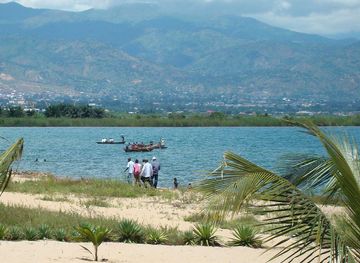

Your all‑in‑one travel companion app
Explore expert travel guides, compare and book tours, experiences, hotels, and more—all from the palm of your hand. Download now for seamless trip planning wherever your wanderlust takes you.


Explore More of Burundi
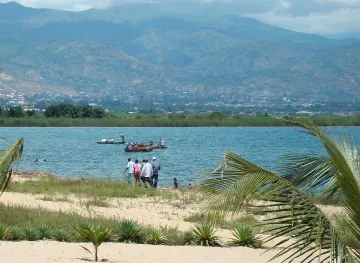
Looking beyond Moso? Discover Burundi for broader travel guides, local hot-spots, and regional highlights.
Explore BurundiMoso in Photos
Browse through our photo collection highlighting the charm and character of the destination.


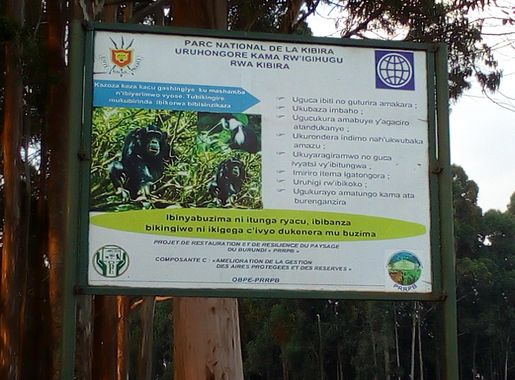


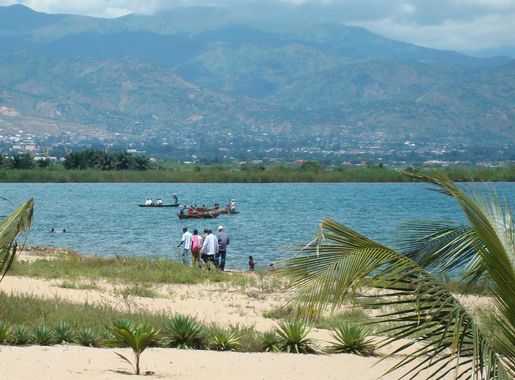

Moso: The Hidden Gem of Burundi
Nestled in the heart of Burundi, Moso is a region that captivates with its lush landscapes, rich cultural heritage, and warm-hearted locals. This lesser-known destination offers an authentic glimpse into the life and traditions of East Africa, far from the beaten tourist paths. Moso is famed for its verdant hills and fertile valleys. The area is dotted with small farms and tea plantations, creating a picturesque mosaic that is a delight to explore. The natural beauty of Moso is complemented by its mild climate, making it a perfect retreat for nature lovers and those looking to unwind in serene surroundings. The local culture in Moso is vibrant and welcoming. Visitors can experience traditional drumming and dancing, explore local markets brimming with fresh produce and handmade crafts, and taste the unique flavors of Burundian cuisine. The community is known for its hospitality, and tourists often leave with lasting memories of their interactions with the friendly locals. For the adventurous, Moso offers numerous hiking trails that traverse its scenic landscapes. Whether you're trekking through lush forests or climbing gentle hills for panoramic views, the region is a hiker's paradise. Birdwatchers will also find Moso to be a treasure trove, with a variety of species to spot in their natural habitat.