

Rutana, Burundi Travel Guide
Discover Rutana in Burundi: A blend of natural wonders and cultural heritage, perfect for nature enthusiasts and history buffs alike.
Nestled in the southeastern part of Burundi, Rutana is a hidden gem waiting to be explored. Known for its lush landscapes and rich cultural heritage, this destination offers a unique mix of natural beauty and historical significance. The town is surrounded by rolling hills and fertile fields, making it a picturesque escape from the hustle and bustle of city life. One of the main attractions in Rutana is the stunning Karera Waterfalls. These cascading falls are a breathtaking sight, providing a perfect spot for nature lovers and photographers alike. The nearby Nyakazu Fault, also known as the German Falls, offers another natural spectacle and a bit of history, as it was a strategic site during World War I. Rutana is also home to the Gishora Drum Sanctuary, where visitors can witness traditional Burundian drumming performances. This cultural experience is not to be missed, as the drumming tradition is an integral part of Burundi's heritage. Additionally, the local markets in Rutana offer a vibrant glimpse into daily life, where you can find handmade crafts and taste local delicacies.

Know before you go
Hi, I'm Eve. Here are a few practical things to know before exploring Rutana.
- Visit Karera Waterfalls early in the morning to avoid crowds and capture the best photos.
- Wear comfortable walking shoes when exploring the Nyakazu Fault area, as some paths can be rugged.
- Bring cash for local markets and small purchases, as card payments are not always accepted.
- Respect local customs and traditions, especially when attending drumming performances at the Gishora Drum Sanctuary.

Best landmarks in Rutana
Top-rated picks
Best Landmarks

Chutes de la Karera Falls
Experience the breathtaking beauty of Chutes de la Karera Falls, a hidden gem in Burundi, perfect for nature lovers and adventure seekers.

Gishora Drum Sanctuary
Immerse yourself in the vibrant rhythms of Burundi at Gishora Drum Sanctuary, a cultural gem offering unforgettable drumming experiences.
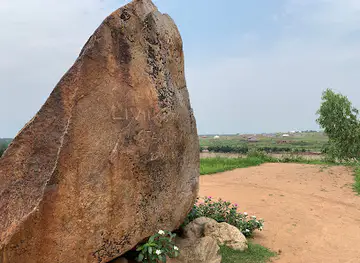
Livingston-Stanley Monument
Explore the rich history of Burundi at the Livingston-Stanley Monument, a tribute to legendary explorers in a breathtaking natural setting.
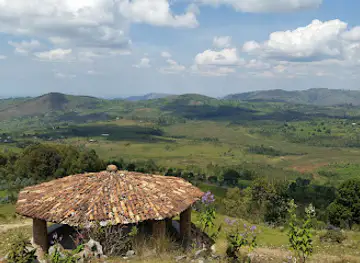
Source Du Nil
Discover Source Du Nil, the breathtaking origin of the Nile River nestled in the heart of Burundi's picturesque landscapes.

Best restaurants in Rutana
Top-rated picks
Best Restaurants

Le Café Gourmand
Discover the delightful flavors of Le Café Gourmand in Bujumbura - where every bite tells a story.

Arena Restaurant Lounge Bar
Savor exquisite cuisine in a vibrant setting at Arena Restaurant Lounge Bar - where local flavors meet lively entertainment in Bujumbura.

Waka Waka
Discover authentic Italian flavors at Waka Waka in Bujumbura – where every meal feels like a celebration.

Vinothèque ZILLIKEN
Discover the exquisite flavors of Bujumbura at Vinothèque ZILLIKEN - where fine dining meets exceptional wines in an elegant setting.

Best bars in Rutana
Top-rated picks
Best Bars

Arena Restaurant Lounge Bar
Savor the vibrant atmosphere and exquisite cuisine at Arena Restaurant Lounge Bar in Bujumbura, Burundi.

Bunga Bunga Bar
Discover the lively ambiance of Bunga Bunga Bar in Bujumbura, where great drinks and vibrant nightlife meet.

Favina Home
Discover the flavors of Gitega at Favina Home, where authentic grilling meets warm Burundian hospitality.

KUNGOMA Bar
Experience the vibrant nightlife of Gitega at KUNGOMA Bar, where local culture meets a lively atmosphere and delightful drinks.

Best nightclubs in Rutana
Top-rated picks
Best Nightclubs

TOXIC Night Club
Discover the electrifying nightlife of Bujumbura at TOXIC Night Club, where music, dance, and excitement come alive in a vibrant atmosphere.

Blue Club Night-club
Unleash the rhythm of Bujumbura at Blue Club Night-club, your ultimate destination for nightlife, dance, and vibrant social experiences.

Le Crystal
Experience the vibrant nightlife of Bujumbura at Le Crystal, a premier night club where music and dance create unforgettable memories.

MALIBU.BUJA
Discover the vibrant nightlife at MALIBU.BUJA in Bujumbura, where music, dance, and delicious cuisine come together for an unforgettable experience.

Best shops in Rutana
Top-rated picks
Best Shops

Gitega Galerie GWANZU
Experience the vibrant culture of Burundi at Gitega Galerie GWANZU, a hub for unique handmade crafts and local artistry.

Colline Rutegama
Explore the vibrant Colline Rutegama Shopping Mall in Kibogoye, where local culture meets contemporary shopping and dining experiences.

Davines Farm
Discover the rich agricultural heritage of Burundi at Davines Farm, a delightful farmers' market filled with fresh produce and local charm.
BAHONGA ALLY
Explore Bahonga Ally in Gitega for a unique selection of electronics, enhancing your travel experience in Burundi's vibrant capital.

Explore Rutana on the Map
A handpicked selection of must-see spots in Rutana, mapped for you.
Rutana Essentials
-
Rutana is located in the southeastern part of Burundi. The nearest international airport is Bujumbura International Airport, approximately 150 kilometers away. From Bujumbura, you can take a bus or hire a private taxi to Rutana. The journey typically takes around 3 to 4 hours by road. Alternatively, you can rent a car for a more flexible travel experience. It's advisable to check the current road conditions before setting out.
-
Rutana is a small town, and many of its attractions are easily accessible on foot. For longer trips within the area, local taxis and motorcycle taxis (boda-bodas) are readily available and relatively inexpensive. Public minibuses (matatus) operate within Rutana and connect to nearby towns and villages. Renting a car can also be a convenient option for exploring the surrounding areas at your own pace.
-
The official currency of Burundi is the Burundian Franc (BIF). Credit cards are not widely accepted, so it is advisable to carry cash. ATMs are available in Rutana, but it's wise to withdraw sufficient cash in Bujumbura before traveling to ensure you have enough funds. Some local businesses may also accept US dollars, but it's best to have local currency on hand.
-
Rutana is generally a safe destination for tourists, but it is essential to take standard precautions. Avoid walking alone at night in unfamiliar areas and keep an eye on your belongings in crowded places. While Rutana does not have specific high-crime areas targeting tourists, it's always best to stay vigilant and aware of your surroundings.
-
In case of an emergency, dial 112 for immediate assistance. The local police station and medical facilities are available in Rutana. It is recommended to have travel insurance that covers medical emergencies. For minor health issues, there are pharmacies in the town where you can purchase over-the-counter medications.
-
Fashion: Do dress modestly, particularly in rural areas and religious sites. Avoid wearing revealing clothing. Religion: Do respect local customs and traditions. When visiting churches or religious sites, dress conservatively. Public Transport: Do be courteous and offer your seat to elderly passengers. Don't eat or drink on public transport. Greetings: Do greet people with a handshake. A friendly wave or a slight bow of the head is also appreciated. Eating & Drinking: Do try local dishes and accept food offerings graciously. Don't refuse hospitality, as it is considered impolite.
-
To experience Rutana like a local, visit the town's markets where you can buy fresh produce and traditional Burundian goods. Engage with locals, as they are often friendly and willing to share stories about the area's history and culture. Don't miss visiting the beautiful Karera Waterfalls and the Nyakazu Fault. For a unique experience, take a guided tour to learn more about the local flora and fauna.
When is the best time to visit Rutana?
Useful Local Phrases for Rutana
You don't need to speak the language perfectly. Even learning a few simple words can make conversations warmer—and locals usually appreciate the effort.
— Eve

Here are the phrases I use most often in Rutana. Try a few—you'll be surprised how far they go! 😊
❤️
-
- HelloNdaguhaye
[n-dah-goo-hah-yeh] - GoodbyeNkwirako
[n-kwee-rah-koh] - YesYego
[yeh-go] - NoOya
[oh-yah] - Please/You're welcomeNyabuna
[nyah-boo-nah] - Thank youUrakoze
[oo-rah-koh-zeh] - Excuse me/SorryMbabarira
[m-bah-bah-ree-rah] - How are you?Umeze gute?
[oo-meh-zeh goo-teh] - Fine. And you?Nimeze neza. Nawe?
[nee-meh-zeh neh-zah. nah-weh?] - Do you speak English?Uravuga Icyongereza?
[oo-rah-voo-gah ee-chon-geh-rah-zah] - I don't understandSinumva
[see-noom-vah]
- HelloNdaguhaye
-
- I'd like to see the menu, pleaseNdagira ngo mbone urutonde rw'ibyo kurya
[n-dah-gee-rah ngo m-boh-neh oo-roo-ton-deh roo-ee-boh koo-ryah] - I don't eat meatSinarya inyama
[see-nah-ree-ah een-yah-mah] - Cheers!Nishimiye!
[nee-shee-mee-yeh] - I would like to pay, pleaseNdagira ngo nishyure
[n-dah-gee-rah ngo nee-shee-oo-reh]
- I'd like to see the menu, pleaseNdagira ngo mbone urutonde rw'ibyo kurya
-
- Help!Mufashe!
[moo-fah-sheh] - Go away!Genda kure!
[gen-dah koo-reh] - Call the Police!Hamagara Polisi!
[hah-mah-gah-rah poh-lee-see] - Call a doctor!Hamagara umuganga!
[hah-mah-gah-rah oo-moo-gah-ngah] - I'm lostNtaramenya
[n-tah-rah-men-yah] - I'm illNdi malade
[n-dee mah-lah-deh]
- Help!Mufashe!
-
- I'd like to buy...Ndagira kugura...
[n-dah-gee-rah koo-goo-rah] - I'm just lookingNdi kureba gusa
[n-dee koo-reh-bah goo-sah] - How much is it?Ni angahe?
[nee ahn-gah-heh] - That's too expensiveBirahenze cane
[bee-rah-hen-zay kah-neh] - Can you lower the price?Ushobora kugabanya igiciro?
[oo-sho-boh-rah koo-gah-bahn-yah ee-gee-roh]
- I'd like to buy...Ndagira kugura...
-
- What time is it?Isaha ni iyande?
[ee-sah-hah nee ee-yahn-deh] - It's one o'clockIsaha imwe
[ee-sah-hah eem-weh] - Half past (10)Isaha n'igice c'icumi
[ee-sah-hah n'ee-gee-cheh chee-ee-coo-mee] - MorningMugitondo
[mee-gee-ton-doh] - AfternoonNimugoroba
[nee-moo-go-roh-bah] - EveningNijoro
[nee-joh-roh] - YesterdayEjo hashize
[eh-joh hah-shee-zeh] - TodayUyu munsi
[oo-yoo moon-sigh] - TomorrowEjo hazaza
[eh-joh hah-zah-zah] - 11
[imwe] - 22
[kabili] - 33
[gatatu] - 44
[kane] - 55
[gatanu] - 66
[gatandatu] - 77
[karindwi] - 88
[umunani] - 99
[icumi] - 1010
[icumi n'imwe]
- What time is it?Isaha ni iyande?
-
- Where's a/the...?Aho huri...?
[ah-hoo hoo-ree] - What's the address?Ni iyihe adresse?
[nee ee-yee-heh ah-dress] - Can you show me (on the map)?Ushobora kumfasha kubona kuri karita?
[oo-sho-boh-rah koom-fah-shah koo-boh-nah koo-ree kah-ree-tah] - When's the next (bus)?Igihe cya bisi iza ryari?
[ee-gee-heh chah yah-bee-see ee-zah rye-yah-ree] - A ticket (to ....)Itike (ku ...)
[ee-tee-keh (koo ...)]
- Where's a/the...?Aho huri...?
History of Rutana
-
The area now known as Rutana has been inhabited for centuries, with evidence of early settlements dating back to pre-colonial times. The region was home to various ethnic groups, including the Twa, Hutu, and Tutsi, who lived in harmony and engaged in farming, cattle herding, and local trade.
-
In the late 19th century, Burundi fell under German colonial rule as part of German East Africa. Rutana, like much of the country, experienced significant changes during this period. The Germans introduced new administrative structures and attempted to exploit the region's natural resources, leading to disruptions in the traditional way of life.
-
After World War I, Burundi was mandated to Belgium by the League of Nations. Under Belgian administration, Rutana saw the establishment of new infrastructure, including schools, roads, and healthcare facilities. However, the colonial policies also intensified ethnic divisions. The mid-20th century saw the rise of an independence movement, with Rutana being one of the areas actively involved in the struggle for liberation.
-
Burundi gained independence from Belgium on July 1, 1962. The post-independence period was marked by political instability and ethnic conflicts. Rutana, like other regions, was affected by the civil unrest that plagued the country, including the tragic events of the 1972 genocide and the civil war of the 1990s. Despite these challenges, the community in Rutana has shown resilience and a commitment to rebuilding.
-
Rutana is rich in cultural heritage, with traditions that have been passed down through generations. The region is known for its vibrant music and dance, particularly the traditional drumming and the 'Intore' dance. Local crafts, such as basket weaving and pottery, reflect the artistic skills of the inhabitants. Festivals and ceremonies, often linked to agricultural cycles, play a significant role in the community's social life.
-
Rutana boasts several natural attractions that draw visitors to the region. The Kagera River, with its scenic landscapes and diverse wildlife, is a popular spot for eco-tourism. The Karera Waterfalls, a series of cascading falls surrounded by lush vegetation, offer breathtaking views and opportunities for hiking. These natural wonders, coupled with the rich history and culture, make Rutana a unique destination for travelers.
Neighbouring Regions of Rutana
The closest regions to Rutana, if you have time for more than one.


Your all‑in‑one travel companion app
Explore expert travel guides, compare and book tours, experiences, hotels, and more—all from the palm of your hand. Download now for seamless trip planning wherever your wanderlust takes you.


Explore More of Burundi
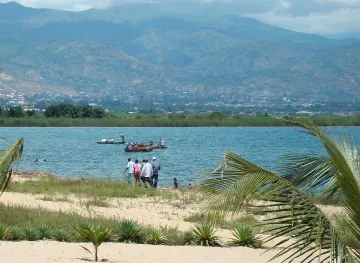
Looking beyond Rutana? Discover Burundi for broader travel guides, local hot-spots, and regional highlights.
Explore BurundiRutana in Photos
Browse through our photo collection highlighting the charm and character of the destination.

Rutana: The Scenic Heart of Burundi
Nestled in the southeastern part of Burundi, Rutana is a hidden gem waiting to be explored. Known for its lush landscapes and rich cultural heritage, this destination offers a unique mix of natural beauty and historical significance. The town is surrounded by rolling hills and fertile fields, making it a picturesque escape from the hustle and bustle of city life. One of the main attractions in Rutana is the stunning Karera Waterfalls. These cascading falls are a breathtaking sight, providing a perfect spot for nature lovers and photographers alike. The nearby Nyakazu Fault, also known as the German Falls, offers another natural spectacle and a bit of history, as it was a strategic site during World War I. Rutana is also home to the Gishora Drum Sanctuary, where visitors can witness traditional Burundian drumming performances. This cultural experience is not to be missed, as the drumming tradition is an integral part of Burundi's heritage. Additionally, the local markets in Rutana offer a vibrant glimpse into daily life, where you can find handmade crafts and taste local delicacies.