

Free Makamba Travel Guide & Mobile App
Explore Makamba with free travel guides. Discover regional history, expert tips, proposed trips, and audio guides on web or mobile app.


Explore Makamba in southern Burundi for Lake Tanganyika shores, rural hills, market towns and cross-border cultural landscapes.
Read more about Makamba
When is the best time to visit Makamba?
Best: June–August · 24–25°C| Month | High (°C) | Rainfall (mm) |
|---|---|---|
| January | 25 | 100 |
| February | 26 | 91 |
| March | 26 | 111 |
| April | 26 | 170 |
| May | 26 | 201 |
| June (best) | 25 | 31 |
| July (best) | 24 | 21 |
| August (best) | 25 | 30 |
| September | 25 | 51 |
| October | 26 | 100 |
| November | 26 | 150 |
| December | 26 | 131 |
Getting to and around Makamba
How to get there
Transportation
Top city travel guides in Makamba
The cities of Makamba, and the easiest places to base yourself.

Swipe for more cities
Destinations in Makamba
Resorts, valleys and scenic spots worth a trip of their own.

Swipe for more destinations
Best attractions in Makamba
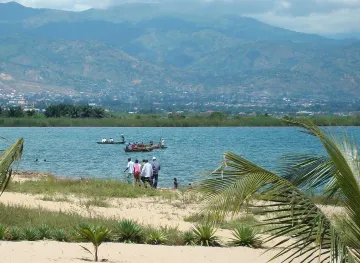
Makamba’s attractions are chiefly landscapes, settlements and everyday cultural settings rather than a large circuit of formal visitor sites. Nyanza-Lac provides the province’s clearest lakeside experience, with views across Lake Tanganyika, fishing activity and a warmer climate than the inland hills. The shoreline is best approached as a place for observation and local interaction, not as a developed resort area. Inland, the roads around Makamba and the neighbouring communes reveal cultivated ridges, valleys, banana groves and small market centres that show how agriculture structures daily life. Visitors interested in history can explore the region through its administrative towns, churches, trading routes and links with the wider Great Lakes past, preferably with local guidance. Rural excursions require realistic expectations: paths, accommodation, transport and communications may be limited. Birdlife, changing vegetation and views across the southern countryside add interest for travellers comfortable with unstructured exploration, although protected reserves and major wildlife attractions associated with other Burundian provinces should not be attributed to Makamba. The province’s strongest appeal lies in the contrast between highland farming country and Lake Tanganyika’s broad western horizon.
-
Zoo
Living Museum (Bujumbura Zoo)
Discover the Living Museum in Bujumbura — an engaging zoo showcasing the rich biodiversity of Burundi's wildlife in a beautiful natural setting.
-
Garden
Jardin Public Bujumbura
Discover the tranquil beauty of Jardin Public Bujumbura, a green oasis in the heart of the city perfect for relaxation and exploration.
-
Tourist attraction
MAWIMBI Beach club
Discover the vibrant atmosphere of MAWIMBI Beach Club in Kizuka, a perfect blend of relaxation, great food, and lively entertainment by the beach.
-
Monument
Livingston-Stanley Monument
Explore the Livingston-Stanley Monument in Ramba, Burundi, a tribute to legendary explorers and a serene spot for reflection amidst breathtaking views.


Best landmarks in Makamba
The most recognisable geographic landmark in Makamba is Lake Tanganyika, whose immense surface forms the province’s western edge and gives Nyanza-Lac its distinctive setting. The lake is both a natural feature and a working landscape, reflected in fishing boats, shoreline commerce and the movement of people and goods. Inland, Makamba’s cultivated hills and ridges are important visual markers of southern Burundi, contrasting with the warmer, lower lakeside country. Nyanza-Lac’s port and lakeshore form the province’s most identifiable built environment, although facilities are primarily functional rather than monumental. Makamba town serves as the administrative landmark of the province, with public buildings, commercial streets and transport links that express its role as a regional centre. Churches, schools, markets and roadside trading settlements provide further points of orientation, but visitors should distinguish locally significant buildings from formally protected national monuments. The province’s landmark character is consequently defined by the meeting of lake, borderland commerce, agricultural hills and modest urban centres.
-
Zoo
Living Museum (Bujumbura Zoo)
Experience the vibrant wildlife of Burundi at the Living Museum in Bujumbura, offering a unique glimpse into the region's rich biodiversity.
-
Tourist attraction
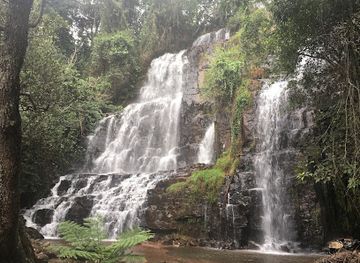
Chutes de la Karera Falls
Experience the breathtaking beauty of Chutes de la Karera Falls, a hidden gem in Burundi, perfect for nature lovers and adventure seekers alike.
-
Tourist attraction
Gishora Drum Sanctuary
Discover the rhythm of Burundi at Gishora Drum Sanctuary, where culture and tradition come alive through the art of drumming.
-
Museum
National Museum of Gitega
Discover the cultural heart of Burundi at the National Museum of Gitega, where history and art come alive in a stunning setting.



Explore Makamba on the map
Plan your trip on one map. See where the top cities, national parks and sights are, and book hotels and experiences in a few clicks.
Best hotels in Makamba
Best restaurants in Makamba
Dining in Makamba is informal and closely connected to household agriculture and local markets. Common meals draw on staples such as rice, beans, cassava, bananas, maize and sweet potatoes, with sauces and vegetables varying according to season and availability. Around Nyanza-Lac, freshwater fish is an important part of the lakeside food economy, although supplies and preparation styles change from one establishment or market to another. Small restaurants, market stalls and modest cafés provide the most accessible eating opportunities, while guesthouses may offer simple meals when ordered in advance. Visitors should not expect the range of international restaurants found in Bujumbura, and it is sensible to carry water and confirm meal arrangements before travelling into rural areas. Tea and coffee are widely encountered in Burundi, while locally produced fruit, grilled foods and simple fried snacks may appear in trading centres. Eating respectfully, checking prices before ordering and choosing busy, well-kept food premises are practical habits.
-
Restaurant
Le Café Gourmand
Discover the cozy ambiance and delightful flavors at Le Café Gourmand, Bujumbura's premier restaurant and bakery offering fresh pastries and exquisite coffee.
-
Italian
Waka Waka
Indulge in delicious Italian cuisine at Waka Waka – where authentic flavors meet warm hospitality in Bujumbura.
-
Indian
Taj Mahal
Savor authentic Indian cuisine at Taj Mahal Restaurant in Bujumbura - a culinary journey filled with rich flavors and warm hospitality.
-
Restaurant
Belvedere Restaurant
Experience authentic Burundian flavors at Belvedere Restaurant with stunning views in Bujumbura.


Best bars in Makamba
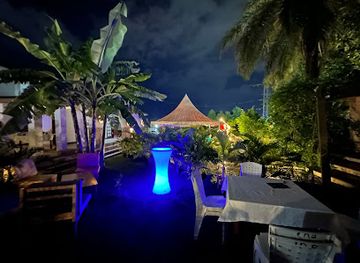
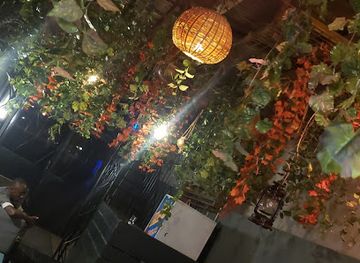
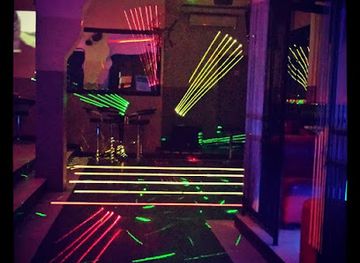
Makamba has a modest evening scene centred on neighbourhood bars, small restaurants, guesthouse terraces and social meeting places rather than purpose-built nightclubs. In Makamba town and Nyanza-Lac, evening activity is generally more visible than in rural communes, with locally popular music, conversation and occasional televised sport providing much of the atmosphere. The lakeside town may feel busier around commercial areas, but it should not be treated as a developed resort nightlife centre. Venues and operating arrangements can change, so visitors should ask locally and return to accommodation before late-night transport becomes difficult. Alcohol is available in suitable licensed premises, but it is not necessary to experience the region’s social life; tea, soft drinks and conversation are also part of evening routines. Avoid wandering alone after dark, particularly on unfamiliar roads or around quiet lakeside areas.
-
Restaurant
Arena Restaurant Lounge Bar
Discover the vibrant flavors of Bujumbura at Arena Restaurant Lounge Bar, where culinary excellence meets a lively atmosphere.
-
Restaurant
Motel BAR NYABUNGO
Experience the rich flavors of Bujumbura at Motel BAR NYABUNGO, a must-visit restaurant for every traveler seeking authentic cuisine in a vibrant setting.
-
Restaurant
Inyambo Restaurant Bar
Discover the flavors of Burundi at Inyambo Restaurant Bar, where local cuisine meets vibrant atmosphere in Bujumbura.
-
Bar
Peace and Love Bar
Discover the vibrant nightlife at Peace and Love Bar in Bujumbura, where good drinks meet an inviting atmosphere.



Best nightclubs in Makamba
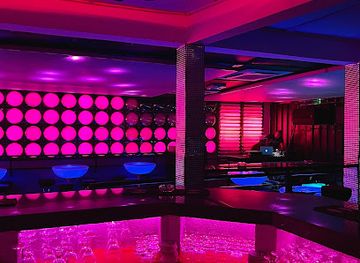
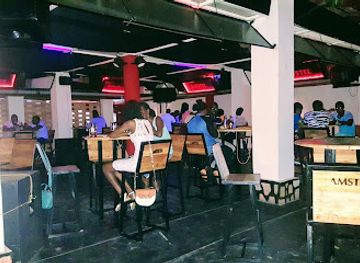
Makamba has a modest evening scene centred on neighbourhood bars, small restaurants, guesthouse terraces and social meeting places rather than purpose-built nightclubs. In Makamba town and Nyanza-Lac, evening activity is generally more visible than in rural communes, with locally popular music, conversation and occasional televised sport providing much of the atmosphere. The lakeside town may feel busier around commercial areas, but it should not be treated as a developed resort nightlife centre. Venues and operating arrangements can change, so visitors should ask locally and return to accommodation before late-night transport becomes difficult. Alcohol is available in suitable licensed premises, but it is not necessary to experience the region’s social life; tea, soft drinks and conversation are also part of evening routines. Avoid wandering alone after dark, particularly on unfamiliar roads or around quiet lakeside areas.
-
Night club
TOXIC Night Club
Discover the nightlife pulse of Bujumbura at TOXIC Night Club, where great music and vibrant energy meet for an unforgettable experience.
-
Lounge
Arch of the Cicadas
Discover the Arch of the Cicadas, a lounge in Bujumbura that offers a perfect blend of local culture, relaxation, and delightful cuisine.
-
Lounge
Blue Club Night-club
Discover the pulse of Bujumbura's nightlife at Blue Club Night-club, where music and dance come alive in a vibrant lounge setting.
-
Night club
Le Crystal
Dive into the vibrant nightlife at Le Crystal, Bujumbura's premier night club, where music, dance, and excitement await every night.
Best shops in Makamba
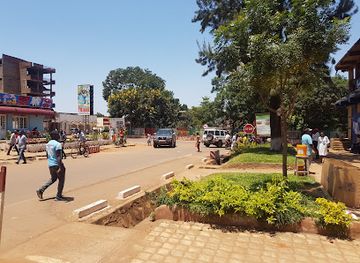
Shopping in Makamba is concentrated in the markets and commercial streets of Makamba town, Nyanza-Lac and other larger settlements. Visitors can find everyday foodstuffs, fruit, vegetables, beans, cassava products, clothing, household goods and practical travel supplies, while lakeside markets may reflect the importance of fishing and regional trade. Small shops are more useful for necessities than for a dedicated souvenir selection, and stock can be limited outside market centres. Locally produced food products and simple handmade items may be available through informal sellers, but provenance and quality vary, so buy directly and respectfully rather than treating ordinary household goods as tourist curiosities. Nyanza-Lac’s position near Lake Tanganyika and Tanzania gives its commerce a cross-border character, although border trading arrangements and product availability can change. Carry Burundian francs in small notes, check quantities and prices before completing a purchase, and remember that rural shopping options become sparse away from the main roads.
-
General store
Sun city store
Explore Sun City Store in Bujumbura for unique local products and a welcoming shopping atmosphere.
-
Supermarket
Home World Supermarket
Explore local flavors and international goods at Home World Supermarket in Bujumbura, a vibrant shopping destination for all your needs.
-
Home goods store
Muco Shop
Explore Muco Shop in Bujumbura for unique home goods and authentic Burundian craftsmanship, perfect for souvenirs or personal treasures.
-
Store
Gitega Galerie GWANZU
Explore Gitega Galerie GWANZU, a vibrant store in Gitega, Burundi offering unique local crafts, art, and souvenirs reflecting Burundian culture.


Get your free copy of our complete guide to Makamba, delivered straight to you.
Everything on this page, from attractions and restaurants to essentials and local phrases, in one PDF you can read offline, print or share.
Already have an account? Sign in
Your Makamba guide is ready.
We'll send it to · Not you? Sign out

Getting your guide ready…
We are putting together a fresh copy of the Makamba guide. This can take up to a minute.
This can take a few moments. If your browser asks, choose Allow so the download can start. You'll find the guide in your Downloads folder.
Nothing happened? Download it again
Sorry, the guide is taking longer than usual. Please try again in a minute, or get it by email instead.
Makamba essentials
Currency and Payment
Safety
Emergency Situations
Do's and Don'ts
Local Tips
From Eve
Local phrases worth knowing
You don't need to get them perfect. A few words go a long way, and locals appreciate the effort.
Basics
| English | Local | Say it |
|---|---|---|
| Hello | Ndagukunda | [ndah-goo-KOON-dah] |
| Goodbye | Murabeho | [moo-rah-BEH-ho] |
| Yes | Yego | [YEH-go] |
| No | Oya | [OH-yah] |
| Please/You're welcome | Ndagusabye | [ndah-goo-SAH-bye] |
| Thank you | Urakoze | [oo-rah-KOH-zeh] |
| Excuse me/Sorry | Mbabarira | [m-bah-bah-REE-rah] |
| How are you? | Amakuru yawe? | [ah-mah-KOO-roo YAH-weh] |
| Fine. And you? | Ndaheza. Nawe? | [ndah-HEH-zah. NAH-weh?] |
| Do you speak English? | Uravuga Icyongereza? | [oo-rah-VOO-gah ee-chohn-GEH-rah-zah] |
| I don't understand | Sinumva | [see-NOOM-vah] |
Eating & Drinking
| English | Local | Say it |
|---|---|---|
| I'd like to see the menu, please | Nashaka kubona urutonde rw'ibyo kurya | [nah-SHAH-kah koo-BOH-nah oo-roo-TON-deh rw-ee-BOH kur-YAH] |
| I don't eat meat | Sinarya inyama | [see-NAH-ryah ee-NYAH-mah] |
| Cheers! | Nishimiye | [nee-SHEE-mee-yeh] |
| I would like to pay, please | Nashaka kwishyura, ndakwinginze | [nah-SHAH-kah kwee-SHOO-rah, ndah-KWEEN-gin-zeh] |
Emergencies
| English | Local | Say it |
|---|---|---|
| Help! | Mfasha! | [m-FAH-shah] |
| Go away! | Genda! | [GEN-dah] |
| Call the Police! | Tanga Polisi! | [TANG-ah poh-LEE-see] |
| Call a doctor! | Tanga umuganga! | [TANG-ah oo-moo-GAHN-gah] |
| I'm lost | Ntakirimo | [n-tah-KEE-ree-mo] |
| I'm ill | Ndi indwara | [n-dee een-DWAH-rah] |
Shopping
| English | Local | Say it |
|---|---|---|
| I'd like to buy... | Nashaka kugura... | [nah-SHAH-kah koo-GOO-rah] |
| I'm just looking | Ndi kureba gusa | [n-dee koo-REH-bah goo-SAH] |
| How much is it? | Iyi igura angahe? | [ee-YEE ee-GOO-rah ahn-GAH-heh] |
| That's too expensive | Birahenze cyane | [bee-rah-HEN-zeh chah-NEH] |
| Can you lower the price? | Urashobora kugabanya igiciro? | [oo-rah-SHOH-bor-ah koo-gah-BAH-nyah ee-GEE-roh] |
Time & Numbers
| English | Local | Say it |
|---|---|---|
| What time is it? | Ni saa ingana iki? | [nee sah AHN-gah-nah ee-KEE] |
| It's one o'clock | Ni isaa rimwe | [nee ee-SAH ahn-RIM-eh] |
| Half past (10) | Isaha igera kuri (10) | [ee-SAH ah-GEH-rah koo-REE (10)] |
| Morning | Mugitondo | [mee-GEE-ton-doh] |
| Afternoon | N'igicamunsi | [n-ee-GEE-chah-MOON-see] |
| Evening | N'ijoro | [n-ee-JOH-roh] |
| Yesterday | Ejo hashize | [EH-jo ha-SHEE-zeh] |
| Today | Uyu munsi | [oo-YOO moon-ZEE] |
| Tomorrow | Ejo hazaza | [EH-jo ha-ZAH-zah] |
| 1 | 1 | [1] |
| 2 | 2 | [2] |
| 3 | 3 | [3] |
| 4 | 4 | [4] |
| 5 | 5 | [5] |
| 6 | 6 | [6] |
| 7 | 7 | [7] |
| 8 | 8 | [8] |
| 9 | 9 | [9] |
| 10 | 10 | [10] |
Transport & Directions
| English | Local | Say it |
|---|---|---|
| Where's a/the...? | Aho hari...? | [AH-ho HAH-ree...?] |
| What's the address? | Ni iyihe aderesi? | [nee ee-YEE-heh ah-DEH-reh-see?] |
| Can you show me (on the map)? | Urashobora kumfasha (ku ikarita)? | [oo-rah-SHOH-bor-ah koom-FAH-shah (koo ee-KAH-ree-tah)?] |
| When's the next (bus)? | Igihe kizakurikiraho (bus)? | [ee-GEE-heh kee-zah-KOO-ree-kee-rah-ho (bus)?] |
| A ticket (to ....) | Itike (ku ....) | [ee-TEE-keh (koo ....)] |
History of Makamba
The Kingdom of Burundi and Southern Borderlands
Before colonial rule, the territory now forming Makamba Province belonged to the wider cultural and political world of the Kingdom of Burundi. Authority was organised through the monarchy and layered local relationships involving chiefly families, agricultural communities and cattle-keeping traditions. Southern areas were connected to neighbouring lands around Lake Tanganyika and present-day Tanzania through movement, exchange and kinship. The exact historical experience varied between lakeside settlements and the higher inland country, but both landscapes were part of the longstanding social and economic networks of the Great Lakes region.
German and Belgian Colonial Rule
German control over Burundi at the end of the nineteenth century was followed after the First World War by Belgian administration within Ruanda-Urundi. Colonial government reshaped authority, taxation, labour systems, agriculture and mission activity, while roads and administrative centres became more important to the organisation of the south. The Tanganyika shore and routes towards Tanzania acquired additional strategic and commercial significance. Colonial policies also hardened social classifications and political inequalities whose consequences extended well beyond independence.
Independence and the Reorganisation of Southern Burundi
Burundi became independent in 1962, and the southern region gradually developed as a provincial and agricultural area linked to the lakeshore and to Tanzania. Makamba town became the administrative focus, while Nyanza-Lac retained importance as a settlement and transport point on Lake Tanganyika. Roads, public services and market connections expanded unevenly. As elsewhere in Burundi, political instability affected local communities, and the country’s national crises cannot be separated from the experiences of southern provinces.
Political Violence and Displacement, 1970s–1990s
Burundi’s cycles of political violence, including the crises of 1972 and after 1993, affected Makamba through insecurity, population displacement and disruption to farming and trade. Southern Burundi’s proximity to Tanzania made cross-border movement particularly significant, with people seeking refuge, returning home or maintaining family and commercial connections across the frontier. The consequences were felt in villages, market centres and agricultural production, and remain part of the region’s recent social memory.
Lake Tanganyika Trade and Fishing Communities
The Tanganyika shore has long supported fishing, small-scale commerce and transport between lakeside communities. In Makamba, Nyanza-Lac provides the clearest expression of this maritime dimension, contrasting with the cultivated hills further inland. Fishing and agricultural households depend on seasonal conditions, local markets and access to roads. The lake is also an ecological resource shared by several countries, making sustainable fishing, shoreline management and regional cooperation important contemporary concerns.
Post-Civil-War Reconstruction and Contemporary Makamba
The peace process of the 2000s enabled reconstruction and the gradual restoration of movement, education, administration and commerce, although development remains uneven and infrastructure constraints continue. Makamba today combines provincial administration, subsistence and commercial farming, lakeside livelihoods and cross-border exchange. Its contemporary identity is therefore shaped both by local Burundian traditions and by practical connections with Tanzania and the wider Lake Tanganyika basin.
Makamba in Photos
Browse through our photo collection highlighting the charm and character of the destination.
Neighbouring regions of Makamba
The closest regions to Makamba, if you have time for more than one.
-

-

-
-

-


Swipe for more regions
Explore more
Explore more of Burundi
Discover the hidden gem of Africa: Burundi, a land of stunning landscapes, rich culture, and warm hospitality. Perfect for adventurers and culture enthusiasts alike.
Explore Burundi