

Praia Baixo Travel Guide - Free Web & App
Your ultimate guide to Praia Baixo. Discover top landmarks, proposed trips, and local tips. Free on the web or via the Evendo companion app.


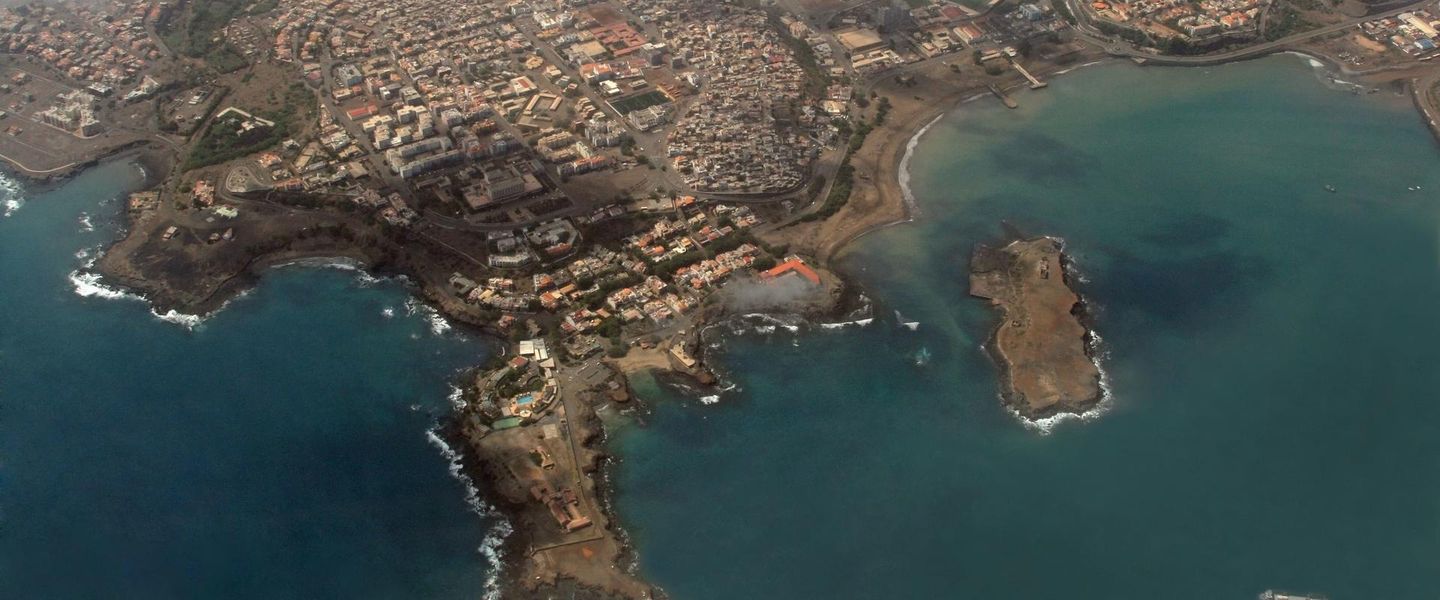


Praia Baixo, Cabo Verde, pairs a quiet Santiago beach with village life, sea views, turtle-friendly shores and access to the island’s eastern coast.
Coastal Landscape
Praia Baixo is a small coastal settlement and beach destination on the eastern side of Santiago, one of Cabo Verde’s most varied islands. Its appeal lies in the contrast between a broad, open shoreline and the dry, rugged landscapes that characterise much of the island. The settlement is associated with the municipality of Santa Cruz and sits within a rural part of Santiago, where cultivated valleys, volcanic hills and scattered villages create a very different atmosphere from the capital, Praia. The beach provides space for quiet walks, sea views and a slower encounter with the island’s Atlantic coast, although conditions can change with wind, swell and seasonal weather.Read more about Praia Baixo
Village Life and the Wider Coast
Nature and Responsible Visits
Getting to and around Praia Baixo
How to get there
Transportation
Best attractions in Praia Baixo
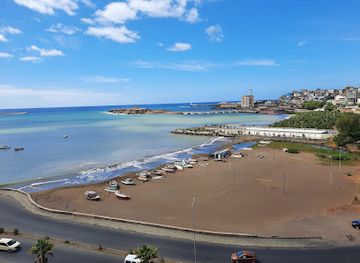
Praia Baixo’s principal attraction is its open sandy beach, where the broad shore and Atlantic horizon create a quiet setting for walking, photography and observing changing coastal light. The surrounding village gives the visit a distinctly local character, while the dry slopes and seasonal valleys of eastern Santiago provide a rural backdrop. Nearby Pedra Badejo is a useful place to combine with the coast, offering a more substantial settlement and access to the landscapes around Ribeira Seca. Visitors travelling further across Santiago can connect the area with the island’s historic and cultural sites, including Cidade Velha, although these lie outside Praia Baixo and require a separate journey. The coast may also be significant for seasonal sea-turtle nesting, subject to local conditions and conservation arrangements. Praia Baixo is not a concentration of museums, developed attractions or marked resort facilities; its interest lies in the relationship between beach, village, agriculture and the wider eastern landscape.
-
Market
Sucupira Market
Explore Sucupira Market in Praia, Cape Verde, where local culture and vibrant colors come together in a unique shopping experience.
-
Tourist attraction
Museu Etnográfico da Praia
Discover Cape Verde's cultural heritage at Museu Etnográfico da Praia, showcasing traditions through engaging exhibits in a historic setting.
-
Tourist attraction
Núcleo Museológico da Praia
Discover Cape Verde's vibrant heritage at Núcleo Museológico da Praia, where history and culture come alive through captivating exhibits.
-
Cultural center
Fundação Amílcar Cabral
Explore the legacy of Amílcar Cabral and Cape Verde's fight for independence at this vibrant cultural center in Praia.
Best landmarks in Praia Baixo
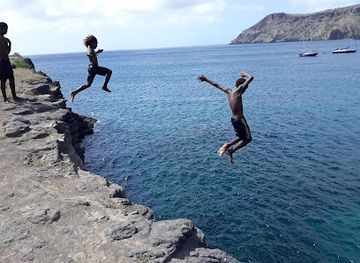
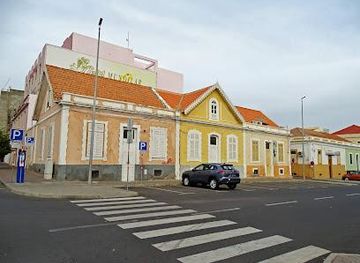
The principal natural landmark of Praia Baixo is its broad Atlantic beach, a defining coastal feature set against Santiago’s dry volcanic terrain. Its significance is geographic as much as scenic: the shore marks the meeting point between an exposed ocean coast, a small rural settlement and the inland valleys that support cultivation after seasonal rain. Nearby Ribeira Seca is an important landscape reference, linking the coast with one of eastern Santiago’s cultivated drainage valleys, while Pedra Badejo provides the closest substantial settlement in the surrounding area. The island’s most consequential historic landmarks, including the colonial monuments of Cidade Velha, are elsewhere on Santiago rather than within Praia Baixo. Coastal sandy areas may also carry ecological importance during sea-turtle nesting periods, so their value is not only visual; responsible access helps protect a fragile natural feature that can be easily damaged by lights, vehicles and disturbance.
-
Tourist attraction
Presidential Palace
Discover the Presidential Palace in Praia, Cabo Verde, an architectural marvel representing the nation's rich heritage and political history.
Explore Praia Baixo on the map
Plan your trip on one map. See where the top attractions, landmarks, restaurants and hotels are, and book hotels and experiences in a few clicks.
Best hotels in Praia Baixo
Best restaurants in Praia Baixo
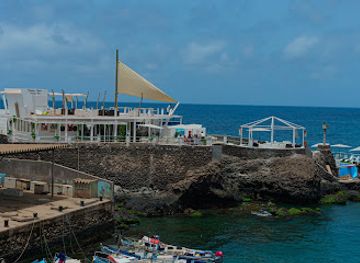
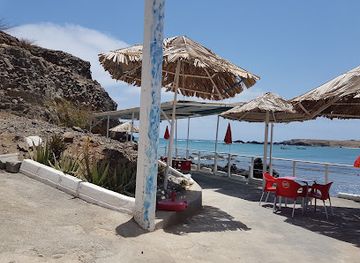
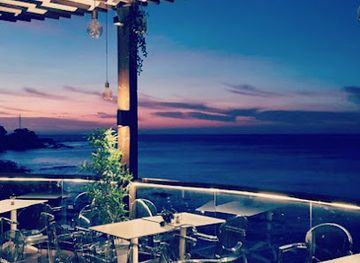
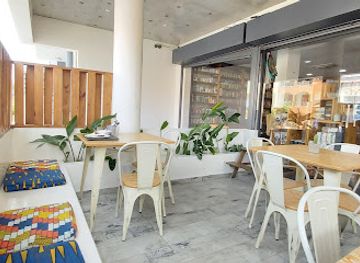
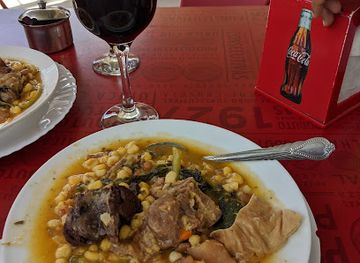
Dining in Praia Baixo is limited and informal compared with Praia or the larger settlements of Santiago, so visitors should not expect a concentration of restaurants beside the beach. Food may be available through local guest accommodation or small community businesses, but arrangements and opening patterns can be variable. Pedra Badejo is a more practical nearby reference point for everyday meals and supplies, while Praia offers the island’s widest choice of restaurants. Cape Verdean cooking commonly draws on maize, beans, vegetables, rice, fish and stewed meats, with cachupa, the country’s best-known slow-cooked maize and bean dish, appearing in many local food traditions. Fresh fish and seafood are particularly relevant to coastal communities, although availability depends on landings and season. Carrying water and a simple meal is sensible for a day focused on the beach and rural roads.
-
Restaurant
Restaurant Falucho Paradise Beach
Experience authentic Cape Verdean cuisine at Restaurant Falucho Paradise Beach with stunning ocean views and delightful flavors.
-
Restaurant
Big Lanche
Experience authentic Cape Verdean cuisine at Big Lanche in Porto Praia Bixo, Santiago - where local flavors come alive.
-
Restaurant
A Bússola
Discover A Bússola in Praia: where fresh seafood meets authentic Cape Verdean hospitality amidst stunning ocean views.
-
Vegan
Restaurante Tambake
Experience the best of vegan cuisine at Restaurante Tambake in Praia, Cape Verde – where fresh ingredients meet innovative flavors.
Best bars in Praia Baixo
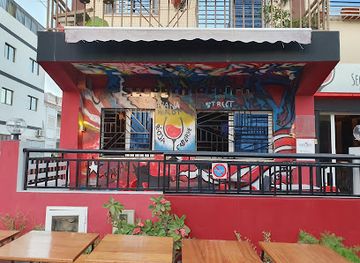
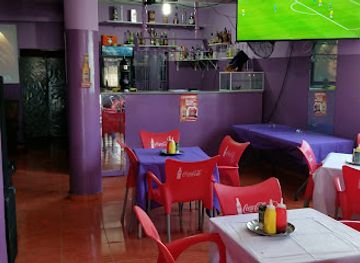
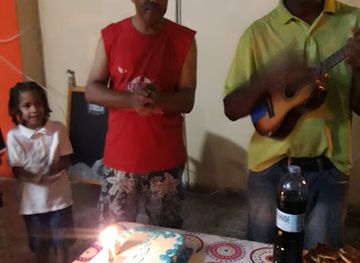
Praia Baixo has a quiet village atmosphere rather than a developed nightlife scene, and evening options are likely to centre on informal local hospitality rather than dedicated bars or clubs. Visitors staying in the area may find simple drinks or conversation through their accommodation or community contacts, but should confirm what is operating locally instead of expecting fixed entertainment. Pedra Badejo provides a broader local evening setting, while Praia is the main choice on Santiago for a wider range of bars, music and late-night venues; both are outside Praia Baixo and require transport. Evenings on the coast are better suited to a meal, conversation and the sound of the Atlantic than to organised nightlife, with low light also important around beaches that may support nesting turtles.
-
Bar
Bar Secreto Iberico
Experience the vibrant nightlife at Bar Secreto Iberico in Praia, Cape Verde, where delectable cuisine meets a warm, inviting atmosphere.
-
Bar
Bar Nicoli
Experience the vibrant nightlife of Praia at Bar Nicoli, where local drinks and a friendly atmosphere await every visitor.
-
Bar
Scorpion
Experience the vibrant nightlife at Scorpion, Praia's lively bar offering exquisite drinks and a taste of Cape Verdean culture.
-
Bar
Bar Sofia
Experience the vibrant nightlife of Praia at Bar Sofia, where local flavors and a lively atmosphere come together for an unforgettable evening.
Best nightclubs in Praia Baixo
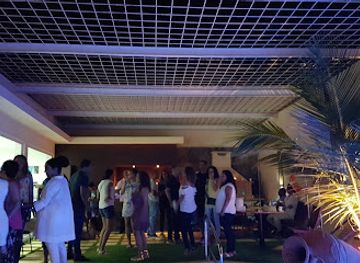
Praia Baixo has a quiet village atmosphere rather than a developed nightlife scene, and evening options are likely to centre on informal local hospitality rather than dedicated bars or clubs. Visitors staying in the area may find simple drinks or conversation through their accommodation or community contacts, but should confirm what is operating locally instead of expecting fixed entertainment. Pedra Badejo provides a broader local evening setting, while Praia is the main choice on Santiago for a wider range of bars, music and late-night venues; both are outside Praia Baixo and require transport. Evenings on the coast are better suited to a meal, conversation and the sound of the Atlantic than to organised nightlife, with low light also important around beaches that may support nesting turtles.
-
Disco club
Zero Hours Nightclub
Experience the electrifying nightlife at Zero Hours Nightclub in Praia, where rhythm, dance, and fun come together for an unforgettable evening.
-
Night club
Hangar 7
Discover the electrifying nightlife at Hangar 7 in Praia, where music, dance, and excitement come together in a vibrant club atmosphere.
-
Night club
Warehouse - Sigui Sabura
Discover the pulse of Praia's nightlife at Warehouse - Sigui Sabura, where music and dance come alive in a vibrant atmosphere.
-
Night club
HOT CAPITAL/NOVA ERA
Dive into the vibrant nightlife of Praia at Hot Capital/Nova Era, where music, dance, and culture come together in an unforgettable experience.



Best shops in Praia Baixo
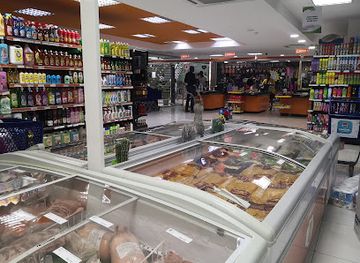
Shopping in Praia Baixo is on a small local scale, with everyday provisions more likely to be found through village shops or informal sellers than through a dedicated retail area. Pedra Badejo is a more practical nearby stop for basic supplies, while Praia has the broadest selection of supermarkets, pharmacies, crafts and locally produced goods on Santiago. Visitors looking for regional products may encounter Cape Verdean foodstuffs, locally made textiles, woven goods or small handicrafts through markets and independent sellers, although stock and locations vary. Fresh produce and fish reflect the relationship between eastern Santiago’s farming communities and the Atlantic coast. Because facilities are limited around the beach, visitors should purchase water, snacks, cash and any specialist items before leaving a larger settlement rather than relying on Praia Baixo for extensive shopping.
-
Shopping mall
Praia Shopping
Discover the lively Praia Shopping Mall in Cape Verde, where shopping, dining, and entertainment come together for an unforgettable experience.
-
Clothing store
Dope Store
Explore Dope Store in Praia for trendy clothing and accessories that blend Cape Verdean culture with modern fashion.
-
Flooring store
Casanova-Interiores
Discover the finest flooring solutions at Casanova-Interiores in Praia, where quality meets style in every step.
-
Store
Loja Linda
Explore Loja Linda in Achada Fazenda for unique local crafts and souvenirs that capture the spirit of Cape Verde.

Get your free copy of our complete guide to Praia Baixo, delivered straight to you.
Everything on this page, from attractions and restaurants to essentials and local phrases, in one PDF you can read offline, print or share.
Already have an account? Sign in
Your Praia Baixo guide is ready.
We'll send it to · Not you? Sign out

Getting your guide ready…
We are putting together a fresh copy of the Praia Baixo guide. This can take up to a minute.
This can take a few moments. If your browser asks, choose Allow so the download can start. You'll find the guide in your Downloads folder.
Nothing happened? Download it again
Sorry, the guide is taking longer than usual. Please try again in a minute, or get it by email instead.
Praia Baixo essentials
Currency and Payment
Safety
Emergency Situations
Do's and Don'ts
Local Tips
From Eve
Local phrases worth knowing
You don't need to get them perfect. A few words go a long way, and locals appreciate the effort.
Basics
| English | Local | Say it |
|---|---|---|
| Hello | Olá | [oh-lah] |
| Goodbye | Adeus | [ah-deh-oos] |
| Yes | Sim | [seem] |
| No | Não | [nah-oo] |
| Please/You're welcome | Por favor | [por fah-vor] |
| Thank you | Obrigado | [oh-bree-gah-doo] |
| Excuse me/Sorry | Desculpe | [dehs-kool-peh] |
| How are you? | Como está? | [koh-moh ehs-tah] |
| Fine. And you? | Estou bem. E você? | [eh-stohu behn. eh voh-seh] |
| Do you speak English? | Fala inglês? | [fah-lah een-glehs] |
| I don't understand | Não entendo | [nah-oo ehn-tehn-doo] |
Eating & Drinking
| English | Local | Say it |
|---|---|---|
| I'd like to see the menu, please | Gostaria de ver o menu, por favor | [goh-stah-reeah deh vehr oo meh-noo, por fah-vor] |
| I don't eat meat | Não como carne | [nah-oo koh-moo kahr-neh] |
| Cheers! | Saúde! | [sah-oo-deh] |
| I would like to pay, please | Gostaria de pagar, por favor | [goh-stah-reeah deh pah-gahr, por fah-vor] |
Emergencies
| English | Local | Say it |
|---|---|---|
| Help! | Ajuda! | [ah-joo-dah] |
| Go away! | Vai embora! | [vah-ee ehm-boh-rah] |
| Call the Police! | Chame a Polícia! | [shah-meh ah poh-lee-see-ah] |
| Call a doctor! | Chame um médico! | [shah-meh oom meh-dee-koo] |
| I'm lost | Estou perdido | [eh-stohu pehr-dee-doo] |
| I'm ill | Estou doente | [eh-stohu doh-ehn-teh] |
Shopping
| English | Local | Say it |
|---|---|---|
| I'd like to buy... | Gostaria de comprar... | [goh-stah-reeah deh kohm-prahr] |
| I'm just looking | Estou só a olhar | [eh-stohu soh ah oh-lahr] |
| How much is it? | Quanto custa? | [kwahn-too koos-tah] |
| That's too expensive | Isso é muito caro | [ee-soo eh mwee-toh kahr-oo] |
| Can you lower the price? | Pode baixar o preço? | [poh-deh bahy-shahr oo preh-soo] |
Time & Numbers
| English | Local | Say it |
|---|---|---|
| What time is it? | Que horas são? | [keh oh-rahz sah-ooh] |
| It's one o'clock | É uma hora | [eh ooh-mah oh-rah] |
| Half past (10) | Meia hora (10) | [meh-yah oh-rah (dohs-eez)] |
| Morning | Manhã | [mah-nyah] |
| Afternoon | Tarde | [tahr-deh] |
| Evening | Noite | [noi-teh] |
| Yesterday | Ontem | [ohn-tehng] |
| Today | Hoje | [oh-jeh] |
| Tomorrow | Amanhã | [ah-mah-nyah] |
| 1 | Um | [oom] |
| 2 | Dois | [doh-eez] |
| 3 | Três | [trehs] |
| 4 | Quatro | [kwah-troh] |
| 5 | Cinco | [seen-koh] |
| 6 | Seis | [seh-ees] |
| 7 | Sete | [seh-teh] |
| 8 | Oito | [oy-too] |
| 9 | Nove | [noh-veh] |
| 10 | Dez | [dehz] |
Transport & Directions
| English | Local | Say it |
|---|---|---|
| Where's a/the...? | Onde está o/a... | [ohn-deh ehs-tah oh/ah] |
| What's the address? | Qual é o endereço? | [kwahl eh oh ehn-deh-reh-soo] |
| Can you show me (on the map)? | Pode mostrar-me (no mapa)? | [poh-deh mohs-trahr-meh (noo mah-pah)] |
| When's the next (bus)? | Quando é o próximo (autocarro)? | [kwahn-doo eh oh prohk-ssee-moh (ow-toh-kah-roo)] |
| A ticket (to ....) | Um bilhete (para ...) | [oom beel-yeh-teh (pah-rah)] |
History of Praia Baixo
Volcanic Island Origins
Praia Baixo forms part of Santiago, a volcanic island created by successive eruptions and later shaped by erosion, rainfall and Atlantic exposure. The eastern coast combines dry slopes, ravines and cultivated lowlands with beaches formed where coastal sediments accumulated along the shoreline. These geological processes explain the contrast between open sandy stretches and the darker volcanic terrain seen elsewhere on the island. The landscape is not a separate geological province with a single defining formation, but part of Santiago’s wider volcanic environment, where seasonal water flow and scarce rainfall have strongly influenced settlement and land use.
Settlement and Agricultural Life
Human settlement on Santiago developed after Portuguese colonisation in the fifteenth century, with the island becoming a central base of the early Cabo Verdean colony. Communities spread through valleys and coastal areas where land and seasonal water permitted cultivation. Around Praia Baixo and the eastern Santiago lowlands, rural life has traditionally depended on a mixture of agriculture, livestock keeping, fishing and local exchange rather than on large-scale industry. The harsh climate made water management, fertile valley floors and seasonal rainfall important to the survival of communities, while the sea provided both food and a route connecting coastal settlements.
Santiago’s Changing Rural Economy
Over the centuries, Santiago’s economy changed as agricultural production, livestock, fishing and trade adapted to drought, population movement and the growth of urban centres. The island’s historic importance is particularly visible in nearby Ribeira Grande de Santiago, now known as Cidade Velha, whose monuments recall the early colonial period and Atlantic trade. Praia Baixo belongs to a later rural and coastal pattern of settlement rather than to that historic town itself. Its present character reflects the continuing importance of village communities, family landholdings and links with larger centres such as Pedra Badejo and Praia.
Conservation and Small-Scale Tourism
Modern interest in Praia Baixo has developed around its beach, rural setting and relationship with Santiago’s wider natural and cultural attractions. As in other suitable sandy coastal areas of Cabo Verde, beaches may provide habitat for nesting sea turtles, making responsible visitor behaviour important during the nesting season. Tourism remains modest compared with the country’s principal resort areas, and the destination’s value lies partly in its limited scale. Current visits are best understood within Santiago’s broader movement towards community-based hospitality, cultural discovery and greater awareness of fragile coastal environments.
Praia Baixo in Photos
Browse through our photo collection highlighting the charm and character of the destination.
Cities in Praia Baixo
The towns and cities of Praia Baixo, and the easiest places to base yourself.
-

-

-


Swipe for more cities
Neighbouring destination travel guides
The closest destinations to Praia Baixo, if you have time for more than one.
-

-

-

-
-


Swipe for more destinations
Explore more
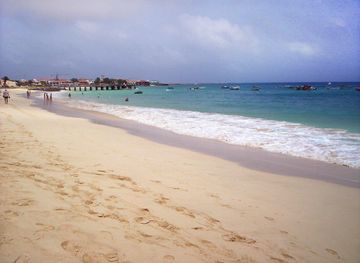
Explore more of Cabo Verde
Discover Cabo Verde: An enchanting archipelago offering beautiful beaches, vibrant culture, and unforgettable adventures, all set against a backdrop of stunning landscapes.
Explore Cabo Verde