

Free Vila do Maio Travel Guide & Mobile App
Plan your Vila do Maio trip with Evendo. Get free guides to top attractions, restaurants, hotels, and bars. Web access or download the mobile app.


Vila do Maio in Cabo Verde offers quiet beaches, salt pans, island history, Creole culture and unhurried Atlantic sightseeing beyond the main tourist routes.
A Small Capital by the Atlantic
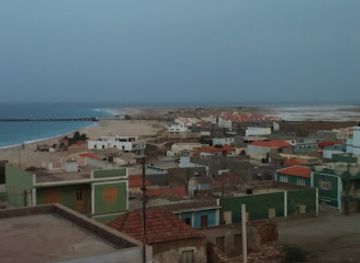
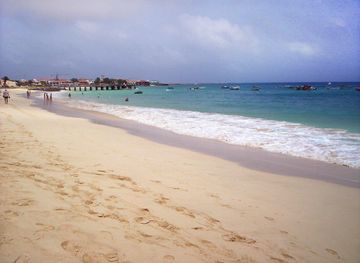
Vila do Maio, also known as Porto Inglês, is the modest administrative centre of Maio, one of Cabo Verde's quieter islands. Its low, sun-washed buildings, broad shoreline and unhurried rhythm reflect an island shaped more by fishing, salt production and seasonal trade than by large-scale tourism. The town lies on the southwest coast, facing an open Atlantic horizon, with the island's airport and principal harbour close by. Streets are easy to explore on foot, while the surrounding coastline opens into long beaches, dunes and salt-laden landscapes.Read more about Vila do Maio
History in Whitewashed Streets
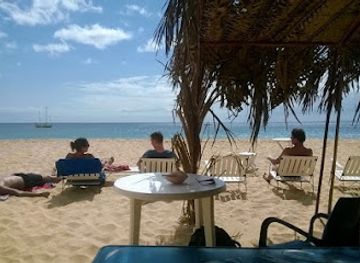
Beaches and Island Landscapes
When is the best time to visit Vila do Maio?
Best: January–March · 27°C| Month | High (°C) | Rainfall (mm) |
|---|---|---|
| January (best) | 27 | 0 |
| February (best) | 27 | 0 |
| March (best) | 27 | 0 |
| April | 27 | 0 |
| May | 28 | 0 |
| June | 28 | 0 |
| July | 28 | 0 |
| August | 28 | 0 |
| September | 28 | 0 |
| October | 28 | 0 |
| November | 28 | 0 |
| December | 28 | 0 |
Getting to and around Vila do Maio
How to get there
Transportation
Best attractions in Vila do Maio
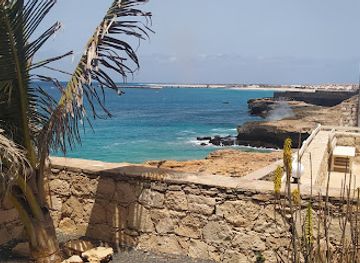
Vila do Maio's attractions are intimate rather than monumental. The harbour and waterfront offer a close view of island fishing life, while the town's streets lead to Nossa Senhora da Luz Church and the small cultural institutions that preserve Maio's local history. The nearby salt pans are central to the island's identity, their pale surfaces contrasting with the dry coastal terrain and blue Atlantic. The broad beaches around Vila do Maio provide space for swimming, walking and quiet observation, though sea conditions should be checked locally. A short journey inland or along the coast opens access to the settlements of Morro and Calheta, where everyday island life is more visible than organised sightseeing. Visitors interested in landscapes can explore dunes, volcanic ground and sparsely vegetated coastal areas, while those seeking local culture may encounter music, festivities and informal gatherings in town rather than scheduled performances.
-
Museum
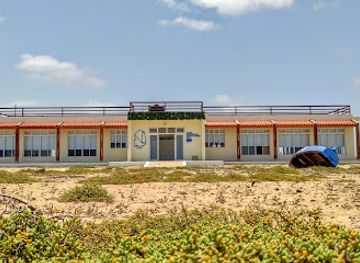
Centro Interpretativo Salinas do Porto Inglês
Explore Maio Island's heritage at the Centro Interpretativo Salinas do Porto Inglês: Discover the island's history, culture, and natural beauty.
15 min walk · 1.2 km from city centre
-
Tourist attraction
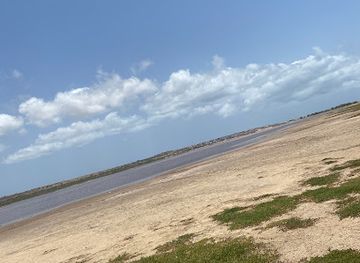
Salinas Porto Inglês
Experience the tranquil beauty of Salinas Porto Inglês in Vila do Maio, where pristine beaches and local culture await every traveler.
5 min drive · 1.7 km from city centre
Best landmarks in Vila do Maio
Nossa Senhora da Luz Church is Vila do Maio's most recognisable religious landmark and an important reference point for the town's Catholic heritage and communal celebrations. The harbour represents a different aspect of local identity: it is a working maritime space tied to fishing, transport and the history of Porto Inglês, rather than a purely decorative waterfront. The town's low-rise civic buildings and whitewashed homes express the practical scale of an island capital, while the salt pans outside the centre form a broader industrial and environmental landmark. Together, these places explain Vila do Maio more convincingly than a collection of grand monuments could. The former name Porto Inglês also survives as a historical marker, recalling the commercial relationships that once connected Maio's salt trade with British merchants and the wider Atlantic.
-
Hotel
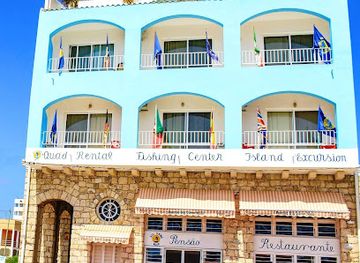
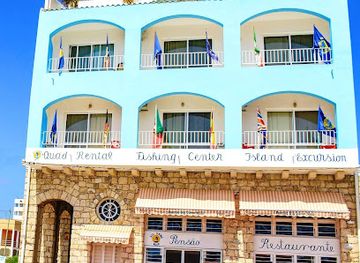
Big Game Maio
Discover the charm of Big Game Maio, a versatile hotel in Vila do Maio offering fishing charters, local cuisine, and unforgettable experiences in Cape Verde.
5 min walk · 0.4 km from city centre
-
Island
Maio
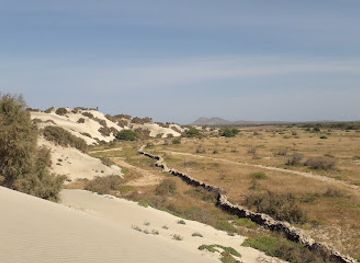
Experience the untouched charm of Maio Island, Cape Verde – a tranquil haven for nature lovers and cultural explorers alike.
25 min drive · 8.3 km from city centre
-
Holiday apartment rental
Stella Maris Maio
Discover the tranquil beauty of Stella Maris Maio, a perfect holiday apartment rental for a serene getaway on the stunning island of Maio, Cape Verde.
4 min walk · 0.3 km from city centre
-
Restaurant
Chacha Chicken restaurant
Discover the vibrant flavors of Cape Verdean cuisine at Chacha Chicken Restaurant in Vila do Maio, where every meal is a celebration of local traditions.
4 min walk · 0.3 km from city centre
Explore Vila do Maio on the map
Plan your Vila do Maio trip on one map. See where the top attractions, landmarks, restaurants, bars and hotels are, find what's near where you're staying, and book hotels and experiences in a few clicks.
Best hotels in Vila do Maio
Best restaurants in Vila do Maio
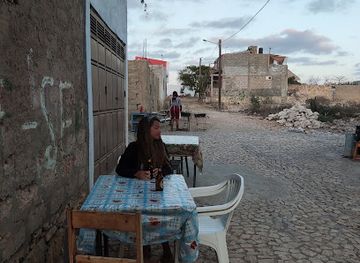
Dining in Vila do Maio is shaped by the sea, the dry island landscape and Cape Verde's Creole pantry. Fresh fish commonly appears grilled or prepared in simple stews, while catchupa, the country's slow-cooked mixture of maize, beans, vegetables and sometimes meat or fish, remains an important national dish. Goat, rice dishes, soups and locally prepared seafood may feature in small restaurants and family-run eateries, with recipes varying between households. Cafés and modest snack bars are useful for coffee, pastries and light meals, while the market and harbour area provide a sense of how ingredients reach the town. Meals often follow the availability of the day's catch rather than a fixed international menu. Portuguese and West African influences are present, but the most characteristic dining experience is straightforward, locally prepared food served at an unhurried pace.
-
Restaurant
Big Game Maio
Experience exquisite dining and thrilling fishing adventures at Big Game Maio in Vila do Maio – your gateway to Cape Verde's culinary delights.
5 min walk · 0.4 km from city centre
-
Restaurant
Martin’s restaurant
Experience the best of Cape Verdean cuisine at Martin's Restaurant in Ponta Preta - where every meal is a journey through local flavors.
17 min walk · 1.3 km from city centre
-
Restaurant
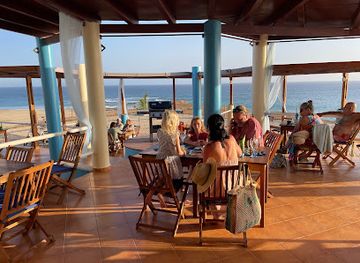
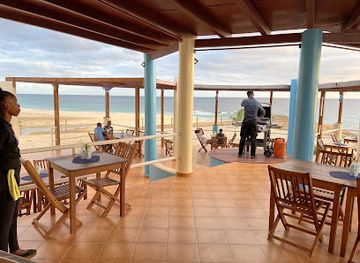
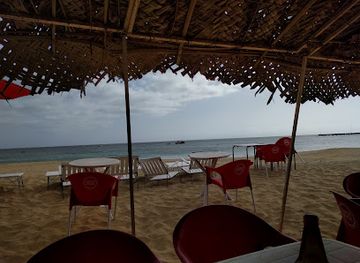
Bar Tropikal
Discover Bar Tropikal in Vila do Maio: A vibrant beach bar serving delicious local cuisine and refreshing drinks amidst stunning ocean views.
5 min walk · 0.4 km from city centre
-
Gastropub
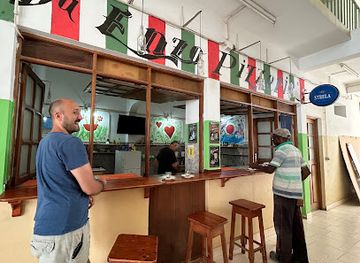
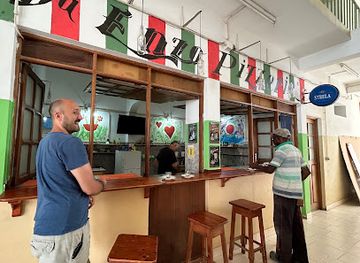
Enzo Caffe Pizza
Discover Enzo Caffe Pizza in Vila do Maio – where gourmet pizza meets local charm in an inviting gastropub atmosphere.
1 min walk · 0.1 km from city centre
Best bars in Vila do Maio
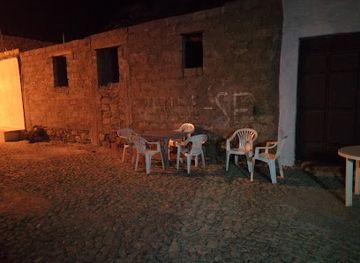
Nightlife in Vila do Maio is low-key and community-oriented rather than centred on large clubs. After sunset, visitors may find small bars and cafés where residents meet over drinks, conversation and football, with activity often concentrated around the central streets and waterfront. Music is an important part of Cape Verdean social life, and morna, coladeira, funaná or local celebratory rhythms may be heard during festivals and informal gatherings, although performances are not necessarily scheduled nightly. Religious celebrations and community events can bring more energy to the town at particular times of year. The evening atmosphere is best approached as a chance to experience island sociability rather than a late-night entertainment circuit; transport options become limited outside the centre, and visitors should arrange their return before going farther afield.
-
Restaurant
Martin’s restaurant
Experience the vibrant culinary scene of Cape Verde at Martin’s Restaurant, where fresh local ingredients meet stunning ocean views in Ponta Preta.
17 min walk · 1.3 km from city centre
-
Bar
Bar Tropikal
Experience the vibrant flavors and laid-back atmosphere of Bar Tropikal, a must-visit bar and restaurant in Vila do Maio, Cape Verde.
5 min walk · 0.4 km from city centre
-
Gastropub
Enzo Caffe Pizza
Discover authentic flavors at Enzo Caffe Pizza, a beloved gastropub in Vila do Maio, serving delicious pizzas in a vibrant atmosphere.
1 min walk · 0.1 km from city centre
-
Restaurant
Chacha Chicken restaurant
Discover the vibrant flavors of Cape Verde at Chacha Chicken Restaurant, a culinary delight in Vila do Maio.
4 min walk · 0.3 km from city centre
Best nightclubs in Vila do Maio
Nightlife in Vila do Maio is low-key and community-oriented rather than centred on large clubs. After sunset, visitors may find small bars and cafés where residents meet over drinks, conversation and football, with activity often concentrated around the central streets and waterfront. Music is an important part of Cape Verdean social life, and morna, coladeira, funaná or local celebratory rhythms may be heard during festivals and informal gatherings, although performances are not necessarily scheduled nightly. Religious celebrations and community events can bring more energy to the town at particular times of year. The evening atmosphere is best approached as a chance to experience island sociability rather than a late-night entertainment circuit; transport options become limited outside the centre, and visitors should arrange their return before going farther afield.
-
Bar
Bar Tropikal
Discover the vibrant Bar Tropikal in Vila do Maio, where delicious cuisine meets a lively atmosphere in the heart of Cape Verde.
5 min walk · 0.4 km from city centre
-
Gastropub
Enzo Caffe Pizza
Experience the flavors of Cabo Verde at Enzo Caffe Pizza in Vila do Maio – a perfect blend of tradition and taste.
1 min walk · 0.1 km from city centre
-
Bar
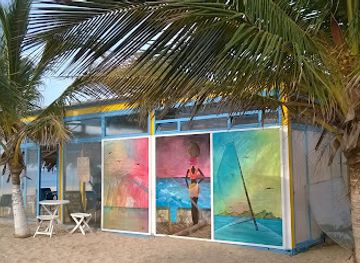
Tortuga Beach Club Maio
Discover the vibrant atmosphere and delicious local cuisine at Tortuga Beach Club Maio, your ultimate relaxation spot in Vila do Maio, Cape Verde.
4 min walk · 0.3 km from city centre
-
Bar
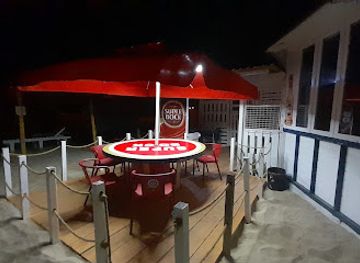
Tibau Bar
Discover the vibrant nightlife and local spirit at Tibau Bar in Vila do Maio, where refreshing drinks and stunning views await.
4 min walk · 0.3 km from city centre

Best shops in Vila do Maio
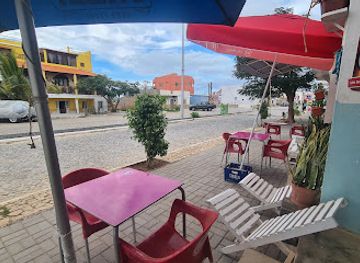
Shopping in Vila do Maio is modest and locally focused, with small food shops, market stalls and independent retailers serving residents rather than a large tourist trade. The central area is the best place to look for everyday provisions, snacks and locally produced food, while the harbour surroundings may offer fish and a glimpse of the island's working commerce. Souvenirs are likely to be limited compared with larger Cabo Verdean destinations, but visitors may find handmade craft items, textiles, small artworks or locally packaged products through community sellers and accommodation contacts. Salt is closely associated with Maio's history, although visitors should distinguish commercial products from salt collected in working or sensitive areas. Shopping here is less about browsing branded stores than understanding how a small island receives goods, supports artisans and maintains its daily markets.
-
Supermarket
Pick and pay Maio
Experience the best of local and international shopping at Pick and Pay Maio, where fresh produce and Cape Verdean delicacies await.
3 min walk · 0.3 km from city centre
-
Supermarket
Panetteria lANDA
Explore the vibrant local culture at Panetteria lANDA, the supermarket in Vila do Maio, where fresh produce meets friendly service and unique finds.
2 min walk · 0.1 km from city centre
-
Market
Mercado Municipal
Discover the vibrant Mercado Municipal in Vila do Maio, a lively market filled with local produce, crafts, and the warmth of Cape Verdean culture.
1 min walk · 0.1 km from city centre
-
 Store
Storeloja Dina
Discover unique local products and authentic souvenirs at Loja Dina, the vibrant store in Barreiro offering a taste of Cape Verdean culture.
17 min drive · 5.5 km from city centre
Get your free copy of our complete guide to Vila do Maio, delivered straight to you.
Everything on this page, from attractions and restaurants to essentials and local phrases, in one PDF you can read offline, print or share.
Already have an account? Sign in
Your Vila do Maio guide is ready.
We'll send it to · Not you? Sign out

Getting your guide ready…
We are putting together a fresh copy of the Vila do Maio guide. This can take up to a minute.
This can take a few moments. If your browser asks, choose Allow so the download can start. You'll find the guide in your Downloads folder.
Nothing happened? Download it again
Sorry, the guide is taking longer than usual. Please try again in a minute, or get it by email instead.
Vila do Maio essentials
Currency and Payment
Safety
Emergency Situations
Do's and Don'ts
Local Tips
From Eve
Local phrases worth knowing
You don't need to get them perfect. A few words go a long way, and locals appreciate the effort.
Basics
| English | Local | Say it |
|---|---|---|
| Hello | Olá | [oh-LAH] |
| Goodbye | Adeus | [ah-DEH-oos] |
| Yes | Sim | [seem] |
| No | Não | [now] |
| Please/You're welcome | Por favor/De nada | [por fah-VOHR/deh NAH-dah] |
| Thank you | Obrigado | [oh-bree-GAH-doo] |
| Excuse me/Sorry | Com licença/Desculpe | [kohm lee-SEHN-sah/dehs-KOOL-peh] |
| How are you? | Como está? | [KOH-moo ehs-TAH] |
| Fine. And you? | Bem. E você? | [behn/eh voh-SEH] |
| Do you speak English? | Fala inglês? | [FAH-lah een-GLEHS] |
| I don't understand | Não entendo | [now ehn-TEN-doo] |
Eating & Drinking
| English | Local | Say it |
|---|---|---|
| I'd like to see the menu, please | Gostaria de ver o menu, por favor | [goh-stah-REE-ah deh vehr oo MEH-noo/por fah-VOHR] |
| I don't eat meat | Não como carne | [now KOH-moo KAH-rneh] |
| Cheers! | Saúde! | [sow-DEH] |
| I would like to pay, please | Gostaria de pagar, por favor | [goh-stah-REE-ah deh pah-GAHR/por fah-VOHR] |
Emergencies
| English | Local | Say it |
|---|---|---|
| Help! | Socorro! | [so-KOH-roo] |
| Go away! | Vai embora! | [vah-ee ehm-BOH-rah] |
| Call the Police! | Chame a polícia! | [SHAH-meh ah poh-LEE-see-ah] |
| Call a doctor! | Chame um médico! | [SHAH-meh oom MEH-dee-koo] |
| I'm lost | Estou perdido | [ehs-TOH pehr-DEE-doo] |
| I'm ill | Estou doente | [ehs-TOH doo-EHN-teh] |
Shopping
| English | Local | Say it |
|---|---|---|
| I'd like to buy... | Gostaria de comprar... | [goh-stah-REE-ah deh kohm-PRAR] |
| I'm just looking | Estou só a olhar | [ehs-TOH soh ah oh-LAHR] |
| How much is it? | Quanto custa? | [KWAN-too KOOSH-tah] |
| That's too expensive | Isso é muito caro | [EE-soh eh MWEEN-too KAH-roo] |
| Can you lower the price? | Pode baixar o preço? | [POH-deh BAI-shahr oo PREH-soo] |
Time & Numbers
| English | Local | Say it |
|---|---|---|
| What time is it? | Que horas são? | [keh OH-rahz sahn] |
| It's one o'clock | É uma hora | [EH OO-mah OH-rah] |
| Half past (10) | Meia (10) | [MAY-ah (DEE-ehs)] |
| Morning | Manhã | [mahn-YAH] |
| Afternoon | Tarde | [TAHR-deh] |
| Evening | Noite | [NOY-tay] |
| Yesterday | Ontem | [ohn-TEHN] |
| Today | Hoje | [OH-zhay] |
| Tomorrow | Amanhã | [ah-mahn-YAH] |
| 1 | Um | [oom] |
| 2 | Dois | [DOYSH] |
| 3 | Três | [TREHS] |
| 4 | Quatro | [KWAH-troo] |
| 5 | Cinco | [SEEN-koo] |
| 6 | Seis | [saysh] |
| 7 | Sete | [SEH-teh] |
| 8 | Oito | [OY-too] |
| 9 | Nove | [NOH-veh] |
| 10 | Dez | [dehz] |
Transport & Directions
| English | Local | Say it |
|---|---|---|
| Where's a/the...? | Onde fica o/a...? | [ON-deh FEE-kah oo/ah] |
| What's the address? | Qual é o endereço? | [kwahl eh oo ehn-DEH-reh-soo] |
| Can you show me (on the map)? | Pode mostrar-me (no mapa)? | [POH-deh mohs-TRAHR-meh (noo MAH-pah)] |
| When's the next (bus)? | Quando é o próximo (autocarro)? | [KWAHN-doo eh oo PROH-kssee-moo (ow-to-KAHR-roo)] |
| A ticket (to ....) | Um bilhete (para ...) | [oom bee-LEH-teh (PAH-rah)] |
History of Vila do Maio
Early Portuguese Settlement
Maio was reached by Portuguese navigators during the early period of Atlantic exploration, and its dry landscape initially offered limited agricultural potential compared with wetter Cabo Verde islands. Settlement developed gradually around access to the sea, grazing and the extraction of salt. The island's position within the archipelago made it useful as a minor maritime stop, although it never grew into a large colonial city. The community that became Vila do Maio emerged on the coast as administrative and commercial activity became concentrated around a protected landing place.
Salt and Atlantic Trade
Salt became Maio's most important historic resource, produced in natural pans and collected for trade across the Atlantic world. The settlement was known as Porto Inglês, a name associated with British merchants and shipping interests involved in the island's commercial life. Salt, livestock and provisions linked Maio with neighbouring islands and passing vessels, creating a port economy whose scale remained modest but whose influence shaped local settlement. The pale salt landscapes around the town remain a physical reminder of this economic history.
A Maritime Island Society
Beyond commerce, Vila do Maio developed as a community of fishers, salt workers, herders and small farmers adapting to an arid environment. Catholic religious life provided an important social framework, represented by Nossa Senhora da Luz Church and the annual celebrations associated with the island's patron traditions. Music, oral storytelling and family networks helped connect the town with villages across Maio. Periods of drought and economic difficulty encouraged migration, a recurring feature of Cape Verdean history that influenced both household life and the town's population.
The Colonial and Modern Town
During the later colonial period, Porto Inglês remained a small administrative and maritime centre rather than developing into a major urban settlement. Its built environment consequently retained a low-rise, practical character, with a mixture of simple houses, civic structures and religious architecture. Harbour activity and connections with other islands remained central to daily life. The town's limited scale also meant that social and economic changes were experienced through local institutions, shipping links and migration rather than through large industrial or urban projects.
Vila do Maio after Independence
Cabo Verde became independent in 1975, and Porto Inglês increasingly became known as Vila do Maio, reflecting the island's post-colonial civic identity. Since then, improvements in air and sea connections, public services and small-scale tourism have broadened the town's links with the rest of the country. The local economy still depends heavily on fishing, public administration, commerce and services, while visitors are drawn by beaches and the island's restrained pace. Contemporary Vila do Maio therefore combines an inherited maritime economy with a carefully developing visitor culture.
Vila do Maio in Photos
Browse through our photo collection highlighting the charm and character of the destination.
Cities near Vila do Maio
The closest cities to Vila do Maio, if you have time for more than one stop.
-

-

-

-

-


Swipe for more cities
Explore more
Explore more of Cabo Verde
Discover Cabo Verde: An enchanting archipelago offering beautiful beaches, vibrant culture, and unforgettable adventures, all set against a backdrop of stunning landscapes.
Explore Cabo Verde