
Praia de Zal, Cabo Verde Travel Guide
Discover the serene beauty and rich cultural tapestry of Praia de Zal in Cabo Verde. A perfect blend of relaxation, adventure, and local charm awaits.
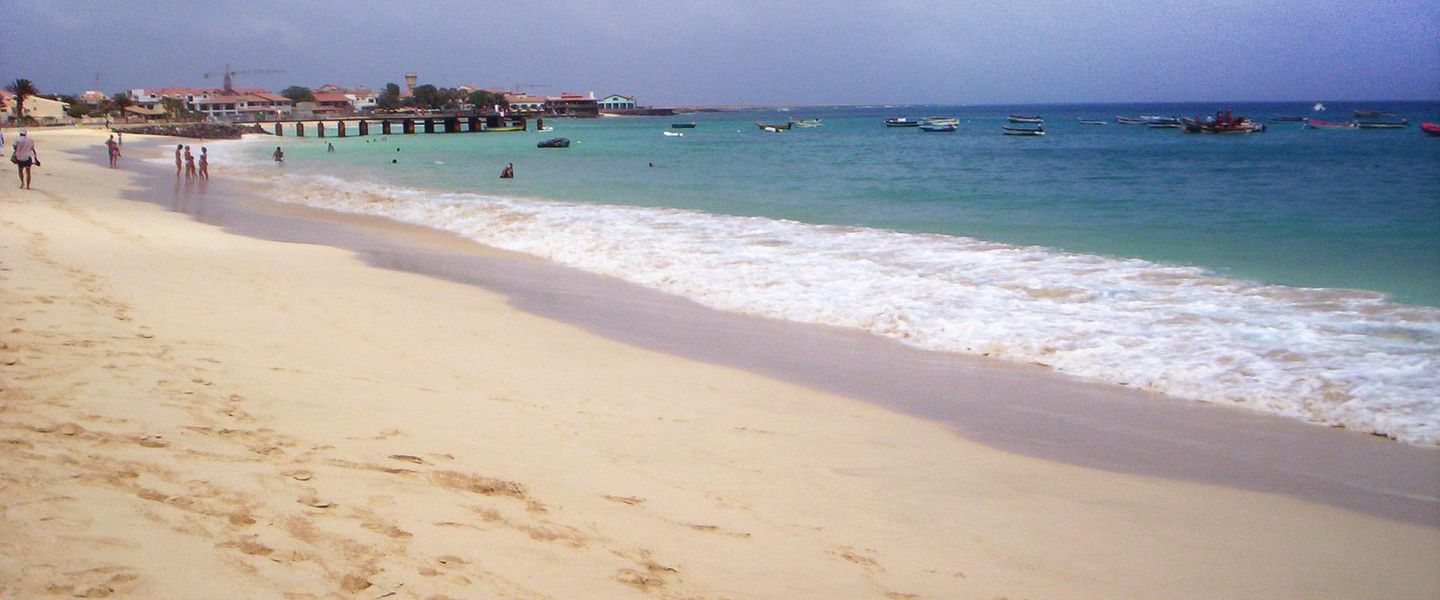
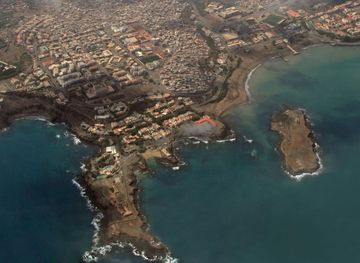
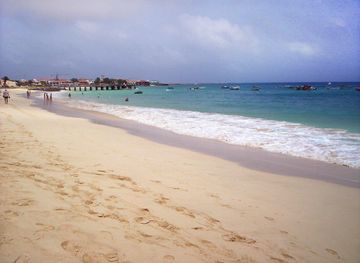
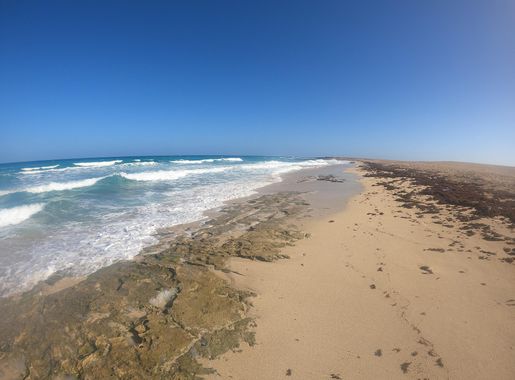
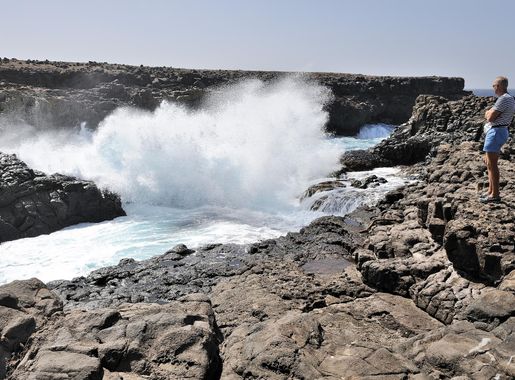
Praia de Zal, located in the beautiful archipelago of Cabo Verde, is a hidden gem that beckons with its pristine beaches and serene ambiance. This coastal paradise is perfect for those looking to escape the hustle and bustle of everyday life. Its golden sands and crystal-clear waters provide the ideal backdrop for relaxation and rejuvenation. Beyond its stunning beach, Praia de Zal offers a glimpse into the rich culture and history of Cabo Verde. Visitors can explore charming local villages, sample delicious Creole cuisine, and enjoy traditional music and dance. The warm and welcoming locals are always eager to share their stories and traditions, making every visit a unique and enriching experience. For the adventure seekers, Praia de Zal does not disappoint. The area is known for its excellent water sports opportunities, including snorkeling, diving, and windsurfing. The vibrant marine life and colorful coral reefs are a delight for underwater enthusiasts. Hiking trails around the area also offer breathtaking views and a chance to connect with nature.

Know before you go
Hi, I'm Eve. Here are a few practical things to know before exploring Praia de Zal.
- Visit during the dry season from November to June for the best weather and clear skies.
- Pack reef-friendly sunscreen to protect the marine life when snorkeling or diving.
- Bring cash, as some smaller local shops and eateries may not accept credit cards.
- Try the local dish 'Cachupa,' a traditional stew that is a must-try culinary experience.
- Learn a few basic phrases in Portuguese or Creole to enhance your interactions with locals.
Explore Praia de Zal: Things to Do, Places to Eat, Hotels & More
Handpicked recommendations for top attractions, local dining, accommodations, and more

Best attractions in Praia de Zal


Best landmarks in Praia de Zal
Top-rated picks
Best Landmarks

Sucupira Market
Discover the vibrant atmosphere of Sucupira Market in Praia, Cape Verde – a must-visit for authentic local shopping and cuisine.

Pestana Tropico
Experience luxury and comfort at Pestana Tropico, a premier hotel in Praia, Cape Verde, offering stunning ocean views and top-notch amenities.

Discover santiago island
Experience the vibrant culture and breathtaking landscapes of Santiago Island, Cape Verde's largest and most enchanting destination.

Hotel VIP Praia
Experience unparalleled luxury and breathtaking ocean views at Hotel VIP Praia, the perfect retreat for tourists in beautiful Cape Verde.

Best restaurants in Praia de Zal
Top-rated picks
Best Restaurants

Quintal da Música
Experience authentic Cape Verdean cuisine paired with live music at Quintal da Música in Praia - where every meal is a celebration.

Restaurante Terrazza Italia
Experience exquisite Italian dining at Restaurante Terrazza Italia in Praia - where every meal is a celebration of flavor.

O Poeta Lounge & Food
Experience the vibrant flavors of Cape Verde at O Poeta Lounge & Food in Praia - where local cuisine meets modern dining.

Restaurante As Campanas
Experience authentic Cape Verdean cuisine at Restaurante As Campanas in Praia – a culinary haven for food lovers.


Best nightclubs in Praia de Zal
Top-rated picks
Best Nightclubs

Zero Hours Nightclub
Dive into the electrifying nightlife at Zero Hours Nightclub in Praia, where affordable fun meets vibrant local culture in an unforgettable disco experience.

Hangar 7
Experience the pulsating nightlife of Praia at Hangar 7, where music, dance, and a vibrant atmosphere collide for an unforgettable evening.

Warehouse - Sigui Sabura
Warehouse - Sigui Sabura: The ultimate nightlife destination in Praia, Cape Verde, where music, dance, and unforgettable moments come together.

HOT CAPITAL/NOVA ERA
Dive into the lively nightlife of Praia at Hot Capital/Nova Era, where music, dance, and unforgettable memories await every night.

Best shops in Praia de Zal
Top-rated picks
Best Shops

Praia Shopping
Explore Praia Shopping for a unique blend of local and international shopping experiences in the heart of Cape Verde's vibrant capital.

D Concept Design Store
Discover the vibrant flavors of Cape Verde at D Concept Design Store, where traditional cuisine meets modern culinary artistry.

ORCA CABO VERDE
Explore Orca Cabo Verde for unique home goods and local crafts that embody the spirit of Cape Verdean culture and artistry.

Alucar SA - Praia
Alucar SA - Praia: Your Gateway to Exploring the Scenic Wonders of Santiago Island with Reliable Car Rentals.

Explore Praia de Zal on the Map
A handpicked selection of must-see spots in Praia de Zal, mapped for you.
Praia de Zal Essentials
-
Praia de Zal is located on the island of Sal in Cabo Verde. The main point of entry is Amílcar Cabral International Airport (SID), which receives flights from major international hubs such as Lisbon, Amsterdam, and various African cities. From the airport, you can take a taxi or arrange for a private transfer to your accommodation in Praia de Zal, which is approximately a 20-minute drive away.
-
Within Praia de Zal, taxis are the most convenient mode of transportation and are readily available. For a more budget-friendly option, you can use the local 'aluguer' minibus services that operate on fixed routes throughout the island. Car rentals are also available for those who wish to explore the island at their own pace. Bicycles and scooters can be rented for shorter trips and are a popular way to navigate the town.
-
The currency used in Cabo Verde is the Cape Verdean Escudo (CVE). Credit cards are accepted in most hotels, restaurants, and larger shops, but it is advisable to carry some cash for smaller establishments and markets. ATMs are available in Praia de Zal, but they may not always be reliable, so it’s a good idea to withdraw sufficient funds upon arrival.
-
Praia de Zal is generally a safe destination for tourists. However, petty crimes like pickpocketing and bag snatching can occur, particularly in crowded areas and markets. It is advisable to avoid walking alone at night and to keep your valuables secure. Be cautious in areas like Santa Maria beach at night, where incidents have been reported. Always stay aware of your surroundings and take standard safety precautions.
-
In case of an emergency, dial 132 for police, 131 for medical emergencies, and 130 for fire services. The local hospital in Espargos is equipped to handle most medical issues, but for serious conditions, medical evacuation may be necessary. It is highly recommended to have comprehensive travel insurance that covers medical emergencies. Pharmacies are available in Praia de Zal for minor health issues and over-the-counter medications.
-
Fashion: Do wear light, breathable clothing suitable for the warm climate. Avoid overly revealing outfits, especially away from the beach. Religion: Do respect local customs and traditions, including dressing modestly when visiting religious sites. Public Transport: Do be respectful to fellow passengers and the driver. Avoid eating or drinking on public transport. Greetings: Do greet people with a friendly 'Olá' or 'Bom dia' (Good morning). A handshake is also common. Eating & Drinking: Do try local dishes and be open to new culinary experiences. Don’t refuse food if offered by locals, as it is considered impolite.
-
To experience Praia de Zal like a local, visit the local markets where you can buy fresh fish, fruits, and traditional Cape Verdean goods. Engage with residents, who are often friendly and eager to share stories about their island. Don't miss out on the local music scene, particularly the 'morna' and 'coladeira' genres. For a unique experience, take a boat trip to explore nearby islands and enjoy snorkeling in the crystal-clear waters.
When is the best time to visit Praia de Zal?
Useful Local Phrases for Praia de Zal
You don't need to speak the language perfectly. Even learning a few simple words can make conversations warmer—and locals usually appreciate the effort.
— Eve

Here are the phrases I use most often in Praia de Zal. Try a few—you'll be surprised how far they go! 😊
❤️
-
- HelloOlá
[oh-lah] - GoodbyeAdeus
[ah-deh-oos] - YesSim
[seem] - NoNão
[não] - Please/You're welcomePor favor/De nada
[pohr fah-vohr/deh nah-dah] - Thank youObrigado/Obrigada
[oh-bree-gah-doh/oh-bree-gah-dah] - Excuse me/SorryCom licença/Desculpe
[kohm lee-sehn-sah/deh-skool-peh] - How are you?Como está?
[koh-moh ehs-tah] - Fine. And you?Bem. E você?
[behn/eh voh-seh] - Do you speak English?Fala inglês?
[fah-lah een-glehsh] - I don't understandNão entendo
[não ehn-tehn-doh]
- HelloOlá
-
- I'd like to see the menu, pleaseGostaria de ver o menu, por favor
[goh-stah-ree-ah deh vehr ooh meh-noo/ pohr fah-vohr] - I don't eat meatNão como carne
[não koh-moh kahr-neh] - Cheers!Saúde!
[sah-ooh-deh] - I would like to pay, pleaseGostaria de pagar, por favor
[goh-stah-ree-ah deh pah-gahr/ pohr fah-vohr]
- I'd like to see the menu, pleaseGostaria de ver o menu, por favor
-
- Help!Socorro!
[soh-koh-roh] - Go away!Vai embora!
[vah-ee ehn-boh-rah] - Call the Police!Chama a polícia!
[shah-mah ah poh-lee-see-ah] - Call a doctor!Chama um médico!
[shah-mah oom meh-dee-koo] - I'm lostEstou perdido
[ehs-toh pehr-dee-doo] - I'm illEstou doente
[ehs-toh doo-ehn-teh]
- Help!Socorro!
-
- I'd like to buy...Gostaria de comprar...
[goh-stah-ree-ah deh kohm-prahr] - I'm just lookingEstou só a ver
[ehs-toh soh ah vehr] - How much is it?Quanto custa?
[kwahn-tooh koos-tah] - That's too expensiveIsso é muito caro
[ee-soh eh mw-ee-tooh kah-roo] - Can you lower the price?Pode baixar o preço?
[poh-deh by-shahr ooh preh-soo]
- I'd like to buy...Gostaria de comprar...
-
- What time is it?Que horas são?
[keh oh-rahss sao] - It's one o'clockÉ uma hora
[eh oo-mah oh-rah] - Half past (10)Meia hora (dez)
[may-ah oh-rah (dehz)] - MorningManhã
[mah-nyah] - AfternoonTarde
[tahr-deh] - EveningNoite
[noy-teh] - YesterdayOntem
[ohn-tehm] - TodayHoje
[oh-jeh] - TomorrowAmanhã
[ah-mah-nyah] - 1Um
[oom] - 2Dois
[doh-eesh] - 3Três
[trehs] - 4Quatro
[kwah-troo] - 5Cinco
[seen-koo] - 6Seis
[saysh] - 7Sete
[seh-teh] - 8Oito
[oy-toh] - 9Nove
[noh-veh] - 10Dez
[dehz]
- What time is it?Que horas são?
-
- Where's a/the...?Onde fica o/a...?
[ohn-deh fee-kah oo/ah] - What's the address?Qual é o endereço?
[kwahl eh ooh ehn-deh-reh-soo] - Can you show me (on the map)?Pode me mostrar (no mapa)?
[poh-deh meh moh-shtrah (noo mah-pah)] - When's the next (bus)?Quando é o próximo (autocarro)?
[kwahn-doh eh ooh proh-kssee-moh (ow-toh-kah-roo)] - A ticket (to ....)Um bilhete (para ...)
[oom beel-yeh-teh (pah-rah)]
- Where's a/the...?Onde fica o/a...?
History of Praia de Zal
-
Praia de Zal, located on the island of Sal in Cabo Verde, was first discovered by Portuguese explorers in the 15th century. The island of Sal, originally named Llana, meaning 'flat,' was charted by the Portuguese navigator Diogo Gomes in 1460. The discovery marked the beginning of European interest in this strategic archipelago in the Atlantic Ocean.
-
Praia de Zal played a significant role during the salt trade era. In the 18th and 19th centuries, Sal Island became an essential hub for salt production. The natural salt flats (salinas) near Praia de Zal were exploited for their high-quality salt, which was exported to Europe and the Americas. This trade brought economic growth and contributed to the development of local infrastructure.
-
In the 19th century, Praia de Zal became a stopover point for American and European whaling ships. The bay provided a sheltered anchorage, and the local population engaged in trade with the whalers, supplying them with fresh water and provisions. This era introduced new cultural exchanges and economic activities to the region.
-
During World War II, Cabo Verde, including Praia de Zal, held strategic significance due to its location in the mid-Atlantic. The Allied forces used the islands as a refueling station for transatlantic flights and naval operations. Although Sal remained relatively quiet compared to other theaters of war, its strategic value was undeniable.
-
Cabo Verde gained independence from Portugal on July 5, 1975. In the years following independence, Praia de Zal saw significant development as the Cabo Verdean government invested in tourism infrastructure. The pristine beaches and reliable weather have since attracted international tourists, transforming Praia de Zal into a popular destination and contributing to the local economy.
-
Praia de Zal hosts several cultural festivals that celebrate Cabo Verdean heritage. One of the most notable is the Festival de Santa Maria, which takes place in the nearby town of Santa Maria but draws visitors from all over the island. This festival features traditional music, dance, and cuisine, showcasing the rich cultural tapestry of the region.
Cities in Praia de Zal
Browse our curated selection of top destinations, scenic points, and must-visit spots in the area.


Neighbouring destination travel guides
Browse our curated selection of top destinations, scenic points, and must-visit spots in the area.


Your all‑in‑one travel companion app
Explore expert travel guides, compare and book tours, experiences, hotels, and more—all from the palm of your hand. Download now for seamless trip planning wherever your wanderlust takes you.


Explore More of Cabo Verde
Looking beyond Praia de Zal? Discover Cabo Verde for broader travel guides, local hot-spots, and regional highlights.
Explore Cabo VerdePraia de Zal in Photos
Browse through our photo collection highlighting the charm and character of the destination.




The Allure of Praia de Zal in Cabo Verde
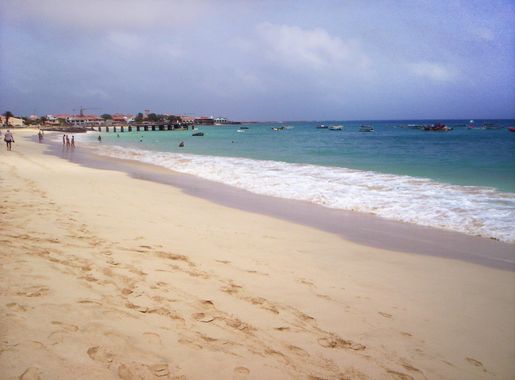
Praia de Zal, located in the beautiful archipelago of Cabo Verde, is a hidden gem that beckons with its pristine beaches and serene ambiance. This coastal paradise is perfect for those looking to escape the hustle and bustle of everyday life. Its golden sands and crystal-clear waters provide the ideal backdrop for relaxation and rejuvenation. Beyond its stunning beach, Praia de Zal offers a glimpse into the rich culture and history of Cabo Verde. Visitors can explore charming local villages, sample delicious Creole cuisine, and enjoy traditional music and dance. The warm and welcoming locals are always eager to share their stories and traditions, making every visit a unique and enriching experience. For the adventure seekers, Praia de Zal does not disappoint. The area is known for its excellent water sports opportunities, including snorkeling, diving, and windsurfing. The vibrant marine life and colorful coral reefs are a delight for underwater enthusiasts. Hiking trails around the area also offer breathtaking views and a chance to connect with nature.