Free Santa Maria Travel Guide & Mobile App
Plan your Santa Maria trip with Evendo. Get free guides to top attractions, restaurants, hotels, and bars. Web access or download the mobile app.


Santa Maria, Cabo Verde, combines white-sand beaches, Atlantic waters, salt heritage, Creole culture and relaxed island sightseeing on Sal by the Atlantic.
Beach, Wind and Island Light
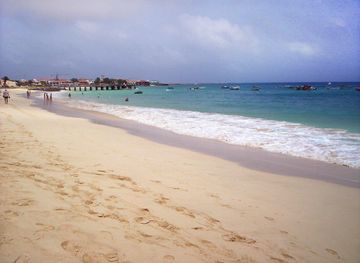
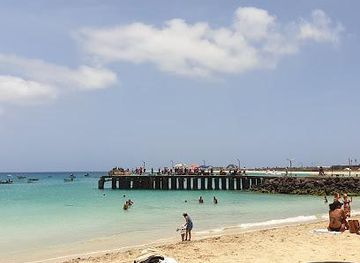
Santa Maria occupies the southern tip of Sal, one of Cabo Verde’s eastern islands, where pale sand meets a clear, wind-shaped Atlantic. Once a small salt-producing settlement, it is now the island’s principal beach resort, but its centre retains a low-rise, easygoing character. The shoreline curves past broad beaches towards the town’s long wooden pier, where fishermen, swimmers and visitors gather beneath the intense island light. Warm water, steady trade winds and extensive sandy shallows have made Santa Maria a centre for swimming, windsurfing, kitesurfing and diving.Read more about Santa Maria
Creole Town Life
Sal’s Salt Landscape
When is the best time to visit Santa Maria?
Best: January–March · 26–27°C| Month | High (°C) | Rainfall (mm) |
|---|---|---|
| January (best) | 26 | 0 |
| February (best) | 27 | 0 |
| March (best) | 27 | 0 |
| April | 28 | 0 |
| May | 29 | 0 |
| June | 30 | 0 |
| July | 31 | 0 |
| August | 31 | 0 |
| September | 31 | 0 |
| October | 30 | 0 |
| November | 29 | 0 |
| December | 29 | 0 |
Getting to and around Santa Maria
How to get there
Transportation
Best attractions in Santa Maria
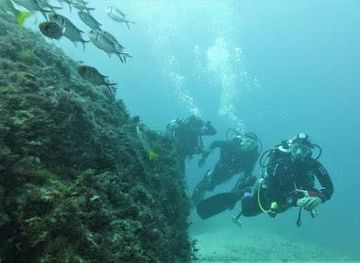
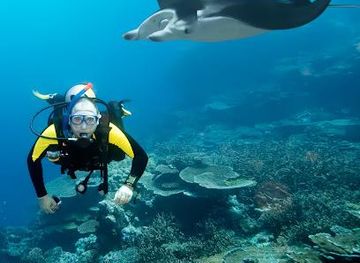
Santa Maria’s principal attraction is its long sandy beach, where clear Atlantic water, steady trade winds and broad horizons create ideal conditions for swimming, kitesurfing, windsurfing and simply watching the changing light. The wooden pier is the town’s social centre, linking visitors with the working fishing community and offering views along the coast. In the compact centre, the Church of the Nazarene and colourful streets provide a quieter glimpse of local life between cafés and small shops. Marine excursions reveal Sal from the water, with opportunities for diving, snorkelling and boat trips depending on conditions. Within the town, the waterfront and market are as important to the experience as formal attractions, while excursions to Pedra de Lume, in the island’s north-east, introduce the salt crater that shaped Sal’s history. The Viveiro Botanical Garden and Zoo, outside the centre, offers another perspective on the island’s largely arid environment.
-
Tourist attraction
The Pier of Santa Maria
Discover the beauty and culture of Santa Maria at its iconic pier, where the Atlantic meets local life in a picturesque setting.
4 min walk · 0.3 km from city centre
-
Diving center
Eco Dive School Cabo Verde
Experience the thrill of diving in Santa Maria at Eco Dive School Cabo Verde, where adventure meets conservation in breathtaking underwater landscapes.
8 min walk · 0.7 km from city centre
-
 Hotel
HotelSanta Maria Beach
Experience the stunning Santa Maria Beach in Cape Verde, where pristine sands meet vibrant local culture and endless adventure awaits.
6 min walk · 0.5 km from city centre
-
Diving center
Santa Maria Dive Center
Experience the thrill of diving in the crystal-clear waters of Santa Maria, Cape Verde, with expert guidance and breathtaking marine life.
2 min walk · 0.1 km from city centre
Best landmarks in Santa Maria
Santa Maria’s landmarks are closely tied to its maritime and salt-producing past. The wooden pier is the town’s most recognisable structure, functioning not merely as a viewpoint but as a meeting place for fishermen, traders, swimmers and visitors. The Church of the Nazarene, with its simple façade and prominent position in the centre, reflects the Christian heritage shared across Cabo Verde and remains part of the town’s everyday civic landscape. Around the older streets, low-rise buildings and brightly painted façades recall Santa Maria’s origins as a salt and fishing settlement rather than a grand colonial capital. The salt landscapes beyond town provide the wider historical landmark: Pedra de Lume’s crater and saltworks show how Sal’s geology and extreme aridity created the industry that first gave the island international commercial importance. Together, these places connect present-day tourism with work, faith and the sea.
-
Tourist attraction
The Pier of Santa Maria
Explore the vibrant Pier of Santa Maria, where stunning ocean views, local culture, and unforgettable experiences await every traveler in Cape Verde.
4 min walk · 0.3 km from city centre
-
Restaurant
Ocean Cafe
Discover the vibrant flavors of Cape Verde at Ocean Cafe, where delicious pizzas and refreshing drinks await in the heart of Santa Maria.
1 min walk · 0.1 km from city centre
-
Hotel
Odjo d'Agua
Discover the charm of Odjo d'Agua in Santa Maria, where relaxation meets adventure in the stunning landscapes of Cape Verde.
2 min walk · 0.2 km from city centre
-
Restaurant
Cam's Restaurante e Cafetaria
Experience the flavors of Cabo Verde at Cam's Restaurante e Cafetaria, where delicious food meets a warm and welcoming atmosphere.
2 min walk · 0.2 km from city centre
Explore Santa Maria on the map
Plan your Santa Maria trip on one map. See where the top attractions, landmarks, restaurants, bars and hotels are, find what's near where you're staying, and book hotels and experiences in a few clicks.
Best hotels in Santa Maria
Best restaurants in Santa Maria
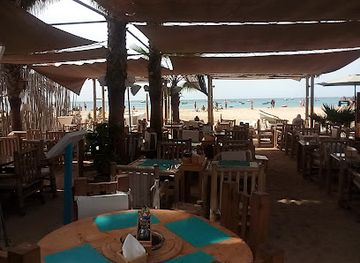
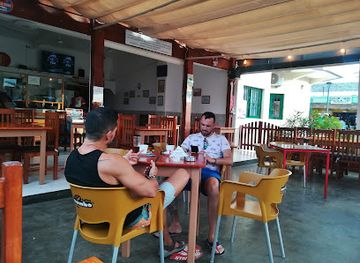
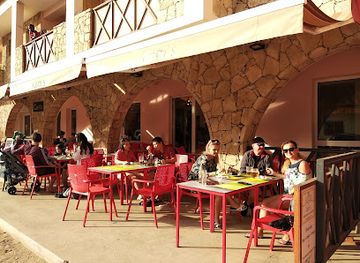
Santa Maria’s dining scene draws on Cabo Verde’s Atlantic setting and its mixture of African, Portuguese and international influences. Fresh fish, lobster and other seafood appear widely, while local dishes such as cachupa, the slow-cooked corn-and-bean stew that may include vegetables, meat or fish, provide a taste of national home cooking. Grilled tuna, wahoo and other daily catches are often served simply, alongside rice, salad and local sauces; pastel com peixe offers a smaller, savoury fish-filled snack. Restaurants cluster around the central streets and waterfront, ranging from informal cafés and bakeries to seafood houses and kitchens adapted to the large international visitor community. Local vegetables and imported ingredients both feature because Sal’s dry environment limits agriculture. Mealtimes are generally relaxed, and Cape Verdean music may accompany dinner, particularly in venues that focus on island cuisine and culture.
-
Restaurant
Ocean Cafe
Discover delightful dining at Ocean Cafe in Santa Maria—home to exquisite pizzas and refreshing drinks in a vibrant atmosphere.
1 min walk · 0.1 km from city centre
-
Restaurant
Palm Beach
Experience exquisite seafood and pizza at Palm Beach in Santa Maria - where culinary excellence meets breathtaking ocean views.
2 min walk · 0.2 km from city centre
-
Restaurant
Café Criolo
Experience authentic Cape Verdean cuisine at Café Criolo in Santa Maria - where local flavors meet warm hospitality.
2 min walk · 0.2 km from city centre
-
Restaurant
Cam's Restaurante e Cafetaria
Experience authentic Cape Verdean flavors at Cam's Restaurante e Cafetaria - where culinary traditions meet modern tastes.
2 min walk · 0.2 km from city centre
Best bars in Santa Maria
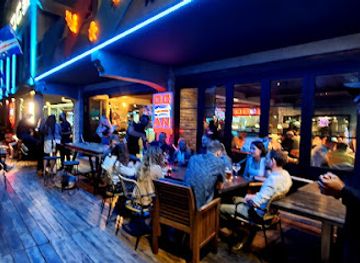
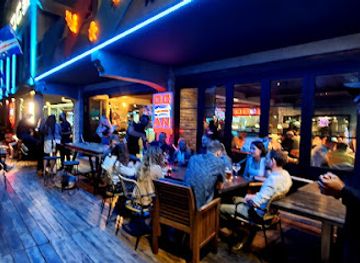
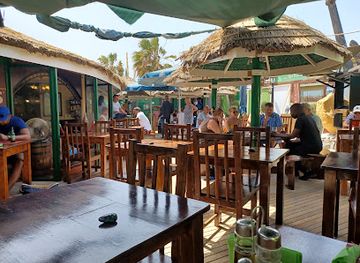
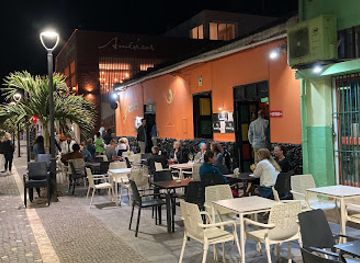
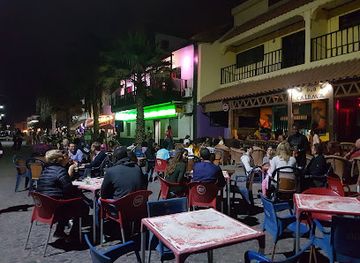
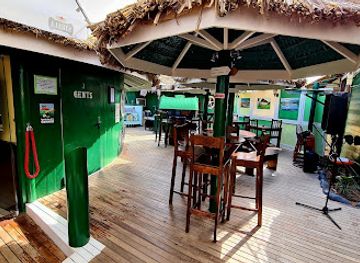
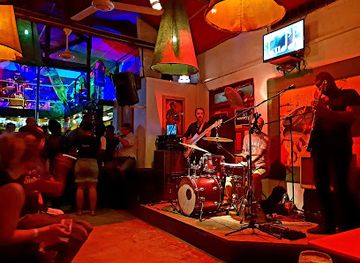
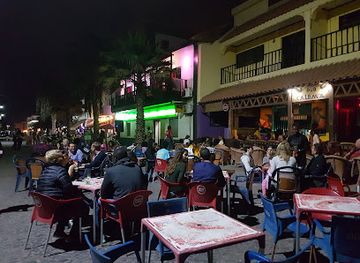
Evenings in Santa Maria centre on a compact area of bars, restaurants and small entertainment venues rather than a large club circuit. The streets around Rua 1 de Junho and the waterfront become livelier after dinner, with visitors moving between laid-back bars, cocktail spots and venues offering Cape Verdean music. Morna, associated with reflective songs of love and longing, and the more rhythmic funaná are important parts of the country’s musical identity, while some venues also present contemporary dance, acoustic sets or international playlists. Beachfront establishments provide a slower setting for drinks and conversation, whereas later-night venues can be more energetic during the tourist season. Nightlife changes with the day of the week and season, so local advice is useful. Respectful behaviour and awareness are advisable when walking between the centre and quieter accommodation areas after dark.
-
Restaurant
Ocean Cafe
Discover the vibrant flavors of Cabo Verde at Ocean Cafe, your go-to restaurant for delicious pizza and refreshing drinks in Santa Maria.
1 min walk · 0.1 km from city centre
-
Bar
The Dubliner - Irish Bar
Discover authentic Irish culture and vibrant nightlife at The Dubliner, the perfect spot on Santa Maria Beach for cocktails and camaraderie.
7 min walk · 0.6 km from city centre
-
Bar
Buddy Bar
Experience the vibrant nightlife at Buddy Bar, Santa Maria's top destination for live music and cocktails in a friendly atmosphere.
2 min walk · 0.1 km from city centre
-
Bar
Pub Calema
Discover the lively Pub Calema in Santa Maria, where vibrant nights and refreshing drinks await you in the heart of Cape Verde's nightlife.
2 min walk · 0.2 km from city centre
Best nightclubs in Santa Maria
Evenings in Santa Maria centre on a compact area of bars, restaurants and small entertainment venues rather than a large club circuit. The streets around Rua 1 de Junho and the waterfront become livelier after dinner, with visitors moving between laid-back bars, cocktail spots and venues offering Cape Verdean music. Morna, associated with reflective songs of love and longing, and the more rhythmic funaná are important parts of the country’s musical identity, while some venues also present contemporary dance, acoustic sets or international playlists. Beachfront establishments provide a slower setting for drinks and conversation, whereas later-night venues can be more energetic during the tourist season. Nightlife changes with the day of the week and season, so local advice is useful. Respectful behaviour and awareness are advisable when walking between the centre and quieter accommodation areas after dark.
-
Bar
The Dubliner - Irish Bar
Discover the vibrant nightlife of Santa Maria at The Dubliner - a lively Irish bar with great drinks and live music.
7 min walk · 0.6 km from city centre
-
Bar
Buddy Bar
Experience the vibrant nightlife of Santa Maria at Buddy Bar, where cocktails and music create unforgettable memories under the stars.
2 min walk · 0.1 km from city centre
-
Bar
Pub Calema
Discover the lively nightlife at Pub Calema in Santa Maria, where vibrant cocktails and a festive atmosphere await.
2 min walk · 0.2 km from city centre
-
Bar
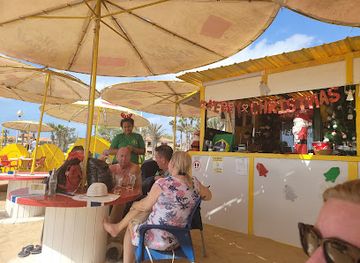
Beach Bar Olá Brasil
Experience the vibrant ambiance of Beach Bar Olá Brasil, a tropical escape in Santa Maria with refreshing drinks and stunning ocean views.
4 min walk · 0.4 km from city centre
Best shops in Santa Maria
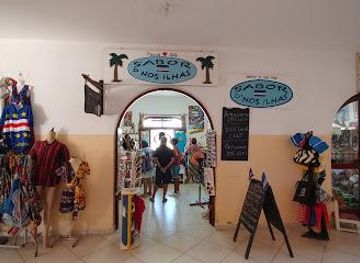
Shopping in Santa Maria is concentrated around the central streets near the beach and pier, where small independent shops, market stalls and craft businesses sit alongside convenience stores and tourist-oriented retailers. Visitors will find Cabo Verdean-inspired textiles, woven goods, shell-free beach crafts, jewellery, paintings, music and locally themed souvenirs, although quality and provenance vary, so asking about the maker is sensible. The municipal market and smaller food sellers offer a more ordinary view of island commerce, with fruit, vegetables, spices and seafood shaped by Sal’s reliance on imported supplies and daily fishing. Bottled grogue and local food products can be found in some shops, but transport and customs rules should be considered before buying liquids or perishable goods. Bargaining is not a universal expectation; a courteous enquiry and clear agreement are preferable to assuming that every price is negotiable.
-
Supermarket
Cazu Supermarket
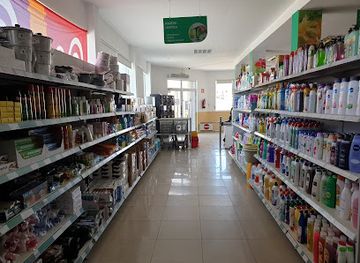
Discover fresh local produce and unique Cape Verdean delicacies at Cazu Supermarket in Santa Maria for an authentic shopping experience.
6 min walk · 0.5 km from city centre
-
Market
Mercado Municipal
Discover Santa Maria's Mercado Municipal: A vibrant market filled with local flavors, crafts, and the essence of Cape Verdean culture.
6 min walk · 0.5 km from city centre
-
Store
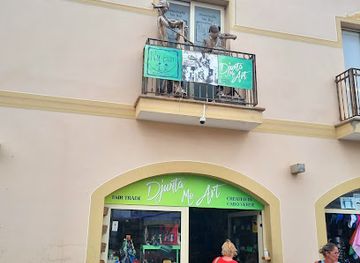
Shop Fair Trade Djunta Mo Art
Explore unique fair trade crafts at Djunta Mo Art in Santa Maria, where local artisans showcase their creativity and sustainability thrives.
1 min walk · 0.1 km from city centre
-
Grocery store
Local Shop- Doya
Explore local flavors and culture at Doya, a charming grocery store in Santa Maria offering authentic Cape Verdean products and a welcoming atmosphere.
5 min walk · 0.4 km from city centre
Get your free copy of our complete guide to Santa Maria, delivered straight to you.
Everything on this page, from attractions and restaurants to essentials and local phrases, in one PDF you can read offline, print or share.
Already have an account? Sign in
Your Santa Maria guide is ready.
We'll send it to · Not you? Sign out

Getting your guide ready…
We are putting together a fresh copy of the Santa Maria guide. This can take up to a minute.
This can take a few moments. If your browser asks, choose Allow so the download can start. You'll find the guide in your Downloads folder.
Nothing happened? Download it again
Sorry, the guide is taking longer than usual. Please try again in a minute, or get it by email instead.
Santa Maria essentials
Currency and Payment
Safety
Emergency Situations
Do's and Don'ts
Local Tips
From Eve
Local phrases worth knowing
You don't need to get them perfect. A few words go a long way, and locals appreciate the effort.
Basics
| English | Local | Say it |
|---|---|---|
| Hello | Olá | [oh-lah] |
| Goodbye | Tchau | [chow] |
| Yes | Sim | [seem] |
| No | Não | [now] |
| Please/You're welcome | Por favor | [pour fah-vohr] |
| Thank you | Obrigado/Obrigada | [oh-bree-gah-doo/oh-bree-gah-dah] |
| Excuse me/Sorry | Desculpa | [dess-kool-pah] |
| How are you? | Kusé ki bu ta? | [koo-seh kee boo tah] |
| Fine. And you? | Bem. É bu? | [behm. eh boo] |
| Do you speak English? | Bu ta papia Inglés? | [boo tah pah-pee-ah een-glehs] |
| I don't understand | N ka ta intendê | [n kah tah een-ten-deh] |
Eating & Drinking
| English | Local | Say it |
|---|---|---|
| I'd like to see the menu, please | Mi ta kria mustra menu, por favor | [mee tah kree-ah moos-trah meh-noo, poor fah-vohr] |
| I don't eat meat | N ka kome karne | [n kah koh-meh kahr-neh] |
| Cheers! | Saúde! | [sow-deh] |
| I would like to pay, please | Mi ta kria paga, por favor | [mee tah kree-ah pah-gah, poor fah-vohr] |
Emergencies
| English | Local | Say it |
|---|---|---|
| Help! | Ajuda! | [ah-zhoo-dah] |
| Go away! | Bai sinti! | [by seen-chee] |
| Call the Police! | Liga Polísia! | [lee-gah poh-lee-zee-ah] |
| Call a doctor! | Liga médiku! | [lee-gah meh-dee-koo] |
| I'm lost | N sta perdido | [n stah pehr-dee-doo] |
| I'm ill | N sta duenti | [n stah doo-en-tee] |
Shopping
| English | Local | Say it |
|---|---|---|
| I'd like to buy... | Mi ta kria kumpra... | [mee tah kree-ah koom-prah] |
| I'm just looking | N sta só konsê | [n stah soh kohn-seh] |
| How much is it? | Kuantu é? | [kwan-too eh] |
| That's too expensive | Es ka ta kusta demais | [ehs kah tah koos-tah deh-mah-ees] |
| Can you lower the price? | Bu podi baixa preçu? | [boo poh-dee by-shah preh-soo] |
Time & Numbers
| English | Local | Say it |
|---|---|---|
| What time is it? | Kuantu ora é? | [kwan-too oh-rah eh] |
| It's one o'clock | É ás un ora | [eh ahs oon oh-rah] |
| Half past (10) | Meiu di (10) | [may-oo dee (10)] |
| Morning | Manhã | [mahn-yah] |
| Afternoon | Tarde | [tahr-deh] |
| Evening | Tarde | [tahr-deh] |
| Yesterday | Onti | [ohn-chee] |
| Today | Oji | [oh-zhee] |
| Tomorrow | Amanhã | [ah-mahn-yah] |
| 1 | Um | [oom] |
| 2 | Dois | [doh-ees] |
| 3 | Tres | [trehs] |
| 4 | Kuatro | [kwah-troh] |
| 5 | Sinku | [seen-koo] |
| 6 | Seis | [saysh] |
| 7 | Seti | [say-chee] |
| 8 | Oitu | [oy-too] |
| 9 | Nove | [noh-veh] |
| 10 | Dez | [dehs] |
Transport & Directions
| English | Local | Say it |
|---|---|---|
| Where's a/the...? | Undi é...? | [oon-dee eh] |
| What's the address? | Kusé ki é adrés? | [koo-seh kee eh ah-dreh-s] |
| Can you show me (on the map)? | Bu podi mustra mi (na mapa)? | [boo poh-dee moos-trah mee (nah mah-pah)] |
| When's the next (bus)? | Kantu ki é prósimu (bus)? | [kahn-too kee eh proh-see-moo (boos)] |
| A ticket (to ....) | Um bilhete (pa ....) | [oom beel-yeh-tee (pah)] |
History of Santa Maria
Salt and the First Settlement
Santa Maria developed in the nineteenth century as a settlement connected with Sal’s salt industry. The island’s dry climate and coastal salt pans supported commercial extraction, and the town grew around the movement of salt towards the harbour. Its name is associated with the early settlement founded in the 1830s, when the southern coast became an important point of activity on an otherwise sparsely populated island. Salt shaped the first local economy, bringing workers, merchants and shipping links, while the surrounding landscape remained arid and treeless. The original settlement was modest, but its relationship with the sea, warehouses and salt production established the spatial and economic foundations of the present town.
A Port on Sal’s Southern Coast
During the nineteenth and early twentieth centuries, Santa Maria’s fortunes followed the international demand for salt. The product was shipped from Sal to overseas markets, and the town’s waterfront became a place of loading, fishing and coastal commerce. Competition from other salt-producing regions gradually weakened the industry, leaving behind traces of the earlier economy in the town’s layout and in the wider salt landscape. Santa Maria did not develop the dense monumental architecture of older Atlantic colonial ports; its history is instead visible in its scale, shoreline and practical buildings. The decline of salt encouraged the settlement to seek other forms of economic activity, including fishing and small-scale trade.
From Island Economy to Aviation
Sal acquired new strategic importance in the twentieth century through aviation. Its exceptionally dry climate and favourable location supported the development of an airport near Espargos, which became a significant stop for transatlantic routes and later an important gateway to Cabo Verde. Although the airport is not in Santa Maria, its growth transformed the southern town by making international access easier. Fishing, local commerce and basic services continued, while the possibility of receiving visitors from abroad gradually expanded. This shift linked Santa Maria to wider movements of people and goods and helped move the town beyond its earlier dependence on salt exports.
Independence and Cape Verdean Identity
Cabo Verde became independent from Portugal in 1975, a political transformation that placed Santa Maria within the newly sovereign Republic of Cabo Verde. The town’s identity developed through the meeting of island traditions, Portuguese colonial influence, African connections and an outward-looking maritime culture. Cape Verdean music, especially morna and funaná, became important expressions of memory, migration and everyday life. Santa Maria remained a working coastal settlement, and fishing continued to influence its food, social rhythms and relationship with the sea. The country’s later engagement with international tourism brought investment and new employment while also making questions of land, water, resources and local participation increasingly important.
Tourism and the Contemporary Town
From the late twentieth century onwards, Santa Maria became Sal’s principal tourism centre. Its long beaches, warm Atlantic climate and reliable winds attracted resort development, watersports businesses, restaurants and international visitors. The historic core remained low-rise and socially active, while larger accommodation complexes spread beyond it along the coast. Tourism now sits alongside fishing, small business and public services as a defining part of the local economy. The contrast between the compact town, the working pier and the larger resort areas reflects Santa Maria’s recent transformation: a salt settlement and fishing community reshaped into an international beach destination without losing its distinctly Cape Verdean maritime setting.
Santa Maria in Photos
Browse through our photo collection highlighting the charm and character of the destination.
Cities near Santa Maria
The closest cities to Santa Maria, if you have time for more than one stop.
-

-

-

-

-


Swipe for more cities