

Free Sal Rei Travel Guide & Mobile App
Plan your Sal Rei trip with Evendo. Get free guides to top attractions, restaurants, hotels, and bars. Web access or download the mobile app.


Discover the tranquil beauty and rich culture of Sal Rei, the vibrant capital of Boa Vista, Cabo Verde, known for its stunning beaches, lively markets, and friendly locals.
Read more about Sal Rei
When is the best time to visit Sal Rei?
Best: May–June, November · 25–26°C| Month | High (°C) | Rainfall (mm) |
|---|---|---|
| January | 24 | 0 |
| February | 24 | 0 |
| March | 24 | 0 |
| April | 24 | 0 |
| May (best) | 25 | 0 |
| June (best) | 25 | 0 |
| July | 27 | 0 |
| August | 28 | 0 |
| September | 28 | 0 |
| October | 27 | 0 |
| November (best) | 26 | 0 |
| December | 24 | 0 |
Getting to and around Sal Rei
How to get there
Transportation
Best attractions in Sal Rei
Sal Rei in Cabo Verde offers visitors a captivating blend of natural beauty and rich history. From the stunning sandy beaches with crystal clear waters perfect for swimming and water sports, to the colorful markets filled with local crafts and fresh produce, there is something for everyone to enjoy. Explore the historic sites such as the Church of Santa Isabel and the Shipwreck Museum, or take a boat tour to nearby islands for a unique perspective of the area. With delicious local cuisine, friendly locals, and a laid-back atmosphere, Sal Rei is the perfect destination for a relaxing and adventurous getaway.
-
Beach
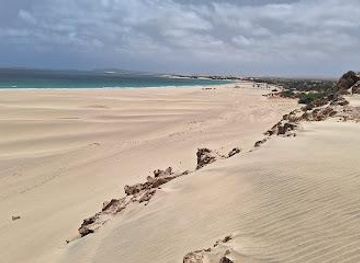
Chaves Beach
Experience the stunning beauty and vibrant culture of Chaves Beach, a tropical paradise in Cape Verde perfect for relaxation and adventure.
25 min drive · 8.4 km from city centre
-
Museum
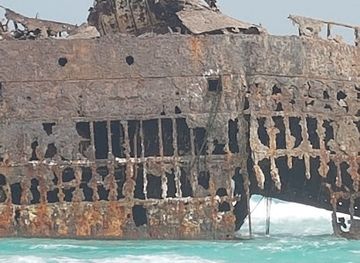
Museu Dos Naufragos
Explore the captivating maritime history of Cape Verde at Museu Dos Naufragos in Sal Rei, where shipwreck artifacts and local culture come to life.
3 min walk · 0.3 km from city centre
-
Beach
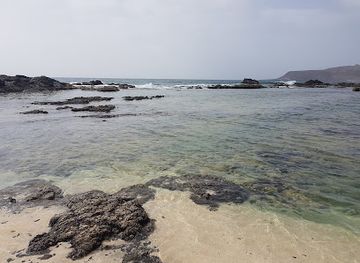
Praia de Cabral
Experience the tranquility and beauty of Praia de Cabral, a stunning beach in Sal Rei, Cape Verde, perfect for relaxation and vibrant sunsets.
11 min walk · 0.9 km from city centre
-
Bar
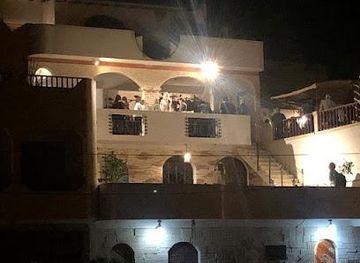
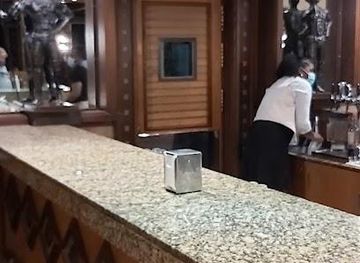
Morabeza Lobby Bar
Unwind at Morabeza Lobby Bar in Praia de Boca Salina, where tropical cocktails and stunning ocean views create unforgettable moments.
13 min drive · 4.3 km from city centre
Best landmarks in Sal Rei
Sal Rei in Cabo Verde offers visitors a captivating mix of historical landmarks and natural beauty. From the iconic Santa Isabel Church with its stunning architecture to the vibrant African Market where you can immerse yourself in the local culture, there is something for everyone. Take a stroll along the pristine white sand beaches or explore the ancient ruins of the nearby Rabil settlement. Don't miss the opportunity to visit the impressive shipwrecks off the coast, perfect for snorkeling and diving enthusiasts. Sal Rei is truly a hidden gem waiting to be explored.
-
Restaurant
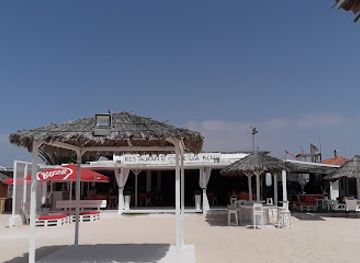
Morabeza Beach Bar & Lounge Restaurant
Experience the vibrant flavors and stunning views at Morabeza Beach Bar & Lounge Restaurant in Cape Verde, a must-visit for all tourists.
5 min drive · 1.7 km from city centre
-
Tourist attraction
Praia da Atalanta
Experience the pristine beauty of Praia da Atalanta, a serene beach in Cape Verde perfect for relaxation, swimming, and soaking up the sun.
19 min drive · 6.3 km from city centre
-
Restaurant
Tortuga Beach Resort
Discover Tortuga Beach Resort in Sal Rei for a unique dining experience with exquisite local and international cuisine against stunning ocean views.
10 min walk · 0.8 km from city centre
-
 Hotel
HotelMarine Club Beach Resort
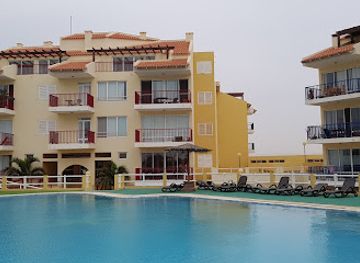
Experience tranquility and adventure at Marine Club Beach Resort, your perfect getaway in Sal Rei, Cape Verde, featuring stunning beaches and rich local culture.
5 min drive · 1.6 km from city centre
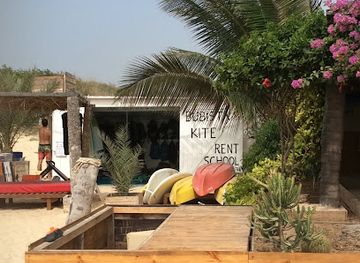
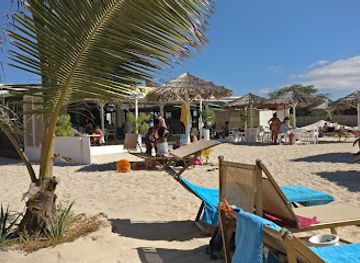
Explore Sal Rei on the map
Plan your Sal Rei trip on one map. See where the top attractions, landmarks, restaurants, bars and hotels are, find what's near where you're staying, and book hotels and experiences in a few clicks.
Best hotels in Sal Rei
Best restaurants in Sal Rei
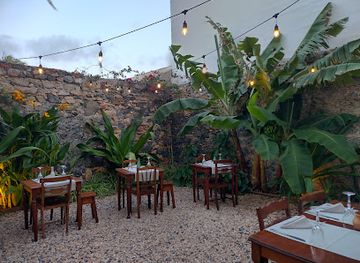
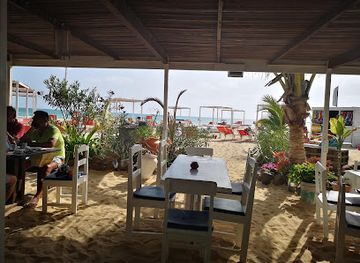
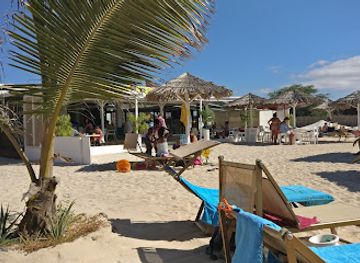
Sal Rei offers a diverse dining scene that caters to all tastes and preferences, from traditional Cape Verdean cuisine to international dishes. Visitors can enjoy fresh seafood at beachfront restaurants, sip on local cocktails at charming cafes, and indulge in delicious street food from vendors lining the streets. The vibrant atmosphere and friendly locals add to the overall dining experience, making Sal Rei a must-visit destination for food enthusiasts.
-
Restaurant
Morabeza Beach Bar & Lounge Restaurant
Experience culinary delights and breathtaking views at Morabeza Beach Bar & Lounge Restaurant in Cape Verde.
5 min drive · 1.7 km from city centre
-
Restaurant
Restaurante Sodade Casa da Cultura
Experience authentic Cape Verdean cuisine at Restaurante Sodade Casa da Cultura in Sal Rei, where tradition meets taste.
1 min walk · 0.1 km from city centre
-
Restaurant
Bahia, The Beach
Discover Bahia, The Beach - where exquisite dining meets breathtaking ocean views in Sal Rei's Praia Estoril.
5 min drive · 1.5 km from city centre
-
Restaurant
Tortuga Beach Resort
Experience exquisite dining with breathtaking ocean views at Tortuga Beach Resort on Praia d’Estoril in Sal Rei.
10 min walk · 0.8 km from city centre
Best bars in Sal Rei
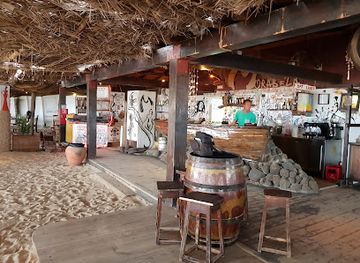
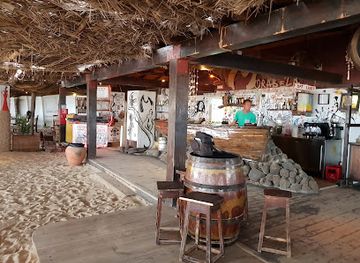
Sal Rei comes alive at night with a vibrant mix of beachfront bars, live music venues, and dance clubs. From cozy cocktail lounges to bustling nightclubs, visitors can immerse themselves in the local music scene while sipping on refreshing drinks and mingling with friendly locals and fellow travelers. With a laid-back island vibe and stunning ocean views, Sal Rei's nightlife offers a unique and memorable experience for those looking to unwind and have a good time after a day of exploring the city.
-
Restaurant
Morabeza Beach Bar & Lounge Restaurant
Indulge in exquisite flavors and stunning ocean views at Morabeza Beach Bar & Lounge Restaurant in Cape Verde.
5 min drive · 1.7 km from city centre
-
Restaurant
Tortuga Beach Resort
Discover the charm of Tortuga Beach Resort, where delicious cuisine meets stunning ocean views in the heart of Sal Rei, Cape Verde.
10 min walk · 0.8 km from city centre
-
Bar
Ca' Baby
Discover Ca' Baby - A vibrant bar and restaurant in Sal Rei, renowned for its delicious pizzas and welcoming atmosphere.
1 min walk · 0.1 km from city centre
-
Bar
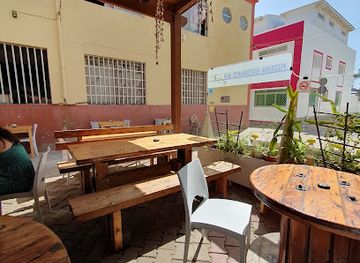
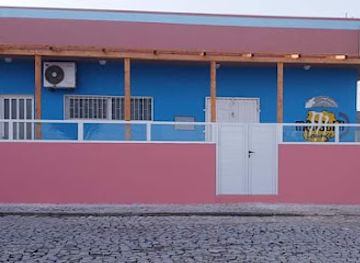
Casa Rosa
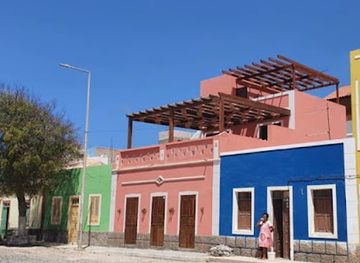
Experience the vibrant flavors of Cape Verde at Casa Rosa, a delightful bar and restaurant in the heart of Sal Rei.
3 min walk · 0.2 km from city centre
Best nightclubs in Sal Rei
Sal Rei comes alive at night with a vibrant mix of beachfront bars, live music venues, and dance clubs. From cozy cocktail lounges to bustling nightclubs, visitors can immerse themselves in the local music scene while sipping on refreshing drinks and mingling with friendly locals and fellow travelers. With a laid-back island vibe and stunning ocean views, Sal Rei's nightlife offers a unique and memorable experience for those looking to unwind and have a good time after a day of exploring the city.
-
Bar
ElciBar
Experience the vibrant atmosphere and stunning views at ElciBar, your ultimate beachside retreat in Sal Rei.
11 min walk · 0.9 km from city centre
-
Bar
Queens Pub
Experience the vibrant nightlife of Sal Rei at Queens Pub, where great drinks, lively music, and an inviting atmosphere await every visitor.
3 min walk · 0.3 km from city centre
-
Restaurant
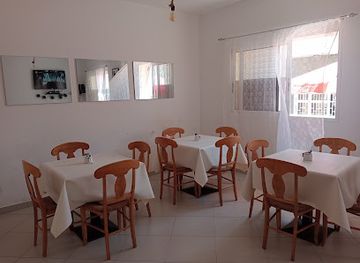
CÁ BANI RESTAURANTE BAR
Enjoy local flavors and live music at Cá Bani Restaurante Bar, a lively spot in Sal Rei perfect for food and fun.
3 min walk · 0.3 km from city centre
-
Pub
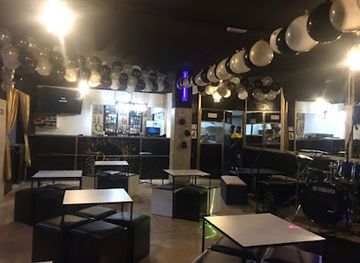
Monster Lounge
Experience the lively atmosphere of Monster Lounge in Sal Rei, a perfect spot for drinks, socializing, and local entertainment on Boa Vista Island.
7 min walk · 0.5 km from city centre
Best shops in Sal Rei
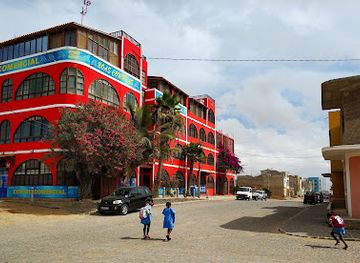
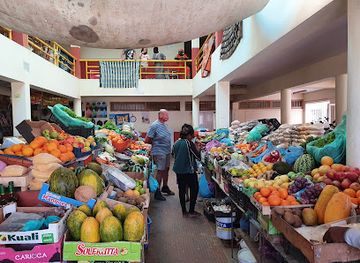
Sal Rei offers a unique shopping experience for visitors, with a variety of local markets selling handmade crafts, vibrant fabrics, and traditional souvenirs. Visitors can browse through the colorful stalls, bargaining with friendly vendors and immersing themselves in the lively atmosphere of the market. In addition to the markets, there are also boutique shops and galleries showcasing local artwork and jewelry, providing a more upscale shopping experience. Whether you're looking for a special memento to take home or simply want to soak up the vibrant culture of Sal Rei, the city's shopping scene has something for everyone.
-
Supermarket
Boas compras centro comercial
Discover a diverse selection of local and international products at Boas Compras Centro Comercial, the supermarket of choice in Sal Rei.
5 min walk · 0.4 km from city centre
-
Market
Mercado Municipal
Discover the heart of Sal Rei at Mercado Municipal, where vibrant local culture meets delicious flavors and unique souvenirs.
1 min walk · 0.1 km from city centre
-
Cake shop
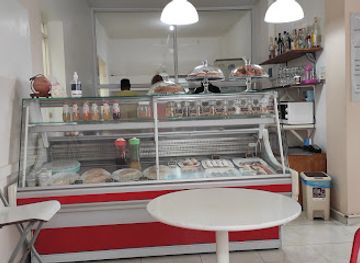
Cachupa coffee shop
Discover the rich flavors of Cape Verde at Cachupa Coffee Shop in Sal Rei, where delightful cakes and local ambiance await every visitor.
4 min walk · 0.3 km from city centre
-
Souvenir store
TESOURO DO MAR Artesanato souvenir
Explore TESOURO DO MAR in Sal Rei for authentic Cape Verdean souvenirs that capture the island's vibrant culture and artistry.
4 min walk · 0.3 km from city centre
Get your free copy of our complete guide to Sal Rei, delivered straight to you.
Everything on this page, from attractions and restaurants to essentials and local phrases, in one PDF you can read offline, print or share.
Already have an account? Sign in
Your Sal Rei guide is ready.
We'll send it to · Not you? Sign out

Getting your guide ready…
We are putting together a fresh copy of the Sal Rei guide. This can take up to a minute.
This can take a few moments. If your browser asks, choose Allow so the download can start. You'll find the guide in your Downloads folder.
Nothing happened? Download it again
Sorry, the guide is taking longer than usual. Please try again in a minute, or get it by email instead.
Sal Rei essentials
Currency and Payment
Safety
Emergency Situations
Do's and Don'ts
Local Tips
From Eve
Local phrases worth knowing
You don't need to get them perfect. A few words go a long way, and locals appreciate the effort.
Basics
| English | Local | Say it |
|---|---|---|
| Hello | Olá | [oh-lah] |
| Goodbye | Adeus | [ah-deh-oosh] |
| Yes | Sim | [seem] |
| No | Não | [now] |
| Please/You're welcome | Por favor/De nada | [por fah-vor/deh nah-dah] |
| Thank you | Obrigado | [oh-bree-gah-doo] |
| Excuse me/Sorry | Com licença/Desculpe | [kohm lee-sehn-sah/deh-skool-peh] |
| How are you? | Como está? | [koh-moh eh-stah] |
| Fine. And you? | Estou bem. E você? | [eh-stoh-ooh behn/eh voh-seh] |
| Do you speak English? | Fala inglês? | [fah-lah een-glehz] |
| I don't understand | Não entendo | [now ehn-tehn-doo] |
Eating & Drinking
| English | Local | Say it |
|---|---|---|
| I'd like to see the menu, please | Gostaria de ver o menu, por favor | [gohs-tah-ree-ah deh vehr ooh meh-noo/por fah-vor] |
| I don't eat meat | Não como carne | [now koh-moo kahr-neh] |
| Cheers! | Saúde! | [sah-ooh-deh] |
| I would like to pay, please | Gostaria de pagar, por favor | [gohs-tah-ree-ah deh pah-gahr/por fah-vor] |
Emergencies
| English | Local | Say it |
|---|---|---|
| Help! | Socorro! | [soh-koh-roh] |
| Go away! | Vá embora! | [vah ehm-boh-rah] |
| Call the Police! | Chame a Polícia! | [shah-meh ah po-lee-see-ah] |
| Call a doctor! | Chame um médico! | [shah-meh oom meh-dee-koo] |
| I'm lost | Estou perdido | [eh-stoh pehr-dee-doo] |
| I'm ill | Estou doente | [eh-stoh doo-en-teh] |
Shopping
| English | Local | Say it |
|---|---|---|
| I'd like to buy... | Gostaria de comprar... | [gohs-tah-ree-ah deh kohm-prahr] |
| I'm just looking | Estou só a ver | [eh-stoh sooh ah vehr] |
| How much is it? | Quanto custa? | [kwan-too koos-tah] |
| That's too expensive | Isso é muito caro | [ee-so eh moo-ee-toh kah-roo] |
| Can you lower the price? | Pode baixar o preço? | [poh-deh bahy-shahr ooh preh-soo] |
Time & Numbers
| English | Local | Say it |
|---|---|---|
| What time is it? | Que horas são? | [keh oh-rahss sah-oh] |
| It's one o'clock | É uma hora | [eh oo-mah oh-rah] |
| Half past (10) | Meia hora (10) | [may-ah oh-rah (deez)] |
| Morning | Manhã | [mah-nyah] |
| Afternoon | Tarde | [tahr-deh] |
| Evening | Noite | [noy-teh] |
| Yesterday | Ontem | [ohn-tehm] |
| Today | Hoje | [oh-zheh] |
| Tomorrow | Amanhã | [ah-mah-nyah] |
| 1 | Um | [oom] |
| 2 | Dois | [doh-ees] |
| 3 | Três | [trehs] |
| 4 | Quatro | [kwah-troh] |
| 5 | Cinco | [seen-koh] |
| 6 | Seis | [saysh] |
| 7 | Sete | [seh-teh] |
| 8 | Oito | [oy-toh] |
| 9 | Nove | [noh-veh] |
| 10 | Dez | [dehz] |
Transport & Directions
| English | Local | Say it |
|---|---|---|
| Where's a/the...? | Onde está...? | [ohn-deh eh-stah] |
| What's the address? | Qual é o endereço? | [kwahl eh ooh ehn-deh-reh-soo] |
| Can you show me (on the map)? | Pode mostrar-me (no mapa)? | [poh-deh moh-strahr-meh/noo mo-pah] |
| When's the next (bus)? | Quando é o próximo (autocarro)? | [kwan-doo eh ooh proh-see-moo/ow-toh-kah-roo] |
| A ticket (to ....) | Um bilhete (para ....) | [oom bee-lyeh-teh/pah-rah] |
History of Sal Rei
The Founding of Sal Rei
Sal Rei, the principal town on the island of Boa Vista in Cabo Verde, was founded in the late 16th century. The town's name, which translates to 'Salt King,' reflects its origins as a hub for the salt trade, a vital industry for the island and the surrounding archipelago during that period.
The Fort of Duke of Bragança
Built in 1820, the Fort of Duke of Bragança stands as a testament to Sal Rei's historical significance. Located on the small island of Ilhéu de Sal Rei, the fort was constructed to protect the town from pirate attacks, which were a frequent threat to the region's maritime activities during the 19th century.
The Era of Maritime Trade
During the 18th and 19th centuries, Sal Rei flourished as a key port for maritime trade. The town's strategic location made it an essential stop for ships traveling between Africa, Europe, and the Americas. This period saw the construction of several significant buildings, including warehouses and merchant homes, which still stand today as a reminder of the town's prosperous past.
The Influence of Portuguese Colonialism
As part of the Portuguese Empire, Sal Rei was influenced heavily by Portuguese culture and governance. This colonial legacy is evident in the town's architecture, language, and cultural practices. The Church of Santa Isabel, built in the 19th century, is a prime example of Portuguese colonial architecture and remains a central landmark in Sal Rei.
The Impact of Independence
Cabo Verde gained independence from Portugal in 1975, a milestone that significantly impacted Sal Rei. The town transitioned from a colonial outpost to a part of a newly sovereign nation. This period saw a shift in economic focus, from traditional industries like salt production and fishing to tourism, which has become a vital part of Sal Rei's modern identity.
Modern Day Sal Rei
Today, Sal Rei is a vibrant town that blends its rich historical heritage with contemporary culture. The town has become a popular destination for tourists attracted by its beautiful beaches, historical landmarks, and the warm hospitality of its residents. Efforts to preserve and celebrate the town's history are evident in various cultural festivals and the maintenance of historical sites.
Sal Rei in Photos
Browse through our photo collection highlighting the charm and character of the destination.
Cities near Sal Rei
The closest cities to Sal Rei, if you have time for more than one stop.
-

-

-

-

-


Swipe for more cities
Explore more
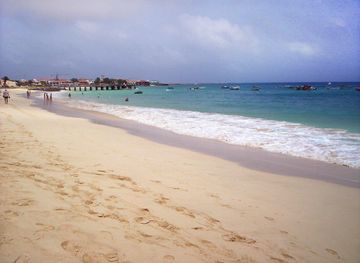
Explore more of Cabo Verde
Discover Cabo Verde: An enchanting archipelago offering beautiful beaches, vibrant culture, and unforgettable adventures, all set against a backdrop of stunning landscapes.
Explore Cabo Verde