

Free Boa Vista Travel Guide & Mobile App
Plan your Boa Vista trip with Evendo. Get free guides to top attractions, restaurants, hotels, and bars. Web access or download the mobile app.


Boa Vista, Cabo Verde, combines Sal Rei’s island culture with golden beaches, Atlantic dunes, historic landmarks, cuisine and memorable wildlife experiences.
Island of Wind and Light
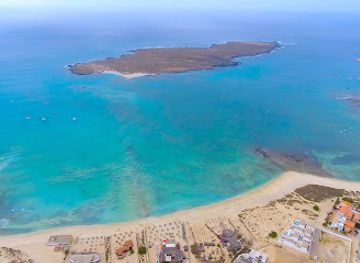
Boa Vista is the easternmost of Cabo Verde’s Barlavento islands, a broad, sunlit landscape shaped by trade winds, volcanic uplands and an Atlantic coast of pale sand. Although the island is commonly marketed under the name Boa Vista, its principal town is Sal Rei, a low-rise settlement facing the sheltered waters of Sal Rei Bay and the small islet of Ilhéu de Sal Rei. The town combines pastel-coloured houses, cafés, fishing boats and music with the everyday rhythm of a relatively small island community.Read more about Boa Vista
Beaches, Dunes and Desert
Culture and Island Life
When is the best time to visit Boa Vista?
Best: August–October · 25°C| Month | High (°C) | Rainfall (mm) |
|---|---|---|
| January | 24 | 0 |
| February | 24 | 0 |
| March | 24 | 0 |
| April | 24 | 0 |
| May | 24 | 0 |
| June | 24 | 0 |
| July | 25 | 0 |
| August (best) | 25 | 0 |
| September (best) | 25 | 0 |
| October (best) | 25 | 0 |
| November | 25 | 0 |
| December | 26 | 0 |
Getting to and around Boa Vista
How to get there
Transportation
Best attractions in Boa Vista
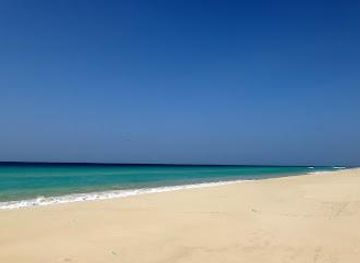
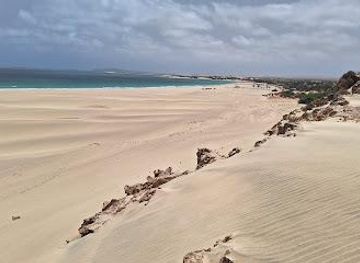
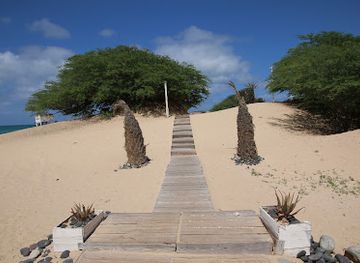
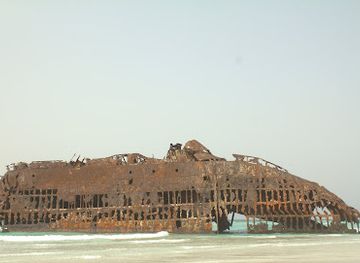
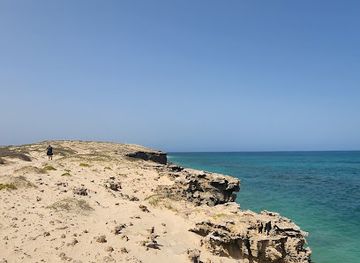
Boa Vista’s principal attractions lie in the contrast between Sal Rei’s harbour life and the island’s open coastal landscapes. In town, the waterfront, Santa Isabel Church and the view towards Ilhéu de Sal Rei provide an accessible introduction to local history and daily life. Outside the capital, the broad sands of Praia de Santa Mónica form one of the island’s defining sights, while Varandinha combines pale beaches with wind-sculpted rock and sea caves. The Viana Desert presents a sweep of dunes across the dry interior, often reached by organised 4x4 excursions, and the northern coast is associated with the rusting Cabo Santa Maria shipwreck. Rabil offers older architectural and craft traditions, including pottery linked to the island’s heritage. Seasonal turtle activity and the surrounding marine environment add a natural dimension, though wildlife should be observed with conservation guidance rather than treated as a staged attraction.
-
Beach
Praia de Santa Mónica
Explore Praia de Santa Mónica, Cape Verde's pristine beach, where golden sands meet azure waters for an unforgettable tropical getaway.
37 min drive · 17 km from city centre
-
Beach
Chaves Beach
Escape to Boa Vista's tranquil Chaves Beach: golden sands, turquoise waters, and stunning desert landscapes await your discovery.
33 min drive · 13 km from city centre
-
Museum
Museu Dos Naufragos
Explore the maritime history of Cape Verde at Museu Dos Naufragos, a cultural hub in Sal Rei with engaging exhibits, local cuisine, and unique souvenirs.
35 min drive · 15 km from city centre
-
Tourist attraction
Chaminé de Chaves
Discover the rich history and stunning architecture of Chaminé de Chaves, a must-see landmark in Boa Vista, Cape Verde.
31 min drive · 11 km from city centre
Best landmarks in Boa Vista
Santa Isabel Church in Sal Rei is one of Boa Vista’s most recognisable civic and religious landmarks, its simple form reflecting the modest scale of the island’s historic settlements. Across the bay, Fort Duque de Bragança occupies Ilhéu de Sal Rei and recalls the period when salt commerce and Atlantic shipping required protection from maritime threats; its isolated position gives the harbour much of its historical character. In Rabil, the older church and settlement fabric point to the town’s earlier importance before Sal Rei became the island’s main centre. Sal Rei’s pier, harbour and low-rise streets are landmarks of a different kind, representing the continuing relationship between the town and the sea. Further afield, the Cabo Santa Maria wreck has become a coastal reference point, although it is a weathered maritime remnant rather than a formal monument. Together, these places trace Boa Vista’s religious, commercial and seafaring past.
-
Hotel
Hotel Riu Touareg
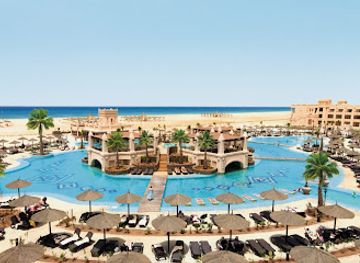
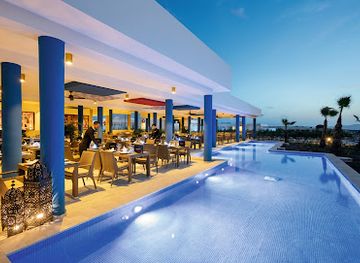
Discover the ultimate luxury and relaxation at Hotel Riu Touareg, a wellness hotel in the beautiful paradise of Boa Vista, Cape Verde.
34 min drive · 14 km from city centre
-
Hotel
Hotel Riu Palace Boavista
Discover unparalleled luxury and relaxation at Hotel Riu Palace Boavista, your ultimate getaway in the enchanting island of Boa Vista, Cape Verde.
31 min drive · 11 km from city centre
-
Restaurant
Perola D'Chaves
Savor authentic Cape Verdean flavors at Perola D'Chaves, a must-visit restaurant in scenic Rabil, offering a delightful dining experience.
31 min drive · 11 km from city centre
-
Tourist attraction
Praia da Atalanta
Experience the breathtaking beauty of Praia da Atalanta, a serene beach paradise in Ponta Adiante, perfect for relaxation and outdoor adventures.
33 min drive · 13 km from city centre
Explore Boa Vista on the map
Plan your Boa Vista trip on one map. See where the top attractions, landmarks, restaurants, bars and hotels are, find what's near where you're staying, and book hotels and experiences in a few clicks.
Best hotels in Boa Vista
Best restaurants in Boa Vista
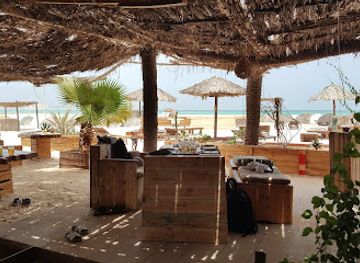
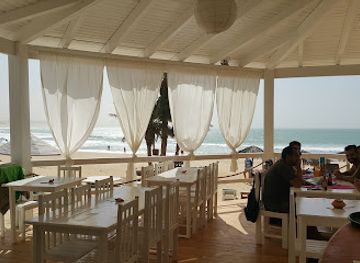
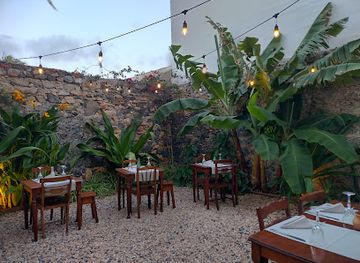
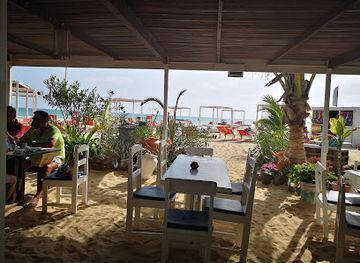
Boa Vista’s food culture reflects Cape Verde’s Atlantic position, dry climate and fishing heritage. Fresh fish, lobster when available, octopus and other seafood appear alongside cachupa, the slow-cooked maize-and-bean dish that is central to Cape Verdean cooking, as well as grilled meats, rice, vegetables and local goat specialities. In Sal Rei, small restaurants and cafés combine Cape Verdean dishes with Portuguese influences and international menus shaped by tourism, while beachside establishments often focus on seafood and simple grilled food. Breakfasts and snacks may include bread, pastries and savoury fillings, and grogue or ponche, traditional sugar-cane spirits from the archipelago, may appear on drinks lists. Dining away from the main resort areas can be informal, with menus and availability influenced by the day’s catch and supply deliveries. The town’s restaurants provide the broadest choice, while rural stops tend to be more limited and locally focused.
-
Restaurant
Morabeza Beach Bar & Lounge Restaurant
Experience the vibrant flavors and breathtaking views at Morabeza Beach Bar & Lounge Restaurant in Cape Verde.
33 min drive · 13 km from city centre
-
Restaurant
Perola D'Chaves
Experience authentic Cape Verdean cuisine at Pérola D'Chaves in Rabil - where every meal tells a story.
31 min drive · 11 km from city centre
-
Restaurant
Restaurante Sodade Casa da Cultura
Experience authentic Cape Verdean cuisine at Restaurante Sodade Casa da Cultura in Sal Rei – where every meal tells a story.
35 min drive · 15 km from city centre
-
Restaurant
Bahia, The Beach
Discover Bahia, The Beach - A Culinary Gem on Praia Estoril with Stunning Views and Authentic Cape Verdean Cuisine.
33 min drive · 13 km from city centre
Best bars in Boa Vista
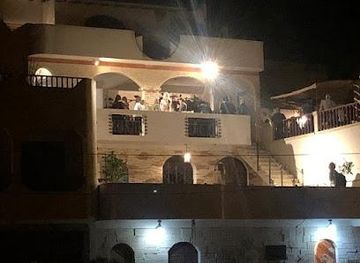
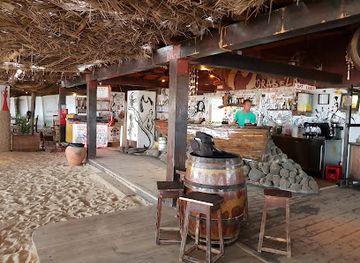
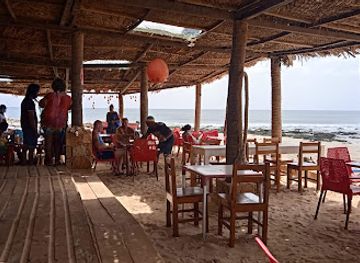
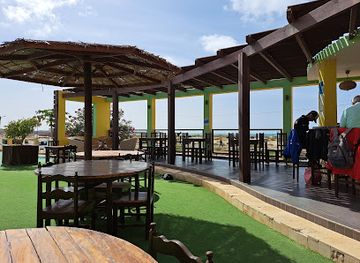
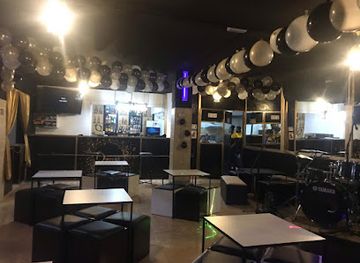
Boa Vista’s evening life is concentrated mainly in Sal Rei and in the larger coastal accommodation areas, and it is more social and music-led than club-centred. Bars around the town’s streets and waterfront may offer local beer, cocktails, Cape Verdean spirits and live performances, with morna, coladeira and funaná providing a musical link to the wider archipelago. Some evenings are relaxed, with conversation and outdoor seating, while occasional live sets or cultural performances create a later atmosphere. Resort entertainment offers another format, but schedules and venues change seasonally. Nightclubs exist on a smaller scale than in major European holiday centres, and nightlife outside Sal Rei is limited. Visitors should walk carefully on poorly lit roads, use recognised taxis after drinking and remember that beach areas and remote coastal roads are not entertainment districts.
-
Restaurant
Morabeza Beach Bar & Lounge Restaurant
Discover the culinary paradise of Morabeza Beach Bar & Lounge Restaurant in Cape Verde, where stunning views and delicious dishes await you.
33 min drive · 13 km from city centre
-
Bar
Boca Beach
Experience the serene beauty and vibrant atmosphere of Boca Beach in Pavoacao Velha, your perfect beachside getaway.
36 min drive · 16 km from city centre
-
Restaurant
Tortuga Beach Resort
Experience the best of Cape Verdean cuisine at Tortuga Beach Resort, where stunning views and delicious dishes create the perfect dining escape.
34 min drive · 14 km from city centre
-
Bar
ElciBar
Experience the vibrant atmosphere of ElciBar at Praia Cabral, the perfect spot for relaxation and socializing in Sal Rei, Cape Verde.
35 min drive · 15 km from city centre
Best nightclubs in Boa Vista
Boa Vista’s evening life is concentrated mainly in Sal Rei and in the larger coastal accommodation areas, and it is more social and music-led than club-centred. Bars around the town’s streets and waterfront may offer local beer, cocktails, Cape Verdean spirits and live performances, with morna, coladeira and funaná providing a musical link to the wider archipelago. Some evenings are relaxed, with conversation and outdoor seating, while occasional live sets or cultural performances create a later atmosphere. Resort entertainment offers another format, but schedules and venues change seasonally. Nightclubs exist on a smaller scale than in major European holiday centres, and nightlife outside Sal Rei is limited. Visitors should walk carefully on poorly lit roads, use recognised taxis after drinking and remember that beach areas and remote coastal roads are not entertainment districts.
-
Bar
Queens Pub
Experience the vibrant nightlife at Queens Pub in Sal Rei, Cape Verde, where great drinks, live music, and a friendly atmosphere come together.
35 min drive · 15 km from city centre
-
Bar
Santa Monica Bar
Experience the vibrant nightlife of Curral Velho at Santa Monica Bar, where delicious drinks and a lively atmosphere await you.
34 min drive · 14 km from city centre
-
 Bar
BarBar/Esplanada Ká Cotche
Experience the vibrant atmosphere and local flavors at Bar/Esplanada Ká Cotche in Rabil, a true gem of Cape Verde.
28 min drive · 9.4 km from city centre
-
Bar
Cocktail Bar 3M
Experience the vibrant nightlife at Cocktail Bar 3M in Rabil, offering an exquisite selection of cocktails and a lively atmosphere.
26 min drive · 8.5 km from city centre
Best shops in Boa Vista
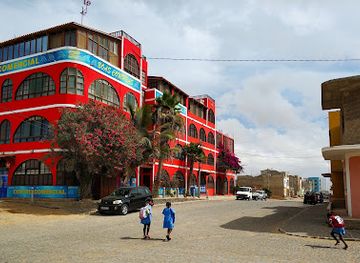
Shopping in Boa Vista is centred on Sal Rei, where small shops, market stalls and independent businesses serve both residents and visitors. Cape Verdean textiles, colourful clothing, woven items, jewellery, paintings and carved or crafted objects are among the products commonly encountered, although quality and provenance vary and buyers should ask what is locally made. The town is also the most convenient place for everyday supplies, bottled water, snacks and basic beach equipment. Rabil is associated with pottery traditions, making locally produced ceramics a more meaningful purchase than generic resort souvenirs when they are available through established craft outlets. Packaged coffee, grogue, ponche and other Cape Verdean food products may offer edible reminders of the archipelago, subject to travel regulations. Bargaining is not a universal expectation, and respectful conversation is preferable to aggressive negotiation, particularly with independent makers and small traders.
-
Supermarket
Boas compras centro comercial
Explore the vibrant shopping experience at Boas Compras Centro Comercial in Sal Rei, where local culture and quality products await.
35 min drive · 15 km from city centre
-
Surf school
Kite & Surf Schule Planet Allsports Boavista
Dive into adventure at Kite & Surf Schule Planet Allsports Boavista, where kite surfing meets the stunning beauty of Cape Verde's Praia de Estoril.
34 min drive · 14 km from city centre
-
Grocery store
Mercearia Elvis
Experience local flavors at Mercearia Elvis, a charming grocery store in Bofarreira offering authentic Cape Verdean products and a warm atmosphere.
28 min drive · 9.3 km from city centre
-
Market
Mercado Municipal
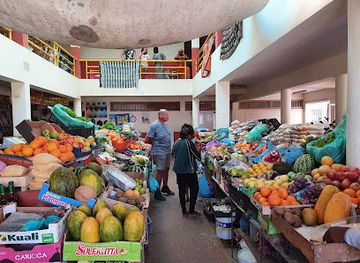
Discover the vibrant Mercado Municipal in Sal Rei, where local culture, fresh produce, and delicious cuisine come together in a lively market atmosphere.
35 min drive · 15 km from city centre
Get your free copy of our complete guide to Boa Vista, delivered straight to you.
Everything on this page, from attractions and restaurants to essentials and local phrases, in one PDF you can read offline, print or share.
Already have an account? Sign in
Your Boa Vista guide is ready.
We'll send it to · Not you? Sign out

Getting your guide ready…
We are putting together a fresh copy of the Boa Vista guide. This can take up to a minute.
This can take a few moments. If your browser asks, choose Allow so the download can start. You'll find the guide in your Downloads folder.
Nothing happened? Download it again
Sorry, the guide is taking longer than usual. Please try again in a minute, or get it by email instead.
Boa Vista essentials
Currency and Payment
Safety
Emergency Situations
Do's and Don'ts
Local Tips
From Eve
Local phrases worth knowing
You don't need to get them perfect. A few words go a long way, and locals appreciate the effort.
Basics
| English | Local | Say it |
|---|---|---|
| Hello | Olá | [oh-lah] |
| Goodbye | Adeus | [ah-deh-oos] |
| Yes | Sim | [seem] |
| No | Não | [now] |
| Please/You're welcome | Por favor/De nada | [pohr fah-vohr/deh nah-dah] |
| Thank you | Obrigado/a | [oh-bree-gah-doo/ah] |
| Excuse me/Sorry | Desculpe/Desculpa | [deh-skool-peh/deh-skool-pah] |
| How are you? | Como estás? | [koh-moh ehs-tahsh] |
| Fine. And you? | Bem. E tu? | [behn/eh too] |
| Do you speak English? | Falas inglês? | [fah-lahsh een-glaysh] |
| I don't understand | Não entendo | [now ehn-tehn-doo] |
Eating & Drinking
| English | Local | Say it |
|---|---|---|
| I'd like to see the menu, please | Gostaria de ver o menu, por favor | [goh-stah-ree-ah deh vehr oo meh-noo/pohr fah-vohr] |
| I don't eat meat | Não como carne | [now koh-moh kahr-neh] |
| Cheers! | Saúde! | [sow-deh] |
| I would like to pay, please | Gostaria de pagar, por favor | [goh-stah-ree-ah deh pah-gahr/pohr fah-vohr] |
Emergencies
| English | Local | Say it |
|---|---|---|
| Help! | Ajuda! | [ah-zhoo-dah] |
| Go away! | Vai embora! | [vah-ee ehm-boh-rah] |
| Call the Police! | Chama a Polícia! | [shah-mah ah poh-lee-see-ah] |
| Call a doctor! | Chama um médico! | [shah-mah oom meh-dee-koo] |
| I'm lost | Estou perdido/a | [eh-stoh pehr-dee-doo/ah] |
| I'm ill | Estou doente | [eh-stoh doo-ehn-teh] |
Shopping
| English | Local | Say it |
|---|---|---|
| I'd like to buy... | Gostaria de comprar... | [goh-stah-ree-ah deh kohm-prahr] |
| I'm just looking | Estou só a ver | [eh-stoh soh ah vehr] |
| How much is it? | Quanto custa? | [kwahn-too koos-tah] |
| That's too expensive | Isso é muito caro | [ee-soh eh moo-ee-tooh kah-roo] |
| Can you lower the price? | Podes baixar o preço? | [poh-dehs bigh-shahr oo preh-soo] |
Time & Numbers
| English | Local | Say it |
|---|---|---|
| What time is it? | Que horas são? | [keh oh-rahsh saun] |
| It's one o'clock | É uma hora | [eh oo-mah oh-rah] |
| Half past (10) | Meia (10) | [may-ah (10)] |
| Morning | Manhã | [mah-nyah] |
| Afternoon | Tarde | [tahr-deh] |
| Evening | Noite | [noy-teh] |
| Yesterday | Ontem | [ohn-tehm] |
| Today | Hoje | [oh-jeh] |
| Tomorrow | Amanhã | [ah-mah-nyah] |
| 1 | Um | [oom] |
| 2 | Dois | [doh-ees] |
| 3 | Três | [trehs] |
| 4 | Quatro | [kwah-troh] |
| 5 | Cinco | [seen-koh] |
| 6 | Seis | [saysh] |
| 7 | Sete | [say-teh] |
| 8 | Oito | [oy-toh] |
| 9 | Nove | [noh-veh] |
| 10 | Dez | [dehs] |
Transport & Directions
| English | Local | Say it |
|---|---|---|
| Where's a/the...? | Onde fica o/a...? | [ohn-deh fee-kah oo/ah] |
| What's the address? | Qual é a morada? | [kwahl eh ah moh-rah-dah] |
| Can you show me (on the map)? | Podes mostrar-me (no mapa)? | [poh-dehs moh-shtr-meh (noh mah-pah)] |
| When's the next (bus)? | Quando é o próximo (autocarro)? | [kwahn-doh eh oo proh-see-moh (ow-toh-kah-roo)] |
| A ticket (to ....) | Um bilhete (para ....) | [oom bee-lye-teh (pah-rah)] |
History of Boa Vista
Early Settlement and Portuguese Rule
Boa Vista was reached by Portuguese navigators during the archipelago’s exploration in the fifteenth century and was incorporated into Portugal’s Atlantic island empire. Its dry climate and limited fresh water made large-scale settlement difficult, but the island supported small agricultural communities, livestock keeping and coastal activity. Rabil became an early administrative and religious centre, while the island’s position between West Africa and Atlantic shipping routes gave it a modest strategic and commercial role. As elsewhere in Cabo Verde, settlement developed through a complex encounter between Portuguese colonists, Africans brought through the Atlantic slave trade and later mixed Creole communities. This layered society shaped the language, music, food and social customs that remain central to Boa Vista’s identity.
Rabil, Salt and Coastal Commerce
For much of its recorded history, Boa Vista’s main economic activities were pastoralism, small-scale farming, pottery, fishing and salt production. Rabil was long regarded as the island’s principal settlement, and its church and older buildings reflect the period when administrative and religious life was concentrated there. The salt pans around Sal Rei later gave the town its name, meaning ‘Salt King’, and supported trade with passing vessels and neighbouring islands. Salt was never the basis of a large industrial city, but it connected Boa Vista to wider maritime networks and encouraged the growth of a port community. The island’s exposed coastline, scarce rainfall and periodic droughts also imposed severe limits on agriculture and population growth.
The Rise of Sal Rei
During the nineteenth century, Sal Rei became increasingly important as Boa Vista’s port and commercial centre. Its protected bay offered anchorage, while salt and other local products moved through the settlement. The small Fort Duque de Bragança, built on Ilhéu de Sal Rei, reflects the insecurity of Atlantic commerce and the need to defend the harbour from maritime attack. Sal Rei gradually displaced Rabil in administrative and economic importance, although Rabil remained significant for religious life, pottery and local memory. The town’s low-rise scale and modest colonial-era buildings are reminders that Boa Vista’s history was shaped less by monumental urban development than by shipping, resource extraction and the endurance of island communities.
Drought, Migration and Cultural Continuity
Like the rest of Cabo Verde, Boa Vista experienced the consequences of recurring drought, food insecurity and limited economic opportunity during the late nineteenth and twentieth centuries. These pressures encouraged migration between islands and abroad, while remittances and maritime connections helped sustain families at home. Fishing, livestock and small-scale commerce remained important, but the island’s population stayed comparatively small and dispersed. Music, oral tradition, religious festivals and Cape Verdean Creole preserved a strong cultural continuity despite economic hardship. Old churches, abandoned settlements, cisterns and working fishing communities reveal different responses to the same dry environment. Boa Vista’s contemporary culture therefore reflects both local traditions and the outward-looking character of a country shaped by migration.
Tourism and Environmental Awareness
From the late twentieth century onwards, Boa Vista became increasingly known for its beaches, wind sports, dunes and warm climate. Tourism brought new accommodation, roads and employment, particularly around the coast and near Rabil’s airport, while Sal Rei expanded as the island’s service centre. This development has also raised questions about water use, waste, coastal construction and the protection of fragile habitats. Boa Vista is an important nesting area for loggerhead turtles, and conservation work has become part of the island’s public identity. The modern destination consequently exists alongside older fishing, craft and farming traditions, with the challenge of balancing international tourism with the environmental limits and cultural character of a dry Atlantic island.
Boa Vista in Photos
Browse through our photo collection highlighting the charm and character of the destination.
Cities near Boa Vista
The closest cities to Boa Vista, if you have time for more than one stop.
-

-

-

-

-


Swipe for more cities
Explore more
Explore more of Cabo Verde
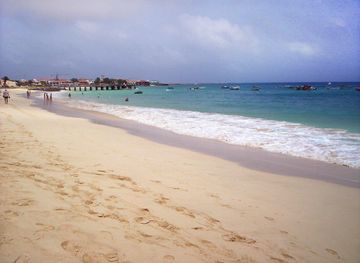
Discover Cabo Verde: An enchanting archipelago offering beautiful beaches, vibrant culture, and unforgettable adventures, all set against a backdrop of stunning landscapes.
Explore Cabo Verde