

Free Anaheim Travel Guide & Mobile App
Plan your Anaheim trip with Evendo. Get free guides to top attractions, restaurants, hotels, and bars. Web access or download the mobile app.


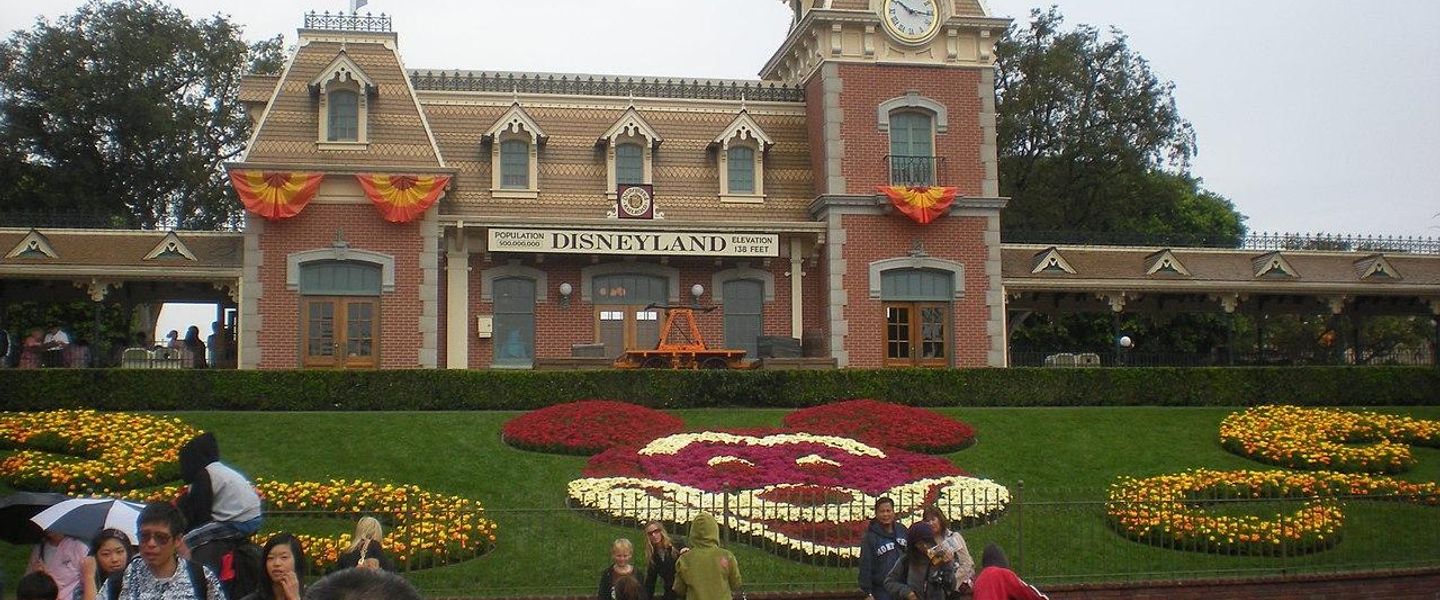


Anaheim blends Disneyland magic, Southern California sunshine, live entertainment, craft beer and diverse dining with easy access to Orange County attractions.
Southern California Setting
Anaheim occupies a central position in Orange County, roughly between Los Angeles and the Pacific coast. Although its name is closely associated with Disneyland Resort, the city extends well beyond the theme-park gates, with established neighbourhoods, sports venues, cultural institutions, shopping districts and a growing food-and-drink scene. Warm, generally dry weather makes outdoor exploration possible through much of the year, while the flat urban landscape suits walking and cycling in selected districts.Read more about Anaheim
From Orange Groves to Global Tourism
Entertainment and Everyday City Life
When is the best time to visit Anaheim?
Best: May–June, October · 24–26°C| Month | High (°C) | Rainfall (mm) |
|---|---|---|
| January | 19 | 64 |
| February | 21 | 67 |
| March | 22 | 58 |
| April | 22 | 18 |
| May (best) | 24 | 6 |
| June (best) | 26 | 1 |
| July | 28 | 1 |
| August | 28 | 1 |
| September | 28 | 6 |
| October (best) | 25 | 13 |
| November | 21 | 31 |
| December | 19 | 54 |
Getting to and around Anaheim
How to get there
Transportation
Best attractions in Anaheim
Anaheim’s principal attractions centre on Disneyland Resort, where Disneyland Park and Disney California Adventure combine themed environments, rides, parades and detailed storytelling across two distinct parks. Downtown Disney District adds restaurants, shops and evening entertainment without requiring a theme-park admission. Beyond the resort, the Anaheim Packing District occupies a former citrus-packing building and offers food halls, public spaces and a strong connection to the city’s agricultural past. Muzeo Museum and Cultural Center presents changing exhibitions and local history in and around the historic Carnegie Library, while the nearby Anaheim Downtown area provides a quieter look at civic architecture and independent businesses. Sports and live events broaden the sightseeing landscape: Angel Stadium hosts Major League Baseball, and Honda Center presents hockey, concerts and other large-scale events. The city’s attractions are dispersed, so the experience changes noticeably between the highly designed resort district, the heritage-focused downtown and the energetic event venues.
-
Tourist attraction
Disneyland Park
Explore the enchanting world of Disneyland Park in Anaheim, California, where magic and adventure await at every turn.
8 min drive · 2.8 km from city centre
-
Tourist attraction
Disneyland Park
Experience the original magic at Disneyland Park in Anaheim, CA. Timeless attractions and enchanting lands await at the Happiest Place on Earth.
8 min drive · 2.8 km from city centre
-
Tourist attraction
Disney California Adventure Park
Experience the magic of Disney California Adventure Park, where thrilling rides and enchanting attractions await every visitor in Anaheim.
10 min drive · 3.4 km from city centre
-
Tourist attraction
Knott's Berry Farm
Experience the excitement of Knott's Berry Farm, a theme park filled with thrilling rides, family-friendly attractions, and rich California history.
24 min drive · 8.0 km from city centre


Best landmarks in Anaheim
Disneyland’s Sleeping Beauty Castle is Anaheim’s most recognisable modern landmark, although its significance lies in popular culture and themed design rather than civic history. The Anaheim Packing House is a landmark of another kind: a surviving citrus-packing structure that recalls the agricultural economy which preceded mass tourism. In downtown, the historic Carnegie Library now forms part of Muzeo Museum and Cultural Center, linking the city’s cultural life with its early twentieth-century civic institutions. Angel Stadium, opened in 1966 as Anaheim Stadium, represents the city’s long association with professional sport and large public events; its famous entrance architecture and landmark halo sign are particularly recognisable. Honda Center, near ARTIC, marks Anaheim’s role as a regional venue for hockey, concerts and entertainment. Together these buildings express the city’s layered identity, from citrus settlement and civic development to themed tourism and contemporary event culture.
-
Theme park
Disneyland Park
Experience the enchantment of Disneyland Park in Anaheim, California, where dreams come true and magical memories await every visitor.
8 min drive · 2.8 km from city centre
-
Theme park
Disney California Adventure Park
Discover the enchanting world of Disney California Adventure Park, where thrilling rides, vibrant entertainment, and unforgettable experiences await in Anaheim, CA.
10 min drive · 3.4 km from city centre
-
Shopping mall
Downtown Disney District
Discover the magic of shopping, dining, and entertainment at Downtown Disney District, where the spirit of Disney comes alive in Anaheim, California.
9 min drive · 3.1 km from city centre
-
Stadium
Angel Stadium
Discover the excitement and history of Angel Stadium, home to the Los Angeles Angels, a premier destination for baseball fans and tourists in Anaheim.
15 min drive · 5.0 km from city centre


Explore Anaheim on the map
Plan your Anaheim trip on one map. See where the top attractions, landmarks, restaurants, bars and hotels are, find what's near where you're staying, and book hotels and experiences in a few clicks.
Neighbourhoods in Anaheim
-

-

-

-


Swipe for more neighbourhoods
Best hotels in Anaheim
Best restaurants in Anaheim
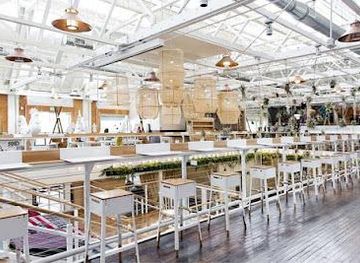
Anaheim’s dining scene reflects Southern California’s cultural diversity and the city’s long relationship with tourism. The Anaheim Packing District is the best-known concentration of contemporary food stalls and independent concepts, set inside a restored citrus-packing complex where communal seating and open interiors encourage informal dining. Around the resort, restaurants range from family-friendly Californian and international cooking to hotel dining, while nearby Little Arabia in west Anaheim is recognised for Middle Eastern restaurants, bakeries and groceries. Mexican food, Korean cooking, Vietnamese dishes, burgers, tacos and craft-brewery fare are widely represented across the city. Citrus-growing history survives more strongly in architectural and civic memory than in a single defining menu, but fresh produce and Southern California influences remain part of the regional culinary character. Dining choices are more varied when visitors look beyond the immediate theme-park zone.
-
Food court
Anaheim Packing District
Revived 1919 citrus warehouse turned OC's premier food hall: 30+ global vendors, live music vibes, historic charm, and Farmers Park oasis—just 2 miles from Disneyland.
7 min walk · 0.6 km from city centre
-
Restaurant
The Cheesecake Factory
Experience culinary bliss at The Cheesecake Factory in Anaheim – where delectable dishes meet irresistible desserts in a family-friendly atmosphere.
11 min drive · 3.7 km from city centre
-
Breakfast
The Original Pancake House
Experience breakfast bliss at The Original Pancake House in Anaheim - home of fluffy pancakes and classic American breakfasts.
5 min drive · 1.5 km from city centre
-
American
Goofy's Kitchen
Experience a magical buffet at Goofy's Kitchen in Disneyland Hotel - where delicious American cuisine meets beloved Disney characters.
10 min drive · 3.3 km from city centre


Best bars in Anaheim
Anaheim’s evening life is concentrated in several distinct settings rather than one continuous nightlife quarter. Downtown Disney District provides restaurants, live entertainment and late-evening atmosphere in a carefully designed resort environment, while the Anaheim Packing District offers communal dining, drinks and occasional music in a repurposed industrial building. Brewery culture has become an important part of the city’s contemporary identity, with taprooms and independent beer venues found particularly around downtown and neighbouring districts. Honda Center and Angel Stadium bring concerts, hockey, baseball and other event-based nightlife, and the Anaheim Convention Center supports a steady flow of evening gatherings. Nightclubs exist, but Anaheim is better known for theme-park entertainment, sports, live music and relaxed bars than for a dense club scene. Visitors should plan transport in advance after major events, when roads and rideshare pick-up areas become crowded.
-
Bar
Trader Sam's Enchanted Tiki Bar
Experience the magic of Trader Sam's Enchanted Tiki Bar, a tropical oasis offering creative cocktails and American cuisine at Disneyland Resort.
10 min drive · 3.3 km from city centre
-
Bar
The FIFTH Rooftop Restaurant & Bar
Discover breathtaking views and exceptional cuisine at The FIFTH Rooftop Restaurant & Bar in Anaheim, the perfect dining destination for tourists.
10 min drive · 3.2 km from city centre
-
Bar
99 Bottles & Cocktails
Experience the vibrant nightlife at 99 Bottles & Cocktails in Anaheim, your go-to destination for cocktails, live music, and fun entertainment.
21 min drive · 6.9 km from city centre
-
Bar
The Blind Rabbit
Discover The Blind Rabbit, a speakeasy-style bar in Downtown Anaheim offering innovative cocktails and a seasonal menu in a cozy atmosphere.
8 min walk · 0.6 km from city centre


Best nightclubs in Anaheim
Anaheim’s evening life is concentrated in several distinct settings rather than one continuous nightlife quarter. Downtown Disney District provides restaurants, live entertainment and late-evening atmosphere in a carefully designed resort environment, while the Anaheim Packing District offers communal dining, drinks and occasional music in a repurposed industrial building. Brewery culture has become an important part of the city’s contemporary identity, with taprooms and independent beer venues found particularly around downtown and neighbouring districts. Honda Center and Angel Stadium bring concerts, hockey, baseball and other event-based nightlife, and the Anaheim Convention Center supports a steady flow of evening gatherings. Nightclubs exist, but Anaheim is better known for theme-park entertainment, sports, live music and relaxed bars than for a dense club scene. Visitors should plan transport in advance after major events, when roads and rideshare pick-up areas become crowded.
-
Night club
Xalos Event Center
Experience the electrifying nightlife at Xalos Event Center in Anaheim, California, where unforgettable concerts and vibrant dance parties come alive.
17 min drive · 5.7 km from city centre
-
Lounge
Foundation Room Anaheim
Discover the vibrant nightlife and culinary delights at Foundation Room Anaheim, a premier lounge and live music venue near Disneyland.
10 min drive · 3.4 km from city centre
-
Night club
Bravo Night Club
Discover the pulse of Anaheim's nightlife at Bravo Night Club, where music and fun collide in an unforgettable experience.
9 min drive · 3.0 km from city centre
-
Night club
The Vibe Ultra Lounge
Discover the electrifying nightlife at The Vibe Ultra Lounge in Anaheim, a premier spot for drinks, dancing, and unforgettable memories.
14 min drive · 4.7 km from city centre


Best shops in Anaheim
Shopping in Anaheim ranges from resort merchandise and large entertainment districts to independent food and retail businesses rooted in local communities. Downtown Disney District offers Disney-related goods, fashion, gifts and dining in a pedestrian-oriented setting, while the Anaheim GardenWalk contains shops, restaurants and entertainment near the resort. The Anaheim Packing District is more focused on food, speciality products and the atmosphere of a restored market-style complex than on conventional retail. Visitors seeking Middle Eastern groceries, bakeries and other specialist goods can explore Little Arabia in west Anaheim, where shopping and dining reflect the area’s Arab-American community. Across the city, markets, international grocers, craft breweries and small retailers provide more locally grounded purchases than standard souvenir outlets. Practical souvenirs include regional food products, California-themed goods and items associated with Anaheim’s citrus and entertainment heritage, though retail districts are widely separated and usually require transport between them.
-
Shopping mall
Downtown Disney District
Experience the magic of shopping, dining, and entertainment at Downtown Disney District – a must-visit destination in Anaheim, California.
9 min drive · 3.1 km from city centre
-
Outlet mall
The Outlets at Orange
Explore a vast selection of brand-name stores at The Outlets at Orange, where shopping meets entertainment in a vibrant atmosphere.
19 min drive · 6.4 km from city centre
-
Shopping mall
Anaheim Plaza
Discover Anaheim Plaza, a vibrant shopping mall in Anaheim, CA, featuring a diverse selection of stores, dining, and entertainment for the perfect day out.
7 min drive · 2.3 km from city centre
-
Flea market
Anaheim Marketplace
Discover unique treasures and local flavors at Anaheim Marketplace, a bustling flea market in the heart of Anaheim, California.
9 min drive · 2.9 km from city centre


Get your free copy of our complete guide to Anaheim, delivered straight to you.
Everything on this page, from attractions and restaurants to essentials and local phrases, in one PDF you can read offline, print or share.
Already have an account? Sign in
Your Anaheim guide is ready.
We'll send it to · Not you? Sign out

Getting your guide ready…
We are putting together a fresh copy of the Anaheim guide. This can take up to a minute.
This can take a few moments. If your browser asks, choose Allow so the download can start. You'll find the guide in your Downloads folder.
Nothing happened? Download it again
Sorry, the guide is taking longer than usual. Please try again in a minute, or get it by email instead.
Anaheim essentials
Currency and Payment
Safety
Emergency Situations
Do's and Don'ts
Local Tips
From Eve
Local phrases worth knowing
You don't need to get them perfect. A few words go a long way, and locals appreciate the effort.
Basics
| English | Local | Say it |
|---|---|---|
| Hello | Hey there | [hey thair] |
| Goodbye | See ya | [see yuh] |
| Yes | Yep | [yep] |
| No | Nah | [nah] |
| Please/You're welcome | Sure thing | [shoor thing] |
| Thank you | Thanks | [thaynks] |
| Excuse me/Sorry | Pardon me | [pahr-dn mee] |
| How are you? | How's it going? | [hows it goh-ing] |
| Fine. And you? | Doing great. You? | [doo-ing grayt. yoo?] |
| Do you speak English? | Do you speak English? | [do yoo speak ing-glish?] |
| I don't understand | I don't get it | [eye dohnt get it] |
Eating & Drinking
| English | Local | Say it |
|---|---|---|
| I'd like to see the menu, please | Can I check out the menu? | [can eye chek out the men-yoo?] |
| I don't eat meat | I'm vegetarian | [am ve-juh-tear-ee-an] |
| Cheers! | Cheers! | [cheers] |
| I would like to pay, please | I'm ready to settle up | [eye-m reh-d-ee too set-el up] |
Emergencies
| English | Local | Say it |
|---|---|---|
| Help! | Help! | [help] |
| Go away! | Leave me alone! | [leev mee uh-lohn] |
| Call the Police! | Call the cops! | [call the cops] |
| Call a doctor! | Get me a doctor! | [get mee uh doc-ter] |
| I'm lost | I'm lost | [eye-m lost] |
| I'm ill | I'm not feeling well | [eye-m not fee-ling well] |
Shopping
| English | Local | Say it |
|---|---|---|
| I'd like to buy... | I'm interested in... | [am in-ter-eh-sted in] |
| I'm just looking | Just browsing | [just broh-zing] |
| How much is it? | What's the price? | [whats the pr-ice?] |
| That's too expensive | That's pricey | [thats pr-eye-see] |
| Can you lower the price? | Can you do better on the price? | [can yoo doh bet-ter on the pr-ice?] |
Time & Numbers
| English | Local | Say it |
|---|---|---|
| What time is it? | What's the time? | [whats the time] |
| It's one o'clock | It's one | [its one] |
| Half past (10) | Ten thirty | [ten thur-tee] |
| Morning | Morning | [morn-ing] |
| Afternoon | Afternoon | [af-ter-noon] |
| Evening | Evening | [ee-ve-ning] |
| Yesterday | Yesterday | [yes-ter-day] |
| Today | Today | [toh-day] |
| Tomorrow | Tomorrow | [toh-mor-row] |
| 1 | One | [wun] |
| 2 | Two | [too] |
| 3 | Three | [three] |
| 4 | Four | [for] |
| 5 | Five | [five] |
| 6 | Six | [siks] |
| 7 | Seven | [sev-en] |
| 8 | Eight | [ate] |
| 9 | Nine | [nine] |
| 10 | Ten | [ten] |
Transport & Directions
| English | Local | Say it |
|---|---|---|
| Where's a/the...? | Where can I find...? | [where can eye find] |
| What's the address? | What's the address? | [whats the ad-dress] |
| Can you show me (on the map)? | Can you show me (on the map)? | [can yoo show mee on the map] |
| When's the next (bus)? | When's the next (bus)? | [whens the nekst bus] |
| A ticket (to ....) | A ticket (to ....) | [a tick-et to] |
History of Anaheim
A German-American Agricultural Settlement
Anaheim was founded in 1857 by a group of German immigrants associated with the Los Angeles Vineyard Society. The settlers chose land in what was then a largely agricultural part of Southern California and named the community Anaheim, combining the German word for home with the nearby Santa Ana River. Vineyards were central to the early plan, although disease and difficult growing conditions limited the success of the original wine industry. The settlement developed a survey-based street pattern and a communal identity that still influences the historic core. Anaheim’s early years reflect the wider nineteenth-century transformation of Southern California, when immigrant agricultural colonies, ranches and emerging towns replaced earlier Mexican-era landholding patterns.
Orchards and the Southern Pacific Era
After the decline of Anaheim’s vineyards, citrus became increasingly important. Orange groves flourished in the region’s climate, and agriculture shaped employment, land use and the city’s public image for decades. The arrival of the Southern Pacific Railroad in the 1870s strengthened Anaheim’s connection with Los Angeles and wider markets, making it easier to move crops and receive goods. Packing houses, rail infrastructure and commercial streets developed alongside the orchards. The prosperity created by citrus agriculture encouraged civic investment and population growth, while the industry also depended on the labour of diverse communities. Much of modern Anaheim’s development can be traced to this period, even though most of the groves have since disappeared beneath urban expansion.
Municipal Growth in Orange County
Anaheim incorporated as a city in 1870 and gradually expanded beyond its original agricultural settlement. During the late nineteenth and early twentieth centuries, civic buildings, churches, businesses and residential districts grew around the historic centre. The city remained tied to farming but became increasingly connected to the commercial and transport networks of Southern California. Orange County’s population rose substantially during the twentieth century, bringing suburban development, new roads and changing patterns of work and residence. Anaheim’s population and boundaries expanded through annexation, while citrus packing continued to leave a physical and economic imprint. Historic structures and street layouts in and around downtown provide reminders of this earlier civic and agricultural landscape.
The Opening of Disneyland
Walt Disney opened Disneyland in Anaheim on 17 July 1955, choosing a former orange-grove site near what became Harbor Boulevard. The project introduced a new model of themed entertainment, combining storytelling, rides, architecture and meticulous landscape design within a single destination. Its success rapidly altered Anaheim’s economy and international reputation, encouraging hotels, restaurants, transport links and visitor services to cluster around the resort. Disneyland also accelerated residential and commercial development across the city and wider Orange County. The attraction’s influence extended beyond tourism: it helped establish Southern California as a major centre of leisure culture and demonstrated the economic power of destination-based entertainment.
Sports, Conventions and Urban Expansion
Anaheim diversified its visitor economy during the second half of the twentieth century. Angel Stadium opened in 1966 as Anaheim Stadium and became a major venue for professional baseball, while the city later attracted concerts and sporting events at Honda Center, originally known as Arrowhead Pond of Anaheim. The Anaheim Convention Center expanded into one of the region’s principal meeting facilities, reinforcing the city’s role in business travel as well as leisure tourism. Roads, hotels and commercial districts grew around these venues, producing the large-scale resort environment familiar today. The expansion also intensified debates about traffic, land use, housing and the balance between tourism and the needs of permanent residents.
Preserving Heritage and Reimagining Downtown
In the twenty-first century, Anaheim has continued to develop while seeking to preserve parts of its agricultural and civic inheritance. The Anaheim Packing House, a former citrus-packing facility, became the centrepiece of the Anaheim Packing District, giving an industrial heritage building a new public and culinary role. Muzeo Museum and Cultural Center, historic downtown buildings and neighbourhood institutions provide further links to the city’s past. At the same time, the Anaheim Resort district remains a major international tourism centre, supported by conventions, entertainment and hospitality. Contemporary Anaheim is therefore shaped by two overlapping identities: an agricultural town remembered through surviving buildings and landscapes, and a globally recognised destination built around leisure and large-scale events.
Anaheim in Photos
Browse through our photo collection highlighting the charm and character of the destination.
Cities near Anaheim
The closest cities to Anaheim, if you have time for more than one stop.
-

-

-

-

-


Swipe for more cities
Explore more
Explore more of California
Discover California: A land of diverse landscapes, iconic cities, and endless adventures, from sun-soaked beaches to towering redwoods and vibrant cultural experiences.
Explore California