

Free Costa Mesa Travel Guide & Mobile App
Plan your Costa Mesa trip with Evendo. Get free guides to top attractions, restaurants, hotels, and bars. Web access or download the mobile app.


Costa Mesa, California blends beaches, world-class arts, South Coast Plaza shopping, creative districts and Southern California culture near Newport Beach.
Culture beside the Pacific
Costa Mesa occupies a compact stretch of Orange County between the inland suburbs and the Pacific coast, close to Newport Beach and the broad estuary of Upper Newport Bay. Although it is often associated with shopping, the city has developed a cultural identity of its own. The performing arts complex around Segerstrom Center for the Arts brings touring productions, concerts and dance to a district also shaped by the Orange County Museum of Art and the outdoor California Scenario, a sculptural garden designed by Isamu Noguchi. Together, these institutions give Costa Mesa an unusually concentrated arts presence for a suburban Southern Californian city.Read more about Costa Mesa
Shopping, design and everyday city life
Green spaces and coastal access
When is the best time to visit Costa Mesa?
Best: May–June, October · 24–26°C| Month | High (°C) | Rainfall (mm) |
|---|---|---|
| January | 19 | 70 |
| February | 21 | 60 |
| March | 22 | 50 |
| April | 22 | 20 |
| May (best) | 24 | 10 |
| June (best) | 26 | 5 |
| July | 28 | 0 |
| August | 28 | 0 |
| September | 27 | 10 |
| October (best) | 24 | 20 |
| November | 21 | 40 |
| December | 18 | 60 |
Getting to and around Costa Mesa
How to get there
Transportation
Best attractions in Costa Mesa
Costa Mesa's principal attractions are concentrated in a series of distinct districts rather than an old town. The Segerstrom Center for the Arts presents theatre, dance, music and touring productions in a major civic complex, while the Orange County Museum of Art exhibits modern and contemporary work nearby. California Scenario, Isamu Noguchi's open-air sculpture garden, creates a quietly surprising landscape of stone, water and sculptural forms among office buildings. South Coast Plaza provides a different kind of spectacle, combining large-scale architecture, public art, restaurants and extensive retail. The Orange County Fairgrounds hosts the annual county fair as well as other seasonal events, and TeWinkle Park offers sports facilities, lawns and a community recreation setting. Visitors seeking nature can follow routes towards Upper Newport Bay and Fairview Park, although these lie within the broader coastal landscape rather than forming a single central attraction.
-
Tourist attraction
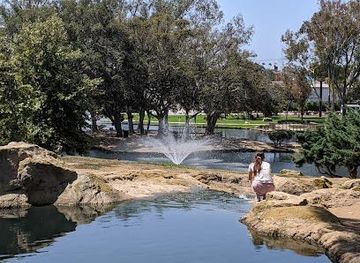
TeWinkle Park
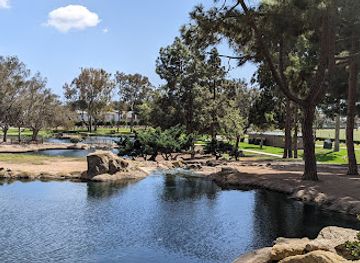
Explore the natural beauty and recreational offerings of TeWinkle Park, a serene park in Costa Mesa, perfect for relaxation and outdoor fun.
11 min walk · 0.9 km from city centre
-
Tourist attraction
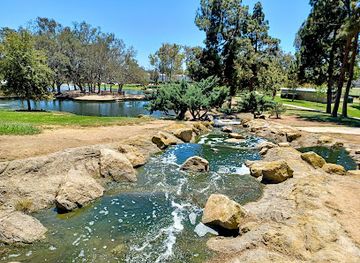
TeWinkle Park
Experience the natural beauty and recreational charm of TeWinkle Park, a family-friendly oasis in Costa Mesa, California.
11 min walk · 0.9 km from city centre
-
Tourist attraction
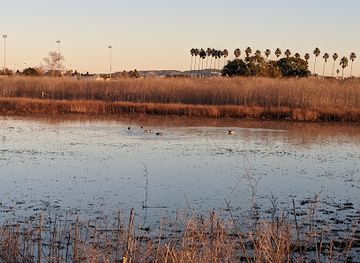
Fairview Park
Explore Fairview Park in Costa Mesa, where nature meets recreation in an expansive outdoor oasis perfect for tourists and locals alike.
10 min drive · 3.3 km from city centre
-
Tourist attraction
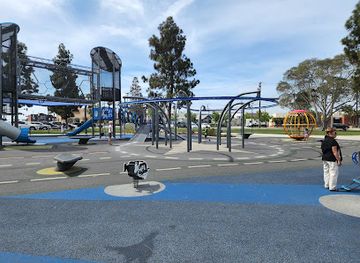
Lions Park
Explore Lions Park, a serene Costa Mesa oasis with lush greenery, playgrounds, and scenic paths perfect for relaxation and family fun.
9 min drive · 3.1 km from city centre
Best landmarks in Costa Mesa
Costa Mesa's most significant landmarks largely express its modern civic and cultural development. The Segerstrom Center for the Arts is the defining architectural presence of the arts district, joined by the Orange County Museum of Art and California Scenario, Isamu Noguchi's carefully composed public sculpture garden. South Coast Plaza is a landmark of post-war Orange County commerce, its expansive complex representing the region's transformation from agricultural territory into a major metropolitan suburb. The Orange County Fairgrounds also has strong civic importance as a long-established venue for large public gatherings and seasonal traditions. Within the wider city, the Costa Mesa Historical Society's Hankey Historical Room preserves local documents and memories, while Fairview Park and the open spaces around the Santa Ana River corridor recall the mesa's relationship with the coastal landscape.
-
Shopping mall
South Coast Plaza
Explore South Coast Plaza, a luxurious shopping destination in Costa Mesa offering high-end boutiques, fine dining, and vibrant art experiences.
10 min drive · 3.4 km from city centre
-
Performing arts theater
Segerstrom Center for the Arts
Discover the artistic heart of Costa Mesa at the Segerstrom Center for the Arts, where captivating performances and stunning architecture await.
11 min drive · 3.8 km from city centre
-
Shopping mall
Triangle Square
Discover Triangle Square, Costa Mesa's premier shopping destination blending retail, dining, and entertainment for an unforgettable experience.
8 min drive · 2.7 km from city centre
-
Park
TeWinkle Park
Experience the natural beauty and recreational charm of TeWinkle Park in Costa Mesa, an ideal destination for relaxation and outdoor fun.
11 min walk · 0.9 km from city centre
Explore Costa Mesa on the map
Plan your Costa Mesa trip on one map. See where the top attractions, landmarks, restaurants, bars and hotels are, find what's near where you're staying, and book hotels and experiences in a few clicks.
Best hotels in Costa Mesa
Best restaurants in Costa Mesa
Costa Mesa's dining scene reflects its position in Southern California, with Mexican, Japanese, Korean, Vietnamese, Chinese, Mediterranean and contemporary American influences alongside familiar Californian emphasis on fresh produce. South Coast Plaza and the surrounding arts district contain polished restaurants suited to pre-theatre meals, while 17th Street is known for a more neighbourhood-oriented mix of cafés, bakeries, casual restaurants and independent food businesses. The city's proximity to the coast contributes to a strong interest in seafood, lighter dishes and seasonal ingredients, although Costa Mesa's food culture is broader than a beach-town menu. Asian restaurants and specialist grocers are particularly important to the local identity, while The LAB and The CAMP offer informal dining in design-conscious settings. Regional Mexican cooking, tacos, coffee and craft-oriented casual food are easy to encounter, with menus varying considerably from one district to another.
-
Italian
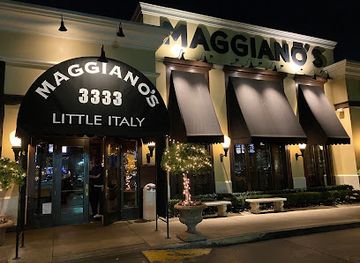
Maggiano's Little Italy
Experience the heart of Italy at Maggiano's Little Italy in Costa Mesa—where every dish tells a story of tradition and flavor.
11 min drive · 3.7 km from city centre
-
Breakfast
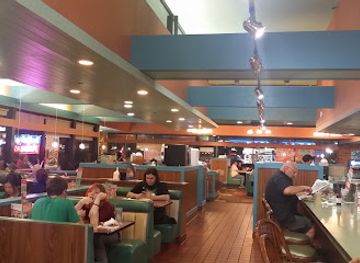
NORMS Restaurant
Experience classic American breakfast delights at NORMS Restaurant in Costa Mesa – where family dining meets delicious comfort food.
6 min drive · 1.9 km from city centre
-
Seafood
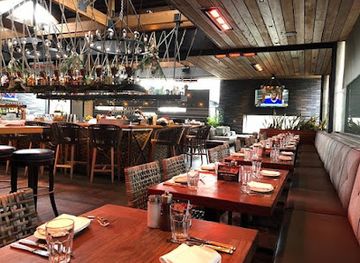
Water Grill
Experience unparalleled seafood dining at Water Grill in Costa Mesa - where freshness meets flavor in every bite.
11 min drive · 3.5 km from city centre
-
Chicken
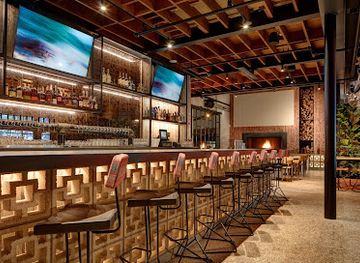
The Crack Shack - Costa Mesa
Experience gourmet chicken dishes in a vibrant atmosphere at The Crack Shack in Costa Mesa – where flavor meets fun!
10 min drive · 3.4 km from city centre
Best bars in Costa Mesa
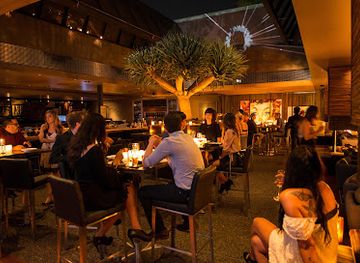
Costa Mesa's evening life is more varied than a conventional nightclub district but less concentrated than that of central Los Angeles. Restaurants and bars around 17th Street provide relaxed places for drinks, conversation and late meals, while the Triangle area and nearby commercial corridors have a broader selection of bars and entertainment venues. The city is particularly strong in live performance: Segerstrom Center for the Arts and South Coast Repertory bring theatre, music, dance and comedy to the evening calendar, offering a cultural alternative to drinking-focused nightlife. Smaller venues and casual bars reflect Orange County's longstanding surf, skate and music culture, though the atmosphere changes with the event schedule. Visitors should distinguish Costa Mesa's evening districts from Newport Beach's waterfront nightlife, which is nearby but in another city.
-
Bar
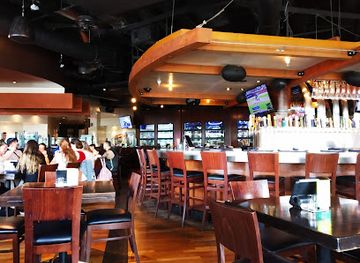
Yard House
Discover the vibrant flavors at Yard House in Costa Mesa, where great food and craft beer come together in a lively atmosphere.
8 min drive · 2.7 km from city centre
-
Bar
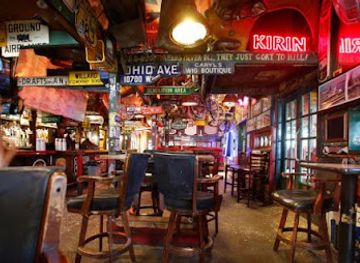
Goat Hill Tavern
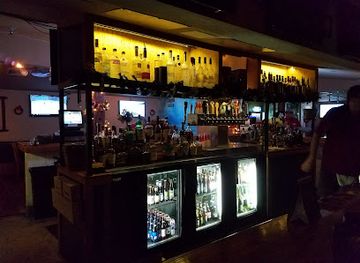
Explore Goat Hill Tavern, a vibrant cocktail bar in Costa Mesa, offering an unforgettable nightlife experience with great drinks and lively entertainment.
8 min drive · 2.8 km from city centre
-
Lounge
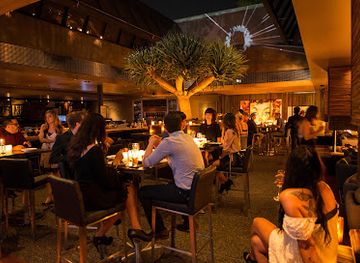
Mesa
Discover the sophisticated blend of gourmet dining and vibrant nightlife at Mesa in Costa Mesa, California.
7 min drive · 2.4 km from city centre
-
American
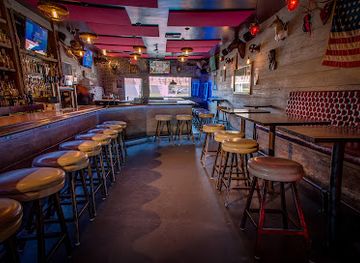
Wild Goose Tavern
Discover the vibrant flavors and lively atmosphere of Wild Goose Tavern in Costa Mesa, California, the perfect American dining experience for food lovers.
11 min drive · 3.7 km from city centre
Best nightclubs in Costa Mesa
Costa Mesa's evening life is more varied than a conventional nightclub district but less concentrated than that of central Los Angeles. Restaurants and bars around 17th Street provide relaxed places for drinks, conversation and late meals, while the Triangle area and nearby commercial corridors have a broader selection of bars and entertainment venues. The city is particularly strong in live performance: Segerstrom Center for the Arts and South Coast Repertory bring theatre, music, dance and comedy to the evening calendar, offering a cultural alternative to drinking-focused nightlife. Smaller venues and casual bars reflect Orange County's longstanding surf, skate and music culture, though the atmosphere changes with the event schedule. Visitors should distinguish Costa Mesa's evening districts from Newport Beach's waterfront nightlife, which is nearby but in another city.
-
Lounge
Mesa
Discover the elegance and energy of Mesa, a luxurious lounge perfect for dining and nightlife in sunny Costa Mesa, California.
7 min drive · 2.4 km from city centre
-
Bar
Tiki Bar
Discover the tropical vibes of Tiki Bar in Costa Mesa, where live music and delicious drinks create unforgettable evenings for every tourist.
12 min drive · 4.0 km from city centre
-
Night club
Time Nightclub
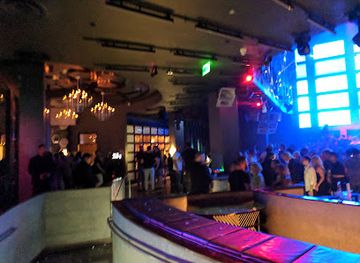
Dive into the electrifying nightlife at Time Nightclub, Costa Mesa's premier venue for music, dancing, and unforgettable experiences.
8 min drive · 2.6 km from city centre
-
Bar
Kitsch Bar
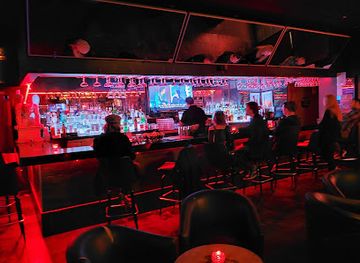
Experience the vibrant nightlife at Kitsch Bar in Costa Mesa, where retro charm meets modern cocktails in a lively atmosphere.
6 min drive · 2.0 km from city centre
Best shops in Costa Mesa
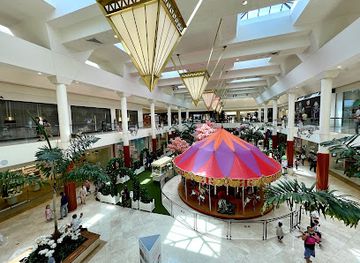
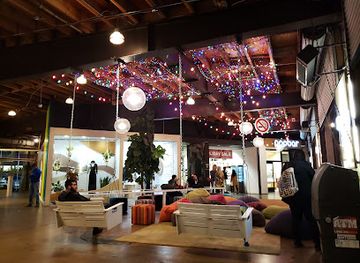
Shopping is central to Costa Mesa's identity, with South Coast Plaza serving as the city's largest and most internationally recognised retail destination. Its broad collection of department stores, fashion, jewellery, home design and restaurants is complemented by public art and a scale that rewards planning rather than a quick stop. For a more independent atmosphere, 17th Street contains boutiques, lifestyle stores, cafés and specialist businesses serving local residents. The LAB Anti-Mall and The CAMP focus on design, small-scale retail, food and creative enterprises in repurposed commercial settings, giving shopping a more informal character. Visitors can also find Californian clothing, surf-influenced goods, beauty products, homeware and food items reflecting the region's coastal lifestyle. The city's retail landscape is primarily contemporary, with local character expressed through independent businesses rather than a traditional historic market.
-
Shopping mall
South Coast Plaza
Explore South Coast Plaza, California's premier shopping destination featuring luxury brands, diverse dining, and vibrant cultural experiences.
10 min drive · 3.4 km from city centre
-
Shopping mall
Fashion Island
Explore Fashion Island, Newport Beach's premier shopping destination with luxury brands, fine dining, and stunning ocean views, perfect for every tourist.
17 min drive · 5.7 km from city centre
-
Shopping mall
The LAB Anti-Mall
Explore the creative heart of Costa Mesa at The LAB Anti-Mall, where shopping, dining, and art collide for an unforgettable experience.
7 min drive · 2.2 km from city centre
-
Shopping mall
Costa Mesa Courtyards
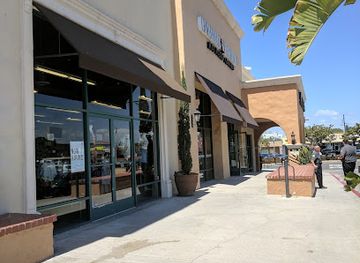
Discover diverse shopping, dining, and entertainment at Costa Mesa Courtyards - a vibrant shopping mall experience in sunny California.
9 min drive · 2.9 km from city centre

Get your free copy of our complete guide to Costa Mesa, delivered straight to you.
Everything on this page, from attractions and restaurants to essentials and local phrases, in one PDF you can read offline, print or share.
Already have an account? Sign in
Your Costa Mesa guide is ready.
We'll send it to · Not you? Sign out

Getting your guide ready…
We are putting together a fresh copy of the Costa Mesa guide. This can take up to a minute.
This can take a few moments. If your browser asks, choose Allow so the download can start. You'll find the guide in your Downloads folder.
Nothing happened? Download it again
Sorry, the guide is taking longer than usual. Please try again in a minute, or get it by email instead.
Costa Mesa essentials
Currency and Payment
Safety
Emergency Situations
Do's and Don'ts
Local Tips
From Eve
Local phrases worth knowing
You don't need to get them perfect. A few words go a long way, and locals appreciate the effort.
Basics
| English | Local | Say it |
|---|---|---|
| Hello | Hola | [oh-lah] |
| Goodbye | Adiós | [ah-dee-ohs] |
| Yes | Sí | [see] |
| No | No | [noh] |
| Please/You're welcome | Por favor/De nada | [por fah-vor/deh nah-dah] |
| Thank you | Gracias | [grah-see-ahs] |
| Excuse me/Sorry | Perdón/Lo siento | [pair-dohn/loh see-ehn-toh] |
| How are you? | ¿Cómo estás? | [koh-moh ehs-tahs] |
| Fine. And you? | Bien. ¿Y tú? | [bee-ehn. ee too] |
| Do you speak English? | ¿Hablas inglés? | [ah-blahs een-glays] |
| I don't understand | No entiendo | [noh ehn-tee-ehn-doh] |
Eating & Drinking
| English | Local | Say it |
|---|---|---|
| I'd like to see the menu, please | Me gustaría ver el menú, por favor | [meh goos-tah-ree-ah behr ehl meh-noo, por fah-vor] |
| I don't eat meat | No como carne | [noh koh-moh kahr-neh] |
| Cheers! | ¡Salud! | [sah-lood] |
| I would like to pay, please | Me gustaría pagar, por favor | [meh goos-tah-ree-ah pah-gar, por fah-vor] |
Emergencies
| English | Local | Say it |
|---|---|---|
| Help! | ¡Ayuda! | [ah-yoo-dah] |
| Go away! | ¡Vete! | [veh-teh] |
| Call the Police! | ¡Llama a la policía! | [yah-mah ah lah poh-lee-see-ah] |
| Call a doctor! | ¡Llama a un médico! | [yah-mah ah oon meh-dee-koh] |
| I'm lost | Estoy perdido | [ehs-toy pair-dee-doh] |
| I'm ill | Estoy enfermo | [ehs-toy ehn-fehr-moh] |
Shopping
| English | Local | Say it |
|---|---|---|
| I'd like to buy... | Me gustaría comprar... | [meh goos-tah-ree-ah kohm-prahr...] |
| I'm just looking | Solo estoy mirando | [soh-loh ehs-toy mee-rahn-doh] |
| How much is it? | ¿Cuánto cuesta? | [kwahn-toh kwehs-tah] |
| That's too expensive | Eso es demasiado caro | [eh-soh ehs deh-mah-see-ah-doh kah-roh] |
| Can you lower the price? | ¿Puedes bajar el precio? | [pweh-dehs bah-hahr ehl pree-syoh] |
Time & Numbers
| English | Local | Say it |
|---|---|---|
| What time is it? | ¿Qué hora es? | [keh oh-rah ehs] |
| It's one o'clock | Es la una en punto | [ehs lah oo-nah ehn poon-toh] |
| Half past (10) | Son las diez y media | [sohn lahs dyehs ee meh-dee-ah] |
| Morning | Mañana | [mah-nyah-nah] |
| Afternoon | Tarde | [tahr-deh] |
| Evening | Noche | [noh-cheh] |
| Yesterday | Ayer | [ah-yehr] |
| Today | Hoy | [oy] |
| Tomorrow | Mañana | [mah-nyah-nah] |
| 1 | Uno | [oo-noh] |
| 2 | Dos | [dohs] |
| 3 | Tres | [trehs] |
| 4 | Cuatro | [kwah-troh] |
| 5 | Cinco | [seen-koh] |
| 6 | Seis | [says] |
| 7 | Siete | [syeh-teh] |
| 8 | Ocho | [oh-choh] |
| 9 | Nueve | [nweh-veh] |
| 10 | Diez | [dyehs] |
Transport & Directions
| English | Local | Say it |
|---|---|---|
| Where's a/the...? | ¿Dónde está...? | [dohn-deh ehs-tah] |
| What's the address? | ¿Cuál es la dirección? | [kwahl ehs lah dee-rehk-syon] |
| Can you show me (on the map)? | ¿Puedes mostrarme (en el mapa)? | [pweh-dehs mohs-trar-meh (ehn ehl mah-pah)] |
| When's the next (bus)? | ¿Cuándo es el próximo (autobús)? | [kwan-doh ehs ehl proh-ksee-moh (ow-toh-boos)] |
| A ticket (to ....) | Un boleto (a ...) | [oon boh-leh-toh (ah ...)] |
History of Costa Mesa
Acjachemen Homelands
Long before Costa Mesa became an incorporated city, the region formed part of the homeland of the Acjachemen people, also known as Juaneño, whose communities occupied much of present-day Orange County and northern San Diego County. Their lives were connected to coastal wetlands, oak woodland, grassland and the resources of the Santa Ana River basin. Spanish mission expansion in the eighteenth century disrupted established communities through forced labour, religious conversion and the spread of disease. Although the wider landscape was later transformed by ranching and urban development, Acjachemen descendants continue to maintain cultural and historical connections with the area.
Rancho Santiago de Santa Ana
Under Mexican rule, much of the surrounding territory was reorganised into large land grants, including Rancho Santiago de Santa Ana, awarded in 1818 to the Yorba family. The rancho system replaced many Indigenous land-use patterns with cattle ranching and agricultural production. After California became part of the United States in 1848, the land passed through changing ownership and legal claims, while the region gradually shifted towards farms, orchards and settlement. The territory that would become Costa Mesa remained rural for much of the nineteenth century, linked economically and geographically to Santa Ana and the developing communities of central Orange County.
Harper and the Early Community
A significant step in Costa Mesa's modern development came when the Harper family acquired land in the late nineteenth century and established a settlement associated with farming and transportation routes. The community was first known as Harper and later as Costa Mesa, a Spanish phrase referring to a coastal mesa. Agriculture, particularly citrus growing and other forms of commercial farming, shaped local employment and the surrounding landscape. Roads and rail connections strengthened links with Santa Ana, Newport Beach and other Orange County communities, turning the mesa from an isolated rural area into a more connected agricultural district.
Incorporation and Suburban Growth
Costa Mesa incorporated as a city in 1953, during the rapid post-war expansion that reshaped Orange County. New housing, schools, roads and commercial centres replaced much of the former agricultural landscape, while the city's location between Santa Ana and the coast encouraged both residential and business growth. The Orange County Fairgrounds became an important regional venue, and the development of major roads made the community increasingly accessible to the wider metropolitan area. Costa Mesa's low-rise suburban form, planned neighbourhoods and broad arterial streets largely date from this period of mid-twentieth-century transformation.
Arts and Commerce in the Modern City
The late twentieth century gave Costa Mesa a cultural and commercial profile extending beyond suburban development. South Coast Plaza grew into a major retail destination, while the creation of the Segerstrom Center for the Arts established a substantial performing-arts presence. The Orange County Museum of Art and California Scenario added visual-art institutions and public sculpture to the same corridor. Later, independent retail and dining spaces around 17th Street, The LAB and The CAMP contributed a more informal creative character. Contemporary Costa Mesa therefore reflects several overlapping histories: Indigenous continuity, agricultural settlement, post-war urbanisation and the deliberate growth of arts-led civic identity.
Costa Mesa in Photos
Browse through our photo collection highlighting the charm and character of the destination.
Cities near Costa Mesa
The closest cities to Costa Mesa, if you have time for more than one stop.
-

-

-

-

-


Swipe for more cities
Explore more
Explore more of California
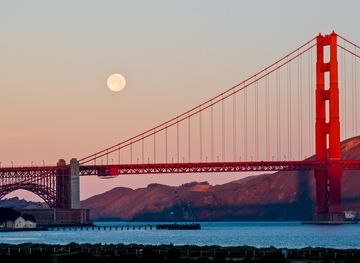
Discover California: A land of diverse landscapes, iconic cities, and endless adventures, from sun-soaked beaches to towering redwoods and vibrant cultural experiences.
Explore California