

Free Irvine Travel Guide & Mobile App
Plan your Irvine trip with Evendo. Get free guides to top attractions, restaurants, hotels, and bars. Web access or download the mobile app.


Irvine, California blends master-planned neighbourhoods, UCI culture, Orange County parks, shopping, dining and outdoor adventures near the coast.
A Deliberately Designed City
Irvine occupies a broad stretch of Orange County between the Santa Ana Mountains and the Pacific coast. Unlike older Californian cities that grew around a traditional downtown, Irvine was planned as a network of villages, business districts, schools and open spaces, with broad roads, landscaped medians and an extensive system of parks and trails. Its orderly appearance reflects the long influence of the Irvine Company, whose master plan shaped the city from the late twentieth century onwards. The result is a destination that feels spacious and contemporary, with each district offering a slightly different character.Read more about Irvine
Culture, Campus and Outdoor Space
Shopping and Contemporary Orange County Life
When is the best time to visit Irvine?
Best: June, August–September · 24–26°C| Month | High (°C) | Rainfall (mm) |
|---|---|---|
| January | 17 | 70 |
| February | 18 | 67 |
| March | 20 | 52 |
| April | 21 | 18 |
| May | 23 | 6 |
| June (best) | 24 | 2 |
| July | 26 | 0 |
| August (best) | 26 | 1 |
| September (best) | 25 | 5 |
| October | 23 | 15 |
| November | 19 | 29 |
| December | 17 | 56 |
Getting to and around Irvine
How to get there
Transportation
Best attractions in Irvine
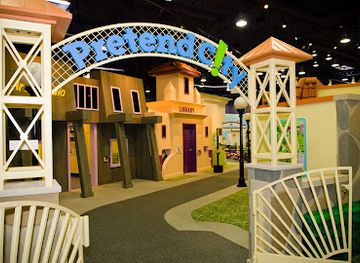
Irvine’s attractions reflect its planned character and Southern Californian setting. The Orange County Great Park occupies part of the former El Toro air station and combines sports facilities, open lawns, event spaces and family-oriented recreation with reminders of the site’s military past. At UC Irvine, the UCI Arboretum introduces visitors to plants from Mediterranean-climate regions, while Irvine Barclay Theatre presents performing arts in a university setting. Families often gravitate towards Pretend City Children’s Museum, an interactive miniature city designed for imaginative play. The San Joaquin Wildlife Sanctuary offers ponds, bird habitat and easy nature trails amid the urban landscape, and Bommer Canyon provides access to preserved foothills and former ranch country. Tanaka Farms adds a working agricultural experience, with seasonal produce and organised activities. For shopping, entertainment and people-watching, Irvine Spectrum Center is the city’s most prominent commercial attraction, centred on restaurants, shops, cinemas and outdoor public spaces.
-
Stadium
Angel Stadium
Explore Angel Stadium in Anaheim, California, where baseball traditions thrive and unforgettable memories are made in a vibrant atmosphere.
34 min drive · 14 km from city centre
-
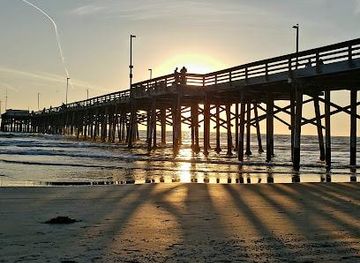
Fishing pier
Newport Beach Pier
Discover the beauty and excitement of Newport Beach Pier, a premier destination for fishing, relaxation, and stunning ocean views.
33 min drive · 13 km from city centre
-
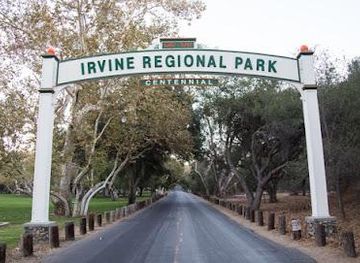
Tourist attraction
Irvine Regional Park
Discover the beauty of Irvine Regional Park, an expansive nature retreat in Orange, California, perfect for outdoor adventure and family fun.
34 min drive · 14 km from city centre
-
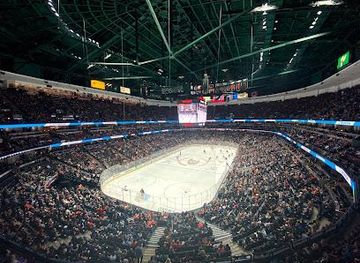
Arena
Honda Center
Discover the vibrant energy of Honda Center in Anaheim, a top destination for sports, concerts, and unforgettable live events.
34 min drive · 14 km from city centre

Best landmarks in Irvine
Irvine’s landmarks are largely modern, civic and institutional rather than remnants of a compact historic centre. The distinctive campus of the University of California, Irvine represents the city’s educational foundation and includes the circular Aldrich Park, whose landscaped setting is central to campus life. Irvine Barclay Theatre is an important performing-arts building associated with UC Irvine and the wider cultural life of Orange County. The Orange County Great Park preserves traces of Marine Corps Air Station El Toro, including the former airfield landscape that shaped Irvine’s twentieth-century history. Heritage Park, with its community facilities and public spaces, forms one of the city’s established civic centres, while Bommer Canyon and the San Joaquin Wildlife Sanctuary act as landscape landmarks, preserving coastal hills and wetlands within the planned city. Irvine Spectrum Center, recognisable for its large outdoor entertainment complex and observation wheel, symbolises the commercial and recreational identity of contemporary Irvine.
-
Park
William R Mason Regional Park
Discover the natural beauty and recreational opportunities at William R Mason Regional Park, a perfect retreat in Irvine, California.
9 min drive · 3.1 km from city centre
-
Amusement park
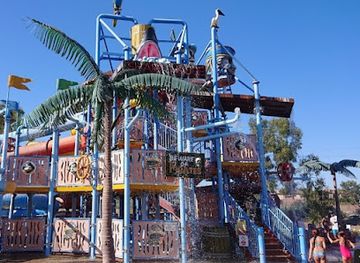
Boomers Irvine
Discover endless fun at Boomers Irvine, where thrilling rides and exciting games create unforgettable memories for visitors of all ages.
5 min drive · 1.6 km from city centre
-
Children's museum
Pretend City Children's Museum
Discover creativity and learning at Pretend City Children's Museum, where young minds explore and play through interactive exhibits in Irvine, California.
28 min drive · 9.4 km from city centre
-
Produce market
Tanaka Farms
Explore Tanaka Farms in Irvine for fresh produce, seasonal festivities, and a unique glimpse into local agriculture, all in a charming farm setting.
12 min drive · 4.0 km from city centre
Explore Irvine on the map
Plan your Irvine trip on one map. See where the top attractions, landmarks, restaurants, bars and hotels are, find what's near where you're staying, and book hotels and experiences in a few clicks.
Best hotels in Irvine
Best restaurants in Irvine
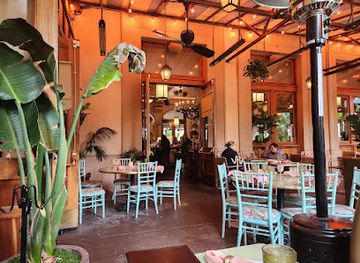
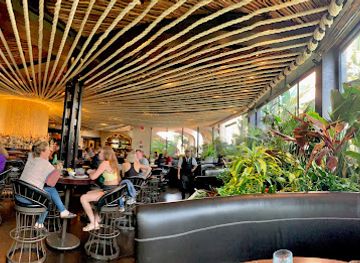
Irvine’s dining scene reflects Orange County’s diverse population, with particularly strong East Asian, Southeast Asian, Persian, Indian, Mexican and broader Californian influences. The city’s commercial villages and shopping centres contain Korean barbecue, Japanese, Chinese, Taiwanese, Vietnamese and Persian restaurants alongside bakeries, cafés and contemporary Californian kitchens. Diamond Jamboree in the Irvine Business Complex is known for a broad concentration of Asian food businesses, while the areas around Culver Drive, University Town Centre and Irvine Spectrum offer further variety. Casual meals range from noodle shops and dumpling specialists to tacos, burgers and bakery counters, and farmers’ produce from the surrounding region appears seasonally at farm outlets and community markets. Tanaka Farms gives the local food culture an agricultural dimension, connecting visitors with the crops grown in Irvine’s remaining working-farm landscape. Dining is generally distributed through retail and village centres rather than concentrated in an old town.
-
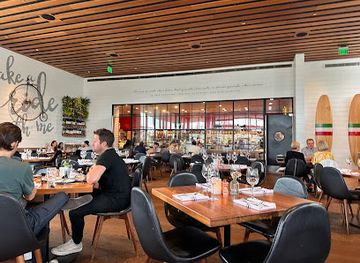
Italian
North Italia
Experience authentic Italian cuisine at North Italia in Irvine - where every meal is a celebration of flavor and tradition.
7 min drive · 2.2 km from city centre
-
Cuban
Habana
Savor authentic Cuban cuisine at Habana in Irvine Spectrum Center - where vibrant flavors meet a lively atmosphere.
26 min drive · 8.7 km from city centre
-
Mexican
Javier's Restaurant - Irvine
Savor authentic Mexican cuisine at Javier's Restaurant in Irvine Spectrum Center—where every bite tells a flavorful story.
25 min drive · 8.3 km from city centre
-
New American
Yard House
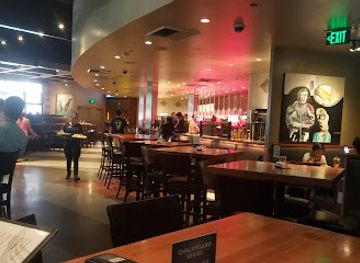
Discover Yard House in Irvine Spectrum: where New American flavors meet a lively bar atmosphere and endless craft beer choices.
25 min drive · 8.4 km from city centre
Best bars in Irvine
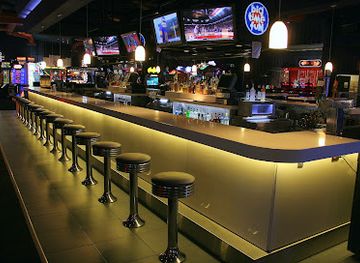
Irvine’s nightlife is comparatively restrained and dispersed, centred more on restaurants, lounges, cinemas, live performances and social venues than on a dense club district. Irvine Spectrum Center provides the broadest evening concentration, with dining, film, entertainment and outdoor gathering spaces that remain active after shops begin to close. Around UC Irvine and University Town Centre, cafés, casual bars and restaurant patios serve students, university staff and local residents. Irvine Barclay Theatre offers concerts, dance, theatre and other programmed performances, providing a cultural alternative to a bar-focused evening. A limited selection of hotel lounges, cocktail venues and sports bars can be found in business and commercial areas, while livelier late-night options are more widely available in nearby Costa Mesa, Newport Beach and Santa Ana. Those regional venues require transport, and visitors should not assume that Irvine’s widely spread districts are walkable between one another after dark.
-
Restaurant
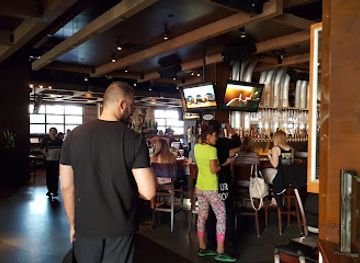
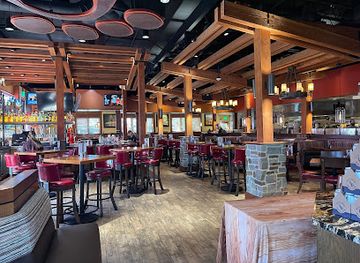
Dave & Buster's Irvine
Experience the ultimate blend of gaming and dining at Dave & Buster's Irvine, where fun meets flavor in an electrifying atmosphere.
26 min drive · 8.5 km from city centre
-
Bar
Yard House
Discover culinary delights and craft beers at Yard House in Irvine, where every meal is a celebration of flavor and fun.
25 min drive · 8.4 km from city centre
-
American
Lazy Dog Restaurant & Bar
Experience the best of American comfort food in a cozy atmosphere at Lazy Dog Restaurant & Bar in Irvine, California.
18 min drive · 6.1 km from city centre
-
American
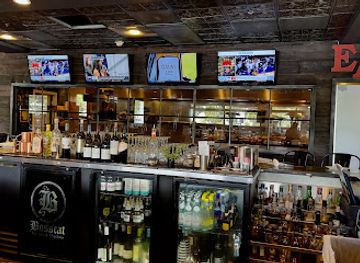
Bosscat Kitchen & Libations
Explore the vibrant flavors of American cuisine and craft cocktails at Bosscat Kitchen & Libations in Irvine, a must-visit for culinary enthusiasts.
8 min drive · 2.6 km from city centre
Best nightclubs in Irvine
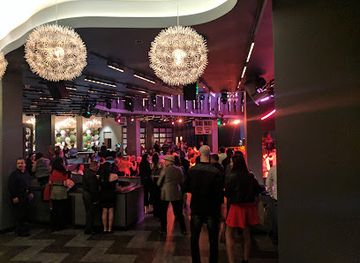
Irvine’s nightlife is comparatively restrained and dispersed, centred more on restaurants, lounges, cinemas, live performances and social venues than on a dense club district. Irvine Spectrum Center provides the broadest evening concentration, with dining, film, entertainment and outdoor gathering spaces that remain active after shops begin to close. Around UC Irvine and University Town Centre, cafés, casual bars and restaurant patios serve students, university staff and local residents. Irvine Barclay Theatre offers concerts, dance, theatre and other programmed performances, providing a cultural alternative to a bar-focused evening. A limited selection of hotel lounges, cocktail venues and sports bars can be found in business and commercial areas, while livelier late-night options are more widely available in nearby Costa Mesa, Newport Beach and Santa Ana. Those regional venues require transport, and visitors should not assume that Irvine’s widely spread districts are walkable between one another after dark.
-
Bar
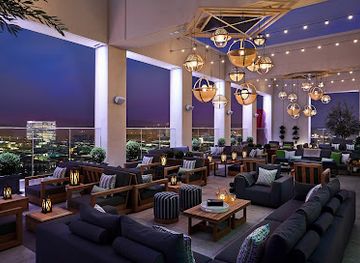
Hive and Honey Rooftop Bar
Discover the perfect blend of stunning views, exquisite tapas, and vibrant nightlife at Hive and Honey Rooftop Bar in Irvine, California.
24 min drive · 7.8 km from city centre
-
Night club
Time Nightclub
Unleash your night at Time Nightclub in Costa Mesa, where electrifying music meets vibrant atmosphere for an unforgettable nightlife experience.
29 min drive · 9.6 km from city centre
-
Lounge
Legacy Nightclub and Lounge
Discover Newport Beach's vibrant nightlife at Legacy Nightclub and Lounge, where affordable drinks and an exciting dance floor await.
12 min drive · 3.9 km from city centre
-
Karaoke bar
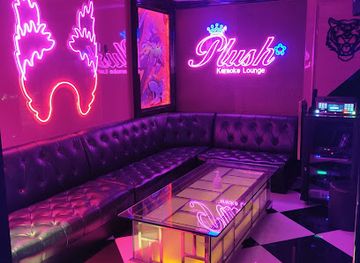
Plush Karaoke Lounge
Unleash your inner star at Plush Karaoke Lounge, the ultimate destination for karaoke enthusiasts in vibrant Irvine, California.
10 min walk · 0.8 km from city centre

Best shops in Irvine
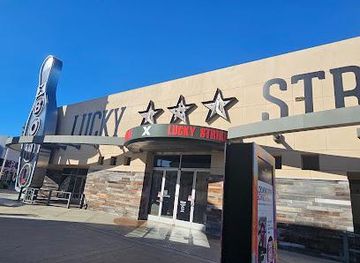
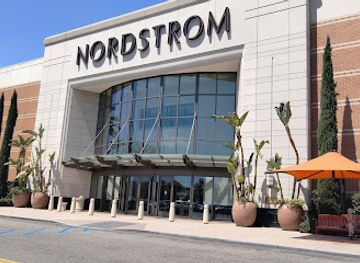
Shopping in Irvine is organised around large centres, village retail areas and specialist food businesses rather than a traditional high street. Irvine Spectrum Center is the most prominent destination, combining national retailers, independent food outlets, restaurants and entertainment in an open-air setting. Fashion Island in nearby Newport Beach provides a larger luxury-oriented regional shopping centre, while South Coast Plaza in Costa Mesa is another major option outside Irvine. Within the city, Diamond Jamboree and neighbouring commercial areas are especially useful for Asian groceries, restaurants, bakeries and specialist shops, reflecting Irvine’s international population. Visitors interested in local produce can look to Tanaka Farms and seasonal community markets for fruit, vegetables and farm-related goods, although availability changes throughout the year. Retail parks and village centres are often separated by busy roads, so shopping itineraries are easier with a car or planned rideshare journeys.
-
Outlet mall
The Outlets at Orange
Shop the latest fashion trends and enjoy family-friendly entertainment at The Outlets at Orange, the premier shopping destination in California.
32 min drive · 12 km from city centre
-
Shopping mall
Irvine Spectrum Center
Discover shopping, dining, and entertainment at the Irvine Spectrum Center, a vibrant hub in Southern California that caters to all tastes and ages.
26 min drive · 8.6 km from city centre
-
Shopping mall
South Coast Plaza
Discover luxury shopping, gourmet dining, and cultural experiences at South Coast Plaza, the premier shopping destination in Costa Mesa, California.
17 min drive · 5.8 km from city centre
-
Shopping mall
Fashion Island
Explore Fashion Island, Newport Beach's premier shopping destination offering luxury brands, diverse dining, and stunning ocean views for an unforgettable experience.
27 min drive · 8.8 km from city centre

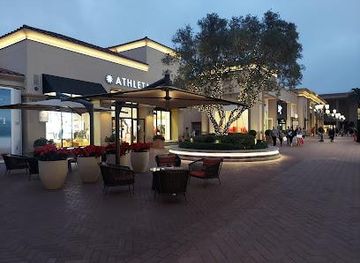
Get your free copy of our complete guide to Irvine, delivered straight to you.
Everything on this page, from attractions and restaurants to essentials and local phrases, in one PDF you can read offline, print or share.
Already have an account? Sign in
Your Irvine guide is ready.
We'll send it to · Not you? Sign out

Getting your guide ready…
We are putting together a fresh copy of the Irvine guide. This can take up to a minute.
This can take a few moments. If your browser asks, choose Allow so the download can start. You'll find the guide in your Downloads folder.
Nothing happened? Download it again
Sorry, the guide is taking longer than usual. Please try again in a minute, or get it by email instead.
Irvine essentials
Currency and Payment
Safety
Emergency Situations
Do's and Don'ts
Local Tips
From Eve
Local phrases worth knowing
You don't need to get them perfect. A few words go a long way, and locals appreciate the effort.
Basics
| English | Local | Say it |
|---|---|---|
| Hello | Hey | [hey] |
| Goodbye | Later | [lay-ter] |
| Yes | Yeah | [yeh] |
| No | Nope | [nohp] |
| Please/You're welcome | Please/No worries | [pleez/noh wur-eez] |
| Thank you | Thanks | [thanks] |
| Excuse me/Sorry | Sorry | [sor-ee] |
| How are you? | How are you? | [how are yoo] |
| Fine. And you? | Good. You? | [good yoo] |
| Do you speak English? | You speak English? | [yoo speek ing-glish] |
| I don't understand | I dunno | [i dun-noh] |
Eating & Drinking
| English | Local | Say it |
|---|---|---|
| I'd like to see the menu, please | Show me the menu, please | [show mee the men-yoo, pleez] |
| I don't eat meat | I don't eat meat | [i dun't eet meet] |
| Cheers! | Cheers! | [cheers] |
| I would like to pay, please | Check, please | [chek, pleez] |
Emergencies
| English | Local | Say it |
|---|---|---|
| Help! | Help! | [help] |
| Go away! | Get lost! | [get lost] |
| Call the Police! | Call the cops! | [call the cops] |
| Call a doctor! | Call a doc! | [call a doc] |
| I'm lost | I'm lost | [i'm lost] |
| I'm ill | I'm sick | [i'm sik] |
Shopping
| English | Local | Say it |
|---|---|---|
| I'd like to buy... | I wanna buy... | [i wanna buy] |
| I'm just looking | Just browsing | [just brow-zing] |
| How much is it? | How much? | [how much] |
| That's too expensive | Too pricey | [too prye-see] |
| Can you lower the price? | Can you do better? | [can yoo doh bet-ter] |
Time & Numbers
| English | Local | Say it |
|---|---|---|
| What time is it? | What time is it? | [what time is it] |
| It's one o'clock | It's one | [its one] |
| Half past (10) | Ten-thirty | [ten-thur-tee] |
| Morning | Morning | [mor-ning] |
| Afternoon | Afternoon | [af-ter-noon] |
| Evening | Evening | [ee-ven-ing] |
| Yesterday | Yesterday | [yes-ter-day] |
| Today | Today | [toh-day] |
| Tomorrow | Tomorrow | [toh-mor-row] |
| 1 | One | [wuhn] |
| 2 | Two | [too] |
| 3 | Three | [three] |
| 4 | Four | [for] |
| 5 | Five | [five] |
| 6 | Six | [siks] |
| 7 | Seven | [sev-en] |
| 8 | Eight | [ate] |
| 9 | Nine | [nine] |
| 10 | Ten | [ten] |
Transport & Directions
| English | Local | Say it |
|---|---|---|
| Where's a/the...? | Where's the...? | [wheres the] |
| What's the address? | What's the address? | [whats the address] |
| Can you show me (on the map)? | Can you point it out? | [can yoo point it out] |
| When's the next (bus)? | When's the next (bus)? | [whens the next bus] |
| A ticket (to ....) | One ticket (to ....) | [wuhn tik-it to] |
History of Irvine
The Acjachema Homeland
Before European settlement, the area now occupied by Irvine formed part of the homeland of the Acjachema people, also known as the Juaneño, whose communities lived across what is now Orange County and maintained close relationships with the region’s coastal plains, wetlands and hills. Spanish mission expansion in the late eighteenth century disrupted Indigenous life through forced labour, land appropriation, disease and religious conversion. The historic relationship between the Acjachema people and the landscape remains an important part of understanding Orange County’s past, even though much of modern Irvine was later transformed into farmland and planned urban development.
Rancho San Joaquin and Mexican California
Following Mexican independence from Spain, large land grants reshaped Southern California. In 1842, José Andrés Sepúlveda received Rancho San Joaquin, a substantial tract covering part of the later Irvine area. Cattle ranching became central to the regional economy, and the open grasslands and coastal wetlands were used within a broader network of ranchos. The rancho system changed dramatically after the United States acquired California in 1848, as land titles were contested and private ownership expanded. Irvine’s later agricultural history developed from this nineteenth-century pattern of large-scale landholding rather than from an established colonial town centre.
James Irvine and Agricultural Expansion
The modern Irvine landholding emerged in the nineteenth century when James Irvine and his partners acquired extensive ranch property in Orange County. After James Irvine’s death in 1886, the Irvine Company continued managing the estate, gradually shifting its emphasis from cattle to commercial agriculture. Lima beans, barley, citrus and other crops flourished on the fertile plain, while irrigation and rail connections supported a large farming operation. The San Joaquin Ranch, later known as the Irvine Ranch, became one of the region’s defining agricultural landscapes. Several surviving open spaces and farm-related sites preserve traces of this period within today’s urban framework.
From Ranch to Master Plan
After the Second World War, the growth of neighbouring Orange County cities and the expansion of regional infrastructure placed increasing pressure on the Irvine Ranch. Rather than allowing piecemeal development, the Irvine Company pursued a comprehensive plan in the 1960s, working with planners and architects to organise housing, schools, workplaces, parks and major roads into distinct villages. The University of California selected Irvine for a new campus in 1960, and UC Irvine opened in 1965, becoming a major institutional presence. This period established the physical and civic principles that still distinguish Irvine from older, more irregularly developed communities.
Incorporation and Planned Urban Growth
Irvine incorporated as a city on 28 December 1971, bringing municipal government to a community that had already been shaped by the master plan. Development accelerated during the late twentieth century as residential villages, office parks, technology businesses and retail centres expanded around the university and major transport corridors. The city’s planning model emphasised separated land uses, greenbelts, schools and recreation facilities, although reliance on major roads and private vehicles remained a defining feature. Irvine’s population and economic importance grew alongside the wider transformation of Orange County into a major suburban, educational and business region.
Reusing El Toro and Conserving Open Land
Marine Corps Air Station El Toro, established in 1942 on what is now part of Irvine, influenced the city’s development for decades before closing in 1999. Its former runways and military land became the subject of competing plans, eventually contributing to the creation of the Orange County Great Park. At the same time, conservation initiatives protected large areas of the Irvine Ranch’s hills, canyons and natural habitats, including land associated with Bommer Canyon and the San Joaquin Wildlife Sanctuary. Contemporary Irvine therefore reflects two parallel legacies: planned urban expansion and an active effort to retain meaningful fragments of the region’s agricultural and ecological landscape.
Irvine in Photos
Browse through our photo collection highlighting the charm and character of the destination.
Cities near Irvine
The closest cities to Irvine, if you have time for more than one stop.
-

-

-

-

-


Swipe for more cities
Explore more
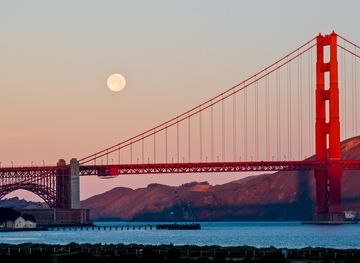
Explore more of California
Discover California: A land of diverse landscapes, iconic cities, and endless adventures, from sun-soaked beaches to towering redwoods and vibrant cultural experiences.
Explore California