

Free Huntington Beach Travel Guide & Mobile App
Plan your Huntington Beach trip with Evendo. Get free guides to top attractions, restaurants, hotels, and bars. Web access or download the mobile app.


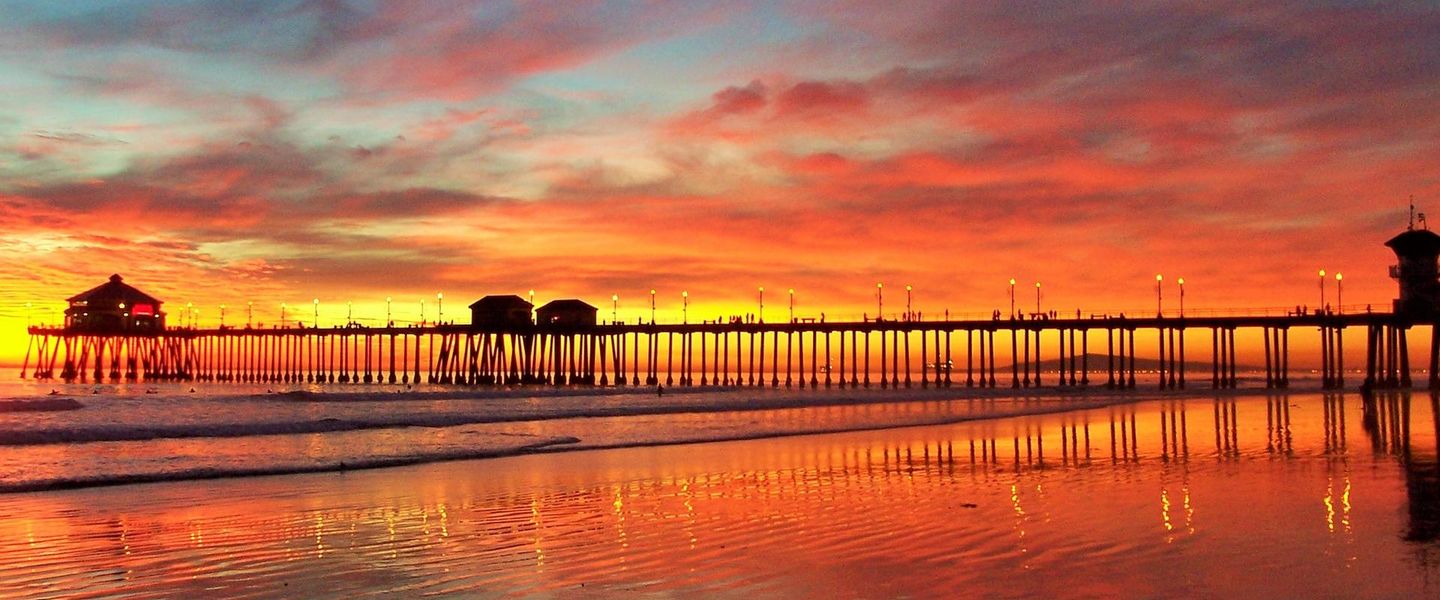


Huntington Beach pairs Pacific beaches, surf culture and a lively pier with coastal parks, harbour trails, local food and Southern California history.
Beachfront Identity
Huntington Beach stretches along Orange County’s Pacific coastline, where a broad sandy shore, dependable surf and a long municipal pier define the city’s public life. Known widely as Surf City USA, it has a distinctly Californian character: oceanfront cycling paths, volleyball courts, palm-lined streets and a relaxed rhythm shaped by tides, weather and outdoor recreation. The beach is not simply a scenic edge but the city’s central gathering place, used by surfers, runners, families, anglers and visitors watching the changing light over the water.Read more about Huntington Beach
From Ranchos to Resort
Coastal Neighbourhoods and Open Space
When is the best time to visit Huntington Beach?
Best: July–September · 25–26°C| Month | High (°C) | Rainfall (mm) |
|---|---|---|
| January | 18 | 51 |
| February | 19 | 56 |
| March | 20 | 51 |
| April | 21 | 25 |
| May | 21 | 10 |
| June | 23 | 5 |
| July (best) | 26 | 0 |
| August (best) | 26 | 0 |
| September (best) | 25 | 5 |
| October | 22 | 15 |
| November | 19 | 31 |
| December | 17 | 46 |
Getting to and around Huntington Beach
How to get there
Transportation
Best attractions in Huntington Beach
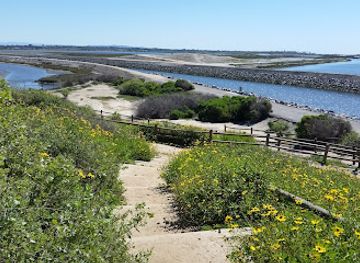
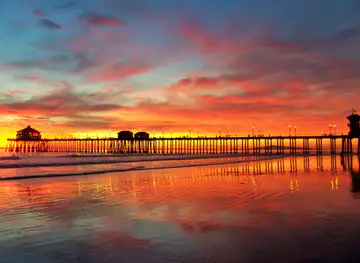
Huntington Beach’s principal attraction is its wide Pacific shoreline, where the Huntington Beach Pier extends over the surf and provides a classic setting for fishing, strolling and watching surfers. Downtown’s Main Street leads from the pier through a concentration of surf shops, cafés and public spaces, while the International Surfing Museum explores the sport’s local history through boards, photographs and memorabilia. North of the central beach, Bolsa Chica Ecological Reserve protects coastal wetlands threaded with trails and observation points, offering a very different experience of the city through birdlife and tidal habitats. Huntington Central Park, divided into east and west sections, adds ponds, paths, gardens and open lawns inland. The Newland House Museum presents an early settler-era home and agricultural history, while Shipley Nature Center offers a closer look at native plants and habitat restoration. Together, these places show Huntington Beach as more than a resort frontage, linking recreation with ecology and local history.
-
State park
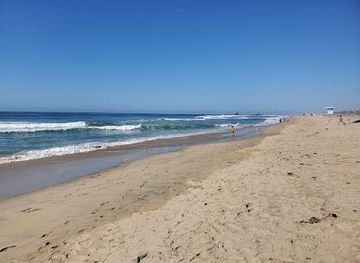
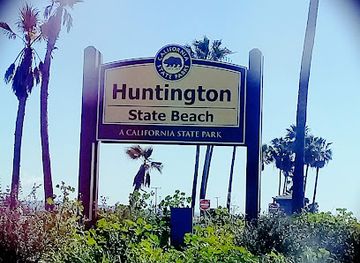
Huntington State Beach
Experience the beauty and thrill of Huntington State Beach, a stunning coastal paradise in California offering sun, surf, and endless adventures.
21 min drive · 6.8 km from city centre
-
State park
Huntington State Beach
Explore Huntington State Beach, a stunning California coastline destination known for its golden sands, surf-friendly waves, and diverse recreational activities.
21 min drive · 6.8 km from city centre
-
Tourist attraction
Bolsa Chica State Beach
Discover the beauty of Bolsa Chica State Beach in Huntington Beach, CA, where sun-soaked days and vibrant wildlife await every visitor.
12 min drive · 4.1 km from city centre
-
Tourist attraction
Bolsa Chica State Beach
Experience the serene beauty of Bolsa Chica State Beach, a must-visit destination for beach lovers and nature enthusiasts in California.
12 min drive · 4.1 km from city centre
Best landmarks in Huntington Beach
The Huntington Beach Pier is the city’s defining civic landmark, projecting into the Pacific as a symbol of the resort town established in the early twentieth century; its present structure reflects repeated rebuilding after storms and earthquakes. The International Surfing Museum on Main Street gives physical form to Huntington Beach’s claim to surf-cultural importance through its collection and exhibitions. The Newland House, an 1898 residence preserved as a museum, represents the agricultural settlement that preceded the city’s modern coastal development. The Huntington Beach Art Center occupies a former library building and contributes a cultural landmark in the downtown area, while the nearby Main Street streetscape expresses the city’s commercial relationship with the shore. Away from the central waterfront, the Bolsa Chica wetlands are an environmental landmark rather than a monument, preserving one of the region’s significant remaining coastal habitats and recalling the landscape that existed before urban expansion.
-
State park
Huntington State Beach
Discover the beauty of Huntington State Beach, a coastal gem in California perfect for sunbathing, surfing, and outdoor adventures.
21 min drive · 6.8 km from city centre
-
Park
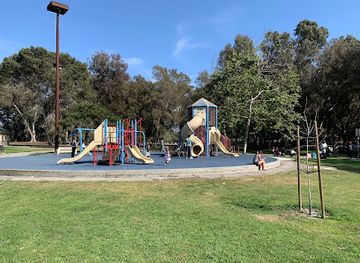
Huntington Beach Central Park East
Experience nature's beauty at Huntington Beach Central Park East, a serene retreat in the heart of California’s surf city.
13 min walk · 1.0 km from city centre
-
Shopping mall
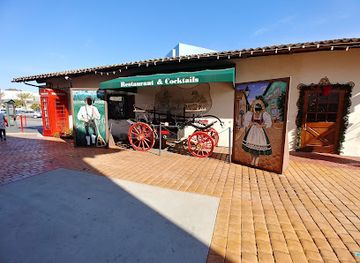
Old World Village
Experience the unique charm of Old World Village, a European-inspired shopping destination in Huntington Beach, California.
14 min drive · 4.5 km from city centre
-
Shopping mall
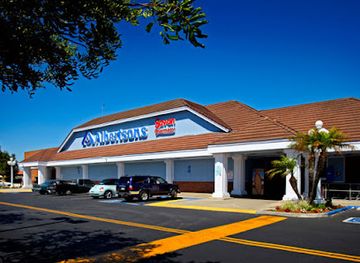
Newland Center
Discover Newland Center in Huntington Beach, a vibrant shopping mall offering diverse retail, delicious dining, and engaging community events for all visitors.
7 min drive · 2.5 km from city centre
Explore Huntington Beach on the map
Plan your Huntington Beach trip on one map. See where the top attractions, landmarks, restaurants, bars and hotels are, find what's near where you're staying, and book hotels and experiences in a few clicks.
Neighbourhoods in Huntington Beach
-

-

-
-

-


Swipe for more neighbourhoods
Best hotels in Huntington Beach
Best restaurants in Huntington Beach
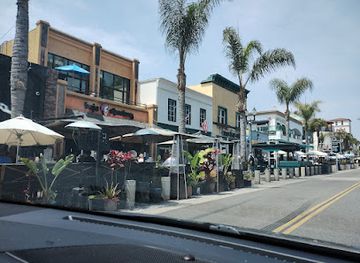
Huntington Beach’s dining scene reflects its position in Southern California, with seafood, Mexican cooking, burgers, tacos, salads and produce-led Californian dishes appearing alongside Asian influences and modern casual restaurants. The area around Main Street and the pier is geared towards relaxed beach dining, while Pacific City and other coastal commercial areas provide broader choices in contemporary restaurants, cafés and bars. Fish and shellfish are natural menu features, though the city’s food culture is not limited to seafood; tacos, burritos, craft coffee, bakery goods and plant-based dishes are equally familiar parts of the local landscape. Huntington Harbour and inland districts add neighbourhood restaurants away from the main tourist flow. Food markets and seasonal community events may bring local producers and prepared foods into public spaces, but schedules change. Portions, service styles and prices vary widely, so visitors should distinguish counter-service casual dining from full table-service restaurants when considering gratuities.
-
Seafood
Duke's Huntington Beach
Experience fresh seafood and Hawaiian flavors at Duke's Huntington Beach with stunning ocean views and vibrant ambiance.
13 min drive · 4.2 km from city centre
-
Brunch
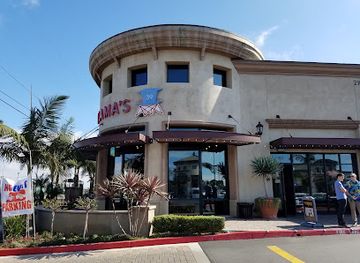
Mama's on 39
Experience the best brunch at Mama's on 39 in Huntington Beach, where delicious American cuisine meets a vibrant beachside atmosphere.
13 min drive · 4.4 km from city centre
-
Sushi
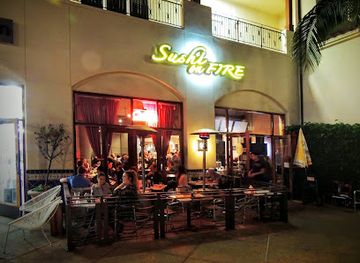
Sushi On Fire
Discover the vibrant flavors of Sushi On Fire in Huntington Beach - where fresh ingredients meet innovative sushi creations.
12 min drive · 3.9 km from city centre
-
Restaurant
Sugar Shack Cafe
Discover the delightful flavors of breakfast at Sugar Shack Cafe in Huntington Beach - where every bite feels like home.
12 min drive · 4.0 km from city centre
Best bars in Huntington Beach
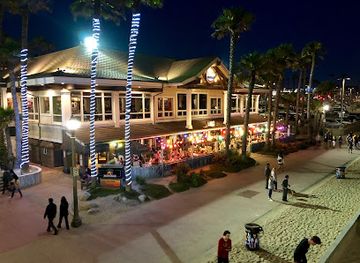
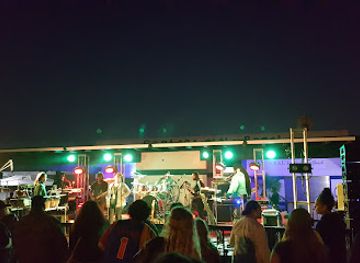
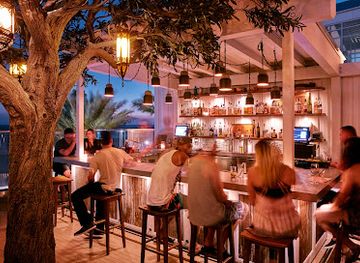
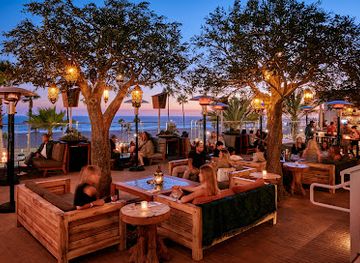
Evenings in Huntington Beach tend to centre on ocean views, live music, casual bars and social streets rather than a concentrated late-night club scene. Main Street and the blocks around the pier offer the greatest choice of pubs, sports bars, cocktail venues and restaurants that remain active after sunset, with a generally informal atmosphere shaped by surf culture. Along Pacific Coast Highway and in coastal shopping areas, visitors can find hotel bars, lounges and places suited to a quieter drink. Live music and entertainment are often part of the evening programme, but individual venues and schedules change. The beach itself is not a substitute for supervised nightlife: respect posted access rules, keep noise under control in residential areas and take care when crossing busy roads at night. Rideshares or taxis can be useful when moving between dispersed coastal districts, particularly if alcohol is involved.
-
Live music bar
SeaLegs at the Beach
Experience the vibrant atmosphere of SeaLegs at the Beach, where live music meets delectable dining in stunning coastal surroundings.
17 min drive · 5.7 km from city centre
-
Grill
Hurricanes Bar & Grill
Experience the vibrant flavors of coastal California at Hurricanes Bar & Grill, a local favorite in Huntington Beach offering delicious cuisine and stunning views.
12 min drive · 4.1 km from city centre
-
Bar
The Bungalow Huntington Beach
Discover the ultimate beach bar experience at The Bungalow Huntington Beach, where excellent food meets vibrant coastal nightlife.
14 min drive · 4.5 km from city centre
-
American
2nd Floor
Explore a fusion of American cuisine and artistic flair at 2nd Floor in Huntington Beach, where every meal is a masterpiece.
12 min drive · 4.1 km from city centre

Best nightclubs in Huntington Beach
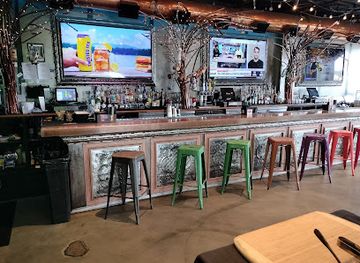
Evenings in Huntington Beach tend to centre on ocean views, live music, casual bars and social streets rather than a concentrated late-night club scene. Main Street and the blocks around the pier offer the greatest choice of pubs, sports bars, cocktail venues and restaurants that remain active after sunset, with a generally informal atmosphere shaped by surf culture. Along Pacific Coast Highway and in coastal shopping areas, visitors can find hotel bars, lounges and places suited to a quieter drink. Live music and entertainment are often part of the evening programme, but individual venues and schedules change. The beach itself is not a substitute for supervised nightlife: respect posted access rules, keep noise under control in residential areas and take care when crossing busy roads at night. Rideshares or taxis can be useful when moving between dispersed coastal districts, particularly if alcohol is involved.
-
Grill
Hurricanes Bar & Grill
Discover the lively dining experience at Hurricanes Bar & Grill in Huntington Beach, where delicious food meets a vibrant atmosphere.
12 min drive · 4.1 km from city centre
-
Bar
The Bungalow Huntington Beach
Experience the ultimate beachside bar at The Bungalow Huntington Beach with crafted cocktails and vibrant outdoor spaces.
14 min drive · 4.5 km from city centre
-
American
2nd Floor
Experience the best of American cuisine and vibrant nightlife at 2nd Floor in Huntington Beach, where art and dining come alive.
12 min drive · 4.1 km from city centre
-
Hookah bar
SULTANA Ultra HOOKAH LOUNGE
Experience the vibrant nightlife of Huntington Beach at SULTANA Ultra HOOKAH LOUNGE, the ultimate destination for premium hookah and lively entertainment.
5 min drive · 1.7 km from city centre

Best shops in Huntington Beach
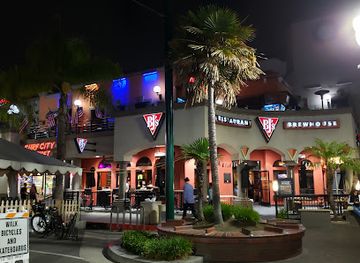
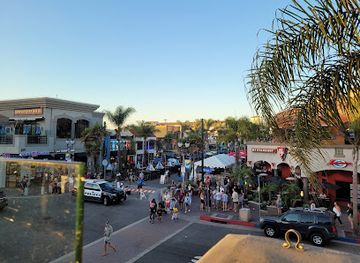
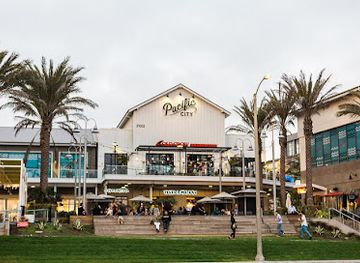
Shopping in Huntington Beach is closely tied to surf and beach life, with Main Street offering surf retailers, casual clothing, accessories, cafés and independent businesses within walking distance of the pier. Visitors will find boards, beachwear and locally themed souvenirs, although specialist equipment should be bought with an understanding of the sport rather than as a generic memento. Pacific City provides a more contemporary open-air retail setting with fashion, beauty, food and lifestyle shops, while Bella Terra serves as a larger inland shopping and entertainment complex. Smaller commercial districts around the harbour and inland neighbourhoods add independent boutiques and everyday stores. Californian food products, coffee, craft goods and beach photography make more locally resonant purchases than mass-produced souvenirs. Retail patterns and individual tenants change over time, so the city’s shopping character is best understood through a combination of its surf businesses, coastal lifestyle shops and modern mixed-use centres.
-
Shopping mall
Bella Terra Mall
Explore Bella Terra Mall: A Premier Shopping and Dining Experience in Huntington Beach, California, Perfect for Tourists.
12 min drive · 4.2 km from city centre
-
Shopping mall
Pacific City
Discover Pacific City, a vibrant shopping mall in Huntington Beach with unique boutiques, diverse dining, and stunning ocean views for an unforgettable experience.
13 min drive · 4.4 km from city centre
-
Shopping mall
Newland Center
Explore Newland Center in Huntington Beach for a delightful mix of shopping, dining, and community events in a sunny California setting.
7 min drive · 2.5 km from city centre
-
Shopping mall
Seacliff Village Shopping Center
Discover Seacliff Village Shopping Center in Huntington Beach, where shopping meets seaside charm, offering a unique blend of stores and dining options for every visitor.
5 min drive · 1.6 km from city centre
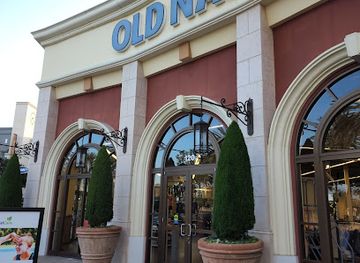
Get your free copy of our complete guide to Huntington Beach, delivered straight to you.
Everything on this page, from attractions and restaurants to essentials and local phrases, in one PDF you can read offline, print or share.
Already have an account? Sign in
Your Huntington Beach guide is ready.
We'll send it to · Not you? Sign out

Getting your guide ready…
We are putting together a fresh copy of the Huntington Beach guide. This can take up to a minute.
This can take a few moments. If your browser asks, choose Allow so the download can start. You'll find the guide in your Downloads folder.
Nothing happened? Download it again
Sorry, the guide is taking longer than usual. Please try again in a minute, or get it by email instead.
Huntington Beach essentials
Currency and Payment
Safety
Emergency Situations
Do's and Don'ts
Local Tips
From Eve
Local phrases worth knowing
You don't need to get them perfect. A few words go a long way, and locals appreciate the effort.
Basics
| English | Local | Say it |
|---|---|---|
| Hello | What's up | [wats up] |
| Goodbye | Later | [lay-ter] |
| Yes | Yeah | [yeh] |
| No | Nope | [nohp] |
| Please/You're welcome | Please/No worries | [pleez/no wor-eez] |
| Thank you | Thanks | [thanks] |
| Excuse me/Sorry | My bad | [mai bad] |
| How are you? | How's it going? | [hows it goh-in] |
| Fine. And you? | Good. You? | [good yoo] |
| Do you speak English? | Do you speak Eng? | [do you speak eng] |
| I don't understand | I don't get it | [ai don't get it] |
Eating & Drinking
| English | Local | Say it |
|---|---|---|
| I'd like to see the menu, please | I wanna check out the menu | [ai wanna chek out the menu] |
| I don't eat meat | I'm veggie | [ai'm ved-jee] |
| Cheers! | Cheers! | [cheers] |
| I would like to pay, please | I'm ready to settle up | [ai'm red-ee to set-ul up] |
Emergencies
| English | Local | Say it |
|---|---|---|
| Help! | Help! | [help] |
| Go away! | Beat it! | [beet it] |
| Call the Police! | Call the cops! | [call the cops] |
| Call a doctor! | Get a doc! | [get a doc] |
| I'm lost | I'm lost | [ai'm lost] |
| I'm ill | I'm sick | [ai'm sik] |
Shopping
| English | Local | Say it |
|---|---|---|
| I'd like to buy... | I wanna pick up... | [ai wanna pik up] |
| I'm just looking | Just browsing | [just bro-zing] |
| How much is it? | How much? | [how much] |
| That's too expensive | That's steep | [thats steep] |
| Can you lower the price? | Can you do a deal? | [can yoo do a deal] |
Time & Numbers
| English | Local | Say it |
|---|---|---|
| What time is it? | What's the time? | [whats the time] |
| It's one o'clock | It's one | [its one] |
| Half past (10) | Ten thirty | [ten thur-tee] |
| Morning | Morning | [morning] |
| Afternoon | Afternoon | [after-noon] |
| Evening | Evening | [ee-ven-ing] |
| Yesterday | Yesterday | [yes-ter-day] |
| Today | Today | [to-day] |
| Tomorrow | Tomorrow | [to-mor-ow] |
| 1 | One | [wun] |
| 2 | Two | [too] |
| 3 | Three | [three] |
| 4 | Four | [for] |
| 5 | Five | [fiv] |
| 6 | Six | [siks] |
| 7 | Seven | [sev-en] |
| 8 | Eight | [ate] |
| 9 | Nine | [nine] |
| 10 | Ten | [ten] |
Transport & Directions
| English | Local | Say it |
|---|---|---|
| Where's a/the...? | Where's the...? | [wheres the] |
| What's the address? | What's the addy? | [whats the addy] |
| Can you show me (on the map)? | Can you show me (on the map)? | [can yoo show me on the map] |
| When's the next (bus)? | When's the next (bus)? | [whens the next bus] |
| A ticket (to ....) | One ticket (to ....) | [wun ticket to] |
History of Huntington Beach
Acjachemen Coastal Homeland
Before European settlement, the coast and inland waterways around present-day Huntington Beach formed part of the homeland of the Acjachemen people, whose communities occupied much of what is now Orange County and northern San Diego County. The nearby wetlands, estuaries and coastal plain provided access to fish, shellfish, plants and other resources, while travel routes connected inland and coastal settlements. Spanish colonisation in the late eighteenth century brought missions, disease, forced labour and profound disruption to Indigenous society. The historical landscape therefore predates the city by many centuries, even though most modern visitors encounter it through beaches, roads and developed neighbourhoods rather than through surviving Indigenous structures.
Ranchos and Mexican Landholding
Following Mexican independence from Spain in 1821, large land grants reshaped the coastal plain. The area that later became Huntington Beach was associated with ranchos including Rancho Las Bolsas, whose open pastures and wetlands extended across much of western Orange County. Cattle ranching and agriculture replaced many earlier patterns of land use, while the broad, low-lying terrain remained only lightly settled. After the United States acquired California in 1848, rancho lands were divided and sold through a complex process that helped create the property landscape inherited by later developers. Bolsa Chica’s name, derived from Spanish usage, remains a visible reminder of this period.
Railway, Settlement and Incorporation
The modern town emerged in the early twentieth century as rail connections and real-estate development turned a largely rural coast into a planned seaside community. Henry E. Huntington, the Los Angeles railway and property investor, became closely associated with the town’s promotion, and the settlement adopted the name Huntington Beach. The community was incorporated as a city in 1909. The railway brought visitors from the growing Los Angeles region, while streets, businesses and beach facilities developed around the new resort economy. The Newland House, completed in 1898 before incorporation, survives as a tangible link to the agricultural settlement that preceded the city’s resort identity.
Oil and the Changing Economy
Huntington Beach’s development was influenced not only by recreation but also by petroleum. Oil production expanded in the 1920s after the discovery of the Huntington Beach oil field, bringing industrial activity, workers and new investment to the coastal plain. Derricks and extraction infrastructure became part of the local landscape, even as tourism and residential development continued to grow. Petroleum remained an important element of the regional economy, while the city’s beach image became increasingly prominent through advertising, access from Los Angeles and the expansion of oceanfront facilities. The coexistence of industry, housing, wetlands and recreation remains part of the city’s complicated modern geography.
Surf City and Modern Coastal Culture
Surfing became central to Huntington Beach’s public identity during the twentieth century, supported by the city’s exposed Pacific shoreline and the growth of Southern California surf culture. The Huntington Beach Pier, first opened in 1904 and rebuilt after damage over the decades, became a focal point for fishing, strolling and surf events. International competitions and the presence of professional surfers helped establish the Surf City USA label, while the International Surfing Museum preserves aspects of the sport’s cultural history. Contemporary Huntington Beach continues to balance this highly recognisable surf identity with environmental work around Bolsa Chica, established neighbourhoods, parks and a diverse coastal population.
Huntington Beach in Photos
Browse through our photo collection highlighting the charm and character of the destination.
Cities near Huntington Beach
The closest cities to Huntington Beach, if you have time for more than one stop.
-

-

-

-

-


Swipe for more cities
Explore more
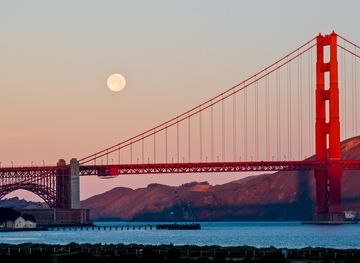
Explore more of California
Discover California: A land of diverse landscapes, iconic cities, and endless adventures, from sun-soaked beaches to towering redwoods and vibrant cultural experiences.
Explore California