Background

Alcatraz Island: The Rock

Explore the infamous former prison on Alcatraz Island, a national park offering a chilling glimpse into American incarceration and stunning views of the San Francisco Bay.

4.7

Alcatraz Island, a former prison in the middle of the San Francisco Bay, is one of the city's most popular and iconic attractions. Often referred to as "The Rock," this small island has served many purposes throughout its history, including a military fortification, a military prison, and, most famously, a federal penitentiary from 1934 to 1963. Today, Alcatraz is part of the Golden Gate National Recreation Area and welcomes over a million visitors each year who come to explore its complex history and experience the chilling atmosphere of the infamous prison. Visitors can take a ferry to the island and tour the cell house, where they can learn about the lives of the prisoners who were once incarcerated there, including notorious criminals like Al Capone and Robert Stroud, the "Birdman of Alcatraz."

A brief summary to Alcatraz Island

Local tips

  • Book your Alcatraz tickets well in advance, especially during peak season, as they often sell out weeks or even months ahead of time.
  • Wear comfortable shoes and dress in layers, as the weather on Alcatraz can be unpredictable and involve a lot of walking.
  • Take the first ferry of the day to avoid crowds and have a more immersive experience.
  • Utilize the accessible S.E.A.T. tram if you have mobility issues, as the island has steep inclines.
  • Allow at least 2.5 to 3 hours for your visit to fully explore the island and take the audio tour.
widget icon

Getting There

  • Public Transport

    To reach Alcatraz Island, make your way to Pier 33 Alcatraz Landing on The Embarcadero, near Fisherman's Wharf. From Fisherman's Wharf, you can take the F Line streetcar towards the Ferry Building and disembark at the Bay Street stop. Pier 33 is located across the street. A one-way fare on the F Line is $3, payable in cash (exact change) or via the MuniMobile app.

  • Taxi/Ride-Share

    Alternatively, from anywhere in San Francisco, you can take a taxi or ride-sharing service (Uber/Lyft) directly to Pier 33 Alcatraz Landing. A ride from Union Square to Pier 33 typically costs between $15 and $25, depending on traffic and demand.

  • Ferry

    The final leg to Alcatraz Island is exclusively via Alcatraz City Cruises ferry, the official and only authorized ferry service. Purchase tickets in advance online, as they often sell out. Round-trip ferry tickets, which include the Alcatraz Cellhouse Audio Tour, cost approximately $46 for adults, $38.66 for seniors (62+), and $25 for children (5-11). The ferry ride is approximately 15 minutes each way.

Unlock the Best of Alcatraz Island

Buy tickets

    No tickets available

Book tours with entry

    No tours available

Book tours without entry

    No tours available

Discover more about Alcatraz Island

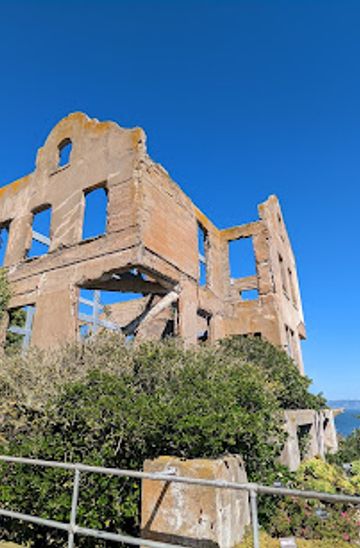
Alcatraz Island, a stark and rocky outcrop in the middle of San Francisco Bay, is a place of immense historical significance and haunting beauty. For many, the name "Alcatraz" conjures images of notorious criminals, daring escape attempts, and the grim realities of life behind bars. However, the island's story extends far beyond its years as a federal penitentiary, encompassing a rich and multifaceted history that has shaped its identity. Originally named "Alcatraces" by Spanish explorer Juan Manuel de Ayala in 1775, the island was initially identified as a haven for seabirds, particularly pelicans (alcatraces in Spanish). Its strategic location in the bay soon led to its development as a military fortification in the mid-19th century. As part of a "triangle of defense" along with Fort Point and Lime Point, Alcatraz was intended to protect the entrance to San Francisco Bay during the California Gold Rush. The island also became home to the first operational lighthouse on the West Coast. Over time, Alcatraz transitioned from a military installation to a military prison, housing its first military prisoners in the late 1850s. In the early 20th century, the Army constructed a new prison building on the island, which would later become the infamous Alcatraz Federal Penitentiary. In 1933, the island was transferred to the U.S. Department of Justice, and in 1934, it officially became a federal prison, designed to house the most incorrigible inmates from other federal institutions. Alcatraz Federal Penitentiary operated from 1934 to 1963, during which time it gained a reputation as one of the most secure and inescapable prisons in the United States. Its location in the cold, turbulent waters of San Francisco Bay, combined with its imposing fortifications and strict security measures, made escape attempts exceedingly difficult. The prison housed some of America's most notorious criminals, including Al Capone, George "Machine Gun" Kelly, and Robert Stroud, the "Birdman of Alcatraz." Life in Alcatraz was harsh and regimented. Inmates were subjected to strict rules and regulations, and privileges were kept to a minimum. The prison's austere environment and the constant surveillance created a sense of isolation and despair for many prisoners. Despite its reputation for being inescapable, several inmates attempted to break free from Alcatraz. While some escape attempts were more elaborate than others, none were successful in the long run. The most famous escape attempt occurred in 1962, when inmates Frank Morris, John Anglin, and Clarence Anglin disappeared from their cells. Although their bodies were never found, it is widely believed that they perished in the frigid waters of the bay. In 1963, Alcatraz Federal Penitentiary closed due to rising operating costs and deteriorating infrastructure. The island remained abandoned for several years until 1969, when a group of Native American activists, known as the Indians of All Tribes, occupied Alcatraz to protest federal policies towards Native Americans. The occupation lasted for 19 months and brought attention to Native American civil rights issues. In 1972, Alcatraz became part of the Golden Gate National Recreation Area, and in 1973, it opened to the public as a tourist attraction. Today, Alcatraz Island is one of San Francisco's most popular destinations, attracting visitors from around the world who come to explore its historic buildings, learn about its fascinating past, and experience the unique atmosphere of this iconic island. A visit to Alcatraz includes a ferry ride to the island and a self-guided audio tour of the cell house. The audio tour provides a compelling narrative of life in the prison, featuring stories from former inmates and correctional officers. Visitors can also explore other areas of the island, including the dining hall, recreation yard, and the remains of the warden's house. The island's gardens, tended by volunteers, offer a surprising contrast to the harshness of the prison environment. Alcatraz Island offers a unique and unforgettable experience that combines history, mystery, and natural beauty. Whether you are interested in American history, true crime stories, or simply want to explore a unique landmark, Alcatraz is a must-see destination in San Francisco. The island's enduring appeal lies in its ability to evoke a sense of both fascination and unease, reminding us of the complexities of human nature and the enduring power of the past.

Popular Experiences near Alcatraz Island

Popular Hotels near Alcatraz Island

Select Currency