Mojave Road Historical Marker
Discover the legacy of the Mojave Road, a historic desert route connecting cultures and shaping the American West, marked near Nipton, California.
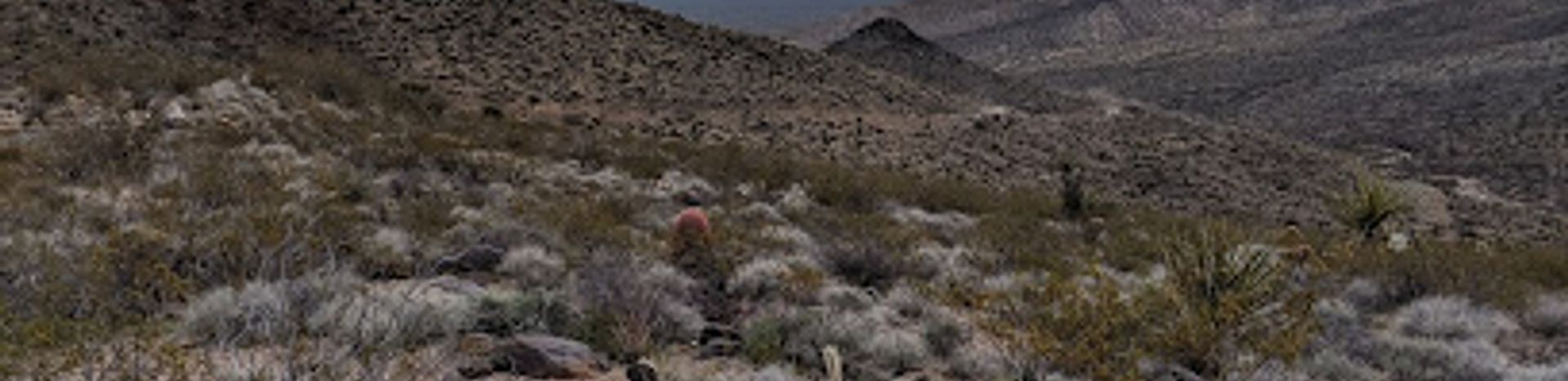
The Mojave Road Historical Marker commemorates a vital route through the Mojave Desert, tracing its origins to ancient Native American pathways. In 1826, American trapper Jedediah Smith utilized these paths, becoming the first non-Indian to reach the California coast overland from mid-America. By 1859, these routes were developed into a military wagon road, serving as a crucial link between Los Angeles and the East until the advent of the railway in 1883. Today, the marker stands as a testament to the road's historical significance in exploration, transportation, and the interaction between cultures in the American West. Visitors can reflect on the challenges and triumphs of those who traversed this arid landscape, connecting the past with the present.
A brief summary to The Mojave Road Historical Marker
- Nipton, Nipton, California, 92364, US
- Visit website
- Monday 12 am-12 am
- Tuesday 12 am-12 am
- Wednesday 12 am-12 am
- Thursday 12 am-12 am
- Friday 12 am-12 am
- Saturday 12 am-12 am
- Sunday 12 am-12 am
Local tips
- Visit during the cooler months (October to April) to avoid extreme desert heat.
- Bring plenty of water, sunscreen, and a hat, as shade is limited.
- Combine your visit with a trip to the nearby Mojave National Preserve for a broader desert experience.

Getting There
-
Driving
The Mojave Road Historical Marker is located off Interstate 15, approximately 34 miles north of Barstow. From I-15, take the exit for the Clyde V. Kane Rest Area (northbound side). The marker is situated within the rest area, making it easily accessible for travelers. There is no cost for parking at the rest area.
Discover more about The Mojave Road Historical Marker
Iconic landmarks you can’t miss

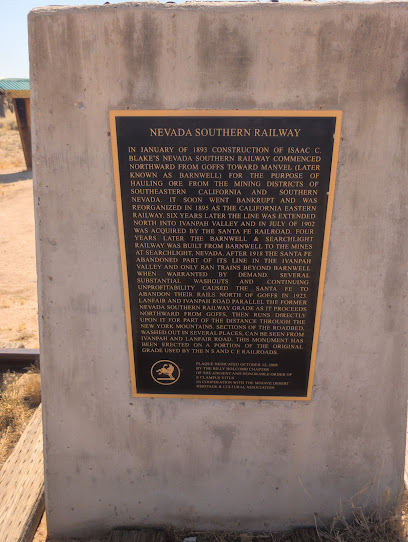
Nevada Southern Railroad historical marker
29.6 km
Explore the Nevada Southern Railroad Historical Marker, a vital piece of American history nestled in the stunning Mojave Desert landscape.
Castle Mountains National Monument
37.4 km
Discover the breathtaking beauty and historical allure of Castle Mountains National Monument, a tranquil escape in California's Mojave Desert.
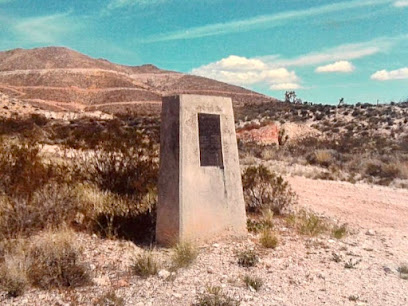
Nipton Historical Village
38.8 km
Explore Nipton Historical Village, a serene oasis steeped in California's rich history, where charming architecture meets stunning desert landscapes.
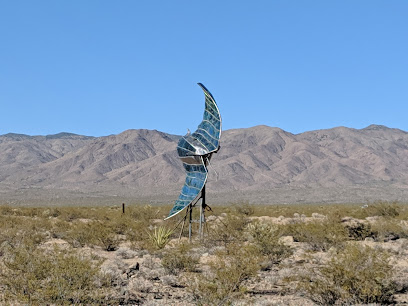
Mojave Desert Heritage and Cultural Association
49.2 km
Uncover the rich history and cultural heritage of the Mojave Desert at this captivating museum, a must-visit for all travelers.
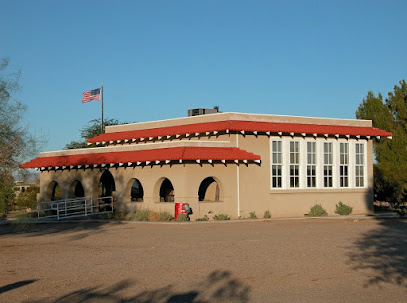
Mojave Trails National Monument
72.6 km
Discover the breathtaking Mojave Trails National Monument, where stunning desert landscapes, rich history, and vibrant wildlife await every visitor.
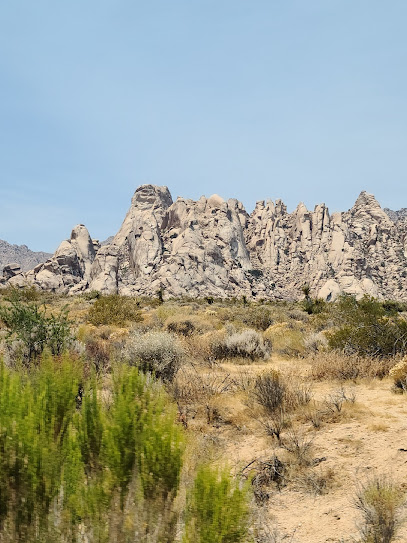
Nevada Historical Marker 102: Goodsprings
73.3 km
Explore the rich history of Goodsprings at Nevada Historical Marker 102, a captivating landmark in the heart of the Mojave Desert.
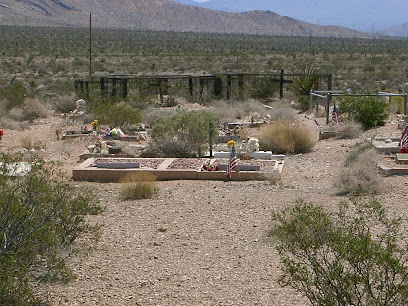
Grapevine Canyon Petroglyphs
75.0 km
Explore the ancient petroglyphs in Grapevine Canyon, a historic landmark in Laughlin, Nevada, that reveals the artistry of Native American cultures.
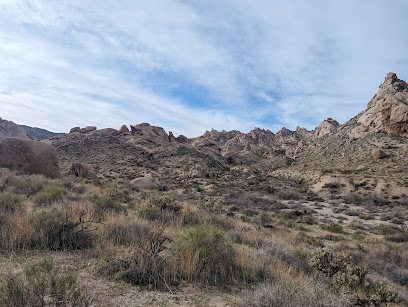
The Garces Expedition
78.4 km
Explore the legacy of the Garces Expedition, a historical landmark in Laughlin, Nevada, celebrating the spirit of early American exploration.
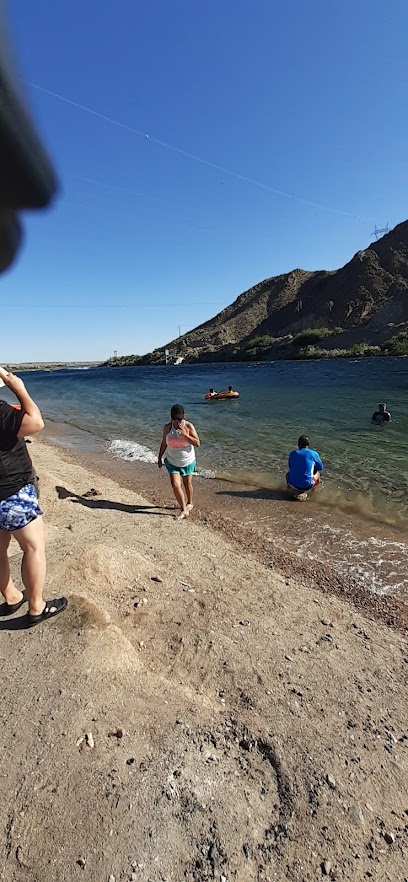
Trail of Memories
79.9 km
Discover Bullhead City's past along the scenic Colorado River at the Trail of Memories, a historical landmark offering a tranquil and educational experience.
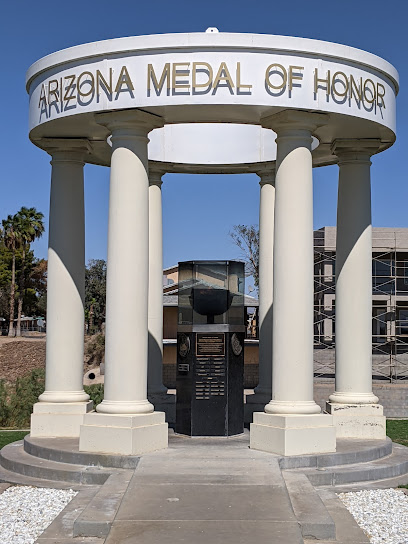
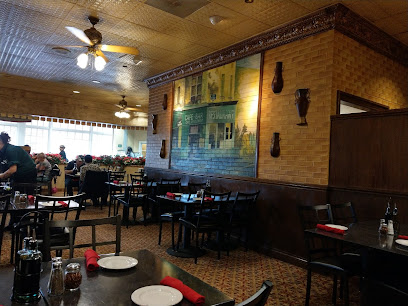
Bruce's Taste Of Chicago
80.7 km
Experience the taste of Chicago in Laughlin at Bruce's Taste Of Chicago, where classic American comfort food awaits every diner.
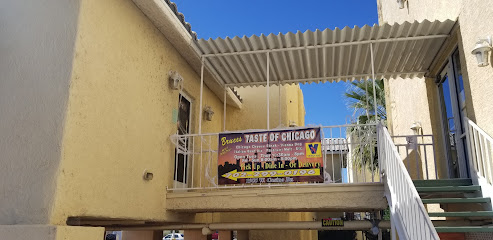
Vintage at Laughlin
81.3 km
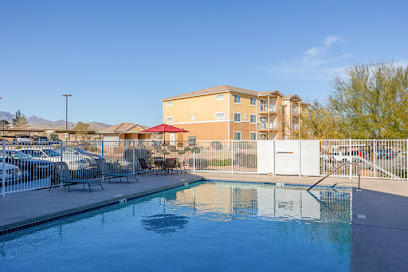
Experience the perfect blend of comfort and convenience at Vintage at Laughlin, your ideal retreat in the heart of Nevada's entertainment paradise.
Fort Mohave
82.1 km
Discover the historical charm of Fort Mohave, a 19th-century military outpost on the Colorado River near Bullhead City, Arizona.
Hardyville Cemetery
84.0 km
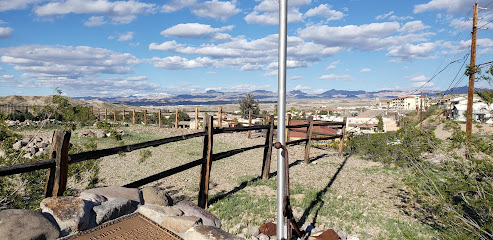
Explore the history of Bullhead City at Hardyville Cemetery, the last vestige of a 19th-century pioneer settlement and river port.
The Twins Fort Mohave Aha Macav
84.0 km
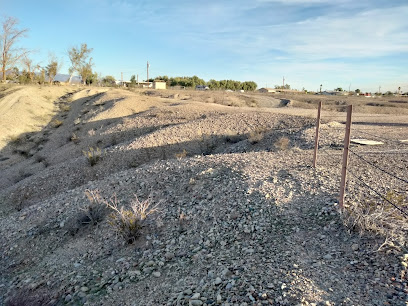
Discover the cultural significance of Twins Fort Mohave Aha Macav, a revered historical landmark that embodies the heritage and traditions of the Indigenous peoples of Arizona.
Laughlin Labyrinths
84.5 km
Discover peace and reflection at the Laughlin Labyrinths, a unique destination for mindful walking and meditation in the heart of Nevada.
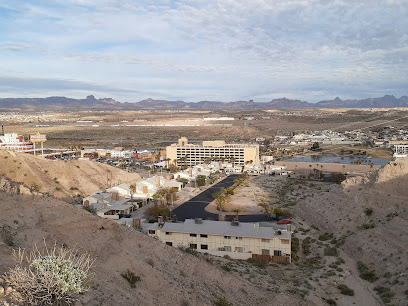
Unmissable attractions to see

Mojave National Preserve
5.9 km
Explore the stunning landscapes and rich biodiversity of Mojave National Preserve, a hidden gem in California's desert, perfect for nature enthusiasts and adventurers.
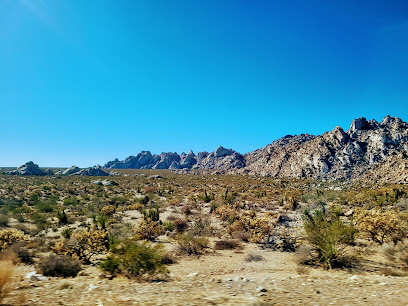
Death Valley Mine
6.2 km
Discover the rugged beauty and rich mining history at Death Valley Mine, a hidden gem in California's breathtaking desert landscape.
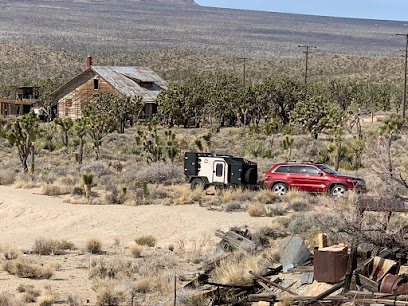
Kelso Depot Visitor Center
22.4 km
Explore the history and beauty of the Mojave Desert at the Kelso Depot Visitor Center, your gateway to unforgettable adventures.
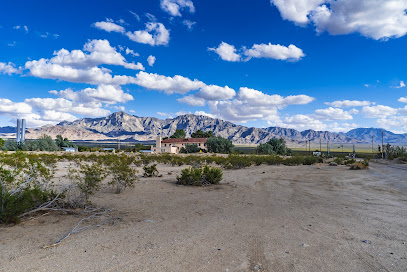
Mojave Desert Lava Tube
22.5 km
Discover the Mojave Desert Lava Tube, a breathtaking natural wonder showcasing volcanic history and stunning desert landscapes in California.
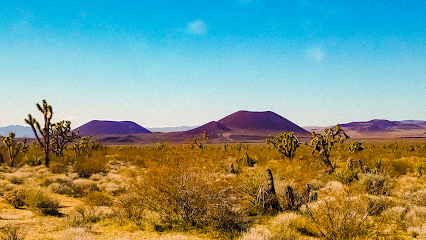
Providence Mountains State Recreation Area
25.3 km
Discover the geological wonders and historical echoes of Providence Mountains State Recreation Area, a Mojave Desert escape offering cave exploration, scenic hikes, and stargazing.
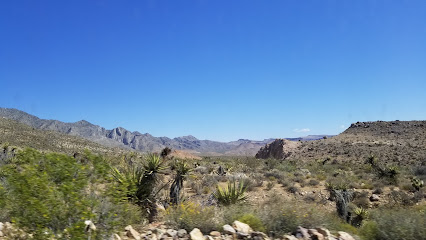
Mitchell Caverns
25.8 km
Explore the stunning limestone formations and rich geological history of Mitchell Caverns, a hidden gem in California's Mojave Desert.
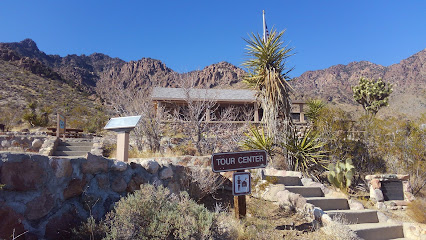
The World's Tallest Thermometer
52.2 km
Discover the World's Tallest Thermometer in Baker, California – a quirky landmark and souvenir shop perfect for memorable photos and unique gifts.
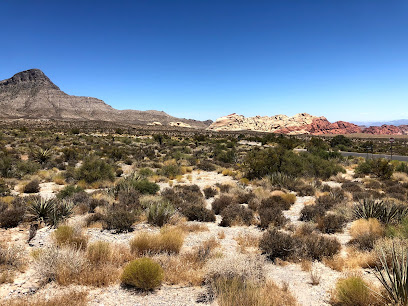
Dead Mountains Wilderness
72.0 km
Discover the breathtaking landscapes and diverse wildlife of Dead Mountains Wilderness, a serene wildlife refuge in California's desert expanse.
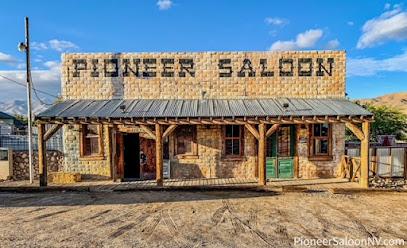
Pioneer Saloon
73.3 km
Discover the Pioneer Saloon: A historic bar and restaurant in Goodsprings, NV offering hearty American fare and a glimpse into Old West history.
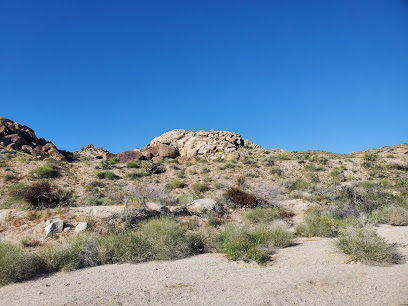
Grapevine Canyon
75.7 km
Explore the breathtaking beauty and ancient history of Grapevine Canyon, a stunning ravine in Nevada filled with petroglyphs and natural wonders.
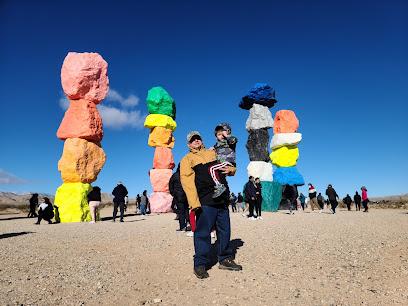
Seven Magic Mountains
76.8 km
Explore the stunning Seven Magic Mountains, a vibrant art installation in the Mojave Desert near Las Vegas, perfect for photography and art lovers.
Big Bend of the Colorado State Recreation Area
79.0 km
Experience the stunning Big Bend of the Colorado State Recreation Area, a perfect blend of outdoor adventure and natural beauty along the Colorado River.
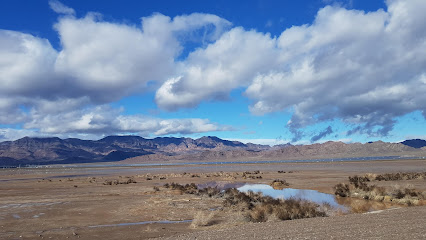
River beach area
79.5 km
Discover the enchanting River Beach Area in Laughlin, NV, where relaxation meets adventure along the Colorado River's scenic shores.
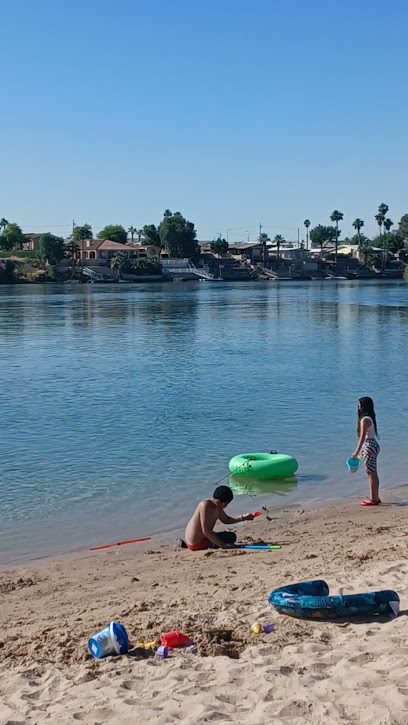
Colorado Riverfront Dr Bullhead City Arizona
80.5 km
Discover the beauty and adventure awaiting you at the Colorado Riverfront in Bullhead City, Arizona, where nature and culture come alive.
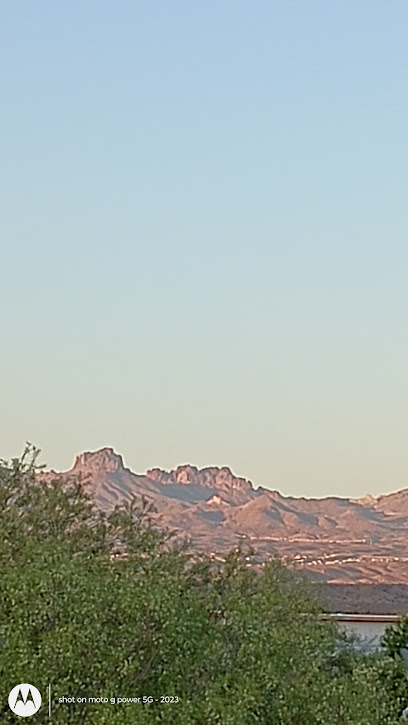
Mountain View Park
80.6 km
Discover the beauty of nature at Mountain View Park, a serene escape in Laughlin, Nevada, perfect for families and outdoor enthusiasts.
Essential places to dine

Piccadilly Circus Pizza
80.4 km
Experience delicious pizza at Piccadilly Circus Pizza in Laughlin - where every slice tells a story of flavor and tradition.
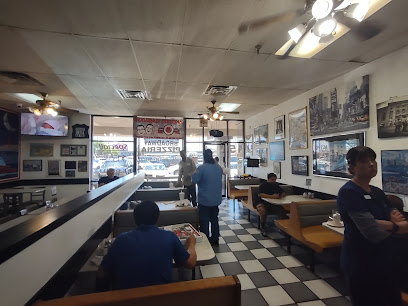
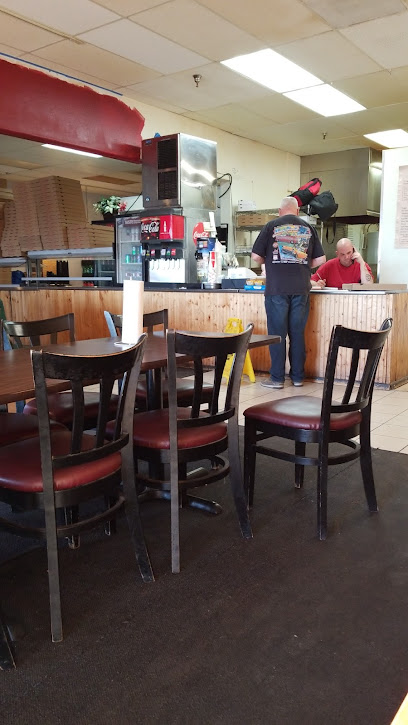
Hot Mama's Pizzeria
80.7 km
Discover the delicious flavors of Italy at Hot Mama's Pizzeria in Laughlin – where every bite feels like home!
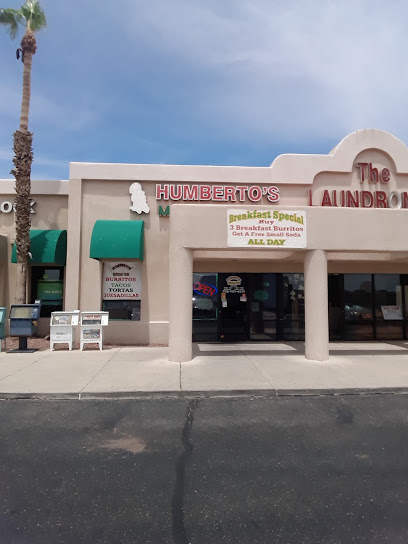
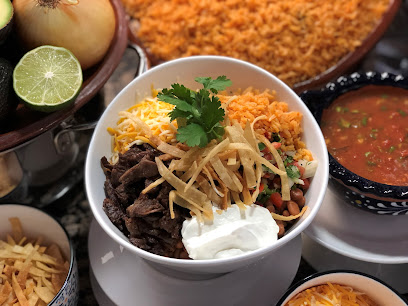
Humberto's Mexican Food
80.7 km
Experience authentic Mexican cuisine at Humberto's in Laughlin - where vibrant flavors meet welcoming hospitality.
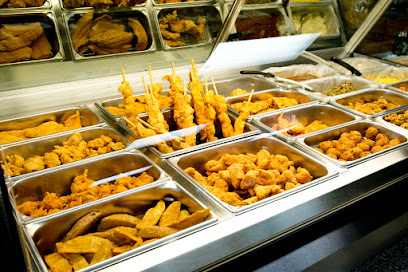
Champs Chicken
80.8 km
Savor the flavors of Southern cuisine at Champs Chicken in Laughlin - home of crispy fried chicken and tasty wings!
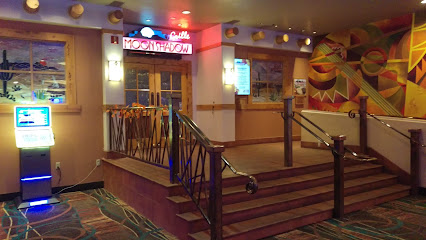
Moon Shadow Grille
81.0 km
Experience delightful flavors and stunning views at Moon Shadow Grille in Fort Mojave - where culinary excellence meets natural beauty.
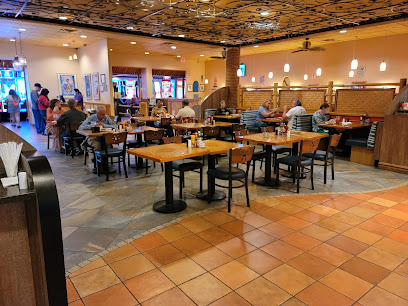
Beach Café
84.8 km
Discover the flavors of America at Beach Café in Laughlin—a delightful spot for casual dining with stunning river views.
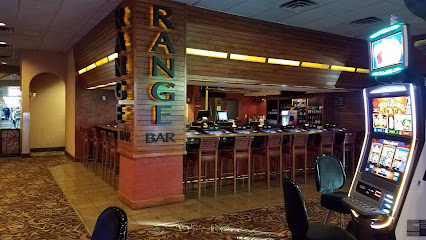
The Range Steakhouse
84.8 km
Experience exceptional steaks and warm hospitality at The Range Steakhouse in Laughlin - where every meal is a celebration.
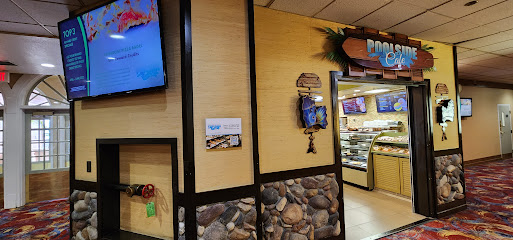
Poolside Café
84.9 km
Discover the charm of Poolside Café in Laughlin – where delicious food meets relaxation under the sun.
Harrah’s Laughlin Beach Resort & Casino
84.9 km
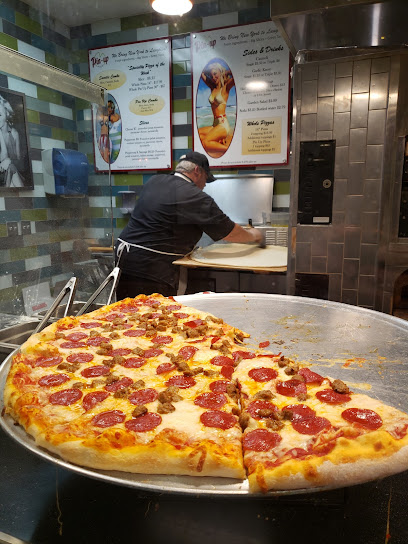
Experience delicious pizza amidst the vibrant atmosphere at Harrah’s Laughlin Beach Resort & Casino while enjoying scenic views of the Colorado River.
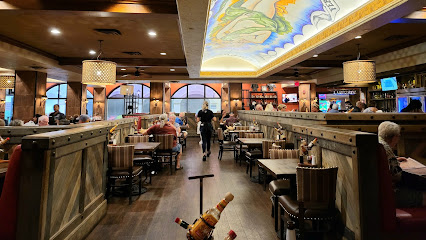
Guy Fieri's El Burro Borracho
84.9 km
Experience the vibrant tastes of Mexico at Guy Fieri's El Burro Borracho in Harrah's Laughlin – where every meal is a celebration!
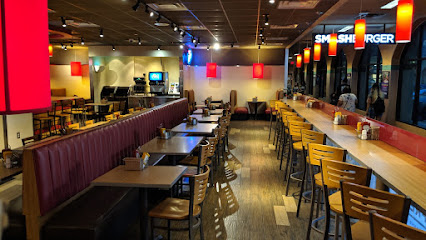
Smashburger
84.9 km
Discover mouthwatering burgers and delightful shakes at Smashburger in Laughlin - your go-to spot for American fast food.
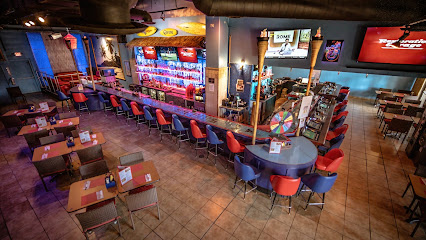
Bikini Bay Sports Bar & Grill
84.9 km
Experience the ultimate blend of food, drinks, and nightlife at Bikini Bay Sports Bar & Grill in Laughlin - where every night is a celebration.
Daniel's Restaurant
84.9 km
Experience delicious American and Mexican cuisine at Daniel's Restaurant in Laughlin's lively outlet center.
Passaggio
84.9 km
Experience authentic Italian cuisine at Passaggio in Laughlin - where every meal is a celebration of flavor and tradition.
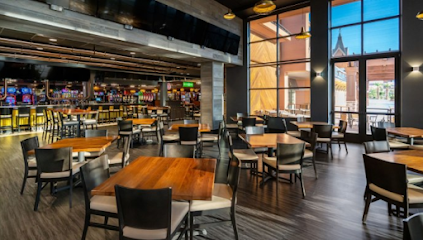
The Brew Brothers
84.9 km
Discover delicious American cuisine at The Brew Brothers in Laughlin – where every bite is crafted to perfection.
Markets, malls and hidden boutiques

Your Inspired Creations
74.9 km
Explore a vibrant gift shop filled with unique handcrafted treasures and local artistry at Your Inspired Creations.
Family Dollar
80.4 km
Discover unbeatable savings at Family Dollar in Laughlin, NV, where budget-friendly shopping meets a diverse selection of products.
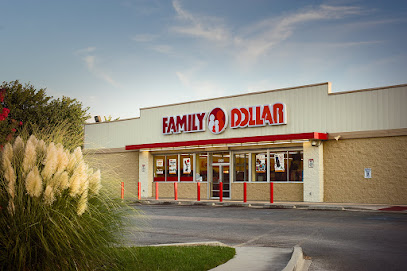
South Pointe Market
80.4 km
Discover all your essentials at South Pointe Market, the go-to stop for liquor, snacks, and convenience in Laughlin, NV.
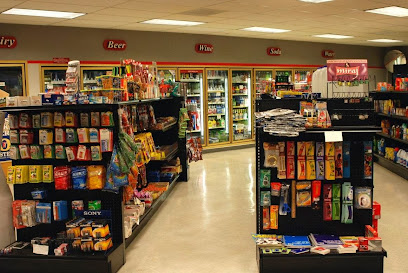
The Market at Laughlin
80.7 km
Explore a unique shopping experience at The Market at Laughlin, where local flavors meet quality products in a vibrant atmosphere.
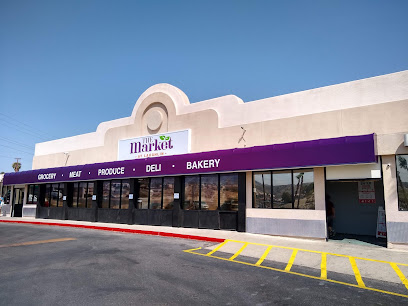
City Square Shopping Center
83.4 km
Explore the vibrant City Square Shopping Center in Bullhead City, Arizona, where shopping, dining, and entertainment come together for an unforgettable experience.
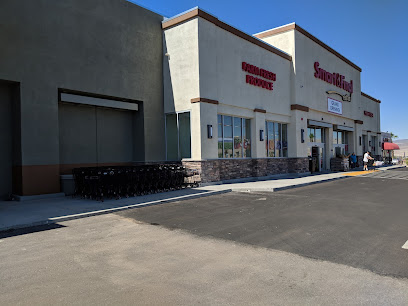
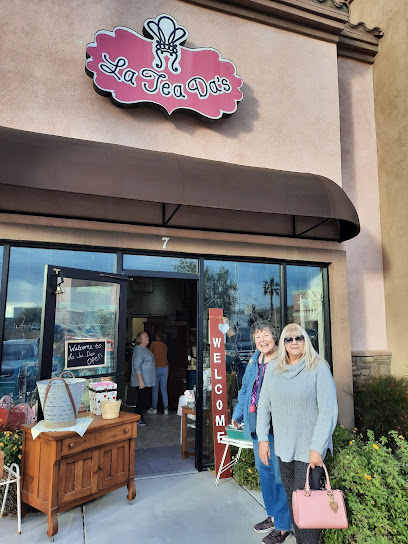
La Tea Da’s Vintage Market & Paint Boutique
83.8 km
Discover unique antiques and unleash your creativity at La Tea Da’s Vintage Market & Paint Boutique in Bullhead City, AZ.
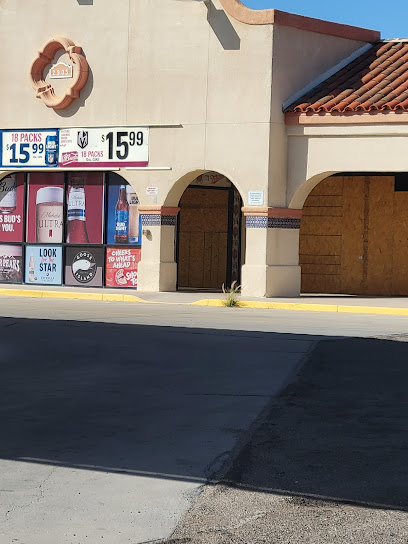
Shell
84.5 km
Discover the convenience of Shell Gas Station in Laughlin, NV – fuel and snacks for your journey along the Colorado River!
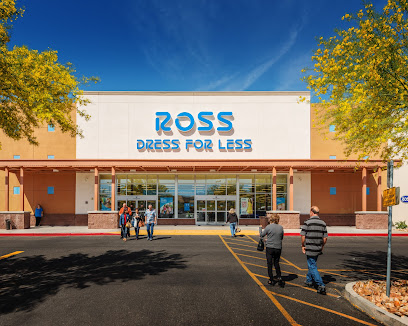
Mohave Crossroads Shopping Center
84.6 km
Explore the vibrant Mohave Crossroads Shopping Center in Bullhead City for shopping, dining, and family fun amidst a lively atmosphere.
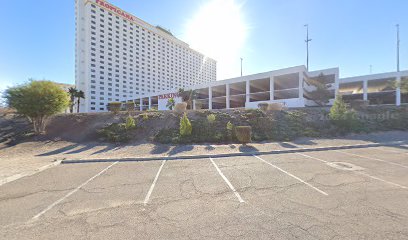
Essentials
84.7 km
Explore Essentials, Laughlin's charming gift shop, offering unique souvenirs and local crafts to cherish your visit.
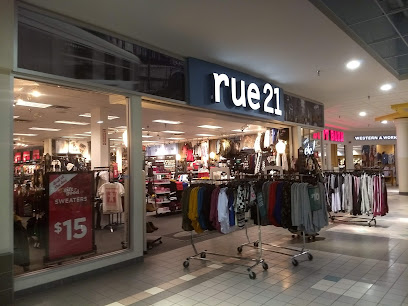
rue21
84.8 km
Explore the latest fashion trends at rue21 in Laughlin, where style meets affordability for both men and women.
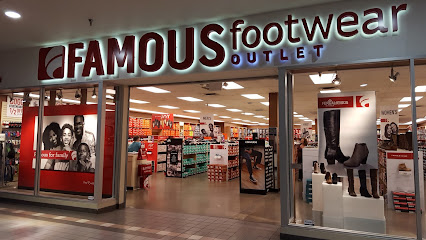
Famous Footwear Outlet
84.8 km
Discover unbeatable shoe deals at Famous Footwear Outlet in Laughlin, NV - your go-to destination for stylish and affordable footwear.
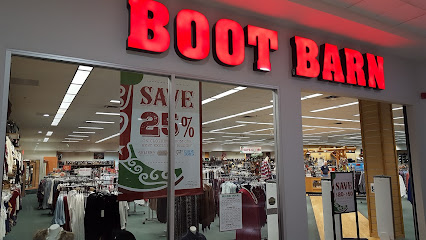
Boot Barn
84.8 km
Explore authentic Western fashion at Boot Barn in Laughlin, NV, featuring a wide selection of boots and apparel for every taste.
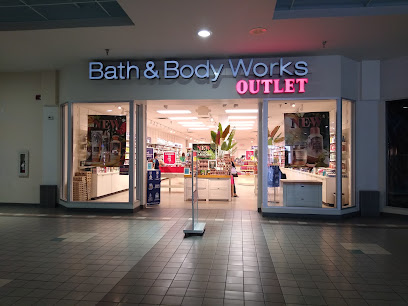
Bath & Body Works
84.8 km
Explore Bath & Body Works in Laughlin, NV for a delightful array of beauty products, candles, and fragrances that encapsulate luxury and self-care.
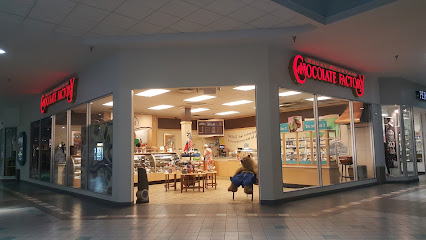
Rocky Mountain Chocolate Factory
84.8 km
Experience gourmet chocolate and confections at Rocky Mountain Chocolate Factory in Laughlin, NV, perfect for gifts or a sweet treat!
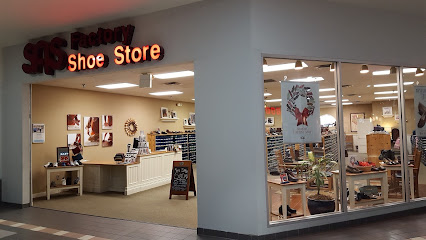
SAS Shoes
84.8 km
Discover comfort and style at SAS Shoes, Laughlin's go-to destination for quality footwear blending fashion and function.
Essential bars & hidden hideouts

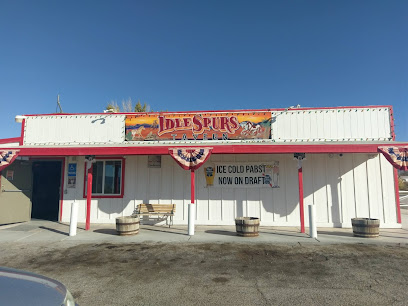
Idle Spurs Tavern
71.0 km
Experience the warmth and charm of Idle Spurs Tavern in Sandy Valley, Nevada, where great drinks and friendly vibes await every traveler.
Gilligan's
79.9 km
Discover Gilligan's, Laughlin's lively bar and cocktail hotspot, perfect for drinks and gaming, offering a vibrant nightlife experience.
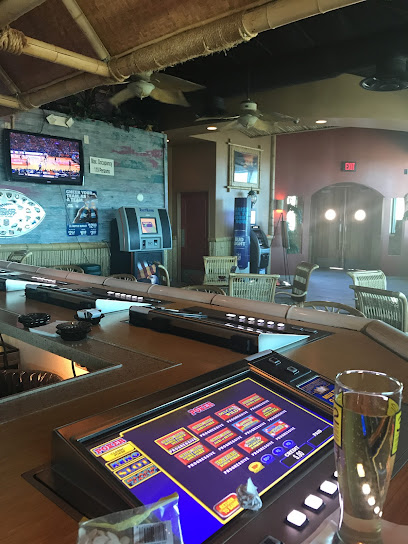
Beside the Pointe
80.4 km
Discover Beside the Pointe in Laughlin, a cocktail bar offering exquisite drinks and breathtaking views of the Colorado River in a vibrant setting.
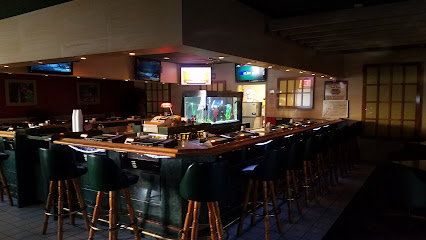
Jackpot Joanies
80.8 km
Experience the vibrant nightlife at Jackpot Joanies, Laughlin's premier bar known for great drinks, live entertainment, and a welcoming atmosphere.
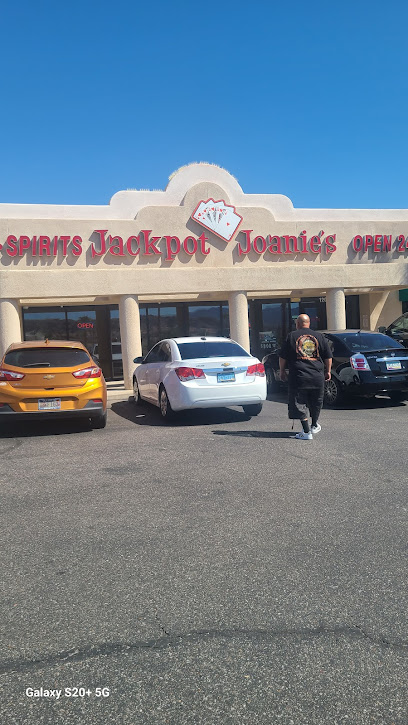
Gnats Landing
81.2 km
Discover Gnats Landing, the ultimate sports bar in Laughlin, NV, offering great drinks, delicious food, and an electrifying atmosphere for sports lovers.
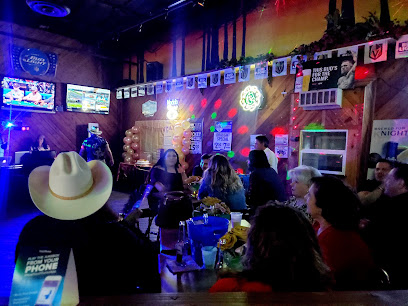
Tango's Lounge
84.9 km
Experience the vibrant nightlife at Tango's Lounge in Laughlin, where delicious drinks and a lively atmosphere await.
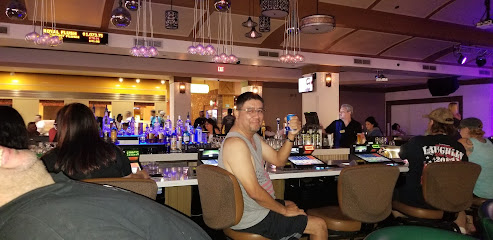
Trellis Bar
84.9 km
Experience the vibrant nightlife at Trellis Bar in Laughlin, NV, where refreshing drinks and a lively atmosphere await every visitor.
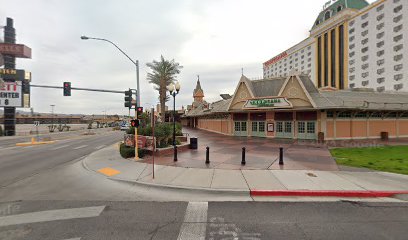
Hideout
84.9 km
Discover The Hideout in Laughlin, a lively bar offering excellent drinks, friendly service, and an unforgettable atmosphere for all visitors.
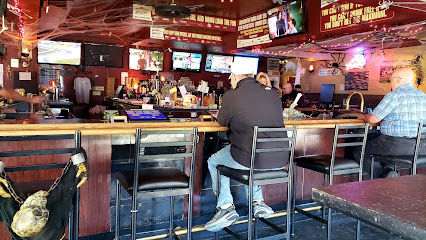
Sassy Sue's Saloon
85.1 km
Discover the lively spirit of Sassy Sue's Saloon in Laughlin, NV, where fantastic drinks and vibrant entertainment create unforgettable memories.
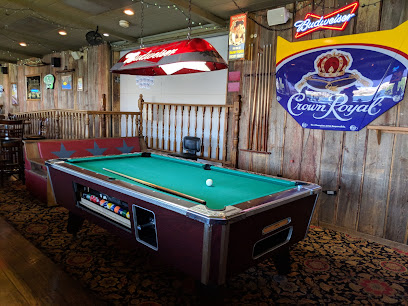
Rush Lounge
85.1 km
Discover the lively Rush Lounge in Laughlin, NV - your go-to destination for cocktails, entertainment, and a vibrant nightlife experience.
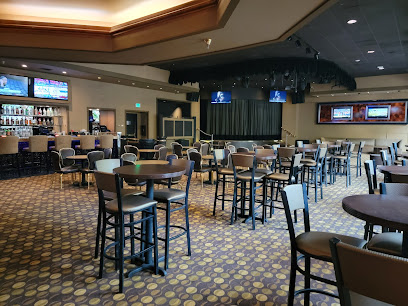
Zodiac Bar
85.2 km
Experience vibrant nightlife at Zodiac Bar in Laughlin, where refreshing drinks and live entertainment create unforgettable moments.
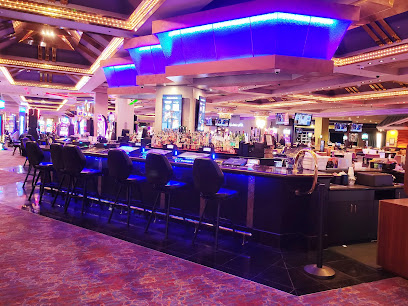
Splash Bar
85.2 km
Discover the vibrant atmosphere and refreshing drinks at Splash Bar in Laughlin, the perfect spot for relaxation and entertainment.
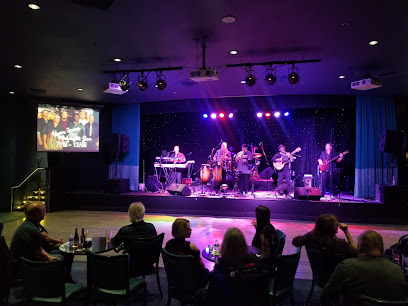
River Bar
85.3 km
Experience the vibrant atmosphere at the River Bar, Laughlin's ultimate waterfront destination for relaxation and nightlife.
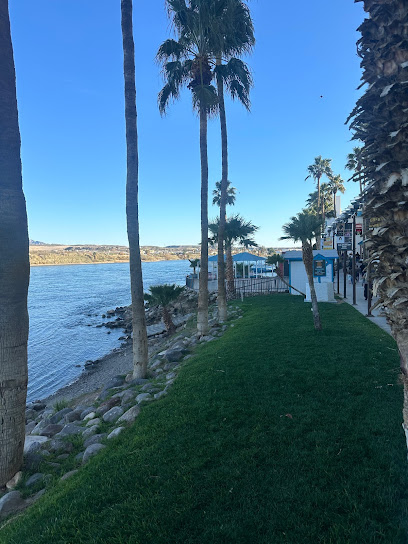
O'Aces Bar
85.3 km
Experience the vibrant nightlife at O'Aces Bar in Laughlin, where great drinks and lively atmosphere await for a perfect evening out.
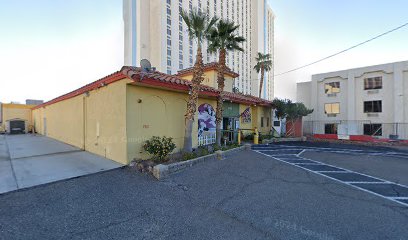
Fat Tuesday at The South Tower Bar
85.3 km
Discover the festive spirit of New Orleans at Fat Tuesday, a lively bar in Laughlin, NV, offering delicious frozen cocktails and a vibrant atmosphere.