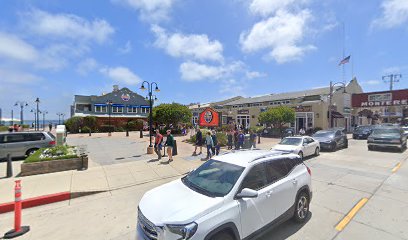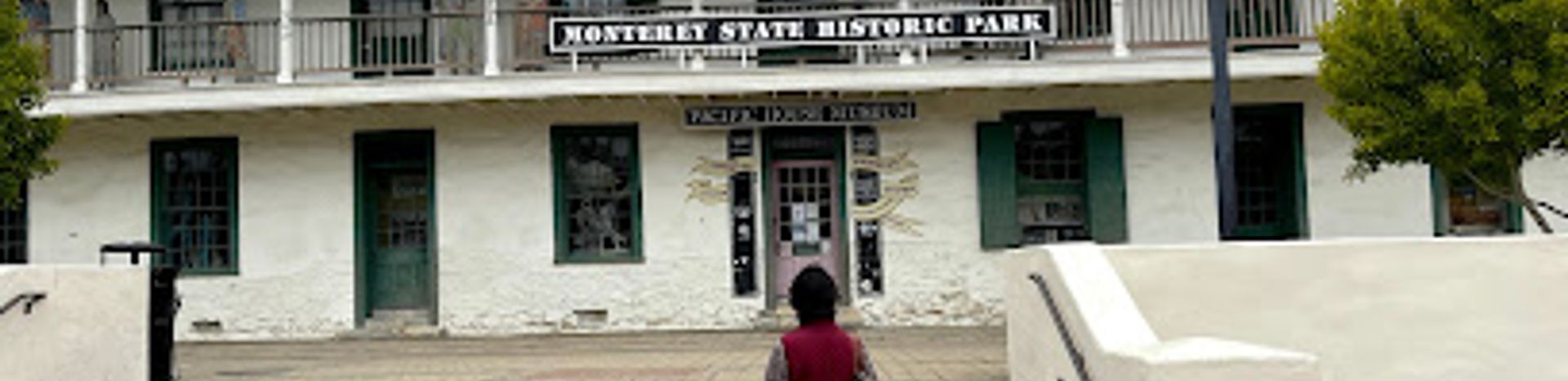
Monterey State Historic Park: A Journey Through California's Past
Discover California's captivating history at Monterey State Historic Park, where preserved adobes and iconic landmarks tell tales of Spanish, Mexican, and American eras in a scenic downtown setting.
Step back in time at Monterey State Historic Park, a collection of historic buildings in the heart of Old Monterey. This park offers a captivating glimpse into California's past, showcasing its transition from a Spanish outpost to a Mexican territory and finally, to a U.S. state. Explore the Custom House, California's oldest government building, where the American flag was first raised in 1846. Wander through preserved adobes, each with its own unique story, and discover the cultural influences that shaped this pivotal region. With its blend of history, architecture, and scenic beauty, Monterey State Historic Park provides an enriching experience for visitors of all ages, offering a tangible connection to California's vibrant heritage. Don't miss the chance to walk the 'Path of History' and immerse yourself in the stories of early California.
A brief summary to Monterey State Historic Park
- 20 Custom House Plaza, Monterey, California, 93940, US
- +1831-649-2907
- Visit website
Local tips
- Start your visit at the Pacific House Museum to get an overview of the park's history and obtain a map for the self-guided walking tour.
- Check the opening hours of specific buildings in advance, as they can vary and some are only accessible via guided tours.
- Wear comfortable shoes for walking the 'Path of History,' which covers a significant portion of downtown Monterey.
- Consider taking a guided tour to gain deeper insights into the history and significance of the park's key landmarks.
- Monterey can be cool and foggy, especially in the mornings, so dress in layers to stay comfortable throughout your visit.

Getting There
-
Walking
Monterey State Historic Park is centrally located in downtown Monterey, near Fisherman's Wharf. If you are already in the downtown area, walking is the easiest way to reach the park. From Fisherman's Wharf, head south along the waterfront towards Custom House Plaza. The Custom House, a key landmark within the park, is easily visible from the wharf and serves as a central point for accessing the other historic buildings. The Pacific House Museum, another good starting point, is adjacent to Custom House Plaza.
-
Public Transport
Monterey-Salinas Transit (MST) provides bus service to downtown Monterey. Several routes stop near the park. Check the MST website or use the 'Transit' app for real-time information and schedules. From the Monterey Transit Plaza, walk towards Fisherman's Wharf and then south to Custom House Plaza to enter the park. A single ride on MST costs approximately $2.50.
-
Driving
If driving, navigate to the Fisherman's Wharf area. Paid parking is available in the Monterey Waterfront Parking Lot at Fisherman's Wharf, with the entrance at Washington Street and Del Monte Avenue. The current rate is $1 per ½ hour, with a $15 maximum per day. From the parking lot, walk towards the Custom House Plaza to access the park. Street parking may also be available, but it can be limited, especially during peak tourist season.
-
Taxi/Ride-Share
Taxis and ride-sharing services like Uber and Lyft are readily available in Monterey. Request a ride to Fisherman's Wharf or Custom House Plaza. Expect to pay around $8-$15 for a short ride within Monterey, depending on the distance and demand.
Discover more about Monterey State Historic Park
Iconic landmarks you can’t miss

Monterey State Historic Park Office
0.0 km
Explore Monterey State Historic Park Office, a historical gem offering insights into California's rich heritage amidst stunning coastal views.
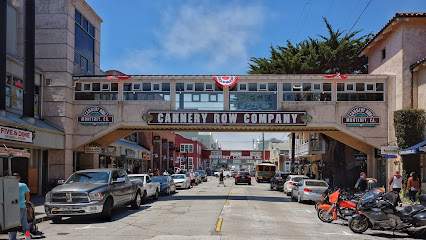
Monterey Custom House
0.1 km
Explore Monterey Custom House, a key historical landmark reflecting California's maritime heritage and architectural beauty in the heart of Monterey.
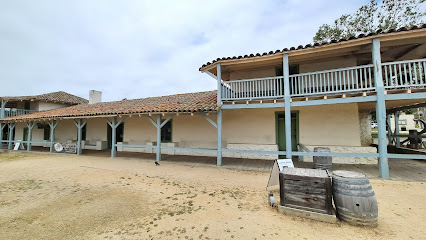
California State Historical Landmark No. 1
0.1 km
Explore California State Historical Landmark No. 1 in Monterey, a vital piece of California's heritage showcasing the area's rich maritime history.
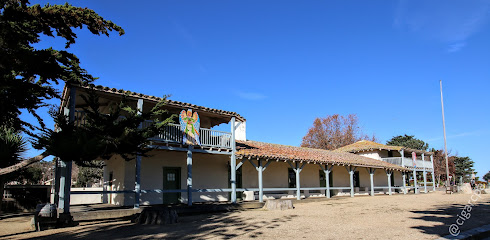
Monterey Harbor Monument
0.1 km
Explore the rich maritime heritage at Monterey Harbor Monument, a captivating historical landmark offering stunning coastal views and a glimpse into Monterey's past.
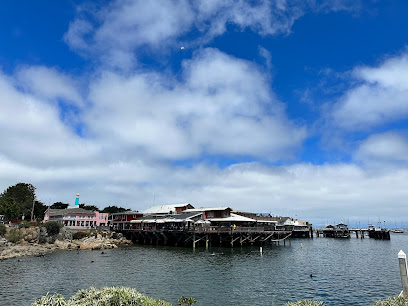
The Original Monterey Walking Tours - guided tours of historic Monterey and Cannery Row
0.1 km
Uncover the rich history and coastal beauty of Monterey with guided walking tours that bring the area's stories to life.
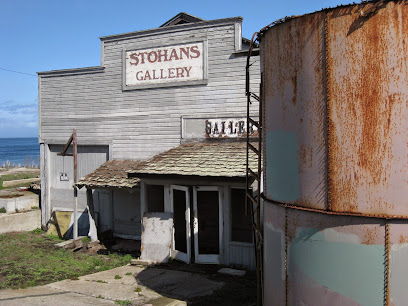
Old Monterey Foundation
0.2 km
Explore Monterey's rich history and cultural heritage at the Old Monterey Foundation, where stories of the past come to life in engaging exhibits and community events.
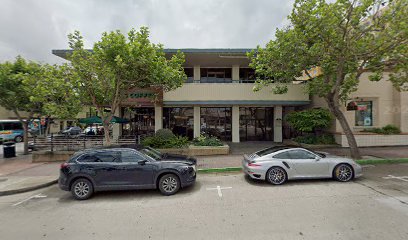
Doud House
0.2 km
Discover the Doud House, a historical landmark in Monterey, California, where history and beauty intertwine in a captivating journey through time.
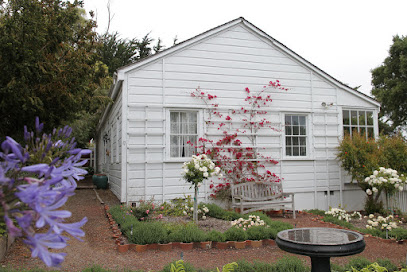
Old Fishermen's Grotto
0.2 km
Experience the best of Monterey's culinary scene at Old Fishermen's Grotto, where fresh seafood and steaks meet stunning waterfront views.
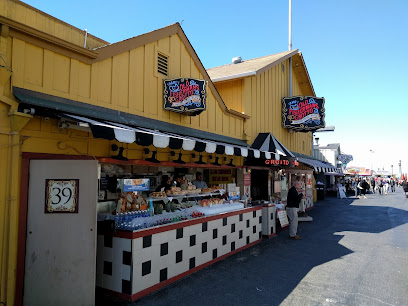
The Famous Old Fisherman's Wharf Sign
0.3 km
Explore the iconic Old Fisherman's Wharf Sign in Monterey, a vibrant symbol of the city's rich maritime heritage and coastal charm.
Monterey City Historic Preservation
0.3 km
Uncover Monterey's historical gems at the Monterey City Historic Preservation, where the stories of the past come alive amidst stunning coastal beauty.
Carmel Valley Wine Tours / Tours Monterey
0.3 km
Explore the exquisite wines and breathtaking landscapes of Carmel Valley Wine Tours, a must-visit for wine enthusiasts in Monterey, California.
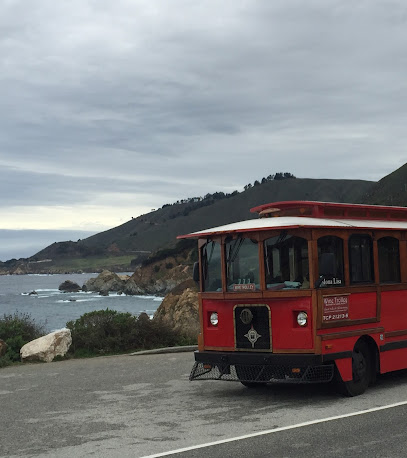
Monterey Bay Whale Watch
0.3 km
Discover the wonders of Monterey Bay with unforgettable whale watching tours, where marine life meets breathtaking coastal scenery.
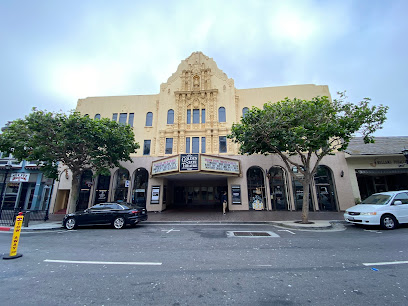
Golden State Theatre
0.3 km
Discover the Golden State Theatre, a historic venue in Monterey showcasing live music and performing arts amidst stunning Art Deco architecture.
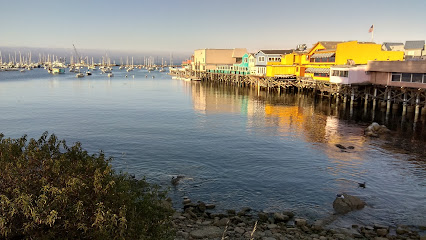
Fisherman’s Wharf
0.4 km
Discover the charm of Fisherman’s Wharf in Monterey, a historic waterfront destination with fresh seafood, shopping, and stunning ocean views.
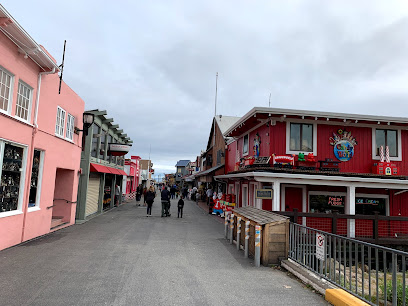
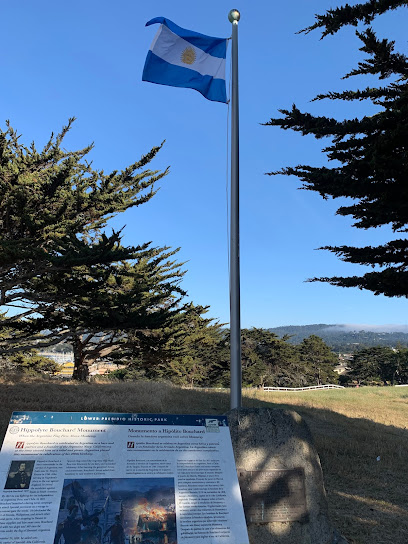
Hippolyte Bouchard Plaque
0.4 km
Explore the Hippolyte Bouchard Plaque in Monterey, a historical landmark that captures the essence of California's maritime heritage.
Unmissable attractions to see

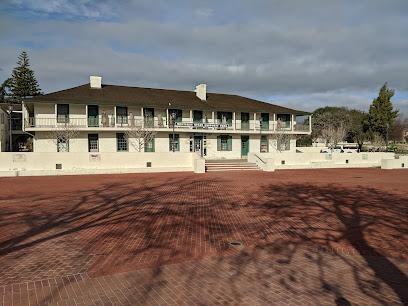
Pacific House Museum
0.0 km
Explore Monterey's past at the Pacific House Museum, a captivating local history museum along the beautiful Recreational Trail.
Casa del Oro
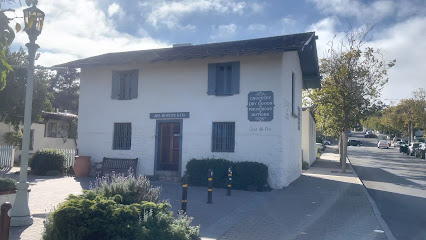
0.1 km
Step back in time at Casa del Oro in Monterey, a historic general store from the Gold Rush era offering a glimpse into California's past with unique 1850s-themed merchandise and a charming herb garden.
Monterey History and Art Museum
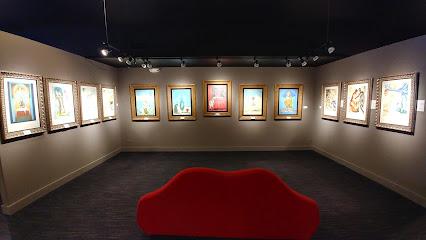
0.1 km
Explore the captivating blend of history and art at Monterey History and Art Museum, where every exhibit tells a story of the region's rich cultural heritage.
Custom House Museum
0.1 km
Explore California's oldest government building, the Custom House Museum in Monterey, and step back in time to witness the state's rich maritime history and cultural heritage.
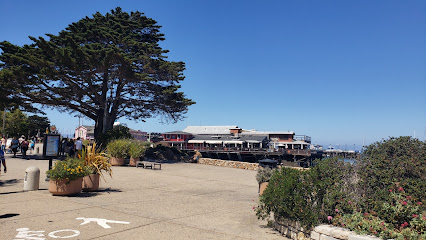
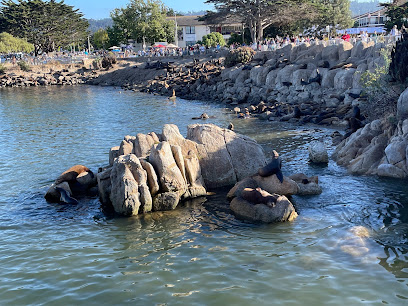
Monterey Sea Lions
0.1 km
Experience the lively spectacle of Monterey's playful sea lions at Fisherman's Wharf, where nature's charisma meets historic charm, creating unforgettable coastal memories.
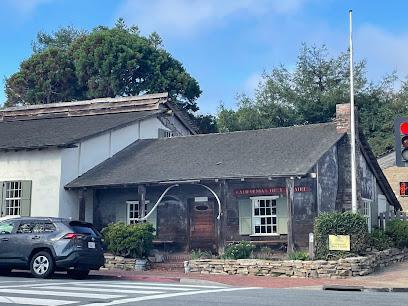
California's First Theatre
0.1 km
Discover the rich cultural heritage of California at California's First Theatre, a historical landmark in scenic Monterey, offering a glimpse into the performing arts.
0 Old Fisherman’s Wharf
0.1 km
Discover the charm of Old Fisherman’s Wharf in Monterey, where fresh seafood meets stunning coastal views and vibrant local culture.
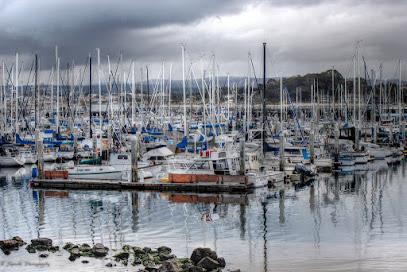
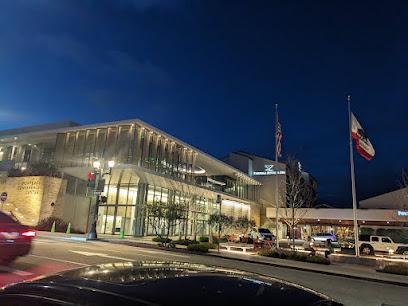
Monterey Conference Center
0.1 km
Immerse yourself in the vibrant atmosphere of the Monterey Conference Center, where business meets the beauty of California's stunning coastline.
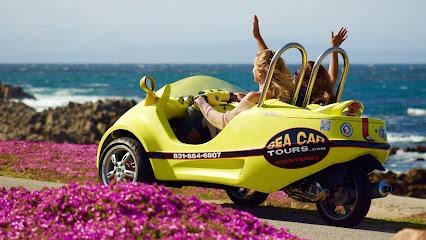
GoCar Tours | Monterey Sea Car Tours
0.1 km
Experience the scenic beauty and rich history of Monterey, California, with GoCar Tours' unique GPS-guided adventures.
1 Old Fisherman’s Wharf
0.2 km
Discover the timeless beauty and culinary delights of Old Fisherman’s Wharf, a must-visit coastal retreat in Monterey, California.
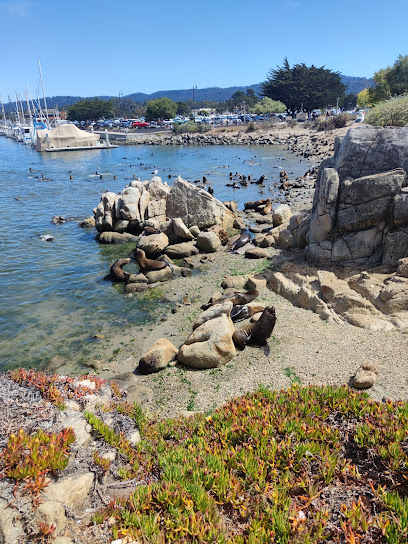
Old Fisherman's Wharf
0.2 km
Discover Old Fisherman's Wharf in Monterey, a vibrant blend of seafood dining, shopping, and breathtaking ocean views, perfect for all travelers.
The Monterey Mural by Granizo
0.2 km
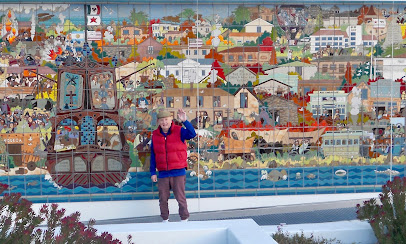
Discover Monterey's captivating history through the vibrant artistry of the Monterey Mural, a stunning ceramic tile masterpiece by Guillermo Wagner Granizo, chronicling the city's evolution.
Casa Soberanes
0.2 km
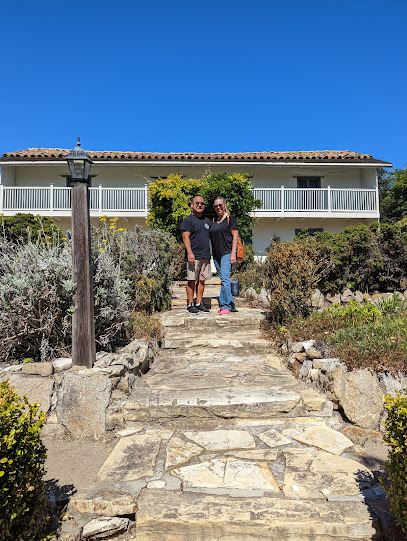
Step back in time at Casa Soberanes, a beautifully preserved 1840s adobe in Monterey, offering a glimpse into California's rich history and cultural heritage with its charming architecture and tranquil gardens.
Monterey Acquarium
0.3 km
Discover the wonders of the ocean at the Monterey Bay Aquarium, home to diverse marine life and a global leader in ocean conservation, research, and education.
Sail Monterey
0.3 km
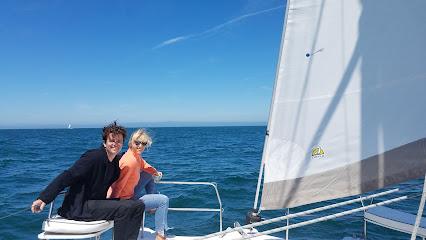
Discover the beauty of Monterey Bay with Sail Monterey, offering unforgettable sailing experiences, boat rentals, and sailing classes for all skill levels.
Essential places to dine

Jacks Monterey
0.1 km
Discover culinary delights at Jacks Monterey, where local flavors meet breathtaking coastal views in an unforgettable dining experience.
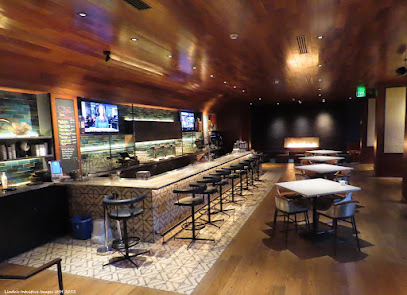
Benihana Monterey
0.1 km
Experience the thrill of teppanyaki at Benihana Monterey – where culinary artistry meets entertainment in every meal.
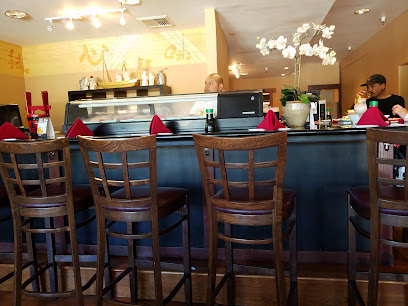
Paluca Trattoria
0.2 km
Discover Paluca Trattoria: where Italian culinary traditions meet fresh local seafood in an enchanting waterfront setting.
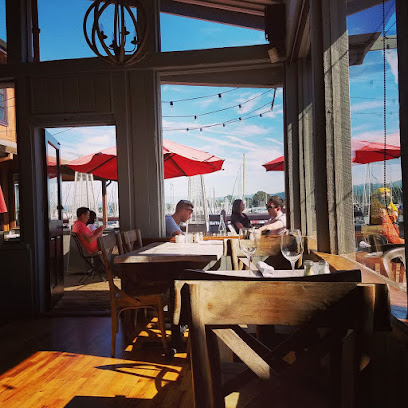
Crabby Jim's seafood
0.2 km
Experience Monterey's best seafood at Crabby Jim's Seafood – where fresh flavors meet stunning waterfront views.
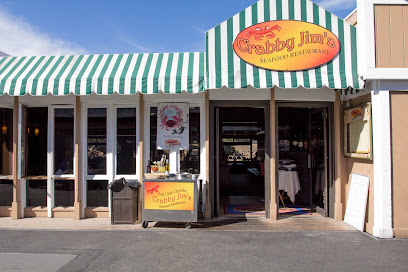
Cibo
0.2 km
Experience authentic Italian cuisine combined with live jazz in the heart of Monterey at Cibo—a culinary gem offering delightful flavors and vibrant entertainment.
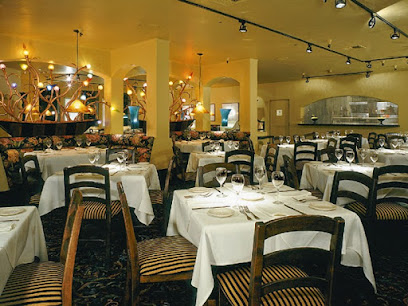
Crab Louie's Bistro
0.2 km
Experience fresh seafood delights at Crab Louie's Bistro on Monterey's historic Fisherman's Wharf - where ocean views meet culinary excellence.
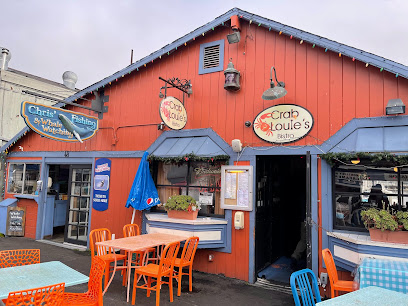
Domenico's on the Wharf
0.3 km
Experience exquisite seafood and Italian cuisine at Domenico's on Fisherman's Wharf - where every meal is a celebration of flavor.
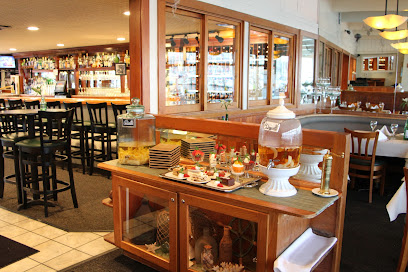
Café Fina
0.3 km
Experience exquisite seafood and authentic Italian cuisine at Café Fina in Monterey's scenic Fisherman's Wharf.
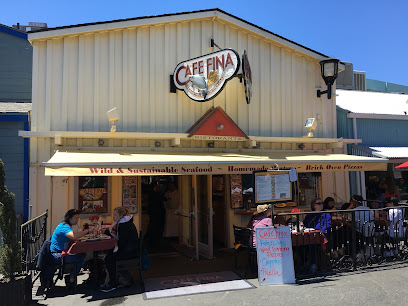
Fish & Chips Cafe
0.3 km
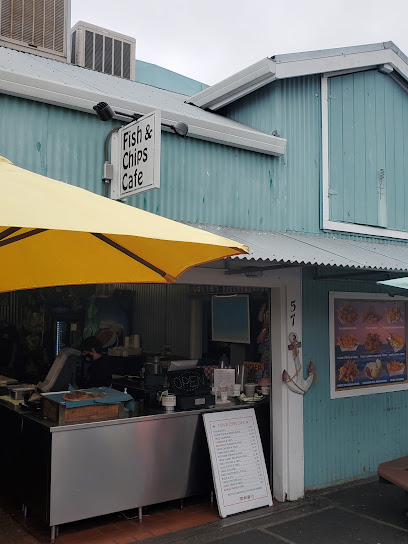
Experience authentic fish and chips at Monterey's picturesque Fisherman's Wharf with stunning ocean views.
Abalonetti Bar and Grill
0.3 km
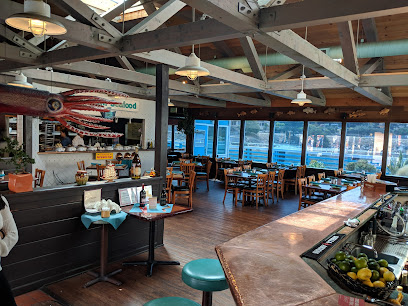
Experience fresh seafood delights at Abalonetti Bar and Grill, where coastal charm meets Italian flavors on Monterey's picturesque Fisherman's Wharf.
The Crown & Anchor
0.3 km
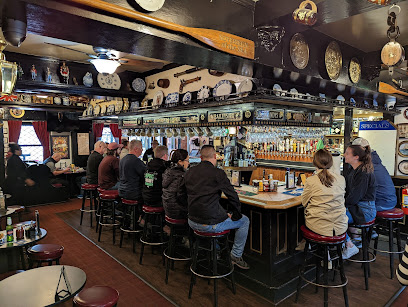
Experience culinary delights at The Crown & Anchor in Monterey - where exquisite flavors meet vibrant social vibes.
Crab House
0.3 km
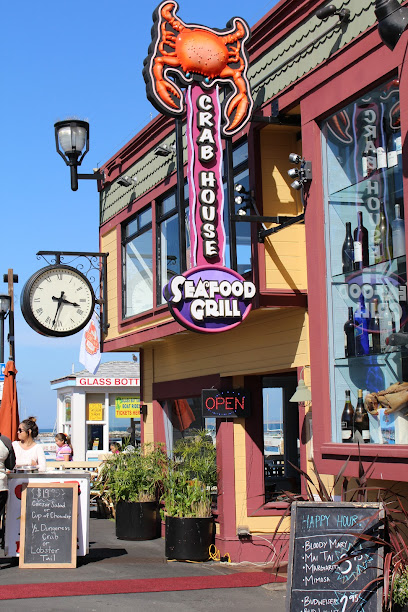
Discover Crab House in Monterey – where fresh seafood meets vibrant international flavors along Fisherman's Wharf.
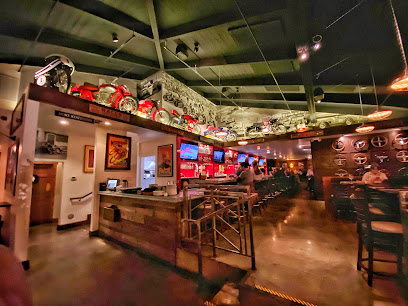
Turn 12 Bar & Grill
0.3 km
Discover Turn 12 Bar & Grill in Monterey: where delicious Californian cuisine meets an exciting sports bar atmosphere.
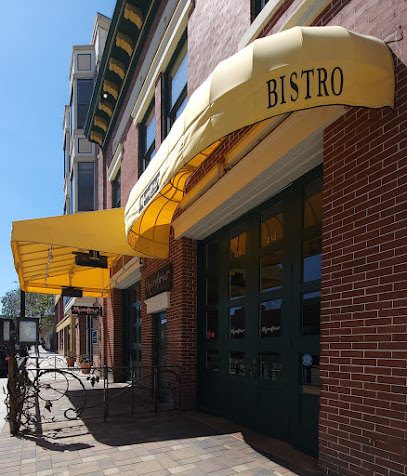
Montrio
0.3 km
Discover Montrio in Monterey: A sophisticated dining experience offering exceptional American cuisine with local flavors.
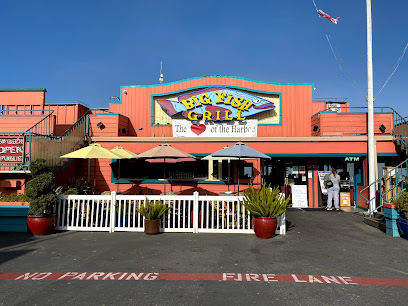
Rockfish Harbor Grill
0.4 km
Experience fresh seafood with breathtaking views at Rockfish Harbor Grill on Monterey's historic Fisherman’s Wharf.
Markets, malls and hidden boutiques

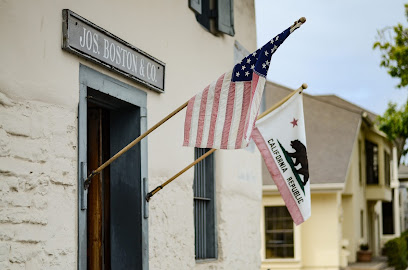
Joseph Boston Store
0.1 km
Explore the Joseph Boston Store in Monterey, CA - a unique blend of gift shop, antique store, and historical landmark filled with treasures.
The Feral Market
0.1 km
Explore The Feral Market in Monterey for unique gifts, local artisan crafts, and stylish clothing that embody the spirit of California's coastal charm.
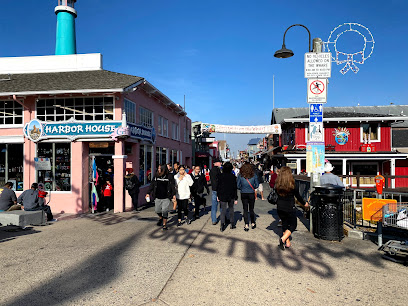
Harbor House
0.2 km
Discover unique souvenirs and local crafts at Harbor House, the perfect spot for memorable keepsakes in Monterey's charming Old Fisherman’s Wharf.
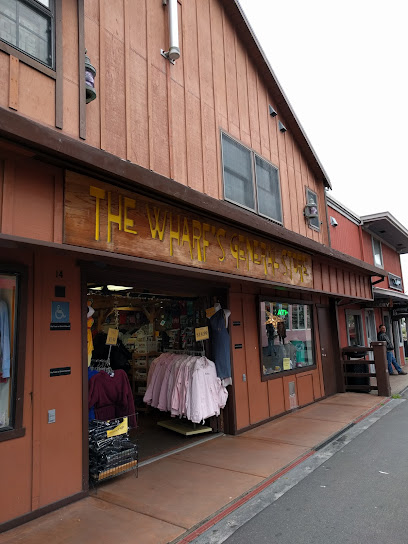
Wharf's General Store
0.2 km
Discover unique souvenirs and gifts at Wharf's General Store, a charming destination on Monterey's vibrant Fisherman's Wharf.
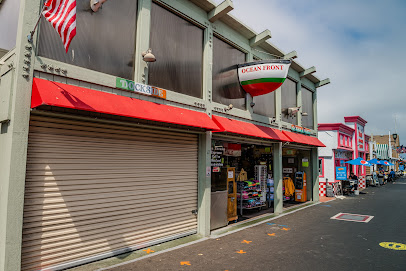
Ocean Front
0.2 km
Discover unique gifts and local treasures at Ocean Front, a charming gift shop on Monterey's scenic Fisherman's Wharf, perfect for tourists and locals alike.
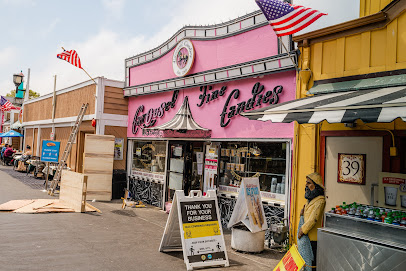
Carousel Candies
0.2 km
Discover a world of sweet treats at Carousel Candies in Monterey, where nostalgia meets gourmet delights amidst stunning coastal views.
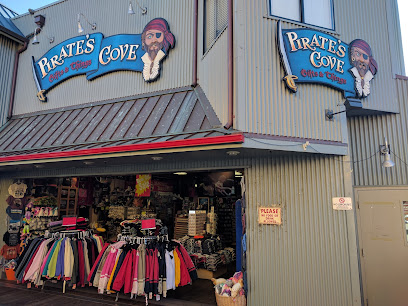
Pirate's Cove
0.2 km
Explore unique souvenirs and local crafts at Pirate's Cove Gift Shop in Monterey's Fisherman's Wharf.
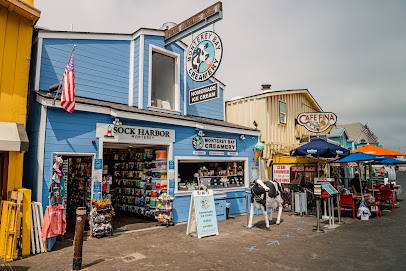
Sock Harbor
0.2 km
Explore Sock Harbor, a charming gift shop in Monterey offering unique souvenirs and local crafts that embody the spirit of California's coast.
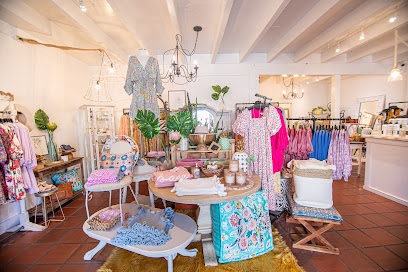
Bliss Boutique
0.3 km
Shop in style at Bliss Boutique, Monterey's premier women's clothing store, offering unique fashion and accessories for every occasion.
Morning Star Pearls
0.3 km
Experience the elegance of handcrafted pearl jewelry at Morning Star Pearls in Monterey's Fisherman’s Wharf, where beauty meets artistry.
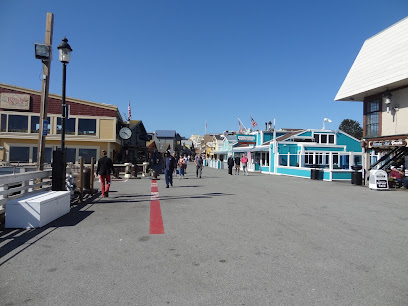
Monterey Bay Silver Company
0.3 km
Explore the exquisite collection of handcrafted silver jewelry at Monterey Bay Silver Company, where each piece reflects the beauty of the California coast.
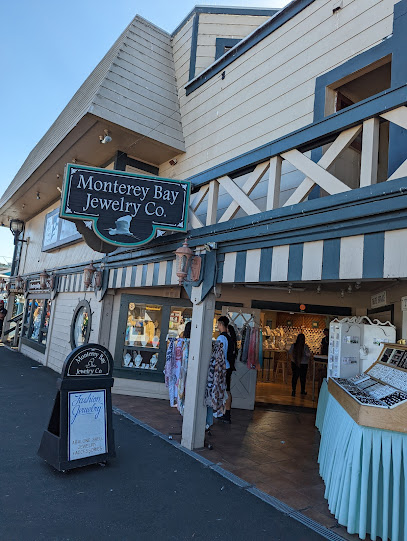
Franklin Street Collaborative
0.3 km
Discover unique local art and handcrafted treasures at Franklin Street Collaborative, Monterey's charming boutique that celebrates local makers and creativity.
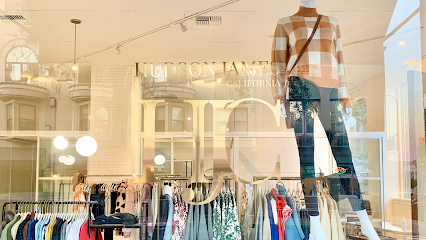
LunaBlu
0.4 km
Discover unique high-end designer and boutique clothing at LunaBlu, Monterey's premier shopping destination for fashion enthusiasts.
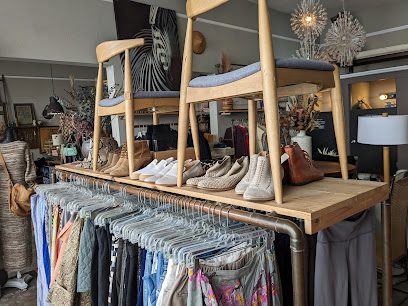
Monterey Imports
0.5 km
Explore Monterey Imports, your gateway to unique fashion in the heart of Monterey, California, filled with stylish apparel and accessories.
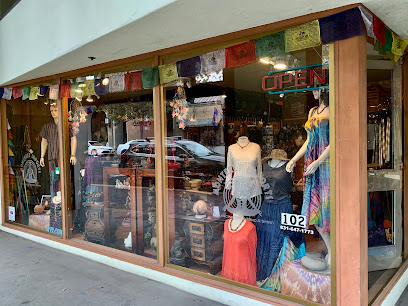
Maybe On Monday
0.5 km
Explore Maybe On Monday in Monterey for unique gifts, handcrafted jewelry, and local artwork that capture the essence of California's coastal charm.
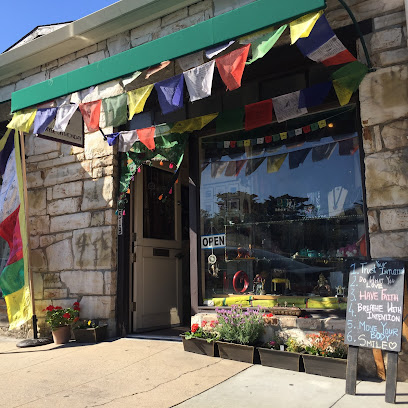
Essential bars & hidden hideouts

Sovino Wine Bar & Merchant
0.1 km
Discover the Best of California Wines at Sovino Wine Bar & Merchant in Monterey – A Cozy Spot for Enthusiasts and Casual Drinkers Alike.
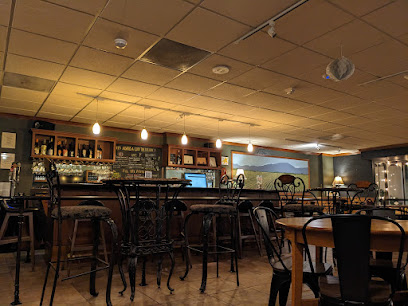
Dust Bowl Brewing Co. Tap Depot
0.3 km
Discover craft beer in a historic train station at Dust Bowl Brewing Co. Tap Depot, a lively brewpub in beautiful Monterey, California.
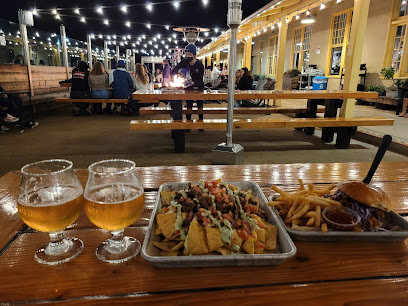
Compact Disco
0.4 km
Experience Monterey's nightlife at Compact Disco, where classic cocktails and a vibrant atmosphere create unforgettable evenings.
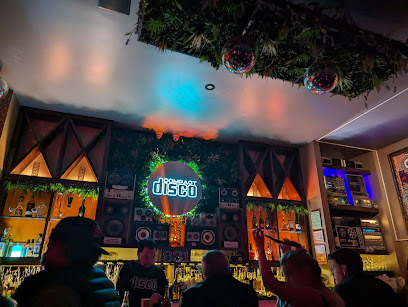
London Bridge Pub
0.4 km
Discover the delightful mix of British tradition and Californian flavor at London Bridge Pub in Monterey.
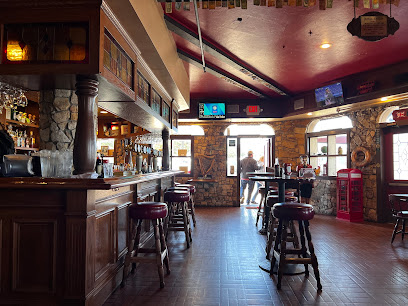
The Whisky Club (TWC) Monterey
0.4 km
Indulge in artisanal cocktails and a cozy ambiance at The Whisky Club, Monterey's premier destination for whisky lovers and cocktail enthusiasts.
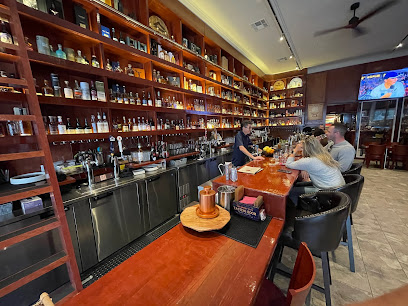
Britannia Arms
0.4 km
Discover Britannia Arms, a lively pub in Monterey offering a delightful mix of traditional dishes and local flavors in a cozy atmosphere.
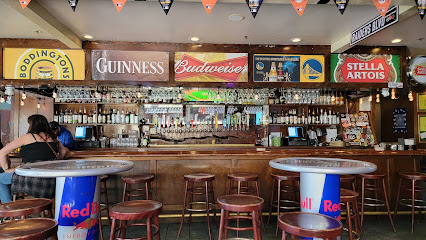
Alfredo's Cantina
0.5 km
Experience the vibrant nightlife at Alfredo's Cantina, Monterey's favorite cocktail bar with a lively atmosphere and exquisite drinks.
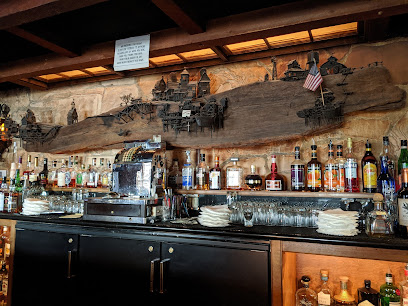
Pearl Hour
0.9 km
Experience the eclectic charm and unique cocktails at Pearl Hour, Monterey's hidden gem for nightlife enthusiasts.
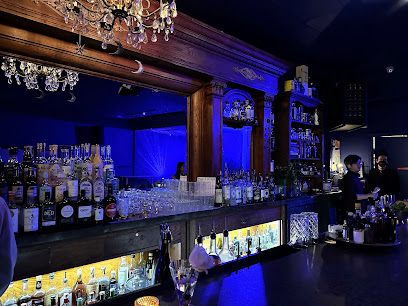
Bar Cart Cocktail Co.
0.9 km
Experience the best of mixology at Bar Cart Cocktail Co. in Monterey, where every cocktail tells a story and the atmosphere is always vibrant.
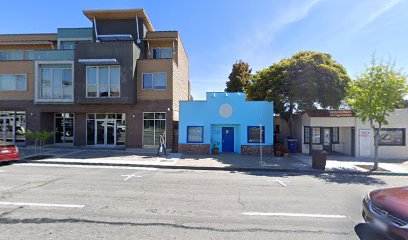
The Wine Experience
1.1 km
Discover the finest wines and a cozy atmosphere at The Wine Experience in Monterey, where every sip tells a story.
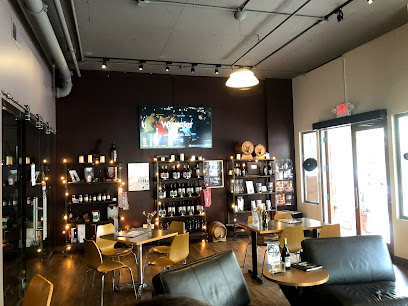
LindaRose Rooftop Bar & Grill at Hotel 1110
1.1 km
Discover the enchanting LindaRose Rooftop Bar & Grill, where mouthwatering cuisine meets stunning views in the heart of Monterey.
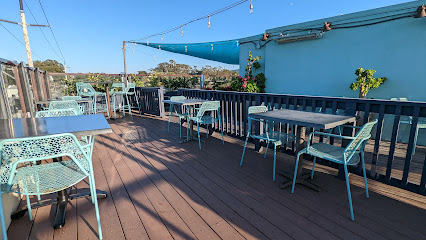
Bulldog Sports Pub
1.4 km
Discover Bulldog Sports Pub, Monterey's vibrant sports bar offering delicious food and live sports in a welcoming atmosphere.
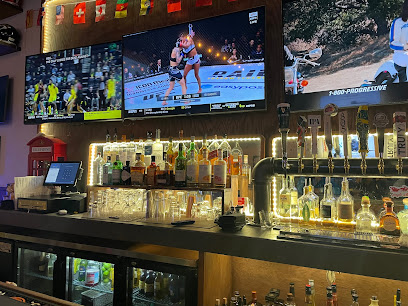
Segovia's Cocktail Bar & Lounge
1.5 km
Experience Monterey's nightlife at Segovia's Cocktail Bar & Lounge, where exquisite cocktails and a lively atmosphere create unforgettable evenings.
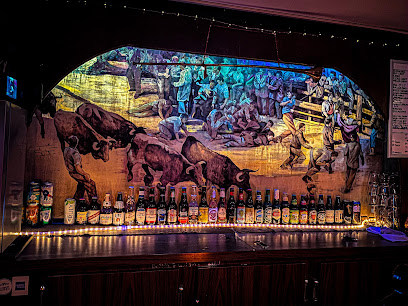
The Salty Seal Brewpub and Sports Bar
1.5 km
Discover the lively ambiance of The Salty Seal Brewpub and Sports Bar, where great food, craft beers, and sports come together in Monterey.
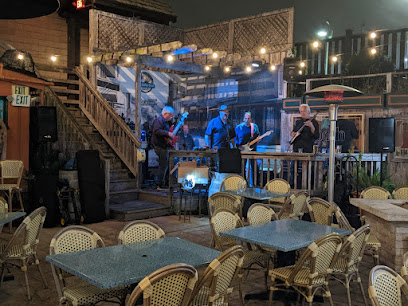
Bargetto Winery Tasting Room
1.6 km
Discover the exquisite wines of Bargetto Winery Tasting Room in Monterey, a perfect blend of flavor and coastal charm.