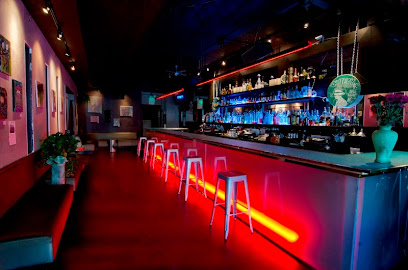
Japanese Tea Garden: A Tranquil Oasis in Golden Gate Park
Discover serenity in Golden Gate Park at the Japanese Tea Garden, the oldest public Japanese garden in the U.S., featuring pagodas, koi ponds, and a historic tea house.
Escape the urban bustle within Golden Gate Park at the Japanese Tea Garden, the oldest public Japanese garden in the United States. Wander through meticulously designed landscapes featuring classic elements like pagodas, koi ponds, and a traditional tea house, offering a serene retreat for locals and tourists alike.
A brief summary to Japanese Tea Garden
- 75 Hagiwara Tea Garden Dr, San Francisco, Golden Gate Park, California, 94118, US
- +1415-661-1316
- Visit website
- Monday 9 am-5:30 pm
- Tuesday 9 am-5:30 pm
- Wednesday 9 am-5:30 pm
- Thursday 9 am-5:30 pm
- Friday 9 am-5:30 pm
- Saturday 9 am-5:30 pm
- Sunday 9 am-5:30 pm
Local tips
- Visit early in the morning or on weekdays to avoid crowds, especially during peak seasons like spring and summer.
- Take advantage of the free admission hour from 9-10 am every Monday, Wednesday, and Friday.
- San Francisco residents with a valid ID, active military, and veterans receive free admission.
- Explore the other gardens in Golden Gate Park, such as the San Francisco Botanical Garden and the Conservatory of Flowers, and consider purchasing a 3-day Gardens of Golden Gate Park Pass for access to all three.
- Check the San Francisco City Guides schedule for free walking tours of the Japanese Tea Garden to learn more about its history and features.

Getting There
-
Public Transport
From downtown San Francisco, the N-Judah streetcar provides a direct route to Golden Gate Park. Exit at 9th Avenue and Irving Street, then walk north into the park and turn right onto Hagiwara Tea Garden Drive. Alternatively, the 44-O'Shaughnessy bus stops directly at the Tea Garden entrance. A single ride on Muni costs $3.00, and can be paid via the MuniMobile app or Clipper card.
-
Walking
If you are already within Golden Gate Park, follow signs towards the de Young Museum and the California Academy of Sciences. The Japanese Tea Garden is located between these landmarks, on Hagiwara Tea Garden Drive. Walking from the Music Concourse area takes approximately 5-10 minutes.
-
Driving
Enter Golden Gate Park via 9th Avenue or Fulton Street and 10th Avenue. Limited street parking is available on Golden Gate Park streets, including Martin Luther King Jr. Drive and Nancy Pelosi Drive. Alternatively, paid parking is available at the Music Concourse Garage underneath the de Young Museum, accessible from Martin Luther King Jr. Drive or Fulton Street at 10th Avenue. Parking rates at the garage are $2.25/hour on weekdays and $3.25/hour on weekends. Keep in mind that JFK Drive is closed to cars on Saturdays and Sundays.
Discover more about Japanese Tea Garden
Iconic landmarks you can’t miss

Sundial
1.3 km
Discover the Sundial in Golden Gate Park, San Francisco—a historic landmark blending beauty and nature in one serene experience.
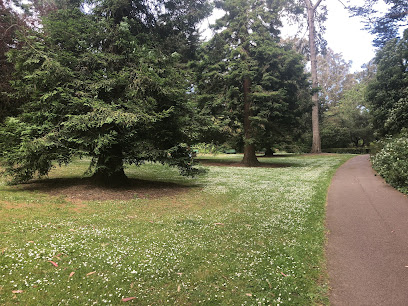
Alvord Lake Bridge
1.4 km
Explore the beauty of Alvord Lake Bridge in Golden Gate Park, a serene escape for nature lovers and photography enthusiasts in San Francisco.
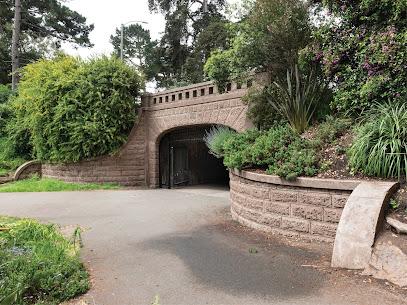
501 Stanyan St
1.4 km
Explore the architectural elegance of 501 Stanyan St in Golden Gate Park, where nature and history intertwine in the heart of San Francisco.
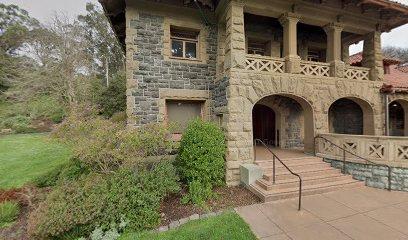
McLaren Lodge
1.4 km
Discover the historic McLaren Lodge in Golden Gate Park, home to the SF Recreation & Parks Department and a monument to John McLaren's vision, showcasing stunning Richardsonian Romanesque architecture.
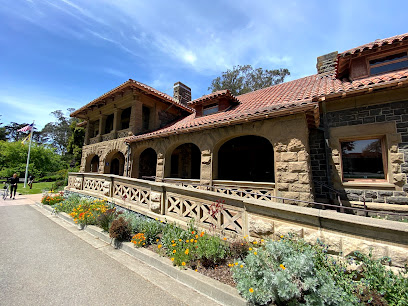
1524 Haight St
2.0 km
Experience the vibrant heart of San Francisco's counterculture at the iconic Haight-Ashbury building, steeped in history and creativity.
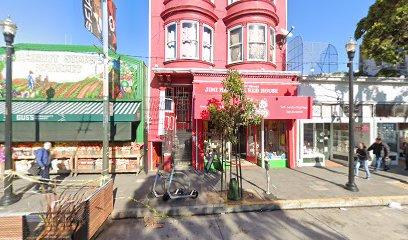
Janis Joplin's House
2.1 km
Discover the historical significance of Janis Joplin's house in San Francisco's Haight-Ashbury, a tribute to the legendary rock star and the vibrant counterculture of the 1960s.
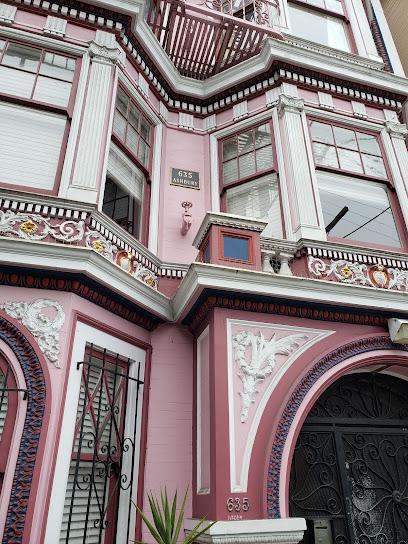
Haight-Ashbury Clock
2.1 km
Discover the Haight-Ashbury Clock, an iconic historical landmark in San Francisco, reflecting the city's rich counterculture heritage and vibrant artistic spirit.
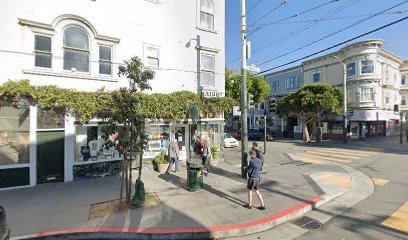
Grateful Dead House
2.1 km
Explore the iconic Grateful Dead House in Haight-Ashbury, a historical landmark that celebrates the legacy of a generation-defining rock band.
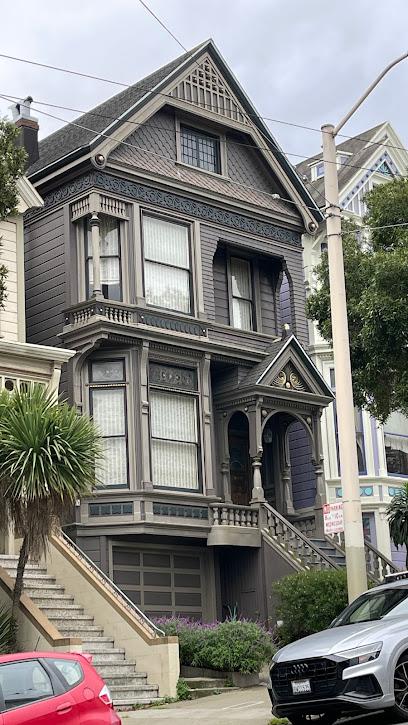
Sutro Tower
2.3 km
Discover Sutro Tower, the iconic communications hub in San Francisco offering breathtaking views and a glimpse into the city's rich landscape.
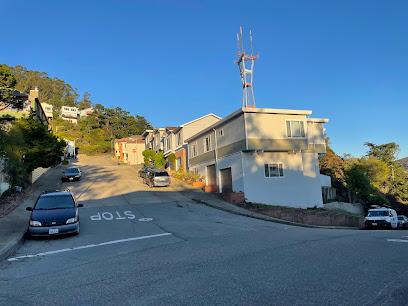
Buena Vista Park
2.4 km
Discover San Francisco's oldest park, a hilltop oasis with winding trails, panoramic city views, and a unique history, offering a tranquil escape in the heart of the city.
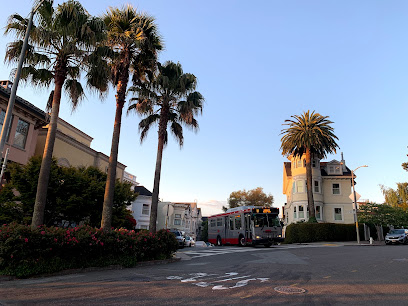
Sea Cliff
2.5 km
Experience the tranquil beauty of Sea Cliff in San Francisco, where breathtaking ocean views and serene parks provide a perfect escape from city life.

John Spencer House
2.7 km
Experience San Francisco's Victorian splendor at the John Spencer House, a meticulously preserved Queen Anne mansion in the heart of Haight-Ashbury, reflecting the city's rich architectural heritage.
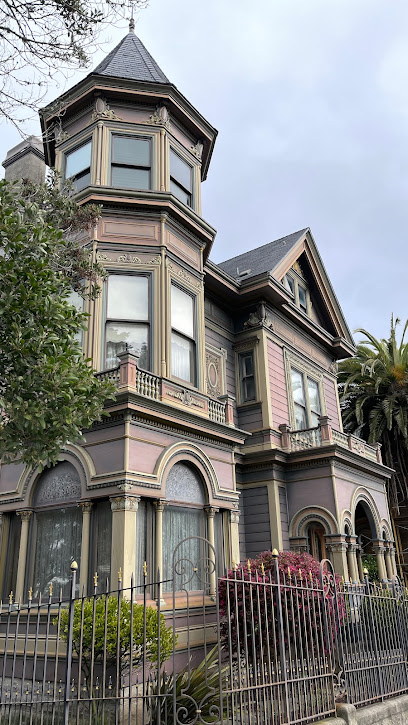
California Historical Landmark 760: Laurel Hill Cemetery Site
2.7 km
Discover the poignant history of San Francisco's former Laurel Hill Cemetery, a 'city of the dead' transformed into a vibrant neighborhood, marked by a California Historical Landmark.
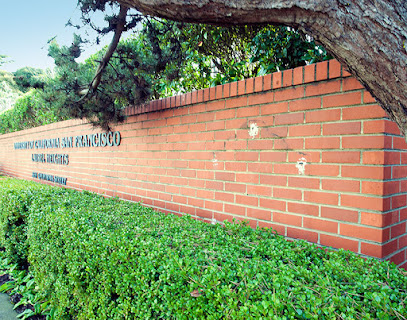
Twin Peaks
2.8 km
Experience San Francisco's most breathtaking panoramic views from Twin Peaks, where the city, bay, and ocean converge in a stunning display of natural and urban beauty.
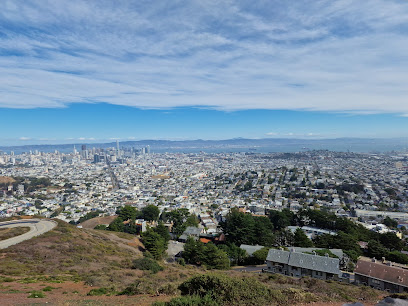
Delano House
2.8 km
Discover the rich history and stunning architecture of Delano House, a charming historical landmark in San Francisco's Buena Vista neighborhood.
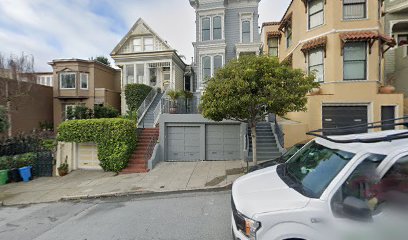
Unmissable attractions to see

50 Hagiwara Tea Garden Dr
0.2 km
Explore the serene beauty of Hagiwara Tea Garden in San Francisco, where Japanese culture meets nature's tranquility within Golden Gate Park.
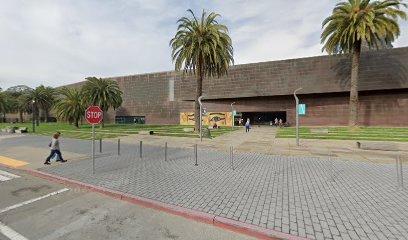
de Young Museum
0.2 km
Discover the de Young Museum: an artistic gem in San Francisco's Golden Gate Park, showcasing American art and breathtaking views.
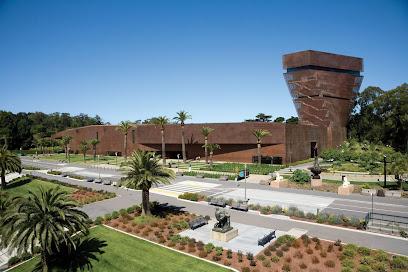
Stow Lake
0.3 km
Experience the serene beauty of Stow Lake in Golden Gate Park, a perfect getaway in San Francisco for nature lovers and outdoor enthusiasts.
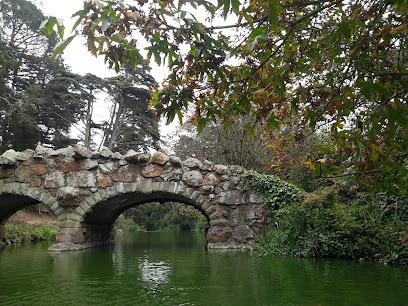
San Francisco Botanical Garden
0.3 km
Explore the San Francisco Botanical Garden, a lush 55-acre paradise featuring diverse plant species and serene landscapes in the heart of Golden Gate Park.
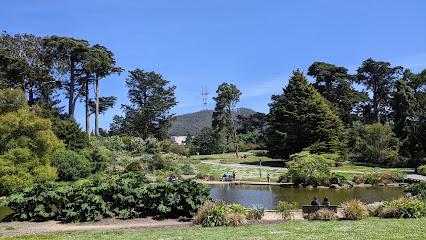
Shakespeare Garden
0.3 km
Experience the tranquil beauty of Shakespeare Garden, a serene escape in Golden Gate Park filled with enchanting flora and literary inspiration.
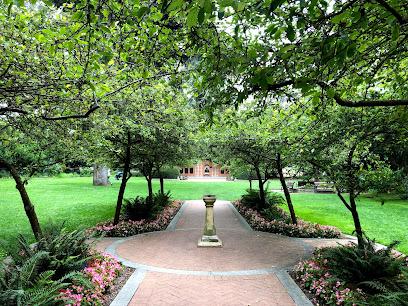
California Academy of Sciences
0.4 km
Discover the California Academy of Sciences, a premier science museum in San Francisco featuring an aquarium, planetarium, and a rainforest dome.
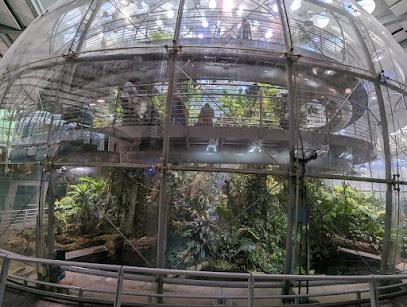
Morrison Planetarium
0.4 km
Discover the mysteries of the universe at Morrison Planetarium in San Francisco, where immersive experiences and stellar shows await every visitor.
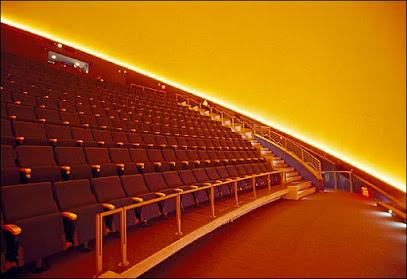
Strawberry Hill
0.5 km
Explore Strawberry Hill in Golden Gate Park, San Francisco, a picturesque peak with stunning views, lush landscapes, and serene nature trails for relaxation.
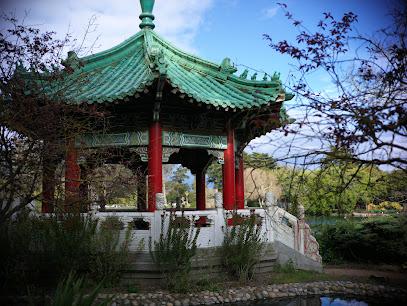
National AIDS Memorial Grove
0.7 km
Discover the National AIDS Memorial Grove in San Francisco: a tranquil space for reflection and remembrance in the heart of Golden Gate Park.
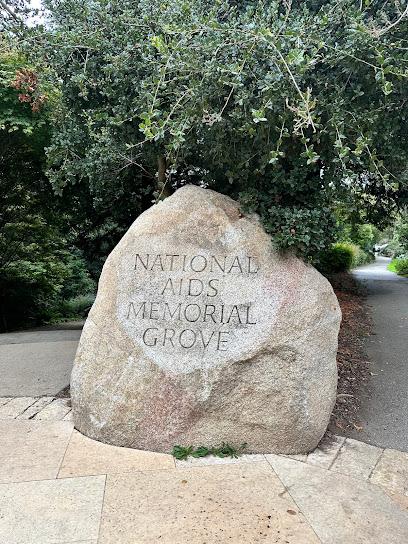
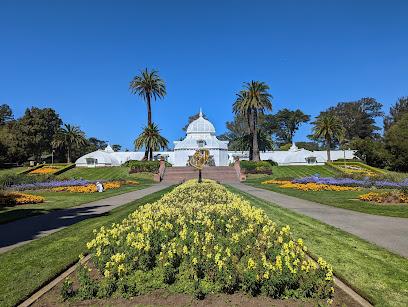
Conservatory of Flowers
0.9 km
Explore the enchanting Conservatory of Flowers in San Francisco, where botanical beauty and Victorian architecture create a stunning experience.
Essential places to dine

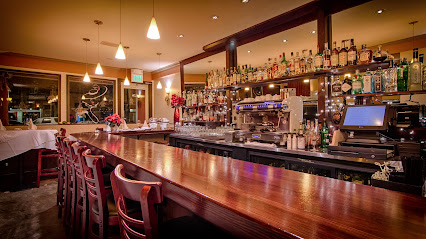
Chapeau
1.7 km
Experience exquisite French cuisine at Chapeau in San Francisco's Richmond District, where elegance meets exceptional flavors.
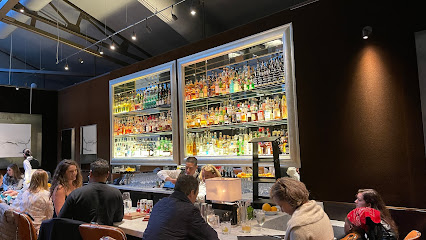
Spruce
2.5 km
Discover Spruce: A premier New American restaurant in San Francisco's Presidio Heights serving exquisite seasonal cuisine and elegant ambiance.
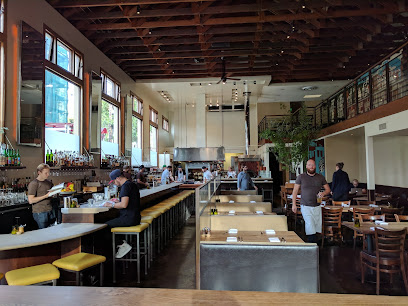
Nopa
2.9 km
Experience the vibrant flavors of New American cuisine at Nopa in San Francisco's Alamo Square, where organic ingredients meet Mediterranean flair.
Fable
3.3 km
Discover Fable in San Francisco's Castro district - where Californian flavors meet sustainability in an enchanting dining atmosphere.
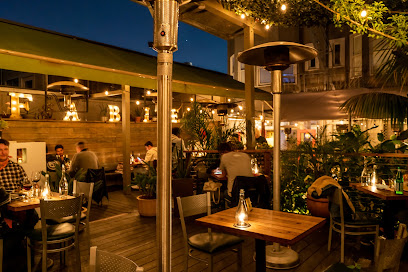
Blind Butcher
3.3 km
Experience innovative New American cuisine at Blind Butcher in San Francisco's lively Castro district - where fresh ingredients meet creative flair.
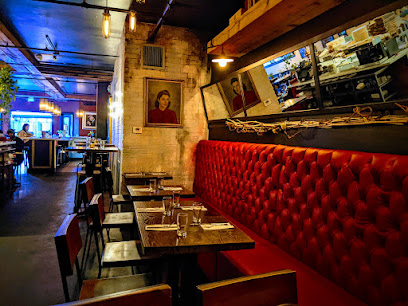
Starbelly
3.4 km
Experience fresh Californian cuisine at Starbelly in San Francisco's Castro district - where seasonal ingredients meet innovative flavors.
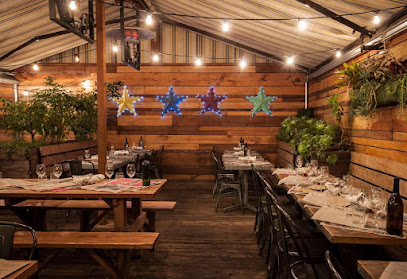
State Bird Provisions
3.6 km
Discover innovative American cuisine with a Californian twist at State Bird Provisions in San Francisco's Fillmore District.
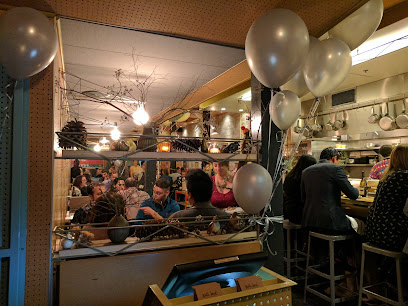
The Progress
3.6 km
Discover innovative Californian cuisine at The Progress in San Francisco’s charming Fillmore District—an unforgettable dining experience awaits!
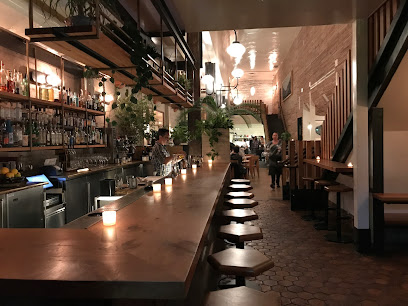
Petit Crenn
3.9 km
Discover the artful blend of tradition and innovation at Petit Crenn, a premier French restaurant in San Francisco's Hayes Valley.
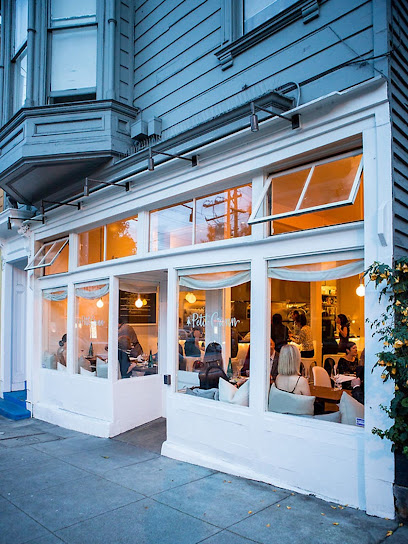
Suppenküche
3.9 km
Experience authentic German cuisine at Suppenküche in San Francisco's Hayes Valley - where every dish tells a story.
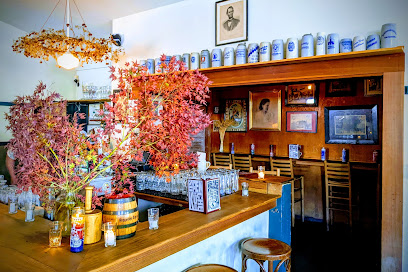
a Mano
4.1 km
Experience authentic Italian cuisine at a Mano in Hayes Valley - where fresh ingredients meet culinary creativity.
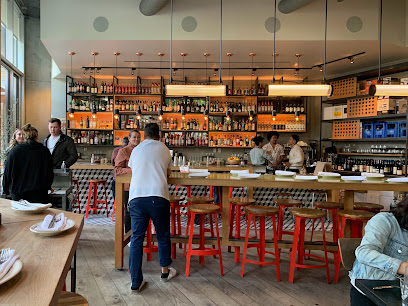
Rich Table
4.2 km
Discover Rich Table: A top-rated New American restaurant in San Francisco’s Lower Haight serving innovative dishes crafted from local ingredients.
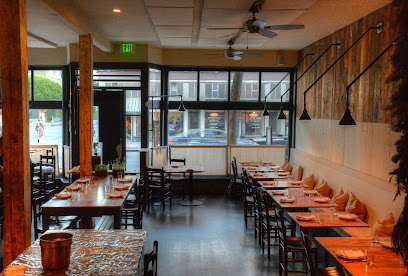
Monsieur Benjamin
4.2 km
Experience exquisite French cuisine at Monsieur Benjamin in Hayes Valley - where modern flavors meet timeless tradition.
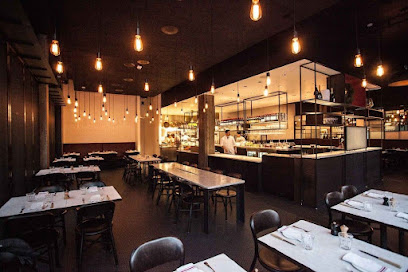
Chez Maman West
4.2 km
Savor authentic French cuisine at Chez Maman West in Hayes Valley - where culinary passion meets inviting ambiance.
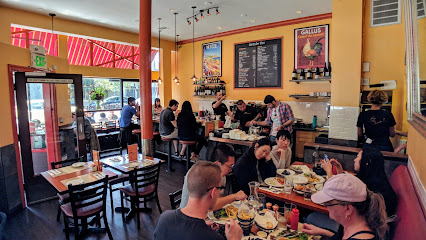
Burma Love - Mission
4.2 km
Discover the vibrant flavors of authentic Burmese cuisine at Burma Love in San Francisco's Mission District - a true culinary delight.
Markets, malls and hidden boutiques

The Golden Hour
1.6 km
Discover vintage treasures and unique finds at The Golden Hour, San Francisco's charming vintage clothing store in the heart of Richmond District.
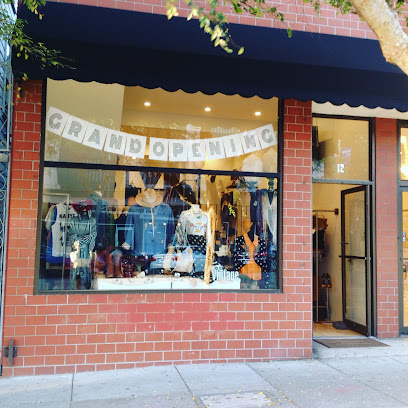
Foggy Notion
1.7 km
Explore Foggy Notion, a charming boutique in San Francisco, offering a captivating selection of unique gifts and artisanal treasures.
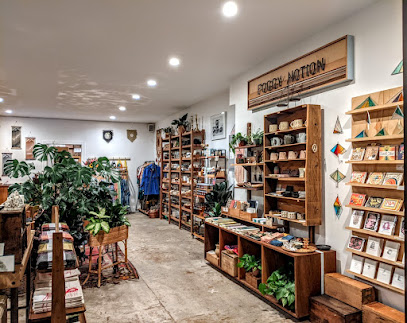
Land of the Sun
1.7 km
Explore the vibrant Land of the Sun gift shop in Haight-Ashbury, San Francisco, for unique clothing, accessories, and local souvenirs that capture the city's spirit.
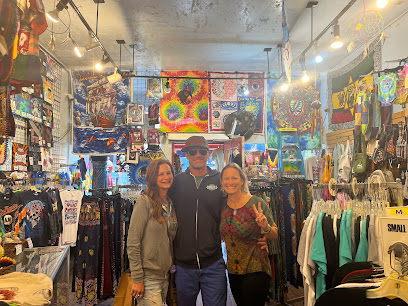
San Francisco Mercantile
1.8 km
Explore the essence of San Francisco at San Francisco Mercantile, your go-to shop for unique gifts and local artisan creations in Haight-Ashbury.
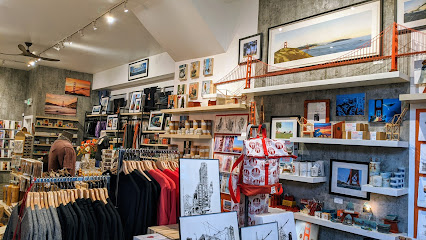
Held Over
2.0 km
Explore unique vintage fashion at Held Over, where every piece has a story and reflects the vibrant spirit of San Francisco's Haight-Ashbury.
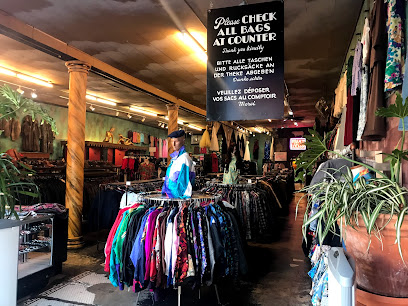
Things Lucky Handicraft
2.0 km
Explore the vibrant Haight-Ashbury district and uncover unique gifts and handcrafted treasures at Things Lucky Handicraft.
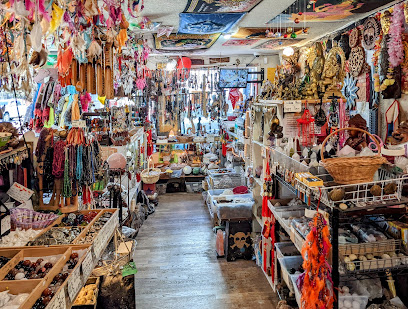
Welcome Haight & Ashbury
2.0 km
Explore the heart of Haight-Ashbury with unique gifts and local treasures at Welcome Haight & Ashbury, San Francisco's iconic visitor center.
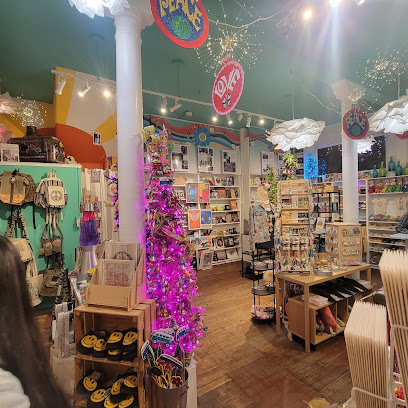
True
2.2 km
Discover unique fashion at True Clothing in Haight-Ashbury, San Francisco's iconic store for eclectic styles and local designer pieces.
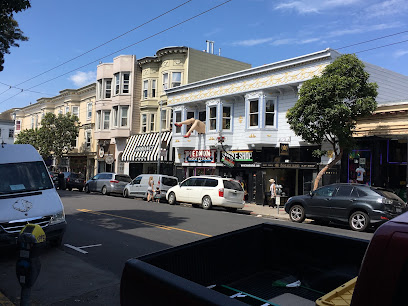
Button Down
2.7 km
Explore Button Down, a charming clothing store in San Francisco’s Presidio Heights, offering unique apparel and accessories for the fashion-savvy traveler.
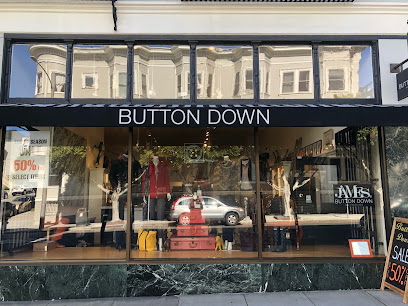
The Perish Trust
2.9 km
Discover unique gifts and local art at The Perish Trust, a charming shop in San Francisco's Fillmore District that celebrates creativity and craftsmanship.
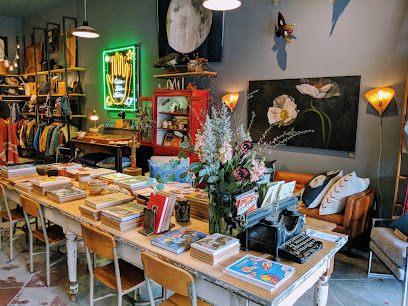
Rare Device
2.9 km
Explore Rare Device in San Francisco for a unique gift shopping experience with local art and eclectic finds.
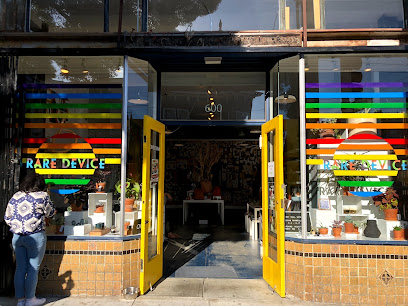
Local Take
3.2 km
Explore Local Take in San Francisco for unique gifts and local artisanal treasures that capture the city's vibrant spirit.
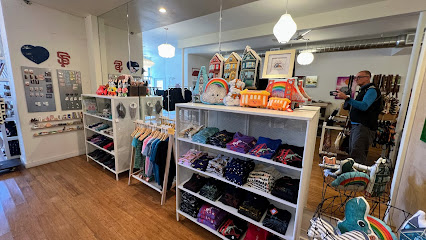
Life
3.3 km
Explore Life, a boutique gift shop in Lower Haight, San Francisco, offering unique aromatherapy, jewelry, candles, and artisan treasures.
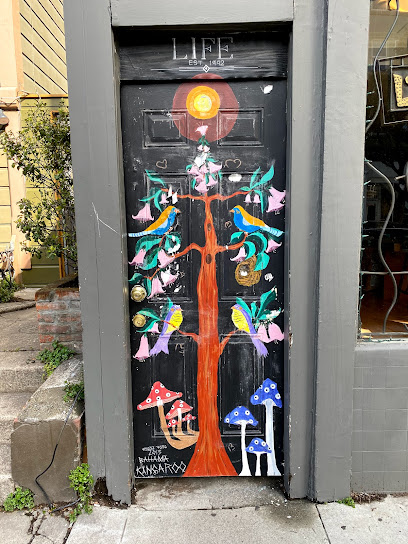
COVE
3.5 km
Discover unique gifts at COVE, a charming shop in San Francisco's Lower Haight, showcasing local artisans and eclectic treasures.
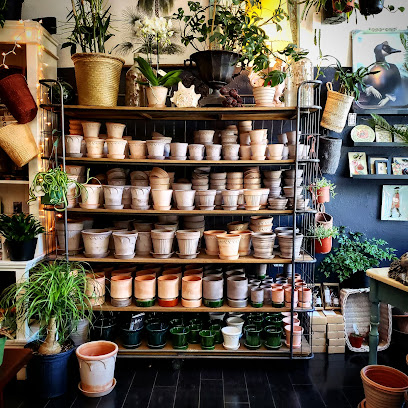
post.script.
3.8 km
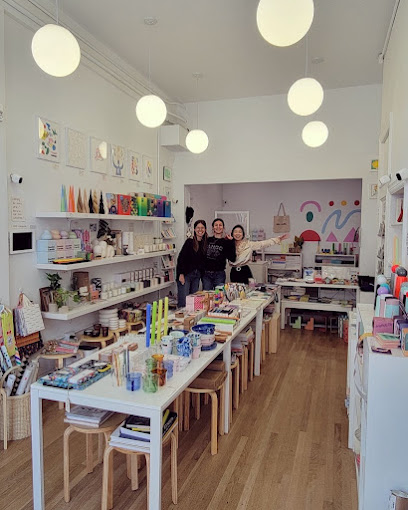
Explore post.script., a charming gift shop in San Francisco offering unique greeting cards and stationery, perfect for any occasion or souvenir.
Essential bars & hidden hideouts

Brioche Bakery & Cafe
1.9 km
Indulge in artisanal pastries and exceptional brunch at Brioche Bakery & Cafe, a must-visit gem in San Francisco's Haight-Ashbury.
Noc Noc
3.4 km
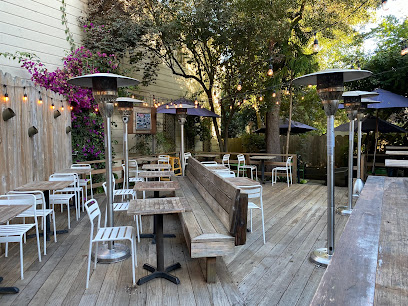
Discover Noc Noc, a vibrant bar in San Francisco's Lower Haight, offering creative cocktails and a unique atmosphere perfect for relaxing and socializing.
Tara Indian Cuisine
3.5 km
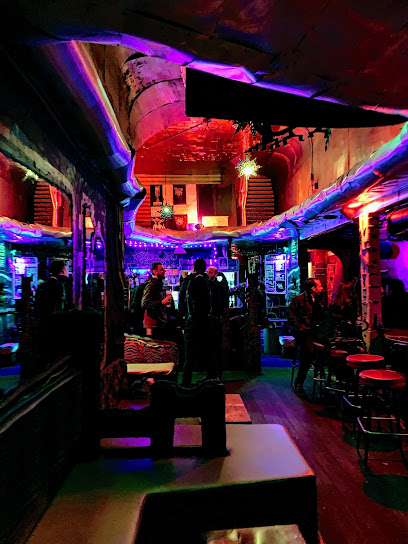
Experience the vibrant flavors of India at Tara Indian Cuisine in San Francisco's Castro district, where tradition meets modern dining.
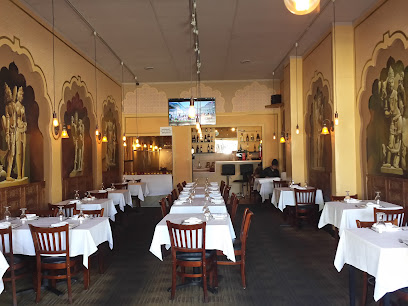
Blackbird
3.6 km
Experience the best of San Francisco nightlife at Blackbird Bar, where craft cocktails and a vibrant atmosphere await.
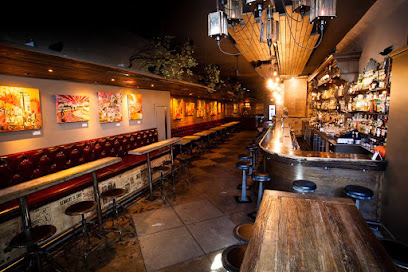
ABV
4.2 km
Discover ABV in San Francisco: a vibrant bar and restaurant known for its craft cocktails and seasonal dishes, perfect for any culinary adventure.
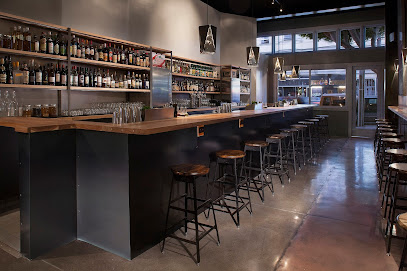
Smuggler's Cove
4.3 km
Discover the enchanting atmosphere and exquisite cocktails at Smuggler's Cove, San Francisco's premier cocktail bar and rum haven.
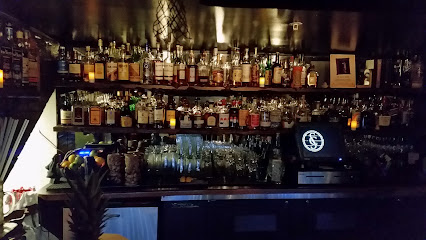
The Majestic Butterfly Lounge
4.4 km
Experience the art of mixology at The Majestic Butterfly Lounge, a stylish cocktail bar in San Francisco's Cathedral Hill, perfect for a vibrant night out.
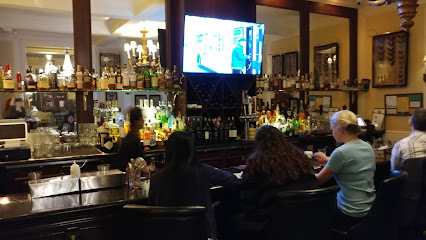
The Beehive
4.5 km
Explore The Beehive, San Francisco's cocktail bar renowned for its inventive drinks and lively ambiance in the heart of the Mission District.
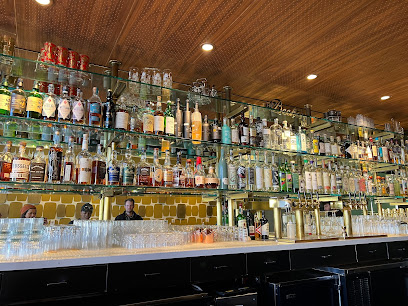
Dahlia SF
4.5 km
Experience the vibrant nightlife of San Francisco at Dahlia SF, a bar known for its creative cocktails and lively atmosphere in the heart of the Mission District.
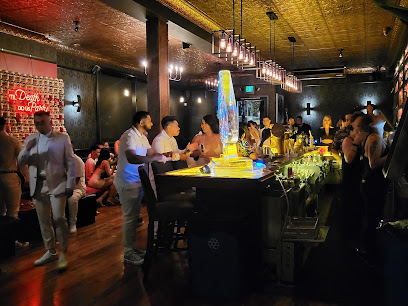
The Sycamore
4.5 km
Experience the vibrant atmosphere of The Sycamore, a gastropub in San Francisco's Mission District, where delicious American cuisine meets an extensive wine selection.
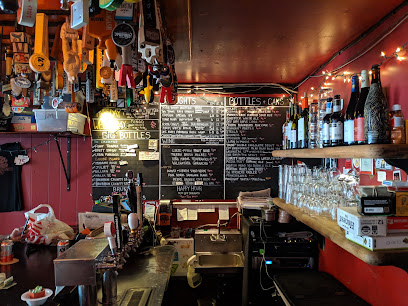
Casements Bar
4.7 km
Experience the lively spirit of San Francisco at Casements Bar, a unique Irish pub and cocktail haven in the Mission District.
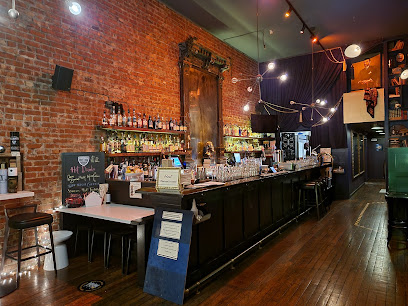
Friends Bar
4.7 km
Experience the vibrant nightlife at Friends Bar in San Francisco's Sunnyside, where affordable drinks and a friendly atmosphere await.
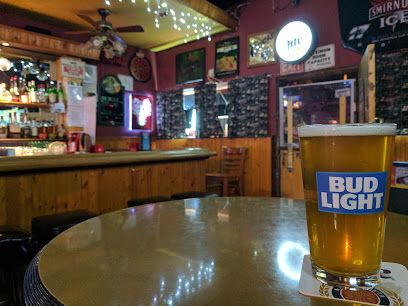
Bear Vs. Bull
4.7 km
Discover the vibrant atmosphere and exquisite flavors at Bear Vs. Bull, a premier cocktail bar in San Francisco's Mission District.
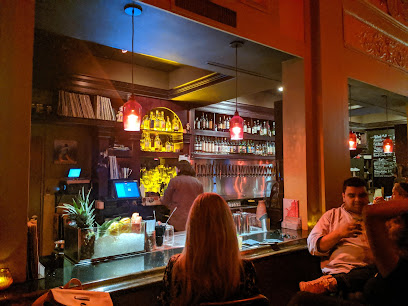
Mission Bar
4.9 km
Discover the vibrant nightlife and local flavors at Mission Bar, a beloved spot in San Francisco's Mission District.
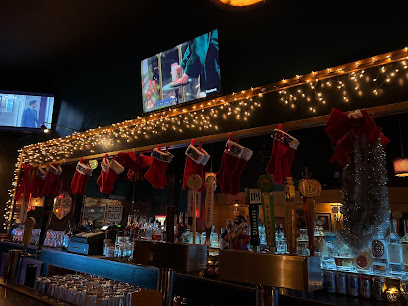
Kozy Kar
5.0 km
Experience the unique charm of Kozy Kar, a vibrant bar in San Francisco's Polk Gulch, known for its water mattresses and friendly atmosphere.
Nightclubs & after hour spots

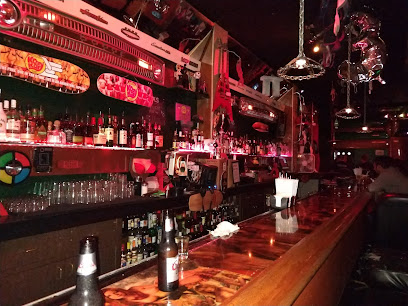
Pa'ina Restaurant & Lounge
3.7 km
Experience the vibrant flavors of Hawaiian cuisine at Pa'ina Restaurant & Lounge in San Francisco's Japantown, a perfect blend of food and festive atmosphere.
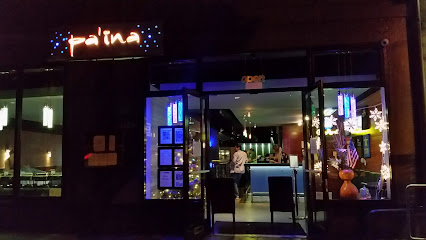
The Valencia Room
4.4 km
Discover the vibrant nightlife of San Francisco at The Valencia Room, where live music, dancing, and delicious drinks come together for an unforgettable experience.
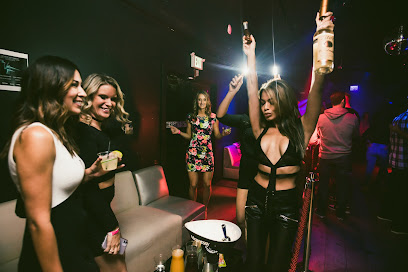
Make-Out Room
4.8 km
Discover San Francisco's eclectic nightlife at the Make-Out Room, a vibrant night club in the Mission District known for its lively atmosphere and diverse music scene.
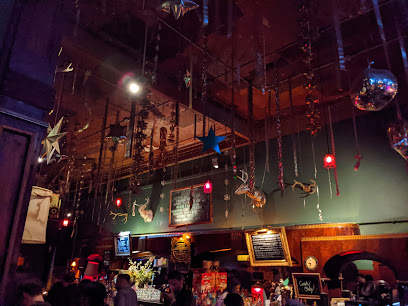
ECHO SFC
4.8 km
Discover the electric nightlife at ECHO SFC in San Francisco's Mission District, where vibrant music and dance come alive.
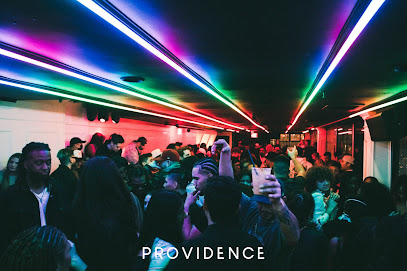
Providence Night Club
4.9 km
Dive into San Francisco's nightlife at Providence Night Club, where live music meets vibrant energy for an unforgettable evening.
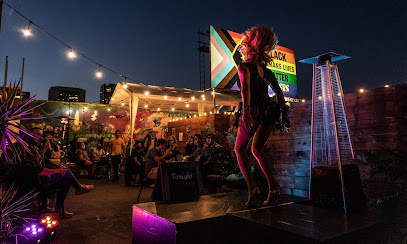
OASIS
4.9 km
Experience the vibrant nightlife at Oasis, a premier gay night club in San Francisco's SoMa district, featuring live performances and an inclusive atmosphere.
Eve Nightclub & Lounge
4.9 km
Experience the pulse of San Francisco's nightlife at Eve Nightclub & Lounge, where electrifying music and a chic atmosphere come together for an unforgettable night.
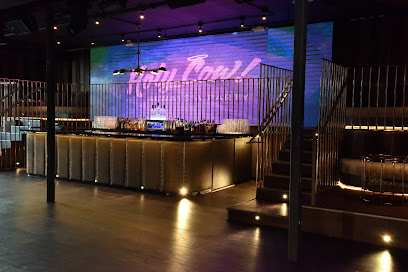
Halcyon SF
5.0 km
Discover the electrifying nightlife at Halcyon SF, a premier night club in San Francisco's SoMa district, where music and fun never stop.
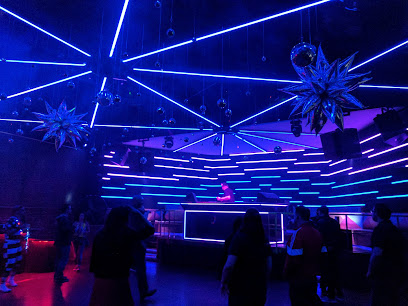
Audio Nightclub
5.0 km
Discover the vibrant nightlife at Audio Nightclub, a premier destination for music lovers and cocktail enthusiasts in San Francisco's SoMa district.
DNA Lounge
5.1 km
Discover the energy of DNA Lounge, a versatile night club in San Francisco offering food, music, and nightlife in a vibrant atmosphere.
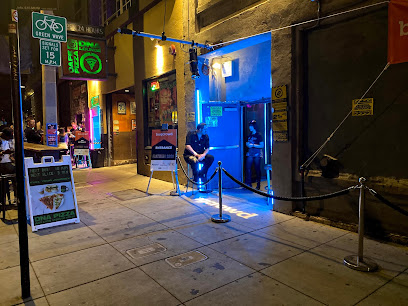
Rouge Night Club
5.1 km
Discover the pulsating nightlife at Rouge Night Club in San Francisco's Polk Gulch, where music, dance, and fun collide in a vibrant atmosphere.
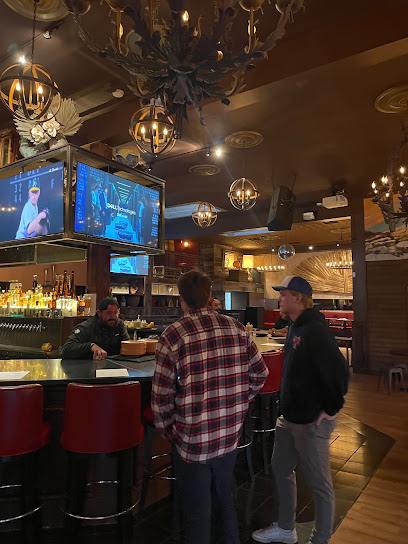
Club 26 Mix
5.2 km
Discover the energetic nightlife of San Francisco at Club 26 Mix, where vibrant music and lively crowds create unforgettable nights.
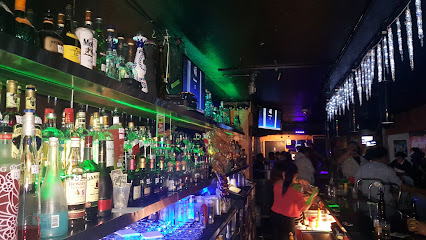
Lucitas Nightclub
5.2 km
Discover the lively ambiance and delightful drinks at Lucitas Nightclub, a must-visit bar in San Francisco's Bernal Heights neighborhood.
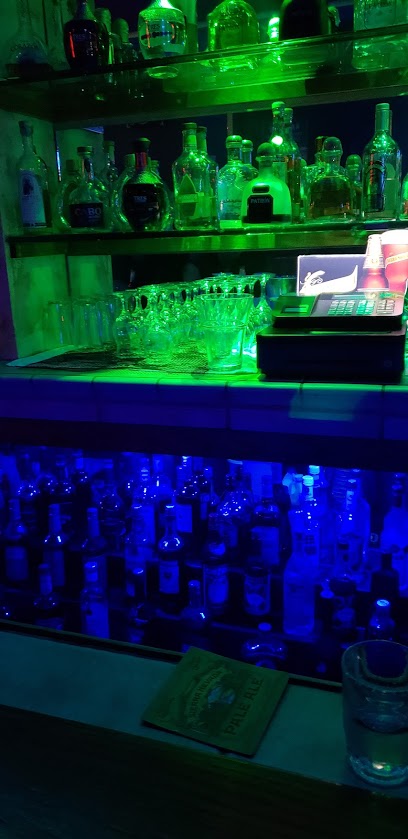
Club Malibu
5.3 km
Discover the electrifying atmosphere of Club Malibu, the heart of San Francisco's nightlife, offering diverse music and unforgettable experiences.
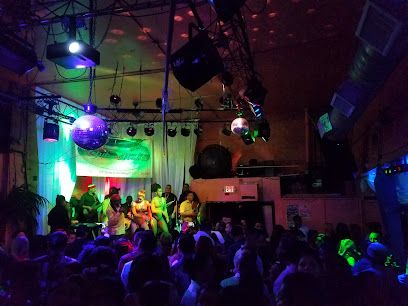
F8 Nightclub & Bar
5.3 km
Discover the pulse of San Francisco nightlife at F8 Nightclub & Bar, where music, art, and community come together for an unforgettable experience.