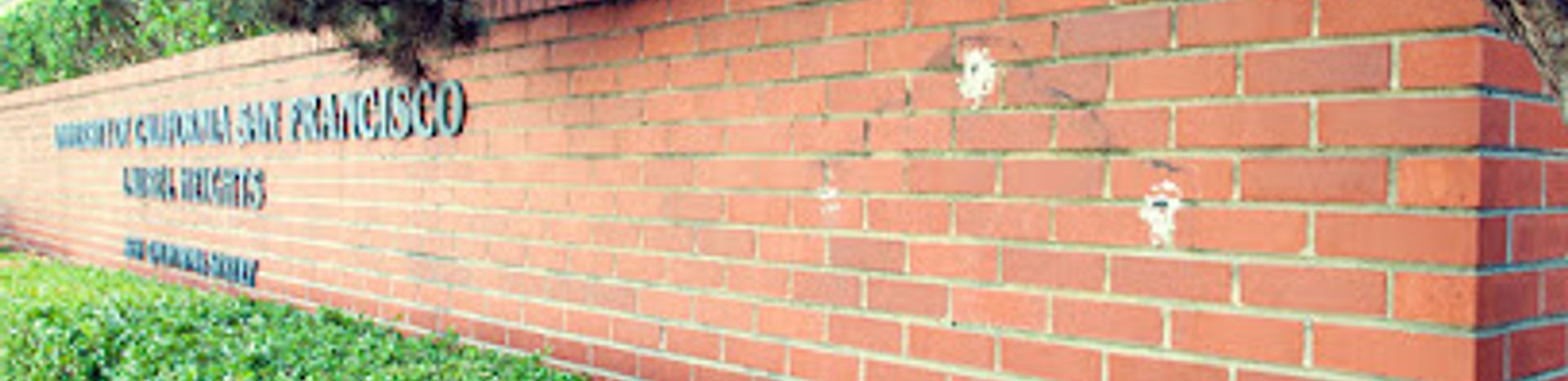
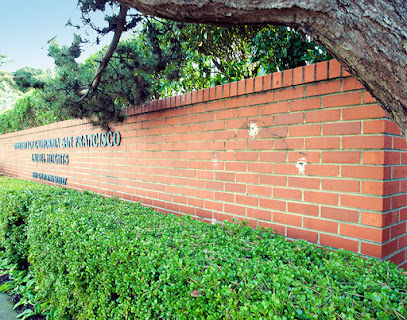
California Historical Landmark 760: Laurel Hill Cemetery Site
Discover the poignant history of San Francisco's former Laurel Hill Cemetery, a 'city of the dead' transformed into a vibrant neighborhood, marked by a California Historical Landmark.
The California Historical Landmark 760, marking the site of the former Laurel Hill Cemetery, offers a poignant glimpse into San Francisco's past. Once a sprawling 'city of the dead,' Laurel Hill served as the final resting place for thousands of San Francisco pioneers, influential figures, and everyday citizens from 1854 until the early 20th century. Driven by the city's growth and changing attitudes towards urban cemeteries, the site was eventually decommissioned, and the remains were moved primarily to Cypress Lawn Cemetery in Colma. Today, the landmark serves as a reminder of the city's evolving landscape and the stories of those who shaped its history. While the headstones are gone, the historical marker invites reflection on the lives and legacies of those who once called this place their final home, offering a unique perspective on San Francisco's development and cultural heritage. The surrounding Laurel Heights neighborhood, now a vibrant residential area, stands in stark contrast to its somber past, making the landmark a compelling point of interest for history enthusiasts and those seeking a deeper understanding of San Francisco's layered narrative.
A brief summary to California Historical Landmark 760: Laurel Hill Cemetery Site
- QHP2+QM, San Francisco, Laurel Heights, California, 94118, US
Local tips
- Combine your visit with a stroll through the upscale Laurel Heights neighborhood, known for its boutiques and cafes.
- Consider visiting Cypress Lawn Cemetery in Colma to see the Laurel Hill Mound, where most of the remains were reinterred.
- Check out the Western Neighborhoods Project website for historical photos and articles about Laurel Hill Cemetery.

Getting There
-
Public Transport
The most convenient way to reach the California Historical Landmark 760: Laurel Hill Cemetery Site is by using San Francisco's Muni bus system. From various points in the city, take the 1-California bus line. This line runs directly along California Street, with stops very close to the intersection of California Street and Presidio Avenue, where the landmark is located. A single ride on Muni costs $3.00 if paying with cash, or $2.75 if using a Clipper card or the MuniMobile app. The Clipper card can be obtained at various locations around the city and loaded with funds. A day pass, allowing unlimited rides on Muni (excluding cable cars), is available for $5.00, which might be worthwhile if you plan to use public transport extensively during your visit.
-
Taxi/Ride-Share
Taxis and ride-sharing services (Uber/Lyft) provide a direct and convenient option to reach the California Historical Landmark 760: Laurel Hill Cemetery Site. Simply input 'California Street and Presidio Avenue, San Francisco' as your destination. From popular tourist areas like Union Square or Fisherman's Wharf, a taxi or ride-share will typically cost between $15 and $25, depending on traffic and demand. Be aware that prices can surge during peak hours. The journey usually takes around 15-25 minutes, depending on the starting point and traffic conditions.
-
Walking
If you are already in the Laurel Heights or Presidio Heights neighborhood, walking to the California Historical Landmark 760: Laurel Hill Cemetery Site is a viable option. The landmark is located at the intersection of California Street and Presidio Avenue. From the Laurel Village Shopping Center (California Street at Laurel Street), walk east along California Street for approximately 4 blocks. From the intersection of Sacramento Street and Presidio Avenue, walk one block south on Presidio Avenue to California Street. The landmark is easily accessible on foot and allows you to explore the surrounding neighborhood at your own pace.
Discover more about California Historical Landmark 760: Laurel Hill Cemetery Site
Iconic landmarks you can’t miss

California Historical Landmark 760: Laurel Hill Cemetery Site
0.0 km
Explore the serene beauty and historical significance of Laurel Hill Cemetery, a treasure of San Francisco's past nestled in the heart of Laurel Heights.
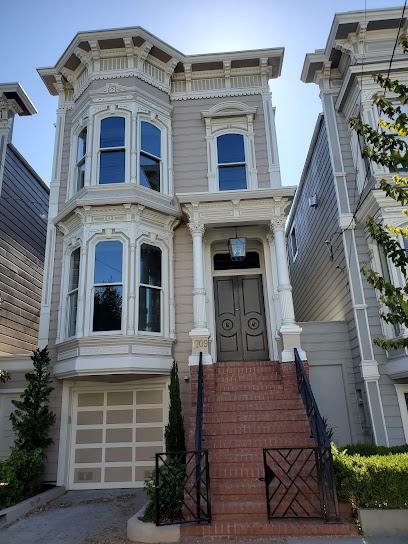
1709 Broderick St
0.6 km
Discover the historic charm of 1709 Broderick St, a stunning building in Lower Pacific Heights, showcasing San Francisco's rich architectural heritage.
Lombard Gate Presidio
1.3 km
Discover the historic Lombard Gate in San Francisco's Presidio: a charming landmark offering scenic views, access to trails, and a glimpse into the area's rich military past and natural beauty.
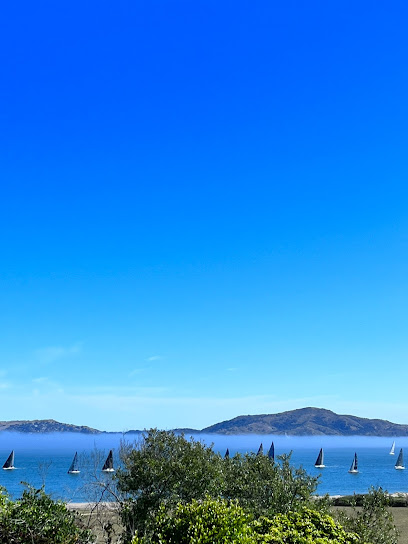
Bush Street-Cottage Row Historic District
1.4 km
Discover a hidden gem in San Francisco's Japantown: a preserved residential enclave of Italianate and Stick-style homes, offering a glimpse into the city's 19th-century past.
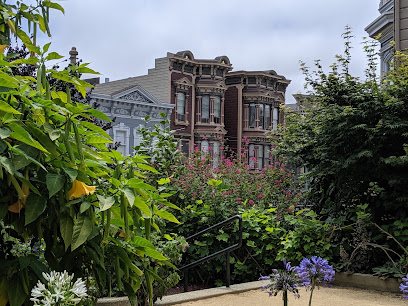
Vollmer House
1.4 km
Discover the Vollmer House in San Francisco's Japantown: a stunning example of Stick-Eastlake Victorian architecture with a rich history and intricate design, a landmark of preservation.
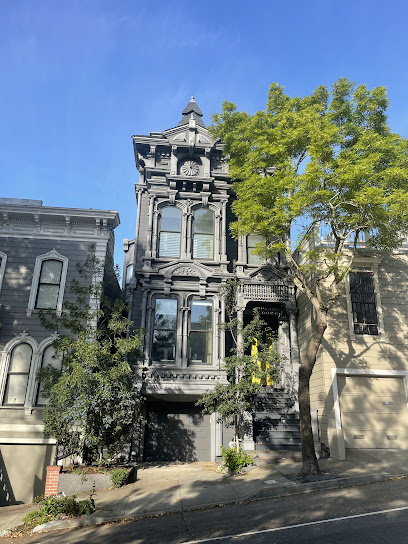
Pacific Heights
1.4 km
Discover the elegance and breathtaking views of Pacific Heights, San Francisco's premier neighborhood filled with stunning architecture, boutique shopping, and gourmet dining.

Fillmore Street Stairs
1.4 km
Ascend the historic Fillmore Street Stairs in Pacific Heights for stunning city views, architectural charm, and a unique San Francisco experience, connecting the Marina District to Billionaire's Row.
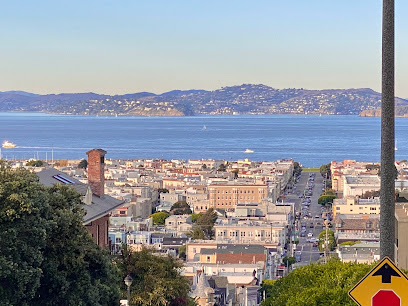
Victorian houses at McAllister st.
1.5 km
Experience San Francisco's architectural heritage with a stroll along McAllister Street, where vibrant Victorian houses showcase the city's rich history in the heart of the Fillmore District.
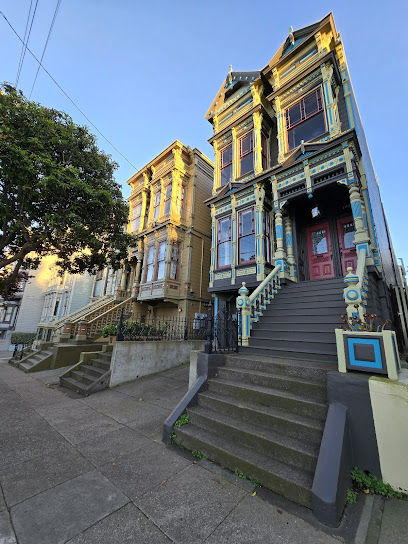
William Westerfeld House
1.5 km
Explore the William Westerfeld House, a stunning Victorian landmark in San Francisco's Fillmore District, showcasing exquisite architecture and rich history.
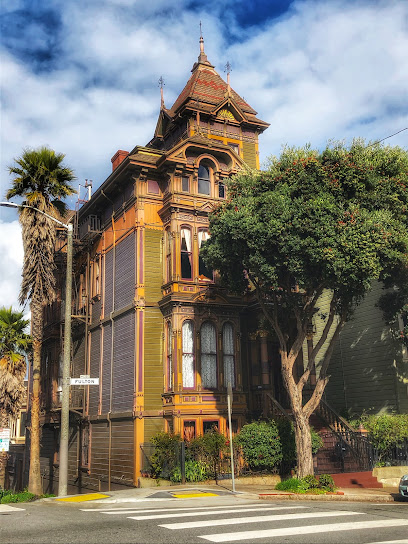
Alamo Square Historic District
1.5 km
Discover the historic Alamo Square District, home of the iconic Painted Ladies and stunning views of San Francisco’s skyline.
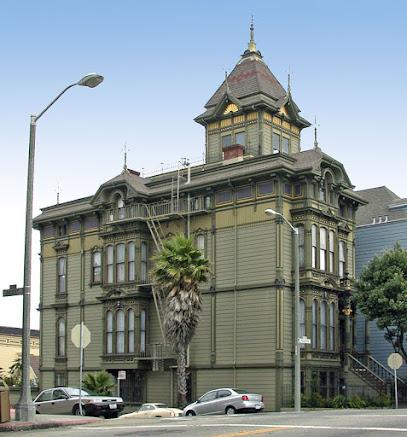
Stanyan House
1.6 km
Discover the historic Stanyan House in San Francisco's Japantown, a preserved 'Boston House' from the Gold Rush era and home to city supervisor Charles Stanyan.
Presidio of San Francisco (California Historical Landmark #79)
1.6 km
Explore the Presidio of San Francisco, a historical landmark blending military history with breathtaking natural beauty and outdoor adventures.
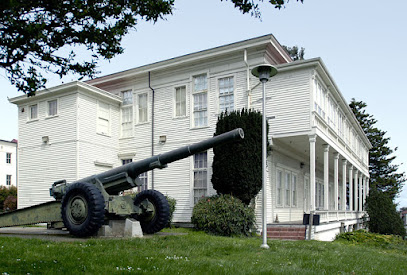
Chambers Mansion
1.7 km
Explore the stunning Chambers Mansion in San Francisco's Pacific Heights, a historical landmark showcasing exquisite architecture and rich cultural heritage.
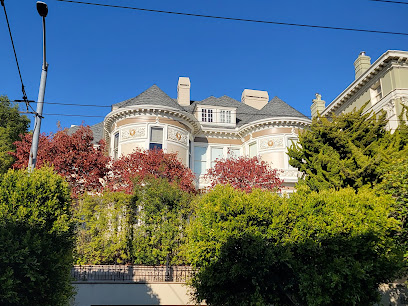
Sundial
1.7 km
Discover the Sundial in Golden Gate Park, San Francisco—a historic landmark blending beauty and nature in one serene experience.
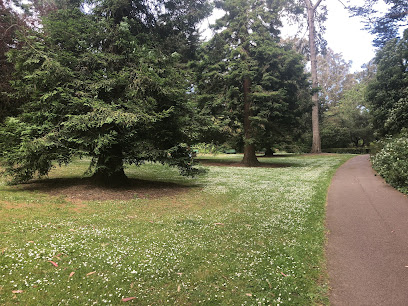
Chestnut St
1.7 km
Discover Chestnut Street, a vibrant hub of shopping, dining, and local culture in the heart of San Francisco, CA, perfect for every traveler.
Unmissable attractions to see

Lyon Street Steps
0.8 km
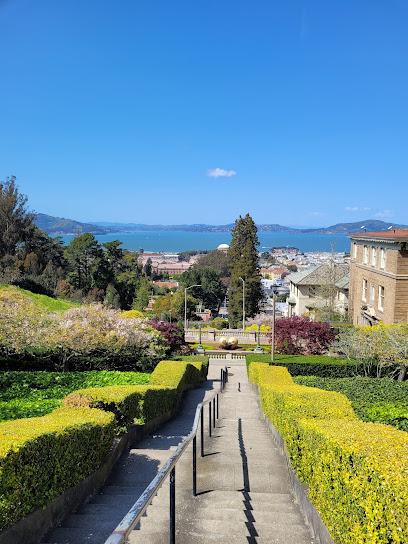
Explore the enchanting Lyon Street Steps, a hidden gem in San Francisco offering stunning views and vibrant gardens, perfect for leisurely strolls and photography.
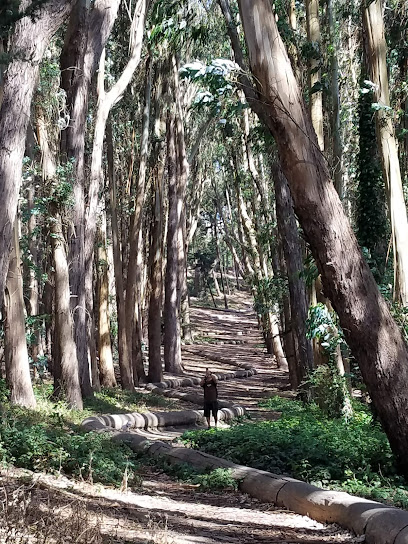
Lovers’ Lane at the Presidio
1.0 km
Discover the scenic beauty and historic charm of Lovers' Lane at the Presidio, a perfect hiking trail in San Francisco for nature lovers and outdoor enthusiasts.
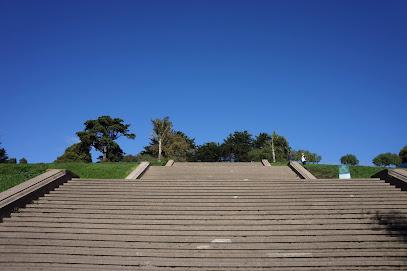
Alta Plaza Park
1.0 km
Experience the beauty of San Francisco at Alta Plaza Park, a serene escape with breathtaking views and lush greenery in the heart of Pacific Heights.
Doc Miles Photo Tours
1.0 km
Unleash your creativity and capture the beauty of San Francisco with personalized photography tours led by expert guides.

Ecology Trail
1.2 km
Discover the serene Ecology Trail in San Francisco, where nature, stunning views, and ecological education come together for a perfect outdoor escape.
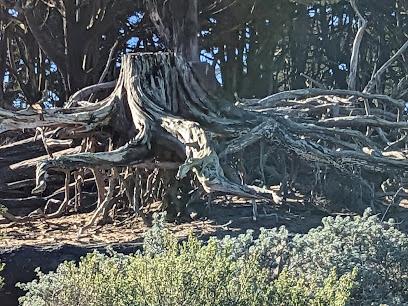
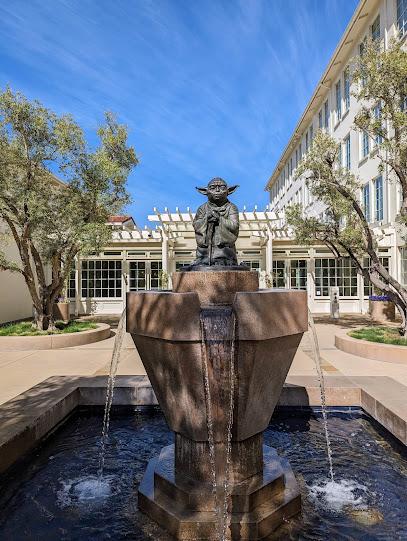
Yoda Fountain
1.3 km
Experience the serenity of the Yoda Fountain in San Francisco's Presidio, a captivating tribute to one of cinema's most beloved characters.
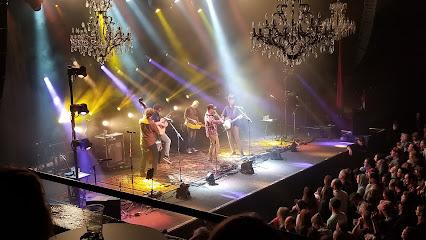
The Fillmore
1.4 km
Experience the iconic Fillmore, a historic live music venue in San Francisco, where legendary performances create unforgettable memories.
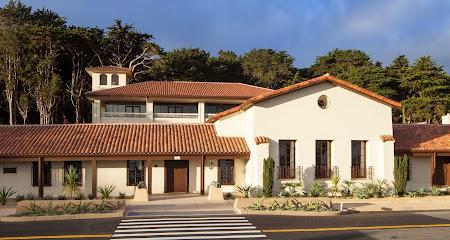
Presidio Officers' Club
1.5 km
Explore San Francisco's military history at the Presidio Officers' Club, a heritage museum and cultural center nestled in stunning landscapes.
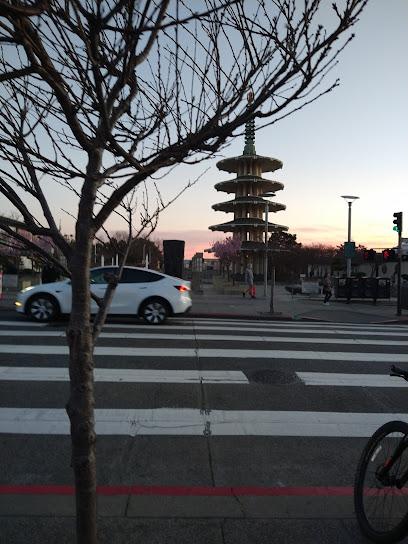
Japantown
1.5 km
Experience the essence of Japanese culture in the heart of San Francisco's Japantown, filled with authentic cuisine and vibrant traditions.
Pershing Square
1.6 km
Discover the historic charm and natural beauty of Pershing Square in the Presidio of San Francisco – a serene retreat rich in military history.
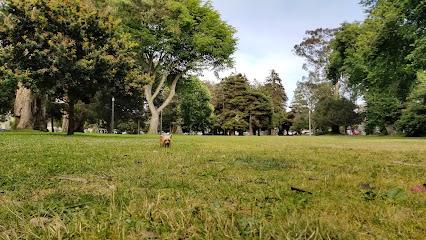
The Panhandle
1.6 km
Discover the lush greenery and serene atmosphere of The Panhandle, a charming park in San Francisco perfect for relaxation and recreation.
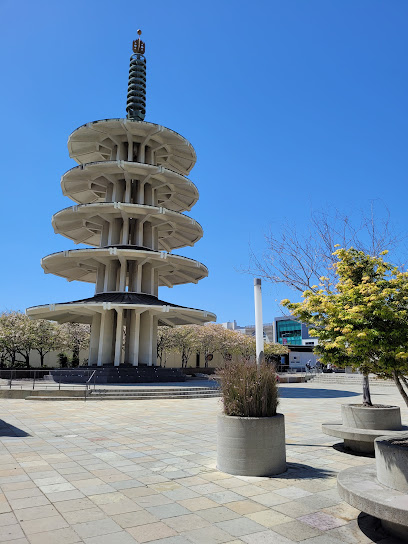
Peace Pagoda
1.6 km
A symbol of peace and unity in San Francisco's Japantown, the Peace Pagoda offers a glimpse into Japanese heritage and culture.
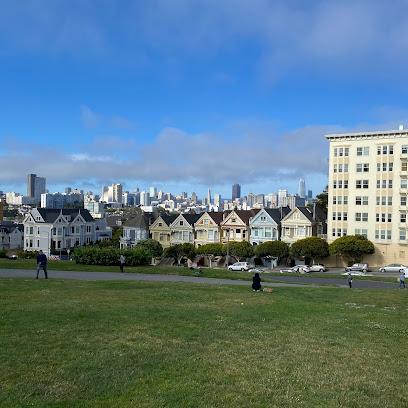
Alamo Square
1.7 km
Explore Alamo Square, where stunning views of the Painted Ladies meet lush green spaces in the heart of San Francisco.
Essential places to dine

Spruce
0.4 km
Discover Spruce: A premier New American restaurant in San Francisco's Presidio Heights serving exquisite seasonal cuisine and elegant ambiance.
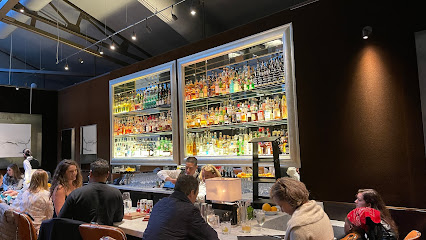
Chapeau
1.2 km
Experience exquisite French cuisine at Chapeau in San Francisco's Richmond District, where elegance meets exceptional flavors.
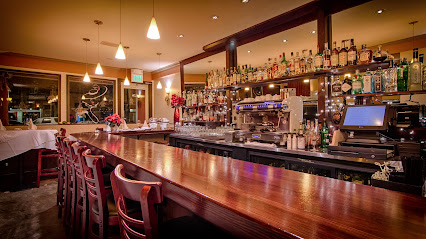
State Bird Provisions
1.4 km
Discover innovative American cuisine with a Californian twist at State Bird Provisions in San Francisco's Fillmore District.
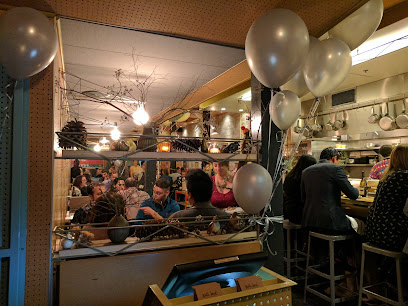
The Progress
1.4 km
Discover innovative Californian cuisine at The Progress in San Francisco’s charming Fillmore District—an unforgettable dining experience awaits!
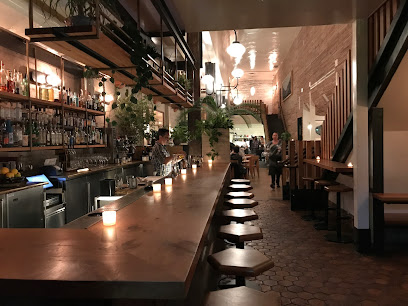
Nopa
1.6 km
Experience the vibrant flavors of New American cuisine at Nopa in San Francisco's Alamo Square, where organic ingredients meet Mediterranean flair.
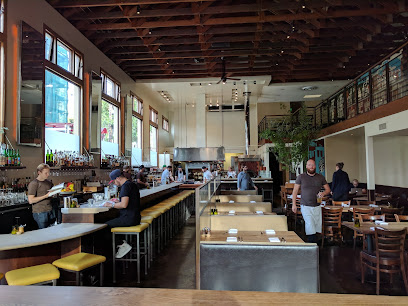
Atelier Crenn
1.7 km
Experience the artistry of French cuisine at Atelier Crenn, where each dish tells a unique story crafted by Chef Dominique Crenn.
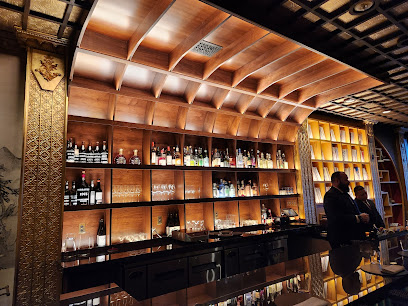
Petit Crenn
2.3 km
Discover the artful blend of tradition and innovation at Petit Crenn, a premier French restaurant in San Francisco's Hayes Valley.
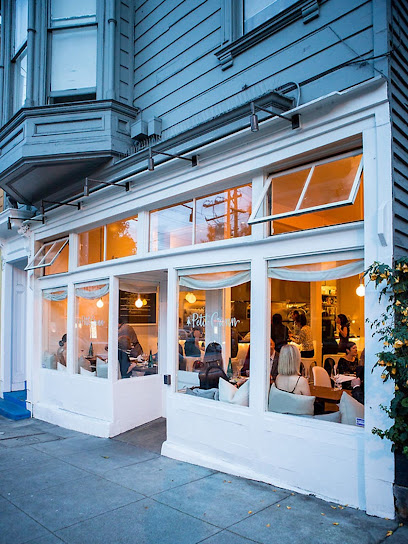
Suppenküche
2.3 km
Experience authentic German cuisine at Suppenküche in San Francisco's Hayes Valley - where every dish tells a story.
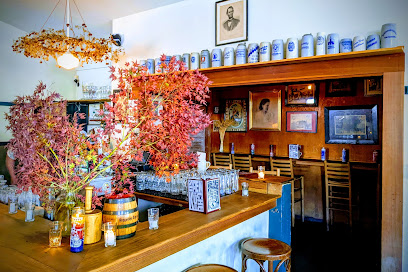
a Mano
2.4 km
Experience authentic Italian cuisine at a Mano in Hayes Valley - where fresh ingredients meet culinary creativity.
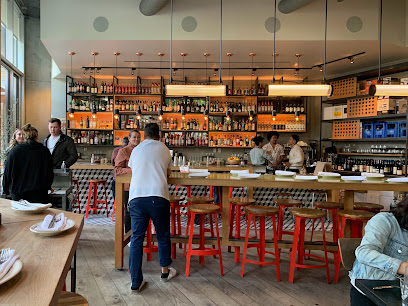
Acquerello
2.4 km
Discover Acquerello: An exquisite Southern Italian dining experience in San Francisco, where culinary artistry meets elegance.
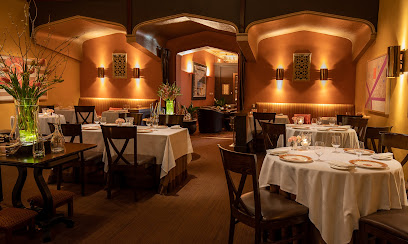
Monsieur Benjamin
2.4 km
Experience exquisite French cuisine at Monsieur Benjamin in Hayes Valley - where modern flavors meet timeless tradition.
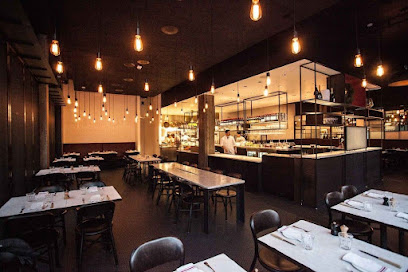
Chez Maman West
2.5 km
Savor authentic French cuisine at Chez Maman West in Hayes Valley - where culinary passion meets inviting ambiance.
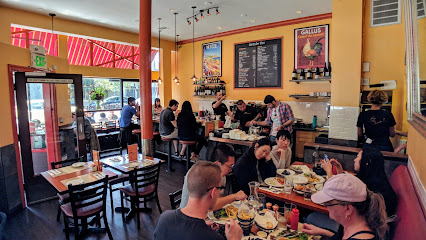
Absinthe Brasserie & Bar
2.5 km
Experience exquisite French cuisine and vibrant atmosphere at Absinthe Brasserie & Bar in San Francisco's Civic Center.
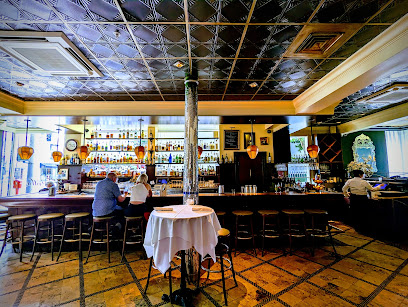
Nightbird
2.5 km
Experience exquisite Californian cuisine at Nightbird, San Francisco's premier fine dining destination known for its innovative dishes and elegant atmosphere.
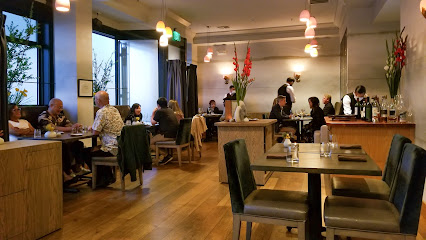
Street Restaurant and Bar
2.5 km
Discover the vibrant flavors of New American cuisine at Street Restaurant and Bar in San Francisco's Polk Gulch—where every dish tells a story.
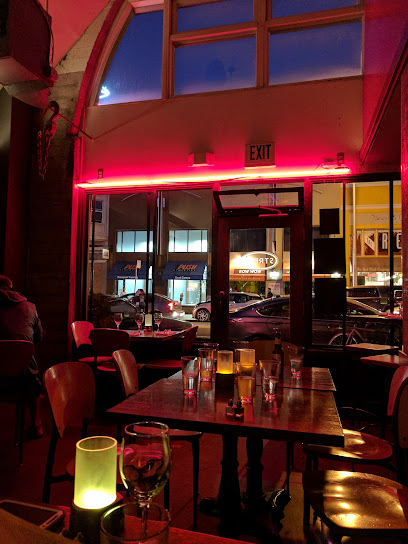
Markets, malls and hidden boutiques

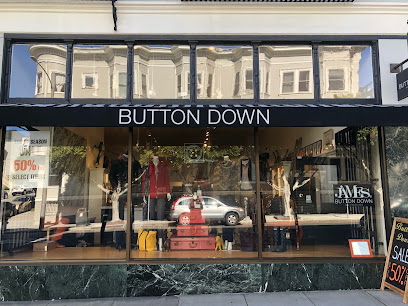
Button Down
0.1 km
Explore Button Down, a charming clothing store in San Francisco’s Presidio Heights, offering unique apparel and accessories for the fashion-savvy traveler.
Foggy Notion
1.2 km
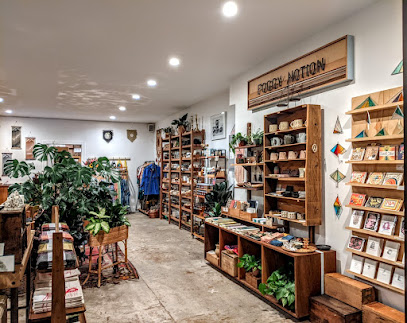
Explore Foggy Notion, a charming boutique in San Francisco, offering a captivating selection of unique gifts and artisanal treasures.
The Golden Hour
1.2 km
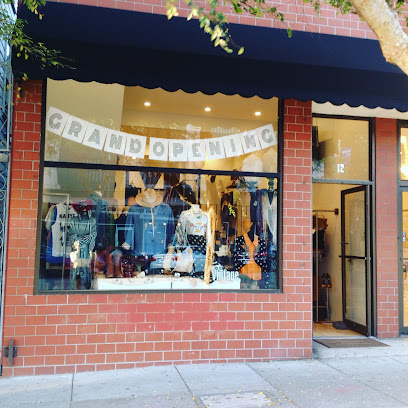
Discover vintage treasures and unique finds at The Golden Hour, San Francisco's charming vintage clothing store in the heart of Richmond District.
post.script.
1.3 km
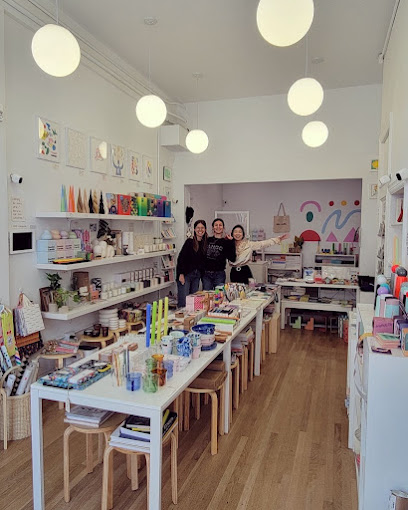
Explore post.script., a charming gift shop in San Francisco offering unique greeting cards and stationery, perfect for any occasion or souvenir.
FRAME
1.3 km
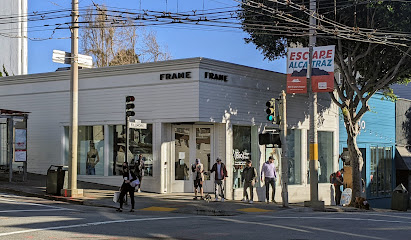
Explore FRAME in Pacific Heights, a chic clothing store offering a curated collection of contemporary fashion for every style.
The Perish Trust
1.5 km
Discover unique gifts and local art at The Perish Trust, a charming shop in San Francisco's Fillmore District that celebrates creativity and craftsmanship.
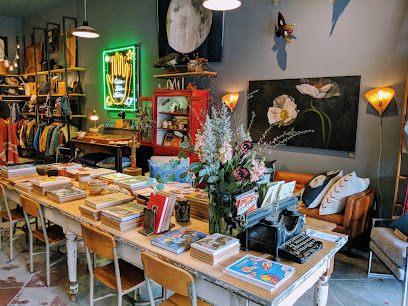
Rare Device
1.6 km
Explore Rare Device in San Francisco for a unique gift shopping experience with local art and eclectic finds.
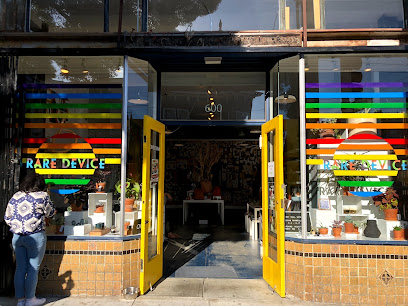
Nikoniko Gifts
1.6 km
Explore Nikoniko Gifts, a charming San Francisco gift shop offering unique souvenirs and local artisan creations that capture the city's vibrant spirit.
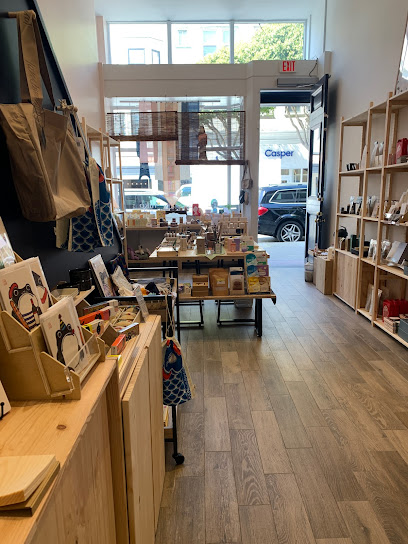
Current
1.7 km
Explore San Francisco's Current Boutique for unique women's fashion, from chic dresses to stylish accessories in a vibrant shopping atmosphere.
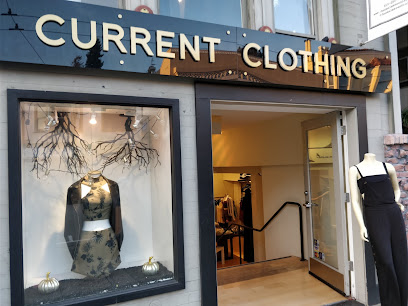
Things Lucky Handicraft
1.8 km
Explore the vibrant Haight-Ashbury district and uncover unique gifts and handcrafted treasures at Things Lucky Handicraft.
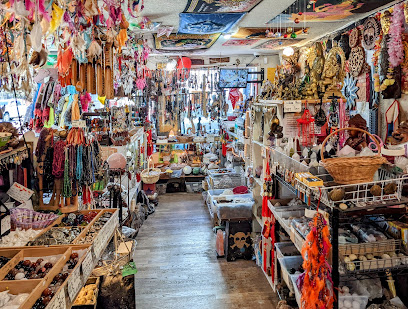
Welcome Haight & Ashbury
1.9 km
Explore the heart of Haight-Ashbury with unique gifts and local treasures at Welcome Haight & Ashbury, San Francisco's iconic visitor center.
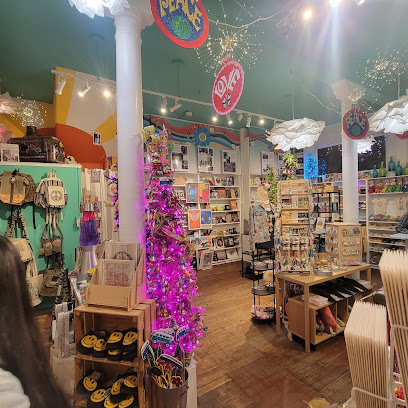
True
1.9 km
Discover unique fashion at True Clothing in Haight-Ashbury, San Francisco's iconic store for eclectic styles and local designer pieces.
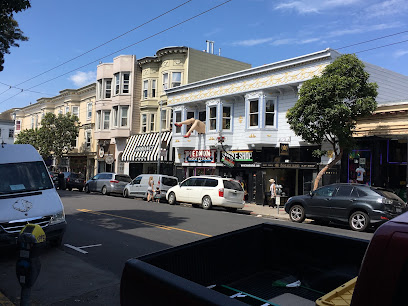
Held Over
1.9 km
Explore unique vintage fashion at Held Over, where every piece has a story and reflects the vibrant spirit of San Francisco's Haight-Ashbury.
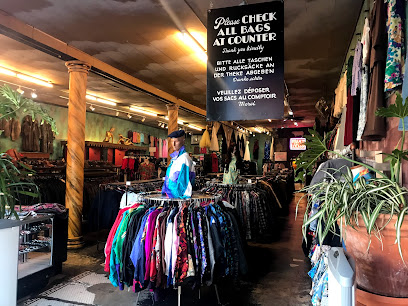
San Francisco Mercantile
1.9 km
Explore the essence of San Francisco at San Francisco Mercantile, your go-to shop for unique gifts and local artisan creations in Haight-Ashbury.
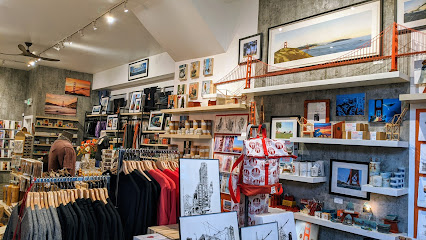
Land of the Sun
2.0 km
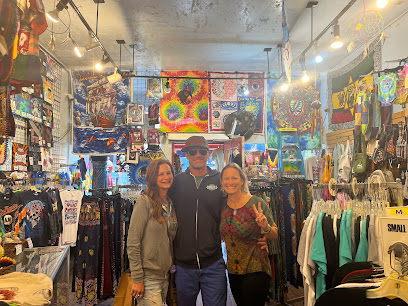
Explore the vibrant Land of the Sun gift shop in Haight-Ashbury, San Francisco, for unique clothing, accessories, and local souvenirs that capture the city's spirit.
Essential bars & hidden hideouts

Brioche Bakery & Cafe
1.9 km
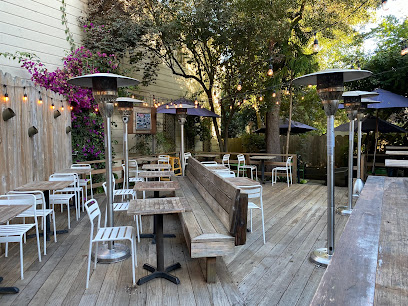
Indulge in artisanal pastries and exceptional brunch at Brioche Bakery & Cafe, a must-visit gem in San Francisco's Haight-Ashbury.
The Majestic Butterfly Lounge
2.0 km
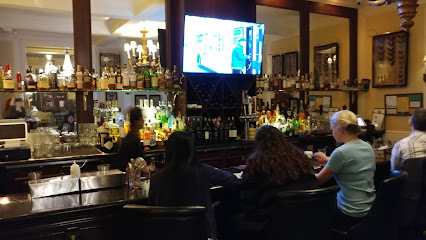
Experience the art of mixology at The Majestic Butterfly Lounge, a stylish cocktail bar in San Francisco's Cathedral Hill, perfect for a vibrant night out.
Noc Noc
2.2 km
Discover Noc Noc, a vibrant bar in San Francisco's Lower Haight, offering creative cocktails and a unique atmosphere perfect for relaxing and socializing.
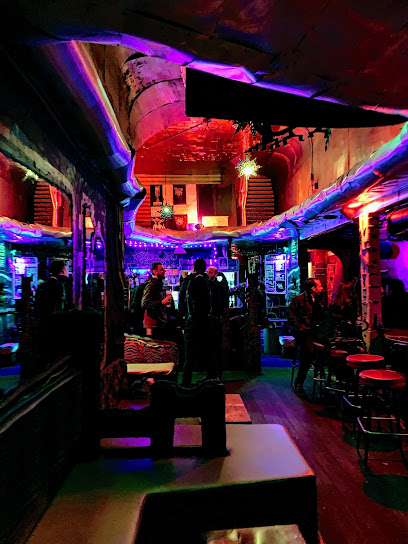
Smuggler's Cove
2.3 km
Discover the enchanting atmosphere and exquisite cocktails at Smuggler's Cove, San Francisco's premier cocktail bar and rum haven.
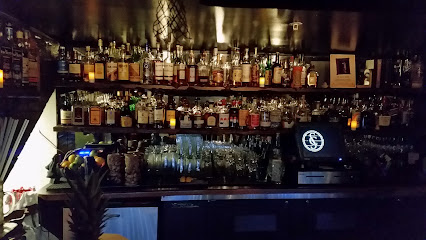
Kozy Kar
2.5 km
Experience the unique charm of Kozy Kar, a vibrant bar in San Francisco's Polk Gulch, known for its water mattresses and friendly atmosphere.
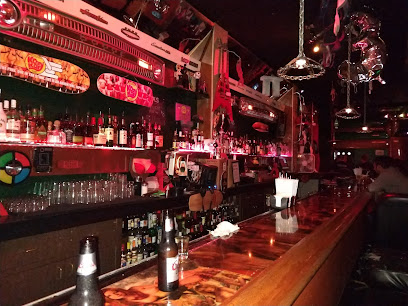
The Interval at Long Now
2.6 km
Discover The Interval at Long Now: a San Francisco cocktail bar that fuses mixology with thought-provoking exhibits, perfect for curious travelers.
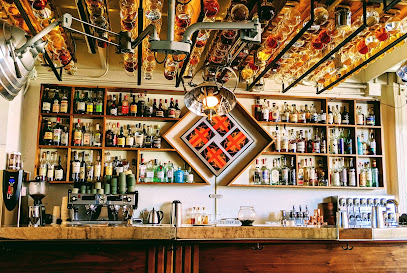
Bar Iris
2.6 km
Discover the vibrant fusion of cocktails and Japanese cuisine at Bar Iris, a must-visit culinary gem in San Francisco's Polk Gulch.
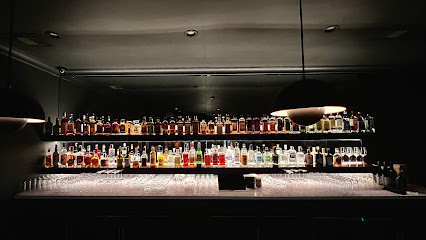
Blackbird
2.7 km
Experience the best of San Francisco nightlife at Blackbird Bar, where craft cocktails and a vibrant atmosphere await.
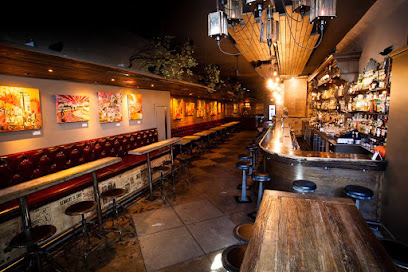
Tara Indian Cuisine
2.8 km
Experience the vibrant flavors of India at Tara Indian Cuisine in San Francisco's Castro district, where tradition meets modern dining.
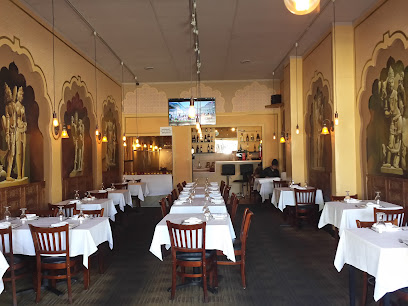
Rye Cocktail Bar
3.0 km
Discover Rye Cocktail Bar in San Francisco, a cocktail haven with expertly mixed drinks and a lively atmosphere perfect for any evening out.
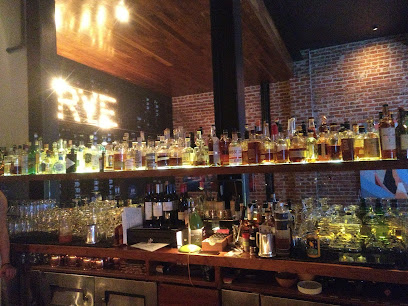
Bourbon & Branch
3.1 km
Discover the speakeasy charm of Bourbon & Branch, where expertly crafted cocktails meet a vibrant San Francisco atmosphere.
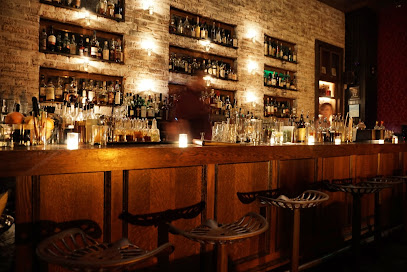
Owl Tree
3.2 km
Discover Owl Tree, San Francisco's cocktail gem known for its cozy ambiance and innovative drinks perfect for any night out.
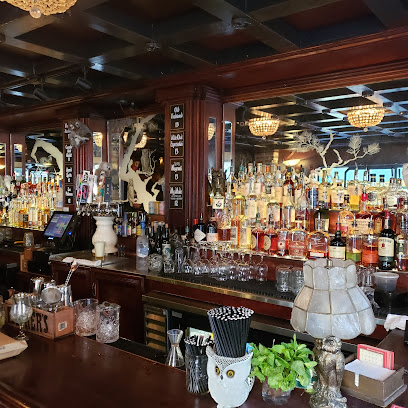
Persona
3.2 km
Discover Persona, San Francisco's stylish cocktail bar offering innovative drinks and a vibrant atmosphere in the heart of Lower Nob Hill.

Dahlia SF
3.2 km
Experience the vibrant nightlife of San Francisco at Dahlia SF, a bar known for its creative cocktails and lively atmosphere in the heart of the Mission District.
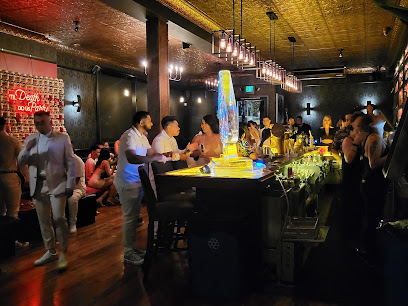
ABV
3.3 km
Discover ABV in San Francisco: a vibrant bar and restaurant known for its craft cocktails and seasonal dishes, perfect for any culinary adventure.