

Free San Bernardino County Travel Guide & Mobile App
Explore San Bernardino County with free travel guides. Discover regional history, expert tips, proposed trips, and audio guides on web or mobile app.


Explore San Bernardino County for Southern California mountains, desert parks, Route 66 history, mountain lakes and wide-open road journeys.
Read more about San Bernardino County
Getting to and around San Bernardino County
How to get there
Transportation
Best attractions in San Bernardino County
San Bernardino County's attractions are defined by variety and distance. The San Bernardino Mountains offer hiking, forest scenery, winter sports and boating around Big Bear Lake, while the Inland Empire includes historic districts, museums, civic architecture and cultural venues in cities such as San Bernardino, Redlands and Ontario. In the High Desert, Route 66 remnants, the Calico Ghost Town area and the Route 66 Mother Road Museum in Barstow interpret the county's transport and mining history. The Mojave National Preserve provides vast desert scenery, Kelso Dunes, volcanic formations and opportunities for stargazing, while Mitchell Caverns lies within the preserve's eastern extension at Providence Mountains State Recreation Area. Joshua Tree National Park extends across San Bernardino and Riverside counties, combining granite boulders, desert vegetation and established hiking areas. Amboy Crater and the historic settlement of Amboy add a more remote volcanic and roadside perspective, while Needles provides access to the Colorado River environment. Distances, heat and limited services mean that these landscapes are best treated as separate excursions rather than linked casually in a single day.
-
Museum
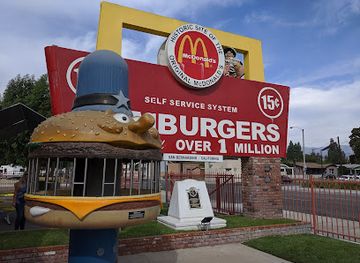
First Original McDonald's Museum
Relive fast-food history at the First Original McDonald's Museum in San Bernardino, celebrating the iconic chain's humble Route 66 beginnings.
-
Museum
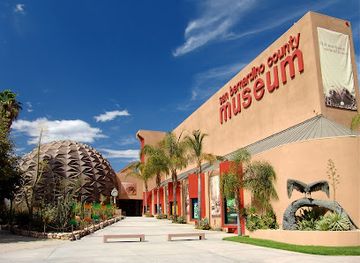
San Bernardino County Museum
Explore the cultural and natural history of Inland Southern California at this Redlands museum. Exhibits, collections, and programs for all ages.
-
History museum
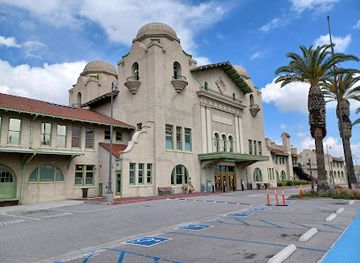
San Bernardino History and Railroad Museum
Explore San Bernardino's past and the impact of the railroad at this free museum in the historic 1918 Santa Fe Depot.
-
Art museum
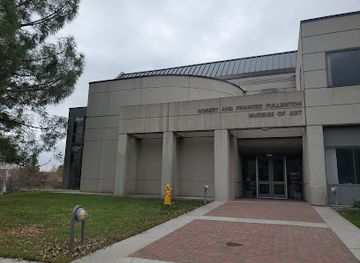
Robert and Frances Fullerton Museum of Art (RAFFMA)
Explore diverse art collections at RAFFMA in San Bernardino, from ancient Egyptian artifacts to contemporary works, on the CSUSB campus.
Best landmarks in San Bernardino County
The San Bernardino Mountains form the county's most prominent natural backdrop, with San Gorgonio Mountain, the highest peak in Southern California, above forested communities and high-elevation valleys. Cajon Pass is another defining landmark: a broad mountain corridor carrying railways, road traffic and a long history of movement between the Los Angeles Basin and the High Desert. In the west, the San Bernardino Asistencia preserves an adobe structure connected with the region's mission-era and Mormon-colony history. Calico's restored mining-town streets and weathered desert setting represent the county's mineral frontier, while Barstow's Route 66 landmarks embody the age of cross-country motoring. Farther east, the Kelso Dunes rise from the Mojave National Preserve in sweeping wind-shaped ridges, and Amboy Crater stands as a recognisable volcanic cone beside historic Route 66. At the county's eastern edge, Needles Bridge and the Colorado River corridor mark the transition into a riverine desert landscape. Each landmark expresses a different layer of the county: Indigenous homelands, mountain geology, settlement, extraction, transport and vast desert space.
-
Historical landmark
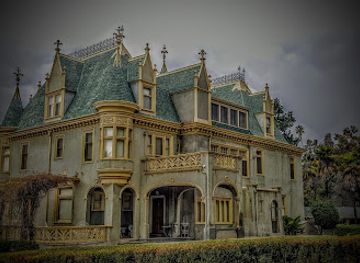
Kimberly Crest House & Gardens
Discover the historic Kimberly Crest House & Gardens, a stunning blend of architectural beauty and lush gardens in Redlands, California.
-
Historical landmark
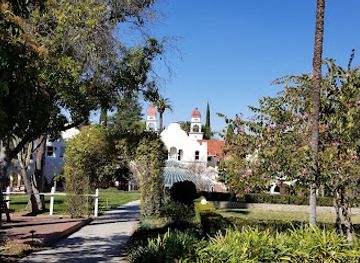
Burrage Mansion
Discover the architectural beauty and rich history of Burrage Mansion, a historical landmark in Redlands, California, perfect for history buffs and casual visitors alike.
-
Historical landmark
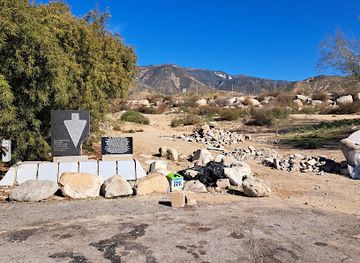
Arrowhead Viewing Spot & Historical Monument
Explore the Arrowhead Viewing Spot & Historical Monument, a serene landmark in San Bernardino, rich in history and offering stunning vistas of the surrounding landscape.
-
Historical landmark
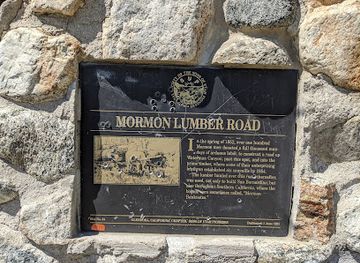
Mormon Road Historic Marker
Experience the rich history of the Mormon pioneers at the Mormon Road Historic Marker in San Bernardino, California, a must-visit historical landmark.
Explore San Bernardino County on the map
Plan your trip on one map. See where the top cities, national parks and sights are, and book hotels and experiences in a few clicks.
Best hotels in San Bernardino County
Best restaurants in San Bernardino County
Dining reflects the county's geography and its position within Southern California. The Inland Empire has a broad choice of Mexican cooking, including regional specialities, tacos, tamales and family-run restaurants, alongside Asian cuisines, Californian cooking and the everyday café and bakery culture of its diverse urban communities. Older agricultural districts around Redlands, Ontario and neighbouring foothill cities retain connections with citrus-growing history, while mountain communities offer diners, cafés, pizzerias and restaurants oriented towards visitors and residents around Big Bear Lake and Lake Arrowhead. In Victor Valley and Barstow, roadside grills, casual restaurants and classic American diner traditions remain part of the travel landscape, with Route 66 heritage influencing the atmosphere more than a single fixed cuisine. Craft breweries and contemporary restaurants are more numerous in the western cities than in remote desert settlements. In isolated areas, food options may be limited and widely spaced, so carrying provisions is sensible when visiting preserves, monuments and long stretches of historic highway.
-
Family-friendly
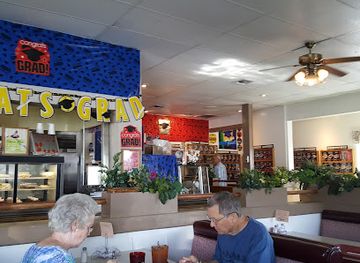
Sundowners Family Restaurant
Experience family-friendly dining at Sundowners Family Restaurant in San Bernardino – where great food meets joyful gatherings!
-
Restaurant
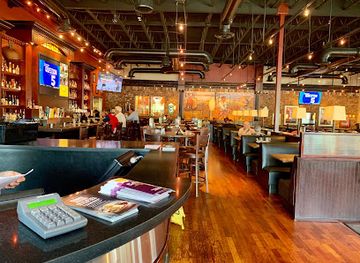
BJ's Restaurant & Brewhouse
Discover BJ's Restaurant & Brewhouse in San Bernardino - where delicious food meets craft beer in a lively atmosphere perfect for any occasion.
-
American
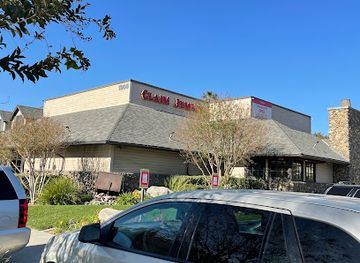
Claim Jumper & Steakhouse - San Bernardino, CA
Discover the heart of American cuisine at Claim Jumper & Steakhouse in San Bernardino - where flavor meets tradition.
-
Steak
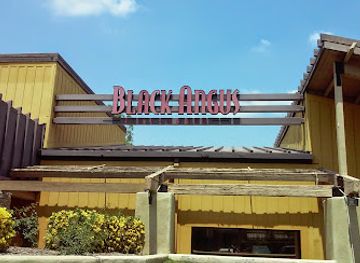
Black Angus Steakhouse
Discover the ultimate steak experience at Black Angus Steakhouse in San Bernardino—where flavor meets tradition in every bite.
Best bars in San Bernardino County
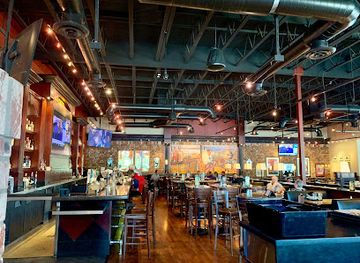
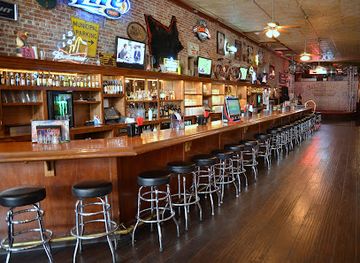
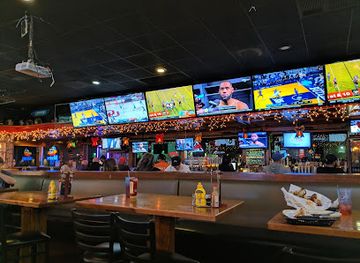
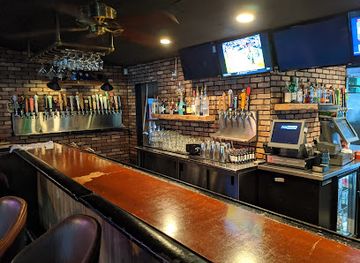
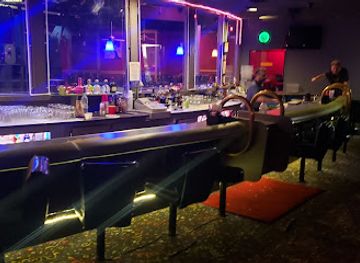
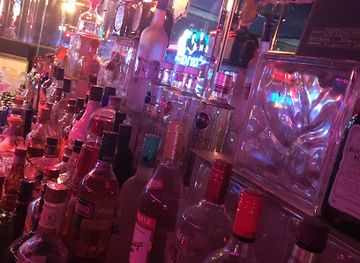
Evening life varies sharply across the county. San Bernardino, Ontario, Rancho Cucamonga and nearby western cities have the broadest selection of breweries, cocktail bars, restaurants with late service, live-music venues and occasional club nights. In the foothills and around Big Bear Lake, the evening scene centres on pubs, lodge-style bars, breweries, casual restaurants and live entertainment, with activity changing by season and weekend demand. Victorville and other High Desert communities offer local bars, sports-oriented venues and restaurants rather than a concentrated nightlife district. Barstow, Needles and remote desert settlements are primarily overnight stopping points, where historic inns, diners and a small number of bars provide a quieter evening. Night-time desert travel requires extra care because distances, lighting and mobile coverage are limited; plan a designated driver and do not assume that a remote venue will offer late transport.
-
Bar
BJ's Restaurant & Brewhouse
Discover the flavors of America at BJ's Restaurant & Brewhouse in San Bernardino, where craft beer meets delicious dining in a vibrant atmosphere.
-
Grill
Lake Alice Trading Co.
Experience Riverside's vibrant culinary scene with delicious grilled food and a lively atmosphere at Lake Alice Trading Co.
-
Grill
Celebrities Sports Grill
Experience the ultimate sports dining at Celebrities Sports Grill, where American classics meet a vibrant atmosphere in San Bernardino.
-
Bar
The Etiwanda Roadhouse Bar & Grill
Discover a lively dining experience at The Etiwanda Roadhouse Bar & Grill in Rancho Cucamonga, where great food meets a vibrant atmosphere.
Best nightclubs in San Bernardino County
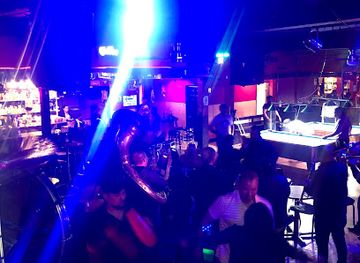
Evening life varies sharply across the county. San Bernardino, Ontario, Rancho Cucamonga and nearby western cities have the broadest selection of breweries, cocktail bars, restaurants with late service, live-music venues and occasional club nights. In the foothills and around Big Bear Lake, the evening scene centres on pubs, lodge-style bars, breweries, casual restaurants and live entertainment, with activity changing by season and weekend demand. Victorville and other High Desert communities offer local bars, sports-oriented venues and restaurants rather than a concentrated nightlife district. Barstow, Needles and remote desert settlements are primarily overnight stopping points, where historic inns, diners and a small number of bars provide a quieter evening. Night-time desert travel requires extra care because distances, lighting and mobile coverage are limited; plan a designated driver and do not assume that a remote venue will offer late transport.
-
Night club
El Palacio Nightclub & Restuarant
El Palacio Nightclub & Restaurant: A premier nightlife destination in San Bernardino, offering vibrant music, dancing, and delicious dining.
-
Night club
Pepes Night Club
Dive into the electrifying nightlife at Pepes Night Club in San Bernardino, where music, dance, and fun come together for an unforgettable experience.
-
Night club
La Nueva CopaCabana
Experience the vibrant nightlife at La Nueva CopaCabana, a lively night club and bar in San Bernardino, perfect for dancing and socializing.
-
Night club
El patron Night Club
Discover the lively El Patron Night Club in San Bernardino for a night of dancing, karaoke, and billiards in a vibrant atmosphere.

Best shops in San Bernardino County
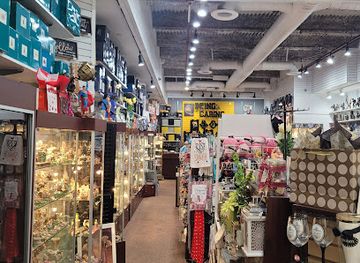
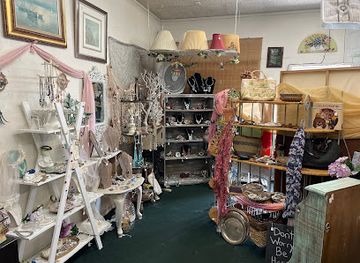
Shopping is most varied in the western cities, where Ontario and Rancho Cucamonga offer modern retail, while older centres such as San Bernardino and Redlands provide independent shops, cafés, antiques, galleries and local services. Farmers' markets and seasonal produce stalls are the best places to look for Inland Empire-grown citrus and other Californian products when operating. In mountain communities, shops around Big Bear Lake and Lake Arrowhead focus on outdoor equipment, resort clothing, gifts, art and locally themed souvenirs. Victorville and Barstow combine ordinary regional retail with roadside memorabilia, vintage goods and Route 66 merchandise, particularly around historic motoring sites and museums. Desert communities tend to have fewer shops and more practical services, so provisions should be bought before entering remote public lands. Useful regional purchases include locally made art, desert photography, handmade goods, books on Route 66 and park maps; visitors should avoid buying archaeological objects, protected plants or items presented as Indigenous cultural material without clear and respectful provenance.
-
Gift shop
Unique Gifts
Discover unique souvenirs and collectibles at Unique Gifts, a must-visit destination in San Bernardino for all tourists.
-
Thrift store
Little Red Thrift Shoppe
Explore the unique treasures at Little Red Thrift Shoppe, a charming thrift store in San Bernardino, CA, offering sustainable shopping and community support.
-
Gift shop
E&A Gift Shop
Explore the charming E&A Gift Shop in San Bernardino for unique souvenirs and exceptional customer service to enrich your travel experience.
-
Gift shop
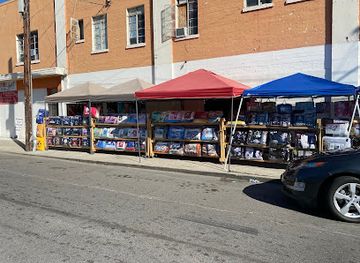
Aura's Gifts and Blankets
Explore Aura's Gifts and Blankets in San Bernardino for unique gifts and cozy blankets, capturing the essence of local charm and creativity.
Get your free copy of our complete guide to San Bernardino County, delivered straight to you.
Everything on this page, from attractions and restaurants to essentials and local phrases, in one PDF you can read offline, print or share.
Already have an account? Sign in
Your San Bernardino County guide is ready.
We'll send it to · Not you? Sign out

Getting your guide ready…
We are putting together a fresh copy of the San Bernardino County guide. This can take up to a minute.
This can take a few moments. If your browser asks, choose Allow so the download can start. You'll find the guide in your Downloads folder.
Nothing happened? Download it again
Sorry, the guide is taking longer than usual. Please try again in a minute, or get it by email instead.
San Bernardino County essentials
Currency and Payment
Safety
Emergency Situations
Do's and Don'ts
Local Tips
From Eve
Local phrases worth knowing
You don't need to get them perfect. A few words go a long way, and locals appreciate the effort.
Basics
| English | Local | Say it |
|---|---|---|
| Hello | Hey | [Hey] |
| Goodbye | See ya | [See ya] |
| Yes | Yeah | [Yeah] |
| No | Nah | [Nah] |
| Please/You're welcome | No problem | [No problem] |
| Thank you | Thanks | [Thanks] |
| Excuse me/Sorry | Sorry | [Sorry] |
| How are you? | How's it going? | [How's it going?] |
| Fine. And you? | Good. You? | [Good. You?] |
| Do you speak English? | You speak English? | [You speak English?] |
| I don't understand | I don't get it | [I don't get it] |
Eating & Drinking
| English | Local | Say it |
|---|---|---|
| I'd like to see the menu, please | Can I see the menu? | [Can I see the menu?] |
| I don't eat meat | I'm vegetarian | [I'm vegetarian] |
| Cheers! | Cheers! | [Cheers!] |
| I would like to pay, please | Can I get the check? | [Can I get the check?] |
Emergencies
| English | Local | Say it |
|---|---|---|
| Help! | Help! | [Help!] |
| Go away! | Get lost! | [Get lost!] |
| Call the Police! | Call the cops! | [Call the cops!] |
| Call a doctor! | Get a doctor! | [Get a doctor!] |
| I'm lost | I'm totally lost | [I'm totally lost] |
| I'm ill | I'm not feeling well | [I'm not feeling well] |
Shopping
| English | Local | Say it |
|---|---|---|
| I'd like to buy... | I'm looking to buy... | [I'm looking to buy...] |
| I'm just looking | Just browsing | [Just browsing] |
| How much is it? | What’s the price? | [What’s the price?] |
| That's too expensive | That's pricey | [That's pricey] |
| Can you lower the price? | Can you give me a discount? | [Can you give me a discount?] |
Time & Numbers
| English | Local | Say it |
|---|---|---|
| What time is it? | What time? | [What time?] |
| It's one o'clock | It's 1 o'clock | [It's 1 o'clock] |
| Half past (10) | 10:30 | [10:30] |
| Morning | Morning | [Morning] |
| Afternoon | Afternoon | [Afternoon] |
| Evening | Evening | [Evening] |
| Yesterday | Yesterday | [Yesterday] |
| Today | Today | [Today] |
| Tomorrow | Tomorrow | [Tomorrow] |
| 1 | 1 | [1] |
| 2 | 2 | [2] |
| 3 | 3 | [3] |
| 4 | 4 | [4] |
| 5 | 5 | [5] |
| 6 | 6 | [6] |
| 7 | 7 | [7] |
| 8 | 8 | [8] |
| 9 | 9 | [9] |
| 10 | 10 | [10] |
Transport & Directions
| English | Local | Say it |
|---|---|---|
| Where's a/the...? | Where's the...? | [Where's the...?] |
| What's the address? | What’s the address? | [What’s the address?] |
| Can you show me (on the map)? | Can you show me on the map? | [Can you show me on the map?] |
| When's the next (bus)? | When's the next bus? | [When's the next bus?] |
| A ticket (to ....) | A ticket to...? | [A ticket to...?] |
History of San Bernardino County
Indigenous Homelands and Desert Trade Routes
Long before American settlement, the region was home to Indigenous peoples whose territories and travel networks crossed the mountains, valleys and deserts. The Serrano were closely associated with the San Bernardino Mountains and surrounding valleys, while the Chemehuevi and Mojave maintained deep connections with the eastern deserts and Colorado River corridor. Trade, seasonal movement, hunting, gathering and stewardship shaped the landscape. Petroglyphs, village locations, trails and continuing community traditions provide evidence of this long history, although many cultural sites are sensitive and should not be treated as recreational objects.
Spanish and Mexican Ranching Eras
Spanish missions and later Mexican land grants altered patterns of land ownership and settlement in the inland valleys. Rancho San Bernardino became the basis for a major nineteenth-century settlement, while ranching and agriculture developed around springs, rivers and other dependable water sources. The region was part of Alta California before the United States acquired California after the Mexican-American War. Surviving adobe structures and historic place names reflect these layered Spanish, Mexican and Indigenous histories, even though much of the county's later urban form developed long afterwards.
The Mormon Colony at San Bernardino, 1851
In 1851, settlers associated with the Church of Jesus Christ of Latter-day Saints established a planned colony in the San Bernardino Valley. They developed farms, roads and civic institutions, helping to establish the foundations of the modern city of San Bernardino. The settlement was sold in 1857 after political and financial changes within the church, but its influence remained visible in the area's early agricultural development and architecture. The San Bernardino Asistencia, a mission-era adobe site associated with the colony's later history, is one of the most tangible reminders of this period.
Mining, Railways and the Growth of Barstow
Nineteenth-century mining brought prospectors and commercial activity into the county's deserts, where silver, gold and other minerals were extracted in districts such as Calico. Railways then transformed the region by linking inland settlements with coastal markets and the wider national network. Barstow grew as a railway and transport centre, while Needles became an important crossing and service point beside the Colorado River. The desert economy remained challenging and cyclical, but mining camps, railway towns and supply routes established patterns that still shape heritage travel today.
Agriculture, Citrus and Inland Urbanisation
Irrigation and rail access encouraged citrus, vineyards and other forms of commercial agriculture in the warmer western valleys during the late nineteenth and early twentieth centuries. Packing houses, ranches and agricultural communities supported the growth of San Bernardino, Redlands, Colton, Ontario and neighbouring cities. As Southern California expanded after the Second World War, orchards and open land were progressively replaced by housing, industry and transport infrastructure. Historic citrus landscapes and civic buildings survive most clearly in older Inland Empire communities, providing context for the county's transition from rural production to metropolitan life.
Route 66, Aviation and the Modern Desert
The twentieth century brought new forms of mobility and technology. U.S. Route 66 crossed the county through towns including Barstow, Amboy and Needles, creating a ribbon of diners, service stations and roadside businesses that became part of American travel culture. Military aviation and aerospace activity also expanded around the High Desert, with Edwards Air Force Base nearby in Kern County influencing the wider regional economy and culture. More recently, logistics, warehousing and distribution have grown rapidly in the Inland Empire, while desert communities continue to balance heritage tourism with renewable energy, conservation and growth.
San Bernardino County in Photos
Browse through our photo collection highlighting the charm and character of the destination.
Neighbouring regions of San Bernardino County
The closest regions to San Bernardino County, if you have time for more than one.
-

-

-

-

-


Swipe for more regions
Explore more
Explore more of California
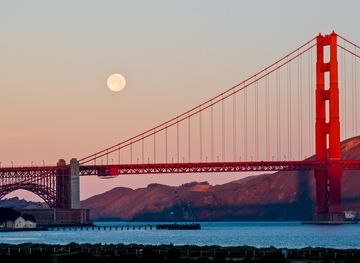
Discover California: A land of diverse landscapes, iconic cities, and endless adventures, from sun-soaked beaches to towering redwoods and vibrant cultural experiences.
Explore California