

Free Inland Empire Travel Guide & Mobile App
Explore Inland Empire with free travel guides. Discover regional history, expert tips, proposed trips, and audio guides on web or mobile app.


Explore California's Inland Empire for citrus heritage, mountain escapes, desert landscapes, Joshua Tree and diverse inland communities.
Read more about Inland Empire
Getting to and around Inland Empire
How to get there
Transportation
Top city travel guides in Inland Empire
The cities of Inland Empire, and the easiest places to base yourself.
-

-

-

-

-

-


Swipe for more cities
Destinations in Inland Empire
Resorts, valleys and scenic spots worth a trip of their own.
-

-

-

-


Swipe for more destinations
Best attractions in Inland Empire
The Inland Empire offers an unusually varied attraction base because two large counties contain urban heritage, mountain recreation and several desert environments. Riverside's Mission Inn Hotel & Spa, historic citrus landscapes and California Citrus State Historic Park introduce the region's agricultural past, while nearby museums and university spaces add art, science and local history. San Bernardino County contributes Route 66 heritage, mountain communities, Big Bear Lake and the forests around Lake Arrowhead, where hiking, boating and winter sports follow seasonal conditions. At lower elevations, Lake Perris State Recreation Area provides boating, swimming, camping and trails close to the metropolitan corridor. The eastern desert is anchored by Joshua Tree National Park, whose rock formations, Joshua trees, climbing areas and dark skies require careful preparation. The Coachella Valley adds palm oases, date-growing districts, desert gardens, museums and access to the San Jacinto Mountains. Aviation and military history can be explored at the March Field Air Museum near Riverside, while smaller historic districts, farmers' markets, galleries and community festivals reveal the region's contemporary cultural diversity.
-
Tourist attraction
Palm Springs Aerial Tramway
Ascend from the desert to the alpine in minutes on the world-famous Palm Springs Aerial Tramway. Breathtaking views and mountain adventures await!
-
Shopping mall
Lake Arrowhead Village
Discover Lake Arrowhead Village, a picturesque shopping and dining destination nestled in the stunning San Bernardino Mountains of California.
-
Amusement park
Castle Park
Experience unforgettable thrills and family fun at Castle Park, a premier amusement destination in Riverside, California, featuring rides, games, and a water park.
-
Museum
Palm Springs Air Museum
Explore an impressive collection of flyable WWII aircraft & artifacts. Experience aviation history firsthand at the Palm Springs Air Museum.


Best landmarks in Inland Empire
The Mission Inn in downtown Riverside is the Inland Empire's most recognisable architectural landmark, an elaborate complex whose successive additions reflect the region's early twentieth-century civic ambition and Spanish Colonial Revival taste. Riverside's nearby historic citrus districts and California Citrus State Historic Park represent the agricultural landscape that built local wealth. San Bernardino's Route 66 corridor preserves reminders of the road's importance to automobile travel, while the Wigwam Motel in San Bernardino is a notable surviving example of roadside architecture. In the mountains, Big Bear Lake is both a major geographical feature and a defining recreation landmark, set among the San Bernardino Mountains. The natural landmarks of Joshua Tree National Park, including its namesake trees, granite formations and desert passes, give the eastern region its strongest visual identity. The Coachella Valley's palm oases and the sharp escarpment of the San Jacinto Mountains provide a contrasting desert geography, while the historic Mission Inn and the citrus landscapes together explain why Riverside remains central to the region's cultural memory.
-
Mountain cable car
Palm Springs Aerial Tramway
Experience unparalleled views and thrilling adventures at the Palm Springs Aerial Tramway, connecting desert beauty to mountain serenity.
-
 Hotel
Mission Inn Hotel & Spa
Discover the historical elegance and modern luxury of Mission Inn Hotel & Spa in Riverside, California, a perfect getaway for relaxation and celebration.
-
Museum
Palm Springs Air Museum
Explore the Palm Springs Air Museum, a fascinating destination for aviation enthusiasts and history buffs, showcasing vintage aircraft and engaging exhibits.
-
Historical landmark
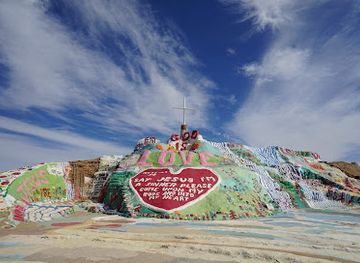
Salvation Mountain
Explore Salvation Mountain, a vibrant artistic landmark in California's desert, where creativity meets spirituality in a colorful oasis.


Explore Inland Empire on the map
Plan your trip on one map. See where the top cities, national parks and sights are, and book hotels and experiences in a few clicks.
Best hotels in Inland Empire
Best restaurants in Inland Empire
Dining across the Inland Empire reflects Southern California's agricultural history and cosmopolitan population. Mexican and Mexican American cooking is especially important, with regional businesses ranging from taquerias and bakeries to sit-down restaurants, while Chinese, Vietnamese, Korean, Indian, Filipino and other Asian cuisines are well represented in the larger urban corridor. Citrus, dates and other produce appear in markets, drinks, desserts and seasonal menus; the Coachella Valley is particularly associated with date cultivation. Riverside, Redlands, Ontario, Rancho Cucamonga and the valley cities offer independent cafés, breweries, casual restaurants and more ambitious contemporary kitchens, while mountain communities have cafés, pizzerias and rustic dining suited to visitors staying near the lakes. Farmers' markets and farm stands provide a useful way to find local fruit and vegetables, though availability changes with the season. In the desert, carry water and plan meals around long distances between settlements rather than assuming every scenic area has food nearby.
-
Barbecue
Pappy + Harriet's
Discover Pappy + Harriet's in Pioneertown – where mouthwatering barbecue meets unforgettable live music in a rustic Wild West setting.
-
Family-friendly
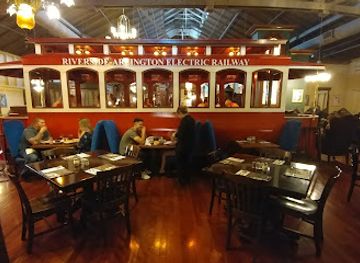
The Old Spaghetti Factory
Experience the charm of Italian dining at The Old Spaghetti Factory in Riverside - where family-friendly meets delicious cuisine.
-
Food court
Riverside Food Lab
Discover diverse culinary experiences at Riverside Food Lab - where every dish tells a story.
-
New American
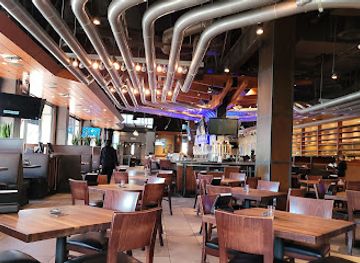
Yard House
Experience Riverside's culinary scene at Yard House - where great food meets vibrant atmosphere in the heart of California.


Best bars in Inland Empire
Evening life is concentrated in the Inland Empire's larger cities rather than spread evenly through the region. Riverside has the broadest mix of historic-hotel bars, restaurants, breweries, live music and arts-oriented venues, with further choices in downtown districts around San Bernardino, Ontario, Redlands, Rancho Cucamonga and other urban centres. The Coachella Valley has a more resort-oriented scene, including hotel lounges, cocktail bars, restaurants and venues associated with its established music and entertainment culture, while mountain communities tend towards pubs, casual bars and early-closing dining rooms. Craft breweries and taprooms are part of the contemporary inland scene, but opening arrangements vary and should be checked locally. In rural, desert and mountain areas, the evening experience is more likely to mean a meal, a quiet drink, stargazing or live community entertainment than a large nightclub district.
-
Bar
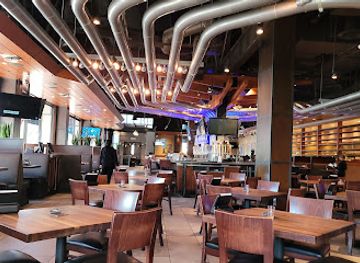
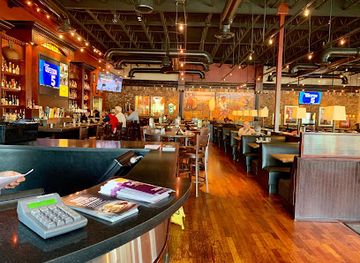
Yard House
Experience the vibrant flavors of Yard House in Riverside, where delicious food and a lively bar atmosphere come together for an unforgettable dining experience.
-
Bar
BJ's Restaurant & Brewhouse
Experience the vibrant atmosphere of BJ's Restaurant & Brewhouse in San Bernardino, where delicious food meets craft brewing.
-
Grill
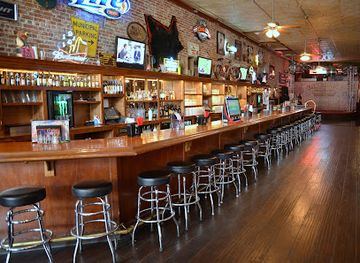
Lake Alice Trading Co.
Experience Riverside's vibrant dining scene at Lake Alice Trading Co., where delicious grilled dishes and friendly service meet local charm.
-
Grill
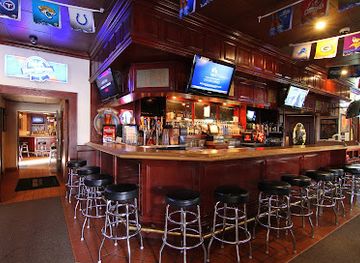
DUKE'S BAR & GRILL
Discover Duke's Bar & Grill in Riverside, CA - where delicious American cuisine meets lively karaoke and thrilling sports entertainment.
Best nightclubs in Inland Empire
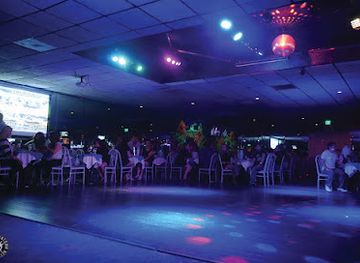
Evening life is concentrated in the Inland Empire's larger cities rather than spread evenly through the region. Riverside has the broadest mix of historic-hotel bars, restaurants, breweries, live music and arts-oriented venues, with further choices in downtown districts around San Bernardino, Ontario, Redlands, Rancho Cucamonga and other urban centres. The Coachella Valley has a more resort-oriented scene, including hotel lounges, cocktail bars, restaurants and venues associated with its established music and entertainment culture, while mountain communities tend towards pubs, casual bars and early-closing dining rooms. Craft breweries and taprooms are part of the contemporary inland scene, but opening arrangements vary and should be checked locally. In rural, desert and mountain areas, the evening experience is more likely to mean a meal, a quiet drink, stargazing or live community entertainment than a large nightclub district.
-
Gay bar
Hunters Palm Springs
Experience the vibrant nightlife and delicious American cuisine at Hunters Palm Springs, the ultimate gay bar and restaurant in downtown Palm Springs.
-
Night club
Copa Nightclub
Discover the lively Copa Nightclub, Palm Springs’ premier nightlife destination offering live music, DJs, and unforgettable nights filled with fun and excitement.
-
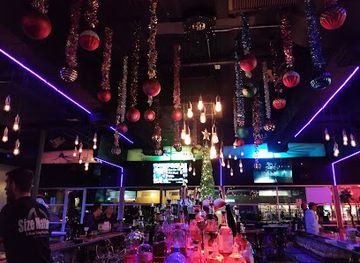
Night club
Downtown Experiment
Dive into the energetic nightlife of Downtown Experiment, Riverside's top night club with themed events, live music, and a vibrant atmosphere.
-
Night club
Rio Grande Nightclub
Discover the electrifying nightlife at Rio Grande Nightclub in Montclair, CA, where music, dance, and fun come together.


Best shops in Inland Empire
Shopping in the Inland Empire ranges from conventional suburban centres to independent high streets, produce markets and specialist businesses reflecting the region's diverse communities. Downtown Riverside and historic Redlands offer locally owned shops, galleries, cafés, books and antiques alongside civic architecture, while Ontario and Rancho Cucamonga provide larger retail districts and outlet-style shopping. Farmers' markets across the urban corridor are useful for California fruit, vegetables, baked goods and prepared foods, with seasonal citrus and Coachella Valley dates among the most regionally characteristic purchases. Desert communities add galleries, design-led homewares, resort clothing and locally produced food products, while mountain towns sell outdoor equipment, crafts and practical supplies rather than extensive luxury retail. Look for Native-made art and cultural products through reputable tribal or museum-linked channels, and avoid buying archaeological objects or items whose provenance is unclear. In remote areas, services are limited, so purchase fuel, water and essentials before heading into the mountains or desert.
-
Shopping mall
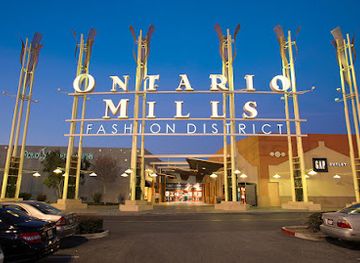
Ontario Mills
Discover Ontario Mills, Southern California's largest outlet shopping mall, where fashion meets fun in a vibrant retail experience.
-
Shopping mall
Victoria Gardens
Explore the vibrant Victoria Gardens in Rancho Cucamonga, California, a shopping mall offering retail therapy, dining delights, and family-friendly entertainment.
-
Outlet mall
The Outlets at Orange
Explore The Outlets at Orange for incredible savings on top brands and a fun-filled shopping experience in sunny California.
-
Gift shop
The Shops at Santa Anita
Explore shopping, dining, and entertainment at The Shops at Santa Anita, where style meets leisure in Arcadia, California.

Get your free copy of our complete guide to Inland Empire, delivered straight to you.
Everything on this page, from attractions and restaurants to essentials and local phrases, in one PDF you can read offline, print or share.
Already have an account? Sign in
Your Inland Empire guide is ready.
We'll send it to · Not you? Sign out

Getting your guide ready…
We are putting together a fresh copy of the Inland Empire guide. This can take up to a minute.
This can take a few moments. If your browser asks, choose Allow so the download can start. You'll find the guide in your Downloads folder.
Nothing happened? Download it again
Sorry, the guide is taking longer than usual. Please try again in a minute, or get it by email instead.
Inland Empire essentials
Currency and Payment
Safety
Emergency Situations
Do's and Don'ts
Local Tips
From Eve
Local phrases worth knowing
You don't need to get them perfect. A few words go a long way, and locals appreciate the effort.
Basics
| English | Local | Say it |
|---|---|---|
| Hello | Hey | [Hey] |
| Goodbye | See ya | [See ya] |
| Yes | Yeah | [Yeah] |
| No | Nah | [Nah] |
| Please/You're welcome | No prob | [No prob] |
| Thank you | Thanks | [Thanks] |
| Excuse me/Sorry | My bad | [My bad] |
| How are you? | How’s it going? | [How's it going?] |
| Fine. And you? | Good. You? | [Good. You?] |
| Do you speak English? | You speak English? | [You speak English?] |
| I don't understand | I don’t get it | [I don’t get it] |
Eating & Drinking
| English | Local | Say it |
|---|---|---|
| I'd like to see the menu, please | Can I see the menu? | [Can I see the menu?] |
| I don't eat meat | I’m vegetarian | [I’m vegetarian] |
| Cheers! | Cheers! | [Cheers!] |
| I would like to pay, please | Can I get the check? | [Can I get the check?] |
Emergencies
| English | Local | Say it |
|---|---|---|
| Help! | Help! | [Help!] |
| Go away! | Leave me alone! | [Leave me alone!] |
| Call the Police! | Call 911! | [Call 911!] |
| Call a doctor! | Get a doctor! | [Get a doctor!] |
| I'm lost | I’m lost | [I’m lost] |
| I'm ill | I’m sick | [I’m sick] |
Shopping
| English | Local | Say it |
|---|---|---|
| I'd like to buy... | I wanna buy... | [I wanna buy...] |
| I'm just looking | Just browsing | [Just browsing] |
| How much is it? | How much? | [How much?] |
| That's too expensive | That’s pricey | [That’s pricey] |
| Can you lower the price? | Can you cut me a deal? | [Can you cut me a deal?] |
Time & Numbers
| English | Local | Say it |
|---|---|---|
| What time is it? | What time is it? | [What time is it?] |
| It's one o'clock | It's 1 o'clock | [It's 1 o'clock] |
| Half past (10) | Half past 10 | [Half past 10] |
| Morning | Morning | [Morning] |
| Afternoon | Afternoon | [Afternoon] |
| Evening | Evening | [Evening] |
| Yesterday | Yesterday | [Yesterday] |
| Today | Today | [Today] |
| Tomorrow | Tomorrow | [Tomorrow] |
| 1 | One | [One] |
| 2 | Two | [Two] |
| 3 | Three | [Three] |
| 4 | Four | [Four] |
| 5 | Five | [Five] |
| 6 | Six | [Six] |
| 7 | Seven | [Seven] |
| 8 | Eight | [Eight] |
| 9 | Nine | [Nine] |
| 10 | Ten | [Ten] |
Transport & Directions
| English | Local | Say it |
|---|---|---|
| Where's a/the...? | Where's the...? | [Where's the...?] |
| What's the address? | What’s the address? | [What’s the address?] |
| Can you show me (on the map)? | Can you show me on the map? | [Can you show me on the map?] |
| When's the next (bus)? | When's the next bus? | [When's the next bus?] |
| A ticket (to ....) | A ticket to ... | [A ticket to ...] |
History of Inland Empire
Indigenous homelands before American settlement
Long before the arrival of the United States, the inland valleys, mountains and deserts were home to Native peoples including the Cahuilla, Serrano, Luiseño and Chemehuevi, among others. Communities developed detailed knowledge of seasonal water, native plants, trade routes and mountain environments. Their cultural presence continues through tribal governments, cultural institutions and protected sites. The San Manuel Band of Mission Indians, Pechanga Band of Indians and other tribes remain important contemporary institutions, while place names, archaeological evidence and living traditions show that the region's history did not begin with Spanish missions or later urban development.
Spanish missions and Mexican California
Spanish expeditions and mission authorities entered the inland valleys in the late eighteenth century, bringing new political and religious structures, livestock and crops while profoundly disrupting Native communities. Mission San Gabriel Arcángel, outside the Inland Empire, influenced routes and settlement patterns leading eastward, and the San Bernardino Valley later acquired its name from a Mexican-era land grant. After Mexican independence in 1821, ranchos and cattle operations expanded across parts of the region. The surviving mission-era and rancho landscape is fragmentary, but its influence remains visible in place names, land patterns and the region's Hispanic heritage.
American conquest and the rise of San Bernardino
Following the Mexican-American War, California became part of the United States in 1848, and San Bernardino County was established in 1853. Mormon settlers founded San Bernardino in the early 1850s, developing irrigation and agriculture before the settlement changed hands and expanded under American commercial interests. Surveying, wagon roads and later railways connected the inland valleys with coastal ports and markets. The creation of Riverside County in 1893 reflected the growing economic and civic importance of communities south and east of San Bernardino.
Citrus, irrigation and planned communities
From the late nineteenth century, irrigation and the expansion of rail transport transformed the Inland Empire into a major citrus-growing district. Riverside became especially associated with navel oranges, while Redlands, San Bernardino, Ontario and surrounding settlements developed packing houses, groves and influential civic institutions. The industry attracted investment, labour and technological experimentation, and it shaped distinctive streetscapes of broad avenues, mature trees and Mission Revival buildings. Although housing and logistics have replaced many orchards, citrus heritage survives at sites such as California Citrus State Historic Park and in the region's historic neighbourhoods.
Railways, Route 66 and industrial expansion
Rail connections and the later construction of roads made the region a crucial corridor between Southern California and the interior West. Route 66 passed through San Bernardino County and helped create a visual culture of motor courts, roadside businesses and automobile travel. After the Second World War, suburban development accelerated across Riverside and San Bernardino counties, accompanied by manufacturing, warehouses and distribution centres. The same geographical position that once served citrus rail freight now supports one of the country's largest logistics networks, bringing employment and environmental debates alongside continued growth.
Aerospace, migration and metropolitan transformation
Military aviation and aerospace became major forces in the twentieth century, particularly around March Field, now March Air Reserve Base, and related facilities in Riverside County. The Inland Empire also became a destination for migrants from across the United States and from Latin America, Asia and elsewhere, producing diverse towns, businesses and cultural institutions. Universities including the University of California, Riverside and California State University, San Bernardino have contributed to research and civic life. Today the region combines rapidly expanding urban centres with agricultural remnants, mountain recreation and desert communities.
Inland Empire in Photos
Browse through our photo collection highlighting the charm and character of the destination.
Neighbouring regions of Inland Empire
The closest regions to Inland Empire, if you have time for more than one.
-

-

-

-

-


Swipe for more regions
Explore more
Explore more of California
Discover California: A land of diverse landscapes, iconic cities, and endless adventures, from sun-soaked beaches to towering redwoods and vibrant cultural experiences.
Explore California