

San Francisco Peninsula, California Travel Guide
Discover the San Francisco Peninsula: a blend of urban excitement, natural beauty, and rich cultural heritage, offering an unforgettable Californian experience.
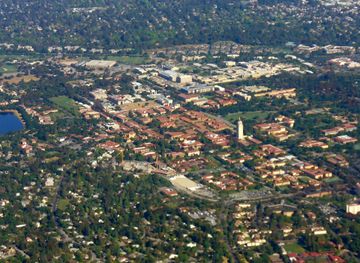
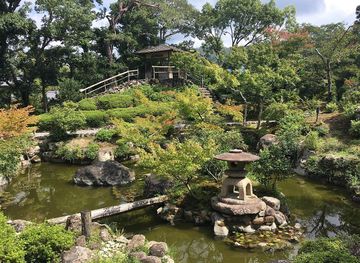
The San Francisco Peninsula is a stunning region of California that offers a diverse array of attractions. From the bustling urban life of San Francisco to the serene beaches of Half Moon Bay, this area has something for everyone. The iconic Golden Gate Bridge is a must-see, providing spectacular views of the bay and the city skyline. The historic cable cars add a nostalgic charm, taking you up and down the city's famous steep hills. Nature lovers will be enchanted by the peninsula's natural beauty. Visit the majestic redwoods in Muir Woods National Monument or take a scenic drive along the Pacific Coast Highway. For a more relaxed day, explore the parks and gardens, such as the San Francisco Botanical Garden or the Japanese Tea Garden in Golden Gate Park. Food enthusiasts will delight in the culinary scene. The peninsula boasts an array of dining options, from gourmet restaurants to casual eateries. Seafood lovers should not miss the chance to try fresh Dungeness crab at Fisherman’s Wharf. With its rich cultural history, vibrant arts scene, and stunning natural landscapes, the San Francisco Peninsula is a destination that promises an unforgettable experience.

Know before you go
Hi, I'm Eve. Here are a few practical things to know before exploring San Francisco Peninsula.
- Wear comfortable shoes – the city's hills can be steep.
- Dress in layers – the weather can change quickly.
- Use public transportation – parking can be costly and hard to find.
- Visit early in the morning to avoid crowds at popular attractions like the Golden Gate Bridge.
- Plan a trip to Alcatraz Island in advance – tickets sell out quickly.
Top City Travel Guides in San Francisco Peninsula
The cities of San Francisco Peninsula, and the easiest places to base yourself.


Explore San Francisco Peninsula: Things to Do, Places to Eat, Hotels & More
Handpicked recommendations for top attractions, local dining, accommodations, and more

Top Attractions & Sightseeing in San Francisco Peninsula
Top-rated picks
Best Attractions

Alcatraz Island
Explore the haunting history of Alcatraz Island, a former prison turned national park, and uncover tales of infamous inmates and daring escapes.

The Painted Ladies
Discover the stunning Victorian architecture of the Painted Ladies, an iconic symbol of San Francisco's rich history and vibrant culture.

Edgewood Park & Natural Preserve
Discover the natural beauty and tranquility of Edgewood Park & Natural Preserve, a hidden gem in Redwood City, perfect for outdoor adventures and wildlife viewing.

Washington Park
Experience the beauty of Washington Park in Burlingame, a perfect destination for families and nature lovers alike with playgrounds, picnic spots, and scenic trails.

Best landmarks in San Francisco Peninsula
Top-rated picks
Best Landmarks

Purisima Creek Redwoods Open Space Preserve
Experience the awe-inspiring beauty of ancient redwoods and diverse wildlife at Purisima Creek Redwoods Open Space Preserve, a nature lover's paradise.

El Corte de Madera Creek Open Space Preserve
Explore the lush trails and diverse wildlife at El Corte de Madera Creek Open Space Preserve, a natural gem in the heart of California's redwood forests.

Methuselah Tree (Sequoia sempervirens)
Explore the Methuselah Tree in Woodside, CA – a magnificent Sequoia that stands tall as a symbol of nature's beauty and resilience.

Skylawn Funeral Home, Memorial Park & Crematory
Discover tranquility at Skylawn Funeral Home, Memorial Park & Crematory, a serene space for reflection and remembrance in San Mateo, California.

Best restaurants in San Francisco Peninsula
Top-rated picks
Best Restaurants

The Stinking Rose
Discover the flavors of Italy at The Stinking Rose - where garlic reigns supreme in every delectable dish.
Waterbar Restaurant
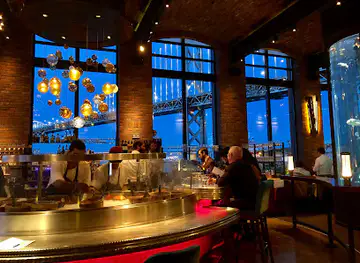
Discover exceptional seafood dining at Waterbar Restaurant on San Francisco's Embarcadero with breathtaking bay views and a vibrant atmosphere.

Foreign Cinema
Experience the fusion of Californian and Mediterranean cuisines at Foreign Cinema in San Francisco's vibrant Mission District.

New England Lobster Market & Eatery
Discover fresh flavors at New England Lobster Market & Eatery – your go-to spot for delectable lobster dishes and quality seafood.

Best bars in San Francisco Peninsula
Top-rated picks
Best Bars

Smuggler's Cove
Experience the tropical allure of Smuggler's Cove in San Francisco, where artisanal cocktails and a pirate-themed ambiance await.

Local Edition
Experience the unique blend of craft cocktails and a speakeasy vibe at Local Edition, San Francisco's hidden cocktail bar in SoMa.

TONGA ROOM & HURRICANE BAR
Discover the enchanting Tonga Room & Hurricane Bar, a tropical cocktail oasis in San Francisco's Nob Hill, offering vibrant drinks and an exotic atmosphere.

Cityscape
Experience breathtaking skyline views and exquisite cocktails at Cityscape, San Francisco's premier sky-high bar.

Best nightclubs in San Francisco Peninsula
Top-rated picks
Best Nightclubs

DNA Lounge
Discover the energetic vibe of DNA Lounge, where live music, delicious food, and a vibrant nightlife converge in San Francisco's SoMa district.

The Valencia Room
Experience the vibrant nightlife of San Francisco at The Valencia Room, a lively club offering great drinks, music, and a fun atmosphere.

Temple Nightclub San Francisco
Discover the vibrant nightlife of San Francisco at Temple Nightclub, where music, dance, and unforgettable experiences await.

Blacksmith
Experience the vibrant cocktail scene at Blacksmith, Redwood City's premier bar for expertly crafted drinks and lively ambiance.

Best shops in San Francisco Peninsula
Top-rated picks
Best Shops

San Francisco Centre
Experience the ultimate shopping and dining adventure at San Francisco Centre, where fashion meets flavor in the heart of the city.

Sequoia Station
Explore the vibrant Sequoia Station in Redwood City, California, a premier shopping mall with delightful dining options and local experiences.

Embarcadero Center
Discover the eclectic shopping and dining experience at Embarcadero Center, a vibrant hub in San Francisco's Financial District.

Cliff's Variety
Explore the eclectic offerings of Cliff's Variety, San Francisco's iconic gift shop for costumes, crafts, toys, and more!

Explore San Francisco Peninsula on the Map
A handpicked selection of must-see spots in San Francisco Peninsula, mapped for you.
San Francisco Peninsula Essentials
-
San Francisco Peninsula is accessible through San Francisco International Airport (SFO), which is a major hub for both domestic and international flights. From the airport, you can take BART (Bay Area Rapid Transit) into the city or the Peninsula. Alternatively, you can arrive via Oakland International Airport (OAK) or Norman Y. Mineta San José International Airport (SJC), both of which are within an hour's drive. Amtrak and Caltrain provide rail services connecting the Peninsula to other parts of California.
-
The Peninsula is well-connected by public transportation. BART and Caltrain are the primary rail services, while SamTrans provides bus services throughout San Mateo County. Muni buses and light rail operate within San Francisco. Ride-sharing services like Uber and Lyft are widely available. Renting a car is another option, but be aware that parking can be expensive and scarce in some areas.
-
The official currency is the U.S. Dollar (USD). Credit cards are accepted almost everywhere, including restaurants, shops, and attractions. ATMs are plentiful, and contactless payment methods like Apple Pay and Google Wallet are commonly used. It's advisable to carry some cash for small purchases and tips.
-
San Francisco Peninsula is generally safe, but like any urban area, it has its high-crime neighborhoods. Areas in San Francisco such as Tenderloin and parts of the Mission District have higher crime rates. It's advisable to avoid these areas, especially at night. Keep an eye on your belongings, particularly in crowded tourist spots like Fisherman’s Wharf and Union Square. Always stay alert and aware of your surroundings.
-
In case of emergency, dial 911 for police, fire, or medical assistance. San Francisco and the Peninsula have numerous hospitals and urgent care centers. It's recommended to have travel insurance that covers medical emergencies. For minor health issues, there are pharmacies like Walgreens and CVS located throughout the area.
-
Fashion: Do dress in layers as the weather can change quickly. Don't wear overly flashy clothing that may attract unwanted attention. Religion: Do respect all places of worship and be mindful when taking photographs. Public Transport: Do be polite and give up your seat to the elderly or disabled. Don’t eat or drink on public transport. Greetings: Do greet people with a friendly 'hello' or a handshake. Eating & Drinking: Do try local cuisine and visit food trucks. Don’t forget to tip; 15-20% is standard in restaurants.
-
To experience the Peninsula like a local, visit the farmers' markets, such as the Ferry Plaza Farmers Market in San Francisco. Explore the scenic coastal trails at places like Half Moon Bay and Pacifica. Take a walk down University Avenue in Palo Alto for a blend of dining and shopping. Don't miss the opportunity to visit local breweries and wineries in the region.
When is the best time to visit San Francisco Peninsula?
Useful Local Phrases for San Francisco Peninsula
You don't need to speak the language perfectly. Even learning a few simple words can make conversations warmer—and locals usually appreciate the effort.
— Eve

Here are the phrases I use most often in San Francisco Peninsula. Try a few—you'll be surprised how far they go! 😊
❤️
-
- HelloHey there!
[Hey thair!] - GoodbyeSee ya!
[See yah!] - YesYep
[Yep] - NoNah
[Nah] - Please/You're welcomeSure thing!
[Shur thing!] - Thank youThanks a lot!
[Thangs a lot!] - Excuse me/SorryOops, my bad!
[Oops, mai bad!] - How are you?How's it going?
[How's it goin'?] - Fine. And you?Good. You?
[Gud. You?] - Do you speak English?Do you speak English?
[Do you speak English?] - I don't understandI don't get it.
[I don't get it.]
- HelloHey there!
-
- I'd like to see the menu, pleaseCan I see the menu?
[Can I see the menu?] - I don't eat meatI'm vegetarian.
[I'm vegetarian.] - Cheers!Cheers!
[Cheers!] - I would like to pay, pleaseCan I get the check?
[Can I get the check?]
- I'd like to see the menu, pleaseCan I see the menu?
-
- Help!Help!
[Help!] - Go away!Leave me alone!
[Leev me alone!] - Call the Police!Call 911!
[Call 911!] - Call a doctor!Get a doctor!
[Get a doctor!] - I'm lostI'm kinda lost.
[I'm kinda lost.] - I'm illI'm not feeling well.
[I'm not feeling well.]
- Help!Help!
-
- I'd like to buy...I want to buy...
[I want to buy...] - I'm just lookingJust browsing.
[Just browsing.] - How much is it?What’s the price?
[What’s the price?] - That's too expensiveThat's a bit pricey.
[That's a bit pricey.] - Can you lower the price?Can you give me a discount?
[Can you give me a discount?]
- I'd like to buy...I want to buy...
-
- What time is it?What time is it?
[What time is it?] - It's one o'clockIt's one.
[It's one.] - Half past (10)Half past ten.
[Half past ten.] - MorningMorning
[Morning] - AfternoonAfternoon
[Afternoon] - EveningEvening
[Evening] - YesterdayYesterday
[Yesterday] - TodayToday
[Today] - TomorrowTomorrow
[Tomorrow] - 1One
[One] - 2Two
[Two] - 3Three
[Three] - 4Four
[Four] - 5Five
[Five] - 6Six
[Six] - 7Seven
[Seven] - 8Eight
[Eight] - 9Nine
[Nine] - 10Ten
[Ten]
- What time is it?What time is it?
-
- Where's a/the...?Where's the nearest...?
[Where's the nearest...?] - What's the address?What’s the address?
[What’s the address?] - Can you show me (on the map)?Can you point it out on the map?
[Can you point it out on the map?] - When's the next (bus)?When's the next bus?
[When's the next bus?] - A ticket (to ....)A ticket to... please.
[A ticket to... please.]
- Where's a/the...?Where's the nearest...?
History of San Francisco Peninsula
-
Long before European settlers arrived, the San Francisco Peninsula was home to the Ohlone people. The Ohlone lived in a series of small, interconnected villages, thriving on the region's abundant natural resources. They engaged in hunting, fishing, and gathering, and their rich cultural heritage included complex social structures, spiritual practices, and intricate basketry.
-
In 1769, the Spanish began their colonization of California, and by 1776, they established the Presidio of San Francisco and Mission San Francisco de Asís, also known as Mission Dolores. The mission system aimed to convert the indigenous populations to Christianity and integrate them into Spanish colonial society. The missions played a significant role in shaping the early cultural and economic landscape of the peninsula.
-
The discovery of gold in 1848 at Sutter's Mill near Sacramento sparked a massive influx of settlers to California, including the San Francisco Peninsula. The Gold Rush brought a diverse array of people seeking fortune, leading to rapid urbanization and the development of infrastructure. San Francisco quickly transformed from a small settlement into a bustling port city, serving as the gateway to the gold fields.
-
On April 18, 1906, a massive earthquake struck San Francisco, causing widespread destruction and fires that ravaged much of the city. The disaster had a profound impact on the peninsula, leading to significant rebuilding efforts and advancements in engineering and urban planning. The earthquake remains a defining moment in the history of the region.
-
During World War II, the San Francisco Peninsula played a crucial role in the United States' defense efforts. The region became a hub for shipbuilding, aircraft manufacturing, and other defense-related industries. The influx of workers and the development of military infrastructure contributed to the economic growth and urbanization of the peninsula.
-
In the latter half of the 20th century, the San Francisco Peninsula became synonymous with technological innovation and entrepreneurship. The region, particularly the southern part known as Silicon Valley, became home to a burgeoning tech industry. Pioneering companies like Hewlett-Packard, Intel, and later, Apple, Google, and Facebook, established the area as a global center for technology and innovation, transforming the local economy and culture.
-
Today, the San Francisco Peninsula is known for its cultural diversity, vibrant neighborhoods, and dynamic economy. The region's rich history is reflected in its eclectic architecture, diverse culinary scene, and numerous cultural festivals. Modern developments continue to shape the landscape, with sustainable urban planning and tech-driven innovations leading the way.
Neighbouring Regions of San Francisco Peninsula
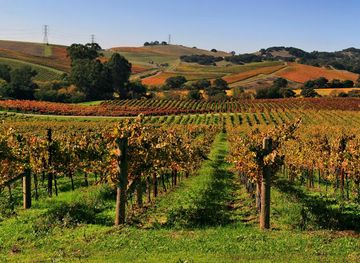
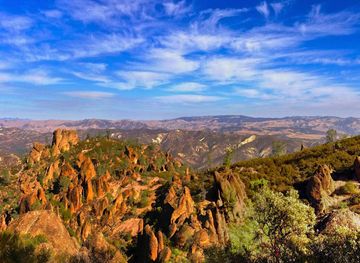
The closest regions to San Francisco Peninsula, if you have time for more than one.



Your all‑in‑one travel companion app
Explore expert travel guides, compare and book tours, experiences, hotels, and more—all from the palm of your hand. Download now for seamless trip planning wherever your wanderlust takes you.


Explore More of California
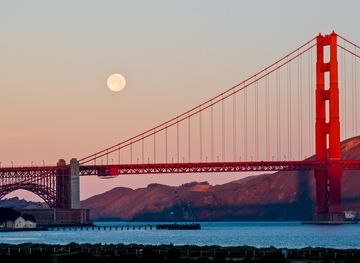
Looking beyond San Francisco Peninsula? Discover California for broader travel guides, local hot-spots, and regional highlights.
Explore CaliforniaSan Francisco Peninsula in Photos
Browse through our photo collection highlighting the charm and character of the destination.


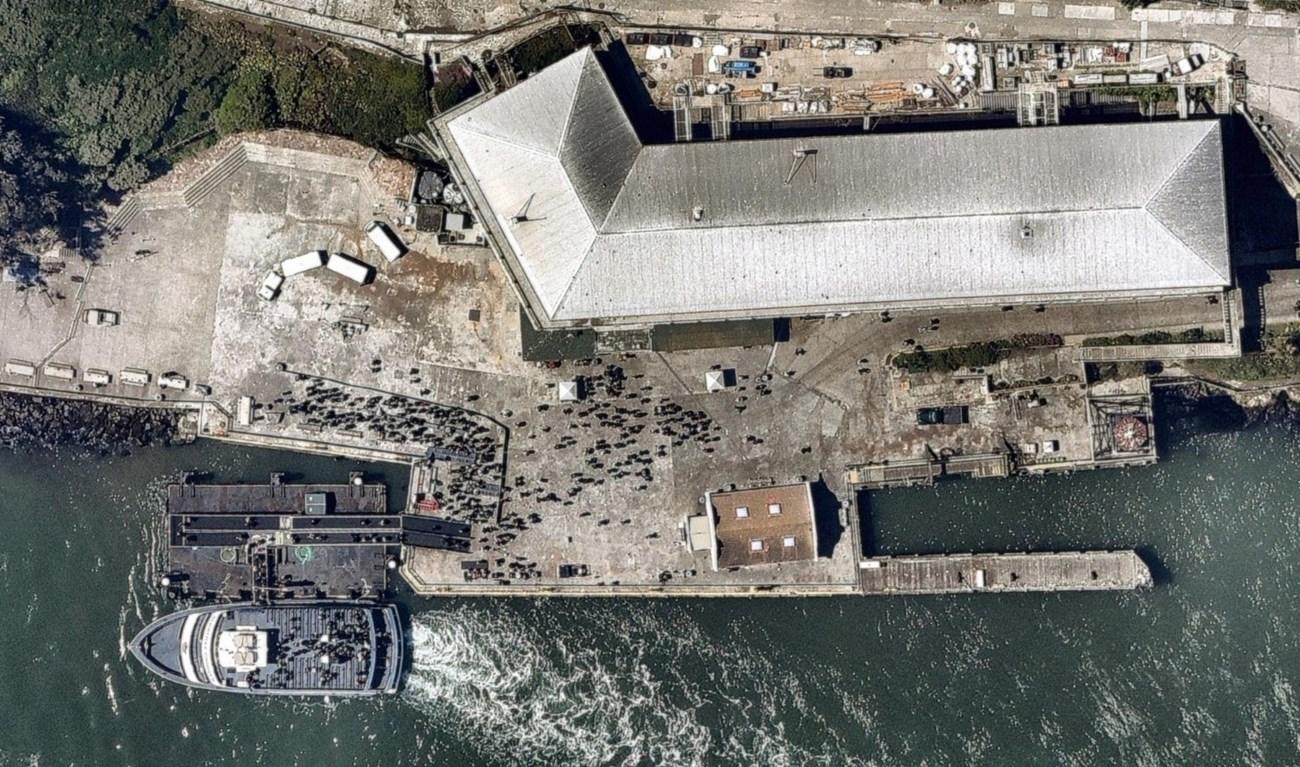


Exploring the Wonders of the San Francisco Peninsula
The San Francisco Peninsula is a stunning region of California that offers a diverse array of attractions. From the bustling urban life of San Francisco to the serene beaches of Half Moon Bay, this area has something for everyone. The iconic Golden Gate Bridge is a must-see, providing spectacular views of the bay and the city skyline. The historic cable cars add a nostalgic charm, taking you up and down the city's famous steep hills. Nature lovers will be enchanted by the peninsula's natural beauty. Visit the majestic redwoods in Muir Woods National Monument or take a scenic drive along the Pacific Coast Highway. For a more relaxed day, explore the parks and gardens, such as the San Francisco Botanical Garden or the Japanese Tea Garden in Golden Gate Park. Food enthusiasts will delight in the culinary scene. The peninsula boasts an array of dining options, from gourmet restaurants to casual eateries. Seafood lovers should not miss the chance to try fresh Dungeness crab at Fisherman’s Wharf. With its rich cultural history, vibrant arts scene, and stunning natural landscapes, the San Francisco Peninsula is a destination that promises an unforgettable experience.