

From Eve
Know before you go
Hi, I'm Eve. Here are a few practical things to know before exploring Central Waterfront.
Local know-how to help you travel smarter and make the most of every moment.


Explore San Francisco's Central Waterfront: where maritime history meets modern innovation in a vibrant, evolving neighborhood by the bay.
The Central Waterfront in San Francisco is a dynamic district where maritime history meets modern urban development. Once an industrial hub, it has evolved into a vibrant neighborhood with repurposed historic buildings, new residences, parks like Crane Cove Park, and cultural attractions. The Dogpatch area is a haven for artists, featuring galleries and creative spaces.
Opening times, essentials, and a few local tips gathered into one calmer, easier-to-scan planning section.
Hi, I'm Eve. Here are a few practical things to know before exploring Central Waterfront.
Local know-how to help you travel smarter and make the most of every moment.
Public Transport
The Central Waterfront is accessible via San Francisco's Muni system. The T-Third Street Muni light-rail line runs through the neighborhood, providing easy access to downtown and other parts of the city. Several bus lines also serve the area. A single ride on Muni costs $3.00, or $2.85 if using a Clipper card or the MuniMobile app. A day pass, offering unlimited rides on Muni buses, trains, and historic streetcars, is available for $5.70 via the MuniMobile app.
Walking
Many destinations within the Central Waterfront are easily walkable. From the Mission Bay neighborhood, you can walk along the waterfront, enjoying views of the bay and the city skyline. The walk to the Chase Center, home of the Golden State Warriors, is also a pleasant option. Be sure to wear comfortable shoes, as the area is best explored on foot.
Ride-Sharing
Ride-sharing services like Uber and Lyft are readily available in San Francisco. A ride from downtown San Francisco to the Central Waterfront typically costs around $15-$30, depending on traffic and demand. From San Francisco International Airport (SFO), a ride to the Central Waterfront averages around $40. Keep in mind that prices may vary based on the time of day and the number of riders requesting rides.
Driving
If driving, be aware that parking in San Francisco can be challenging and expensive. Street parking is available, but it can be difficult to find and may have time restrictions. Several parking garages are located in and around the Central Waterfront. Rates typically range from $5.99 per half hour, with daily maximums around $28.35. Early bird specials and weekend flat rates may also be available. Check for parking availability and rates in advance using online parking apps.
Use Tower Bridge as your starting point for nearby food, family ideas, nightlife, and more local discoveries.

Explore expert travel guides, compare and book tours, experiences, hotels, and more—all from the palm of your hand. Download now for seamless trip planning wherever your wanderlust takes you.
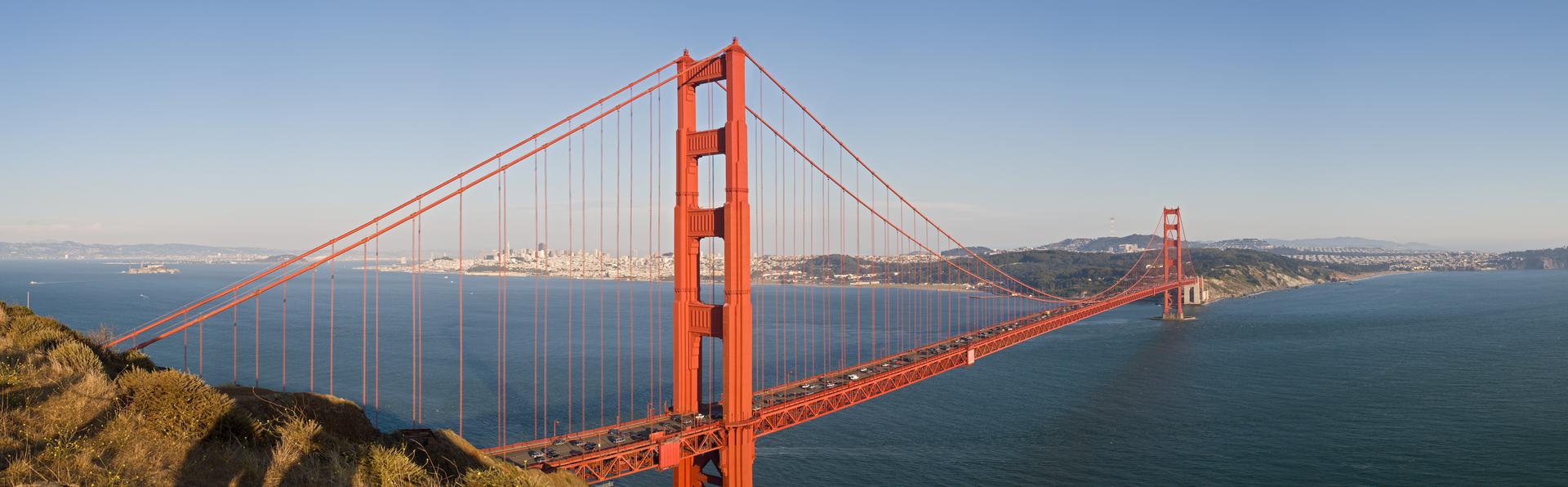
Explore San Francisco: A captivating mix of iconic landmarks, diverse neighborhoods, and vibrant culture, making it a must-visit destination on the West Coast.
Tell me more about San Francisco


