

Alcatraz Island, Bay Area Travel Guide
Explore the infamous former prison island in the San Francisco Bay, where notorious criminals were once held, offering a unique blend of history, stunning views, and thought-provoking exhibits.
Alcatraz Island, a small island in the San Francisco Bay, is a historic landmark that has served many purposes throughout its existence. From its early days as a military fort and prison in the mid-19th century to its infamous stint as a federal penitentiary from 1934 to 1963, Alcatraz has captured the imagination of people worldwide. Today, it stands as a major tourist attraction, drawing visitors eager to explore the cell house where notorious criminals like Al Capone and Robert Stroud were once incarcerated. The island offers stunning views of the San Francisco skyline, a glimpse into a dark past, and an opportunity to reflect on themes of incarceration, justice, and humanity. A visit to Alcatraz is a unique and unforgettable experience, providing a blend of history, natural beauty, and thought-provoking exhibits.
A brief summary to Alcatraz Island
- San Francisco, California, 94133, US
- Click to display
- Click to display

Know before you go
Hi, I'm Eve. Here are a few practical things to know before exploring Alcatraz Island.
- Book your ferry tickets well in advance (weeks or months ahead) as they frequently sell out, especially during peak season.
- Dress in layers, as the weather on Alcatraz can be unpredictable, changing from warm to windy and chilly.
- Wear comfortable walking shoes, as you'll be walking on steep paths and exploring historic buildings.
- Allow at least 2.5 to 3 hours for your visit to fully explore the island and experience the audio tour.
- Consider the Night Tour for a unique experience with smaller crowds and special programs not offered during the day.
Do you manage this location?
Take control to get all the benefits, like improved information, better appearance, and stronger visibility across AI-powered discovery. Learn more about listing your business on Evendo
Activate your presenceOther nearby places you may find interesting
The closest places of the same kind, if this one is not quite what you had in mind.



Explore Alcatraz Island on the Map
A handpicked selection of must-see spots near Alcatraz Island, mapped for you.
Unlock the Best of Alcatraz Island
Buy tickets
-
No tickets available
Book tours with entry


Book tours without entry

Getting There
-
Public Transport
From anywhere in San Francisco, the most convenient way to reach Alcatraz Landing at Pier 33 is via public transportation. The Muni F Line historic streetcar runs along the Embarcadero and stops directly at Alcatraz Landing. A single ride on Muni costs $3.00, or $2.50 if you use the MuniMobile app. Several Muni bus lines also serve the area. From the Transbay Terminal, you can take the F Line or several bus routes to Pier 33. Plan your trip using the 511.org website for real-time schedules and connections.
-
Taxi/Ride-Share
Taxis and ride-sharing services like Uber and Lyft are readily available throughout San Francisco. A ride from Union Square to Pier 33 typically costs between $15 and $25, depending on traffic and demand. Be sure to specify 'Pier 33 Alcatraz Landing' as your destination. Note that traffic along the Embarcadero can be heavy, especially during peak tourist season, so allow extra time.
-
Driving
If driving, be aware that there is no parking available at Pier 33 Alcatraz Landing. Several commercial parking lots are located within a five-block radius, but rates can be high, ranging from $40 to $60 per day. The closest and most convenient lot is located at 80 Francisco Street at Kearny, just one block away. On-street parking is extremely limited and metered, with time limits that are unlikely to accommodate a visit to Alcatraz. Due to frequent car break-ins in the Fisherman's Wharf area, it's highly recommended not to leave any valuables in your vehicle. Consider being dropped off or using public transportation instead.
-
Ferry
Access to Alcatraz Island is exclusively through Alcatraz City Cruises, the official ferry provider. Purchase tickets in advance online or by phone, as they often sell out. The ferry departs from Pier 33 Alcatraz Landing. Arrive at least 30 minutes prior to your departure time for check-in. A round-trip ferry ticket, which includes the Alcatraz Cellhouse audio tour, costs approximately $45.25 for adults. There is no entrance fee to Alcatraz Island itself; the ferry ticket covers the transportation and access to the island's exhibits and programs.
Discover more about Alcatraz Island













Your all‑in‑one travel companion app
Explore expert travel guides, compare and book tours, experiences, hotels, and more—all from the palm of your hand. Download now for seamless trip planning wherever your wanderlust takes you.


Explore More of Bay Area
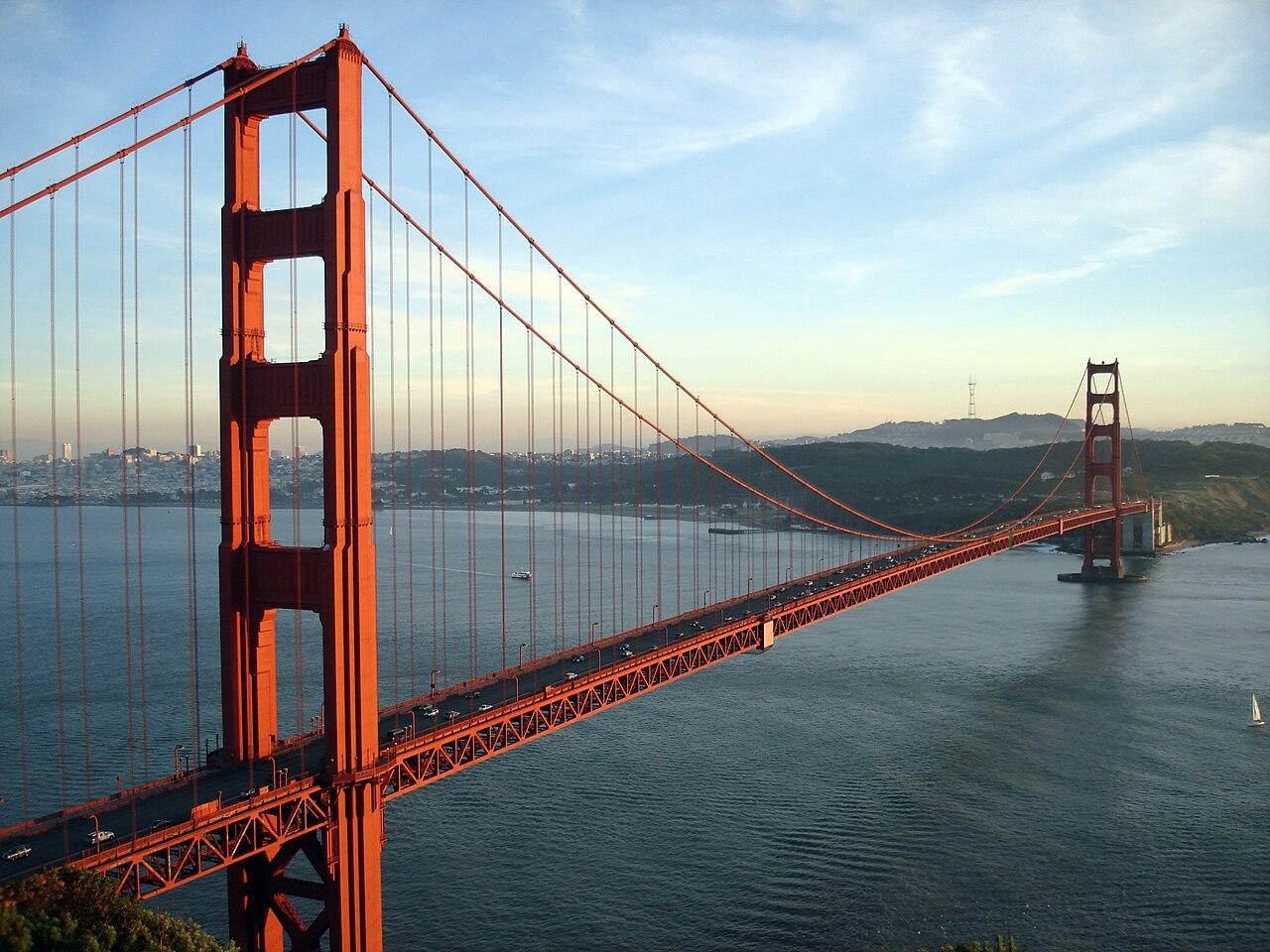
Looking beyond Alcatraz Island? Discover Bay Area for broader travel guides, local hot-spots, and regional highlights.
Explore Bay Area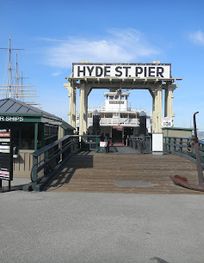
Explore San Francisco's seafaring past at Hyde Street Pier, home to a remarkable fleet of historic ships and offering stunning views of the Golden Gate Bridge and Fisherman's Wharf.
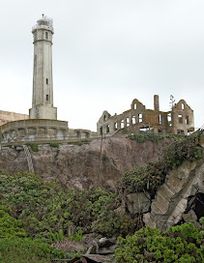
Discover the historic Alcatraz Lighthouse, the first beacon on the West Coast, offering a glimpse into maritime history and stunning views of San Francisco Bay from the infamous Alcatraz Island.
